




Snow situation in Shkodër/ Municipality: The Kir-Shosh axis is impassable, some areas are without lights
Heavy snowfall, frost and low temperatures have grippe...


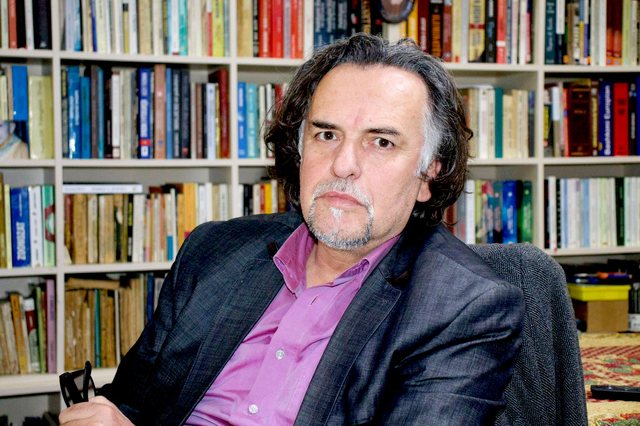
Lustless love, from OSHO, to the way we understand and experience love
The way OSHO approaches the philosophy of lust and love, the profound difference between the two forms of energy, sexual and spiritual, emerges, which treated in the practice of the conductor of electricity, we can make the comparison between the zero and the phase.
Lust is considered a form of sexual energy that moves towards the roots, that is, below, keeping the individual connected to the instinctive and selfish aspects. It is a force centered on personal desires and possession, perhaps a driving law originating in the inherent depth of being.
Lust is the lowest form of sexual energy and its highest desire. Until your lust becomes love, you will continue to be far from the goal, OSHO teaches. Lust is the same energy as love. The change is only in direction. Lust moves down, love moves up. Lust is like the roots of a tree, love is like the wings of birds, but the energy is the same, neutral. Until you become aware of this fact you will not be creative. On the way down it is destructive, you are just entertaining yourself, you are not integrating, what Gurdjieff calls crystallization, is specified by the gurus.
If love has internal dependence, it is lust. In lust you are not really thinking about the other, but using the other as a means to your ends. And, of course, this is addiction, since you want to own the other person forever. After tomorrow, and the day after tomorrow, you will need a lover to own.
When the other becomes more valuable than you – that is compassion, that is love – when you sacrifice yourself for the other. When you become the means and the other becomes the goal, that is love. When you become the goal the other is used as a tool, this is only lust, which is always cunning, whereas love is always narcissistic...
Love, according to Osho, is the transformation of that same energy into a higher level of consciousness. . It moves towards the wings of the soul and the outburst of compassion, putting the other above oneself and transforming the relationship into a creative and spiritual act.
Lust is related to addiction, to the need to possess another, to use him as an object to satisfy selfish desires. Whereas love is liberating because it focuses on giving and sacrificing for the other, making it the ultimate goal.
The central idea is that lust and love are built on the same neutral energy. What defines its nature is the direction: one goes down and the other up, reflecting the level of consciousness and the inherent power of involvement and experience.
Like roots and wings, both are necessary to build a sustainable tree of life. The roots (lust) supply the tree with energy, while the wings (love) lead it towards the light and the heavenly.
Can love without lust exist in the height of experience and the purity of acceptance?
Yes, it is difficult to imagine a love completely divorced from lust. Lust, in its most refined form, often becomes the initial spark that ignites a relationship, sets two beings on fire, which as they burn, reveal the need to see around and within ourselves more clearly through this light, but also to grew warm, and why not to turn into ashes, to be reborn as the mythological Phoenix, to remake and relive in a new dimension the feeling on both planes, in the inclusiveness of a communication and relationship that complement each other. When lust runs rampant, it may pass into a purer and higher form of love, but its initial presence remains a natural element of human relationships and essential in the presence of two partners who for one reason or another, they understand how important they are to each other.
Lustless love can exist in forms that are not related to physical or romantic desire, such as platonic love, a spiritual and emotional connection between two individuals, detached from physical desires, which is often drawn by partners.
In romantic relationships, it is challenging to avoid lust completely because sexual energy and physical emotions are often an essential part of intimacy.
Over time, lust can decline and be replaced by a more stable and deeper form of love, one centered on sharing, mutual understanding and respect, utopian and exhilarating, but also torturous but pure and blissful.
A harmony between lust and love is advised, a relationship as an agreement, or an agreement as a compliance that does not violate the frame of mind where social norms and mentality tend to keep our thoughts prisoner, but without being able to confine the bodies and feelings.
Instead of seeing lust as something inferior or separate from love, we can consider it as a natural component that, in harmony with other emotions, strengthens the bond, conditioned by the laws of life, regardless of the influences and currents that hit them individuals to keep them subjugated, not emancipated as claimed. Because education through feelings and experiences is the most purified of all sermons and fires of inquisition that burned sinners.
In many spiritual traditions, lustless love is a lofty ideal, to be pursued through meditation and mindfulness practice. This form of love transcends personal and sexual boundaries, becoming a universal and unconditional love – what is often called agape in Greek philosophy or prema in Indian traditions. So high it is often impossible for the ordinary individual to ascend, who, though he thinks that passionless love is possible, especially in its platonic and spiritual forms, yet he believes in sacrificing himself more than to any other god, to her, romantic love, which considers the presence of lust as energy, without which love does not exist, as it would be impossible for us as beings to determine the goals of presence in life. /CNA

Heavy snowfall, frost and low temperatures have grippe...
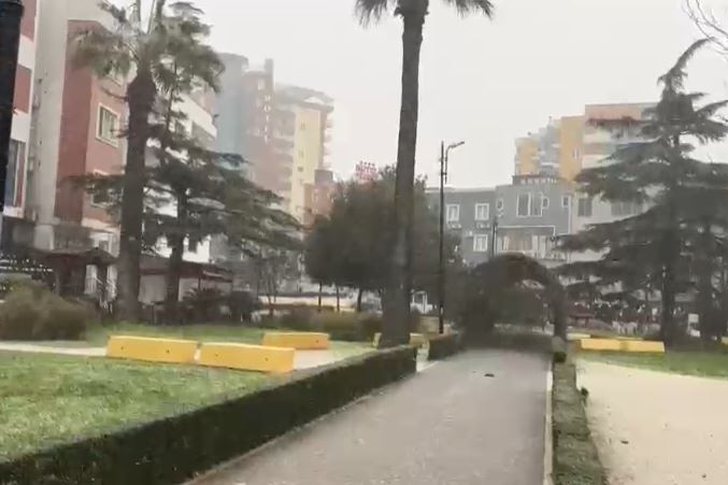
Low temperatures and heavy rains have brought various prob...

Due to the bad weather with snowfall in some regions of th...
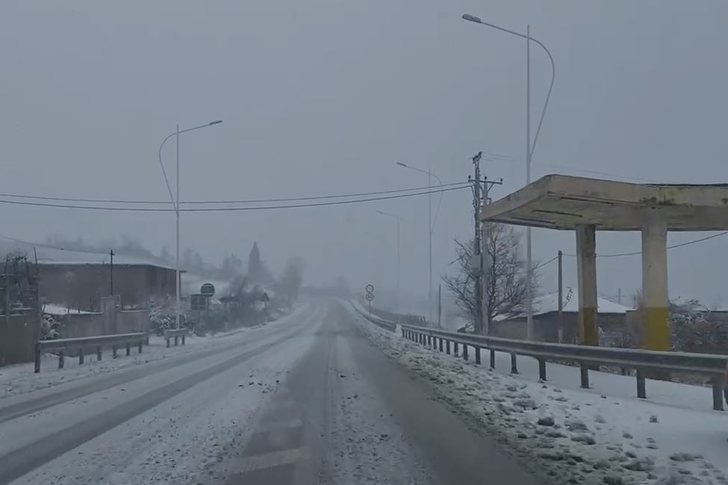
Currently, snowfall continues to fall in the Pogradec dist...
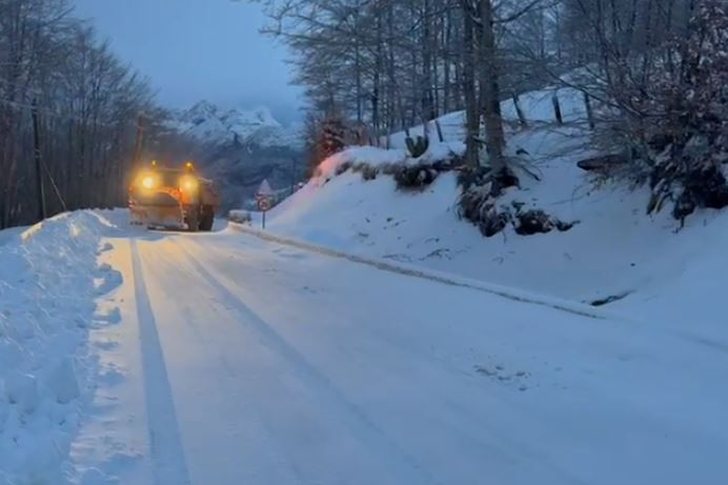
Bad weather with rain and snow has covered all of Albania,...
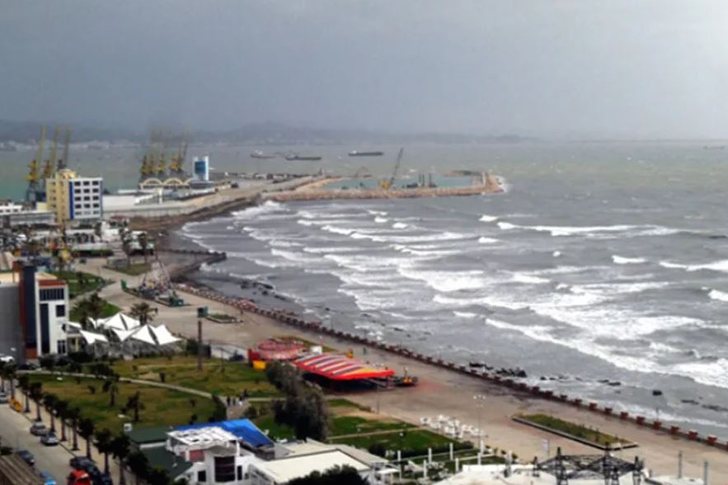
The General Maritime Directorate, through an announcem...
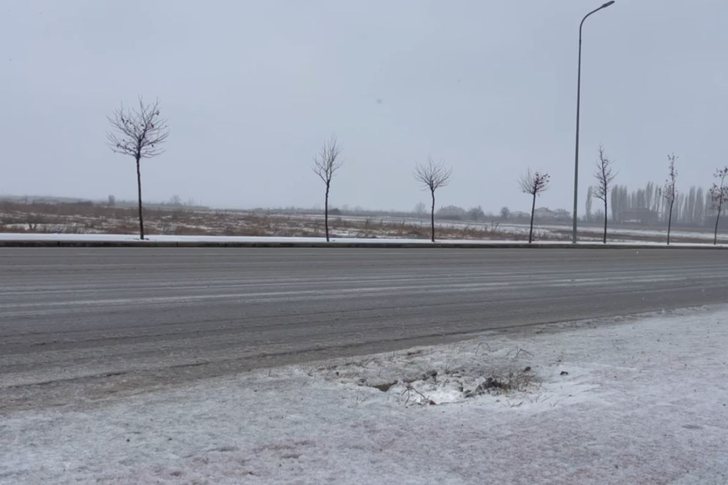
The drop in temperatures has brought back snowfall in the ...
Our country this Sunday will be affected by mostly uns...
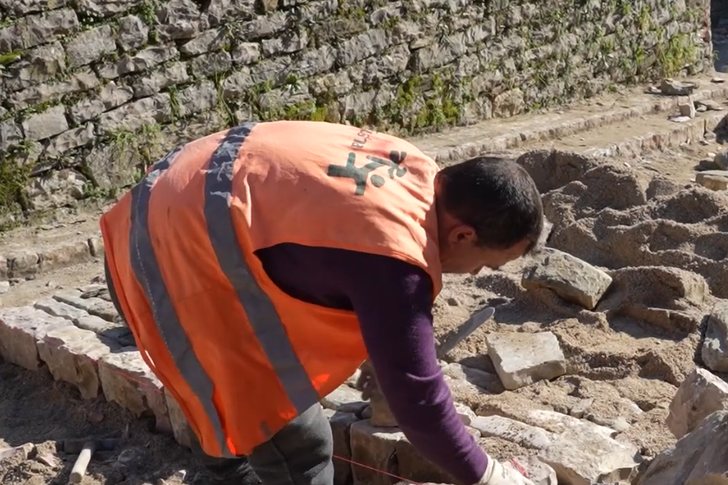
Over two decades, Gjirokastra has lost more than 28 km of ...
Even for today, our country will be affected by mainly uns...
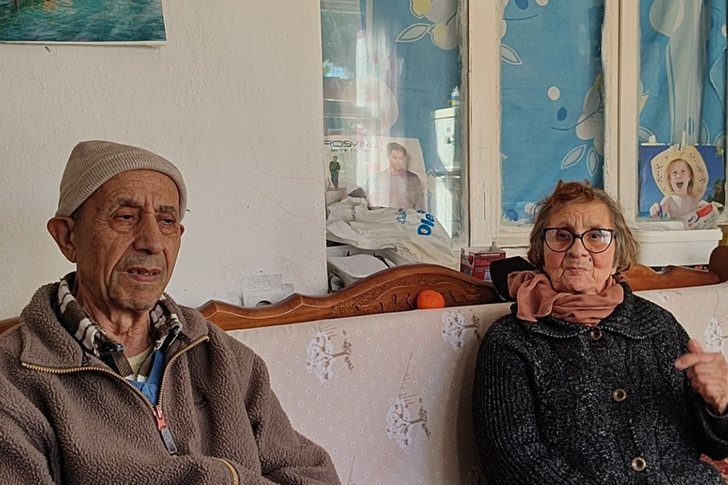
Silvana Braho is one of the many pensioners left alone...
Today the weather will continue to be unstable with low-in...

Today, our country will continue to be affected by unstabl...
A holy mass was held in the church of Vraka in Malë...
The weather for today is expected to be clear and alternat...
For this week, our country is predicted to be affected by ...

Albania risks being further emptied of its local populatio...

Our country is expected to be affected by mostly unstable ...
On Saturday, our country will be affected by relatively un...
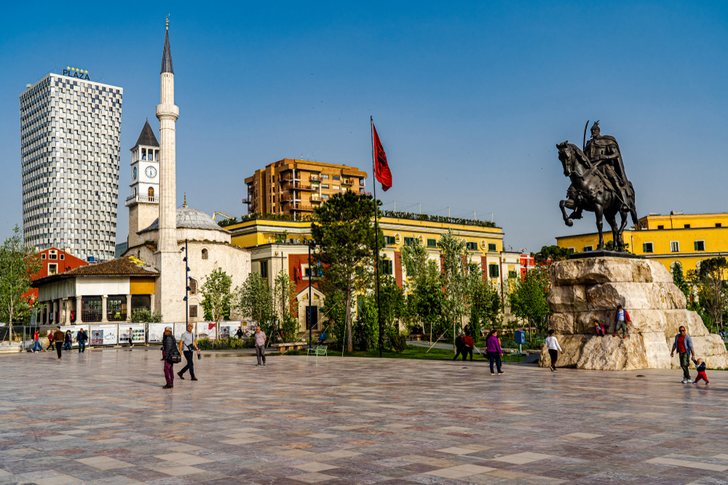
Tirana is the only county in the country that saw a slight...

The protests of recent days related to the situation in Zv...

The case addressed this Wednesday, June 3, on the show "St...

The show "Stop" broadcast this Wednesday, June 3, the case...

Irfan Hysenbelliu claims to be a big businessman, an hones...

The Special Board of Appeal (KPA) decided this Monday ...

The KPA vetting decided this Thursday to dismiss the p...

Suela Salavaçi, a prosecutor in the Prosecutor's Offic...

The Special Board of Appeal reinstated the prosecutor ...

Several images provided by CNA show the area where this mo...

A quantity of explosive material exploded this morning at ...
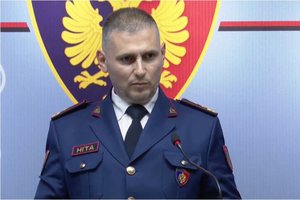
The Head of the State Police, Skënder Hita, expressed his ...

New details have emerged regarding the serious incident th...

For many children and teenagers, the long summer holidays ...
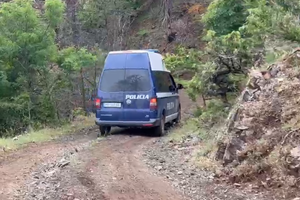
Witnesses in Lozhan, Maliqi, have shared details from the ...

Albania is facing an unprecedented demographic transition,...
On Thursday, our country will be affected by unstable weat...
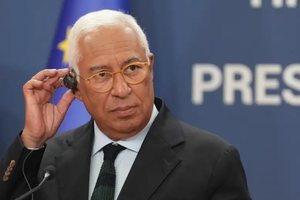
The European Union must find ways to accelerate the member...
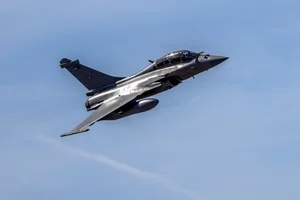
French fighter jets took off 11 times last week as part of...

A number of European Union member states are pressuring th...
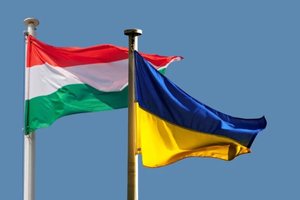
Hungary and Ukraine have reached an agreement on the right...
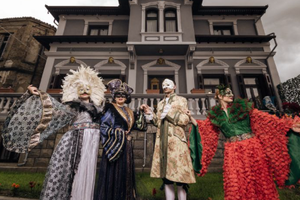
Korça is ready to open the summer season with one of the c...

Two years after his passing, the renowned Korçë poet Skënd...

The Ethnographic Museum of Berat has opened its doors to v...
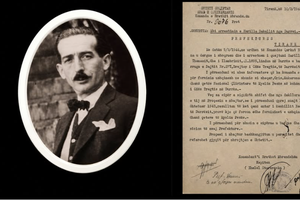
The story of Harilla Bakalli is one of the most chilling t...

The government aims to transform the country's industrial ...

Kursi i këmbimit të euros me lekun ka rënë më tej këtë jav...

Profit margins in the construction sector have increased s...

The Transparency Board, at its meeting today, decided to i...