


Trump accuses China of interfering in the 2020 election
United States President Donald Trump delivered a speech fr...

United States President Donald Trump delivered a speech fr...

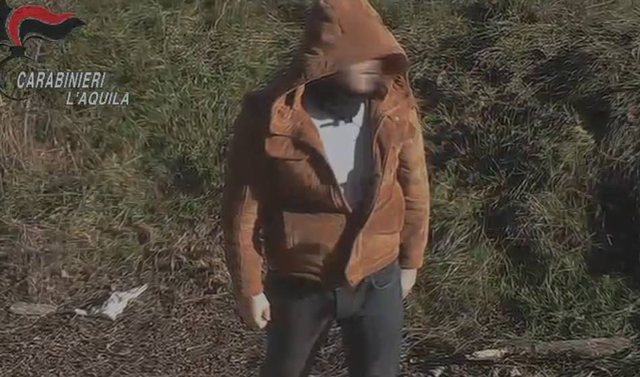
They arrived from Albania on tourist visas, in their early twenties, with no criminal record and no criminal history. They landed in Rome, then someone took them to L'Aquila. Apartments on the outskirts of the capital or in nearby towns, rental cars, several mobile phones and always different SIM cards. They stayed for a few weeks. Time to sell cocaine and disappear.
When the carabinieri stopped them, the pattern always seemed the same: ten, twelve doses on them, small amounts, no criminal records, no personal phone number that could be traced back to them. These kids were almost invisible.
But behind that continuous series of arrests and checks, according to the L'Aquila District Anti-Mafia Directorate, there was an organized system that in recent years had built a real cocaine network between the Abruzzo capital and the surrounding area.
The "Cocaine Delivery" operation began at dawn this morning, ordered by the L'Aquila District Anti-Mafia Prosecutor's Office. Carabinieri from the Operational and Mobile Unit of the L'Aquila Company, supported by the territorial commands of the Carabinieri, a crew from the 16th Carabinieri Helicopter Unit in Rieti, two dog units from the Chieti Dog Unit and two operational intervention teams from the 8th Lazio Regiment and the 10th Campagna Regiment, executed 25 personal precautionary measures and 11 detentions.
Forty people are under investigation, almost all Albanian citizens. They are accused of conspiracy to traffic narcotics and possession and distribution of cocaine.
The investigation, coordinated by prosecutor Roberta D'Avolio under the direction of district attorney Alberto Sgambati, began in January 2025 precisely from that feeling of constant repetition: the same profiles, the same movements, the same boys appearing and disappearing within a few days.
"We didn't just stop at individual arrests," explained Major Massimo Canale, commander of the L'Aquila Carabinieri Company. "We tried to understand what was behind this constant turnover of individuals."
And piece by piece, investigators began to reconstruct the mechanism.
According to the Prosecution, there were three distinct criminal organizations, autonomous but connected to each other and, above all, linked to an operational structure in Albania that managed the recruitment, drug supply and continuous circulation of dealers.
The young people were brought to Italy on regular tourist visas. Once there, they received full logistical support: rental cars, cell phones, SIM cards, and temporary housing.
The choice to use boys without a criminal record was part of the system itself.
"They were young people who had arrived maybe the day before, with no criminal record," prosecutor D'Avolio explained at a press conference. "The risk was that any incident would be limited to a simple arrest for minor drug trafficking."
Instead, investigators began to connect dozens of seemingly isolated cases.
The cars used by the dealers changed constantly. Telephone lines were very short. Cocaine was hidden in forest areas, in the countryside and on the outskirts of L'Aquila. Dealers carried only a small amount of cocaine with them precisely to avoid the stricter precautions if they were stopped.
The rest of the substance was recovered from hidden locations from time to time.
A mobile and fluid structure, built to make it difficult to reach the highest levels of the organization.
When one of the traffickers was arrested or simply targeted by the police, he disappeared. He returned to Albania. And was replaced almost immediately by another young man who had just arrived.
To rebuild the system, the carabinieri worked for more than a year using shadow protection, surveillance services, hidden cameras and constant monitoring of movements in the suburbs and villages of the L'Aquila area.
"The investigators' skills lay precisely in identifying so many seemingly unrelated incidents," emphasized District Prosecutor Alberto Sgambati, who thanked in particular Colonel Salvatore Del Campo, the provincial commander of the Carabinieri of L'Aquila, Public Prosecutor Roberta D'Avolio and all the officers involved in the investigation.
During the investigation, the Carabinieri made 16 arrests and seized approximately one kilogram of cocaine. Investigators believe that the sale of at least 3,200 doses has been confirmed, with an estimated turnover of approximately 125,000 euros.
Over a hundred identified users have been reported to the competent Prefectures.
According to the Prosecutor's Office, the groups operated mainly in L'Aquila and surrounding municipalities, but also had links in Tuscany and Veneto.
"This operation does not solve the drug problem," D'Avolio said. "But it represents a significant blow to the criminal organizations that had been operating continuously in the area."


It is reported that an accident was recorded today on the ...

A serious incident occurred this Wednesday morning. A Gard...
A gunshot wound occurred in Tirana around midnight. Accord...
The Korça Local Police Directorate conducted an anti-drug ...
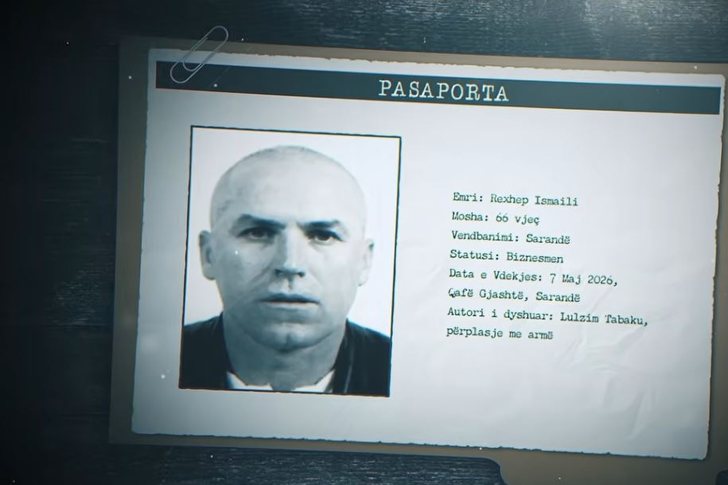
New details have emerged about the serious incident that o...
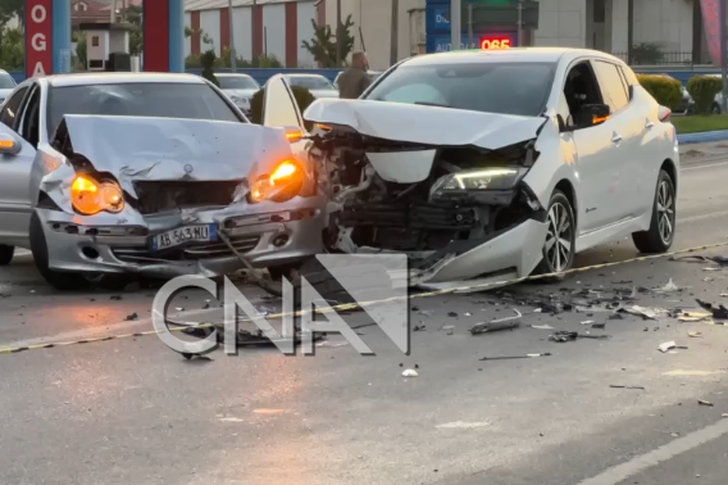
An accident occurred today on the Korça-Pogradec national ...
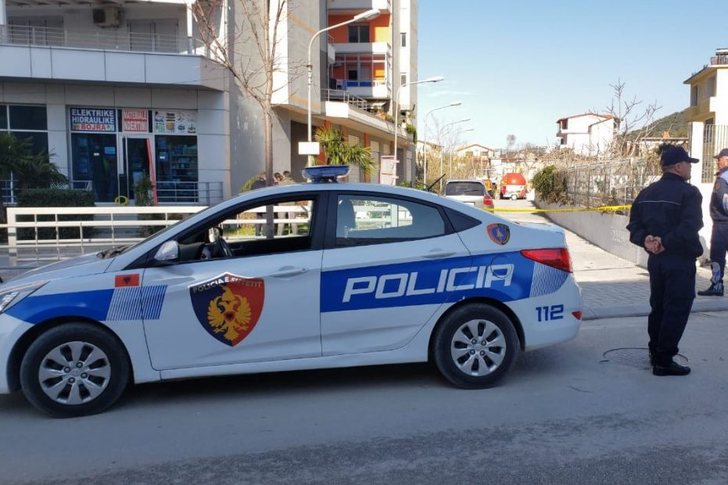
A serious accident occurred this afternoon in the Yrsheku ...
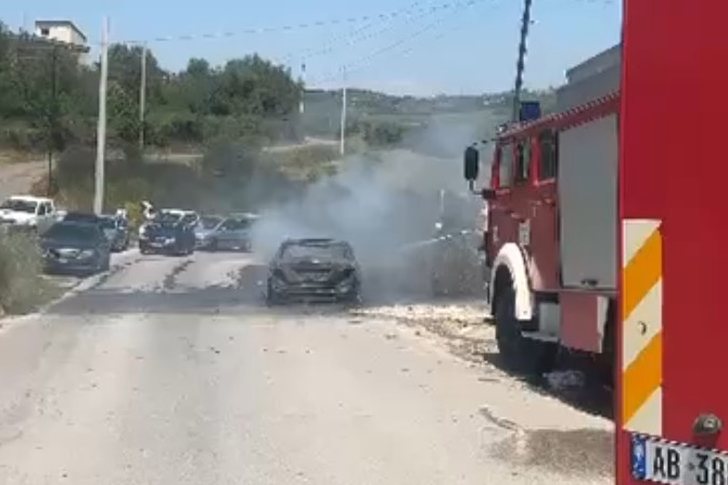
A vehicle caught fire this afternoon on the Fier-Ballsh ro...
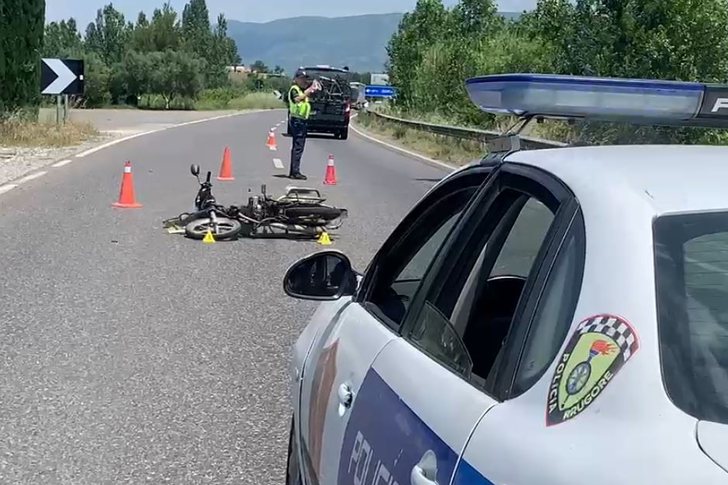
A road accident occurred today on the Lezhë-Shkodër axis, ...
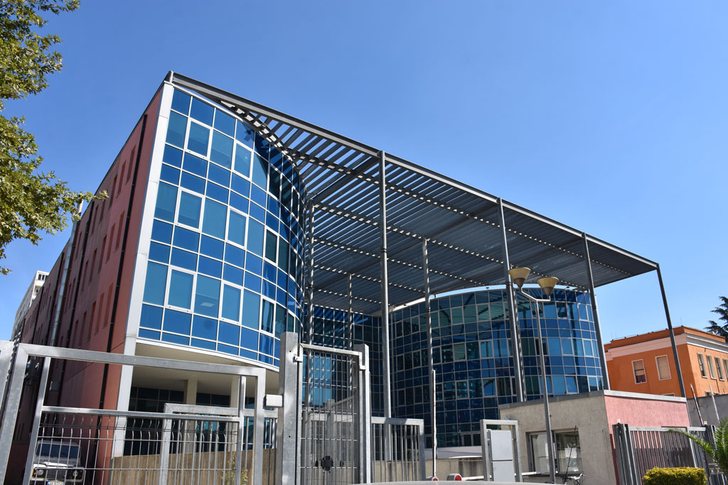
SPAK and the Bari District Anti-Mafia Directorate (DDA) co...
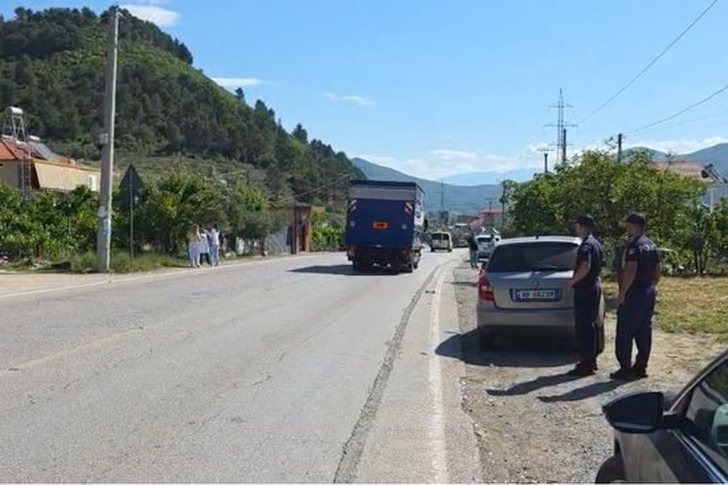
Director Petri Bozo has been arrested by police after he h...
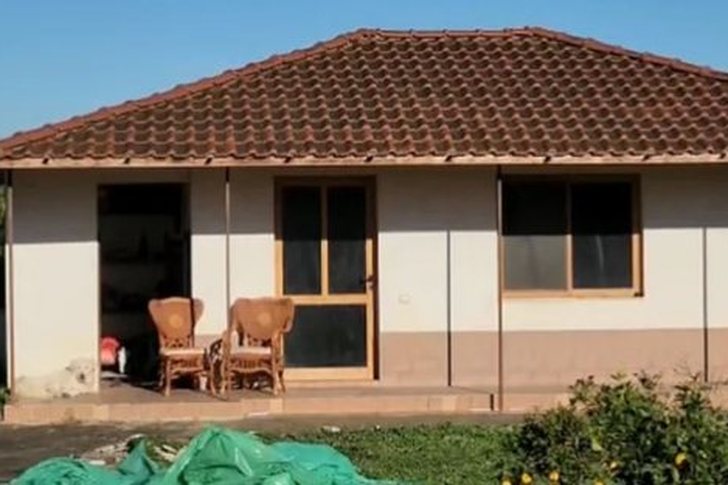
One of the people wanted for drug trafficking and criminal...
A large-scale operation by SPAK in collaboration with the ...
Other details have been revealed from the operation in Sar...
The General Directorate of Prisons has announced that toda...
It is reported that an operation is underway in Saranda an...
An accident reportedly occurred this afternoon in Vaqarr, ...
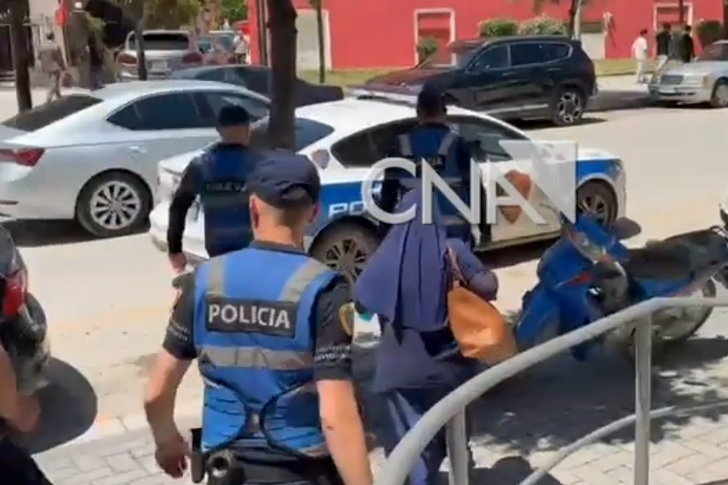
A woman entered the premises of the First Instance Court i...
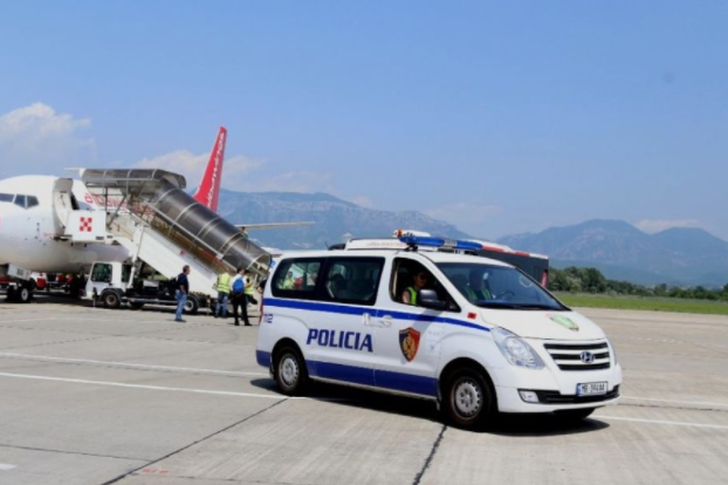
Five Albanian citizens have been captured in Dubai and arr...

A French citizen has been arrested and a German citizen ha...
The mayor of Tirana, Erion Veliaj, arrested on 13 charges ...
Qytetarët që kalojnë pasditen pranë Liqenit Artificial në ...
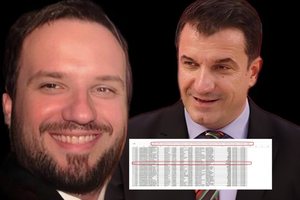
On the morning of July 7, 2026, the Ministry of Culture ur...
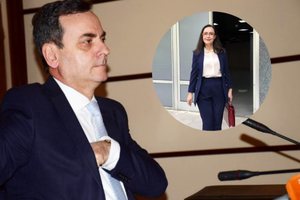
After the disclosure of the portfolio of properties an...

The Special Board of Appeal (KPA) decided this Monday ...

The KPA vetting decided this Thursday to dismiss the p...

Suela Salavaçi, a prosecutor in the Prosecutor's Offic...

The Special Board of Appeal reinstated the prosecutor ...
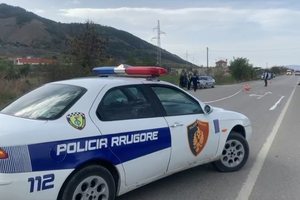
A serious accident occurred this afternoon on the Elbasan-...
The Police Supervision Agency has arrested two police offi...
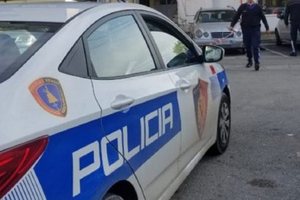
The 18-year-old who stabbed a citizen in the premises of t...
A road accident occurred this Thursday on the Tirana-Elbas...

On Friday, our country will remain under the influence of ...
Demographic trends in Europe are revealing a new complex r...

Today, our country will remain under the influence of stab...
Today, our country will remain under the influence of stab...

United States President Donald Trump delivered a speech fr...
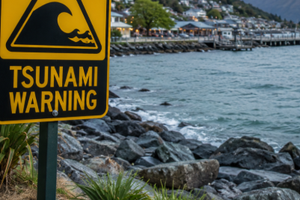
A magnitude 5.9 earthquake struck New Zealand's South Isla...
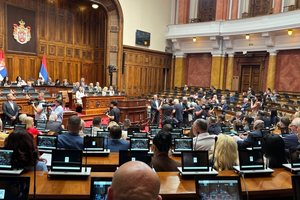
The only Albanian MP in the Serbian Parliament, Shaip Kamb...
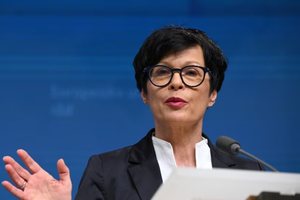
European Union Enlargement Commissioner Marta Kos has reac...

Master of humor Todi Llupi has passed away at the age of 7...

The ninth edition of "MIK Festival" kicked off with one of...

A historic evening for Albanian culture was marked in the ...

When I turned 10, another building was built in front of o...
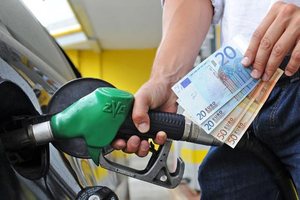
Oil prices have risen again in recent days on internationa...
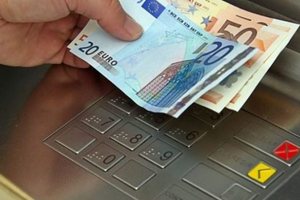
This Friday, one US dollar is bought for 81.2 lek and sold...

Around 97,100 people are employed in regulated professions...
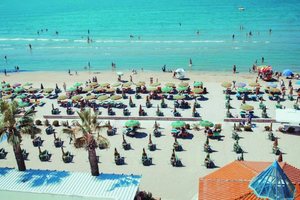
Albania continues to be the main destination for vacatione...