

Exchange rate, July 17, 2026
This Friday, one US dollar is bought for 81.2 lek and sold...


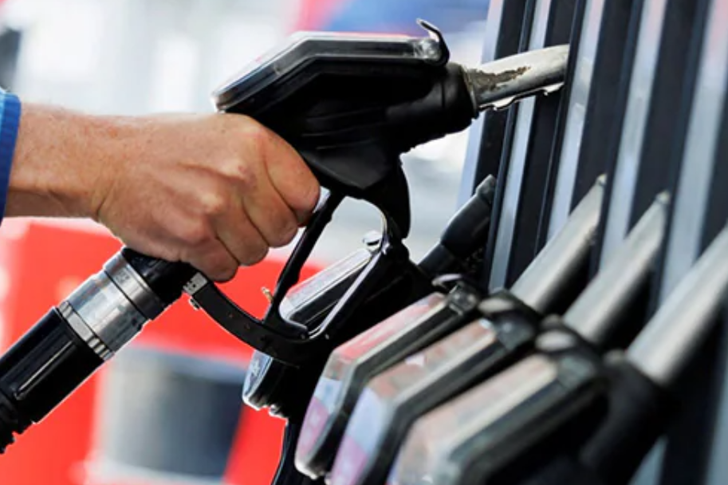
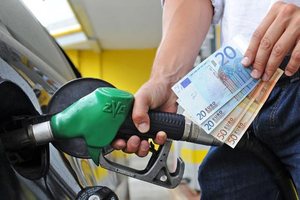
Oil prices have risen again in recent days on international stock exchanges, driven by escalating tensions between the United States and Iran and fears of disruptions to supplies through the Strait of Hormuz, according to Reuters.
Brent crude rose to near $85 a barrel, while U.S. WTI crude rose to around $80, its highest level in nearly a month. Markets reacted to the resumption of the U.S. blockade of Iranian ships and new attacks in the region.
The Strait of Hormuz remains one of the most important points of global energy transport, through which about a fifth of global oil flows pass.
Any disruption to this corridor could limit supply and increase transportation and insurance costs. Additional pressure has come from Ukrainian attacks on Russian refineries and transport vehicles, which have limited fuel exports.
International refined oil prices, especially diesel, have increased more strongly than crude oil prices, being reflected more quickly in wholesale prices and then in retail sales points.
The rise in oil prices on the stock exchanges has also been reflected in countries in the region.
In Albania, oil rose to 196-198 lek per liter, easily exceeding the 2 euro mark. Operators claimed that this movement is related to the increase in the Platts indicator, which reached 1203 dollars per ton yesterday (CIF indicator, including insurance and transport), according to data from Customs, from 952 euros, which was on June 30.
A premium of $30 is added to this cost. The highest level of the Platts indicator since the beginning of the war was reached in April, at $1,600.
Albania continues to have the highest oil price in the region, which according to operators is related to the high fiscal burden, where half of the price is taxes. In Albania, the element that adds the most to the fiscal burden is the circulation tax of 27 lek per liter.
The excise tax is fixed, 39.4 lek per liter and 3 lek is the carbon tax. VAT is calculated on top of these, which is 20% on the final price (including other taxes), unlike the region that does not charge VAT on top of other taxes. In other countries in the region, taxes make up about a third of the price.
The lowest price in the country after the war was 176 lekë, from June 17 (the last decision of the Transparency Board) until the beginning of July, only to increase several times later, until it again approached the 200 lekë limit, the highest level since May 20.
Sipas formulës së Bordit të Transparencës, që u mbyll në 19 qershor, nëse llogaritet çmimi i naftës me pakicë, me treguesit CIF të ditës së djeshme, ai rezulton në 198 lekë/litër (shiko tabelën), ndërsa me FOB (free on board) duhet të ishte 5 lekë më lirë.
Në Serbi, çmimi i naftës është rreth 1.82-1.87 euro për litër dhe i benzinës 1.66 euro për litër. Sipas korrespondentes së Monitor, qeveria ka rikthyer masat mbështetëse, pas shtrenjtimit të karburantit në bura.
“Masat parashikojnë që çmimi i një litri eurodiesel të mos kalojë tavanin prej 220 dinarësh, ose rreth 1.87 euro për litër, deri të premten, më 17 korrik. Ndërkohë, çmimi i benzinës Europremium BMB do të jetë 196 dinarë, ose rreth 1.67 euro për litër.
Qeveria e Serbisë ndryshoi së fundmi vendimin për ndalimin e përkohshëm të eksportit të naftës dhe nënprodukteve të saj, duke e zgjatur këtë masë deri më 31 korrik. Për shkak të rritjes së re të çmimeve të naftës në tregjet ndërkombëtare, Ministria e Financave njoftoi se do të ulë më tej akcizat mbi karburantet.
Ministria bëri të ditur se, krahas uljes ekzistuese prej 5%, nga 13 korriku po zbatohet edhe një reduktim shtesë, duke e çuar uljen totale të akcizës në 10%”. Kjo masë ka bërë që çmimet e karburanteve në Serbi të mos shënojnë rritje gjatë valës së fundit të shtrenjtimit.
Në Maqedoninë e Veriut, nafta kushton 1.42 euro për litër, ndërsa benzina tregtohet nga 1.41 deri në 1.44 euro për litër. Sipas korrespondentes së Monitor, këtë javë, çmimi i naftës u rrit me 0.10 euro për litër. Maqedonia e Veriut nuk ka më përjashtime nga TVSH-ja apo ulje të akcizës.
Në Mal të ZI, çmimi i naftës arriti në 1.58 euro për litër deri në 1.68 euro për litër gjatë ditës së djeshme, me naftën referencë, “Eurosuper” që tregtohej me 1.64 euro për litër. Çmimet janë rritur me 0.02-0.09 euro për litër.
Nga 3 qershori, qeveria riktheu masën e plotë të akcizës prej 44 centësh për eurodieselin, ndërsa për dy llojet e benzinës e rriti akcizën në 95% të nivelit të plotë, ose në 52.15 cent për litër, nga 54.9 cent për litër që është niveli i plotë. Çmimet llogariten çdo javë nga Ministria përkatëse.
Në Bosnjë Hercegovinë, çmimi i naftës ditën e djeshme ishte 2.74 marka ose 1.4 euro. Qeveria e Bosnjës nuk i ka miratuar akoma masat për të ulur taksat e karburantit.
Në Kosovë, Ministria e Industrisë publikon përditë çmimet maksimale të lejuara për derivatet e naftës. sipas vendimit të djeshëm, për naftën, niveli është 1.56 euro/litër dhe për benzinën 1.4 euro për litër. Çmimet e naftës janë rritur ditët e fundit me 12 cent, teksa në 9 korrik ishte 1.44 euro.
The Albanian government reactivated the Transparency Board on March 26, only to close it on June 19. While it was justified that its mission had ended after the price drop on the stock exchanges, a stronger reason was related to a letter addressed to the Ministry of Economy, the Ministry of Finance and Prime Minister Edi Rama, where the largest importing companies say that after the requests for the review of the price methodology and gross margins were not taken into account, they have presented their position, considering even sending the case to Court.
The main complaint was related to the methodology, where the government based the purchase price of oil on the "Platts FOB" (Free on Board, which does not take into account transportation and insurance) approved in 2022, and did not reflect the fact that since 2024, international trading companies no longer operate on the basis of FOB contracts, but on the basis of CIF contracts, which include transportation and insurance and which increase the purchase price by 45-50 dollars per ton.
In March, when stock market prices rose sharply, the Albanian government was among the countries in the region that implemented the fewest measures to cushion the rise in fuel prices. The crisis imported from the Middle East forced Western Balkan governments to act quickly with tax cuts, excise duty reductions, and margin restrictions to curb the new wave of price increases.
Albania remained the exception again, with a delayed reaction and a limited fiscal measure, and no real impact on prices. Meanwhile, countries like North Macedonia, Montenegro and Serbia managed to keep oil up to 40 lek per liter cheaper than Albania, also attracting supplies from across the border.
North Macedonia and Montenegro began implementing VAT and excise tax reductions about 22 days after the start of the war, keeping retail oil prices up to 40 eurocents or about 40 lek cheaper than Albania, once again fueling the wave of "emigration" of oil supplies.
In relation to these countries, Albania took only a limited fiscal measure, such as reducing the excise tax on fuel by 20% if the price of diesel exceeded the value of 220 lek per liter at retail, and for gasoline, the measure applies if the price exceeds 200 lek per liter.
Prices in Montenegro, from yesterday
EUROSUPER 98 1.68 eur +0.02
EUROSUPER 95 1.64 eur +0.02
EURODIESEL 1.67 eur +0.09
LOG DISCOUNT 1.58 eur +0.07. /Monitor

This Friday, one US dollar is bought for 81.2 lek and sold...

Around 97,100 people are employed in regulated professions...
Albania continues to be the main destination for vacatione...
This Thursday, one US dollar is bought for 81.1 lek an...

Beekeeping has expanded significantly in recent years, bec...

Employment in 2025 was characterized by a slight decline a...
A few weeks after the dissolution of the Transparency Boar...
Albania, along with other Western Balkan countries, risks ...
Over the last 35 years, Albania has consistently faced a n...
This Wednesday, one US dollar is bought for 81.3 lek and s...

The number of foreign exchange offices declined in 2025, f...
In addition to the effect on the decline in demand for rea...
This Tuesday, one US dollar is bought for 81.5 lek and sol...

The tax administration has announced the completion of the...
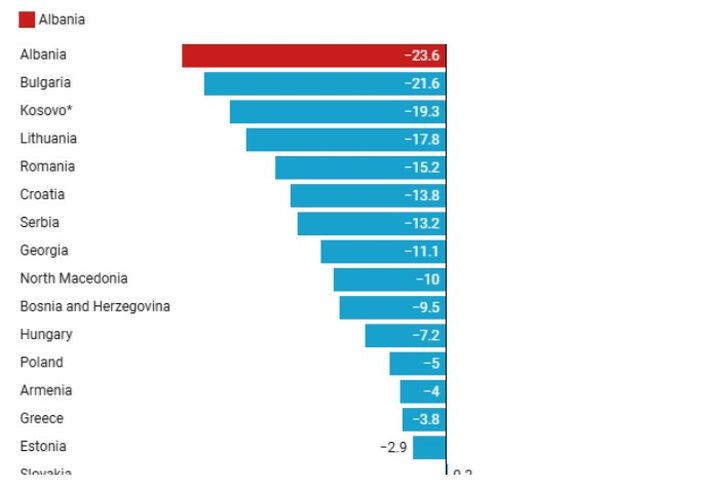
Albania has lost almost a quarter of its population since ...
This Monday, one US dollar is bought for 81.5 lek and sold...
This Sunday, one US dollar is bought for 81.5 lek and sold...

The new old-age pensions in 2025 were on average 16,500 le...
This Saturday, one US dollar is bought for 81.4 lek and so...
The escalation of the conflict in the Middle East has once...

The mayor of Tirana, Erion Veliaj, arrested on 13 charges ...

Qytetarët që kalojnë pasditen pranë Liqenit Artificial në ...

On the morning of July 7, 2026, the Ministry of Culture ur...

After the disclosure of the portfolio of properties an...

The Special Board of Appeal (KPA) decided this Monday ...

The KPA vetting decided this Thursday to dismiss the p...

Suela Salavaçi, a prosecutor in the Prosecutor's Offic...

The Special Board of Appeal reinstated the prosecutor ...
A serious accident occurred this afternoon on the Elbasan-...
The Police Supervision Agency has arrested two police offi...
The 18-year-old who stabbed a citizen in the premises of t...

A road accident occurred this Thursday on the Tirana-Elbas...

On Friday, our country will remain under the influence of ...

Demographic trends in Europe are revealing a new complex r...
Today, our country will remain under the influence of stab...
Today, our country will remain under the influence of stab...
Shtetet e Bashkuara thanë se janë në pritje të krijimit të...
More than 800 wildfires continue to burn across Canada, wh...

At least 14 people were killed and five others injured on ...

United States President Donald Trump delivered a speech fr...

Master of humor Todi Llupi has passed away at the age of 7...

The ninth edition of "MIK Festival" kicked off with one of...

A historic evening for Albanian culture was marked in the ...

When I turned 10, another building was built in front of o...
Oil prices have risen again in recent days on internationa...
This Friday, one US dollar is bought for 81.2 lek and sold...

Around 97,100 people are employed in regulated professions...
Albania continues to be the main destination for vacatione...