


Voting on the $302 million agreement/ DP boycotts the session
The DP has decided not to be part of the session expected ...

The DP has decided not to be part of the session expected ...

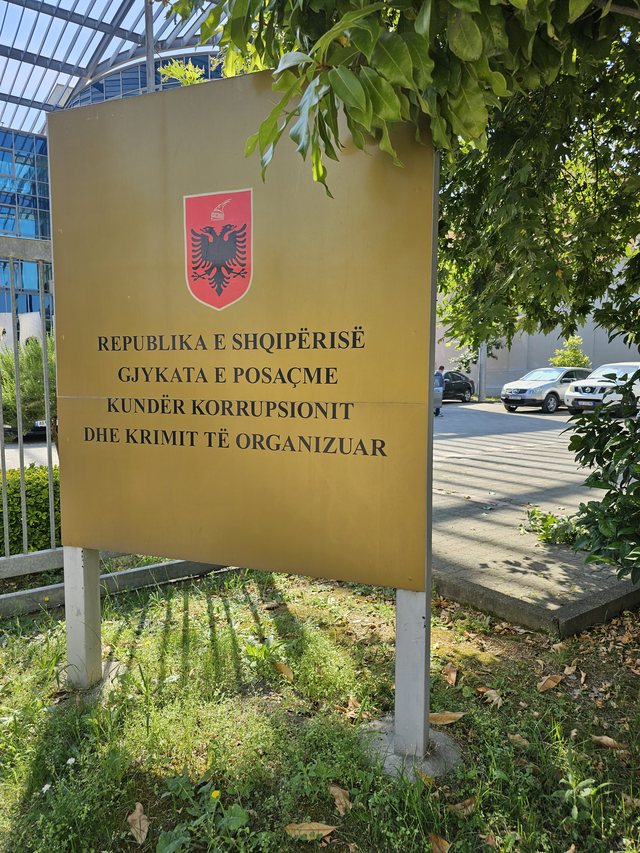
The six members of the international drug network that was hit by SPAK appeared before the GJKKO today for security measures.
Among them are Erion Alibej and Plaurent Dervishaj, under investigation in the "Golden Bullet" file.
A day ago, SPAK revealed details of the operation that seized drugs worth 411 million euros.
According to details published by SPAK, this structured criminal group operated through a sophisticated organization, mainly in the trafficking of cocaine from Latin America to several European Union countries as well as the United Kingdom.
The narcotics came mainly from Santa Marta (Colombia) or Ecuador and were transported by sea containers to major ports such as Antwerp (Belgium), Rotterdam (Netherlands), or by land to France and through the Channel Tunnel to the United Kingdom. In some cases, the cargoes were also unloaded in ports in Italy and Spain.
Drug transport was characterized by sophisticated methods of concealment and well-organized international logistics. Various methods were used to conceal the drugs, such as hiding them in wooden pallets (Belgium, France), boxes of bananas (Netherlands) and bags of cocoa beans (Rotterdam), thus disguising them as commercial goods to avoid customs control.
The organization of the group was hierarchical and divided into specialized roles. At the top of this criminal group were leaders and financiers who not only ordered and financed drug shipments, but also coordinated routes, points of contact, and logistical operations.
They were the masterminds, investors and guarantors of the operations, linking the source of drugs in Latin America to European markets through a sophisticated chain of intermediaries. Most of them lived between the countries of the European Union, the United Kingdom and Dubai in the United Arab Emirates.
Under them operated associates who provided logistics and transportation. These individuals found legitimate export or transport companies, hired drivers – often Romanian citizens – and prepared the shipments by disguising them as legitimate goods such as timber or cocoa. Through them, tons of narcotics were transported to ports in Belgium, the Netherlands or overland routes to France and the United Kingdom.
On the ground, in the countries of destination, another link of the group operated – the distribution link. This included people who received the drug quantities, ensured delivery, and distributed the narcotics according to local orders. These were the executive arm of the network in Great Britain and Western Europe.
At the origin of the shipments, in Latin American countries, were unidentified individuals who served as points of contact. They were responsible for securing, packaging, and shipping the drugs to European ports.
Everything was kept under control through an encrypted communication, the Sky/ECC application. Users were hidden behind pseudonyms and PIN codes, which guaranteed anonymity and avoided eavesdropping. Communications included delivery plans, warnings of customs checks and instructions on how to react in the event of seizures. In cases of suspicion, phones were hidden, destroyed or thrown away to leave no trace.
In terms of making payments, the group had implemented a sophisticated method to circumvent the traditional banking system: the informal Hawala payment system. This mechanism allowed the transfer of large sums of money between different countries without going through formal financial channels, thus avoiding official transaction traces. This form of payment was used to hide the origin and destination of drug trafficking proceeds. Verification of the amounts was done through encrypted banknotes, which were marked with pseudonyms, payment amounts and specific dates that functioned as “tokens” to guarantee the correct withdrawal of the amount at the appropriate point.
This criminal group also had access to customs infrastructure through connections with individuals involved in ports or control agencies in various European Union countries. It is clear from the communications that securing cooperation with customs officers or port personnel was seen by the leaders of this criminal group as a crucial factor for the success of their drug trafficking./ CNA

The police have arrested 46-year-old citizen KD, who is ac...

A serious incident occurred yesterday evening at a hotel b...
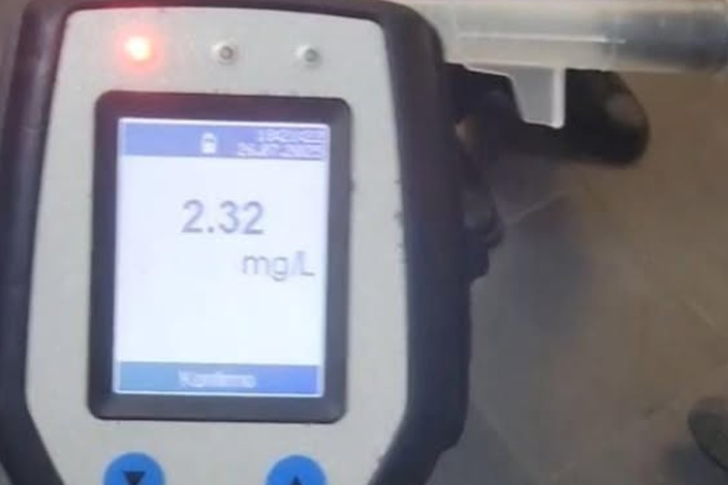
The driver of a vehicle was arrested in flagrante delicto ...
An accident occurred this Saturday on the "Tepelena-Krahes...
The services of Police Commissariats No. 2 and No. 6, as a...
Police services continue intensive searches to find citize...
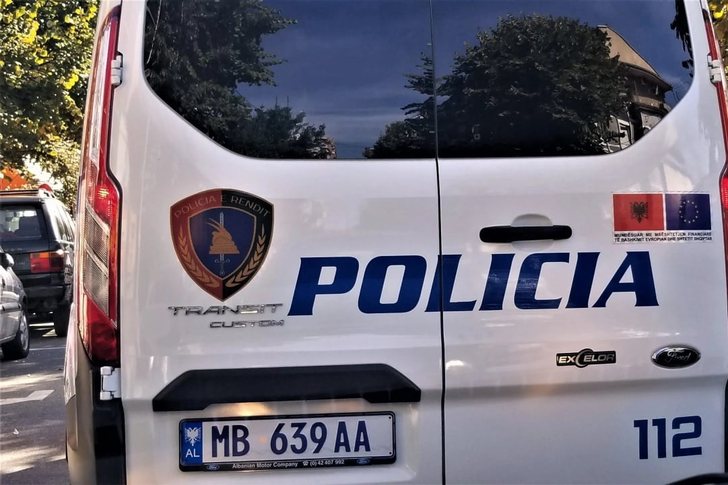
Other shocking details have emerged regarding the inci...
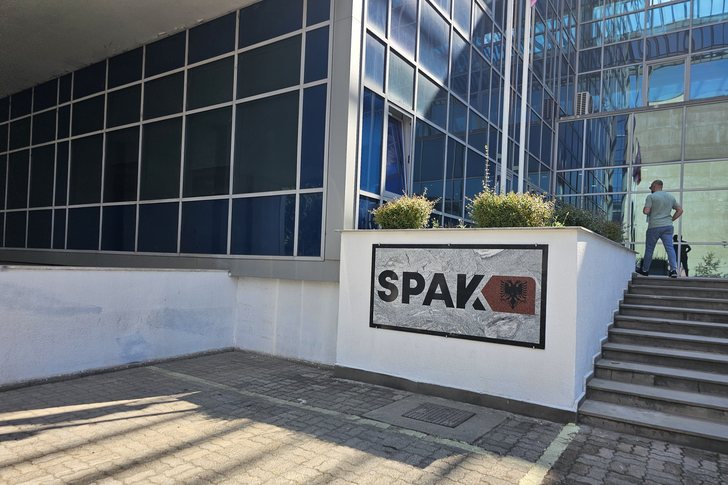
The fourth person arrested during the SPAK action against ...

The services of the Police Commissariat No. 4, in cooperat...
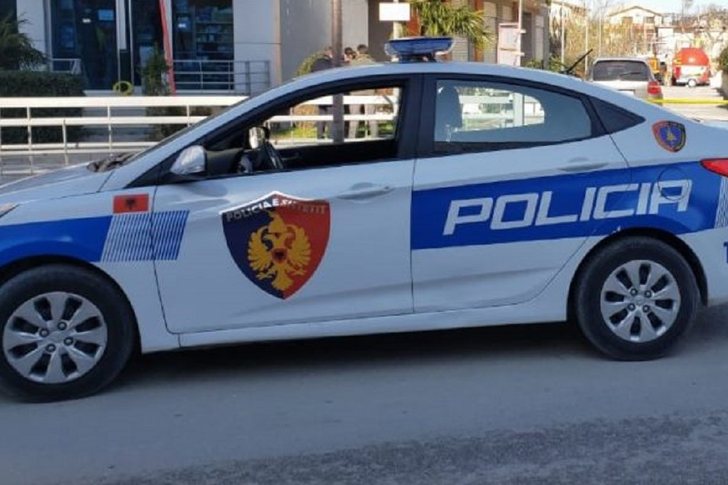
Another arrest was made by the border and migration direct...
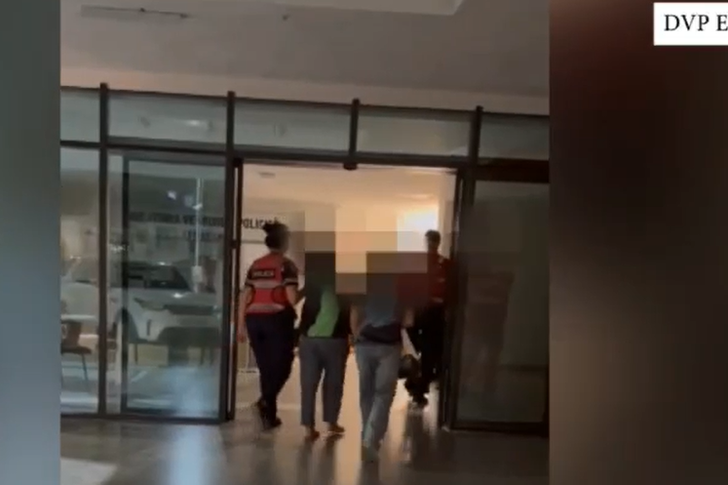
Specialists of the Trafficking Investigation Section, as a...
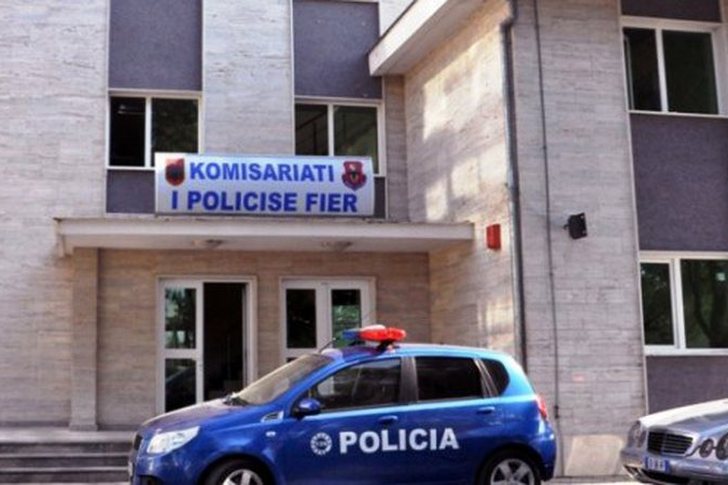
Other details have emerged from the horrific incident in F...
A large-scale police operation was undertaken this Friday ...
The fire that spread today in the Delvina area appears to ...
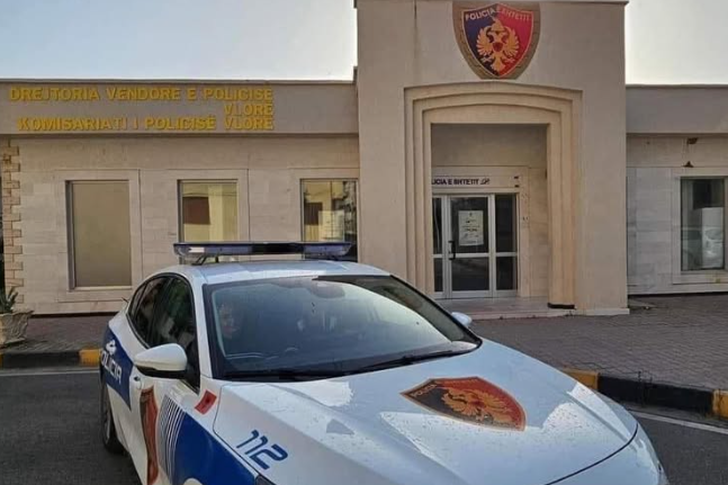
Intensive controls continue throughout the Vlora region, w...
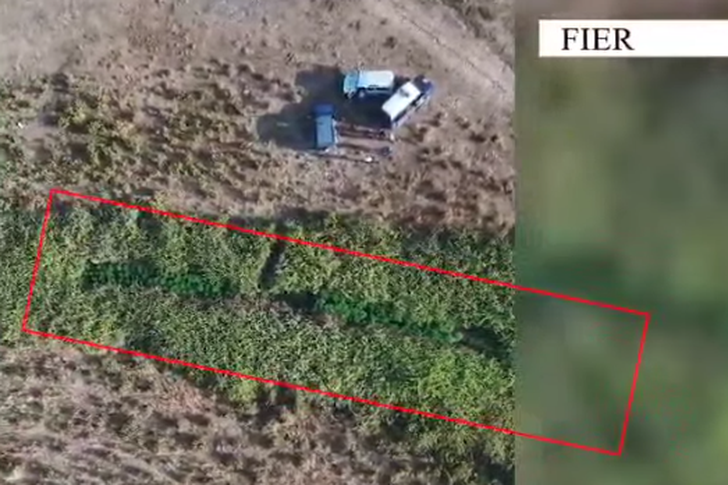
190 narcotic plants were found in a plot in the village of...
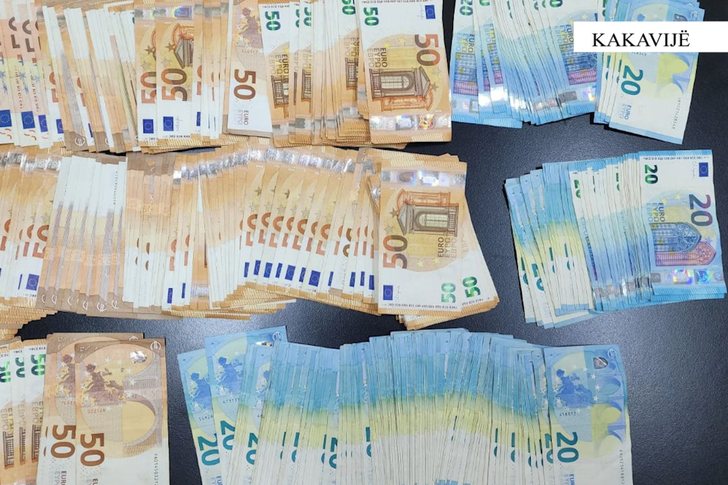
48,400 undeclared euros were seized at Kakavija customs an...
Two citizens have been criminally prosecuted in Durrës for...
Tirana police have arrested a 27-year-old man who defraude...
The wife of 56-year-old AR, killed two days ago in Fier by...
The 50 million euro tender for the maintenance of national...
Today we will bring another article that breaks down the w...
CNA has put under scanner the assets of Sokol Sadushi, the...
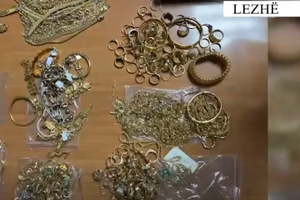
A 39-year-old citizen has been arrested in Lezha, after se...

The Special Board of Appeal (KPA) decided this Monday ...

The KPA vetting decided this Thursday to dismiss the p...

Suela Salavaçi, a prosecutor in the Prosecutor's Offic...

The Special Board of Appeal reinstated the prosecutor ...
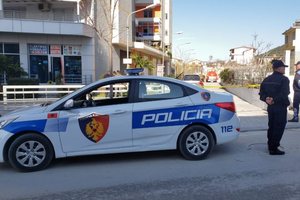
Police have revealed details of the incident that occurred...
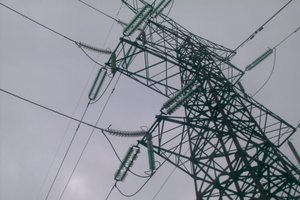
According to preliminary information, a person in his 60s ...
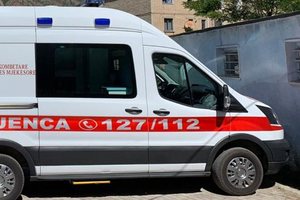
A triple accident occurred on the Peqin-Elbasan axis n...
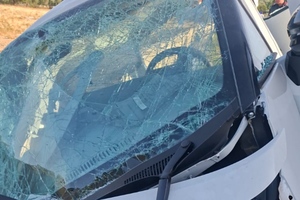
The police have provided details regarding the accident th...
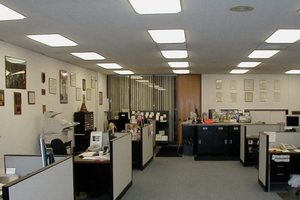
The public sector took the lead in absorbing the workforce...

Today, our country will be under the influence of unstable...
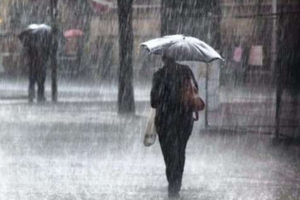
The Institute of Geosciences has today shared a forecast r...
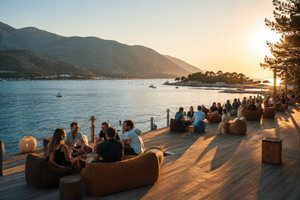
Company leaders can improve productivity by investing in a...
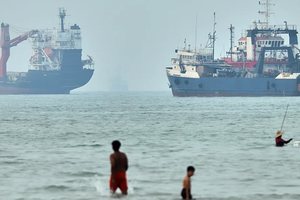
Oil prices fell in early trading on Monday, falling furthe...
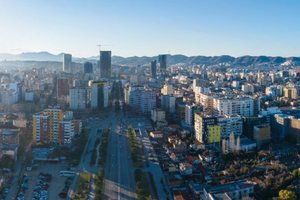
Although Albania does not have a developed industry on the...
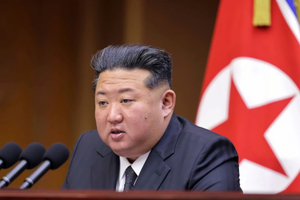
North Korea is said to have achieved some impressive resul...
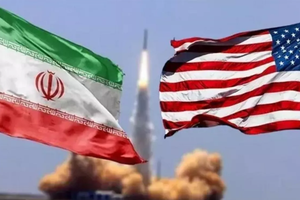
US Ambassador to the United Nations, Mike Waltz, said toda...
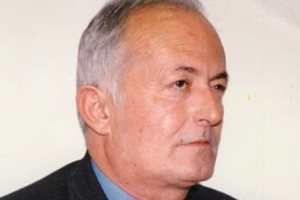
Two windows, a century of history and the metaphysics of p...
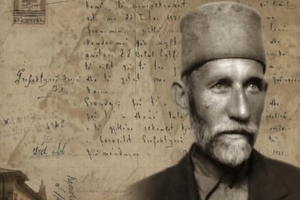
In my research at the Central State Archives, specifically...

At a time when industrial products are increasingly taking...

Trust among people is not just a three-syllable word. It c...

After strong savings growth in the years following the pan...

This Monday, one US dollar is bought for 81.5 lek and sold...
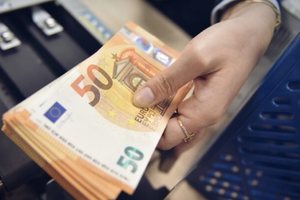
This Sunday, one US dollar is bought for 81.5 lek and sold...
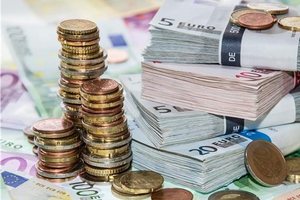
This Saturday, one US dollar is bought for 81.7 lek and so...