

Russia sanctions hundreds of Australian and New Zealand citizens
Russia's Foreign Ministry has sanctioned 131 Australian ci...


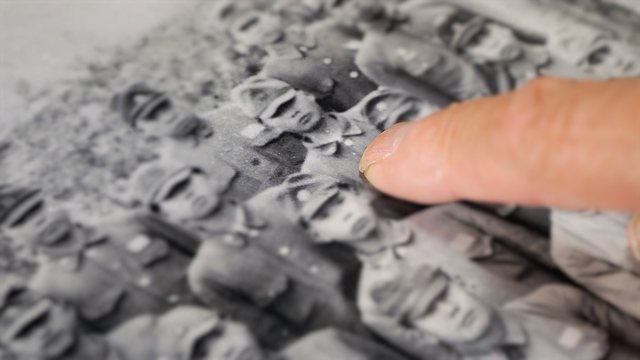
Japan remains divided over how to deal with its violent past, while parts of the country's World War II history still cause debate. Now a person with direct ties to that part of history is breaking decades of silence, at great personal cost. He spoke in the Japanese city of Ida with VOA correspondent Bill Gallo.
In a quiet area in the Japanese Alps, about three hours' drive from Tokyo, Hideo Shimizu has been keeping a secret, in a small tree-covered house.
But Shimizu has decided not to be silent any longer.
At the age of 94, he shares his story with an American journalist for the first time, to talk about one of the most horrific and little-known crimes of the war… in which he was personally involved.
Shimizu was only 14 years old in 1945 when he joined Unit 731 of the Japanese Army. Still a child, Shimizu did not understand what he had entered. It was a secret germ warfare unit that tortured prisoners in the name of science.
" I thought it was research aimed at helping people not get sick, but it was just the opposite ," he told VOA.
His job was to take care of the lab rats.
" I really had no idea at the time that they operated on people to kill them ," says Mr. Shimizu.
The unit was only a small part of Japan's occupation of China – although post-war investigations suggest it was perhaps the most brutal part of it.
This is all that remains of the former Unit 731 headquarters in Harbin, China, where horrific human experiments took place.
In some of these buildings, sick prisoners were locked up with healthy ones to see how quickly the deadly plague would spread. And children were forced into gas chambers so doctors could measure the time it took them to die.
These images still haunt Shimizu 80 years later.
" What is done is done. But even though I didn't deal with [the prisoners], I still feel guilty — just because I was a part of it ," he tells VOA.
Lord Shimizu is already facing the atrocities of his past. He recently returned to China for the first time, to visit the site where Unit 731 inflicted its casualties.
" If they could feel my pity, my heart would feel a little better ," he says.
Mr. Shimizu's sentiment was well received in China, seen as a belated acknowledgment of Japanese atrocities.
But in Japan, including in the nearby city of Iida, Shimizu has stirred up the waters. Some of the darkest parts of Japan's past are still being debated – and many others are shrouded in silence.
It's a complicated situation for officials who run the city's museum, which aims to preserve the wartime experiences of local residents.
In a small alcove, several objects related to Unit 731 are displayed. But there is also a statement that "research is ongoing" and that society has "some different opinions" about this unit.
" People have many different views. So we try to maintain a certain balance with this kind of exhibition ," says Takeshi Goto, a city official.
The museum refused to include the testimony of members of Unit 731, including Mr. Shimizu. Some of the testimony, they said, was too inappropriate for children.
But local peace activist Hideaki Hara says that's because the government prefers not to draw attention to things like Unit 731.
" The local government in Iida and other cities generally align with the central government... This makes them reluctant to accept Japan's role as the perpetrator in these events ," says Mr. Hara.
In recent decades, some conservative politicians who want to restore Japan's national power have tried to rewrite the ugliest parts of its history, says Tokyo professor Jeff Kingston.
" They want to create a more embellished, sanitized, wartime past that they think would be more palatable to young Japanese and help cultivate pride in the nation ," says Professor Kingston.
Japan is not the only one that helped hide the story. After Japan's surrender in World War II, the United States granted immunity to many of Unit 731's top scientists in exchange for their research work, which American officials said they wanted to keep out of the hands of the Soviets.
" The United States was complicit in the camouflage of the history of Unit 731. Their experiments in biological warfare, chemical warfare, experiments with living beings - all this was considered useful and would give the United States a great advantage ", says Professor Kingston.
At his mountain home, Mr. Shimizu followed military orders to maintain silence. For decades, he told no one about his past, even as many of his former associates rose in society.
" My superiors became university professors, presidents of pharmaceutical companies, members of the new army. Can you believe it? As for me, I couldn't even work in the hospital ," says Mr. Shimizu.
These days, he is busy planning speeches and giving interviews to journalists – mostly from China. But the price has been high. Angry nationalists regularly attack him online.
Even his family is already gone – especially since his trip to China.
" My daughters don't come to my house at all now... I just don't understand why - not at all ," he says.
A high price to tell the truth. But with the time left, Shimizu will no longer remain silent./ VOA

Russia's Foreign Ministry has sanctioned 131 Australian ci...

Steve Bannon, the adviser to the former American president...
Russian President Vladimir Putin on Tuesday ordered massiv...

In the November 5 election, according to polls, Green Part...
On November 5, the elections in the USA take place. Since ...
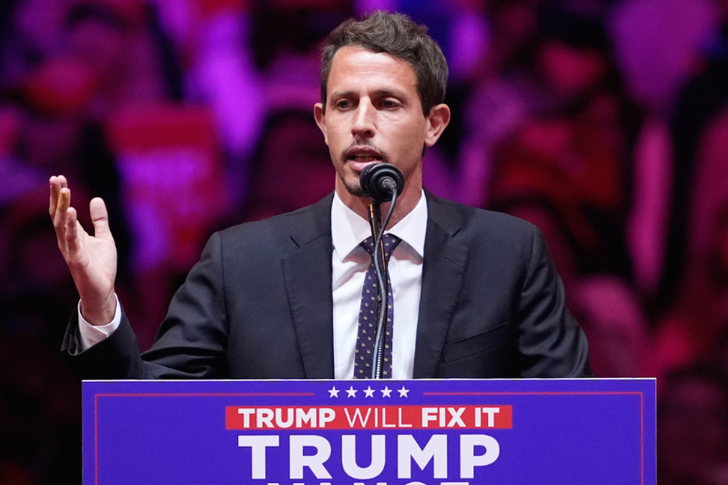
Democrats stepped up their attacks on Donald Trump on Mond...
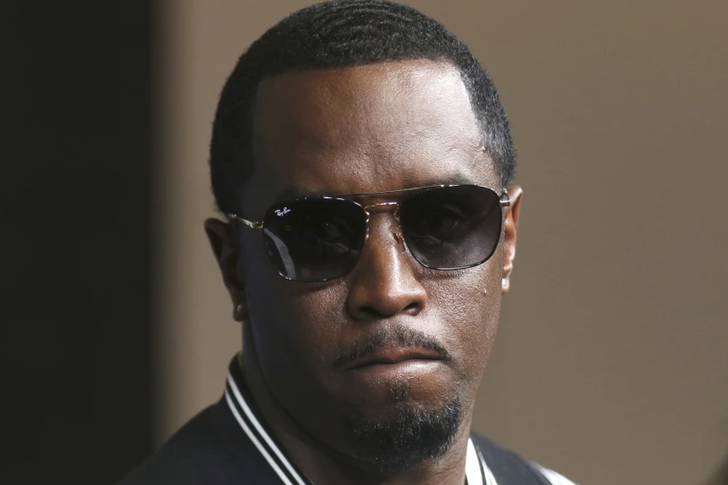
Sean "Diddy" Combs has two new lawsuits accusing him of dr...
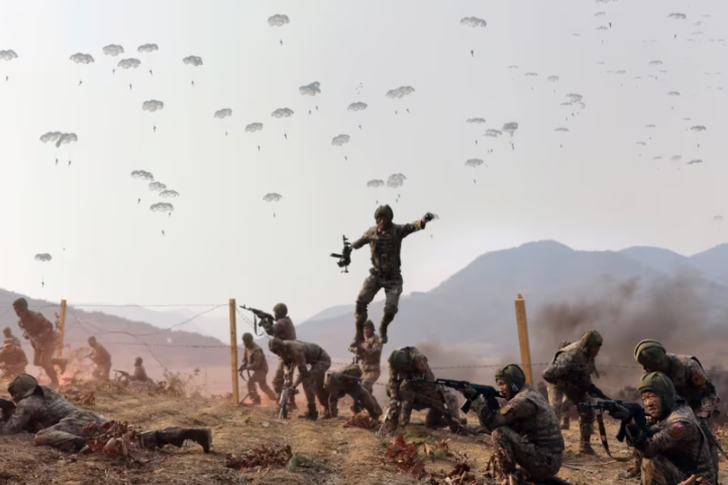
The Pentagon says North Korea has sent about 10,000 troops...

A series of attacks on ballot boxes in several states is i...
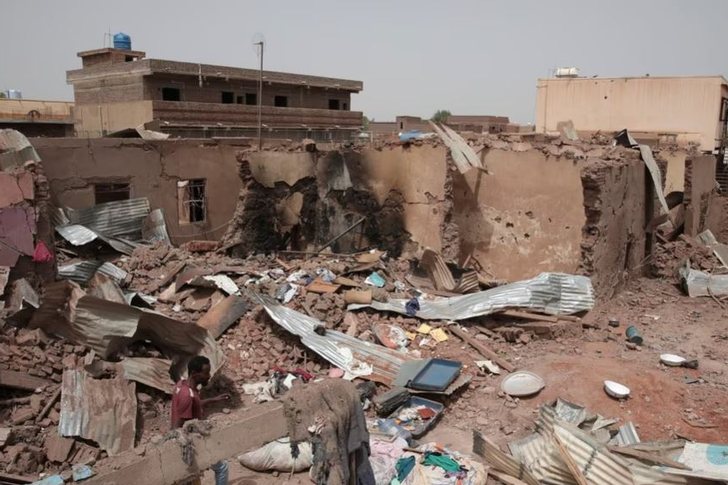
United Nations Secretary-General Antonio Guterres called f...
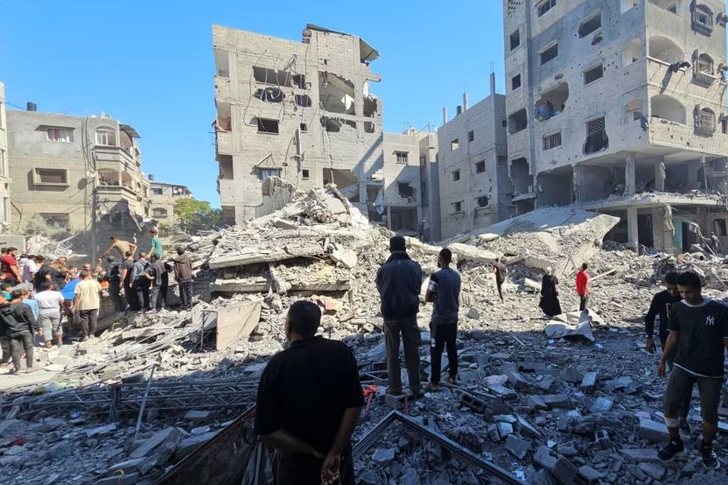
Israel's wars in the Gaza Strip and Lebanon have strained ...
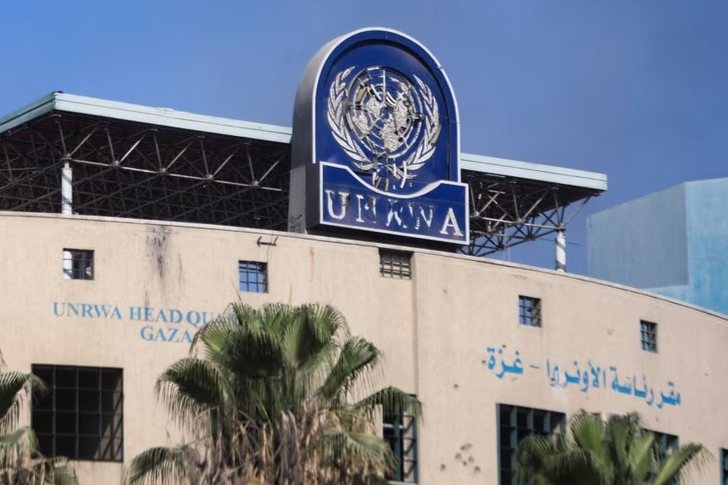
Israel passed a law on Monday banning the United Nations a...
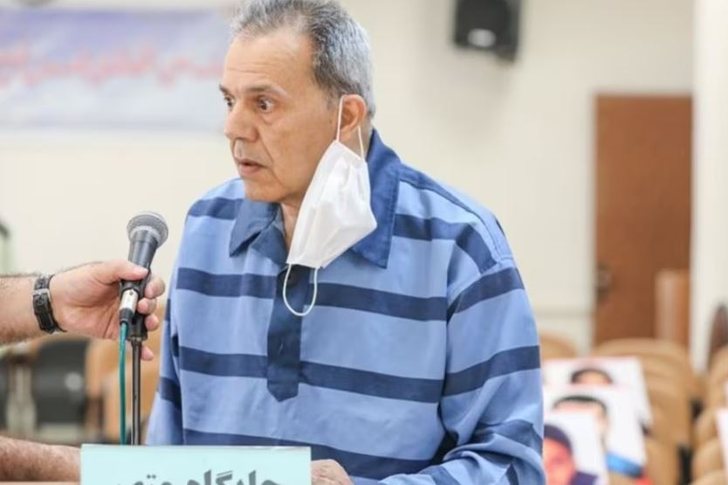
Iran executed Iranian-German citizen Jamshid Sharmahd who ...
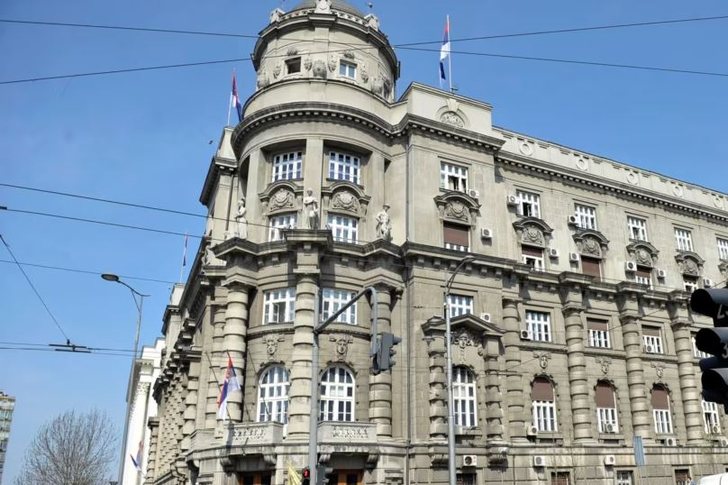
The Government of Serbia announced on Monday that it has a...

NATO confirmed on Monday that North Korean troops have bee...
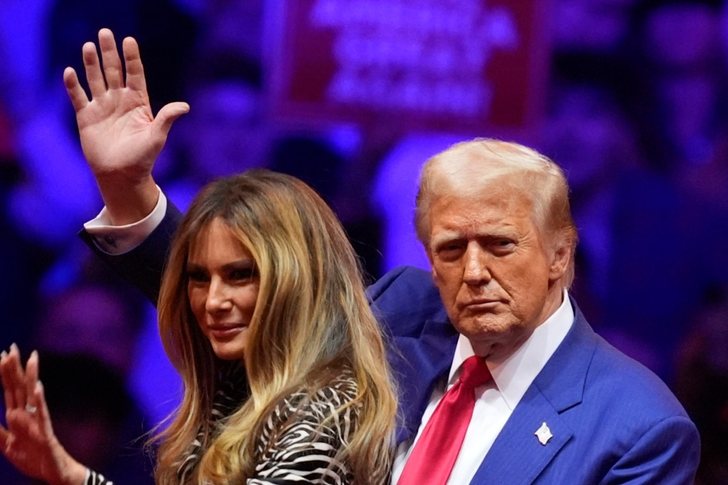
Republican Donald Trump gave the closing speech of his cam...

Thousands of Georgians took to the streets of Tbilisi on M...
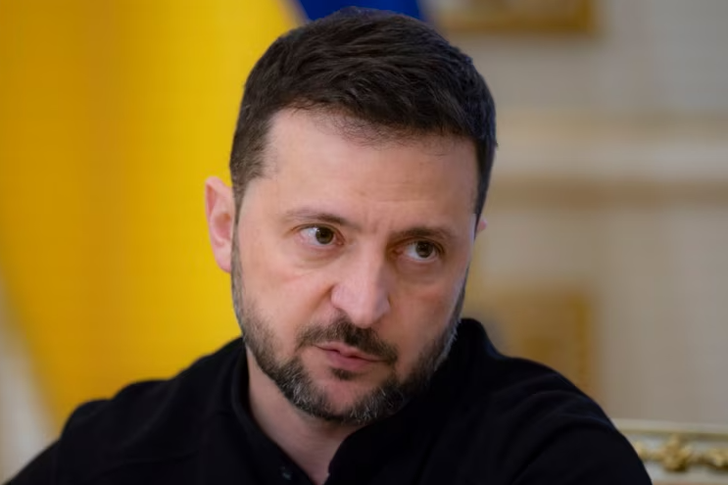
The President of Ukraine, Volodymyr Zelensky, has arri...

Volkswagen has notified workers' representatives that it w...
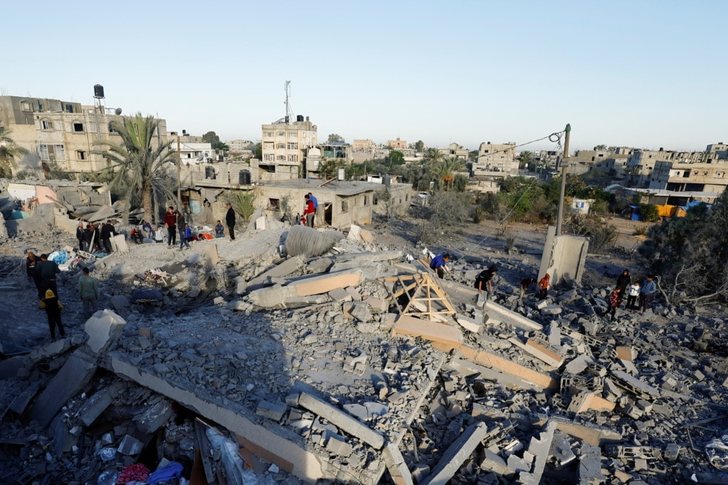
More than 43,000 Palestinians, more than half women and ch...

CNA has launched another investigation that could lead to ...

Irfan Hysenbelliu is a businessman that we call "Irfan the...

In March 2026, CNA launched another investigation centered...
The arrested mayor of Tirana, Erion Veliaj, with 13 charge...

The Special Board of Appeal (KPA) decided this Monday ...

The KPA vetting decided this Thursday to dismiss the p...

Suela Salavaçi, a prosecutor in the Prosecutor's Offic...

The Special Board of Appeal reinstated the prosecutor ...

Footage emerges from the serious accident that occurred th...

A Shkodra traffic police officer was hit with hard objects...
This Wednesday, around 4:00 PM, a serious accident occurre...
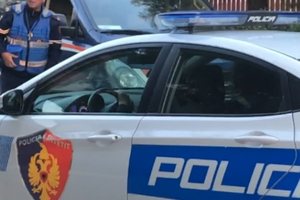
Tirana Police have shared details regarding the accident t...
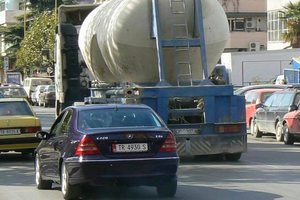
A serious accident that occurred this Wednesday with the c...

The Institute of Geosciences has shared a forecast for wea...
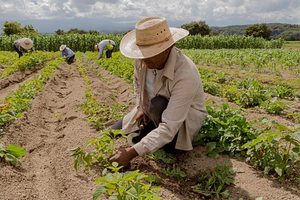
Rising energy and fertilizer prices are expected to contin...

Over 18,000 foreign citizens from 140 countries have appli...

The trial of ousted Venezuelan President Nicolas Maduro on...

US President Donald Trump has issued another warning to Ir...

Prime Minister Andy Burnham has announced that most bus fa...
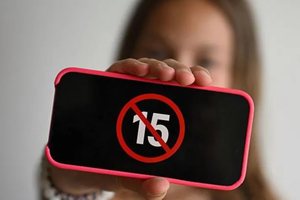
France's parliament has passed a law to ban social media f...

At a time when industrial products are increasingly taking...

Trust among people is not just a three-syllable word. It c...

Master of humor Todi Llupi has passed away at the age of 7...

The ninth edition of "MIK Festival" kicked off with one of...

The price of diesel reached 206 lek per liter from 198 lek...

Businesses will no longer be required to simply register t...

Despite economic growth and income in recent years, Albani...

This Wednesday, one US dollar is bought for 81.4 lek and s...