

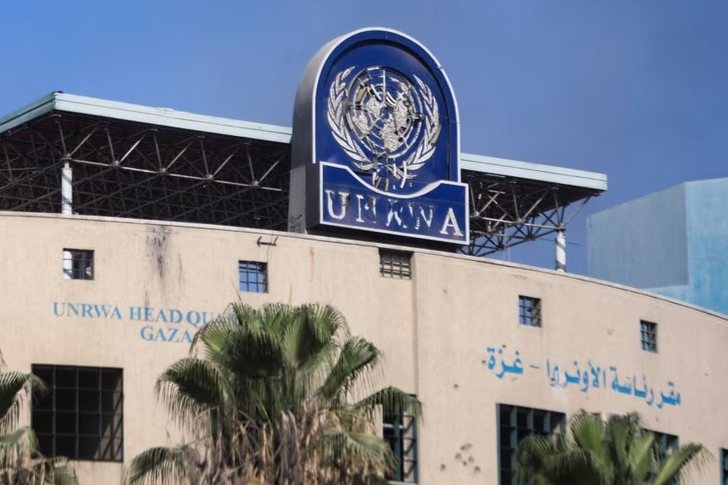
Israel bans UN agency for Palestinian refugees
Israel passed a law on Monday banning the United Nations a...


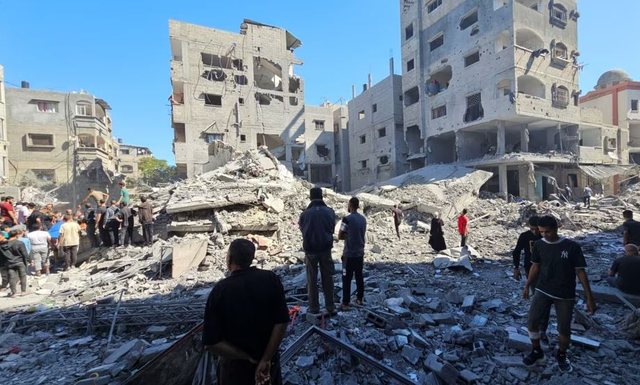
Israel's wars in the Gaza Strip and Lebanon have strained its relationship with Europe, its traditional ally.
European states have criticized Israel for the devastating war in the Palestinian enclave, and for the aerial bombardment and ground offensive in Lebanon.
There are growing calls for an arms embargo on Israel, sanctions against far-right members of the Israeli government, and for the European Union to review its trade deal with Israel.
Pier Camillo Falasca, senior fellow at the Euro-Gulf Information Center in Rome, said this is the "worst state of relations" between Israel and Europe.
Rising tensions
In May, Spain, Ireland, and Norway officially recognized the Palestinian state, which prompted harsh criticism from Israel.
They have joined eight other states in the 27-member bloc that already recognize the Palestinian state.
This symbolic step was taken in order to focus attention on negotiations to end the conflict between Israel and Hamas, a terrorist group declared by the United States and the European Union.
Earlier this month, Italian Prime Minister Giorgia Meloni said that her country has imposed an arms embargo on Israel since the start of the war in Gaza in October 2023.
Italy is the third largest arms supplier to Israel.
Israel launched the offensive in Gaza weeks after Hamas launched an unprecedented attack in southern Israel, killing around 1,200 Israelis.
The French President, Emmanuel Macron, called earlier in the year to stop sending arms to Israel.
Paris has imposed restrictions on the export of some weapons and ammunition to Israel.
In July of this year, the EU has for the first time sanctioned some Israeli settlers for "systematic human rights abuses" against Palestinians in the occupied West Bank, and for blocking humanitarian aid in Gaza.
Meanwhile, some European leaders have called for the EU to review its Association Agreement with Israel, arguing that Israel is violating the clause on human rights in Gaza.
Britain, which is no longer part of the EU, has said it is considering sanctioning some right-wing Israeli ministers.
"Totally unreasonable"
Falasca said the death toll from the war in Gaza — more than 42,000 people, mostly civilians, according to Palestinian health authorities — had changed European public opinion.
He said that many residents of the continent see Israel's war as "disproportionate and completely unreasonable".
According to him, many Europeans believe that Israeli Prime Minister Benjamin Netanyahu could have advanced a "more humanitarian and rational strategy to fight Hamas, without destroying the entire territory of Gaza", much of which is now in ruins. .
Falasca has said that the turning point for many European states was when Israel attacked and injured members of the United Nations peacekeeping force in southern Lebanon.
France, Italy, Ireland and Spain contribute troops to the UN Interim Force in Lebanon (UNIFIL).
On October 19, 16 EU Defense Ministers called for "maximum political and diplomatic pressure on Israel" to prevent further attacks.
Israeli bombing, which has targeted Hezbollah in southern Lebanon, has killed more than 2,500 people, mostly civilians, and forced the displacement of 1.2 million others.
Hezbollah, the militant group and political party that controls much of southern Lebanon, has been declared a terrorist organization by the United States, while the European Union has blacklisted only the armed wing, but not the party, which has seats in Parliament of Lebanon.
Nimrod Goren, senior fellow on Israeli affairs at the Washington-based Middle East Institute, said protests in the streets of Europe and calls for a boycott of Israel in the academic and cultural fields have created the impression that "something is moving." .
However, "at the governmental level, the influence is smaller than what is seen in unofficial spaces", he said.
Cohen has said that EU member states are deeply divided over limiting or blocking trade with Israel.
He has said that powerful nations, such as Germany, still strongly support Israel.
Falasca has said that the conflicts and increased tensions in the Middle East have had a direct impact on Europe, including the disruption of international transport of goods, as well as increasing oil prices.
"European governments are realizing that they have to be more proactive in the Middle East, compared to the past," he said./REl

Israel passed a law on Monday banning the United Nations a...
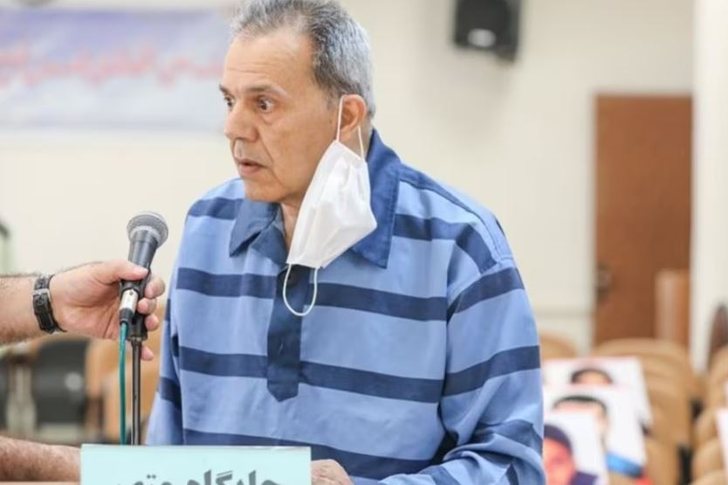
Iran executed Iranian-German citizen Jamshid Sharmahd who ...
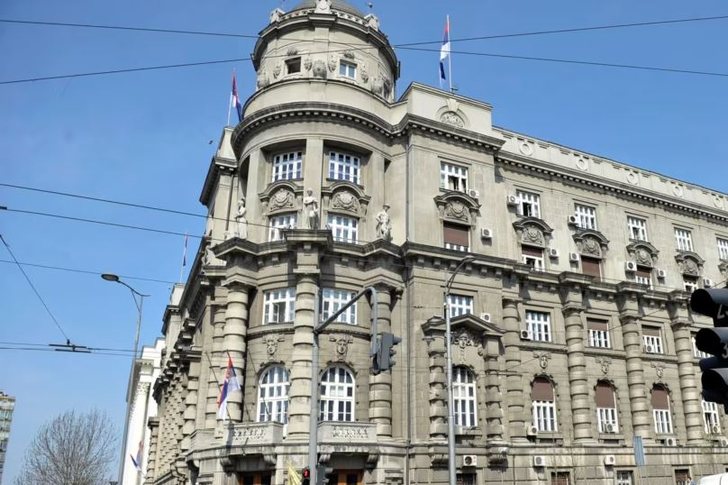
The Government of Serbia announced on Monday that it has a...
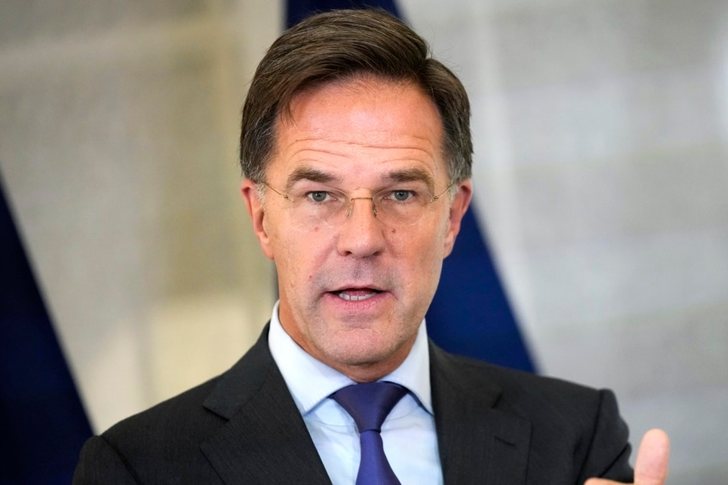
NATO confirmed on Monday that North Korean troops have bee...
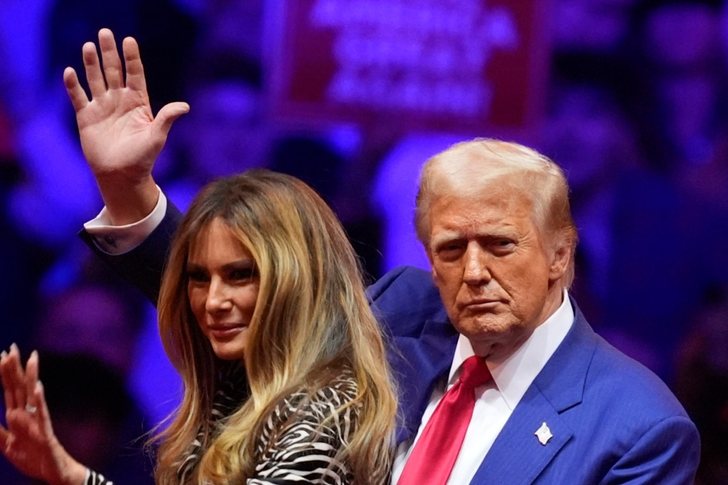
Republican Donald Trump gave the closing speech of his cam...
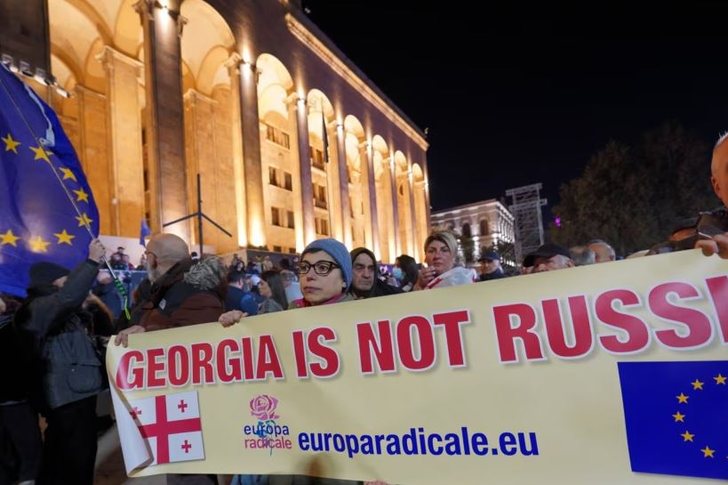
Thousands of Georgians took to the streets of Tbilisi on M...
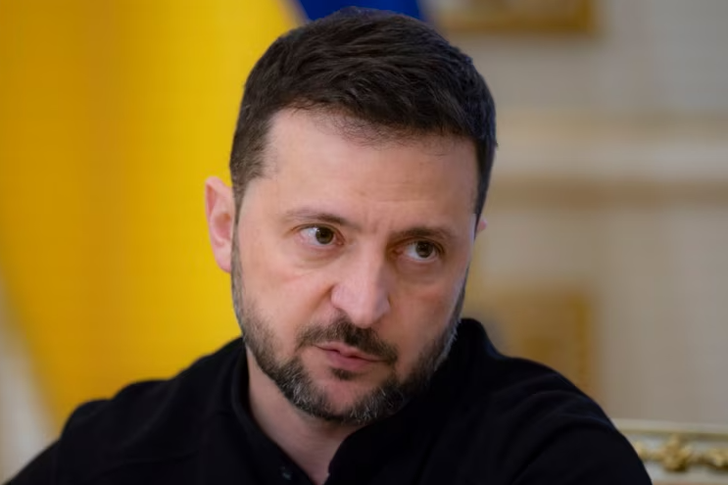
The President of Ukraine, Volodymyr Zelensky, has arri...
Volkswagen has notified workers' representatives that it w...
More than 43,000 Palestinians, more than half women and ch...
Global efforts to combat climate change are not keeping pa...
Labeling Petroshets as unfit hosts is hypocritical play. W...
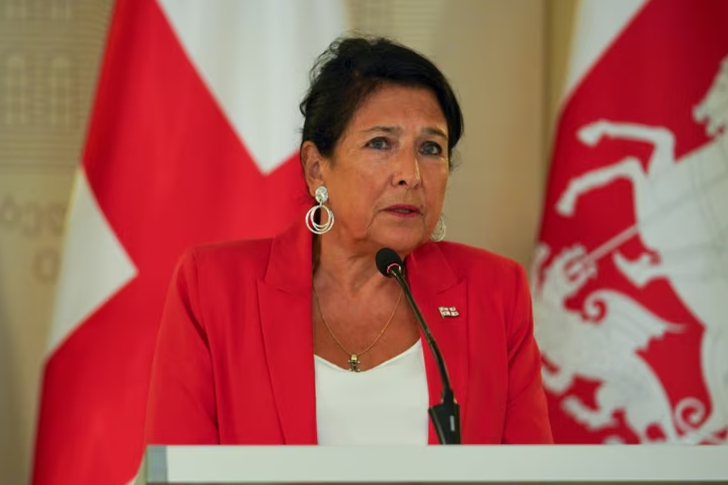
The pro-Western president of Georgia, Salome Zurabishvili,...
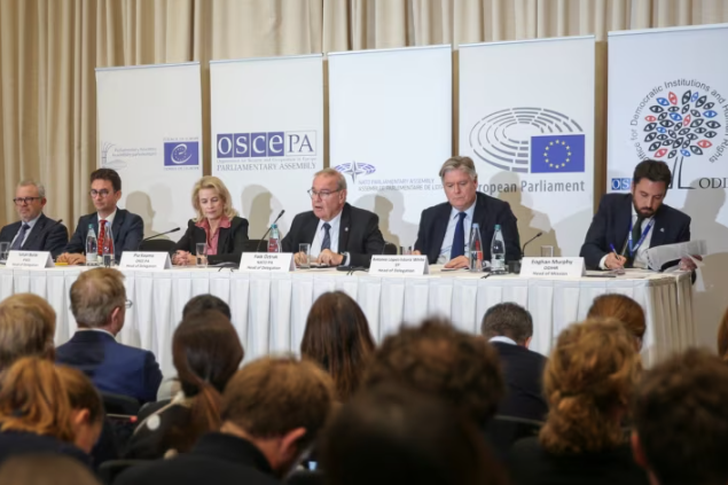
European observers said today that elections in Georgia to...
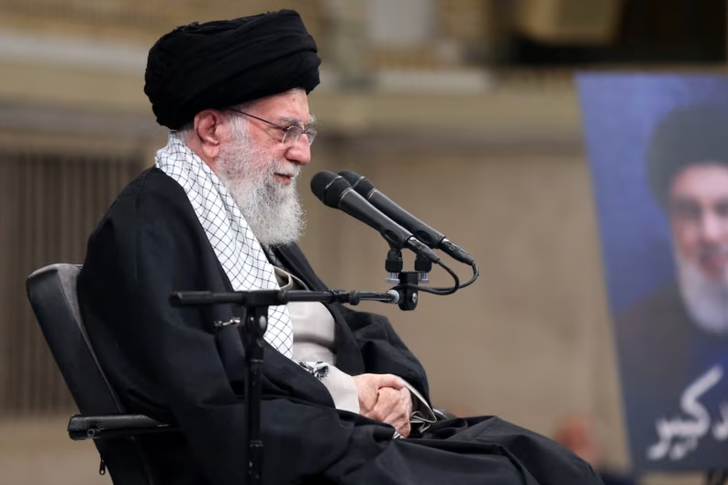
Iran's Supreme Leader, Ayatollah Ali Khamenei, warned agai...
The European Union Rule of Law Mission in Kosovo, EULEX, s...
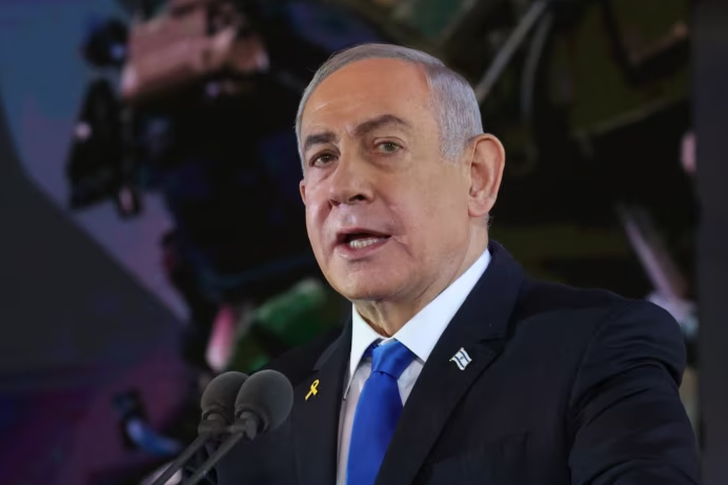
Protesters interrupted Israeli Prime Minister Benjamin Net...
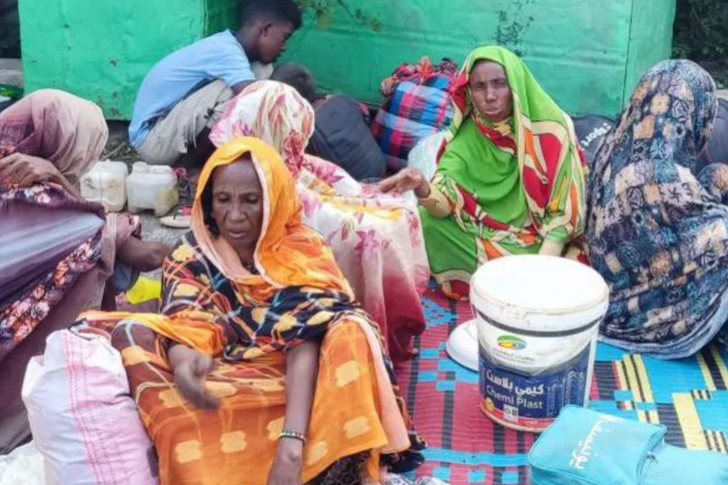
A senior UN official in Sudan says it is deeply concerned ...
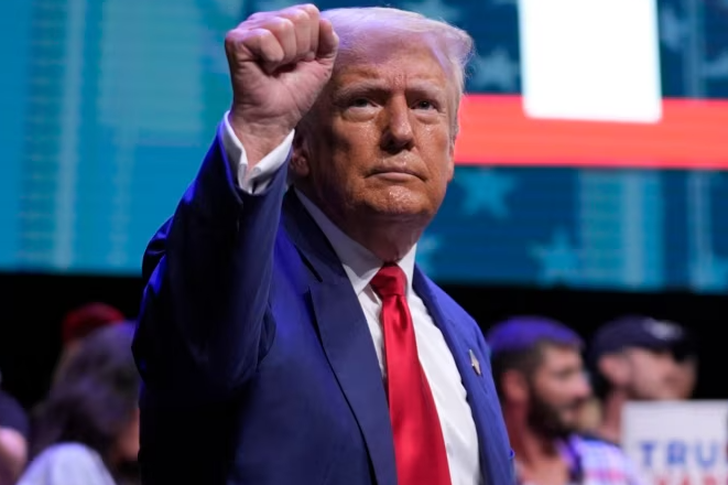
US presidential candidate Donald Trump said during an inte...
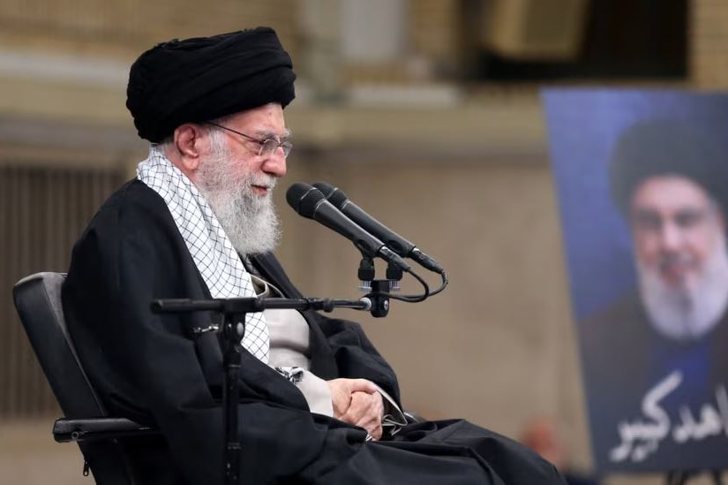
Iran's Supreme Leader, Ayatollah Ali Khamenei, warned ...
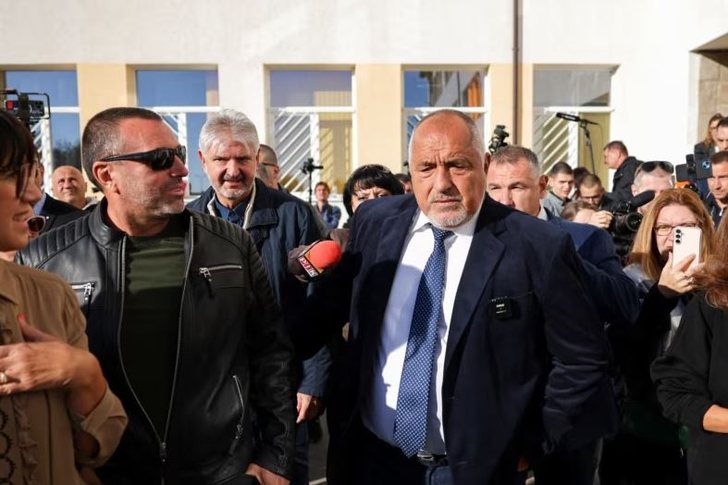
Bulgarians on October 27 vote in the seventh parliamentary...

CNA has launched another investigation that could lead to ...

Irfan Hysenbelliu is a businessman that we call "Irfan the...

In March 2026, CNA launched another investigation centered...
The arrested mayor of Tirana, Erion Veliaj, with 13 charge...

The Special Board of Appeal (KPA) decided this Monday ...

The KPA vetting decided this Thursday to dismiss the p...

Suela Salavaçi, a prosecutor in the Prosecutor's Offic...

The Special Board of Appeal reinstated the prosecutor ...
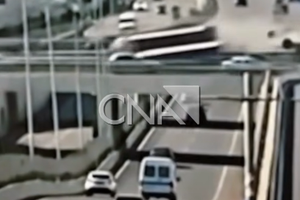
Footage emerges from the serious accident that occurred th...

A Shkodra traffic police officer was hit with hard objects...
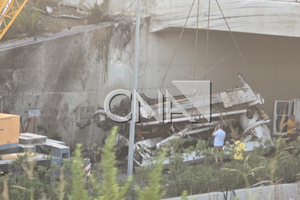
This Wednesday, around 4:00 PM, a serious accident occurre...

Tirana Police have shared details regarding the accident t...
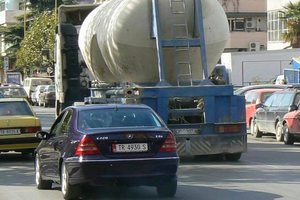
A serious accident that occurred this Wednesday with the c...

The Institute of Geosciences has shared a forecast for wea...
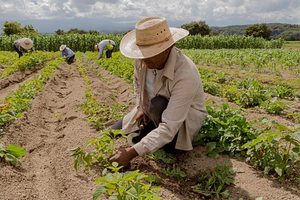
Rising energy and fertilizer prices are expected to contin...
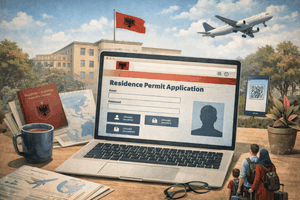
Over 18,000 foreign citizens from 140 countries have appli...
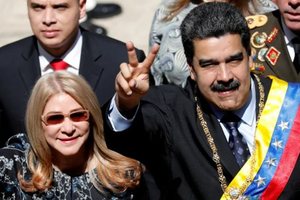
The trial of ousted Venezuelan President Nicolas Maduro on...
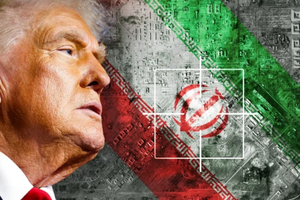
US President Donald Trump has issued another warning to Ir...
Prime Minister Andy Burnham has announced that most bus fa...

France's parliament has passed a law to ban social media f...

At a time when industrial products are increasingly taking...

Trust among people is not just a three-syllable word. It c...

Master of humor Todi Llupi has passed away at the age of 7...

The ninth edition of "MIK Festival" kicked off with one of...
The price of diesel reached 206 lek per liter from 198 lek...

Businesses will no longer be required to simply register t...

Despite economic growth and income in recent years, Albani...

This Wednesday, one US dollar is bought for 81.4 lek and s...