


Health technology/Artificial Intelligence will visit the same as a doctor
Artificial Intelligence will visit you just like a doc...


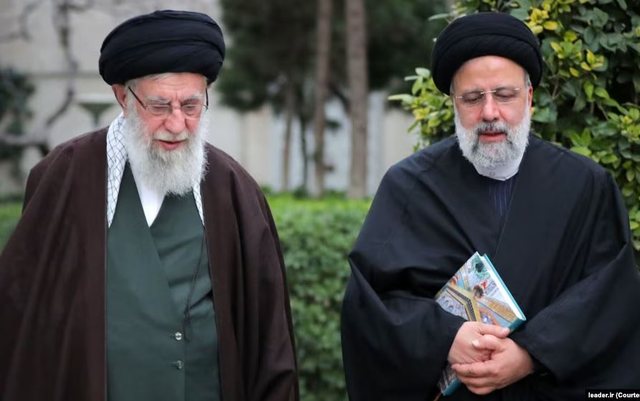
The sudden death of President Ebrahim Raisi has created difficulties in plans for a successor to Iran's supreme leader.
The ultraconservative Raisi was a longtime protege of Ayatollah Ali Khamenei, who was widely believed to be grooming the former chief justice for his successor.
Raisi's death has raised the prospects of other contenders, including Khamenei's son, for the most coveted post in the Islamic Republic.
With no clear front-runner to be the next supreme leader, Raisi's death in a helicopter crash on May 19 is likely to trigger a power struggle among members of the country's clerical establishment, experts said.
"If Khamenei cannot control this power race, then he may face a basic reality of the succession issue, becoming a destabilizing factor for the regime while he is still alive," said Alex Vatanka, director of the Program on Iran, at the Washington-based Middle East Institute.
Who are the potential suitors?
The 88-seat Assembly of Experts, whose members are elected for an eight-year term, is tasked with appointing the next supreme leader.
Dominated by hardliners, the clerical body has not declared a possible successor to Khamenei, 85, who became supreme leader in 1989 after the death of the Islamic Republic's founder, Ayatollah Ruhollah Khomeini.
A panel in the Assembly, consisting of three members, maintains a list of possible successors, and this list is said not to have been seen by other members of the Assembly.
Some experts said Raisi's death has increased the chances of Mojtaba Khamenei, a cleric and the supreme leader's second son.
Mojtaba Khamenei, 55, has avoided the public eye but is believed to wield considerable influence behind the scenes and has close ties to the powerful Islamic Revolutionary Guard Corps, which plays a major military, political and economic role in Iran.
But the supreme leader's son appears to lack the leadership skills and religious credentials needed for the post. He is often referred to as "hoxhatoleslam", a title that refers to middle-ranking clerics, although a news agency affiliated with religious seminaries, as of 2022, calls him Ayatollah, an honorific title used for high-ranking clerics.
In February, a member of the Assembly of Experts said the supreme leader is opposed to leadership succession, which appears to rule the new Khamenei out of office.
"In public, it can look like a monarchy if the leader's son inherits his father's position," said Farzan Sabet, a senior researcher at the Geneva Graduate School.
During the Islamic Revolution of 1979, clerics loyal to Khomeini overthrew the US-backed Shah of Iran, Mohammad Reza Pahlavi.
Sabet said the new Khamenei is still likely to "play an important role in the future of the Islamic Republic."
Another cleric believed to be in the running for the role of supreme leader is Ayatollah Alireza A'rafi. The 67-year-old cleric is close to Khamenei and is one of two deputy heads of the Assembly of Experts.
In 2020, Khamenei appointed A'raf to the post of head of all Iran's seminaries, suggesting that he meets the rigorous criteria to become the next supreme leader.
A'rafi is not very well known, but this fact does not hurt his chances in this race.
"Something we have to point out about high-level leadership positions in the Islamic Republic... is that a candidate can often emerge, shall we say, from relative obscurity," Sabet said.
The role of the Revolutionary Guard
Analysts said the Islamic Revolutionary Guard Corps is likely to play a key role in choosing Khomeini's successor in an effort to protect its own interests.
Ali Alfoneh, a senior researcher at the Washington-based Gulf Arab Institute, said Raisi was the ideal candidate for the Revolutionary Guard because he was "a malleable man without independent ideas."
"Ayatollah Khamenei and the Revolutionary Guards now need to identify a simple individual like the late President Raisi," Alfoneh said.
In the early 1980s, Khomeini appointed Ayatollah Hossein Ali Montazeri as his deputy. But, they then broke the reports and Montazer's post was extinguished.
In 2018, amid rumors of Khamenei's deteriorating health, there were talks about restoring the post of deputy supreme leader, but these talks did not materialize.
"This reluctance to share the stage with someone else - for fear of losing authority - has kept everyone guessing as to who might be Khamenei's successor," Vatanka said.
"Khameni's ambiguity about the succession issue is now more likely to be a liability than an asset"./ REL

Artificial Intelligence will visit you just like a doc...
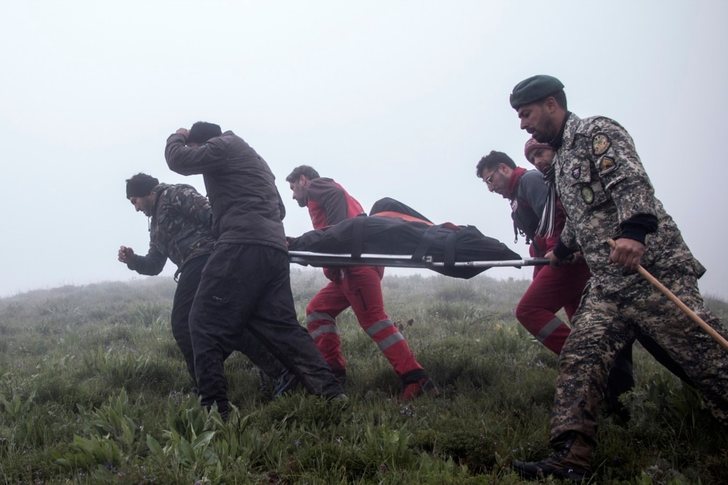
In a preliminary report of the Iranian army, it is stated ...
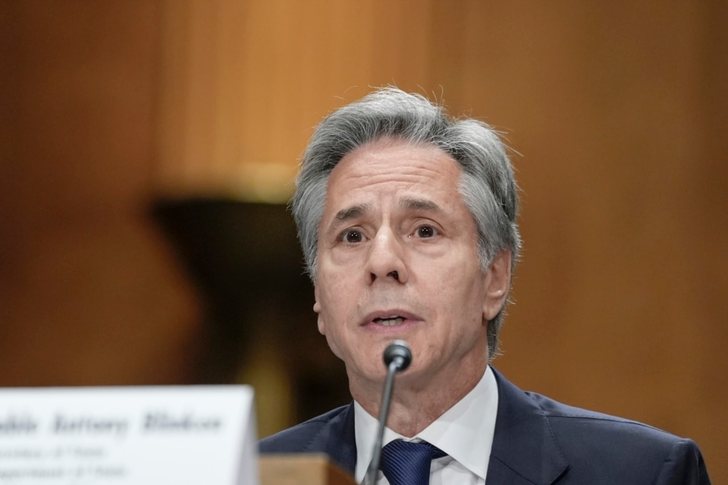
President Joe Biden's administration on Friday announced $...
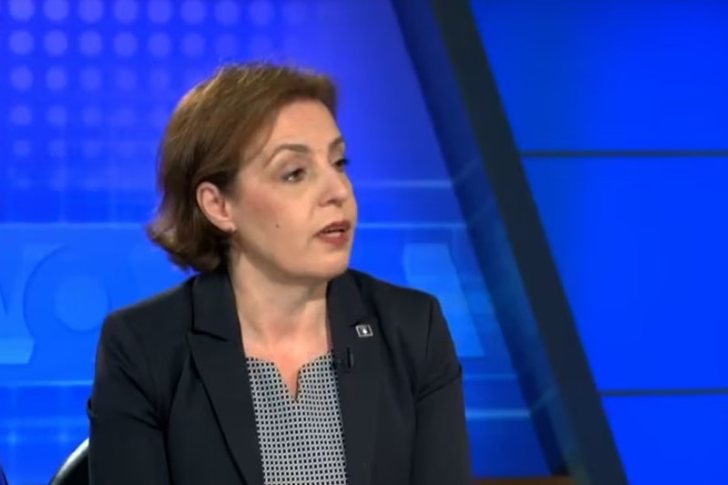
The Foreign Minister of Kosovo, Donika Gërvalla said that ...
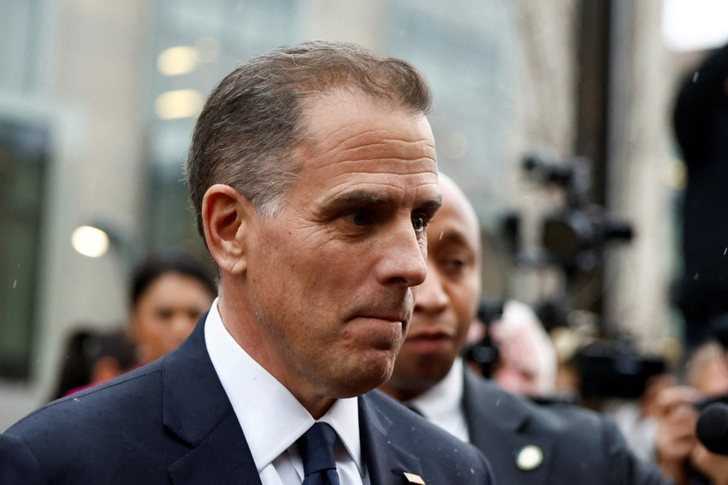
Hunter Biden appeared in a Dellauer County court on Friday...
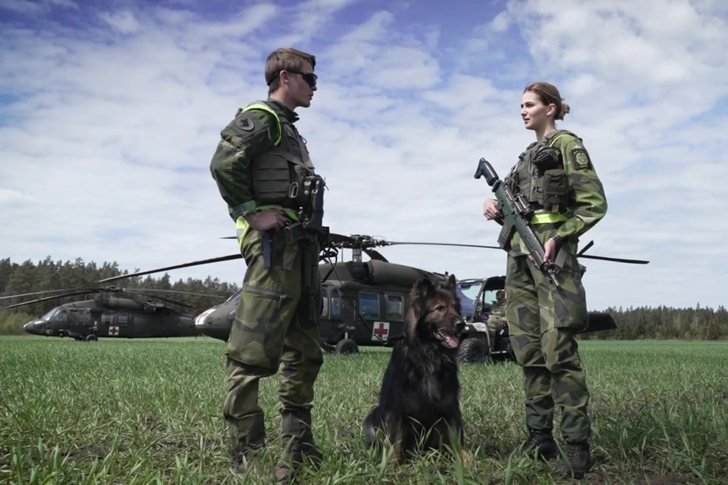
Sweden, NATO's newest member, announced this week a three-...
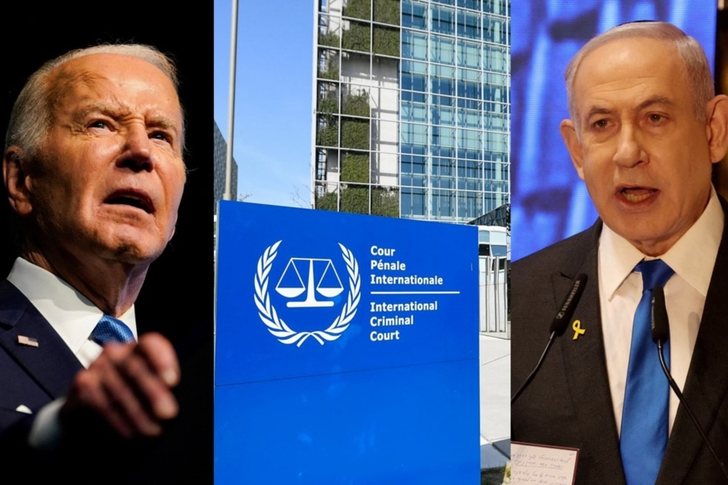
US President Joe Biden on Thursday rejected calls by the I...
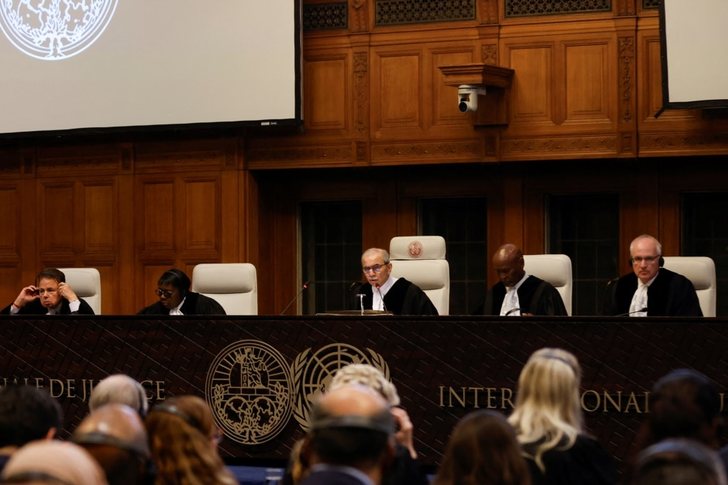
The International Court of Justice ordered Israel to "imme...
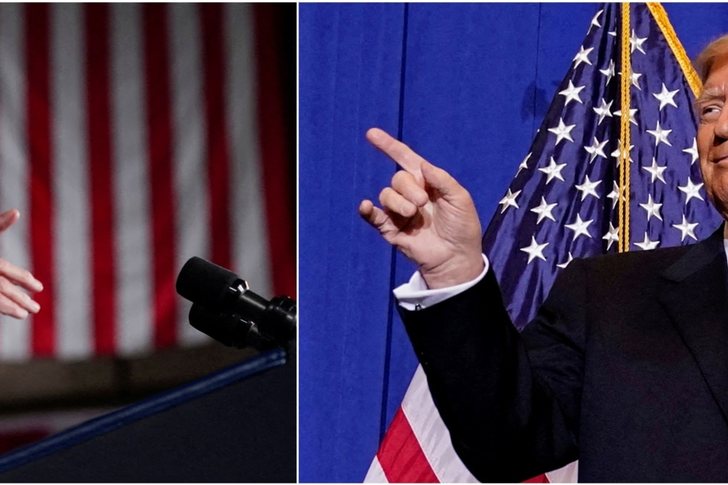
Pennsylvania is one of several US states that could have a...
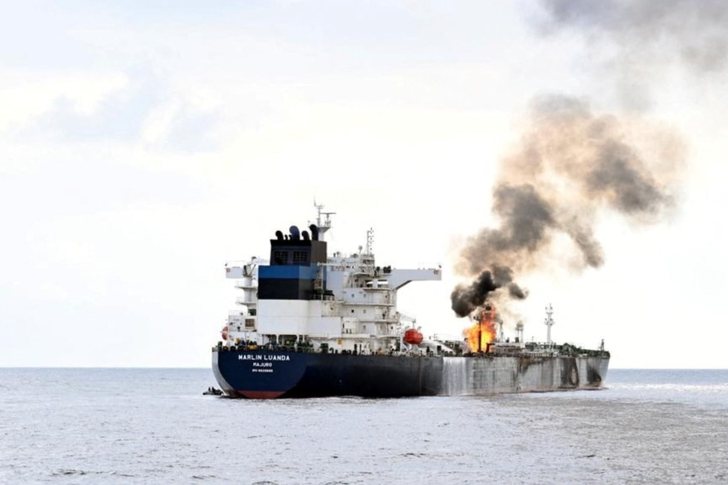
Yemeni rebels, the Houthis, have attacked three ships in t...
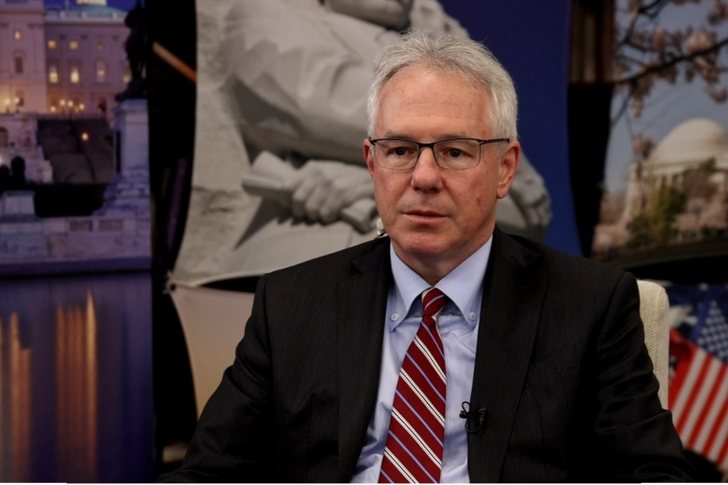
The US embassy in Sarajevo warned Friday against the Repub...
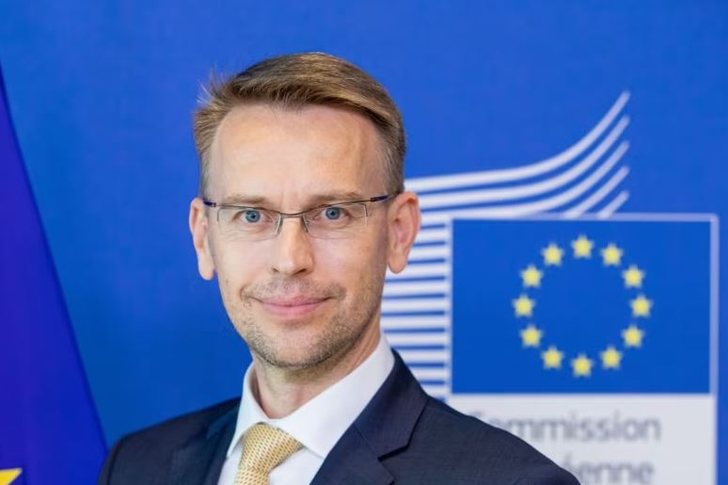
The European Union (EU) does not tolerate behavior that en...
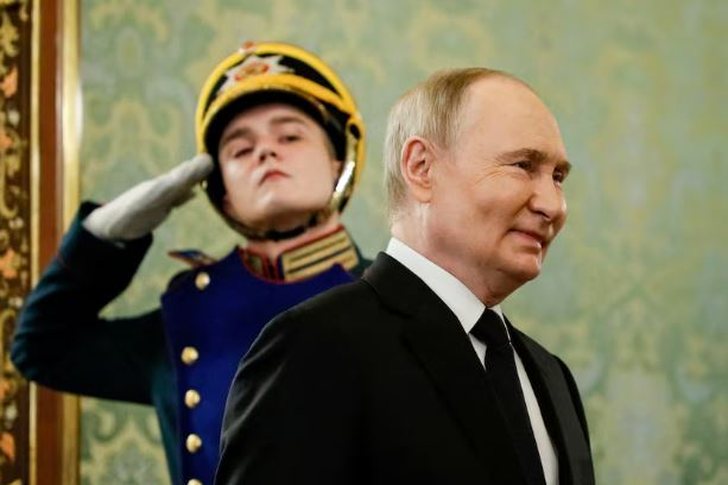
Russian President Vladimir Putin is ready to stop the ...
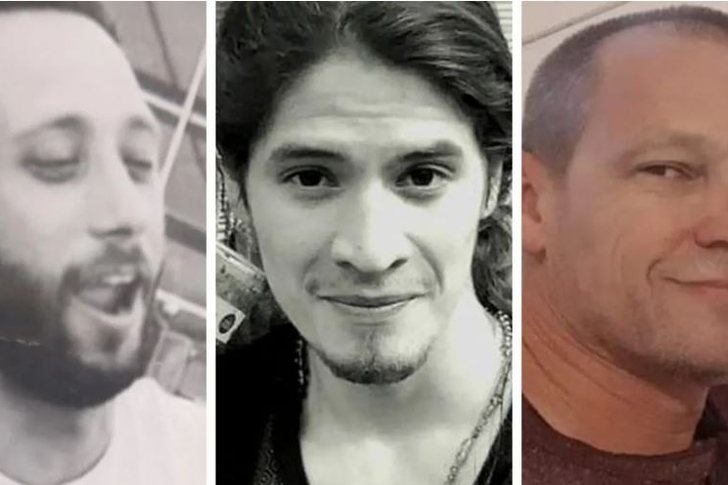
The bodies of three more Israeli hostages have been recove...
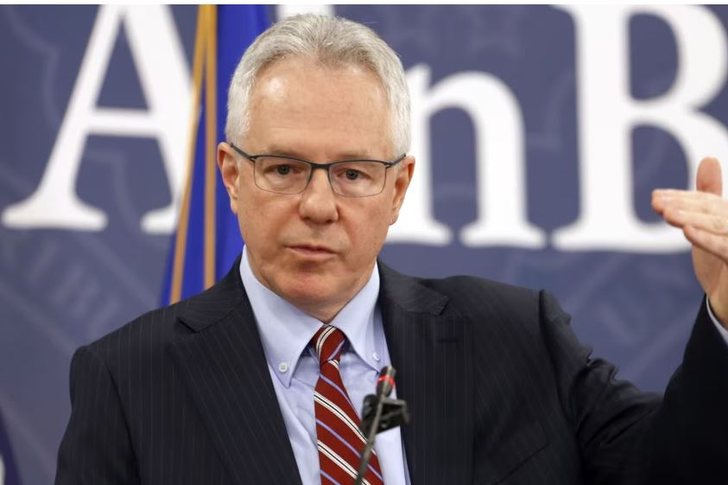
The United States Embassy in Sarajevo said on Friday that ...

Bota e përballoi në përgjithësi pandeminë e virusit të Cor...
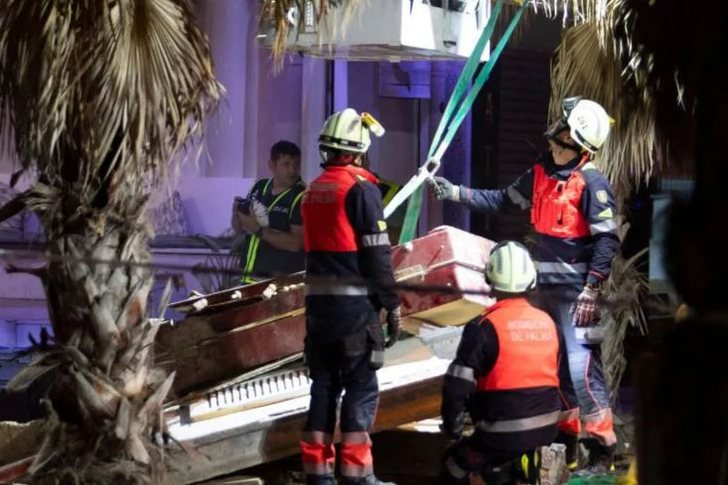
Four people have died and 16 have been injured after a...
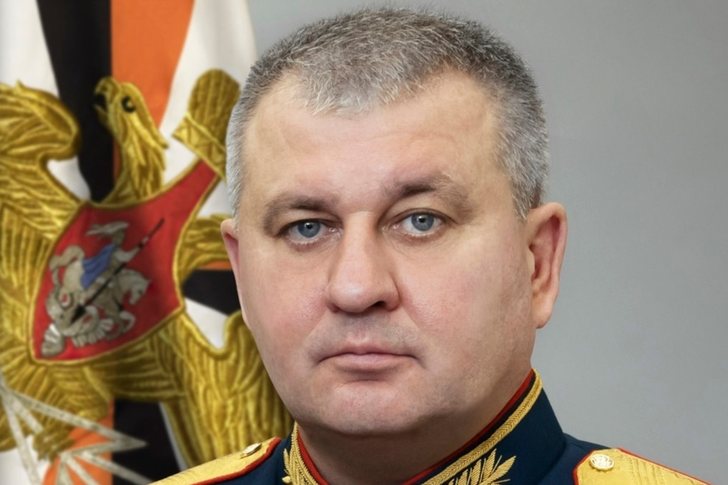
The Russian media announced on Thursday that the Deput...
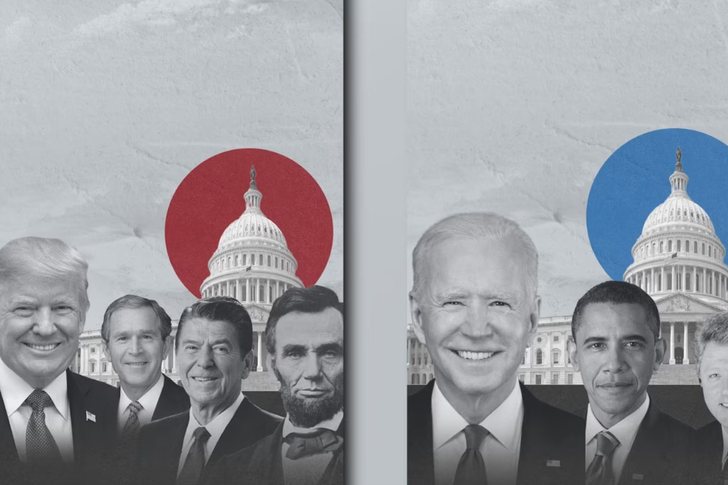
The United States has two major parties: the Democratic an...
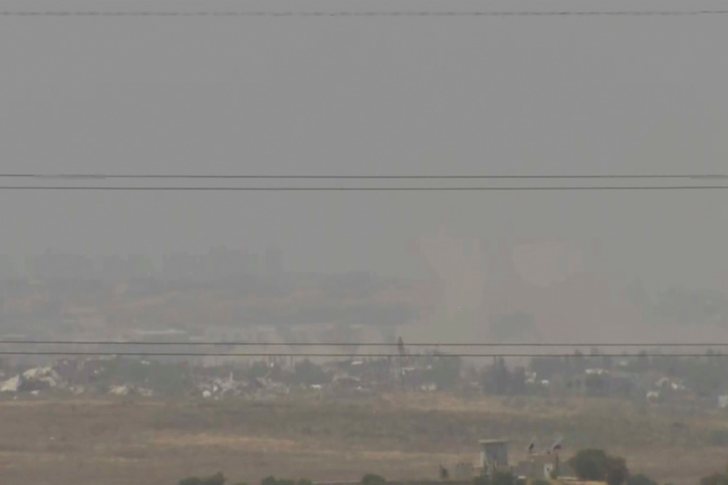
After international criticism, Israel this week reversed a...

CNA has launched another investigation that could lead to ...

Irfan Hysenbelliu is a businessman that we call "Irfan the...

In March 2026, CNA launched another investigation centered...
The arrested mayor of Tirana, Erion Veliaj, with 13 charge...

The Special Board of Appeal (KPA) decided this Monday ...

The KPA vetting decided this Thursday to dismiss the p...

Suela Salavaçi, a prosecutor in the Prosecutor's Offic...

The Special Board of Appeal reinstated the prosecutor ...
A road accident occurred this evening on Nikolla Zoraqi St...

Three people were shot and wounded in Elbasan last night b...

A serious incident occurred this Tuesday in the Yrshek are...

An accident occurred this Tuesday on "Dituria" street in K...
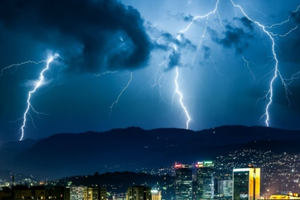
All of Southern Europe will face changing weather conditio...
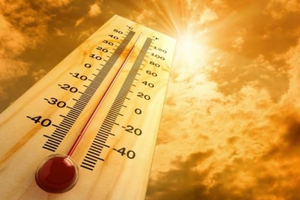
Albania was hit by temperatures significantly higher than ...
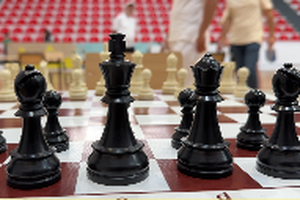
For the first time, Pogradec welcomed the Inter-Lake Chess...

Albania has achieved a record for the employment of foreig...

US Secretary of State Marco Rubio arrived in Manila on Jul...
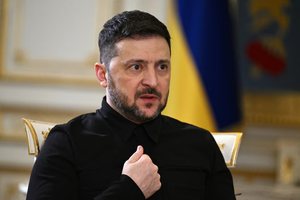
In the space of a few days, Ukrainian President Volodymyr ...
The spokesman for the Iranian Foreign Ministry warned Bulg...

Autoritetet italiane sekuestruan pako me afër 800 kilogram...

At a time when industrial products are increasingly taking...

Trust among people is not just a three-syllable word. It c...

Master of humor Todi Llupi has passed away at the age of 7...

The ninth edition of "MIK Festival" kicked off with one of...

Construction company licenses will have a validity period ...
The Centralized Purchasing Operator recently opened a tend...
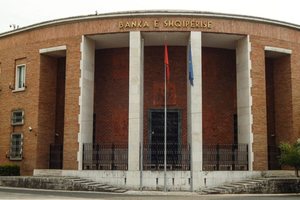
The new draft law "On the Bank of Albania" provides that t...

This Tuesday, one US dollar is bought for 81.2 lek and sol...