

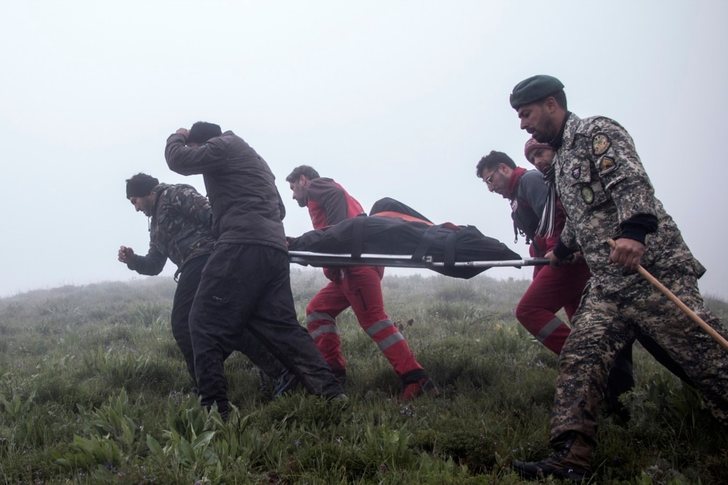
Preliminary report: The downing of the helicopter of the Iranian president, not intentional
In a preliminary report of the Iranian army, it is stated ...


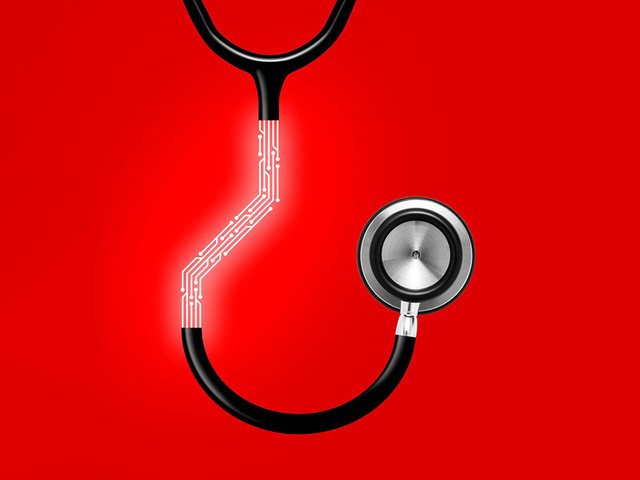
Artificial Intelligence will visit you just like a doctor. Artificial Intelligence is very promising in healthcare. But it also faces major obstacles, writes The Economist
Better diagnoses. Personalized patient support. Faster drug discovery. Greater efficiency. Artificial Intelligence is fueling excitement and hyperbole everywhere, but in healthcare, it has the potential to be transformative.
In Europe, analysts predict that the use of Artificial Intelligence could save several hundred thousand lives every year. In America, they say it could also save money, cutting as much as $200-$360 billion from overall annual medical spending, which now stands at $4.5 trillion a year (or 17% of GDP).
The possibilities are many, from Intelligent stethoscopes, to robot surgeons, analyzing large data sets or the ability to talk to a medical assistant created with Artificial Intelligence.
There is already evidence showing that AI systems can increase diagnostic accuracy and disease tracking, improve prediction of patient medical outcomes, and advise better treatments.
Artificial Intelligence can also increase efficiency in hospitals and surgeries, taking over tasks such as medical transcription and monitoring patients, and improving administration.
It can also speed up the time it takes for new drugs to reach clinical trials.
New tools, including generative Artificial Intelligence, can refine these capabilities. However, it should be noted that although Artificial Intelligence has been used in healthcare for many years, the integration has been slow and the results have often been mediocre.
Pros and cons
There are good and bad reasons for this. The good reasons are that healthcare requires high levels of evidence when introducing new tools into use, in order to protect patient safety. The bad reasons have to do with data, regulations and incentives. Overcoming them can be seen as lessons for Artificial Intelligence in other fields.
Artificial Intelligence systems learn by processing large volumes of data, something healthcare providers have in abundance. But health data is very fragmented; their use is strictly controlled.
Governments recognize that patients want their medical privacy protected. But patients also want better, more personalized medical care. Each year, approximately 800,000 Americans suffer because of faulty medical decision-making.
Që të arrihet të përmirësohet saktësia dhe të ulen paragjykimet në mjetet e Inteligjencës Artificiale, duhet që këto modele të trajnohen në grupe të mëdha të dhënash, që pasqyrojnë larminë e plotë të pacientëve.
Këtu do të ndihmonte gjetja e mënyrave të sigurta për të lejuar që të dhënat shëndetësore të lëvizin më lirshëm. Nga kjo mund të përfitojnë edhe vetë pacientët: atyre duhet t’u jepet e drejta për të pasur qasje në të dhënat e veta në një format portativ dixhital.
Firmat e shëndetit të konsumatorëve, tashmë po përdorin të dhëna nga pajisjet teknologjike të veshura në trup dhe kanë pasur nivele të ndryshme suksesi. Të dhënat portative të pacientëve do t’i lejonin njerëzit të përdornin plotësisht të dhënat e tyre shëndetësore dhe të merrnin më shumë përgjegjësi për shëndetin e vet.
Një problem tjetër është menaxhimi dhe rregullimi i këtyre risive. Në shumë shtete, prania e Inteligjencës Artificiale në shëndetësi, si në fusha të tjera, është e mirëpritur, por mungon ende risia.
Autoritetet rregullatore mund të jenë të ngadalta në miratimin e mjeteve të reja të Inteligjencës Artificiale, ose mund të mungojnë kapacitetet dhe ekspertiza.
Qeveritë duhet të pajisin rregullatorët për të vlerësuar mjetet e reja të kësaj teknologjie. Ato gjithashtu duhet të plotësojnë boshllëqet rregullatore në mbikëqyrjen e ngjarjeve të padëshiruara dhe gjatë këqyrjes së vazhdueshme të algoritmeve, për t’u siguruar që ato të mbeten të sakta, të sigurta, efektive dhe transparente.
Zgjidhjet
Kjo do të jetë e vështirë. Një zgjidhje do të ishte që shtetet të punonin së bashku, të mësonin nga njëri-tjetri dhe të krijonin standarde minimale globale. Një sistem rregullator ndërkombëtar më pak i ndërlikuar, do të ndihmonte gjithashtu në krijimin e një tregu ku kompanitë e vogla mund të inovojnë.
Shtetet më të varfra, me infrastrukturë shëndetësore më pak të zhvilluar, mund të përfitojnë shumë nga paraqitja e mjeteve të reja, si një pajisje portative ultratingujsh për obstetrikët.
Duke qenë se shpesh shmang nevojën për trajtime, teknologjia e Inteligjencës Artificiale madje mund të jetë në gjendje të ndihmojë shumë edhe sistemet shëndetësore të vendeve të varfra, megjithëse mungesa e të dhënave, lidhjes dhe fuqisë kompjuterike, do të jetë një pengesë.
Një problem i fundit përfshin institucionet dhe stimujt. Inteligjenca Artificiale premton të ulë kostot mjekësore, duke ndihmuar ose duke zëvendësuar punëtorët, duke përmirësuar produktivitetin, duke pakësuar gabimet dhe duke rrafshuar ose duke ulur shpenzimet, por mbi të gjitha duke përmirësuar kujdesin.
Kjo është dëshpërimisht e nevojshme. Botës mund t’i mungojnë 10 milionë punonjës të kujdesit shëndetësor deri në vitin 2030, ose rreth 15% e fuqisë punëtore të sotme. Dhe administrata përbënte rreth 30% të kostove të tepërta të kujdesit shëndetësor të Amerikës, krahasuar me vendet e tjera, në 2022.
However, saving money using innovation is complicated. Health systems are designed to use this technology to improve care, not to reduce costs.
New technology could account for half of the annual increase in health spending. But remodeling processes to efficiently use Artificial Intelligence is likely to be resisted by patients and doctors.
Although AI may be able to analyze patients over the phone or provide routine results, people may require to be seen in person by a doctor.
Even worse, many health care systems, like America's, are designed to reward workload. They have little reason to use technologies that shorten the number of visits, tests or procedures.
Even publicly owned health care systems may not have much incentive to use technologies that cut costs rather than improve outcomes, perhaps because saving money could lead to a smaller budget next year.
Unless governments can change these incentives so that AI combines better treatment with new efficiencies, then innovation will drive up costs.
Therefore, governments and health authorities should fund special schemes for the testing and use of new technologies with Artificial Intelligence. Various countries, including America, Britain and Canada, are leading in this direction.
IA, MD
Much of the burden for the spread of Artificial Intelligence in healthcare falls squarely on governments and regulators. However, companies also have a role to play.
Insurance companies have already used Artificial Intelligence tools to deny undeserved care; firms have miscalculated or overestimated the capabilities of Artificial Intelligence in the medical world; algorithms have made mistakes.
Firms have a duty to ensure that their products are safe, reliable and responsive and that people, however flawed, remain in control.
These obstacles are formidable, but the potential benefits of using Artificial Intelligence in healthcare are so great that the argument for allowing this technology is quite compelling.
And if Artificial Intelligence can be adapted to work in medicine, this could provide a recipe for the use of this technology in other fields./ Monitor

In a preliminary report of the Iranian army, it is stated ...
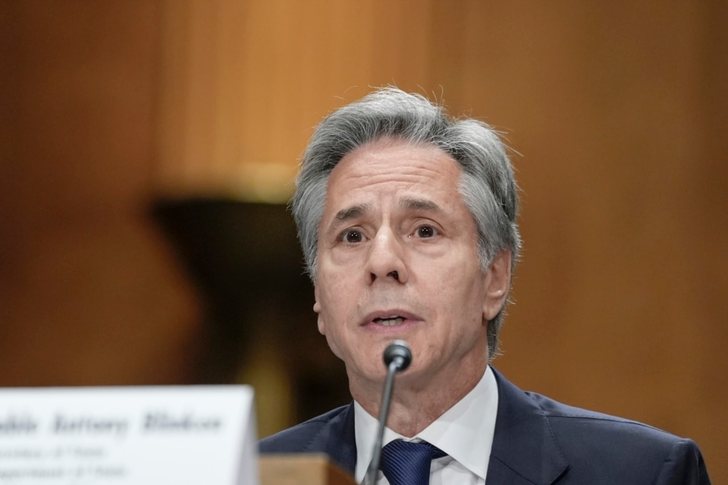
President Joe Biden's administration on Friday announced $...
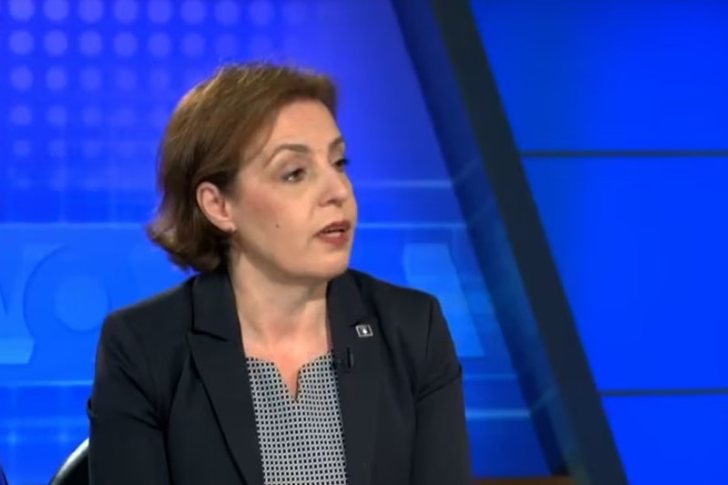
The Foreign Minister of Kosovo, Donika Gërvalla said that ...
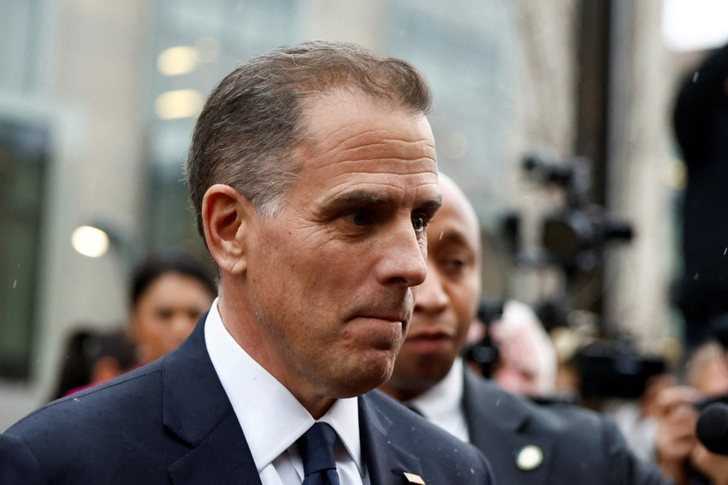
Hunter Biden appeared in a Dellauer County court on Friday...

Sweden, NATO's newest member, announced this week a three-...

US President Joe Biden on Thursday rejected calls by the I...
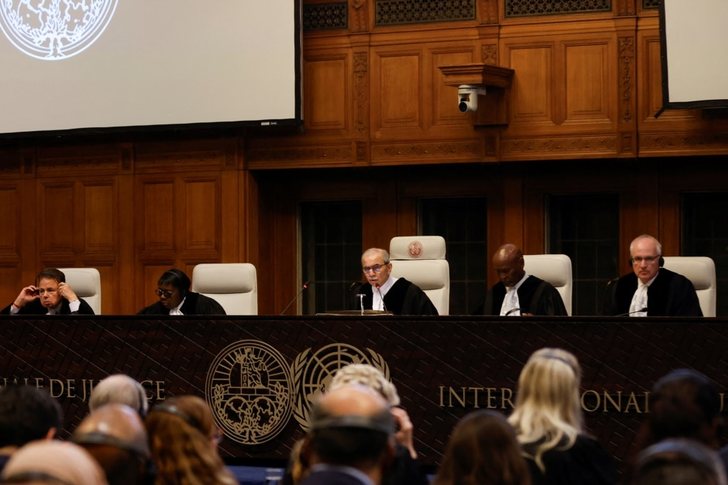
The International Court of Justice ordered Israel to "imme...
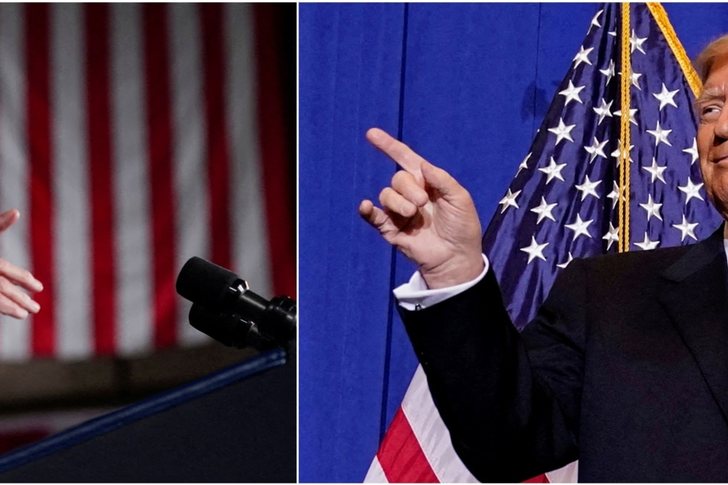
Pennsylvania is one of several US states that could have a...

Yemeni rebels, the Houthis, have attacked three ships in t...
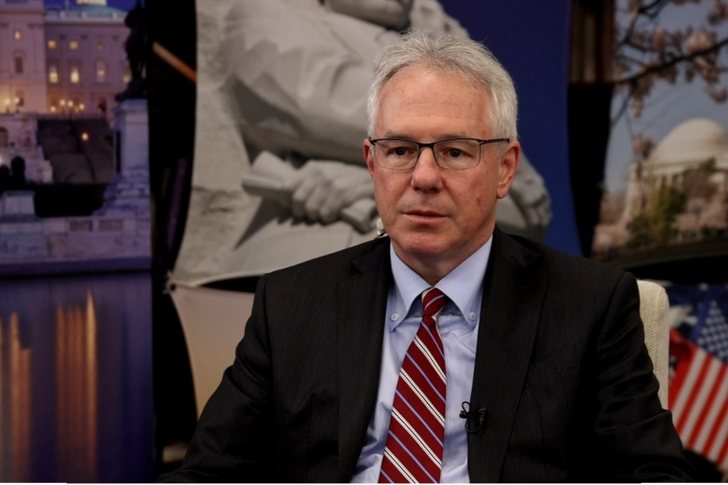
The US embassy in Sarajevo warned Friday against the Repub...
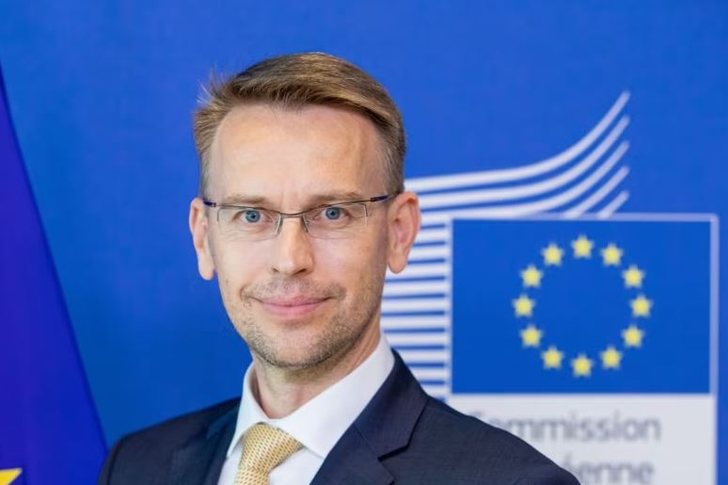
The European Union (EU) does not tolerate behavior that en...
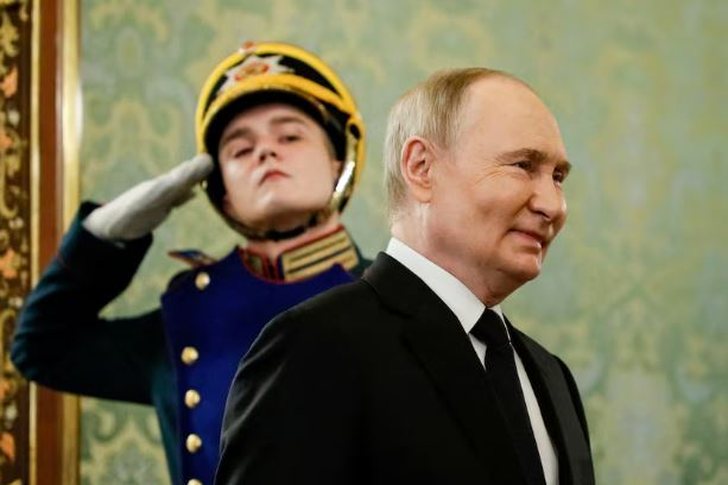
Russian President Vladimir Putin is ready to stop the ...

The bodies of three more Israeli hostages have been recove...
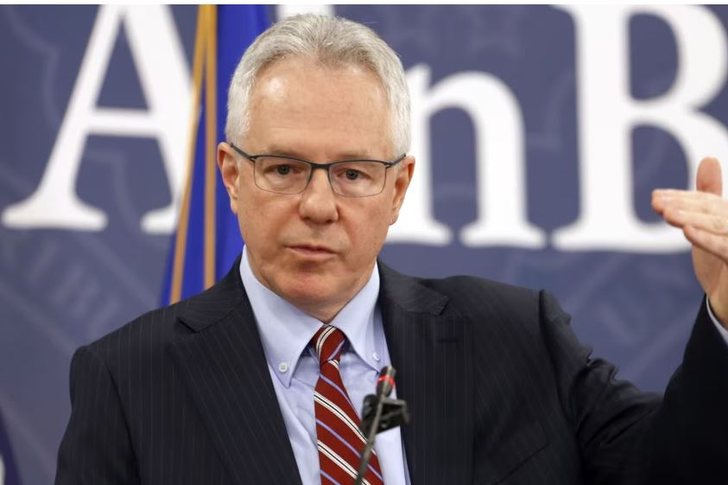
The United States Embassy in Sarajevo said on Friday that ...

Bota e përballoi në përgjithësi pandeminë e virusit të Cor...

Four people have died and 16 have been injured after a...

The Russian media announced on Thursday that the Deput...
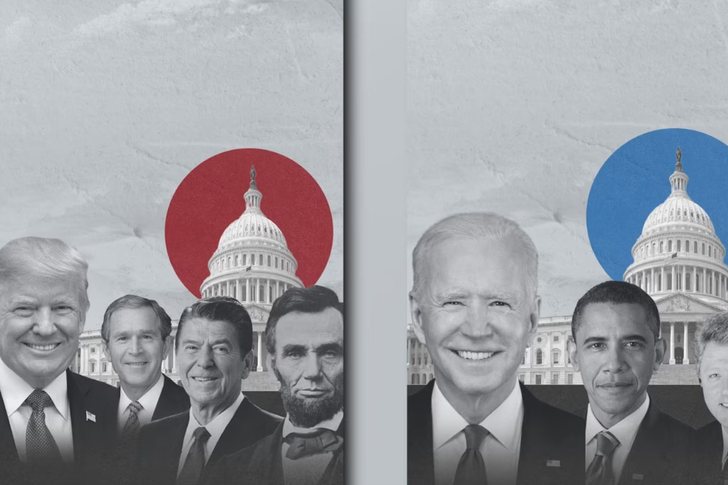
The United States has two major parties: the Democratic an...

After international criticism, Israel this week reversed a...
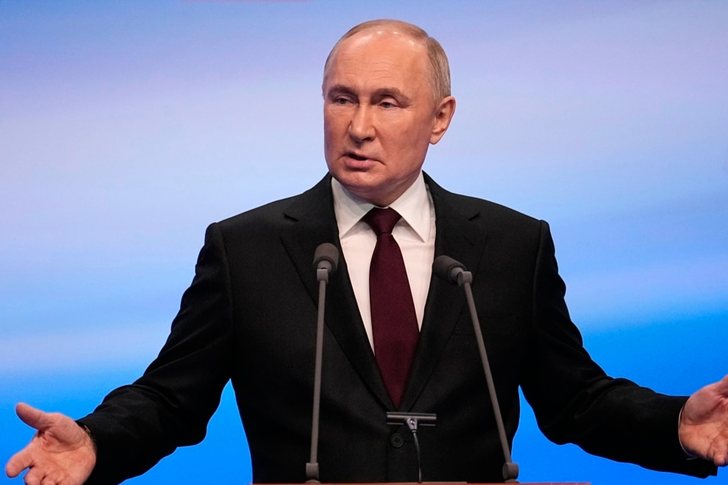
In a reciprocal move, Russian President Vladimir Putin...

CNA has launched another investigation that could lead to ...

Irfan Hysenbelliu is a businessman that we call "Irfan the...

In March 2026, CNA launched another investigation centered...
The arrested mayor of Tirana, Erion Veliaj, with 13 charge...

The Special Board of Appeal (KPA) decided this Monday ...

The KPA vetting decided this Thursday to dismiss the p...

Suela Salavaçi, a prosecutor in the Prosecutor's Offic...

The Special Board of Appeal reinstated the prosecutor ...

A road accident occurred this evening on Nikolla Zoraqi St...

Three people were shot and wounded in Elbasan last night b...

A serious incident occurred this Tuesday in the Yrshek are...

An accident occurred this Tuesday on "Dituria" street in K...

All of Southern Europe will face changing weather conditio...

Albania was hit by temperatures significantly higher than ...

For the first time, Pogradec welcomed the Inter-Lake Chess...

Albania has achieved a record for the employment of foreig...

US Secretary of State Marco Rubio arrived in Manila on Jul...

In the space of a few days, Ukrainian President Volodymyr ...

The spokesman for the Iranian Foreign Ministry warned Bulg...

Autoritetet italiane sekuestruan pako me afër 800 kilogram...

At a time when industrial products are increasingly taking...

Trust among people is not just a three-syllable word. It c...

Master of humor Todi Llupi has passed away at the age of 7...

The ninth edition of "MIK Festival" kicked off with one of...

Construction company licenses will have a validity period ...

The Centralized Purchasing Operator recently opened a tend...

The new draft law "On the Bank of Albania" provides that t...

This Tuesday, one US dollar is bought for 81.2 lek and sol...