

Ukraine seeks Trump-Zelensky meeting in US this week
Ukraine's security chief says he hopes to arrange a visit ...


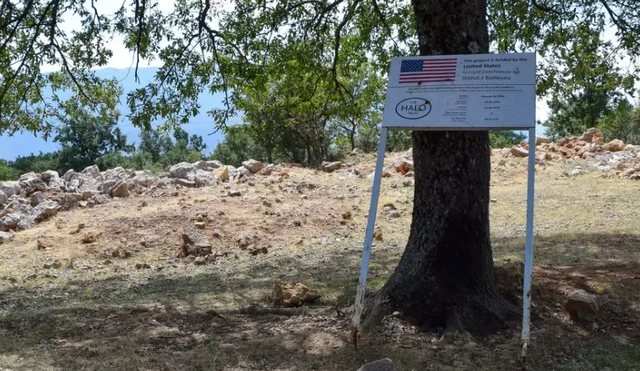
"I remember the last day clearly," says Emerico Maria Laccetti, a former colonel in the military sector of the Italian Red Cross. During the Kosovo war in 1999, he was stationed in Albania, just a few hundred meters from the border with Kosovo. There he commanded a field hospital for refugees.
"Standing on the containers and watching the bombing was like a perverse New Year's fireworks display. Even from a distance you could feel the wave of air; your body absorbed the shock. But no, no one informed us about the specific dangers of the weapons that were being used."
Operation "Allied Force"
From March 1999, NATO intervened with Operation "Allied Force" in the long-standing conflict between the Serbian state and the Albanian majority in Kosovo. For 78 days, the alliance carried out missions with up to 1,000 aircraft against Serbian security forces. According to official data, over 28,000 explosives were dropped, including depleted uranium (DU) ammunition — suspected of causing cancer.
This ammunition contains a depleted uranium core, which due to its high density — three times heavier than lead — has great penetrating power and is used mainly against tanks and armored targets. However, upon impact, fine radioactive dust can be created, which, if inhaled, can cause long-term health damage.
NATO denies allegations.
In a written response to questions about the dangers of DU, NATO stated: "We take health and environmental issues very seriously."
According to the alliance, a committee established in 2001 concluded, based on "independent scientific data", that the use of depleted uranium ammunition in Kosovo "does not pose a continuing risk to the health of the population".
NATO refers to UN reports, for example the one from 2014. "This is scientific evidence, it has been consistent and we stand by it," the military alliance said in a statement.
But this contradicts the decisions of Italian courts, which have accepted the complaints of around 500 Kosovo war veterans who were affected by cancer after being in contact with such ammunition.
Laccetti says he was aware that with his field hospital in Morina, Albania, right next to the border with Kosovo during the NATO bombing, he was in a “hot zone,” very close to an active conflict, which always carries risks. “But what we were never told,” he points out, “was that some types of munitions can pose long-term risks even when not directly hit – for example due to unexploded shells nearby or the components used in the manufacture of the munitions.”
The long illness
When Laccetti returned home in July 1999, he began to have difficulty breathing and so went to a hospital for a check-up. "The medical staff suddenly became very worried," he recalls. Finally, a doctor showed him the image: "There was something in my lung measuring 24 x 12 x 14 centimeters." He, then 36, was diagnosed with a very aggressive and incurable tumor.
Initially, Laccetti was successfully treated, but in 2008 he fell ill with cancer again. The result of the tissue analysis was shocking: "They found an extremely large amount of perfectly round ceramic particles – as if I had been standing inside a metal melting furnace." The conclusion was clear: "These particles had been lodged in my body for years and, through movement or inflammation, could cause new damage."
Laccetti learned of the legal victories
from other soldiers of the same age who had served in the same areas of service and had received similar diagnoses. He contacted lawyer Angelo Tartaglia, who represented those affected. About 500 members of the military successfully sued the Italian state. Among them was Laccetti, whom a court in Rome in 2009 recognized as a victim because he had carried out his military duties. The court awarded him compensation.
After the Kosovo war, a commission of the Italian Ministry of Defense investigated a possible link between exposure to depleted uranium (DU) and cancer. The commission found a statistically significant increase in cases of non-Hodgkin lymphoma in affected soldiers. However, other studies – such as a WHO report from the same year – found no clear evidence of a direct link between depleted uranium and individual cases of the disease.
Hard evidence
For Wim Zwijnenburg, a member of the International Coalition to Ban Uranium Weapons (ICBUW), the case is clear. "The judge accepted that the Italian state had a duty of care, so they were awarded compensation," explains the expert. He has been studying the use and consequences of depleted uranium (DU) for more than 16 years.
“My conclusion: it’s extremely difficult to make a definitive statement,” he admits, because depleted uranium only has an effect when it enters the body – usually in the form of very fine dust particles that are inhaled. “But the exact amount that people actually inhale has never been properly measured. There are very few reliable long-term studies.” The reasons for the occurrence of cancer are often difficult to clearly determine. Unhealthy lifestyle habits, environmental influences, genetic predispositions and many other factors influence the number of cases.
"Even confirmation is difficult," says Zwijnenburg. "Have those affected ever touched a depleted uranium grenade or been near a contaminated tank? Uranium can take a year to penetrate the skin. Doctors can't make claims when it's not clear. People look for a clear cause – but the reality is much more complex."
Mandatory decontamination
In 2002, the UN adopted a resolution obliging states to inform affected countries after the use of uranium munitions and to help clean up contaminated areas. As for Kosovo, it is not clear to what extent NATO has fulfilled this responsibility – the NATO peacekeeping force, KFOR, which has been stationed there since the end of the war to ensure peace, does not provide information. Field visits show: in many regions of Kosovo, the population knows little about the potential risks, and decontamination measures have not been carried out – except for one location in the west of the country, in the village of Lugbunari near Gjakova.
"NATO could be accused of using these weapons," says expert Wim Zwijnenburg, "but even more so for the fact that it does not do any clean-up work after the war. For soldiers, are there clear protection protocols – for civilians? Nothing. It is unacceptable to use toxic munitions and then simply withdraw."
Officially, the material that makes up depleted uranium ammunition is considered low- to medium-level radioactive waste. But, says Zwijnenburg, “in humid climates like the Balkans, the shells can corrode and disintegrate – leaving behind dangerous residue.” Time doesn’t help either, as the half-life of uranium is almost infinite. For Zwijnenburg, this shows the hypocrisy of states.
"However, if such a grenade were found in a Dutch park, the area would be sealed off. Special units in protective gear would place the grenade in a lead container and store it safely." So when it comes to their population, the risks are taken very seriously – in other countries, not.
Laccetti is disappointed that his case and that of many other veterans have not brought about fundamental changes. "Depleted uranium ammunition is still legal. We have tried every possible way to ban it – like cluster munitions or anti-personnel mines. We failed."/DW

Ukraine's security chief says he hopes to arrange a visit ...

The Milan prosecutor's office has requested a sentence of on...
Serbia said on Tuesday it had arrested a former member of ...

Serbian President Aleksandar Vučić said on November 25 tha...
The fourth and final suspected perpetrator of the spectacu...
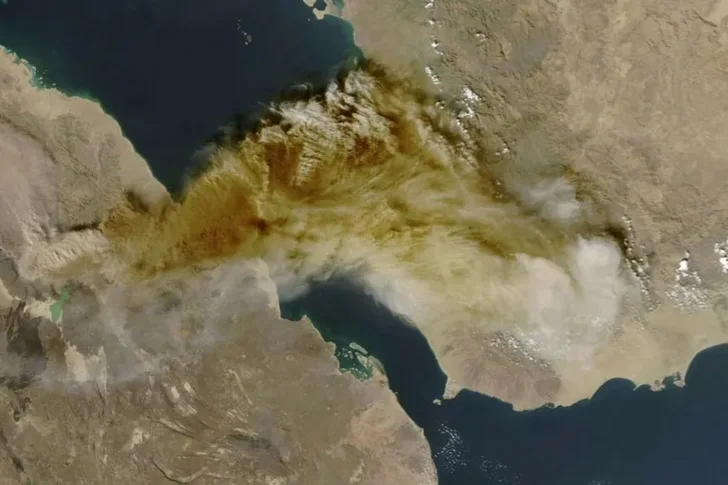
The ash cloud caused by the eruption of a volcano in Ethio...
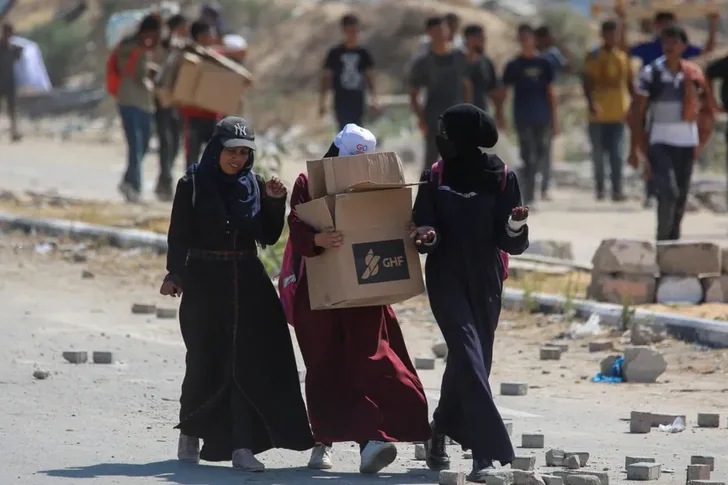
The Gaza Humanitarian Foundation (GHF), supported by the U...
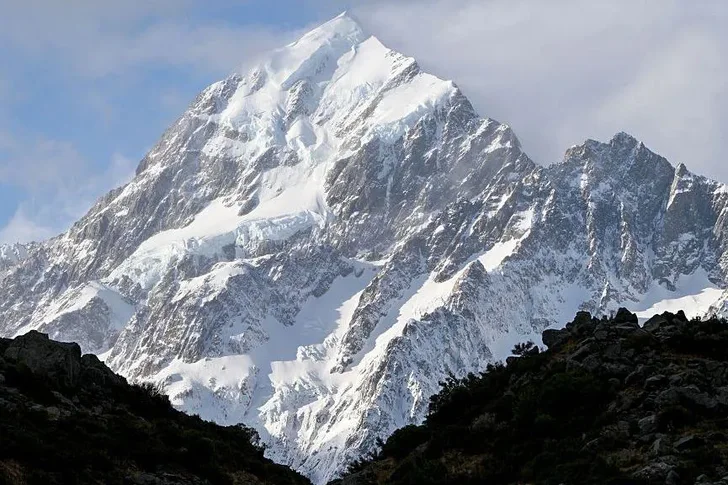
Two climbers have died after falling from New Zealand's hi...
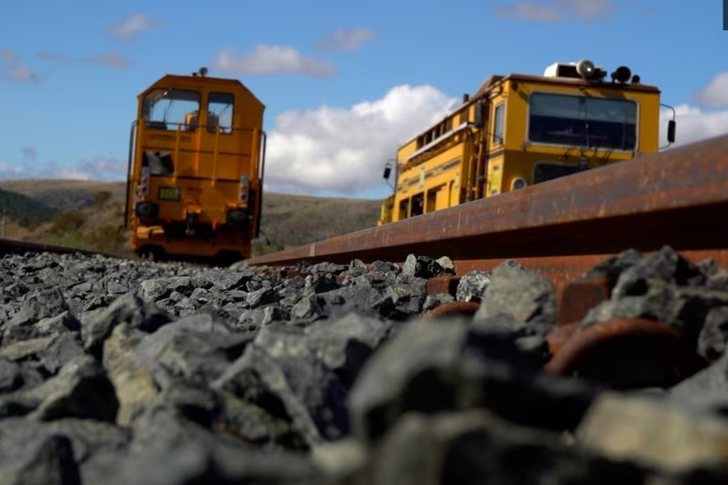
With the investment of 1.9 billion euros through the loan ...

Around 41% of German public spending goes to social securi...
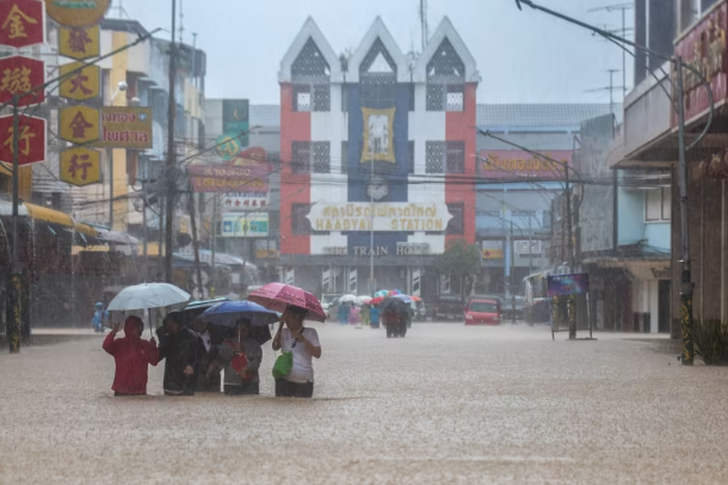
An extreme storm, estimated to be a once-in-300-year event...
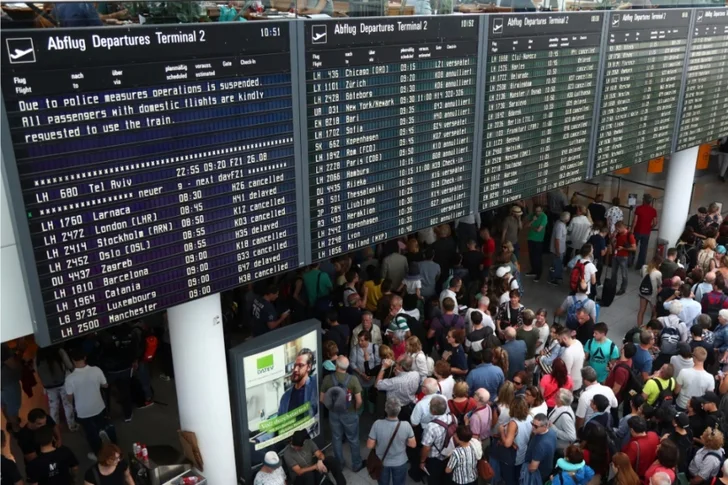
The German Foreign Ministry has advised its citizens not t...
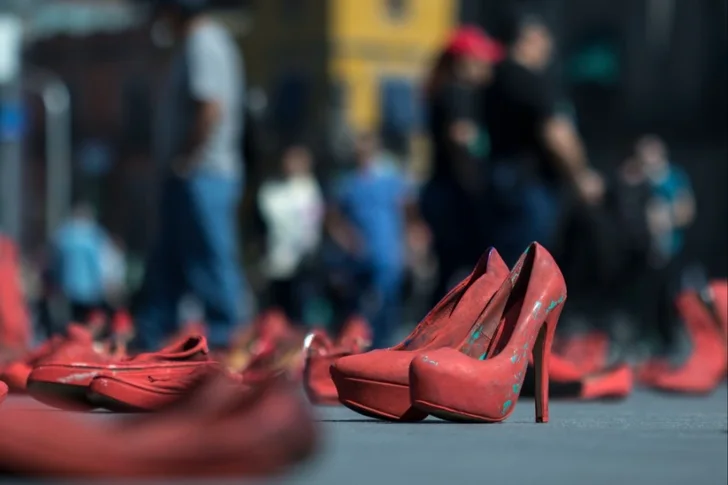
Every 10 minutes last year, a woman somewhere in the world...
US Army Secretary Dan Driscoll held talks with Russian off...
The Ukrainian capital, Kiev, came under attack overnight, ...

Traditional Christmas markets open this Monday across Germ...
The Democratic League of Kosovo has nominated party leader...
NATO Secretary General Mark Rutte said the US peace propos...

Ukrainian President Volodymyr Zelensky has welcomed import...
Kosovar businesses are increasingly expanding their activi...

CNA has launched another investigation that could lead to ...

Irfan Hysenbelliu is a businessman that we call "Irfan the...

In March 2026, CNA launched another investigation centered...
The arrested mayor of Tirana, Erion Veliaj, with 13 charge...

The Special Board of Appeal (KPA) decided this Monday ...

The KPA vetting decided this Thursday to dismiss the p...

Suela Salavaçi, a prosecutor in the Prosecutor's Offic...

The Special Board of Appeal reinstated the prosecutor ...
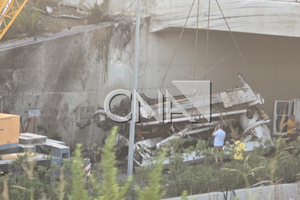
This Wednesday, around 4:00 PM, a serious accident occurre...
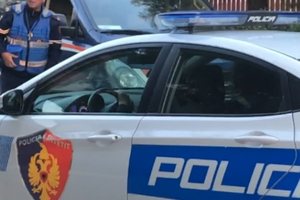
Tirana Police have shared details regarding the accident t...
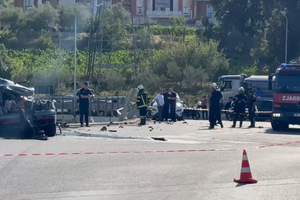
New details have emerged regarding the accident that occur...
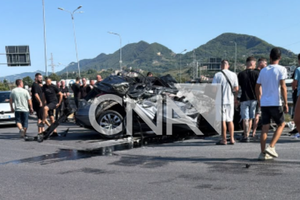
New details have emerged from the serious accident that oc...
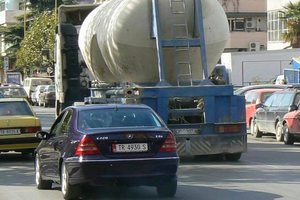
A serious accident that occurred this Wednesday with the c...

The Institute of Geosciences has shared a forecast for wea...

Rising energy and fertilizer prices are expected to contin...

Over 18,000 foreign citizens from 140 countries have appli...

The trial of ousted Venezuelan President Nicolas Maduro on...

US President Donald Trump has issued another warning to Ir...

Prime Minister Andy Burnham has announced that most bus fa...

France's parliament has passed a law to ban social media f...

At a time when industrial products are increasingly taking...

Trust among people is not just a three-syllable word. It c...

Master of humor Todi Llupi has passed away at the age of 7...

The ninth edition of "MIK Festival" kicked off with one of...

The price of diesel reached 206 lek per liter from 198 lek...

Businesses will no longer be required to simply register t...

Despite economic growth and income in recent years, Albani...

This Wednesday, one US dollar is bought for 81.4 lek and s...