

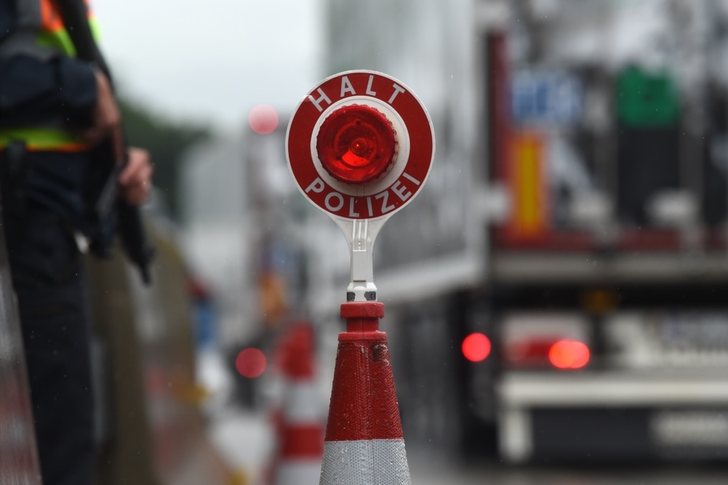
Several injured after a knife attack in western Germany
A major police operation is underway in the German cit...


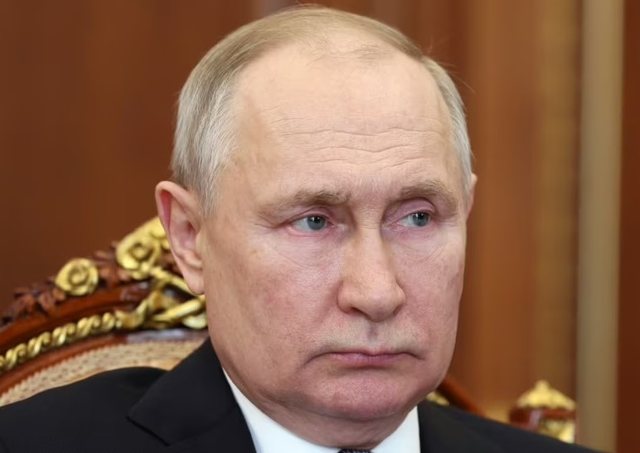
Russian President Vladimir Putin now leads Russia, almost unchallenged.
Many of the critical voices that once spoke out against him have been forced to live in exile, others have been imprisoned – and in some cases even killed.
By the time Russia's war in Ukraine began in February 2022, more than two decades of suppressing dissidents had wiped out the opposition in Russia.
In the first years of Putin's leadership, he has empowered Russian oligarchs – men who are not only wealthy but also have political ambitions.
Mikhail Khodorkovsky, once head of Russian oil giant Yukos, was arrested in 2003 and served 10 years in prison for tax evasion and theft after financing opposition party campaigns.
After his release, he left Russia.
Boris Berezovsky, another oligarch who even helped Putin rise to power – died in exile in the United Kingdom in 2013.
It is reported that he committed suicide.
Over time, all major media outlets in Russia have fallen under state control, or toed the Kremlin's line.
Alexei Navalny
By far, the most popular opposition figure in Russia is Alexei Navalny, who has accused Putin from prison of trying to smear hundreds of thousands of people with his "criminal, aggressive" war.
In August 2020, Navalny was poisoned with Novichok – a military-grade nerve agent – ??while on a trip to Siberia.
The attack nearly killed him, so he was forced to go to Germany for treatment.
His return to Russia in January 2021 almost emboldened the protesters, but he was subsequently arrested for fraud and contempt of court.
He currently faces nine years in prison.
Navalny is the focus of the documentary that won an Oscar this year in the United States.
In 2010, and the following years, Navalny has been heavily involved in anti-Government marches and the documents he has released have been viewed millions of times.
In 2021, his organization was declared extremist, while Navalny himself considered the charges against him to be politically motivated.
Many of his aides have faced pressure from the security services, and some have even fled the state, including the former heads of the Anti-Corruption Foundation: Ivan Zhdanov, Lyubov Sobol, as well as many other heads of Navalny's organization offices across cities of Russia.
Navalny's right-hand man, Leonid Volkov, left Russia when a case was initiated against him in 2019.
Opponents of the war
Another of Putin's opponents behind bars is Ilya Yashin, who has been a vocal critic of Russia's war.
In a live YouTube broadcast in April 2022, he called for investigations into possible war crimes that may have been committed by Russian forces.
He called President Putin "the most brutal butcher in this war".
That live broadcast cost Yashin eight and a half years in prison for violating the law against spreading "false information" about the Russian military.
The law was approved in the Russian Parliament, shortly after the start of Russia's war in Ukraine, on February 24, 2022.
Yashin became involved in politics in the 2000s – at the age of 17 – when Putin took power.
In 2017, after several years of opposition activism, he was elected leader of the Krasnoselksi district council in Moscow, where he continued to oppose the Kremlin.
In 2019, he spent more than a month behind bars for his active role in protests against the authorities' refusal to register opposition candidates in the Moscow City Council elections.
Cambridge-educated activist and journalist Vladimir Kara-Murza has twice been the victim of suspected poisonings, resulting in him falling into a coma – in 2015 and again in 2017.
He was arrested in April 2022, following criticism of Russia's war in Ukraine.
Kara-Murza has been accused of spreading "fake news" about the Russian army, organizing the activities of an "undesirable organization" and high treason.
He was sentenced to 25 years in prison on April 17, 2023.
Kara-Murza has authored numerous articles critical of Putin in both Russian and Western media, and in 2011 led efforts to pass Western sanctions targeting human rights abusers in Russia.
These sanctions, imposed by Western states, are known as the Magnitsky Act, after lawyer Sergei Magnitsky, who died in Russian prisons in 2009, following allegations of fraud.
The fight for democracy
Kara-Murza may face a long sentence, but at least he is alive, unlike his close friend, Boris Nemtsov.
Before the Putin era, Nemtsov served as governor of the Nizhny Novogorod region, as minister of energy, then as deputy prime minister, and was also elected to the Russian Parliament.
Later, he has become a harsh critic of the Kremlin, and has published some material critical of Putin, which has prompted a number of marches against him.
On February 27, 2015, Nemtsov was shot four times while crossing a bridge outside the Kremlin, just hours after calling for support for an anti-Putin march before he launched the conflict in Ukraine on 2014.
Five men of Chechen origin have been convicted of Nemtsov's murder, but it is still not known who ordered the killing and why.
Seven years after his death, research has revealed evidence that in the months before the murder, Nemtsov was stalked in Russia by a government agent linked to a secret gang of assassins.
These key opposition figures are just a few of the other Russians who have been targeted for publicly expressing their displeasure.
Since the start of Russia's war in Ukraine last year, even independent media in Russia have faced restrictions and threats.
The Russian channel, Shiu, has carried the broadcast entirely abroad.
The Novaya newspaper still remains in Moscow, but it no longer publishes the paper.
Other media such as radio Ekho have been closed by the authorities.
Meanwhile, countless commentators have left the country, as some of them have even been declared "foreign agents".
It has taken Vladimir Putin more than two decades to ensure that there are no opponents to his power.
If this was his plan, then he succeeded./ Rel

A major police operation is underway in the German cit...
Absolut Vodka will not export its products to Russia, ...
Two New York City residents arrested by the FBI on Monday ...
The European Union said that together with Kosovo and ...

Foreign ministers from the Group of Seven, the world's ric...

In today's report, Eurostat confirmed the previous ...
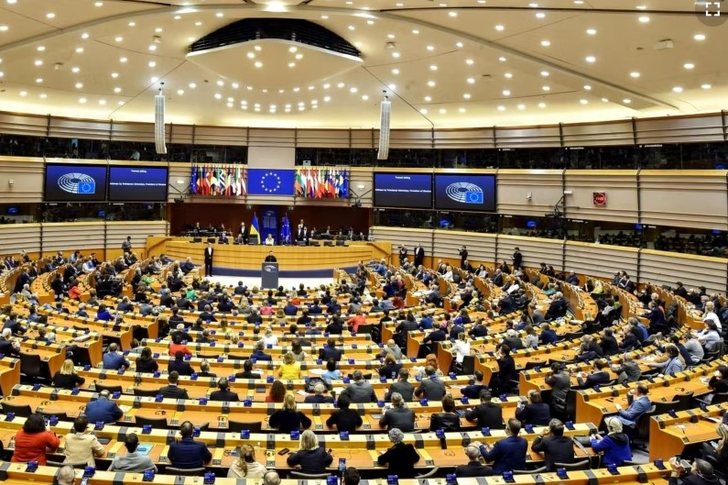
On Tuesday, the European Parliament approved the decis...
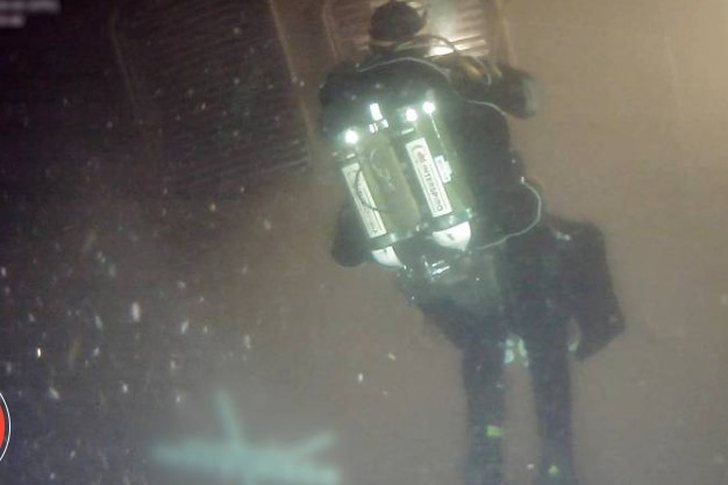
The Norwegian authorities have carried out an operatio...

Plans by the Islamic State terror group to kidnap offi...
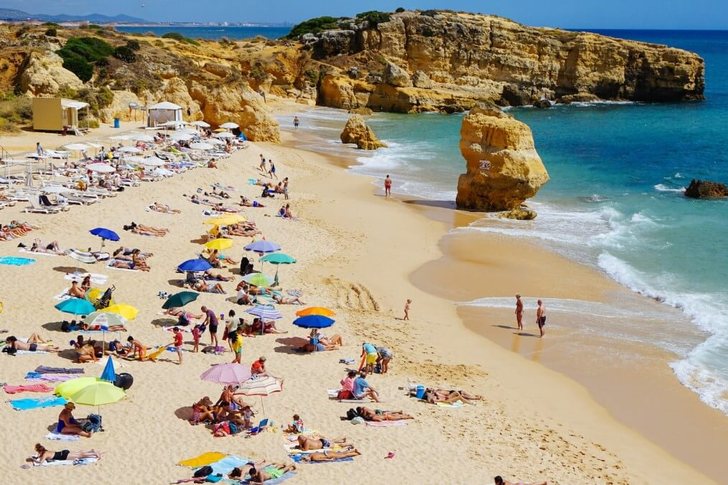
The latest report of the European Travel Commission...
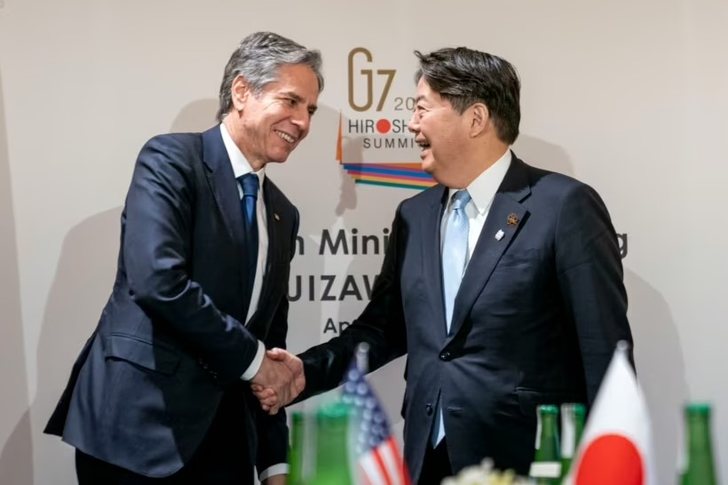
Ministers from the Group of Seven (G7) most industrial...
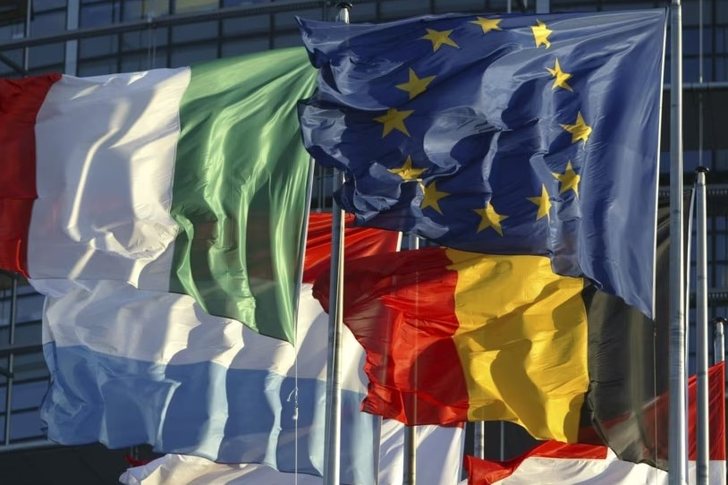
The European Parliament votes today on the decision to...
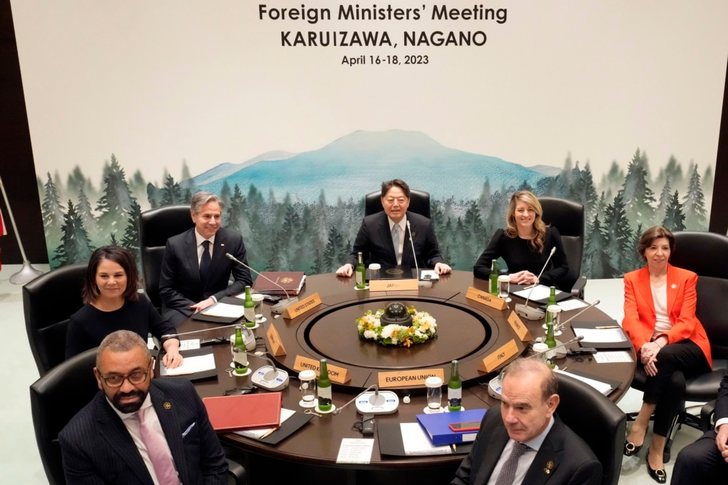
Ministrat e Jashtëm të Grupit të Shtatë vendeve me të indu...
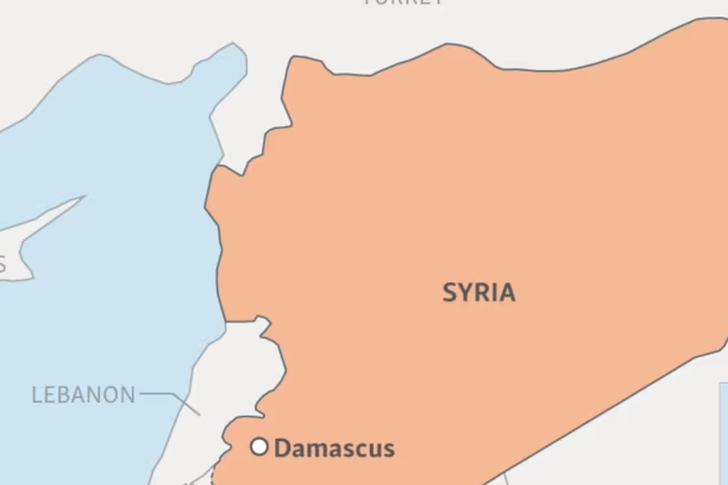
The US military said it had carried out an airstrike again...
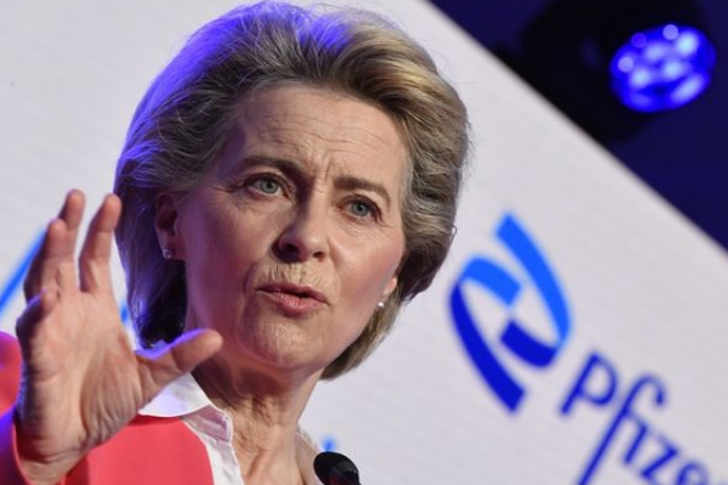
A Belgian lobbyist sued European Commission President ...
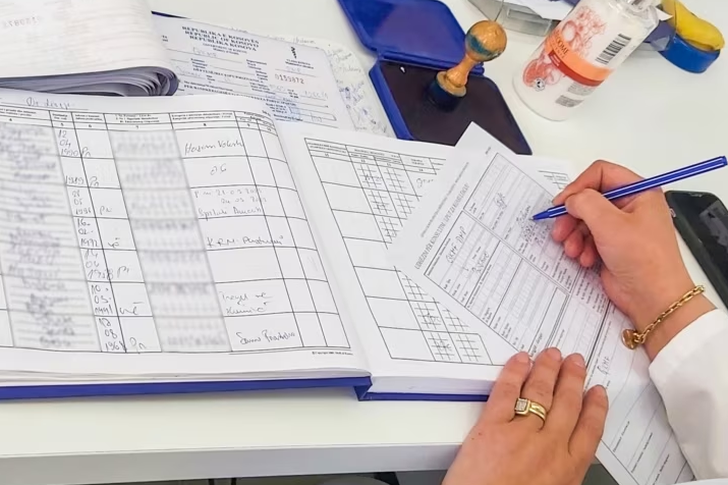
With a lot of medical documents from the various checks sh...
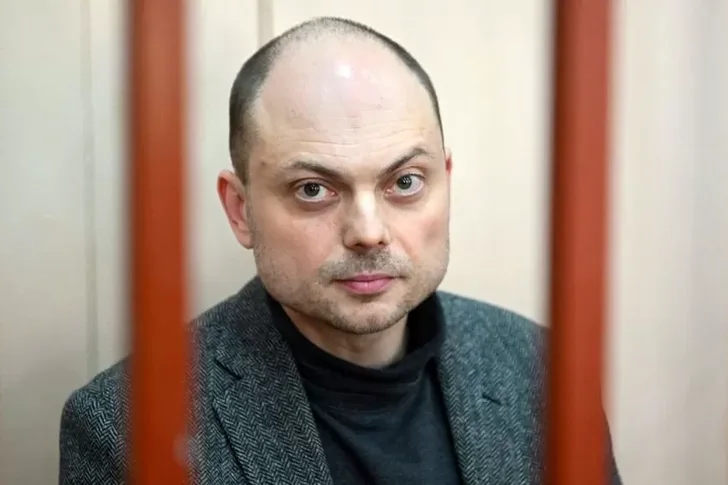
Opposition activist Vladimir Kara-Murza has been se...
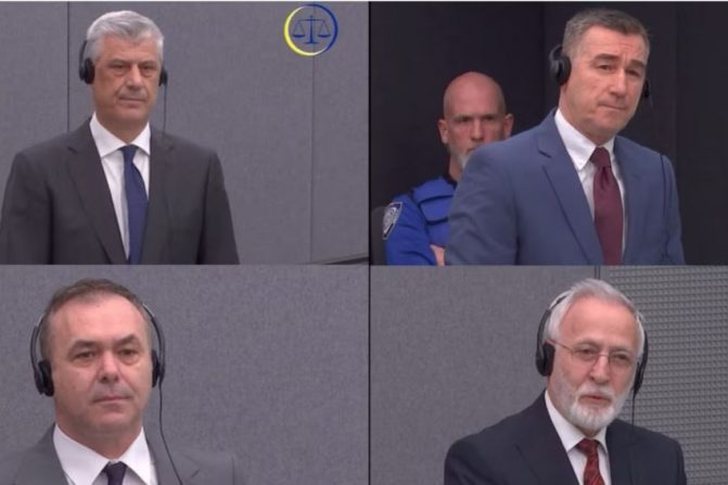
The trial continues against the former leaders of the ...
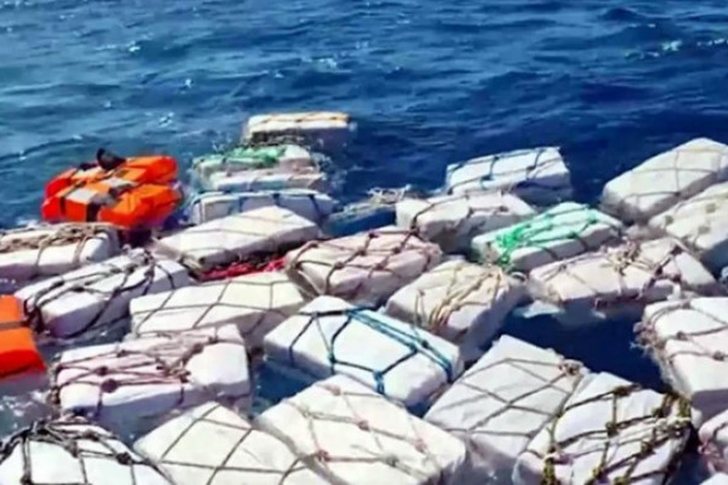
The Guardia di Finanza has seized two tons of cocaine,...
Komisioni Evropian i kundërshtoi ndalesat e vendosura ...
A 39-year-old citizen has been arrested in Lezha, after se...

CNA has launched another investigation that could lead to ...

Irfan Hysenbelliu is a businessman that we call "Irfan the...

In March 2026, CNA launched another investigation centered...

The Special Board of Appeal (KPA) decided this Monday ...

The KPA vetting decided this Thursday to dismiss the p...

Suela Salavaçi, a prosecutor in the Prosecutor's Offic...

The Special Board of Appeal reinstated the prosecutor ...
A conflict for weak motives was recorded today in the vill...
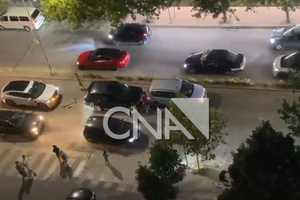
An accident involving three vehicles occurred a few minute...

55-year-old Belere Plaka, who was injured today with a sho...
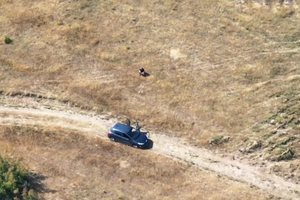
Police Announcement: Following preliminary information...

By noon, cloudiness is expected to prevail in almost all o...

Children without parental care, for whom alternative famil...

On Thursday, our country will be under the influence of st...
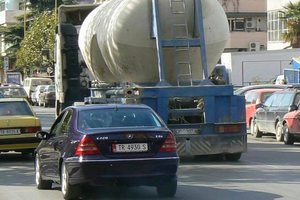
A serious accident that occurred this Wednesday with the c...
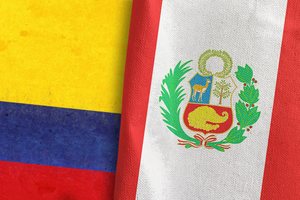
Peru and Venezuela will restore diplomatic relations, the ...
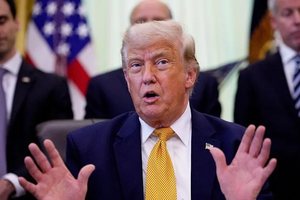
United States President Donald Trump has left open the pos...
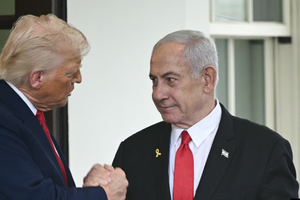
Israeli Prime Minister Benjamin Netanyahu will travel to t...
A bipartisan group of US lawmakers is calling for a Europe...
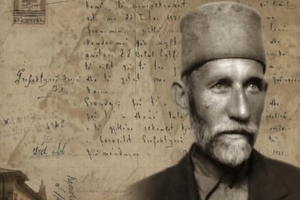
In my research at the Central State Archives, specifically...

At a time when industrial products are increasingly taking...

Trust among people is not just a three-syllable word. It c...

Master of humor Todi Llupi has passed away at the age of 7...
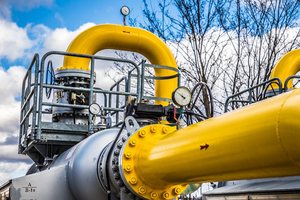
War, weather and supply disruptions could send gas prices ...
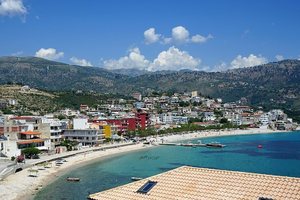
The number of active enterprises in Albania continued to g...
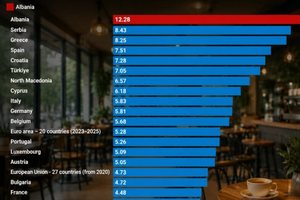
In Albania, the bar-cafe has long become an almost unique ...
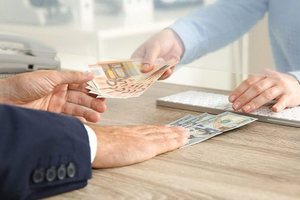
This Friday, one US dollar is bought for 81.7 lek and sold...