

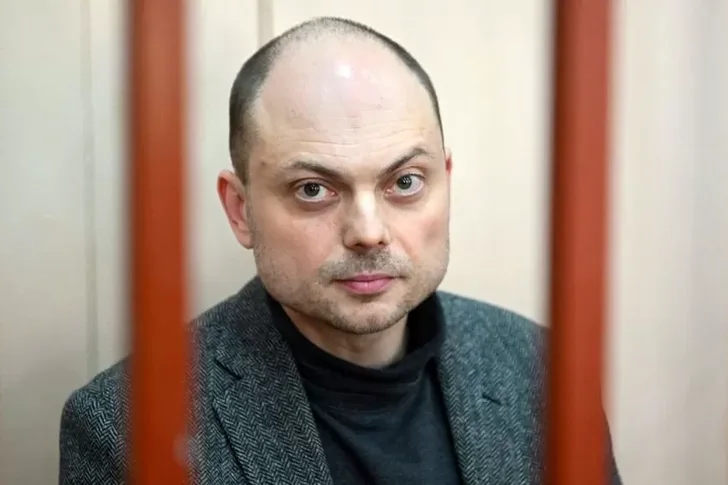
He came out openly against Putin and the war in Ukraine, 25 years in prison for the dissident
Opposition activist Vladimir Kara-Murza has been se...


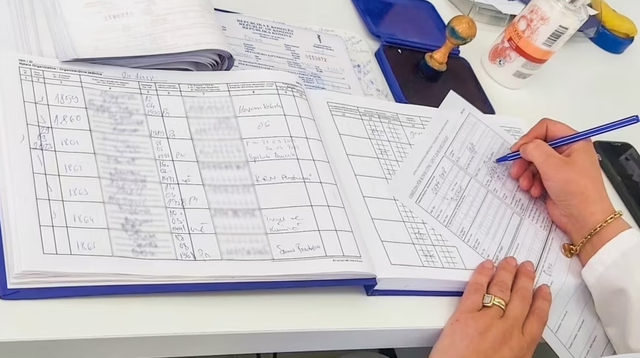
With a lot of medical documents from the various checks she had done earlier with doctors in orthopaedics, otolaryngology and endocrinology, Luljeta Zeqiri was waiting in line to perform a check-up at the central ambulance of the University Clinical Center of Kosovo (QKUK) in Prishtina.
She, like many other patients, was forced to take with her all the documents, which reflect her general health, since the Health Information System (SISH) does not work in Kosovo.
"For me, carrying these documents is very tiring. Even now I have another health problem and I have to tell the doctor about the past...", Zeqiri tells Radio Free Europe.
She says that in the absence of the system, she has stored at home all the reports and documents of medical visits, made in the last five years.
The expert on health policies, specialist Valdet Hashani, says that the lack of a database for patients represents a major obstacle in the work.
Hashani works at the Main Center of Family Medicine (QKMF) in Pristina and says that it takes him a lot of time to understand a patient's health history.
"If there was a system, [the patient] comes to the doctor, the appointment is set... and you know exactly how many patients you will have. This is a relief for the doctor. Today [29.03.2023] I had 68 patients - 30 of them were for the first time and I have no information about them. So, you have to go in and take the anamnesis, the family history. For the doctor it is exhausting, it is very tiring. If there was a Health Information System, with one click, the family doctor would have all the patient's data", says Hashani for Radio Free Europe.
The malfunctioning of SISH The
Health Information System generates, compiles, analyzes, communicates and uses data for the public and private health sector.
In order to improve the health service to the citizens of Kosovo, the Ministry of Health (MOH), in 2011, tried to start the implementation of this system in three phases.
The first two phases were planned to include the piloting and implementation of the system in 30 percent of the country's territory and the evaluation of the piloting at the end of 2014.
Whereas, the third phase included the implementation of the system in the entire territory of the country, with the aim of being realized by 2020.
However, even now in 2023, the system in question has not been implemented.
Cilat janë arsyet?
Zyra Kombëtare e Auditimit në Kosovë (ZKA) ka kryer një auditim për periudhën 2010-2017 lidhur me zbatimin e Sistemit Informativ Shëndetësor, si projekt i Ministrisë së Shëndetësisë. Sipas këtij auditimi, Ministria e Shëndetësisë nuk ka arritur ta realizojë planin për këtë sistem.
Në një deklaratë me shkrim dërguar Radios Evropa e Lirë më 29 mars, 2023, Zyra Kombëtare e Auditimit përmendi disa arsye të dështimit të sistemit:
“MSH-ja ende nuk i ka funksionalizuar kartelat profesionale shëndetësore, të cilat nevojiten për identifikimin dhe autorizimin e profesionistëve të kujdesit shëndetësor”.
Sipas ZKA-së, shpërndarja e infrastrukturës fizike ka munguar në të gjitha institucionet shëndetësore, në të cilat ka qenë e paraparë, dhe po ashtu, sipas saj, nuk ka pasur riorganizim të të dhënave ekzistuese, me qëllim që ato të futeshin në sistemin e ri.
Çfarë thonë në Ministrinë e Shëndetësisë?
Ministri i Shëndetësisë në Qeverinë e Kosovës, Arben Vitia, thotë për Radion Evropa e Lirë se ky sistem është i domosdoshëm për shëndetësinë në Kosovë, për funksionalizimin e sigurimeve shëndetësore dhe për vetë sistemin shëndetësor.
Ai thotë se nuk di shumë detaje për mosrealizimin e projektit, por shton se ministria që ai aktualisht drejton, është duke punuar në këtë drejtim. Sipas tij, pas pak kohe do të mund të shihen edhe rezultatet.
“Tash, për të mos pasur asnjë dyshim në hapat e vazhdueshëm, bashkë me partnerët tanë ndërkombëtarë, është duke u bërë një studim fizibiliteti i thukët, i cili do të përfundojë në muajin qershor dhe i cili do të na tregojë të gjitha rekomandimet dhe hapat konkretë se si do t’i qasemi ndërtimit të këtij Sistemi Informativ Shëndetësor, që të mos dështojmë edhe një herë. Me përfundimin e këtij studimi të fizibilitetit, nga qershori, menjëherë dhe paralelisht, jemi duke i bërë të gjithë hapat që të përgatitemi që, pas rekomandimeve, të fillojmë me implementimin e këtij sistemi shumë të rëndësishëm”, thotë Vitia.
Nga ana tjetër, ish-ministri i Shëndetësisë, Armend Zemaj, tash nënkryetar i Komisionit parlamentar për shëndetësi në Kuvendin e Kosovës, thotë se mundësi buxhetore dhe investime në këtë rrafsh ka pasur, por se rezultatet kanë munguar.
“Kanë ndodhur investime milionëshe, por qe tre vjet duke u shtyrë me të njëjtat interesa njerëzit, të cilët e udhëheqin pjesën administrative të MSH-së dhe që kanë ndikim te ministri ose te politikat e ministrit. Nuk kanë lëvizur asnjë milimetër - të them - për funksionimin e këtij sistemi”, thotë Zemaj për Radion Evropa e Lirë, por nuk specifikon më shumë.
Ai thotë se gjatë kohës sa ai ka qenë ministër, ka qenë kohë pandemie dhe se nuk është marrë me investime kapitale.
Sipas tij, me mungesën e këtij sistemi, jeta e pacientëve vështirësohet dhe keqpërdorimet janë më të mëdha.
Humolli nga OBSH-ja: Kosova duhet të ketë SISH-in
Isme Humolli, zyrtare profesionale e emergjencave në Organizatën Botërore të Shëndetësisë në Kosovë, thotë për Radion Evropa e Lirë se Sistemi Informativ Shëndetësor kërkon shumë kohë për të qenë gjithëpërfshirës.
Sipas saj, secili shtet është i obliguar që ta ketë Sistemin Informativ Shëndetësor.
“Sistemi i Informimit Shëndetësor është i domosdoshëm dhe duhet ta ketë edhe Kosova. Kosova ka pasur të dhëna edhe më herët, por tash është koha që të bëhet kompaktibil me tërë sistemin në Evropë dhe botë, sidomos me Evropën”, konsideron Humolli.
Investimet për SISH-in
Në vitin 2010, Ministria e Shëndetësisë e Kosovës ka hartuar dhe aprovuar strategjinë për Sistemin Informativ Shëndetësor në Kosovë (2010-2020).
In order to implement it, the Government of Kosovo and that of Luxembourg have signed a bilateral agreement, with obligations and responsibilities for each party.
According to the ZKA report, the Government of Luxembourg would fulfill its financial obligations for the implementation of the project in the amount of 6.5 million euros, while the Government of the Republic of Kosovo would support and monitor the implementation of the project and ensure the contribution of in the amount of 1.3 million euros.
Radio Free Europe asked the Ministry of Health how much money has been spent on the launched project, but until the publication of this article it did not receive an answer./REL

Opposition activist Vladimir Kara-Murza has been se...
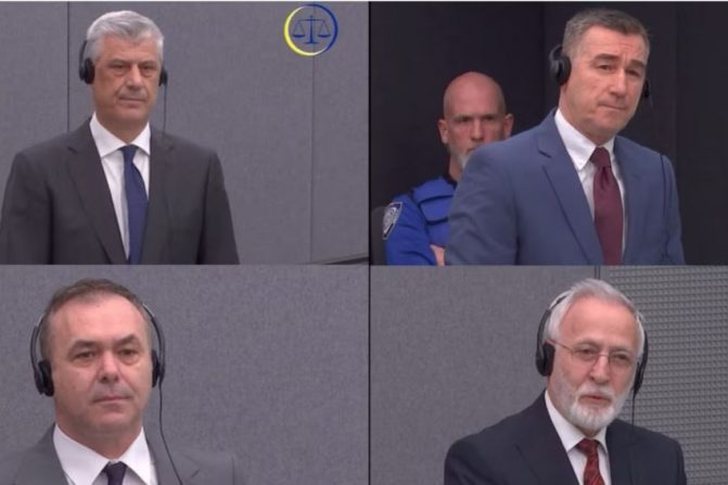
The trial continues against the former leaders of the ...
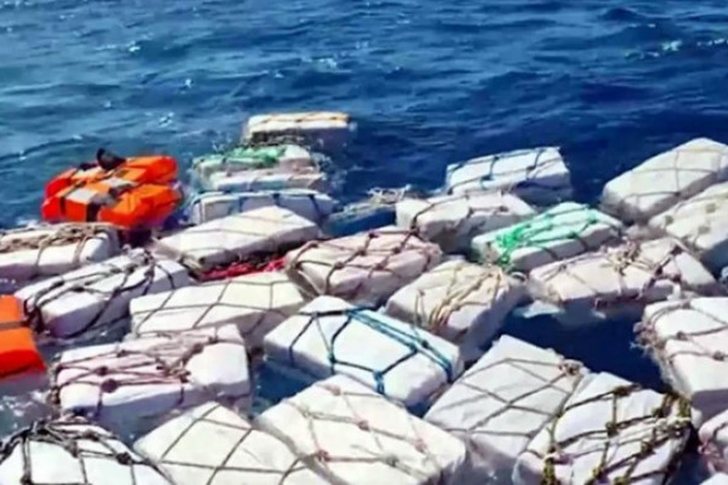
The Guardia di Finanza has seized two tons of cocaine,...
Komisioni Evropian i kundërshtoi ndalesat e vendosura ...
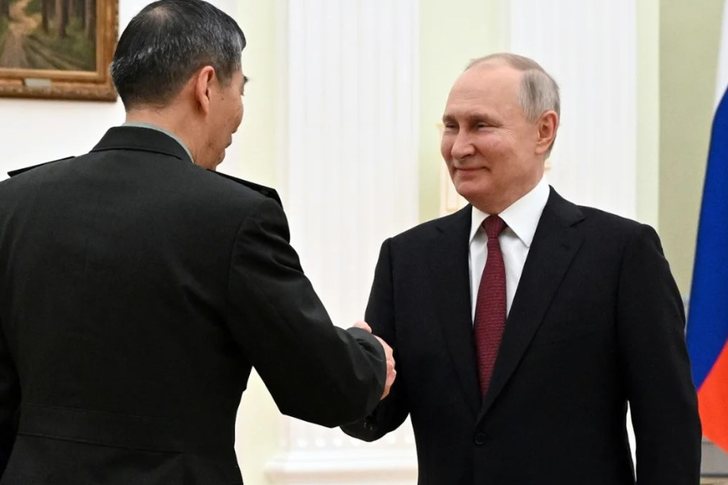
Presidenti rus Vladimir Putin dhe ministri i Mbrojtjes i K...
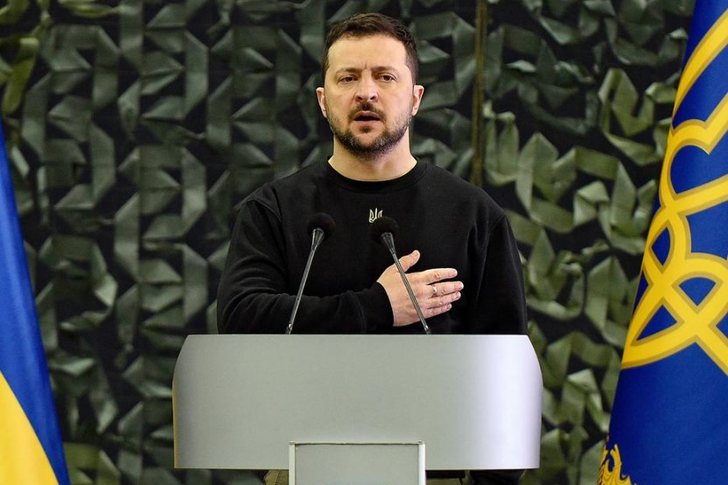
Ukrainian President Volodymyr Zelenskiy calls for quick me...
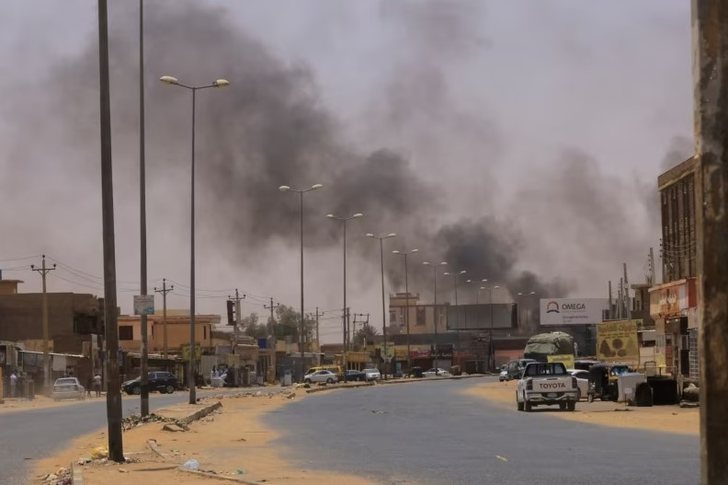
Përleshje të ashpra raportohen në të gjithë Sudanin, deris...
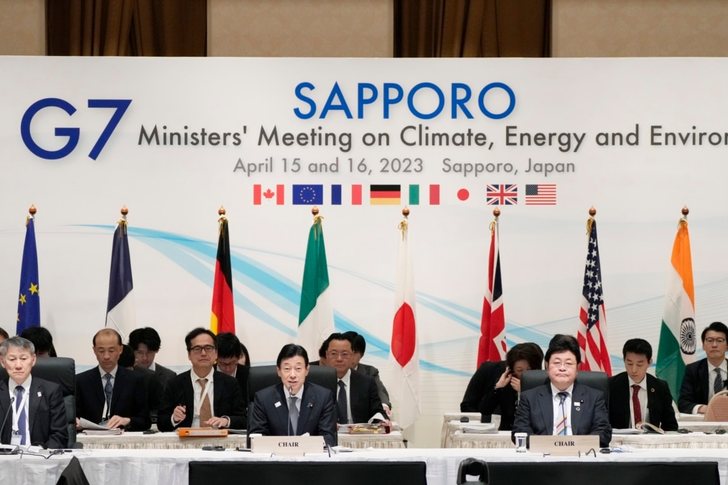
The group of seven richest countries in the world has set ...
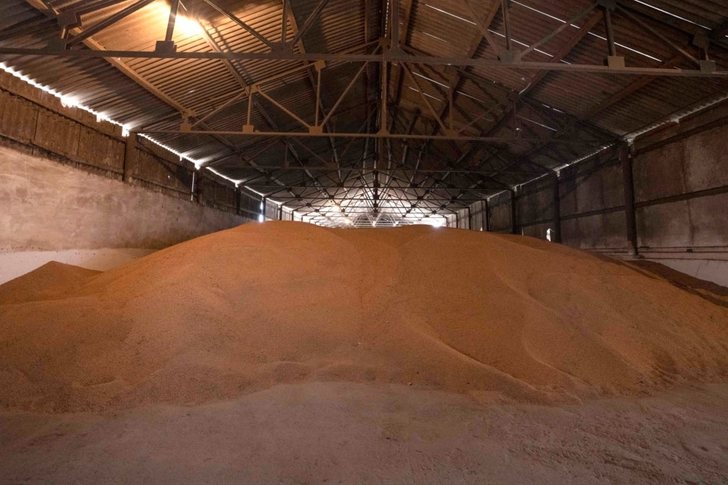
Veprimet e njëanshme tregtare nga shtetet anëtare të Bashk...

The British weekly "The Sunday Times" has dedicated a long...
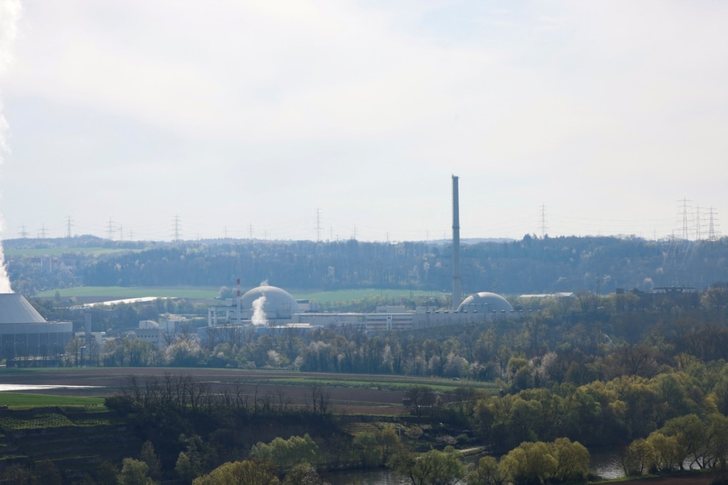
The United States, Britain, Canada, Japan and France h...
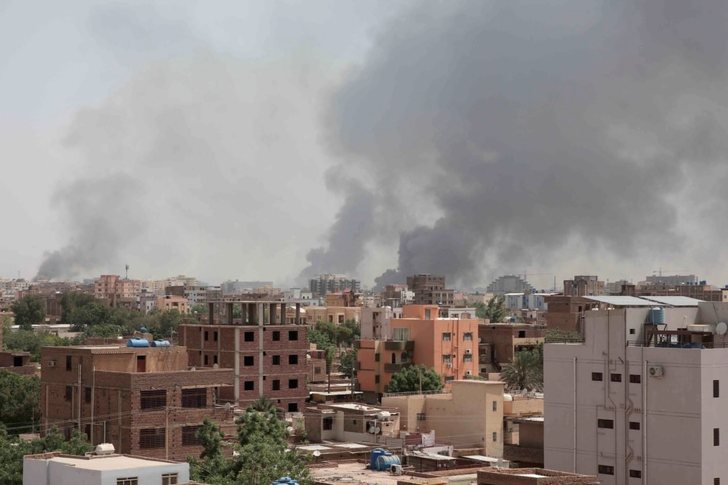
Në Sudan, mbi 50 civilë dhe dhjetra luftëtarë mbetën të vr...

More than 100 Ukrainian prisoners of war have been release...
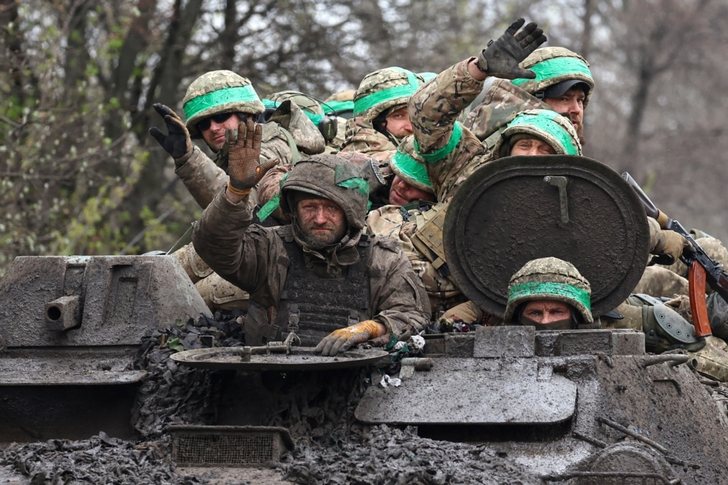
The British Ministry of Defense provided an overview of in...
Environment and Climate Ministers from the group of seven ...
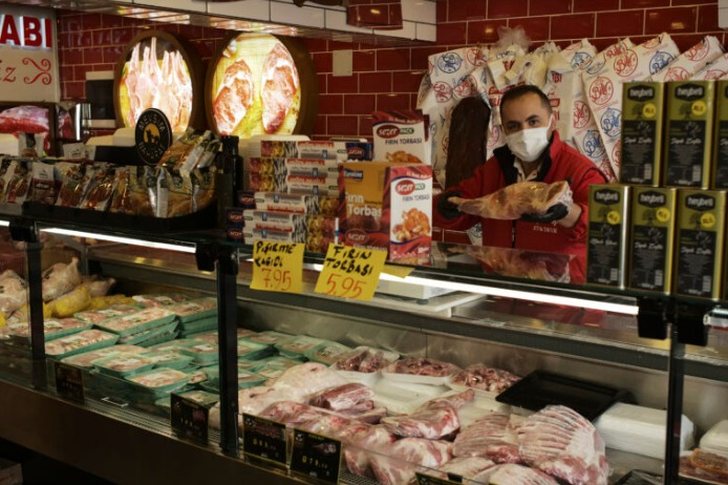
Many Turks are suffering from rising prices of basic foods...
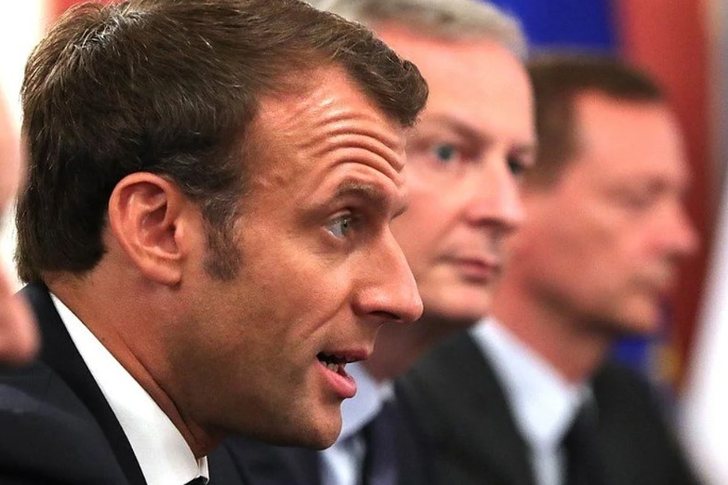
"For a long time, Europe has not built a strategic aut...
US Supreme Court President Samuel Alito today temporar...
Presidentja e Kosovës, Vjosa Osmani do të zhvillojë di...
The Prime Minister of Japan, Fumio Kishida, was attacked w...
A 39-year-old citizen has been arrested in Lezha, after se...

CNA has launched another investigation that could lead to ...

Irfan Hysenbelliu is a businessman that we call "Irfan the...

In March 2026, CNA launched another investigation centered...

The Special Board of Appeal (KPA) decided this Monday ...

The KPA vetting decided this Thursday to dismiss the p...

Suela Salavaçi, a prosecutor in the Prosecutor's Offic...

The Special Board of Appeal reinstated the prosecutor ...
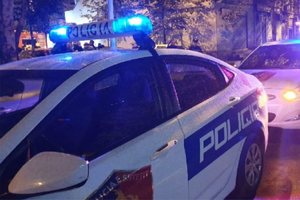
A conflict for weak motives was recorded today in the vill...

An accident involving three vehicles occurred a few minute...
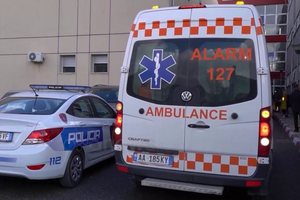
55-year-old Belere Plaka, who was injured today with a sho...
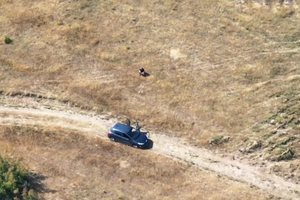
Police Announcement: Following preliminary information...

By noon, cloudiness is expected to prevail in almost all o...

Children without parental care, for whom alternative famil...

On Thursday, our country will be under the influence of st...
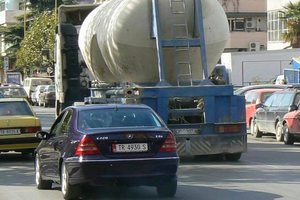
A serious accident that occurred this Wednesday with the c...

Peru and Venezuela will restore diplomatic relations, the ...
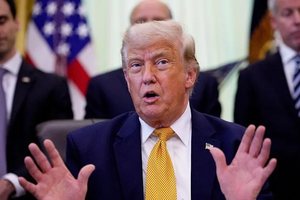
United States President Donald Trump has left open the pos...
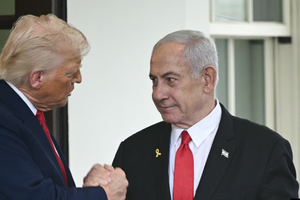
Israeli Prime Minister Benjamin Netanyahu will travel to t...
A bipartisan group of US lawmakers is calling for a Europe...
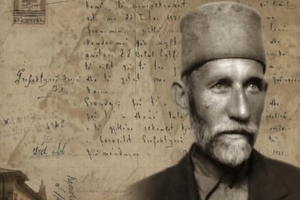
In my research at the Central State Archives, specifically...

At a time when industrial products are increasingly taking...

Trust among people is not just a three-syllable word. It c...

Master of humor Todi Llupi has passed away at the age of 7...

War, weather and supply disruptions could send gas prices ...
The number of active enterprises in Albania continued to g...
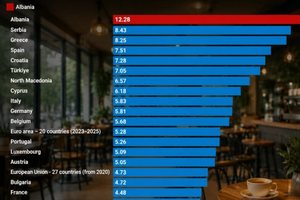
In Albania, the bar-cafe has long become an almost unique ...

This Friday, one US dollar is bought for 81.7 lek and sold...