

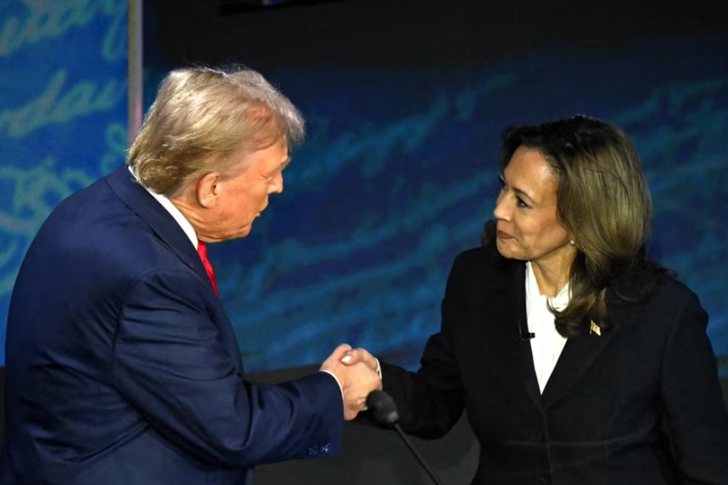
The race Harris - Trump, the last month of the campaign for the White House
There is only one month left until the November 5 presiden...


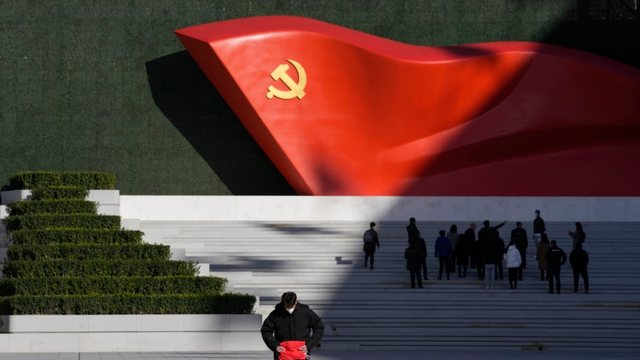
Half a century after testing its power in the geopolitical battles of the Cold War in Southeast Europe, where totalitarian Albania played a critical role, in this new era of renewed political rifts, China has returned to the region as an important actor. For China, the Western Balkans, where now more than half a century later most of the countries are members of NATO but not of the European Union, according to the researchers, with whom the colleague Garentina Kraja talked, is playing the role of an economic bridge between China and Western Europe, filling the void of unfulfilled promises for European integration. However, scholars see a lag in its momentum and distinguish between its influence and Russia's interference in the region.
In the not too distant past, Albania became the trophy of the great Sino-Soviet rift within the communist camp, which in the 60s constituted one of the biggest ideological clashes in the world. Originally a satellite state of the Soviet Union, Albania broke away from this bloc in the mid-60s, embracing China for a decade as its strategic partner in the battle against so-called "Western imperialism".
But after the cooling of relations in the late 1970s, China, which tried to mold Albania in its image, did not have any significant presence in the region until the last ten years.
Today, in this period of new cracks, which are separating democracies from autocratic systems, China, as the second largest economy in the world, has created its own path in the region.
Elidor Mëhilli, professor of history and public policy at Hunter College in New York, researcher of the history of relations between China and Albania and author of the book "From Stalin to Mao: Albania and the Socialist World", says that China changed its strategy in the decade of recently through the "One Generation, One Road" initiative that aims to expand its international presence.
"The Chinese interest in the Balkans is like a kind of bridge between trade, especially through Greece, where the Chinese have made strategic investments, and the countries of the European Union. Since the countries of the Western Balkans are not yet part of the EU, it is a way to enter the large inter-European market. But what the countries of the Western Balkans provide, a characteristic that you cannot find in the countries of the European Union, is that they are not obliged to apply EU standards. So it is a kind of strategic connecting bridge, but without having to respect all the EU standards", he says.
But China's presence in this decade was not the same in all countries, and the line between investment and lending, due to the lack of transparency from Beijing and the beneficiary countries, became increasingly blurred.
The main economic beneficiary of the Chinese presence in the Western Balkans is Serbia, whose market captures about 80 percent of Chinese direct investment and loans in the region, estimated to have reached several billion dollars.
According to the lecturer of global politics and the head of the department for European and international political studies at "University College London", Igor Rogelja, the introduction of China in the region came as a result of a mutual benefit, but now this influence has marked stagnation.
"In essence, it was a question of supply and demand. Much attention, particularly from the European Union, was paid to China's intentions, perhaps its unspoken goals or ambitions to become a powerful player in the region. But such a point of view undermines the actions of the states and governments of Southeast Europe. In essence, China provided what in many ways the European Union neglected and in particular on issues related to access to borrowing and capital for infrastructural developments... It is important to note that many of the things that China financed were not things dreamed up in Beijing, but projects that Southeast European countries wanted,” he says.
Although China placed the weight of its presence on economic development, the consequences are also political, says historian Mëhilli. He singles out Serbia, which has taken advantage of China's interest in connecting Greek ports with European markets through the region, to raise its international profile in the image of a state that balances different powers, as part of its foreign policy.
"On the political level, here we have to differentiate some of the countries of the Western Balkans from some of the other countries. For example, the story changes when it comes to Serbia and when it comes to Albania. These are countries with a different political orientation, with different political interests and the internal use of Chinese influence... What do I mean by the use of Chinese influence? Serbian President Vu?i?, in his public statements, trumpets with great help the Chinese, the fact that China is a great political supporter of Serbia and this in a way is a message addressed to Western Europe, addressed to the EU and political actors in the West", says Mr. Mëhilli.
According to the historian Mëhilli, with this policy towards China, "the Serbian elite in Belgrade extract political capital for internal use by saying that Serbia has a powerful economic ally and a growing superpower."
For Professor Rogelja, "delays in the decarbonization of the region, investments in projects that are not sustainable and continuity provided to networks that have corrupt elements or lack transparency" are the negative effects that accompanied the arrival of China in the Balkans and which may continue to complicate EU policies towards the region.
According to the researchers, China's presence in the region has had an unexpected positive consequence, forcing the European Union and prompting policymakers in European capitals to recalibrate their engagement in the region.
"However, as far as the EU is concerned, it was a kind of welcome alarm in its yard, which was neglected after the end of the conflicts of the 90s... So a kind of competition here was welcome," says researcher Rogelja.
In other political issues, such as the independence of Kosovo, which China does not recognize, although there is no coordination, there is an alignment of interests.
Unlike Russia's influence in the region, which, according to experts, actively interferes in internal affairs, Mr. Rogelja says that China is more pragmatic and more focused on economic cooperation than on political or geostrategic combinations.
"China and Serbia have matching positions that complement each other; China has a firm and uncompromising stance on sovereignty. It does not tolerate any discussion of Taiwan or the western parts of China, or the right to self-determination. This is also the position of Serbia", says Mr. Rogelja.
But the increased tensions between powers with opposing interests in the region could turn the region into a "battle of ideas".
"There is clearly a geopolitical conflict or a race in the making between the United States and China. This race will be much more visible in East Asia, in China's backyard. But I think that the Balkans came out, perhaps a bit unexpectedly, as an important battleground in this competition... ", Mr. Rogelja adds.
He says that the Balkans is "a testing ground where many things can be tried and experimented."
"It is clear that it was about a strategy to use the Balkans as a kind of small door, a ground where it would prove itself, where it would perfect its offer to continue towards Europe", he adds.
Professor Mëhilli says that countries like Albania and Kosovo should, as he says, have "tactical intelligence" in relations with a country like China and follow "a differentiated policy", which separates the economic relations from which the countries of the region benefit and their pro-Western strategic orientation.
"The countries of the Western Balkans are important, but their importance is relative to the policies of the European Union, and I would say what the European Union should do, seeing the politics and the growing influence of countries like China in the Western Balkans. These are waiting places", he says.
The priority, according to researcher Mëhilli, is for the EU to clarify its offer for the region./ VOA

There is only one month left until the November 5 presiden...
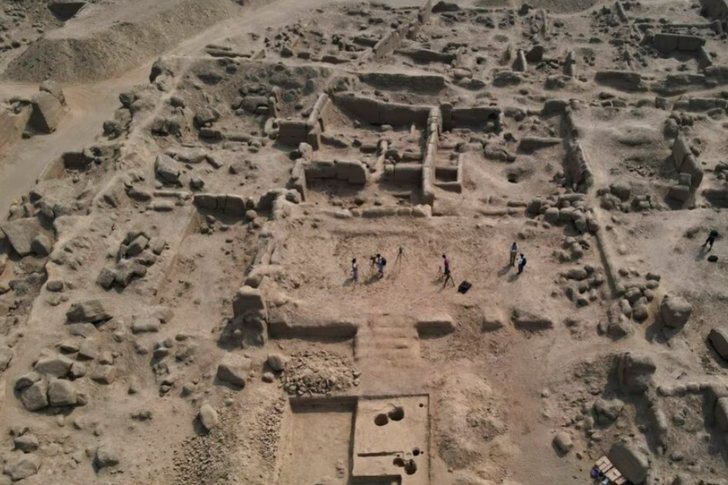
In an area near the city of Trujillo in northern Peru, arc...
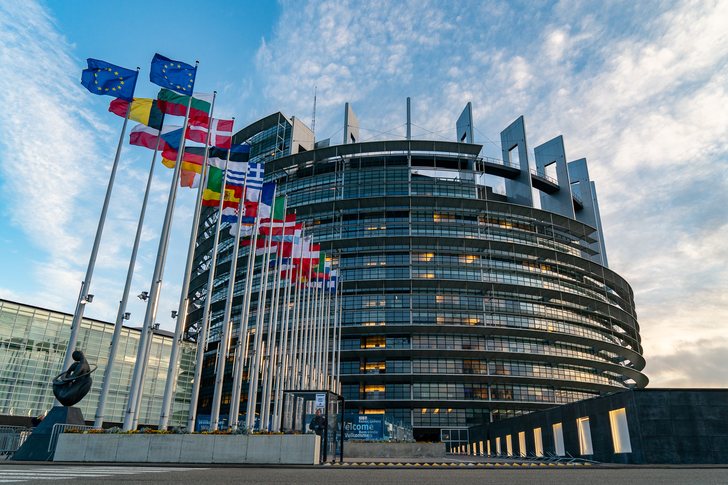
The European Parliament is continuing the procedures o...
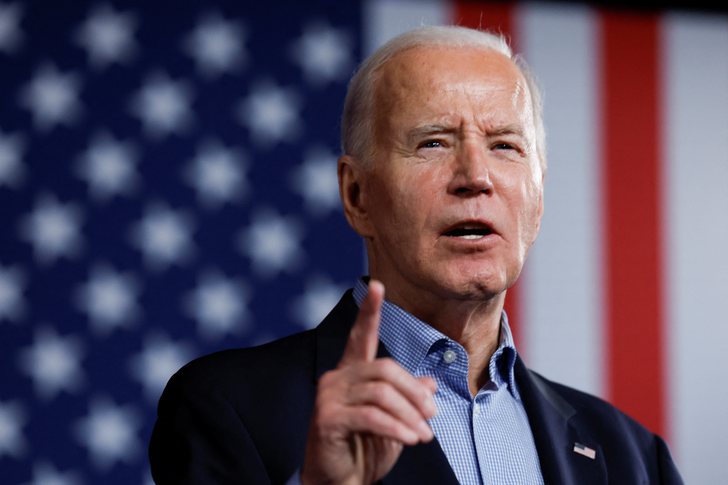
In a rare appearance in the White House briefing room, Pre...
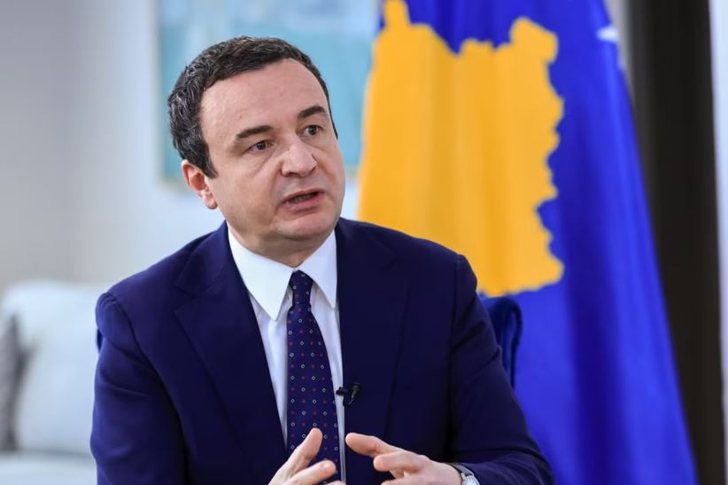
The Prime Minister of Kosovo, Albin Kurti, said on Sat...
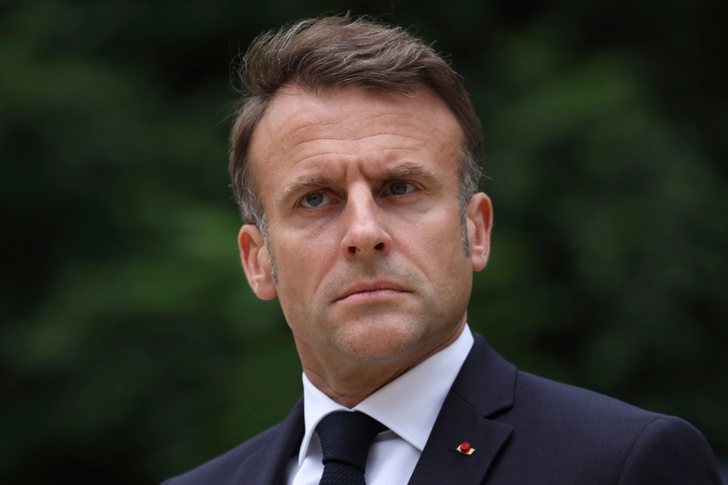
French President Emmanuel Macron has called for a halt...
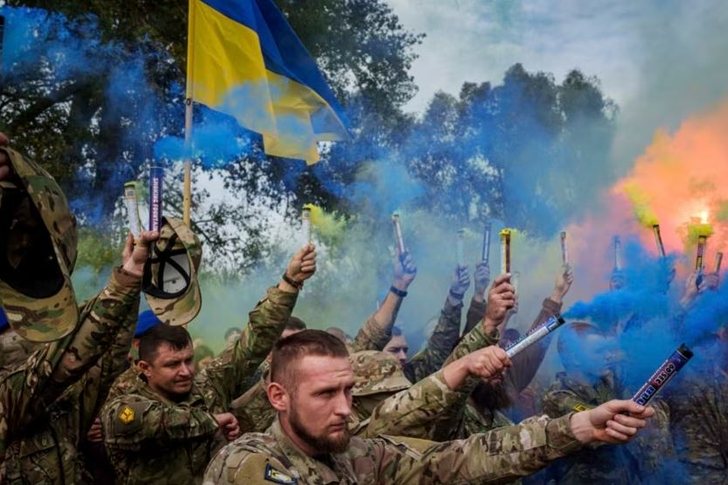
Ukraine has documented evidence of the execution of 93 Ukr...
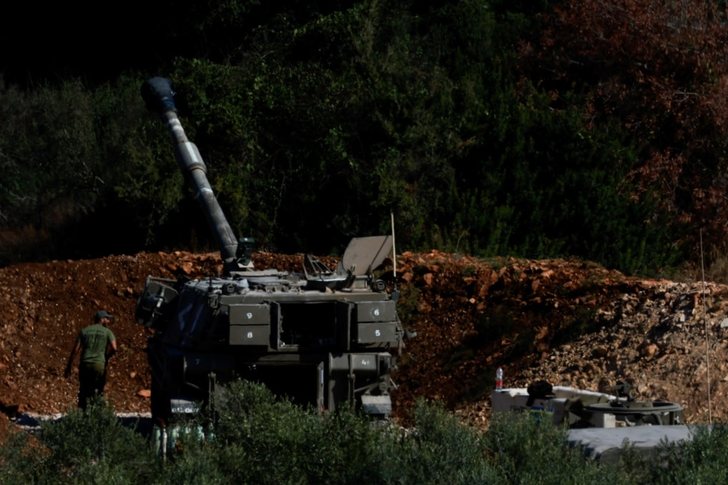
In a rare appearance in the White House briefing room, Pre...
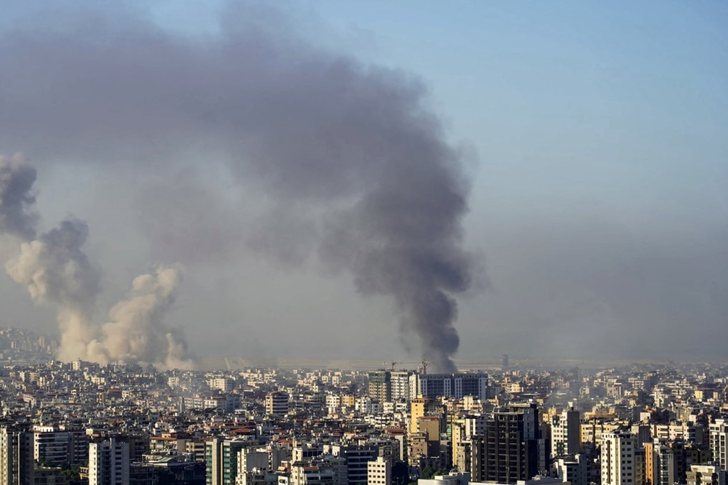
Israel expanded its bombardment in Lebanon on October 5, h...
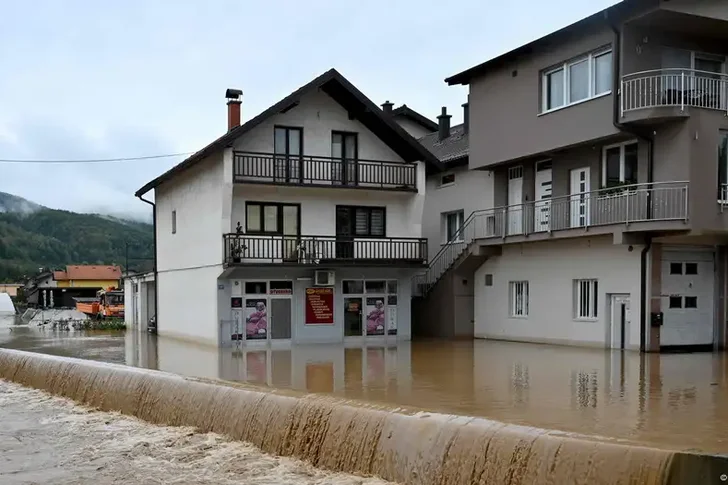
The archbishop of the diocese of the Bosnian capital of Vr...
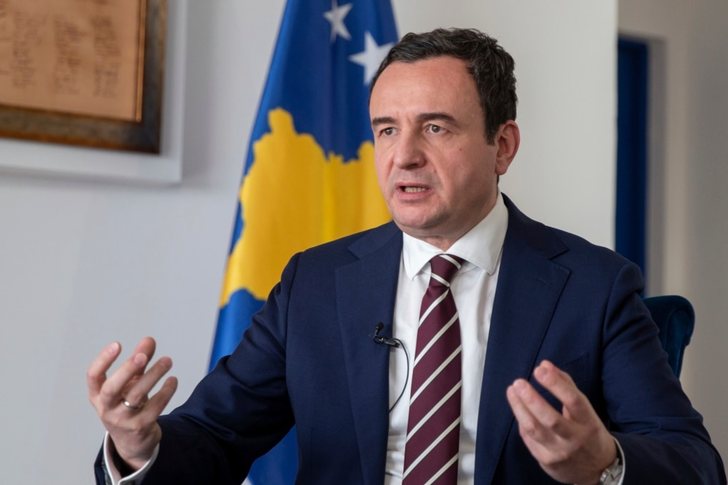
The Prime Minister of Kosovo, Albin Kurti, has called ...
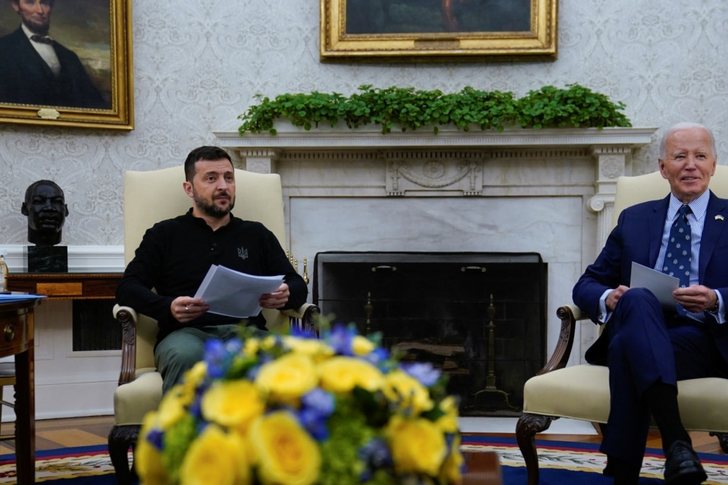
The Ukrainian president, Volodymyr Zelensky, will present ...
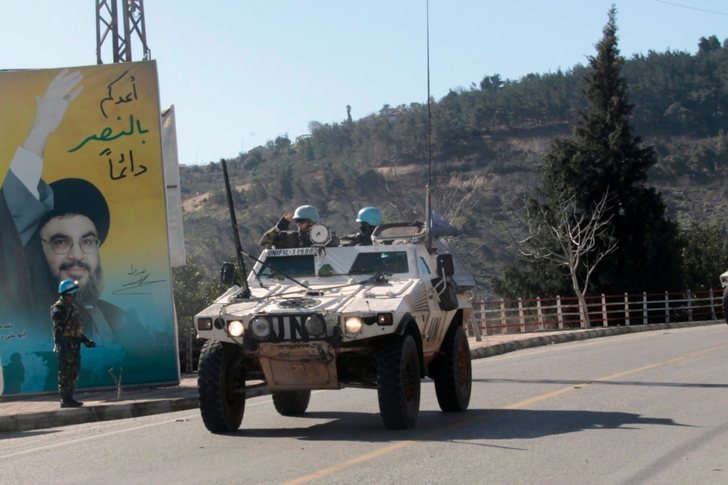
United Nations peacekeepers in Lebanon said on October 5 t...
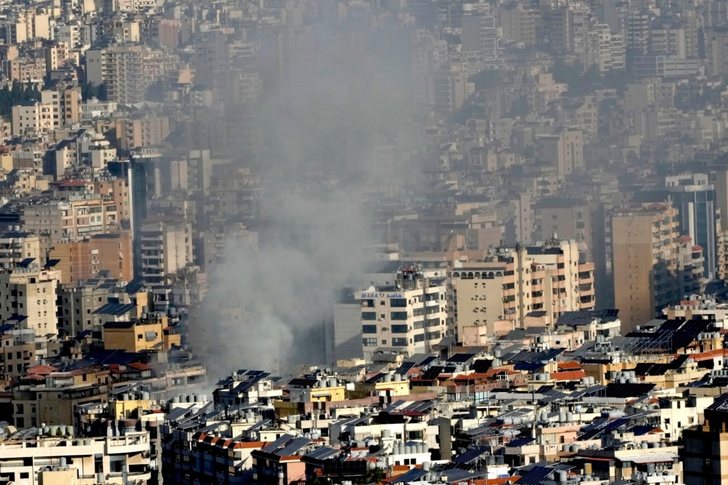
An Israeli attack on a refugee camp in northern Lebanon ha...
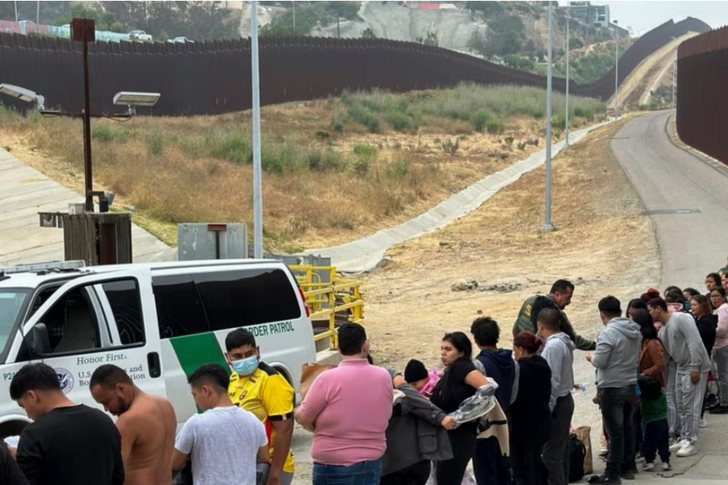
President Biden's administration will not renew a temporar...
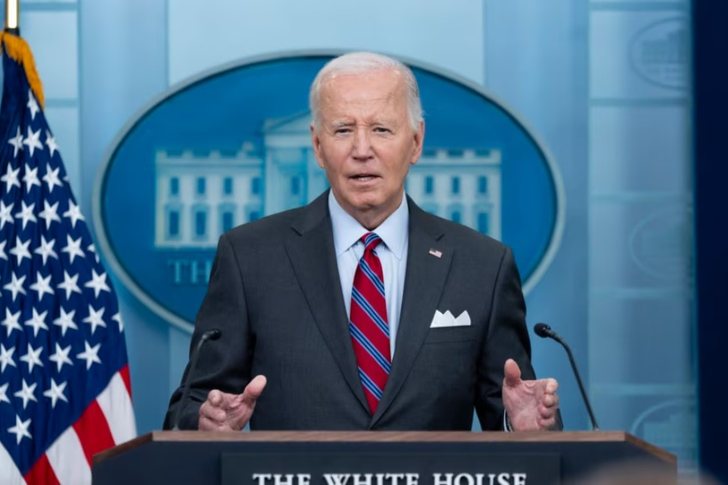
President Joe Biden said Friday that he did not know i...
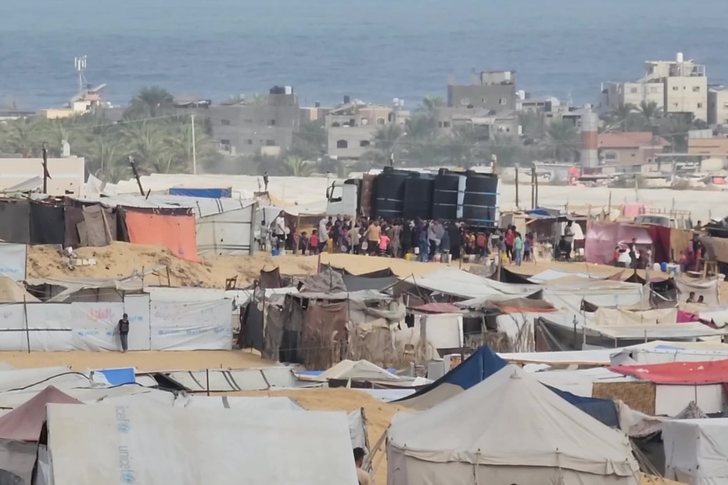
As it marks almost a year since the start of the war, for ...
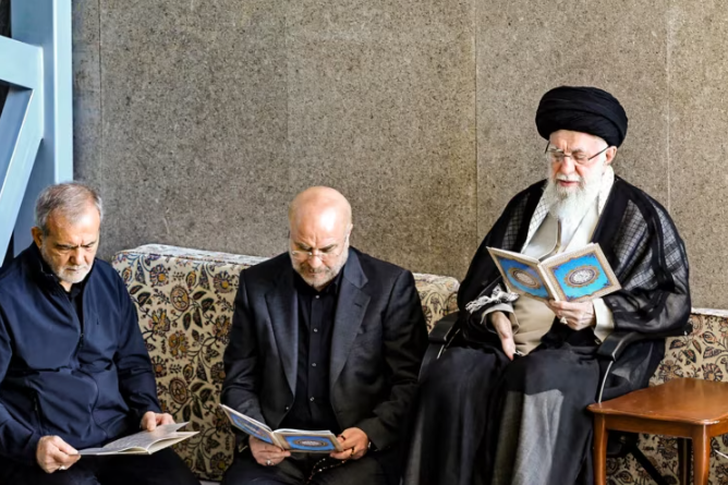
Iran's Supreme Leader Ayatollah Ali Khamenei said on Frida...
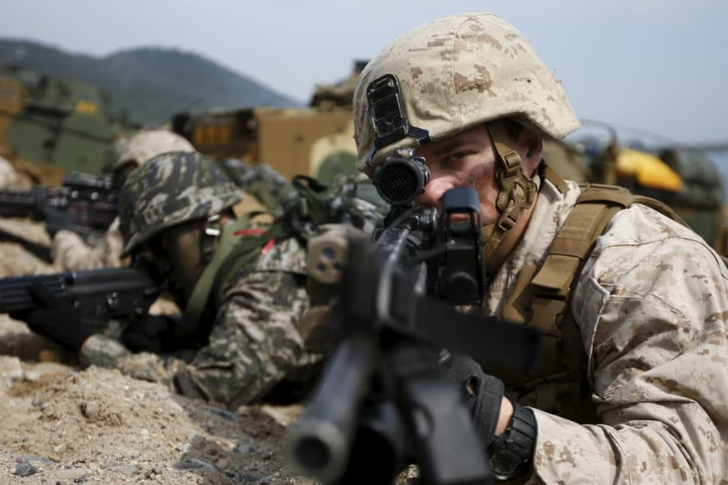
The United States and South Korea have agreed on a five-ye...
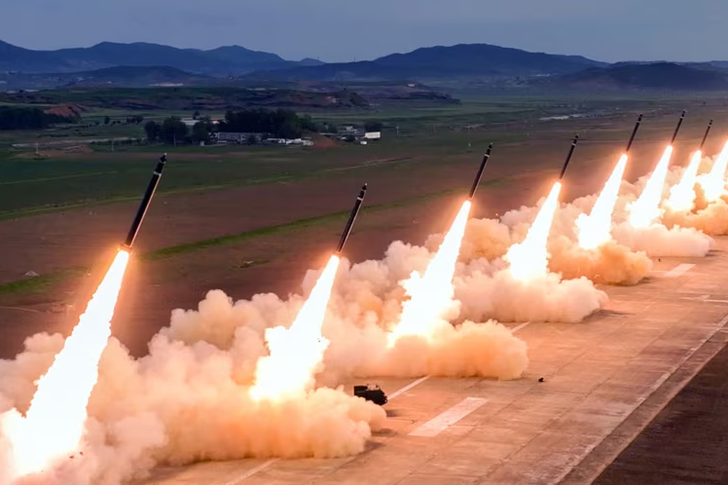
North Korean leader Kim Jong Un said his country would use...

CNA has launched another investigation that could lead to ...

Irfan Hysenbelliu is a businessman that we call "Irfan the...

In March 2026, CNA launched another investigation centered...
The arrested mayor of Tirana, Erion Veliaj, with 13 charge...

The Special Board of Appeal (KPA) decided this Monday ...

The KPA vetting decided this Thursday to dismiss the p...

Suela Salavaçi, a prosecutor in the Prosecutor's Offic...

The Special Board of Appeal reinstated the prosecutor ...

A road accident occurred this evening on Nikolla Zoraqi St...
Three people were shot and wounded in Elbasan last night b...

A serious incident occurred this Tuesday in the Yrshek are...

An accident occurred this Tuesday on "Dituria" street in K...
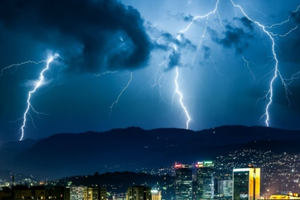
All of Southern Europe will face changing weather conditio...

Albania was hit by temperatures significantly higher than ...

For the first time, Pogradec welcomed the Inter-Lake Chess...
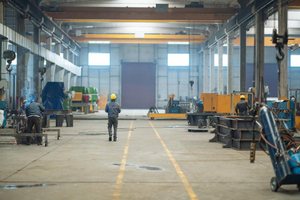
Albania has achieved a record for the employment of foreig...
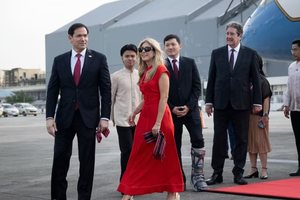
US Secretary of State Marco Rubio arrived in Manila on Jul...
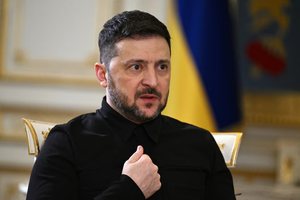
In the space of a few days, Ukrainian President Volodymyr ...
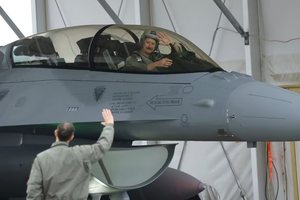
The spokesman for the Iranian Foreign Ministry warned Bulg...

Autoritetet italiane sekuestruan pako me afër 800 kilogram...

At a time when industrial products are increasingly taking...

Trust among people is not just a three-syllable word. It c...

Master of humor Todi Llupi has passed away at the age of 7...

The ninth edition of "MIK Festival" kicked off with one of...

Construction company licenses will have a validity period ...
The Centralized Purchasing Operator recently opened a tend...
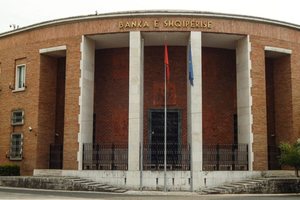
The new draft law "On the Bank of Albania" provides that t...
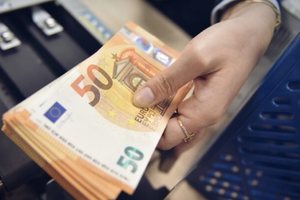
This Tuesday, one US dollar is bought for 81.2 lek and sol...