


Këlliçi denounces Jet Bank again: Lack of transparency since day one, serious reason for investigations
Democratic MP and DP Vice President, Belind Këlliçi, raise...

Democratic MP and DP Vice President, Belind Këlliçi, raise...

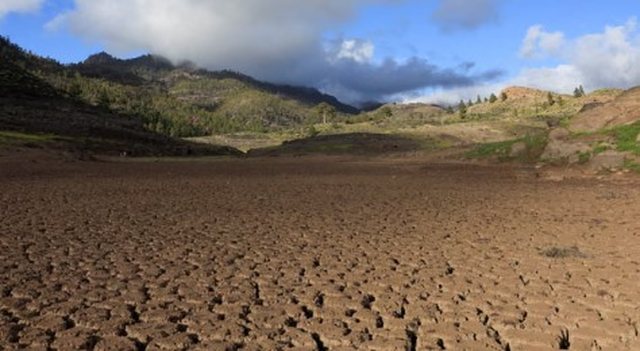
A new analysis using two decades of satellite data reveals that large parts of Europe's water reserves are drying up, with freshwater reserves shrinking across southern and central Europe, from Spain and Italy to Poland and parts of the United Kingdom.
Scientists at University College London (UCL), in collaboration with Watershed Investigations and the Guardian, analyzed data from 2002–2024 from satellites, which track changes in the Earth's gravitational field.
Since water is heavy, changes in groundwater, rivers, lakes, soil moisture, and glaciers show up in the signal, allowing satellites to effectively "weigh" how much water is stored.
The findings reveal a marked imbalance: the north and northwest of Europe - especially Scandinavia, parts of the United Kingdom and Portugal - have been getting wetter, while large parts of the south and southeast, including parts of the United Kingdom, Spain, Italy, France, Switzerland, Germany, Romania and Ukraine, have been drier.
Scientists say the climate divide can be seen in the data.
“When we compare the total water storage data on land with the climate data, the trends broadly correspond. This should be a ‘wake-up call’ for politicians who are still sceptical about reducing emissions,” said Shamsudduha. “We are no longer talking about limiting warming to 1.5 degrees Celsius, we are likely heading towards 2 degrees Celsius above pre-industrial levels and we are now witnessing the consequences,” said Mohammad Shamsudduha, professor of water crisis and risk reduction at UCL.
Doctoral researcher Arifin isolated groundwater reserves from total groundwater data and found that trends in these more resilient water bodies reflected the overall picture, confirming that many of Europe's hidden freshwater reserves are being depleted.
Trends in the UK are mixed.
"Overall, the west is getting wetter, while the east is getting drier, and this signal is getting stronger. Although total rainfall may be stable, or even slightly increasing, the pattern is changing. We are seeing heavier rainfall and longer periods of drought, especially in the summer," Shamsudduha said.
Groundwater is seen as more climate-resilient than surface water, but heavy summer rainfall often means more water is lost to runoff and flash flooding, while the groundwater recharge season in winter may be shortening, he said.
The total amount of water abstracted from surface and groundwater across the EU between 2000 and 2022 decreased, according to data from the European Environment Agency, but groundwater abstractions increased by 6%, attributed to public water supply (18%) and agriculture (17%).
It is a critical resource: across all member states, groundwater accounted for 62% of total public water supply and 33% of agricultural water requirements in 2022.
A European Commission spokesperson said its water sustainability strategy “aims to help member states adapt the management of their water resources to climate change and address human-induced pressures.”
The strategy aims to build a “water-smart economy” and is accompanied by a commission recommendation on water efficiency, which calls for improving efficiency by “at least 10% by 2030.” With leakage levels ranging from 8% to 57% across the bloc, the commission says reducing pipe losses and modernizing infrastructure will be essential.
Hannah Cloke, professor of hydrology at the University of Reading, said: "It's worrying to see this long-term trend because we've seen some very severe droughts recently and we keep hearing that this winter we could have less rainfall than usual and we're already in drought."
The Environment Agency has already warned England to prepare for drought that will continue until 2026 unless there is significant rainfall during the autumn and winter.
Water Minister Emma Hardy said there is "increasing pressure on our water resources. That's why this government is taking decisive action, including the development of nine new reservoirs to help ensure long-term water sustainability."
"We need to focus on reusing water, using less water in the first place, separating drinking water from recycled water that we can use, using nature-based solutions and thinking about how we are building developments," she said./ CNA, translated by The Guardian

The Court in Belgrade has sentenced former KLA member and Ko...
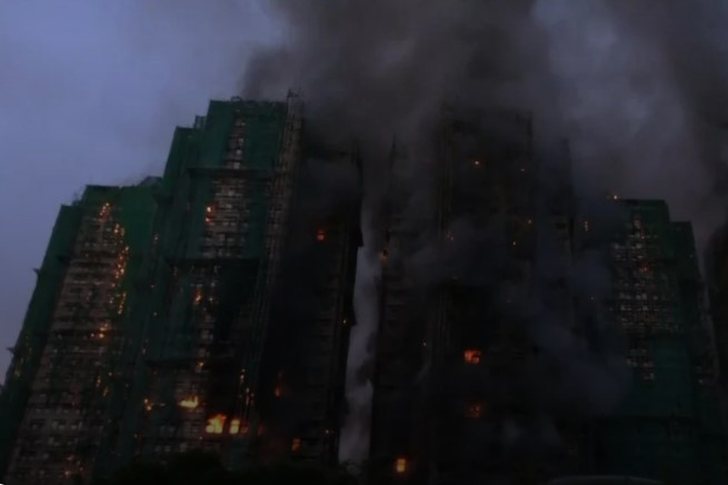
Within just a few hours on Wednesday afternoon, what start...
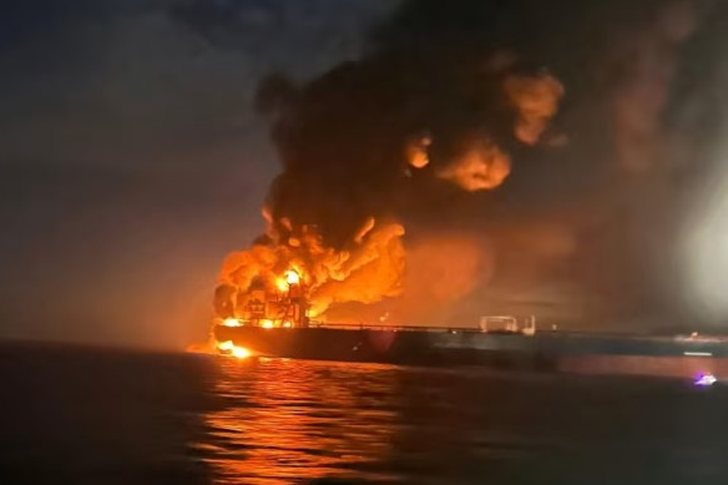
Ukrainian underwater drones have hit two tankers belonging...

Sir Tom Stoppard, one of the United Kingdom's most renowne...
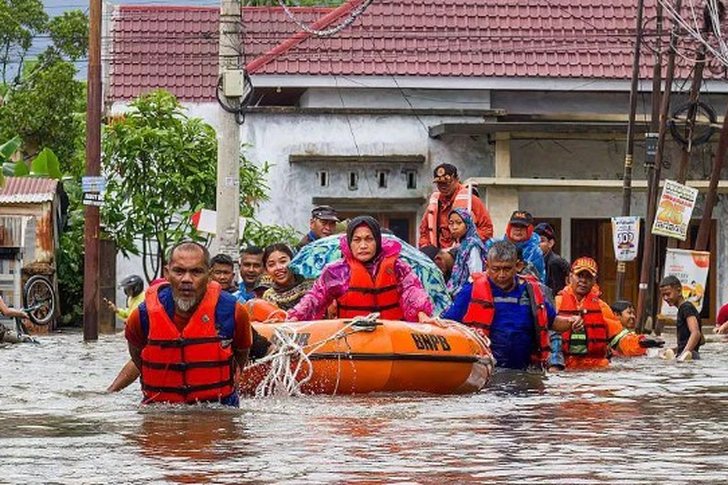
Torrential rains have caused flooding and landslides in pa...

America's First Lady, Melania Trump, announced the launch ...

Australian Prime Minister Anthony Albanese married his par...

Pope Leo XIV has visited the Sultan Ahmed Mosque in Istanb...
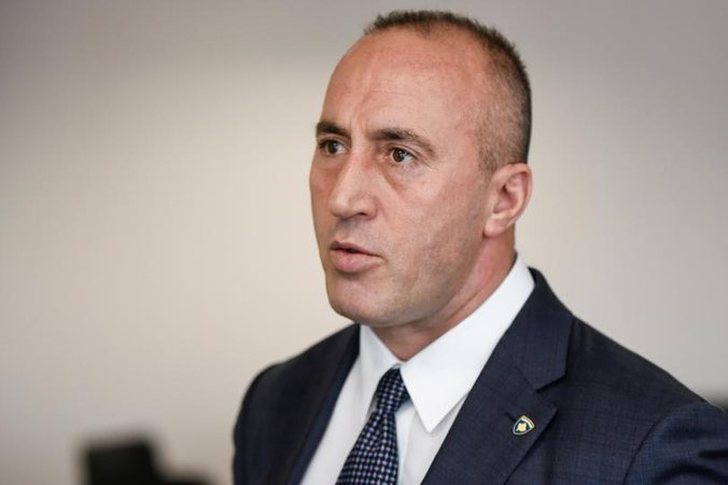
AAK leader Ramush Haradinaj, through a post on social medi...
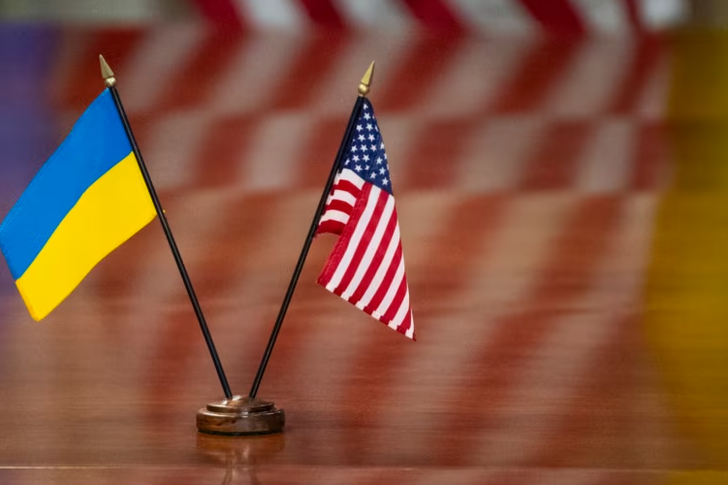
Ukrainian President Volodymyr Zelensky said that a delegat...
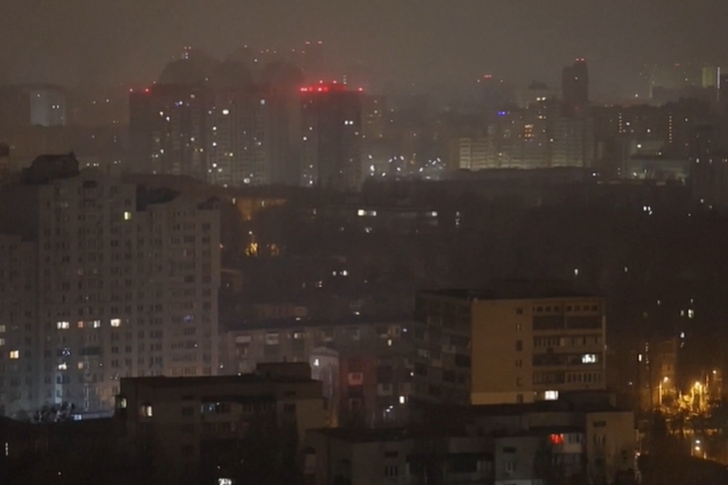
More than 600,000 residents in the Kiev region of Ukraine ...

US President Donald Trump, through a post on his social ne...

At least three people have been killed and dozens more inj...
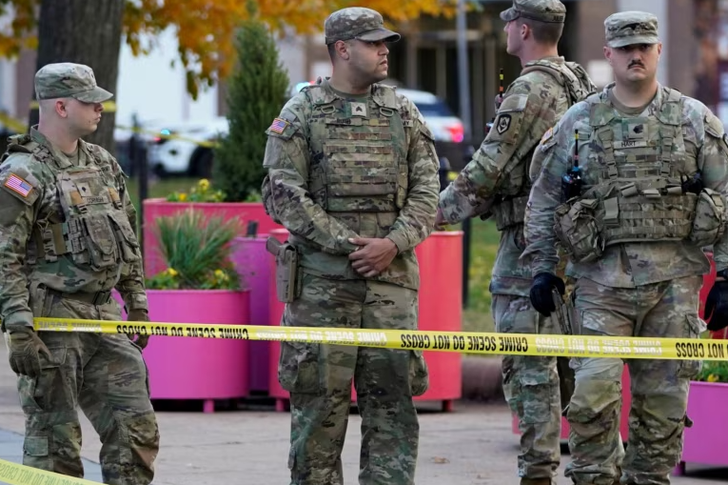
The United States is freezing all asylum decisions, offici...
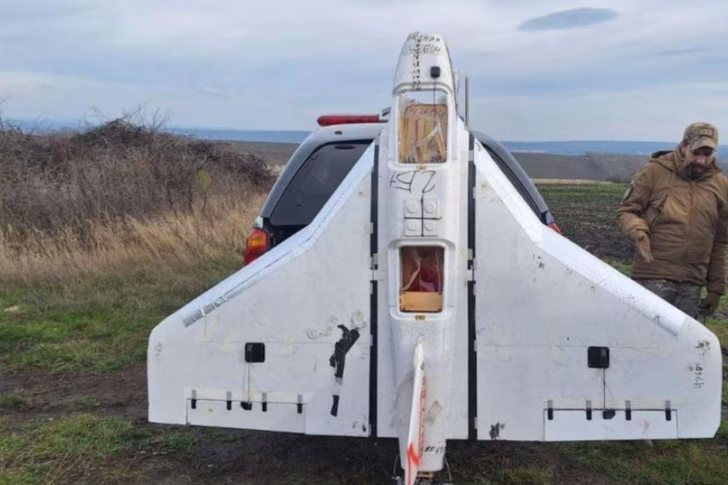
Moldova, which borders Ukraine, closed its airspace for an...
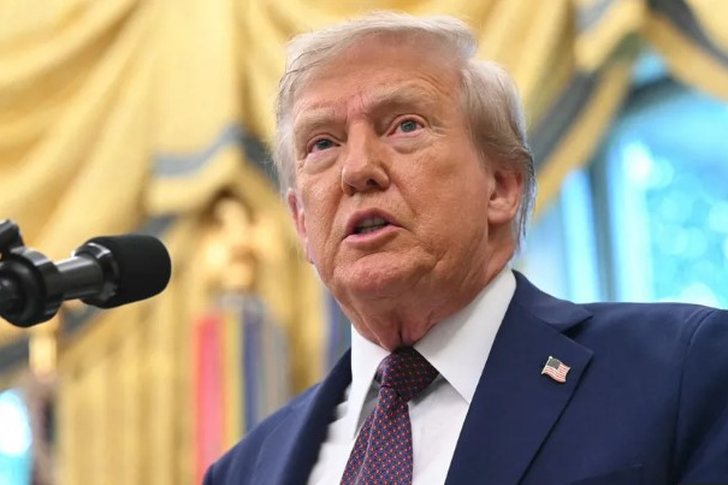
US President Donald Trump declared this Friday that he wil...
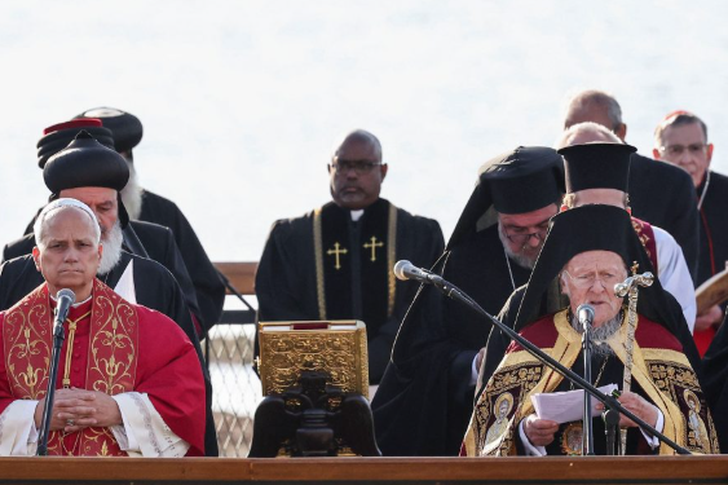
Pope Leo XIV, during his visit to Turkey, met with leaders...

King Charles will be part of a special television program...
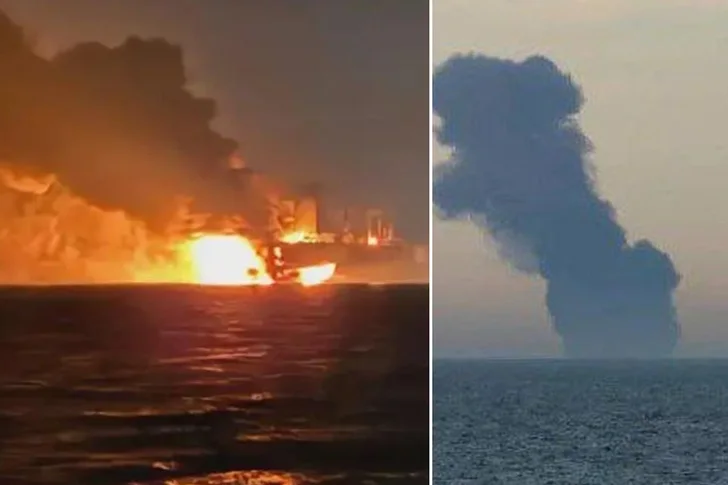
Powerful, almost simultaneous explosions have struck two t...

Russian neurotechnology company Neiry has conducted flight...

CNA has launched another investigation that could lead to ...

Irfan Hysenbelliu is a businessman that we call "Irfan the...

In March 2026, CNA launched another investigation centered...
The arrested mayor of Tirana, Erion Veliaj, with 13 charge...

The Special Board of Appeal (KPA) decided this Monday ...

The KPA vetting decided this Thursday to dismiss the p...

Suela Salavaçi, a prosecutor in the Prosecutor's Offic...

The Special Board of Appeal reinstated the prosecutor ...

New details have emerged from the serious accident that oc...
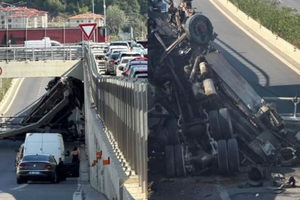
A serious accident occurred this Wednesday on the Elbasan-...
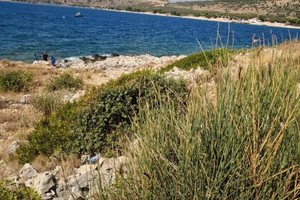
Citizen MH, 61, a fisherman, was found dead near the islan...
Another phase of the international operation, codenamed "T...

The Institute of Geosciences has shared a forecast for wea...
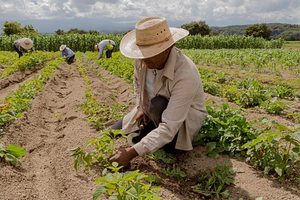
Rising energy and fertilizer prices are expected to contin...

Over 18,000 foreign citizens from 140 countries have appli...
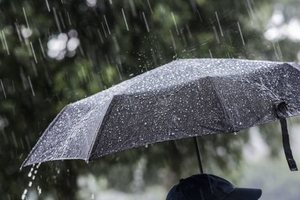
This Wednesday, our country will be under the influence of...
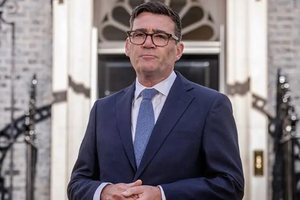
Prime Minister Andy Burnham has announced that most bus fa...

France's parliament has passed a law to ban social media f...

US Secretary of State Marco Rubio arrived in Manila on Jul...
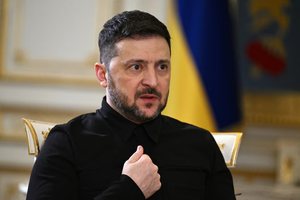
In the space of a few days, Ukrainian President Volodymyr ...

At a time when industrial products are increasingly taking...

Trust among people is not just a three-syllable word. It c...

Master of humor Todi Llupi has passed away at the age of 7...

The ninth edition of "MIK Festival" kicked off with one of...

Businesses will no longer be required to simply register t...

Despite economic growth and income in recent years, Albani...

This Wednesday, one US dollar is bought for 81.4 lek and s...

Construction company licenses will have a validity period ...