

A Serb is detained in the north of Kosovo
On Saturday, the Kosovo Police detained Sreqko Sofronijevi...


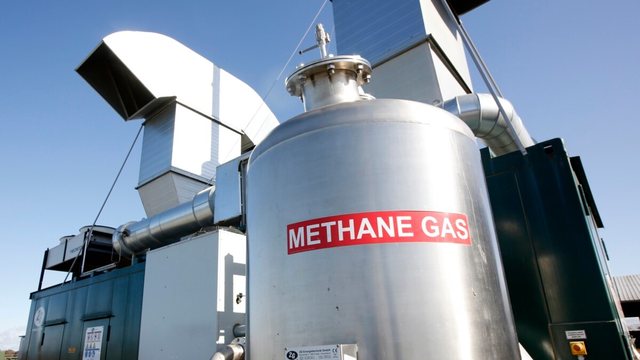
According to a new government study, oil and gas plants in the US release huge amounts of methane gas, causing $9.3 billion worth of environmental damage each year. As noted in the following chronicle, the volume of leaks is three times greater than the government had predicted, based on previous studies.
US oil and gas wells are spewing three times the amount of heat-trapping methane gas the US government thought. This is causing $9.3 billion in annual damage to the environment, says a comprehensive new study.
But because more than half of methane emissions come from a small number of oil and gas wells, 1% or less, that means the problem is worse than the government thought, but it also has the potential to large to be regulated, according to the main author of the study published in the scientific journal 'Nature'.
The report was compiled by the US Department of Energy's Lawrence Berkeley National Laboratory.
According to author Evan Sherwin, the lab data is much more detailed than previous studies.
Mr. Sherwin explains that more accurate measurements are now possible because of aerial observations from airplanes and satellites.
"Our study has a million measurements, a million more cases provided by data collected from the air. We have more data than any previous study," says Mr. Sherwin.
The study is based on one million anonymous measurements from aircraft that flew over 52% of US oil wells and 29% of gas production and distribution sites over a decade.
Mr Sherwin says the 3% leakage figure is the average of the six regions analyzed and not the national average.
The leaks are large, but they come from a small number of oil and gas sites.
According to the author, about 1% of countries are responsible for half of all leaks.
"We found that the leaks are even more concentrated than we thought, it's not 5% that emits about 50% of the emissions... In most cases it's roughly 1% of the countries responsible for half or more of the emissions."
Mr Sherwin says that while the problem is worse than the government expected, it is also easy to fix because there are few places causing the release of methane gas.
Overall, about 3% of the gas produced in the US is released into the air, compared to the Environmental Protection Agency's (EPA) figure of 1%, according to the study.
Over a period of two decades, methane traps about 80 times more heat than carbon dioxide, but it only lasts in the atmosphere for about a decade, instead of hundreds of years like carbon dioxide, according to the EPA.
According to study author Sherwin, leaks are often caused by simple mistakes that can be easily corrected.
"In many cases it's a problem with a tank, a leak, coming out of a piece of equipment and if our aircraft can see that, the problem is definitely fixable and in many cases pretty simple to fix" , he says.
The data show that the largest flows are in the Permian Basin of Texas and New Mexico.
He says that in other areas, such as Denver, where state lawmakers have passed new regulations, leaks have decreased.
Study author Evan Sherwin says solving the problem is not difficult and could lead to a dramatic reduction in methane leakage.
The same situation occurs globally. The largest cases of methane leakage worldwide, detected by satellites, increased by 50% in 2023 compared to 2022, according to the International Energy Agency last week.
About 30% of the world's warming since pre-industrial times comes from methane leaks, with the United States leading the world in leaking gas from oil and gas production and China polluting even more from methane released from coal mining.
Last December, President Joe Biden's administration issued a new regulation forcing the US oil and natural gas industry to reduce methane emissions.
At the same time at the United Nations environment negotiations in Dubai, 50 oil companies around the world pledged to reduce methane emissions to near zero./ VOA

On Saturday, the Kosovo Police detained Sreqko Sofronijevi...
The success of the referendum to remove the current mayors...
Official Brussels, these days, warned that in June of this...
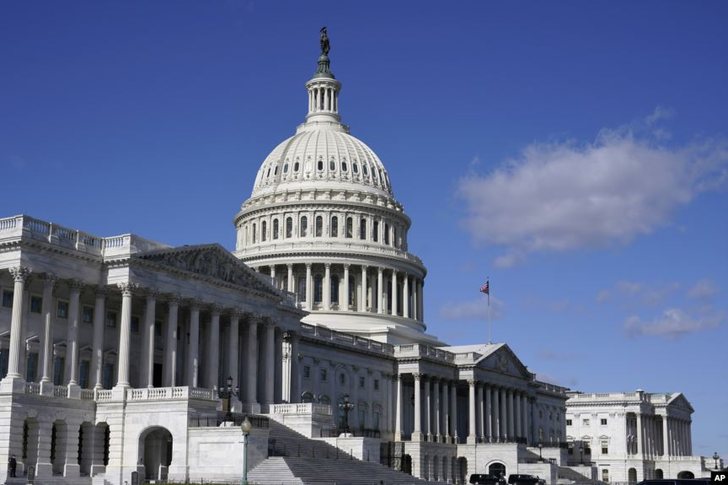
The Republican-led US House of Representatives voted to co...
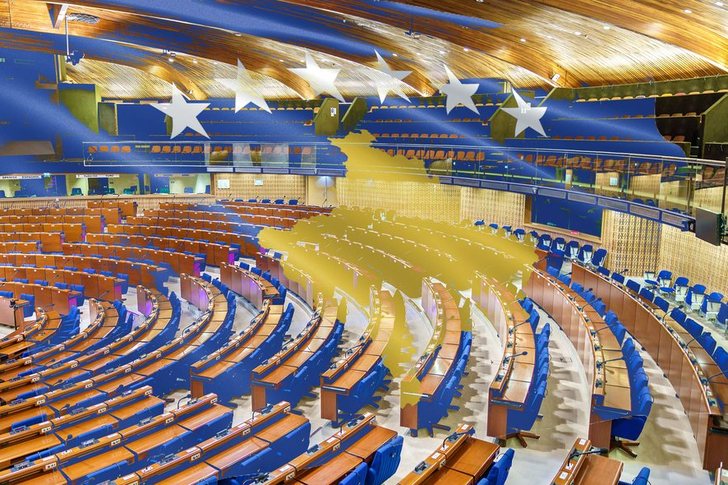
The representatives of the Spanish parties, the Socialist ...
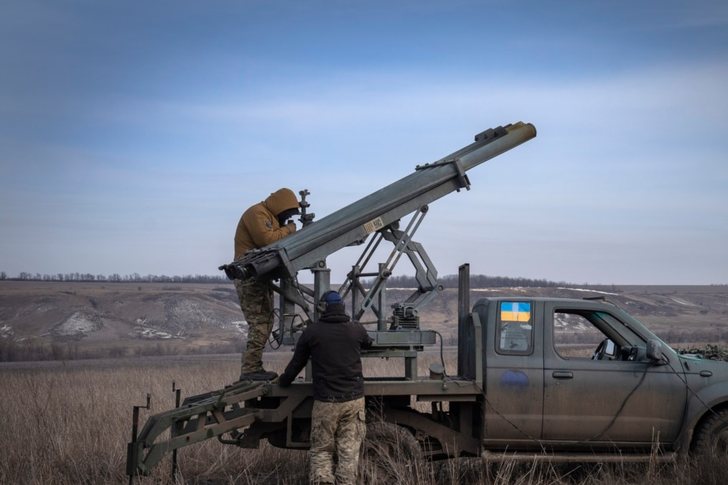
An independent Russian media has documented more than 50,0...
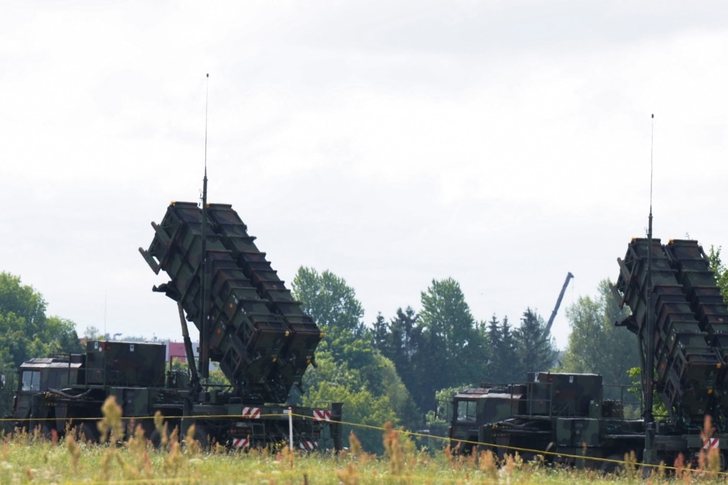
Germany's government will supply Ukraine with another air ...
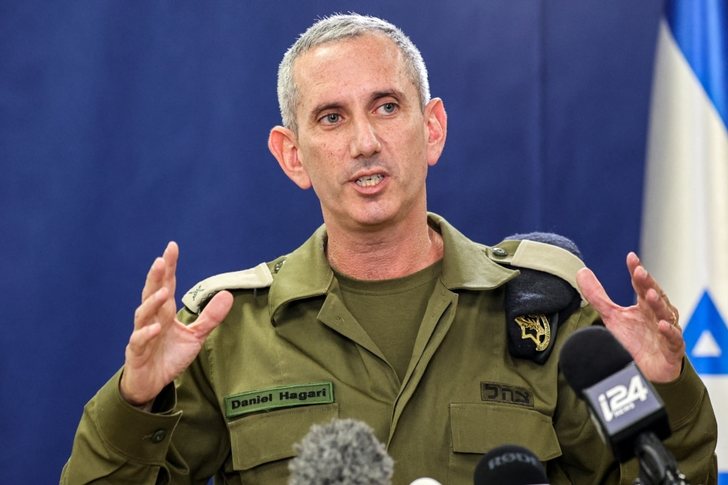
Israeli military spokesman Daniel Hagari said Saturday tha...

According to a study led by Hiroshi Yoshida, professor of ...
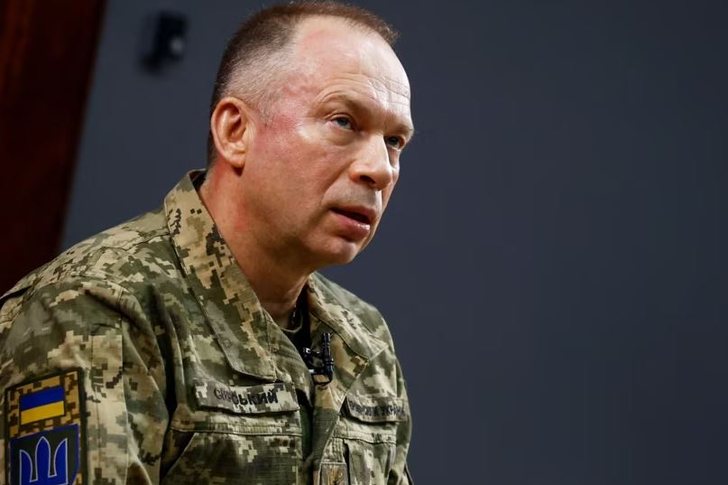
“Situata në frontin lindor është përkeqësuar në mënyrë...

Six people have been killed in a stabbing attack at a Sydn...
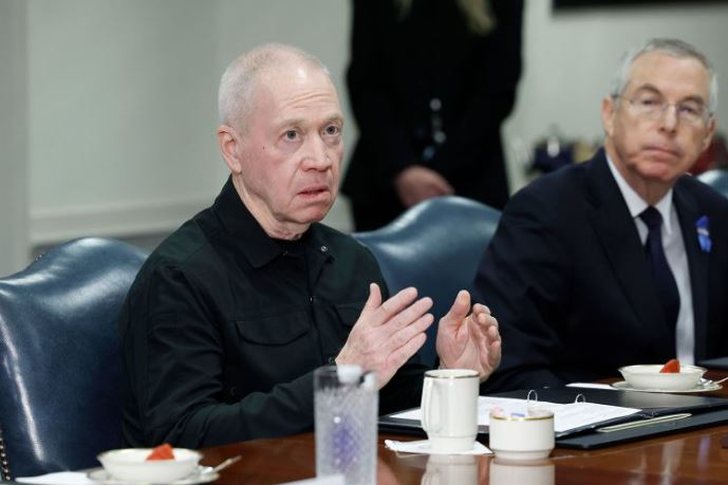
Israeli Defense Minister Yoav Gallant and US Central C...
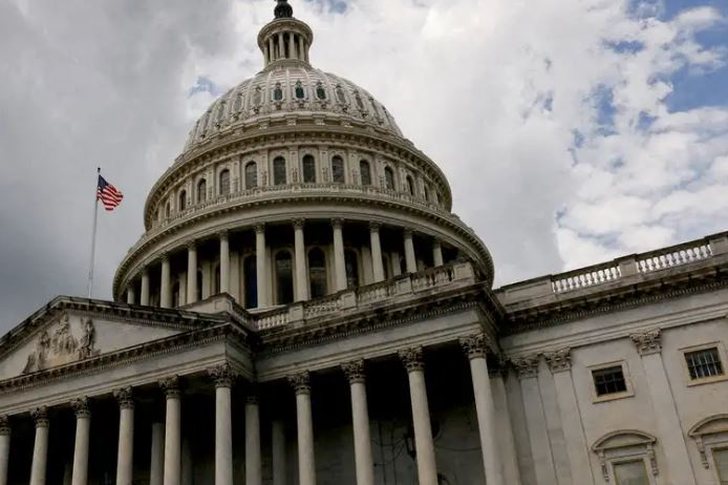
Dhoma e Përfaqësuesve e SHBA-së votoi për rinovimin e një ...

A man has carried out a knife attack at a Sydney shopp...
An earthquake with a magnitude of 4.5 on the Richter scale...
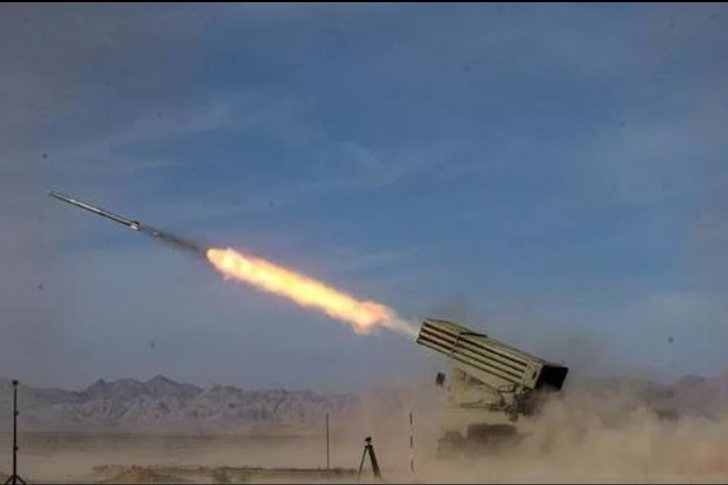
SHBA pret që Irani të godasë disa objektiva brenda Izraeli...
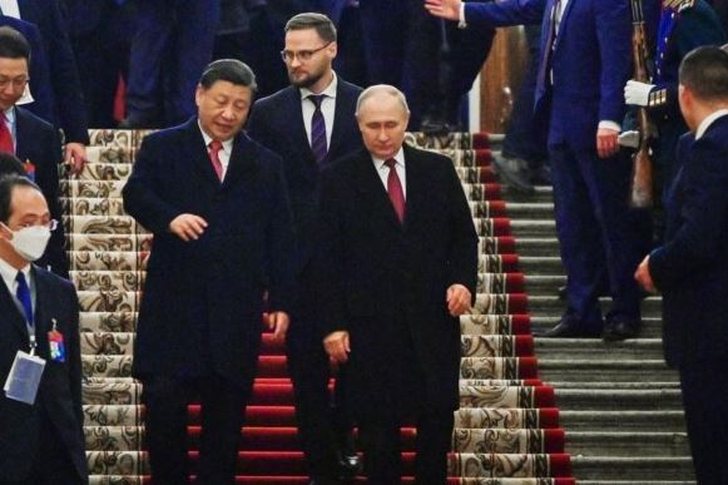
China has increased sales of machine tools, microelectroni...
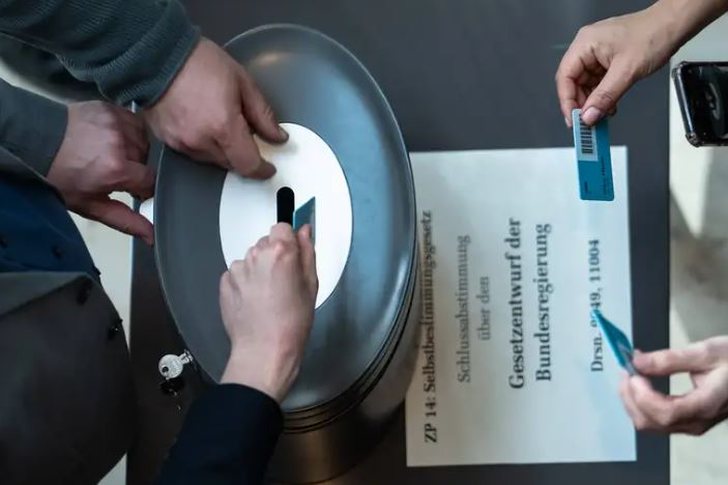
Në Gjermani kushdo që dëshiron të ndryshojë gjininë në dok...
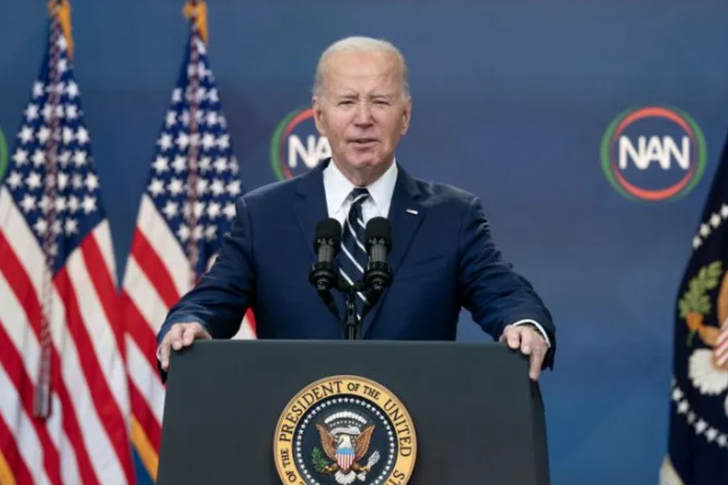
US President Joe Biden has said he expects Iran to att...
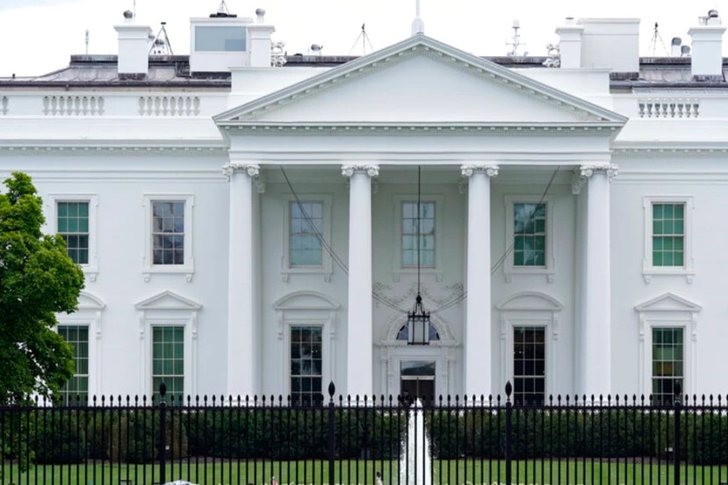
"A strike by Iran against Israel is a real and credible th...

CNA has launched another investigation that could lead to ...

Irfan Hysenbelliu is a businessman that we call "Irfan the...

In March 2026, CNA launched another investigation centered...
The arrested mayor of Tirana, Erion Veliaj, with 13 charge...

The Special Board of Appeal (KPA) decided this Monday ...

The KPA vetting decided this Thursday to dismiss the p...

Suela Salavaçi, a prosecutor in the Prosecutor's Offic...

The Special Board of Appeal reinstated the prosecutor ...

A road accident occurred this evening on Nikolla Zoraqi St...

Three people were shot and wounded in Elbasan last night b...

A serious incident occurred this Tuesday in the Yrshek are...

An accident occurred this Tuesday on "Dituria" street in K...
All of Southern Europe will face changing weather conditio...
Albania was hit by temperatures significantly higher than ...

For the first time, Pogradec welcomed the Inter-Lake Chess...
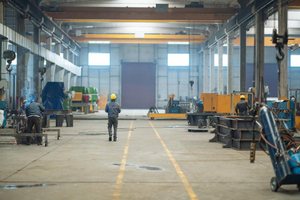
Albania has achieved a record for the employment of foreig...

US Secretary of State Marco Rubio arrived in Manila on Jul...

In the space of a few days, Ukrainian President Volodymyr ...

The spokesman for the Iranian Foreign Ministry warned Bulg...
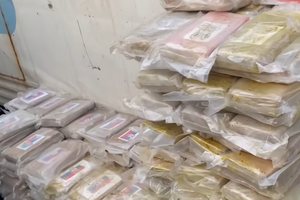
Autoritetet italiane sekuestruan pako me afër 800 kilogram...

At a time when industrial products are increasingly taking...

Trust among people is not just a three-syllable word. It c...

Master of humor Todi Llupi has passed away at the age of 7...

The ninth edition of "MIK Festival" kicked off with one of...

Construction company licenses will have a validity period ...
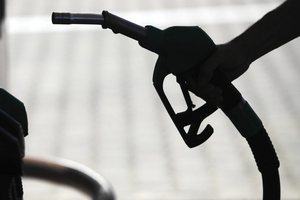
The Centralized Purchasing Operator recently opened a tend...
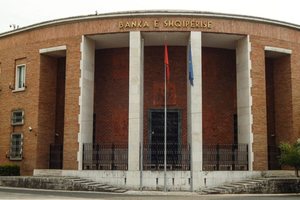
The new draft law "On the Bank of Albania" provides that t...
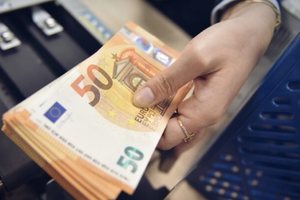
This Tuesday, one US dollar is bought for 81.2 lek and sol...