


Crime in Roskovec/ 35-year-old perpetrator ends his life
Police Announcement: Following preliminary information...

Police Announcement: Following preliminary information...

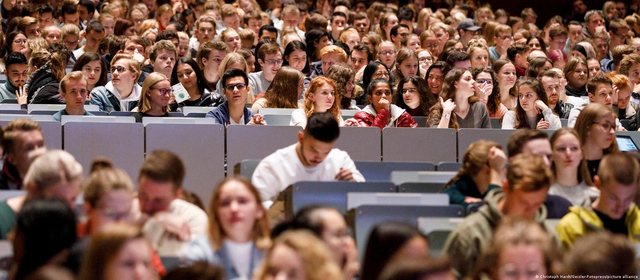
Free study even for foreign students has made Germany one of the most preferred countries in the world to pursue university studies.
A young woman walks into the enrollment office of Humboldt University in Berlin and talks to the clerk.
Good afternoon, I have come to register at the university. How much does it cost?
It costs nothing. Registration is free, says the employee.
Free studies?
Yes. Don't be surprised. Because higher education in public schools and universities costs almost nothing in Germany. It's almost free.
The young girl is Hannah Hummel, a reporter for Deutsche Welle. She is the author of this article for Deutsche Wellen about studying in Germany.
To study in Germany, only one semester fee worth between 200 and 400 euros is paid. This money is for the administration of studies, public transport and student organizations. The only exception is the state of Baden Württemberg.
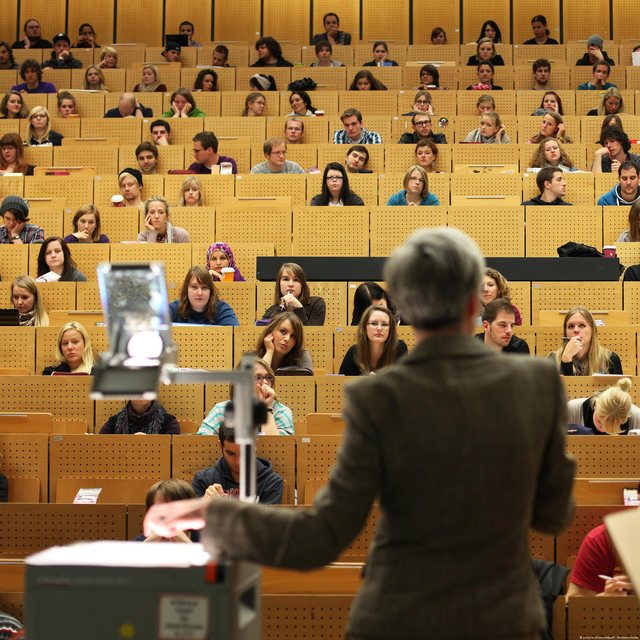
Germany has 400 colleges and universities. Universities focus mainly on academic education, while high schools are more practically oriented. However, the diplomas obtained both at the high school and at the university are the same.
A bachelor's study usually lasts six semesters, i.e. three years. A semester is six months, the winter semester usually starts in September, the summer semester in March. Many students take longer, up to eight semesters, to complete their bachelor's degree. This is not a problem. Free also for foreign students
The same applies to students coming from other countries to study in Germany. Because even foreign students do not pay to study at German universities and colleges. This has made Germany one of the most preferred countries in the world to pursue university studies.
Half a million foreign students currently study in Germany, most of whom study in the state of North Rhine-Westphalia. "Foreign students are helped with scholarships, consultations and support until they learn," says Hannah Hummel, who herself studied in Germany.
Just as there are foreign students who study in Germany, there are also young Germans who go to study in other countries.
The European Union has organized programs such as Erasmus to enable young people to study for a semester or a year in another European Union country. The program offers financial support to students who want to go to other countries.
"I did my Erasmus year here in Berlin," says Hannah Hummel of Deutsche Welles.
Studies are free, but living costs can go up to 1,000 euros per month, depending on where you live. This money is needed for rent, food, school books and living in free time. So most students work to cover living expenses.
What about student life?
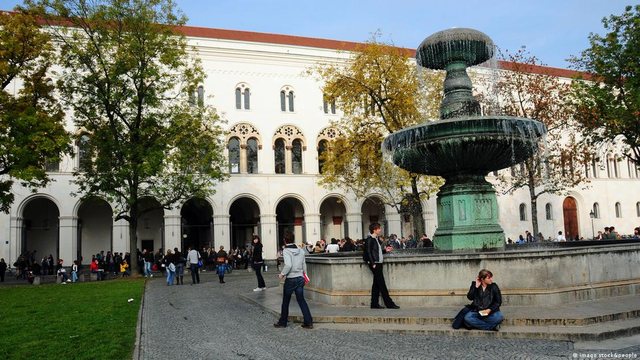
Hannah Hummel now tells us about the Studierendenwerk, an organization that deals with all other student matters besides studying. She meets Jana Judisch. "Education is considered a public value in Germany, so taking care of students is seen as a public value. We take care of students by dealing with everything else that is not related to lectures and the research field.
We take care of housing, mental health, consultations," says Jana Judisch. But what many international students don't know is that school enrollment is not about accommodation. Obtaining a study place is not automatically linked to a place to sleep in the dormitory.
Many foreign students only learn this when they arrive in Germany to begin their studies. "Often I get E-mails saying "I'm coming next week, please show me the room. I reply by saying that we don't have any rooms here waiting for you to come. You are a year and a half late. Go find a room on the free market, we can't help you," says Jana Judisch from the Studierendenwerk Berlin.
So those who do not receive help to find a room from the Studierendenwerk have to take care of housing themselves. Most of the students live in apartments that are shared between several people, to share expenses. But housing is becoming more expensive in Germany. Munich and Stuttgart are the most expensive cities to study, followed by Berlin. Cities that used to be East Germany have the cheapest living conditions.
Language helps you
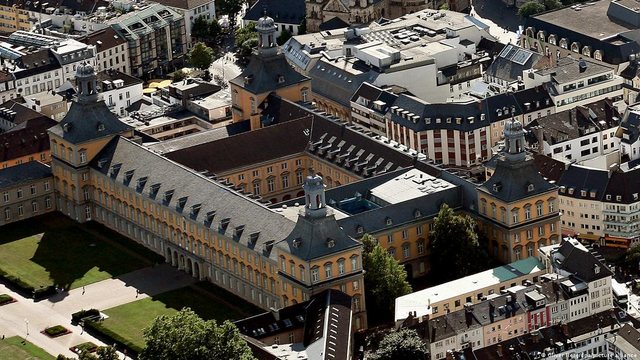
To study in Germany you do not necessarily need to speak German fluently. Because colleges and universities offer special classes in English and students can submit assignments in English.
However, most universities have German as their main language. Hannah Hummel gives us some words that are good to know when you want to study in Germany.
Hörsaal: Translated literally, it means listening hall, but it is actually a lecture hall.
Canteen: It is the canteen where students eat lunch
Ersti: beginners! First semester students.
A bit of history
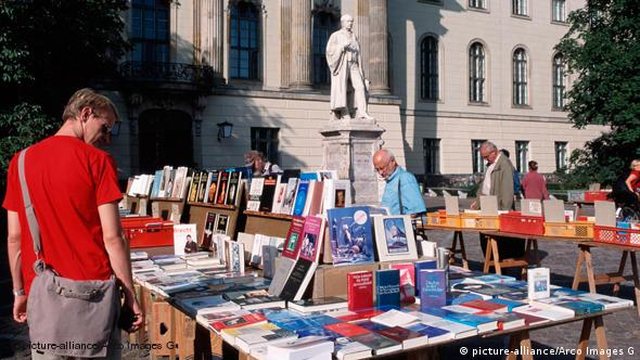
The oldest university in Germany is that of Heidelberg, opened in 1389. The universities of Cologne and Erfurt were opened soon after it.
The first university in Europe was opened in Bologna, Italy, a thousand years ago.
Higher education has been a male issue. The first woman to attend a university class was in the 19th century in Switzerland. Johanna Kappes was the first German student in 1900. Today, the number of women attending higher education in Germany is slightly higher than the number of men./ DW

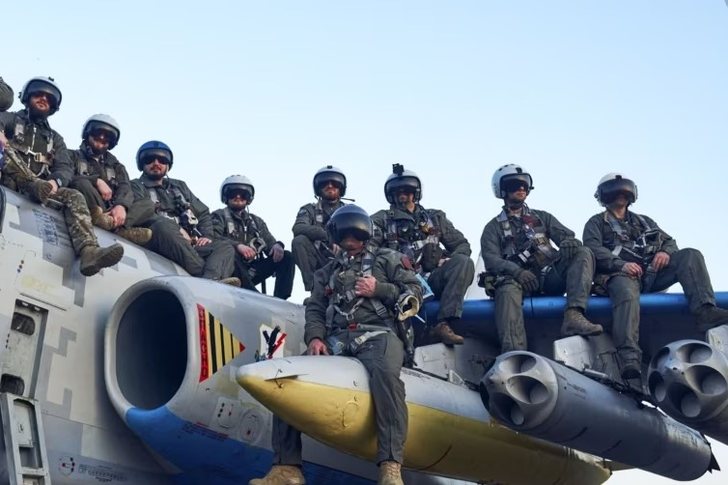
Norway will support training programs for Ukrainian pi...
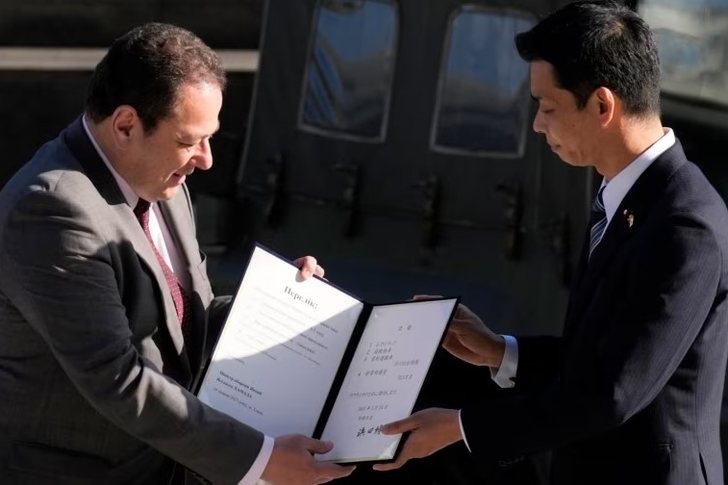
Japonia mbajti një ceremoni të mërkurën prej ku dhuroi rre...
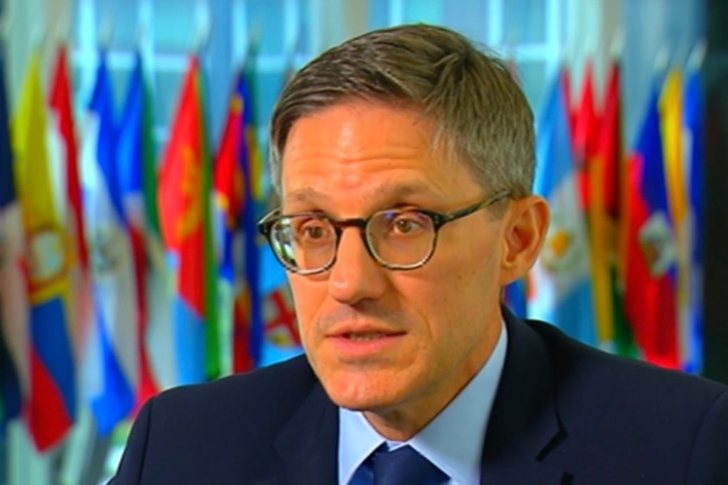
The United States will not accept the imposition of precon...
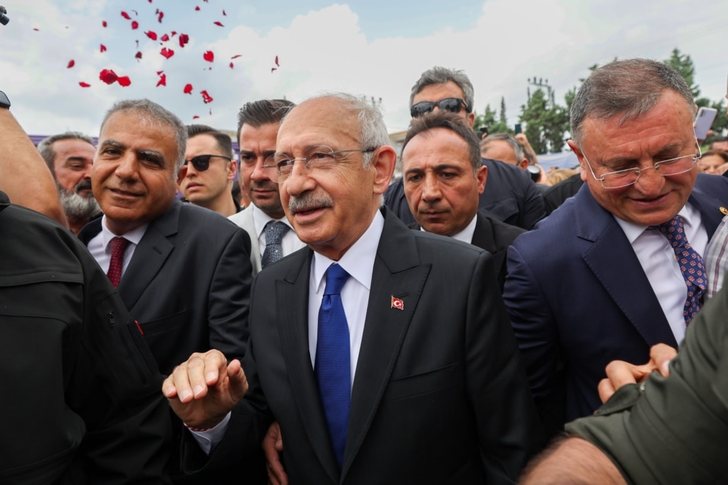
As Turkey prepares for a May 28 presidential runoff, o...
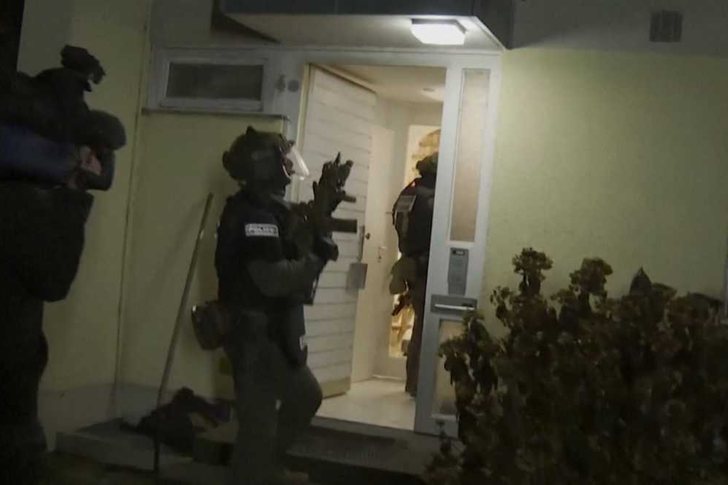
Thanks to an investigation into climate activists, the Ger...
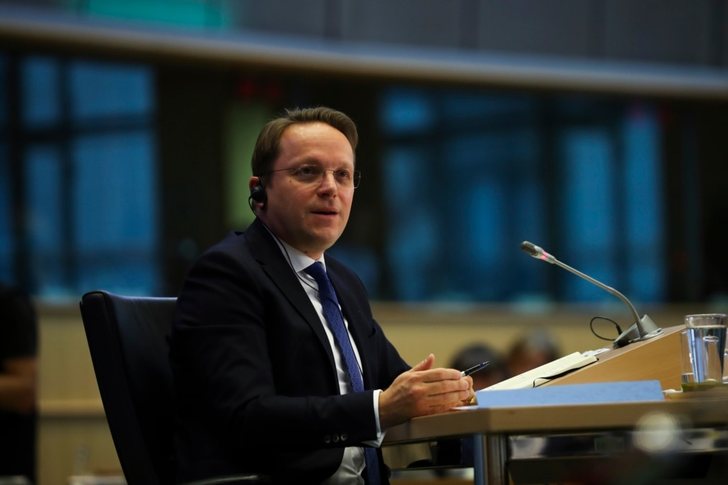
The Commissioner of the European Union for Enlargem...
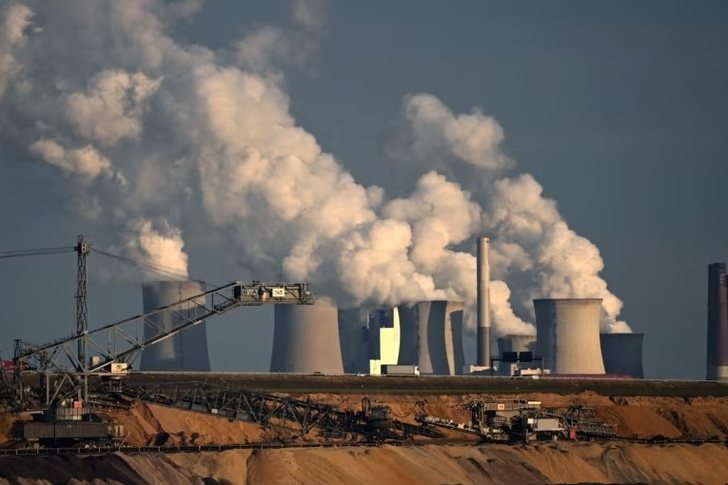
The latest directives of the European Commission again...
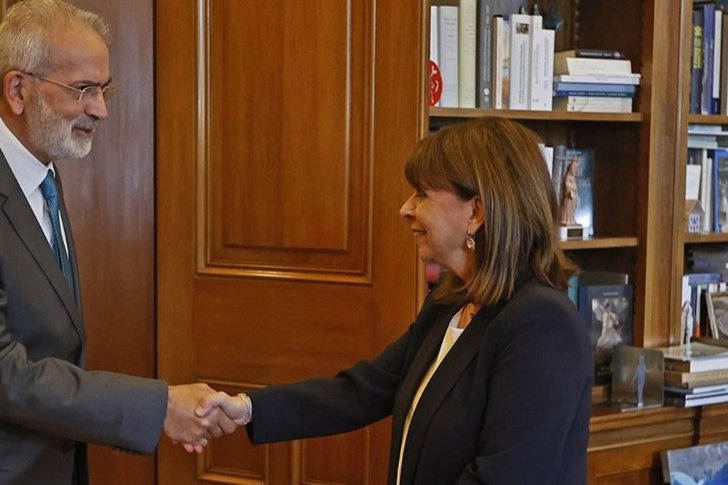
Greece is heading for early elections after former Prime M...
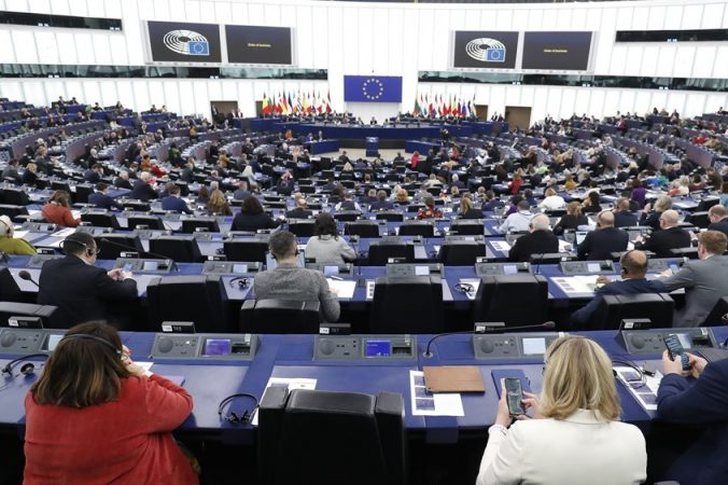
Recently, the European Parliament has undertaken an initia...
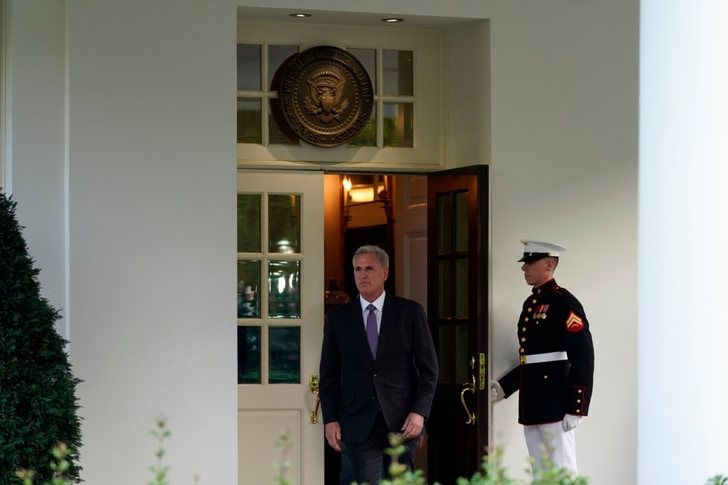
Debt ceiling negotiations have been stalled by a classic p...
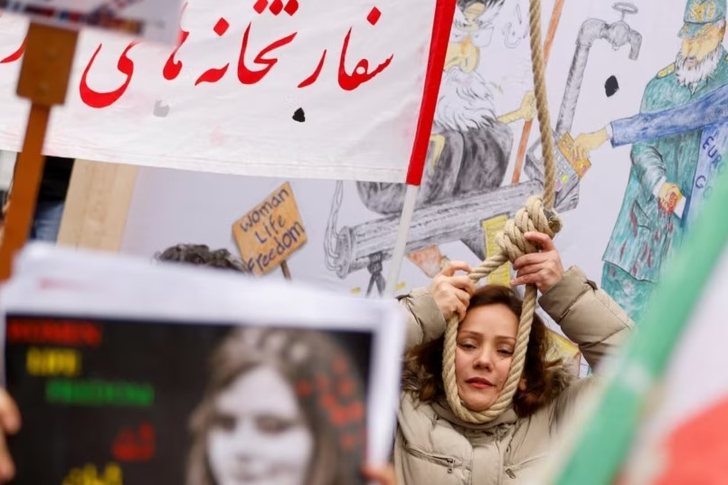
A group of women imprisoned for political reasons held in ...

The US Department of State, commenting on the meeting betw...

Never one to mince words, Yevgeny Prigozhin, the founder o...
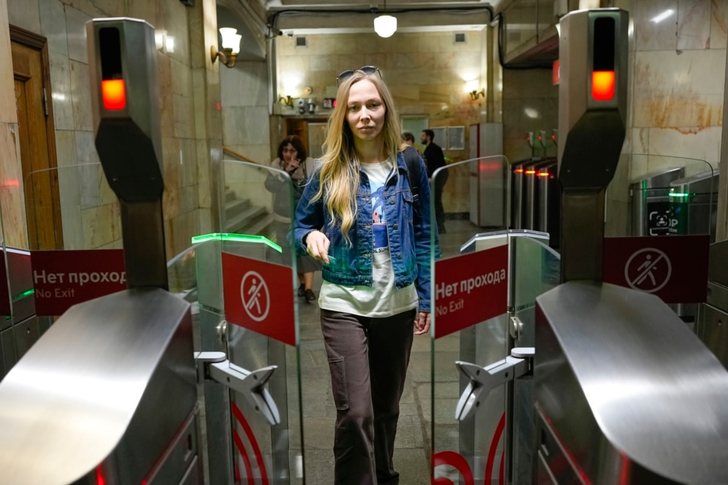
Journalist and activist Yekaterina Maksimova avoids the Mo...

A judge on Tuesday set March 25, 2024, as the tentativ...

When Russia launched its aggression on Ukraine more th...
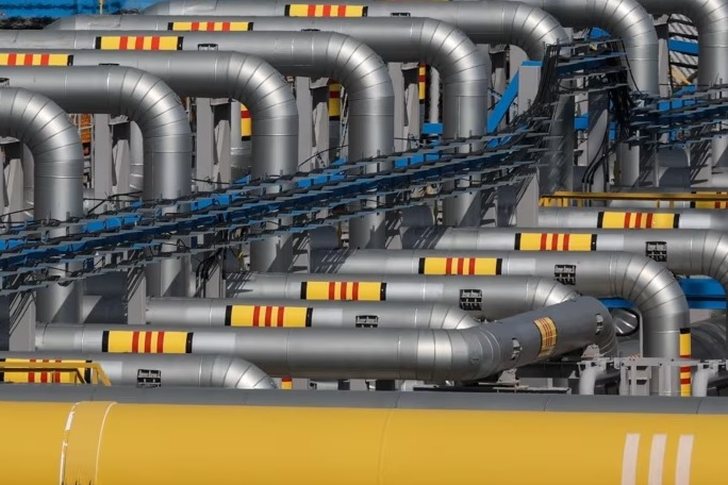
Czech state energy company Mero announced on May 23 that i...
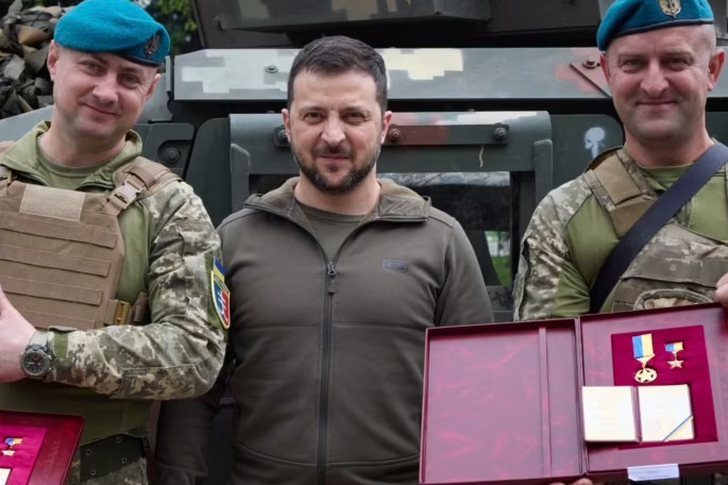
Ukrainian President Volodymyr Zelensky announced on Tuesda...

During the meeting of the defense ministers of the Europea...
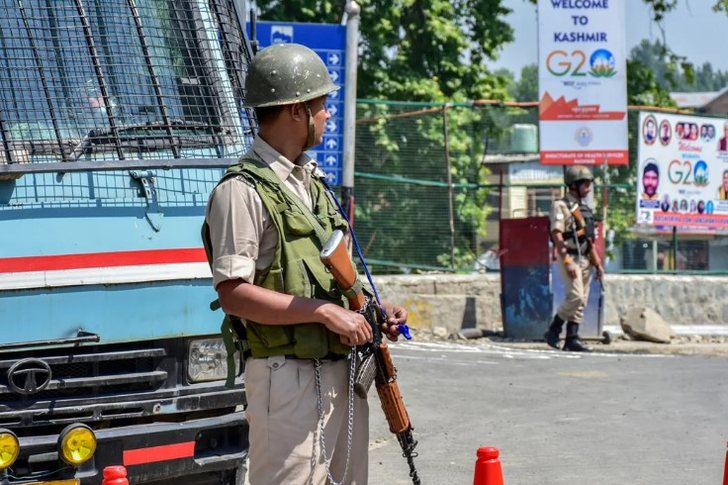
India has defended its decision to host a Group of 20 (G20...
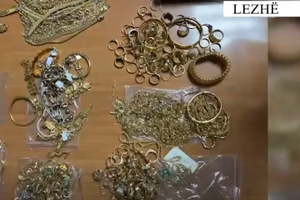
A 39-year-old citizen has been arrested in Lezha, after se...

CNA has launched another investigation that could lead to ...

Irfan Hysenbelliu is a businessman that we call "Irfan the...

In March 2026, CNA launched another investigation centered...

The Special Board of Appeal (KPA) decided this Monday ...

The KPA vetting decided this Thursday to dismiss the p...

Suela Salavaçi, a prosecutor in the Prosecutor's Offic...

The Special Board of Appeal reinstated the prosecutor ...

Police Announcement: Following preliminary information...

New details from the operation being carried out in Fier t...
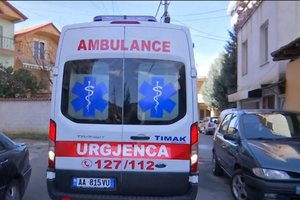
The 17-year-old, who was seriously injured yesterday after...

RENEA is headed towards Roskovec after the murder that occ...

By noon, cloudiness is expected to prevail in almost all o...

Children without parental care, for whom alternative famil...

On Thursday, our country will be under the influence of st...

A serious accident that occurred this Wednesday with the c...

US President Donald Trump will host his Ukrainian counterp...
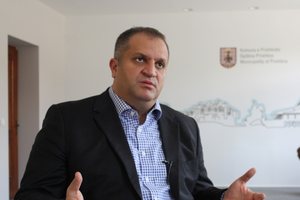
The Basic Court in Pristina found the former mayor of Pris...

The European Union Office in Kosovo has called on all poli...
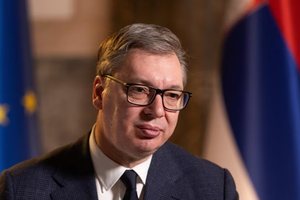
Serbian President Aleksandar Vučić, at a press conference ...

At a time when industrial products are increasingly taking...

Trust among people is not just a three-syllable word. It c...

Master of humor Todi Llupi has passed away at the age of 7...

The ninth edition of "MIK Festival" kicked off with one of...
The number of active enterprises in Albania continued to g...
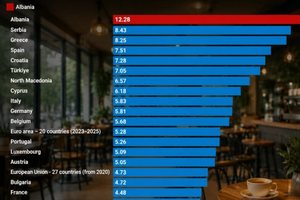
In Albania, the bar-cafe has long become an almost unique ...

This Friday, one US dollar is bought for 81.7 lek and sold...

The average sale price of apartments in Tirana reaches rec...