

The judge sets the date / When the hearing against former president Trump will take place
A judge on Tuesday set March 25, 2024, as the tentativ...


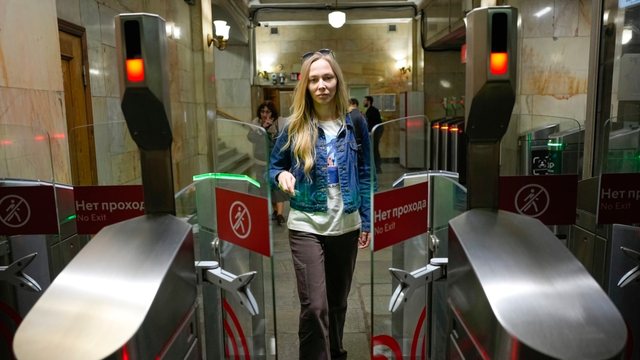
Journalist and activist Yekaterina Maksimova avoids the Moscow metro even though it is probably the most efficient way to travel.
She does this because she has been arrested five times in the past year, due to security cameras that work with the facial recognition system. She says the police have told her the cameras "react" to her - although they often didn't seem to understand why, and let her go after a few hours.
"It seems my name is in some kind of database," says activist Maksimova, who has been arrested twice before: once in 2019 for participating in a demonstration in Moscow and then in 2020 for activism its for environmental protection.
It has become increasingly difficult for many Russians like her to evade authorities' scrutiny, as the Russian government actively monitors social media accounts and uses surveillance cameras against activists.
The authorities are also using an online platform as a means of control, which has previously been praised by users as it enables the easy fulfillment of some bureaucratic obligations. Authorities plan to use it to send calls for military mobilization to people who evaded conscription when authorities tried to deliver them physically.
Human rights advocates say Russia, under President Vladimir Putin, has harnessed digital technology to track, censor and control the population, building what some call a "cyber gulag" — a dark reference to the labor camps that held political prisoners during the time of the Soviet Union.
It is a new situation, although it is a nation with a long history of spying on its citizens.
"The Kremlin has really become a beneficiary of the digital age and is using every opportunity for state propaganda, for people surveillance and for discovering the identity of Internet users," said Sarkis Darbinyan, head of the legal practice at Roskomsvoboda, a group Russian Internet freedom activist that the Kremlin considers a "foreign agent".
The Kremlin's indifference to digital surveillance appears to have changed after the mass protests of 2011-12 were coordinated online, prompting authorities to tighten Internet policing.
Some regulations enabled websites to be blocked; other regulations ordered mobile phone and internet companies to store call and text records, to share the information with security services if necessary. Authorities pressured companies such as Google, Apple and Facebook to store user data on Russian servers and announced plans to build a "sovereign internet" that could be cut off from the rest of the world.
Many experts initially dismissed these efforts as futile, and some still seem ineffective. Russia's measures are no match for China's strict internet controls, but the Kremlin's online action has accelerated.
After Russia launched its attack on Ukraine in February 2022, internet censorship and prosecutions of social media posts and comments soared, breaking all existing records.
According to Net Freedoms, a prominent internet rights group, more than 610,000 websites were blocked or banned by authorities in 2022, the highest annual number in 15 years. 779 people faced criminal charges for online comments and postings, also a record.
The main factor was a law, passed a week after the launch of the attack, that penalizes statements against the war, said the head of Net Freedoms, Damir Gainutdinov. It makes it illegal to "spread false information" or "discredit" the military.
Human Rights Watch cited another 2022 law that allows authorities to "shut down, without a court order, media outlets and block online content for spreading 'false information' about the conduct of the Russian Armed Forces or other state bodies abroad or for distributing calls for sanctions against Russia”.
Tougher anti-extremism laws passed in 2014 targeted social media users and online publications, leading to hundreds of criminal cases for posting, liking and sharing. Most of the users involved were from the popular Russian social networking platform VKontakte, which is said to be cooperating with authorities.
As the measures expanded, the authorities also targeted other social networks Facebook, Twitter, Instagram and Telegram. About a week after the launch of the attack in Ukraine, "Facebook", "Instagram" and "Twitter" were blocked in Russia, and the users of the platforms were prosecuted.
Marina Novikova, 65, was convicted this month in the Siberian city of Seversk of "spreading false information" about the military after anti-war Telegram posts, fining her more than $12,400. A Moscow court last week sentenced opposition activist Mikhail Kriger to seven years in prison for Facebook comments in which he expressed a desire to "hang" Russian leader Putin. Famous blogger Nika Belotserkovskaya, who lives in France, was sentenced to nine years in prison in absentia for posts on Instagram about the war, which authorities claimed spread fake news about the military.
"Users of any social networking platform should not feel safe," Ms Gainutdinov said.
Human rights advocates worry that internet censorship will be drastically expanded through artificial intelligence systems to monitor social networks and websites for content deemed illegal.
In February, government media regulator Roskomnadzor announced the launch of Oculus - an artificial intelligence-powered system that will search for banned content by examining photos and videos online. This program can analyze more than 200,000 images per day, compared to about 200 per day that can be checked by humans. Two other artificial intelligence systems still being designed will search for material in written form that is prohibited by law.
In February, the Vedomosti newspaper quoted a Roskomnadzor official as deploring the "unprecedented amount and speed of the spread of false information" about the war. The official, whose name was not released by the newspaper, called for protests and "LGBT propaganda" to become part of the banned content to be identified by the new systems.
Activists say it is difficult to know how the new systems are working and how effective they are. Sarkis Darbinyan, of the internet freedom group, described them as "terrible things" that would bring "more censorship" while there is a complete lack of transparency about how the new systems will work and how they are administered.
Authorities will also work on a system of automated programs (bots) that will collect information from social media sites, messaging apps and other online communities, says the Belarusian activist hacker group Cyberpartisans, which received several documents from an entity under Roskomnadzor.
Their coordinator Yuliana Shametavets told the Associated Press news agency that automated programs are expected to infiltrate Russian-language social media groups for surveillance and propaganda purposes.
"It is common to laugh at the Russians, to say that they have outdated weapons and that they do not know how to fight, but the Kremlin is very efficient in disinformation campaigns and has high-caliber IT experts who produce extremely effective products and very dangerous", she said.
Government regulatory agency Roskomnadzor did not respond to requests for comment.
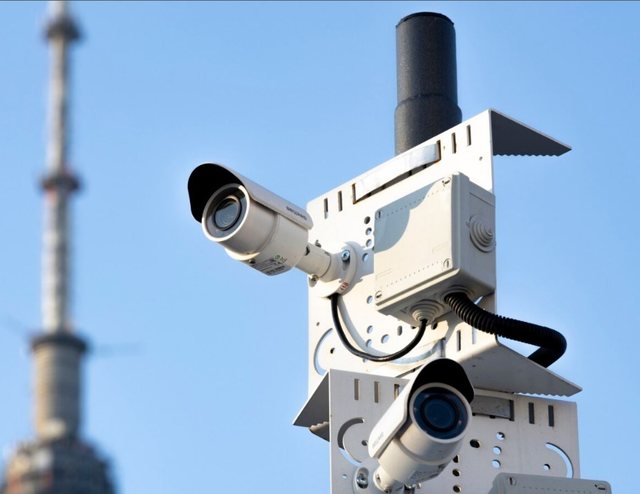
In 2017-18, authorities in Moscow installed street cameras that use automatic facial recognition technology.
During the COVID-19 pandemic, authorities had the opportunity to track down and fine violators of lockdown measures.
Vedomosti newspaper reported in 2020 that schools will also have cameras connected to the facial recognition system, which has been nicknamed "Orwell", after the British author who wrote the book "1984", where the character " "Big Brother" who watches and knows everything that happens.
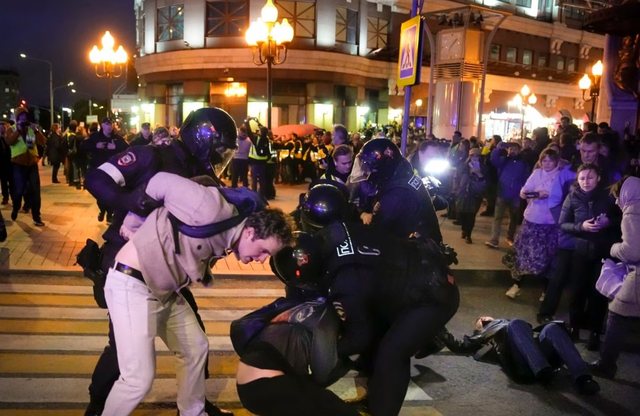
When protests over the jailing of opposition leader Alexei Navalny began in 2021, the system was used to track down and arrest those who took part in the demonstrations, in some cases weeks later. After President Putin announced partial mobilization for Ukraine last year, it appears that this system helped officials catch people who wanted to avoid mobilization.
A man who was detained on an inner-city train in Moscow for failing to comply with an order to be called up for military service said police had informed him that they had tracked him through a facial recognition system. His wife gave this information to the AP news agency on the condition of anonymity because she feared retribution.
In 2022, "Russian authorities expanded their control over the population's biometric data, including by obtaining such data from banks, as well as using facial recognition technology to monitor and persecute activists," it reported this year. human rights organization Human Rights Watch.
Ms. Maksimova, the activist who is often stopped on the train, filed a lawsuit to challenge such bans, but lost the case. The authorities stated that because she has been arrested before, the police have the right to detain her for "a counseling session" - during which the officers explain the citizen's "moral and legal responsibilities".
Ms Maksimova says officials have not explained why she is on their watch lists, and consider the case a state secret. She and her lawyer are appealing the court decision.
"There are 250 thousand cameras in Moscow that work with this program; they are located at the entrance of buildings, in public transport and on the streets, says Mr. Darbinyan. There are similar systems in St. Petersburg and other big cities, such as Novosibirsk and Kazan," he says.
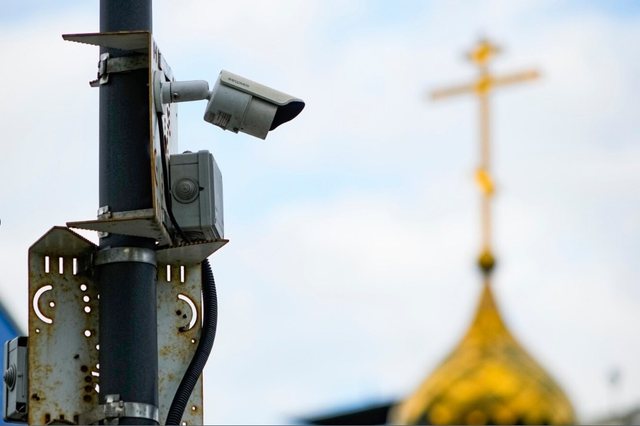
He thinks that the authorities wanted to set up "a network of cameras throughout the country. It seems like a difficult project, but there are opportunities and funds to realize it".
Russia's efforts are often compared to those of China, where authorities use digital surveillance en masse. Chinese cities are dominated by millions of cameras that record faces, body shapes, and even the way people walk to identify them. Certain individuals are constantly tracked, both on camera and through their cell phones, email and social media accounts, in order to discourage all forms of dissent.
The Kremlin also seems to want to do the same. In November, President Putin directed the government to create an online registry of people fit for military service, following efforts to mobilize 300,000 men to fight in Ukraine when it became clear that military registries had serious problems.
The new registry, which is promised to be ready by the fall, will collect a lot of data, "from health clinics, to courts, tax offices and election commissions," said political analyst Tatyana Stanovaya in a commentary for the Carnegie Endowment for International Peace.
This will enable authorities to issue conscription electronically through a government website used for applications for documents such as passports or proof of ownership. Once a summons appears online, conscripts will not be allowed to leave Russia. Other restrictions will be imposed – such as the suspension of a driver's license, or a ban on buying and selling property – if they do not comply with the subpoena within 20 days, regardless of whether they have seen it or not.
Ms Stanovaya believes these restrictions will spread to other aspects of Russian life, with the government "building a state system of digital surveillance, coercion and punishment". A law passed in December mandates that taxi companies hand over their data to the agency that succeeded the Soviet KGB, giving it access to databases of citizens, destinations and payments.
"The cyber gulag, which was actively talked about during the pandemic, is now taking real shape," wrote Ms. Stanovaya./ VOA

A judge on Tuesday set March 25, 2024, as the tentativ...
When Russia launched its aggression on Ukraine more th...

Czech state energy company Mero announced on May 23 that i...
Ukrainian President Volodymyr Zelensky announced on Tuesda...
During the meeting of the defense ministers of the Europea...
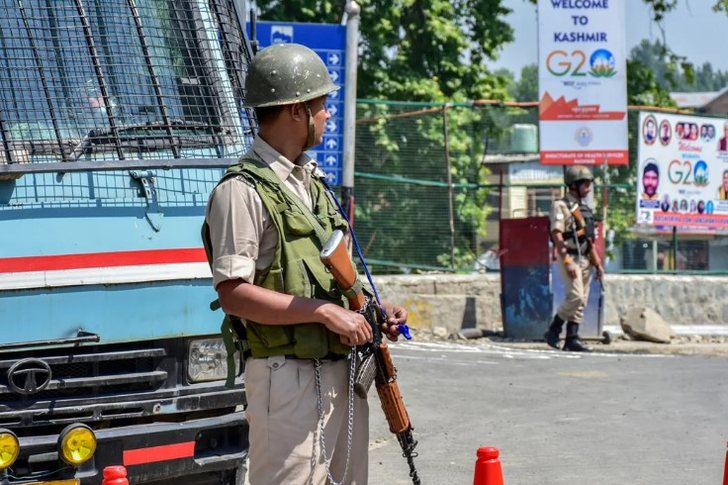
India has defended its decision to host a Group of 20 (G20...
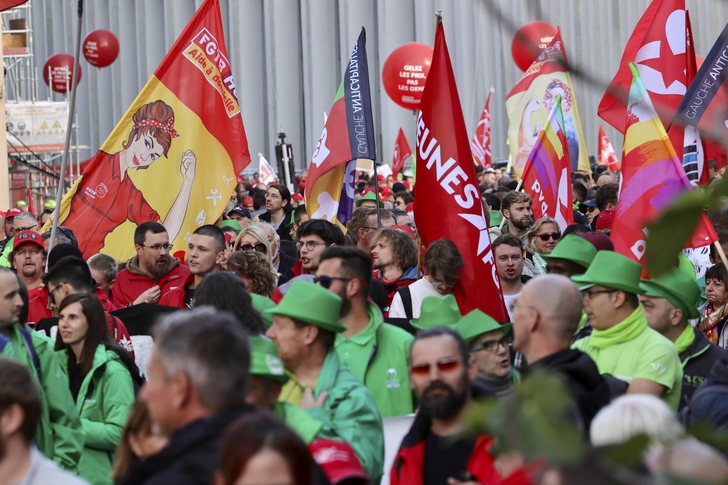
Në Belgjikë kanë shpërthyer protestat, pasi njerëzit po an...
Ministrat e Jashtëm të BE-së nuk kanë arritur të bien dako...
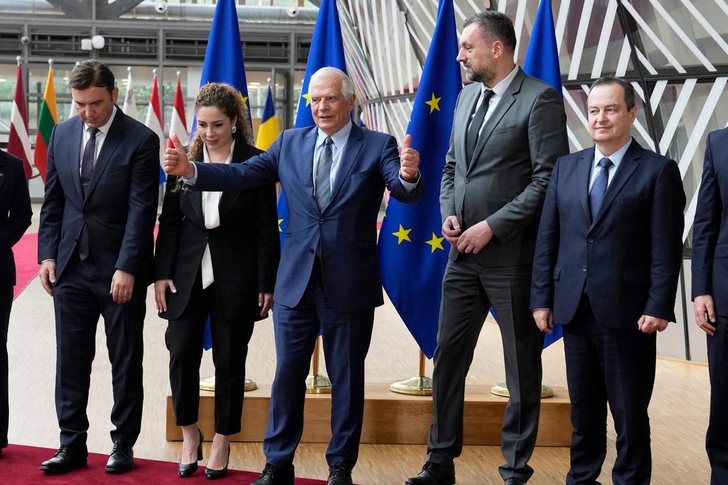
The EU will speed up the accession process for the six cou...
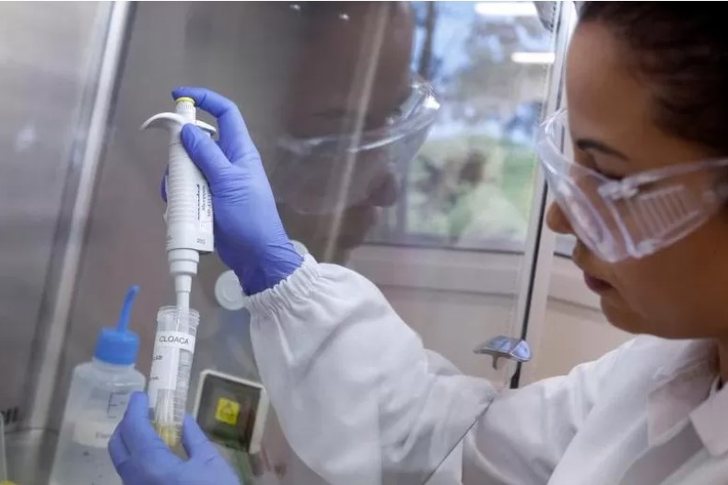
Brazili ka shpallur emergjencën gjashtëmujore pasi janë sh...
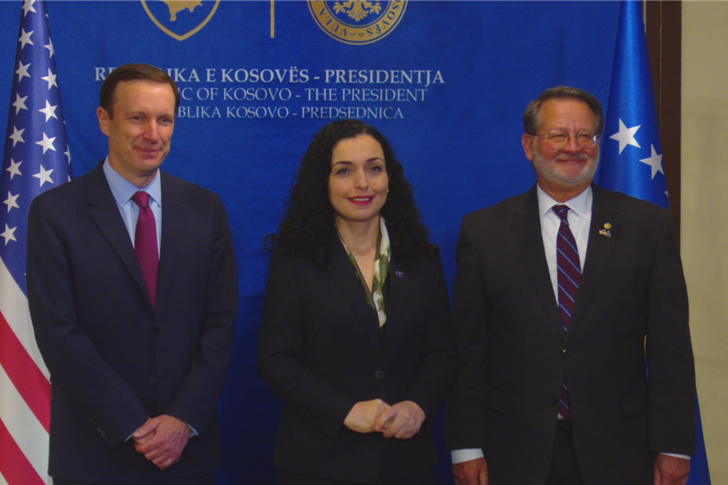
American Senator Chris Murphy said on Monday that it is im...
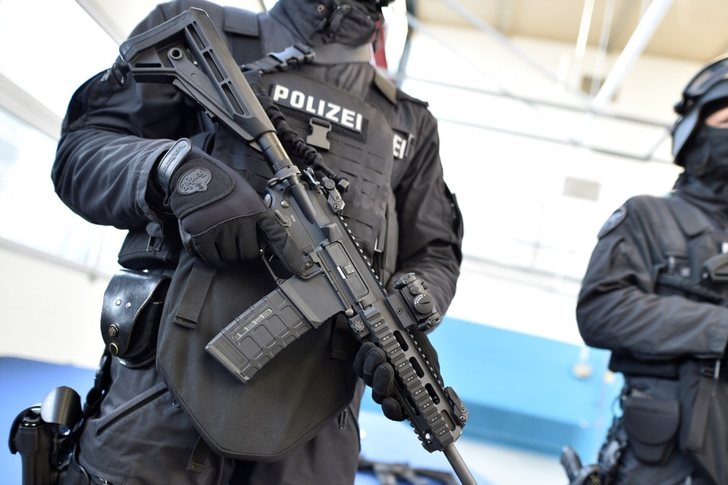
The head of Germany's intelligence agency warned on Monday...
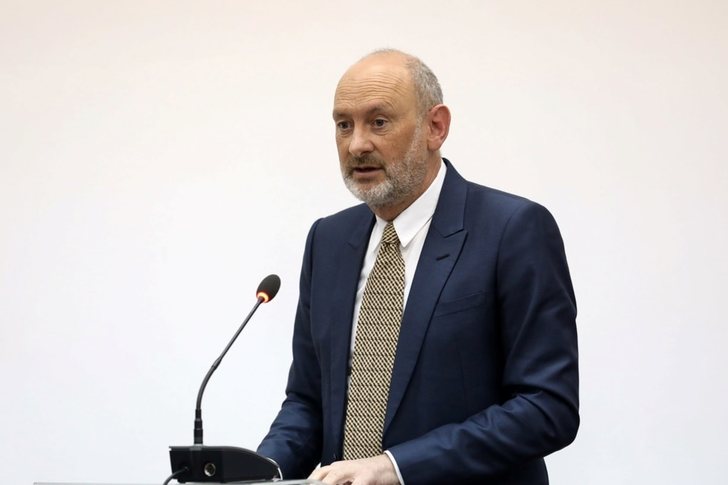
The Ambassador of the European Union in Skopje, David Geer...
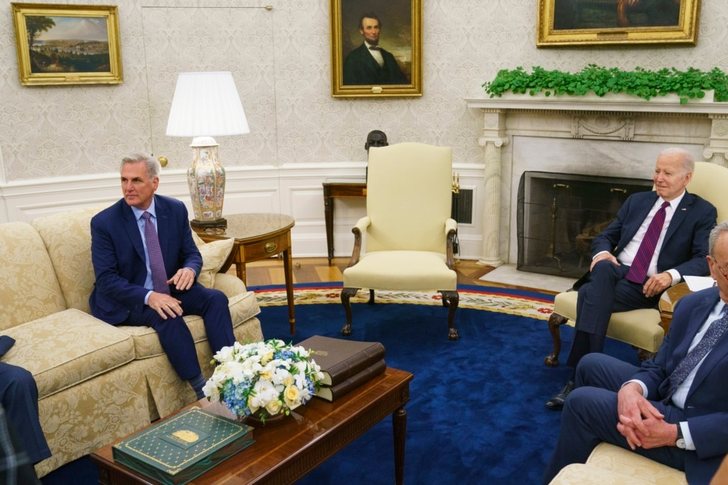
President Joe Biden and House Speaker Kevin McCarthy are e...
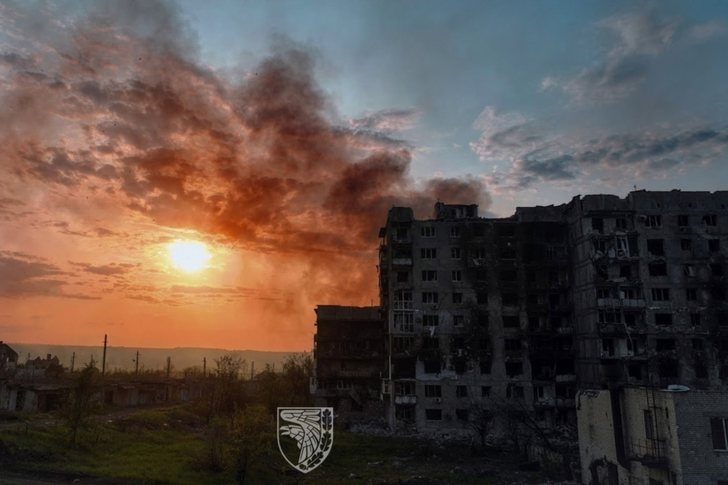
Russia claims to have taken control of the city of Bakhmut...
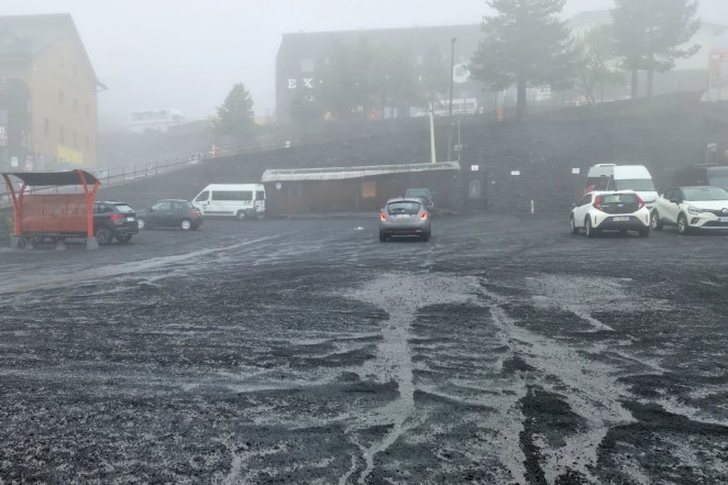
Flights from Catania airport in Sicily were grounded on Su...
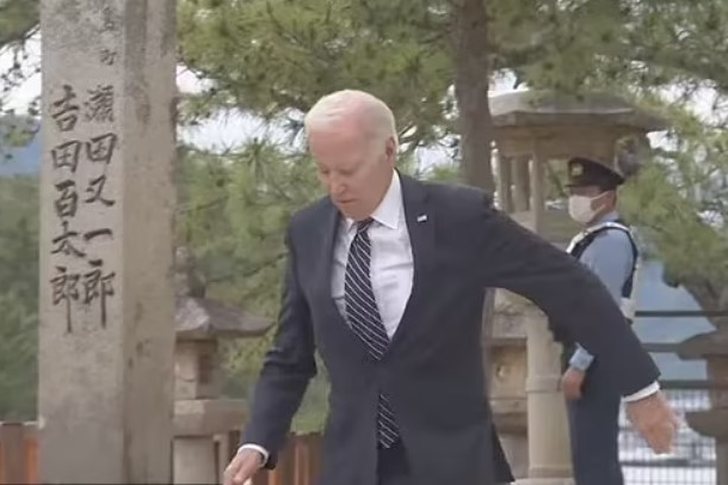
Presidenti Joe Biden duket se nuk iu ndahet incidenteve. G...
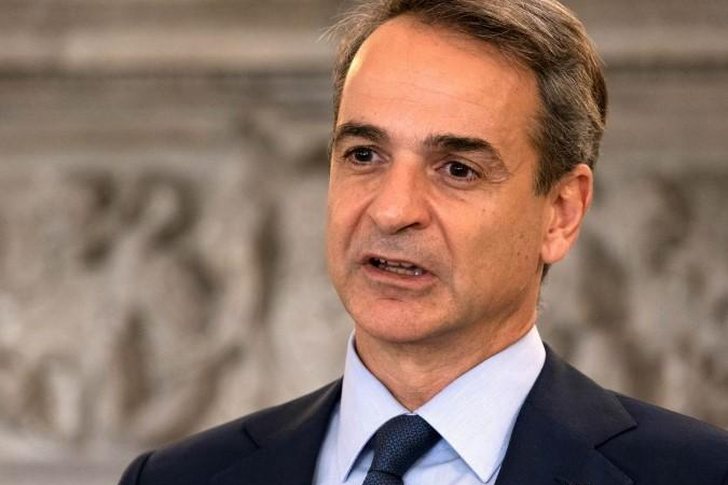
Greek Prime Minister Kyriakos Mitsotakis on Monday cal...
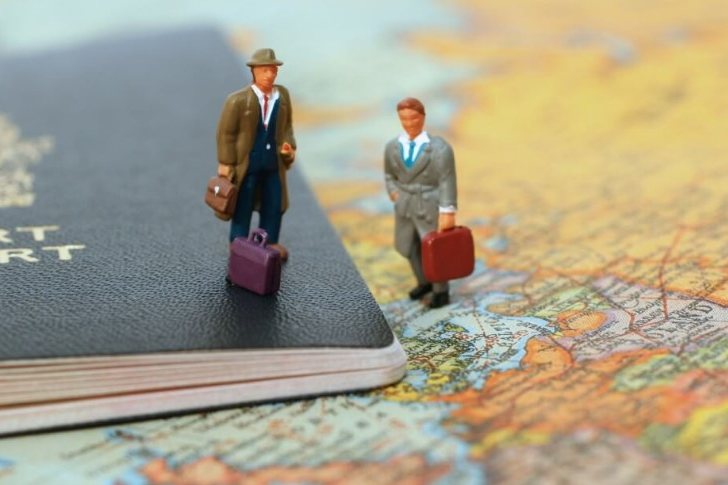
Swedish authorities have said that highly skilled work...
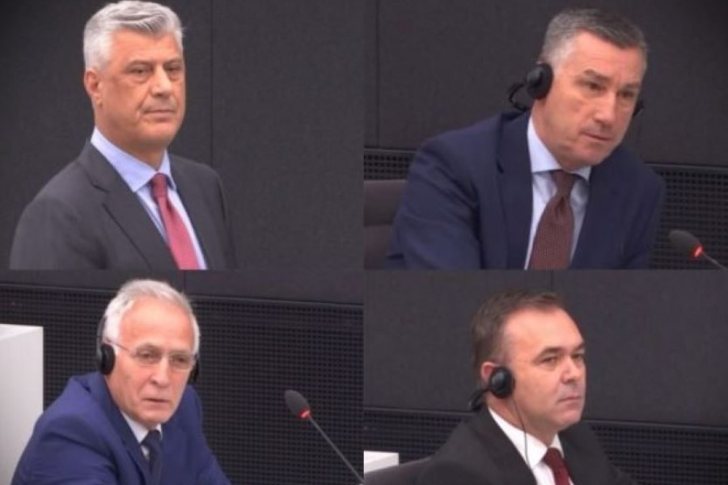
Inside the premises of the Special Court in The Hague, the...
A 39-year-old citizen has been arrested in Lezha, after se...

CNA has launched another investigation that could lead to ...

Irfan Hysenbelliu is a businessman that we call "Irfan the...

In March 2026, CNA launched another investigation centered...

The Special Board of Appeal (KPA) decided this Monday ...

The KPA vetting decided this Thursday to dismiss the p...

Suela Salavaçi, a prosecutor in the Prosecutor's Offic...

The Special Board of Appeal reinstated the prosecutor ...
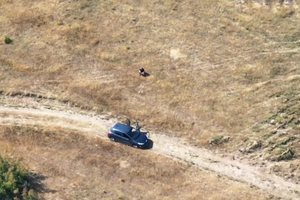
Police Announcement: Following preliminary information...
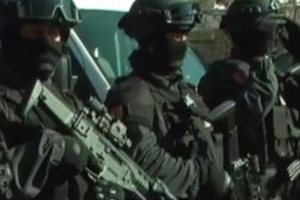
New details from the operation being carried out in Fier t...
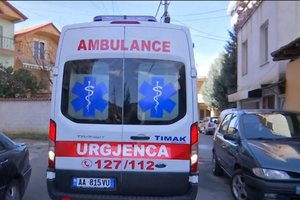
The 17-year-old, who was seriously injured yesterday after...
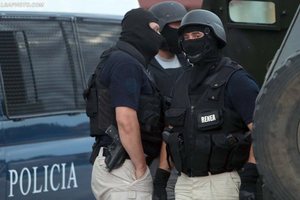
RENEA is headed towards Roskovec after the murder that occ...

By noon, cloudiness is expected to prevail in almost all o...

Children without parental care, for whom alternative famil...

On Thursday, our country will be under the influence of st...

A serious accident that occurred this Wednesday with the c...
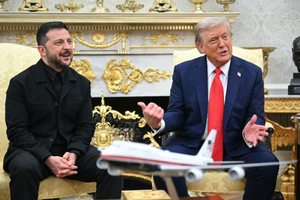
US President Donald Trump will host his Ukrainian counterp...
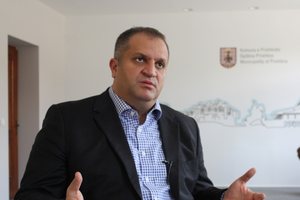
The Basic Court in Pristina found the former mayor of Pris...
The European Union Office in Kosovo has called on all poli...
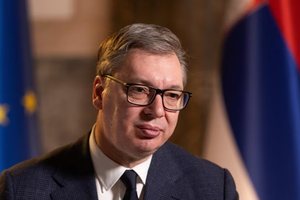
Serbian President Aleksandar Vučić, at a press conference ...

At a time when industrial products are increasingly taking...

Trust among people is not just a three-syllable word. It c...

Master of humor Todi Llupi has passed away at the age of 7...

The ninth edition of "MIK Festival" kicked off with one of...
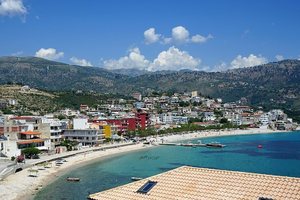
The number of active enterprises in Albania continued to g...
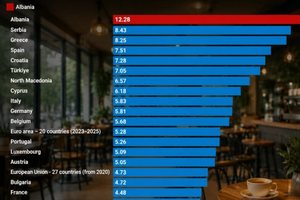
In Albania, the bar-cafe has long become an almost unique ...
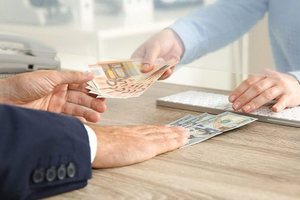
This Friday, one US dollar is bought for 81.7 lek and sold...
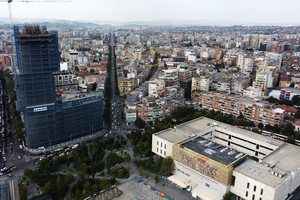
The average sale price of apartments in Tirana reaches rec...