

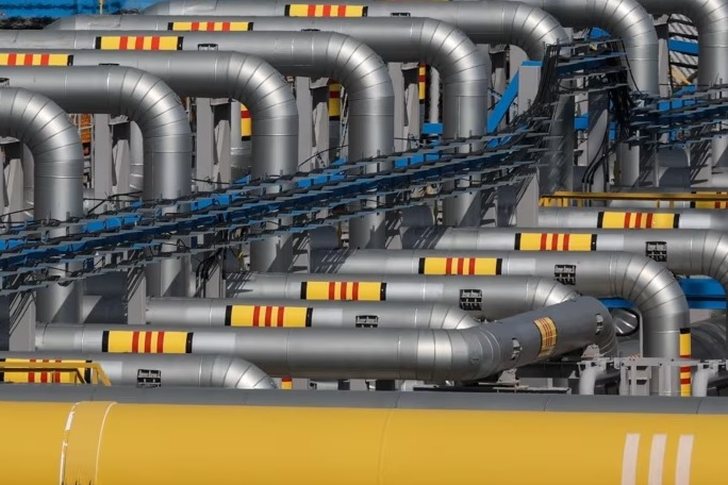
Czech Republic signs agreement/ Ends dependence on Russian oil
Czech state energy company Mero announced on May 23 that i...


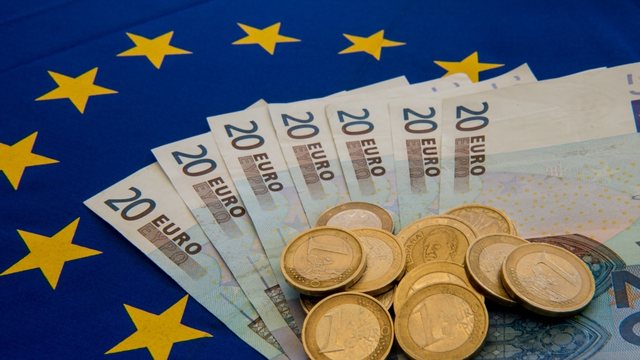
When Russia launched its aggression on Ukraine more than a year ago, the European Union launched swift procedures to punish Moscow, freezing Russian assets abroad. As war-torn Ukraine continues its battle against the Russian occupier, the question is what can be done with the frozen sums of money.
According to European Union officials, at least $24 billion of the private wealth of Russian oligarchs in the EU has been frozen since the start of the war.
The EU is currently looking to find legal ways to use these funds to help finance the reconstruction of Ukraine.
"The numbers are increasing. In some cases small drops may be seen because assets are unlocked if mistakes are made, or for other reasons. But in general we are seeing a steady increase since last year, when this operation started", Christian Wigand, spokesperson for the European Commission, tells VOA.
Individual countries such as Estonia are seeking to use their own laws to transfer frozen Russian assets to Ukraine.
The European Union has laws that allow the seizure of frozen assets of individuals and entities if a court determines they were obtained illegally, which usually requires a criminal sentence, although the bloc is trying to update the laws.
"The European Commission has presented a proposal to make it a criminal offense to avoid sanctions. In the future, if someone tries to circumvent sanctions, or move sums of money, perhaps by passing them on to relatives, this would be considered a criminal offense in the EU and would therefore enable the confiscation of such assets," says Christian Wigand, spokesman for European Commission.
But changing laws is a slow process. The proposal must be submitted to the European Commission and approved by the European Parliament and the European Council, which means that the law will probably not be approved until at least the autumn.
Another question is what to do with frozen Russian state assets. According to the EU, around two-thirds of the Russian Central Bank's $300 billion in reserves frozen in G7 countries, the EU and Australia are currently being held in the European Union.
In February, the Swedish prime minister said that in principle, it would be right to use these funds to help finance the reconstruction of Ukraine. Sweden holds the presidency of the EU Council until June.
But there are concerns that using the funds to rebuild Ukraine could set a dangerous precedent. The Voice of America spoke with Mrs. Olena Pavlenko, president of the Ukrainian institute "DiXi Group"
"At the international level, every country is afraid that the same thing can happen to its money. But there is a solution, the creation of a special court in the EU. The decision of the court, not for every country, but for this war, would offer the possibility of arguments, for governments to block Russian money".
While there is still no special court, the EU is considering ways to invest frozen Russian state funds to help Ukraine. A possible proposal is to transfer the acquired interests to Ukraine./ VOA

Czech state energy company Mero announced on May 23 that i...
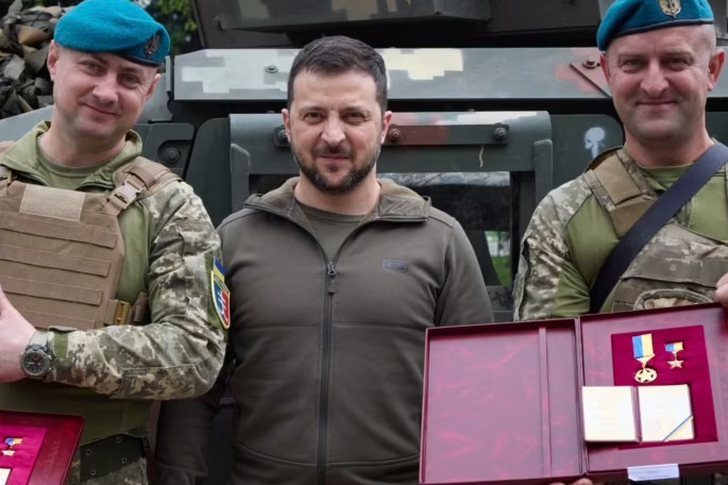
Ukrainian President Volodymyr Zelensky announced on Tuesda...
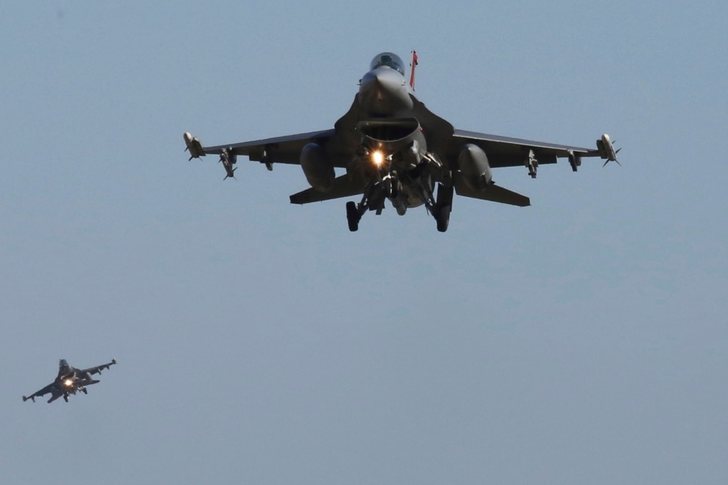
During the meeting of the defense ministers of the Europea...
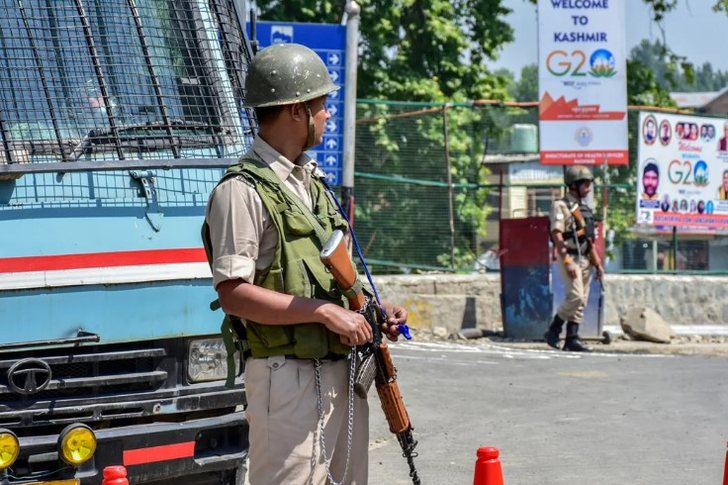
India has defended its decision to host a Group of 20 (G20...
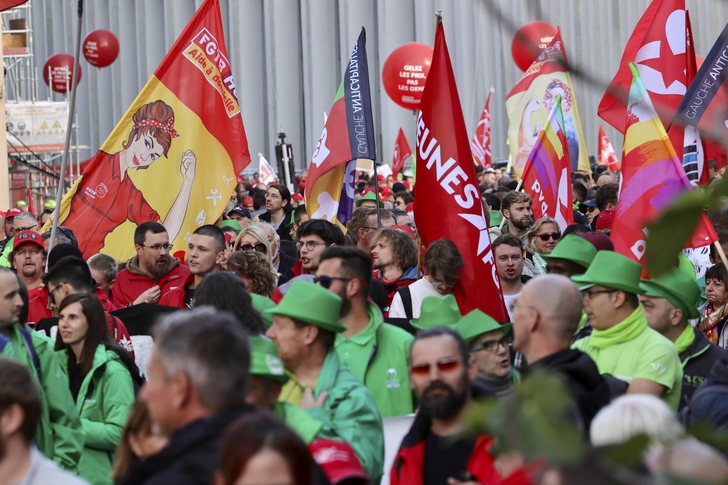
Në Belgjikë kanë shpërthyer protestat, pasi njerëzit po an...

Ministrat e Jashtëm të BE-së nuk kanë arritur të bien dako...
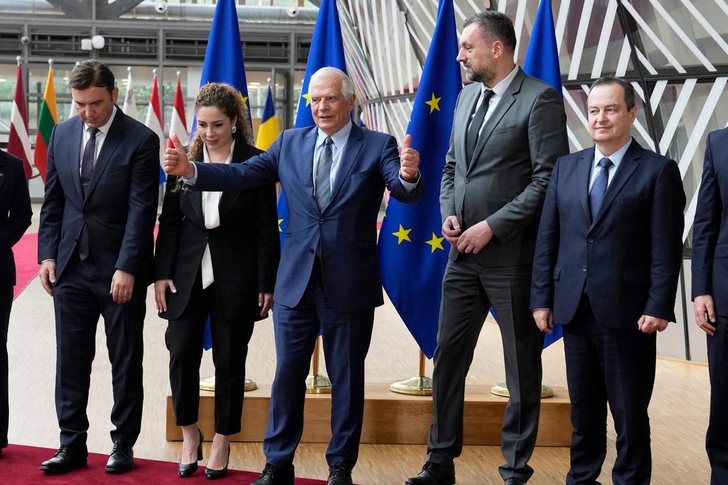
The EU will speed up the accession process for the six cou...
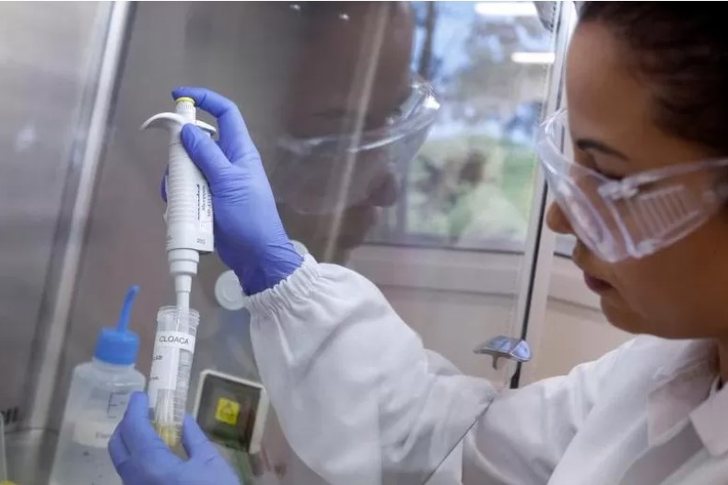
Brazili ka shpallur emergjencën gjashtëmujore pasi janë sh...
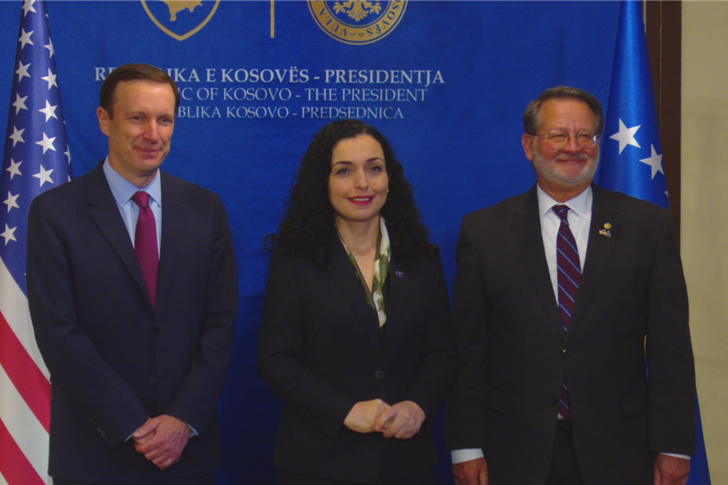
American Senator Chris Murphy said on Monday that it is im...
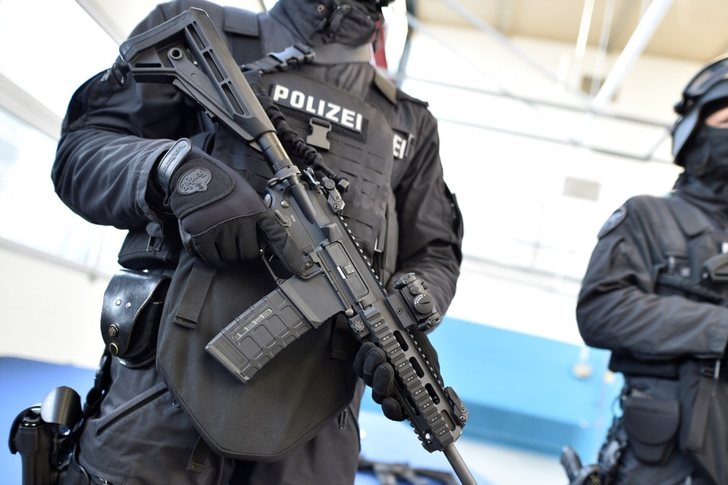
The head of Germany's intelligence agency warned on Monday...
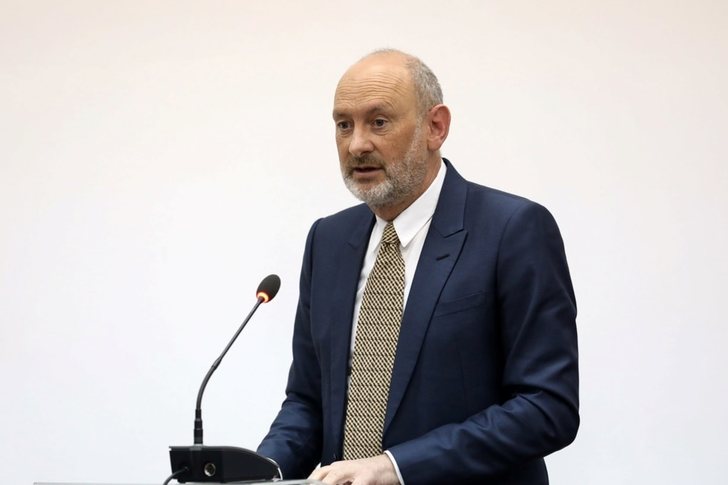
The Ambassador of the European Union in Skopje, David Geer...
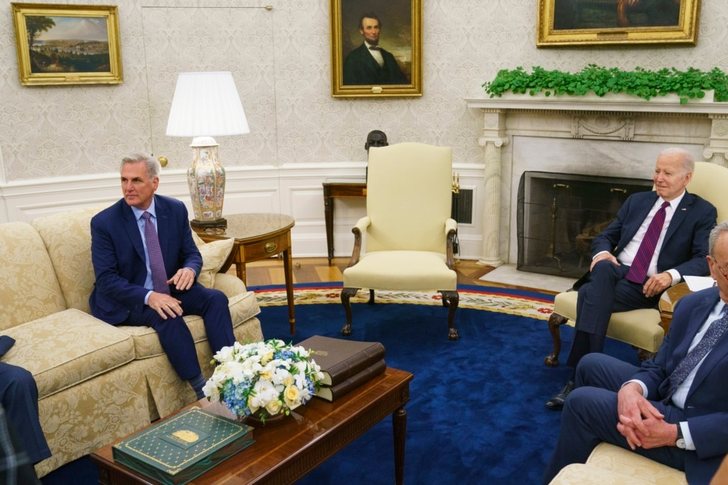
President Joe Biden and House Speaker Kevin McCarthy are e...
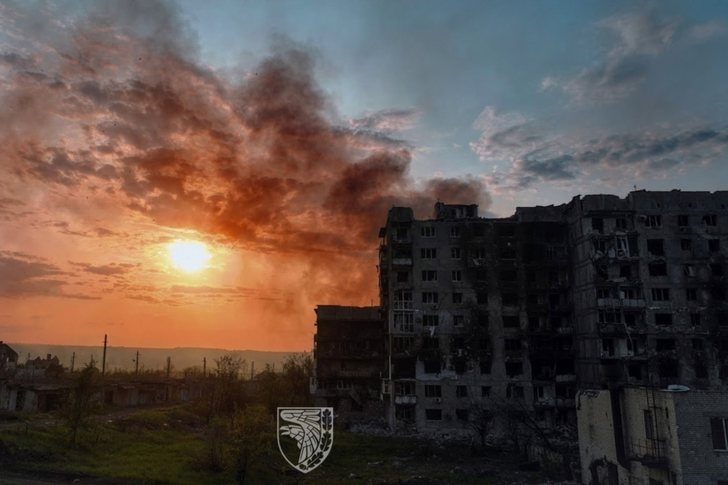
Russia claims to have taken control of the city of Bakhmut...
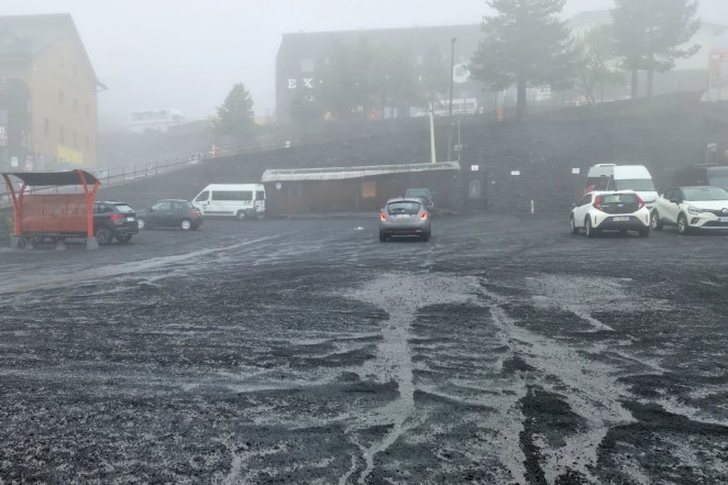
Flights from Catania airport in Sicily were grounded on Su...
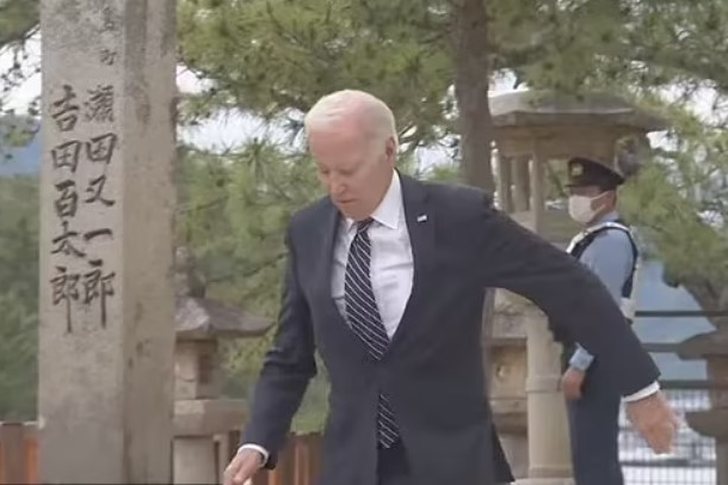
Presidenti Joe Biden duket se nuk iu ndahet incidenteve. G...
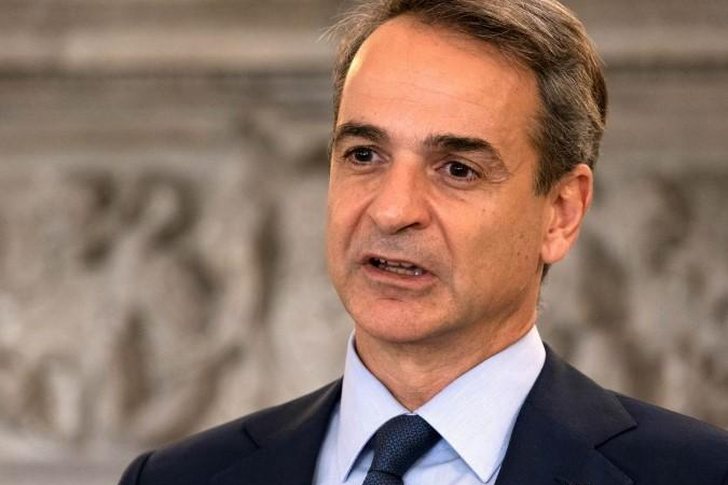
Greek Prime Minister Kyriakos Mitsotakis on Monday cal...
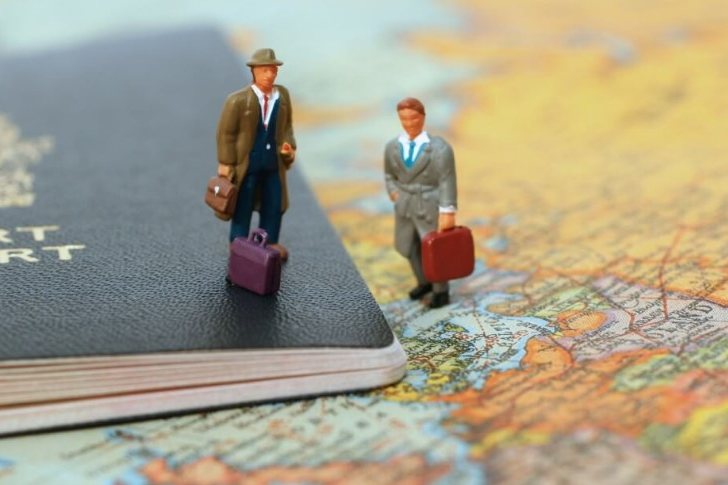
Swedish authorities have said that highly skilled work...
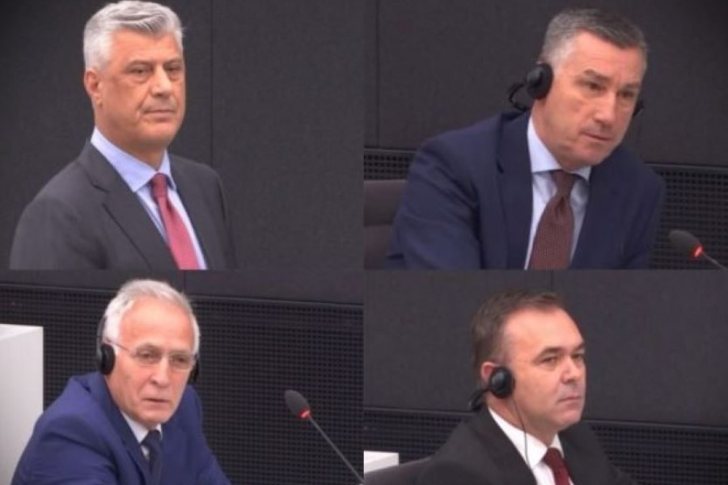
Inside the premises of the Special Court in The Hague, the...
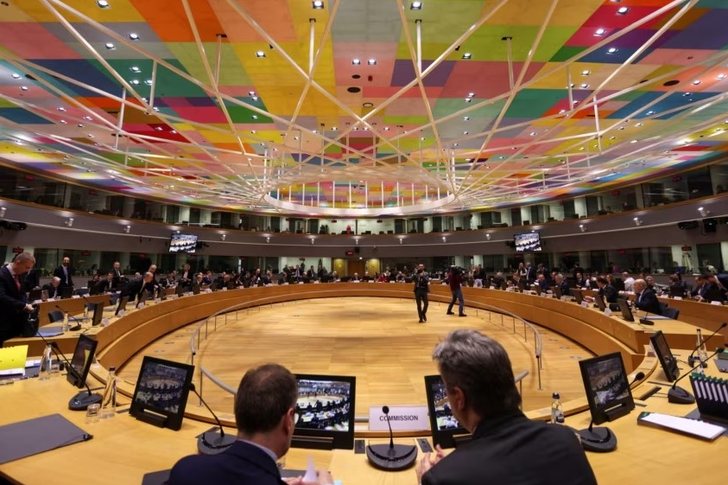
At today's meeting of the Council of Foreign Affairs of th...
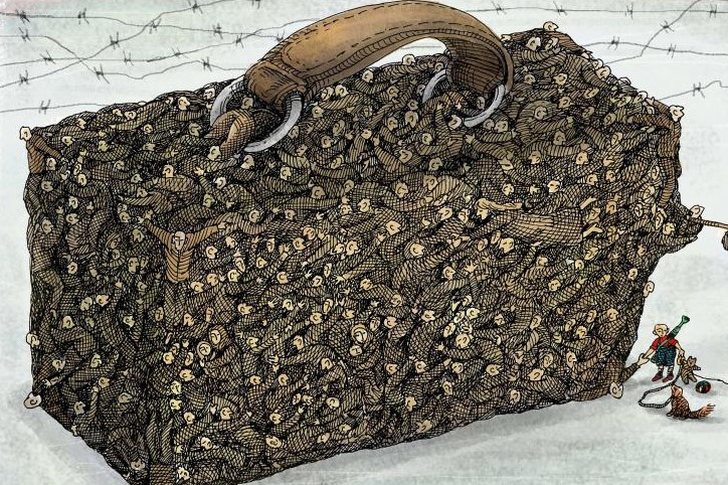
A few years ago, at the end of an interview about the ...
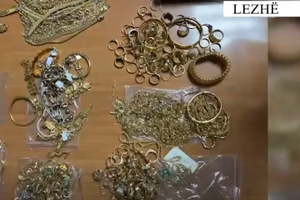
A 39-year-old citizen has been arrested in Lezha, after se...

CNA has launched another investigation that could lead to ...

Irfan Hysenbelliu is a businessman that we call "Irfan the...

In March 2026, CNA launched another investigation centered...

The Special Board of Appeal (KPA) decided this Monday ...

The KPA vetting decided this Thursday to dismiss the p...

Suela Salavaçi, a prosecutor in the Prosecutor's Offic...

The Special Board of Appeal reinstated the prosecutor ...

Police Announcement: Following preliminary information...

New details from the operation being carried out in Fier t...
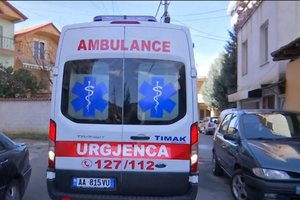
The 17-year-old, who was seriously injured yesterday after...
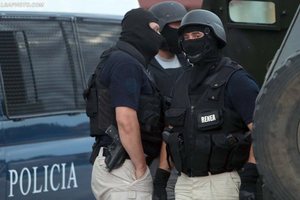
RENEA is headed towards Roskovec after the murder that occ...

By noon, cloudiness is expected to prevail in almost all o...

Children without parental care, for whom alternative famil...

On Thursday, our country will be under the influence of st...
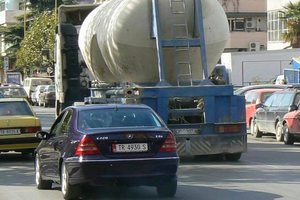
A serious accident that occurred this Wednesday with the c...
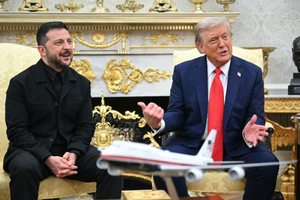
US President Donald Trump will host his Ukrainian counterp...
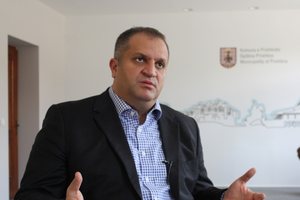
The Basic Court in Pristina found the former mayor of Pris...
The European Union Office in Kosovo has called on all poli...
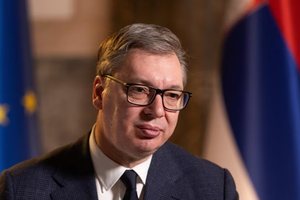
Serbian President Aleksandar Vučić, at a press conference ...

At a time when industrial products are increasingly taking...

Trust among people is not just a three-syllable word. It c...

Master of humor Todi Llupi has passed away at the age of 7...

The ninth edition of "MIK Festival" kicked off with one of...
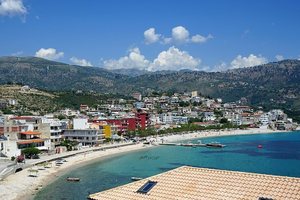
The number of active enterprises in Albania continued to g...
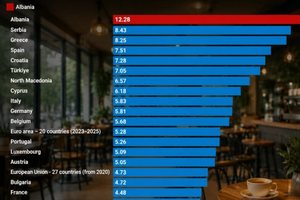
In Albania, the bar-cafe has long become an almost unique ...

This Friday, one US dollar is bought for 81.7 lek and sold...
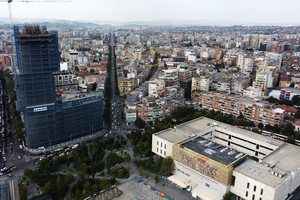
The average sale price of apartments in Tirana reaches rec...