


Crime in Roskovec/ 35-year-old perpetrator ends his life
Police Announcement: Following preliminary information...

Police Announcement: Following preliminary information...

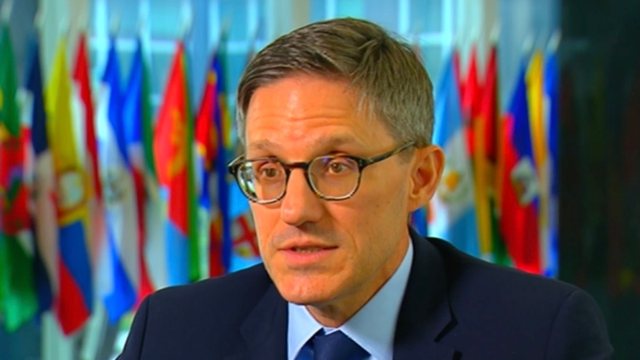
The United States will not accept the imposition of preconditions by the People's Republic of China as part of Washington's efforts to open communication lines with Beijing, State Department Counselor Derek Chollet told VOA in an interview.
Mr. Chollet said that so far there are not many signs that China is willing to use its influence on Russia to end the war in Ukraine.
The senior US official spoke on Tuesday with Voice of America State Department correspondent Nike Ching about China and Ukraine, ahead of the Conference of United States Diplomatic Representatives Around the World, which is expected to be held in mid-June, where ambassadors Americans to return for meetings in Washington.
The following interview has been edited for brevity and clarity.
VOA: What can you tell us about the spring counteroffensive of Ukrainian forces?
Derek Chollet: Together with 50 other coalition allies, we have supplied Ukraine with the tools it needs to defend itself and regain control of the territory. It is up to the Ukrainians to talk about the timing of the counteroffensive and their goals.
VOA: Which countries have shown readiness, or promised to supply Ukraine with F16 fighter jets? And how many are intended to be?
Derek Chollet: We are currently considering these elements. Our colleagues at the Pentagon are working closely with the defense ministries of European countries and elsewhere to discuss the plan for the supply of the F16. First, work should start with training, because using these planes is not very easy. Weeks of training are required. We are still trying to identify which countries are willing to supply such aircraft. We ourselves have not yet made a decision.
I don't think this system will be of particular importance, due to the timelines, the expected counteroffensive. However, when we think about the needs of Ukraine in the future, in its needs for the prevention of attacks and its defense, these aircraft will have a critical weight for the modern Ukrainian military.
VOA: Can you tell us about Ukraine's diplomatic efforts to challenge Russia's influence in the global south? Because, the Foreign Minister of Ukraine, Dmytro Kuleba is expected to start a series of visits to Africa.
Derek Chollet: Foreign Minister Kuleba and President Zelenskyy and the entire leadership of Ukraine have been determined to bring to the attention of the world, in every corner of the globe, what is happening in their country. No one better than Ukraine's leaders can make known to the world with convincing facts and evidence what is happening in Ukraine, and we strongly support their efforts. I know that President Zelenskyy marked a successful visit to Jeddah and the Arab League high-level meeting. I also know that he is engaging with partners in the Middle East.
VOA: According to media reports, Chinese special envoy Li Hui will visit the European Union in Brussels before traveling to Russia. How do you rate China's peace efforts? Is China trustworthy?
Derek Chollet: It is a good thing that the Chinese authorities are talking with the Ukrainian authorities and that the special envoy visited Ukraine. To be honest, my expectations for these efforts are low. What I mean is that it would be more helpful for China to make the facts known to Putin and convince him to stop the war. It is important to note that the war would end tomorrow if Vladimir Putin decided to withdraw his troops from Ukraine. I see no sign that Putin is considering doing so anytime soon.
VOA: To clarify, does the United States see the People's Republic of China as a mediator with Putin or not?
Derek Chollet: Obviously, they have a close relationship with Russia. President Xi Jinping and President Putin have met several times, and before this war, they issued a very long joint communique talking about a borderless relationship and partnership. What we will ask our friends in the People's Republic of China is to use whatever influence they have over Russia to get Putin to stop this war.
I haven't seen much effort to suggest they are willing to use that influence. And I haven't seen much to suggest that even if they were willing to use leverage, it would work to change Putin's mind. But that's the simple thing we're looking for.
VOA: Moving on to US-China relations: Was national security adviser Jake Sullivan's recent meeting with top Chinese diplomat Wang Yi bad news for Russia?
Derek Chollet: I don't want to say whether it's bad news or good news for Russia. It was a business meeting between our national security adviser and Mr. Wang Yi to talk about US-China relations and to talk openly on our part about some of the challenges that we see emanating from the RPK, some of the core disagreements that we have with them . But also, more importantly, to talk about the areas of dialogue and cooperation that we continue to hope to achieve with China.
We, again, have some fundamental disagreements with the RPK, and we will stay true to our principles, values ??and interests. But at the same time, we think it's important to have a dialogue with China to talk about how to manage these differences, how to put this relationship on the right track.
VOA: Will officials Sullivan and Wang meet regularly, for example every three months?
Derek Chollet: No, there is no decision on a regular meeting. Secretary Blinken was just hours away from leaving for Beijing a few months ago when the Chinese irresponsibly and unacceptable flew an observation balloon over the United States. So this is a dialogue that we very much hope to be able to resume at some point. But there are no plans for that yet. What is important is that we are ready to have dialogue, and we are arguing this fact with China.
VOA: Can you tell us about US Ambassador to China Nicholas Burns' meetings at the Heads of Mission Conference in Washington next month?
Derek Chollet: Nick Burns is one of our most accomplished diplomats in modern US history. We have a lot of confidence in his judgment and are enthusiastic that he took on this difficult task of returning to service and being in Beijing. He's had several meetings in Beijing just in the last week to help talk about ways we're going to try to get that relationship back on track. So we'll be looking forward to his first-hand impressions of how this effort is going.
VOA: Chinese officials have said it is necessary to stabilize relations with the United States. But at the same time, they also demand that the US stop strengthening ties with Taiwan, stop imposing restrictions on trade, on technology. Are these prerequisites?
Derek Chollet: Of course we wouldn't accept any of that. Let China speak for itself on what conditions it sets for any kind of dialogue with us. We are very clear that we will not diminish our commitment to our allies and partners in the Indo-Pacific or anywhere. We will continue to protect our interests and stay true to our values. By doing this, there is room to have a dialogue with China or anyone else./ VOA

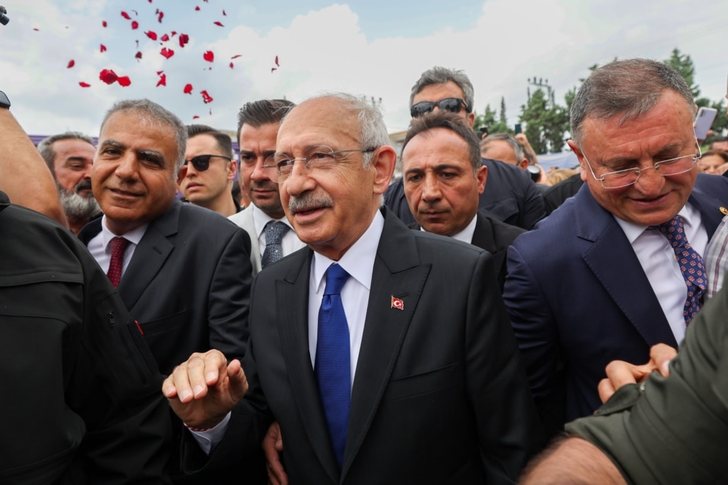
As Turkey prepares for a May 28 presidential runoff, o...
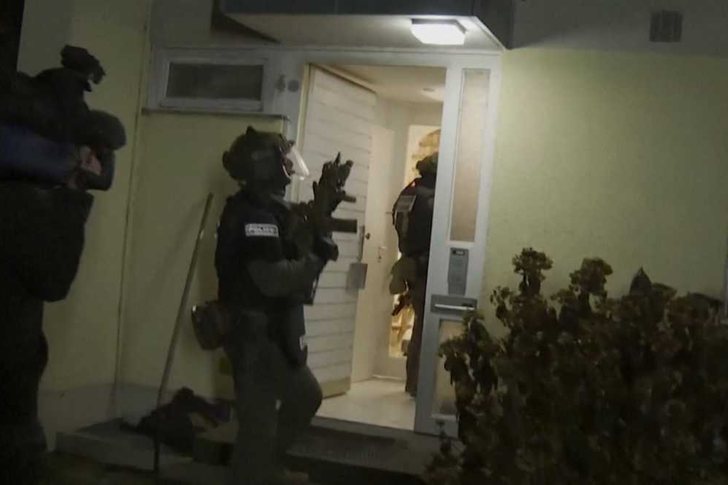
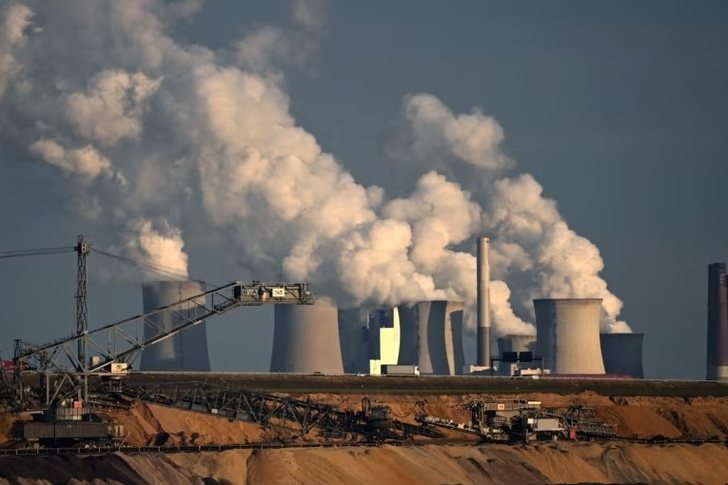
Thanks to an investigation into climate activists, the Ger...
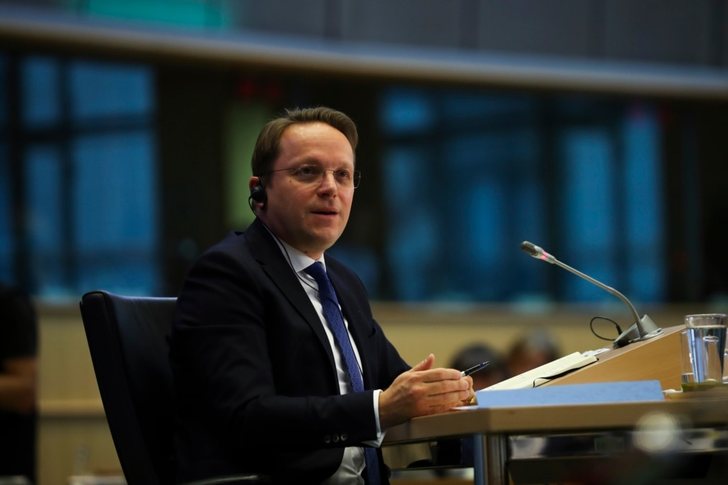
The Commissioner of the European Union for Enlargem...
The latest directives of the European Commission again...
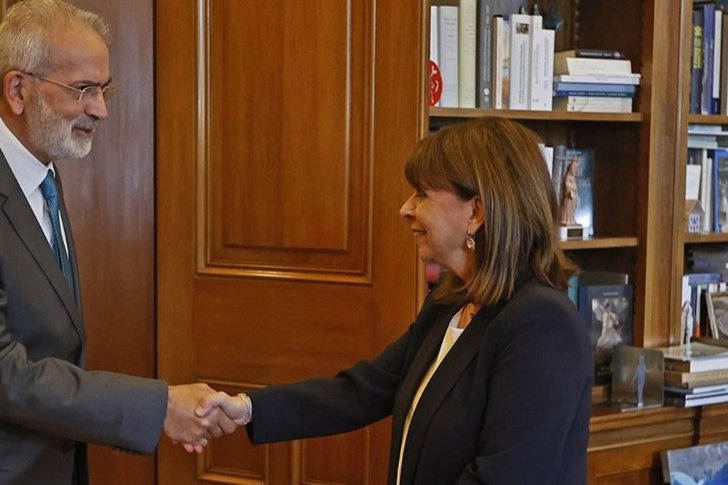
Greece is heading for early elections after former Prime M...
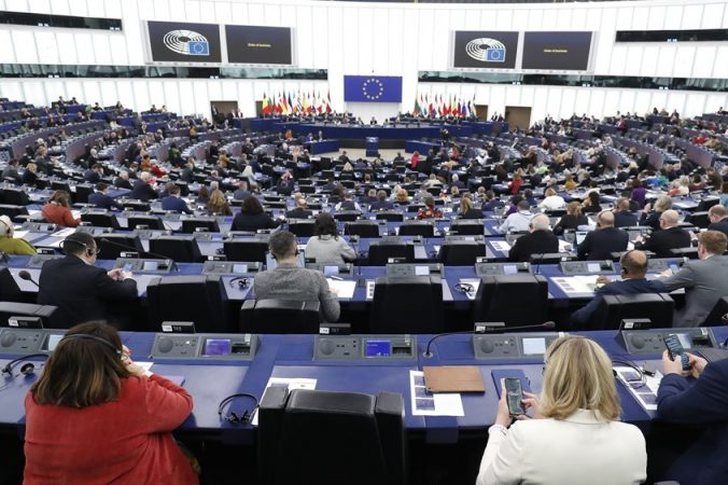
Recently, the European Parliament has undertaken an initia...
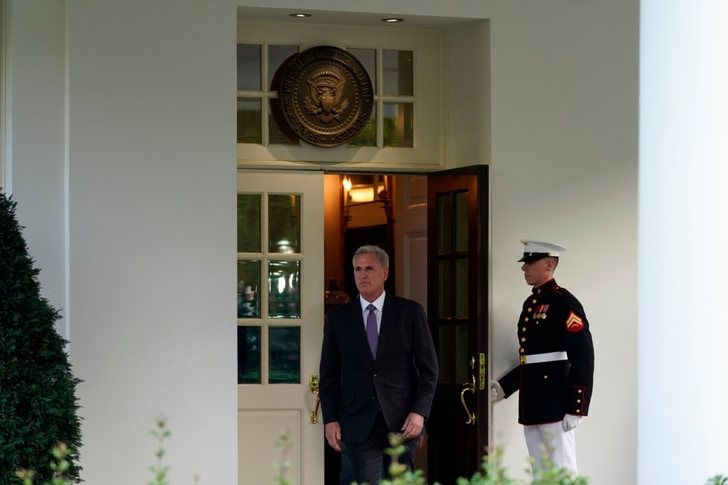
Debt ceiling negotiations have been stalled by a classic p...
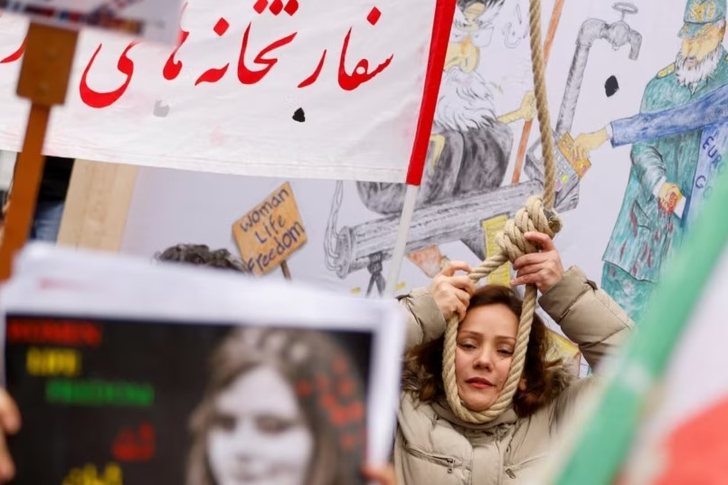
A group of women imprisoned for political reasons held in ...
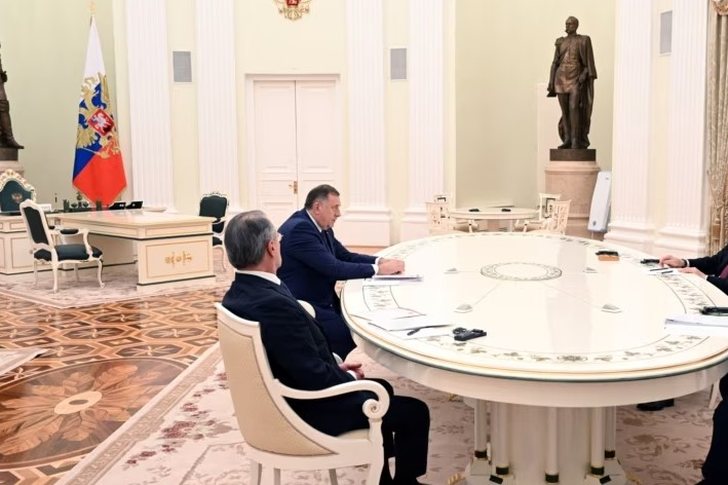
The US Department of State, commenting on the meeting betw...
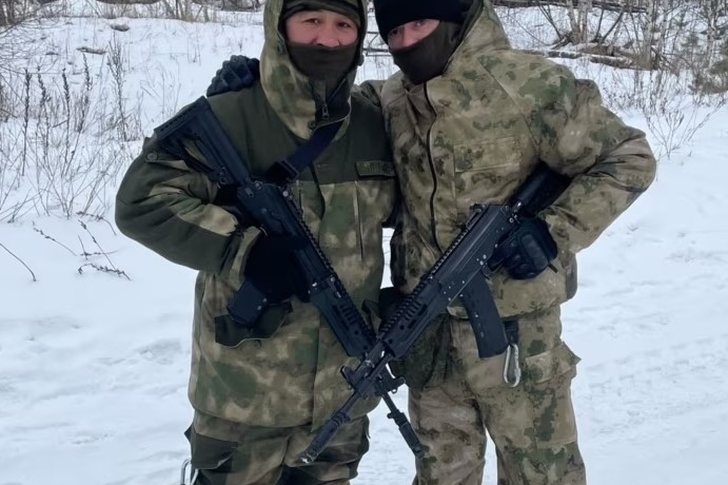
Never one to mince words, Yevgeny Prigozhin, the founder o...
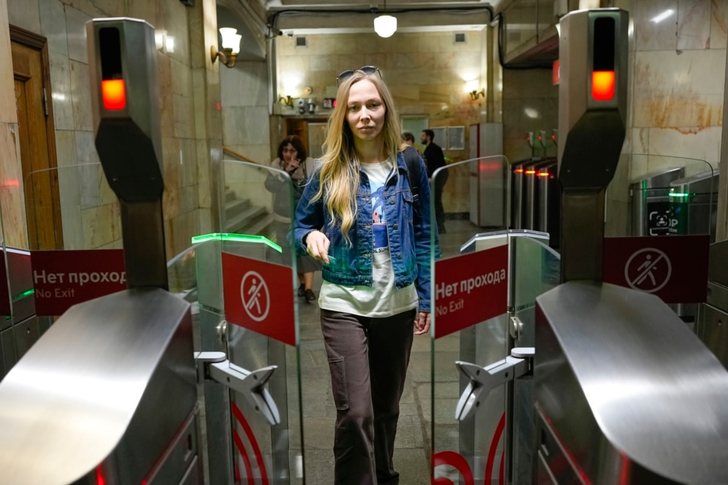
Journalist and activist Yekaterina Maksimova avoids the Mo...
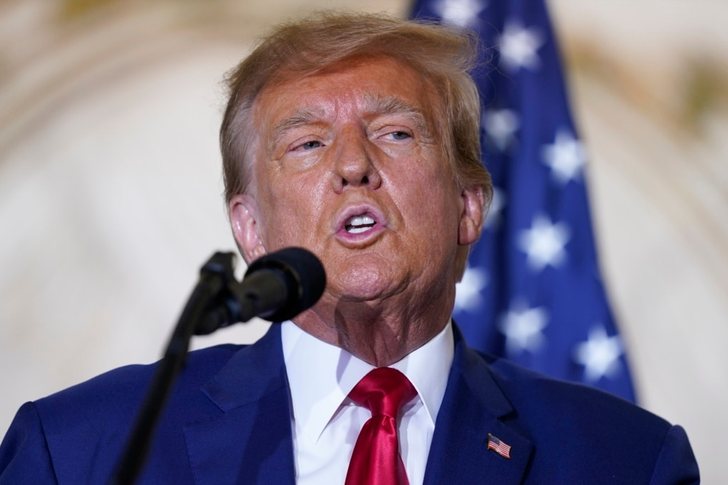
A judge on Tuesday set March 25, 2024, as the tentativ...
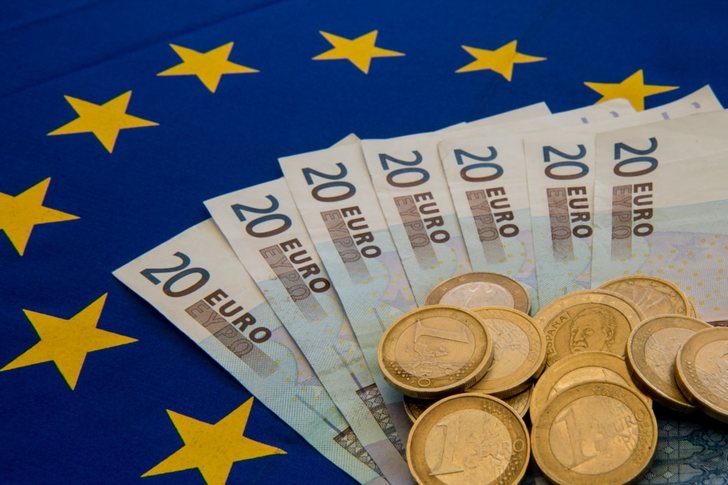
When Russia launched its aggression on Ukraine more th...
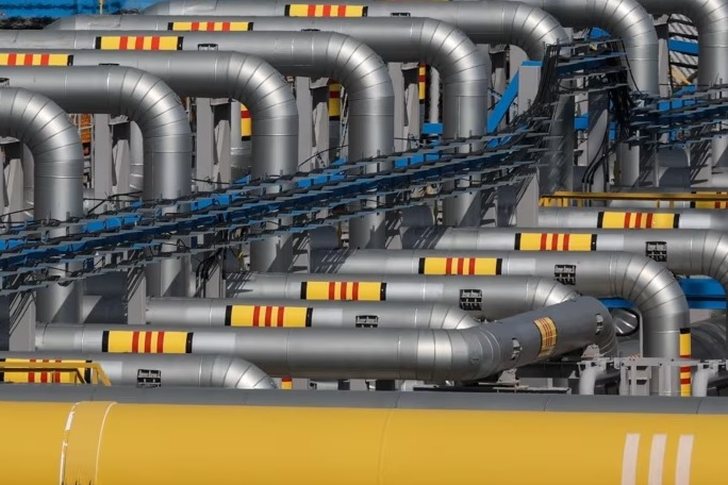
Czech state energy company Mero announced on May 23 that i...
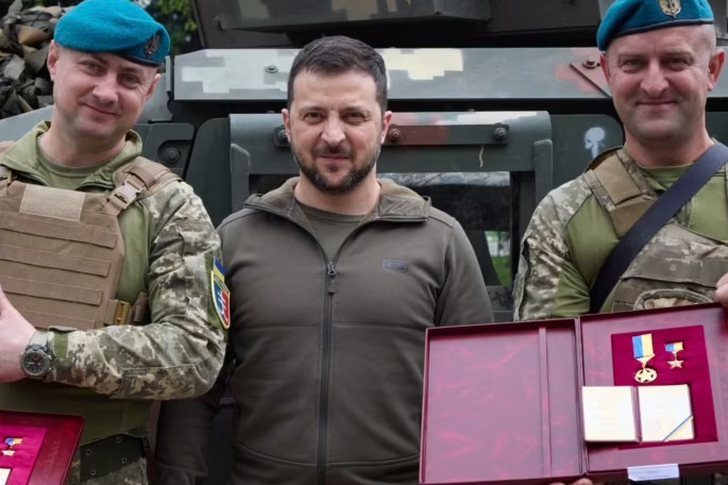
Ukrainian President Volodymyr Zelensky announced on Tuesda...
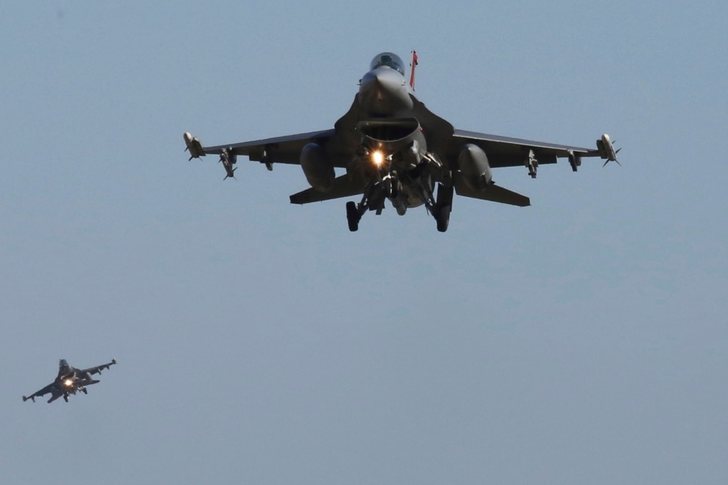
During the meeting of the defense ministers of the Europea...
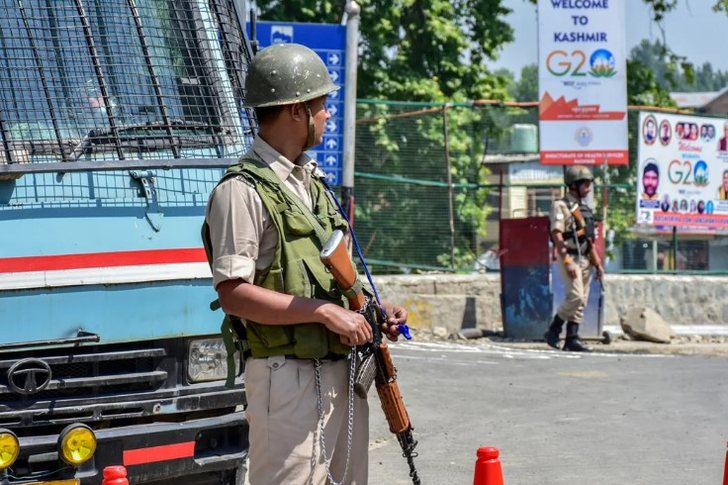
India has defended its decision to host a Group of 20 (G20...

Në Belgjikë kanë shpërthyer protestat, pasi njerëzit po an...
Ministrat e Jashtëm të BE-së nuk kanë arritur të bien dako...
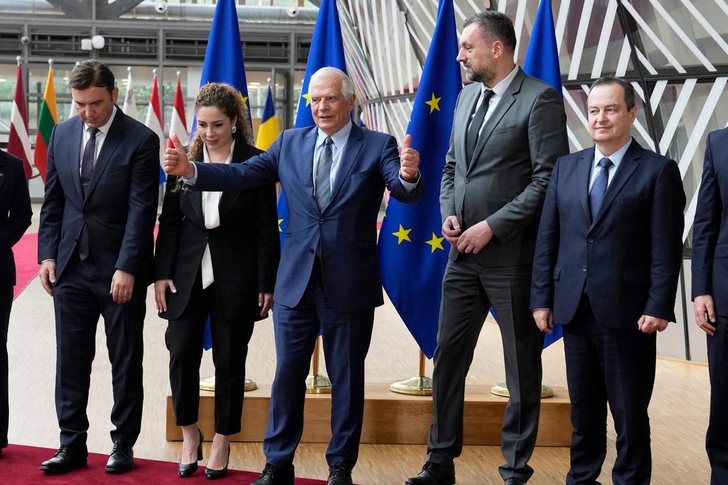
The EU will speed up the accession process for the six cou...
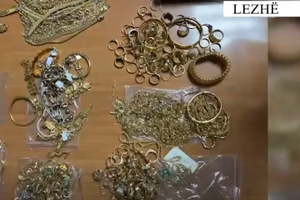
A 39-year-old citizen has been arrested in Lezha, after se...

CNA has launched another investigation that could lead to ...

Irfan Hysenbelliu is a businessman that we call "Irfan the...

In March 2026, CNA launched another investigation centered...

The Special Board of Appeal (KPA) decided this Monday ...

The KPA vetting decided this Thursday to dismiss the p...

Suela Salavaçi, a prosecutor in the Prosecutor's Offic...

The Special Board of Appeal reinstated the prosecutor ...
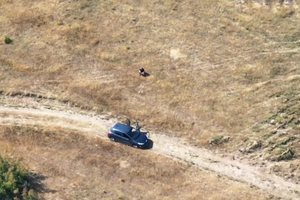
Police Announcement: Following preliminary information...

New details from the operation being carried out in Fier t...

The 17-year-old, who was seriously injured yesterday after...

RENEA is headed towards Roskovec after the murder that occ...

By noon, cloudiness is expected to prevail in almost all o...

Children without parental care, for whom alternative famil...

On Thursday, our country will be under the influence of st...

A serious accident that occurred this Wednesday with the c...
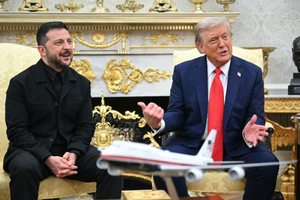
US President Donald Trump will host his Ukrainian counterp...
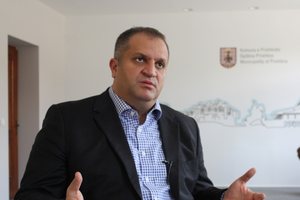
The Basic Court in Pristina found the former mayor of Pris...
The European Union Office in Kosovo has called on all poli...
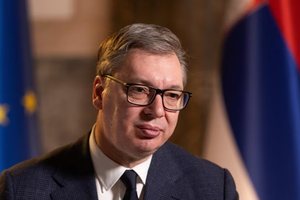
Serbian President Aleksandar Vučić, at a press conference ...

At a time when industrial products are increasingly taking...

Trust among people is not just a three-syllable word. It c...

Master of humor Todi Llupi has passed away at the age of 7...

The ninth edition of "MIK Festival" kicked off with one of...

The number of active enterprises in Albania continued to g...
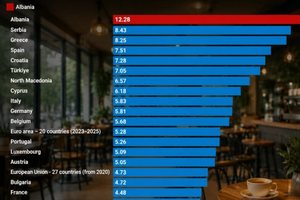
In Albania, the bar-cafe has long become an almost unique ...

This Friday, one US dollar is bought for 81.7 lek and sold...

The average sale price of apartments in Tirana reaches rec...