

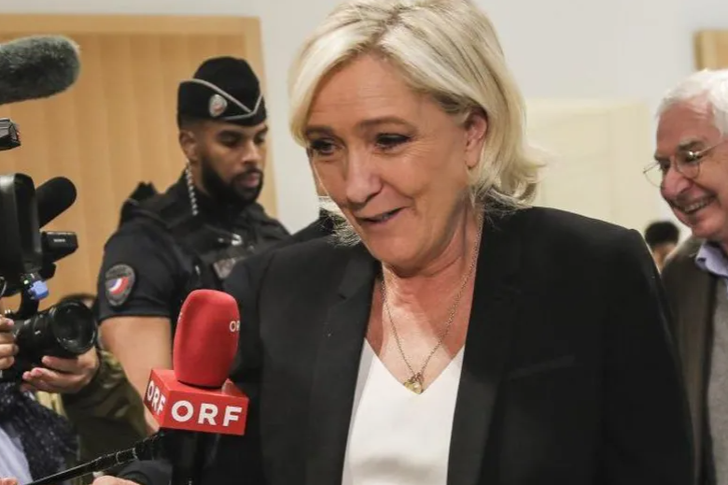
Marine Le Pen on trial for misuse of EU funds
French politician Marine Le Pen has reacted against ac...


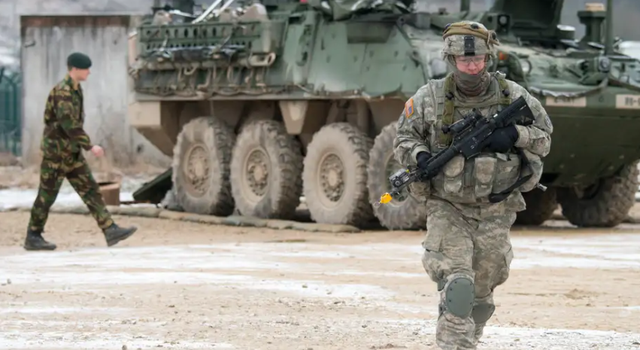
A government decision that is far-reaching in some respects in Germany, such as the deployment of new US medium-range missiles and other weapons, has caused great debate. Left-wing Bundestag member Dietmar Bartsch calls it "monstrous", the way the decision was made and communicated. His parliamentary group in the Bundestag wants the agreement between Germany and the US to be scrapped. This is unlikely to happen, but since SPD chancellor Olaf Scholz announced their stationing on the sidelines of the NATO summit in Washington in mid-July, a debate about security began with various fears and concerns. Contrary to what Scholz claimed at the time, the decision came as a surprise even to many observers. Also because it was not even discussed within NATO.
Opinions divided within the Germans
In the current ARD trend in Germany by dimap infratest, 45 percent of respondents are against the stationing of American weapons and only 40 percent are in favor. In East Germany, where weapons are not allowed to be deployed because of the Two Plus Four Treaty, rejection is higher, up to 57 percent. Polls from other institutes have presented a similar picture since July. Scholz had referred to Russian weaponry since the start of the attack on Ukraine and said Germany needed to "secure its threat capability".
German Defense Minister Boris Pistorius also spoke of a "serious capability gap" that needed to be closed. The three weapons systems to be deployed in 2026 could reach Russia. Some of them can be equipped with nuclear weapons, but they should only be used conventionally. The chancellor has so far refrained from making a government statement or anything similar.
Meanwhile, criticism of the stationing plans is also heard in the chancellor's party, the SPD. The head of the parliamentary group Rolf Mützenich warns of the danger of unintended military escalation. Brandenburg Prime Minister Dietmar Woidke is calling for a wider discussion. And left-wing SPD MP Ralf Stegner spoke out against the missile plans at a larger anti-war demonstration in Berlin on October 3. The same request was also represented by the leader of the new left Alliance, Sahra Wagenknecht and the left MP Gesine Lötzsch.
"Disastrously communicated"
Protest researcher Alexander Leistner of the University of Leipzig who researches the pacifist movement says the decision to station US weapons was "disastrously communicated". Since then, the discussion has not progressed properly. Certain aspects are often missed, such as, unlike in the 1980s, when NATO's controversial double decision was made, the weapons in question now are not nuclear weapons. This is where different "perspectives of interpretation" collide. "Some see Russia as a threat to Europe, others see a proxy war in Ukraine that threatens to escalate as a result of the deployment," Leistner said. Between the two positions there is a lot of widespread fear.
Some would now try to "escalate everything into a matter of war or peace." At the same time, Leistner points out, peace policy expertise has taken second place in front of security policy expertise. Even the protests so far are still far from the mobilizations against NATO's double decision or against the war in Iraq in 2003. At that time, several hundred thousand people demonstrated in Bonn and Berlin. Leistner believes the missile issue will come to the fore by the time of the federal election, and at least left-wing politician Sahra Wagenknecht will use it.
Wagenknecht's alliance has so far pursued a dual strategy. At the federal level, this left-wing party calls for a referendum. In Saxony, Thuringia and Brandenburg it is making the rejection of stationing plans a condition for possible coalitions. The rockets pose a "massive danger to the population," Bundestag member Sevim Dagdelen said. What speaks for and against stationing
Proponents of stationing criticize that in the ongoing debate half-truths are being used for debate. Democracy and the rule of law should definitely be "protected", says SPD MP Falko Droßmann. The coalition partner FDP also made a similar statement. The deployment of the US weapons is largely seen as a response to Russian short-range missiles that have been stationed in the Russian enclave of Kaliningrad since 2018. From there, nuclear-tipped systems can reach almost all of Poland, parts of the Baltic Sea and Germany. The most critical is former colonel Wolfgang Richter. The security expert questioned the planned deployment of US weapons early on and stressed that Germany would be "singularized" by the one-sided deal with the US, as other European partners do not share the risks of the deployment. Richter also suspects there is a military capability gap. NATO can attack targets in Russia today. However, the new missiles would significantly reduce the warning time. This would change "the strategic balance between the US and Russia". In other words, it threatens instability, according to Richter.
Thus the German federal government's decision in favor of stationing the missiles affects a population that is clearly committed to the NATO alliance in the polls. But at the same time, the fear of war is growing./ DW

French politician Marine Le Pen has reacted against ac...
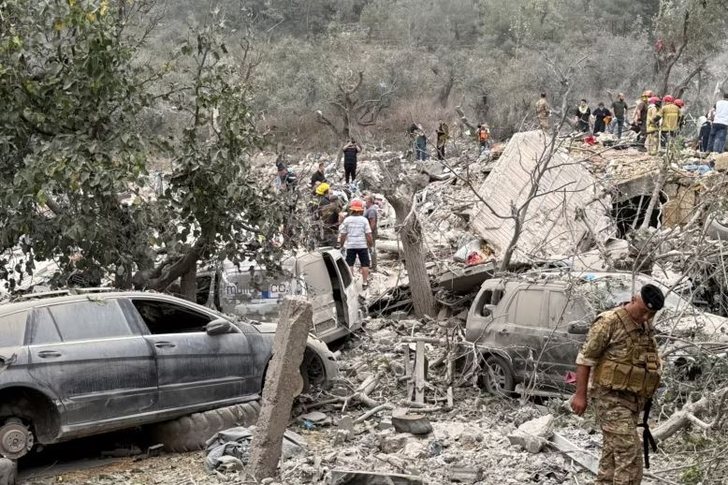
An Israeli airstrike hit a residential building in norther...

A Moscow court on Monday sentenced French researcher L...
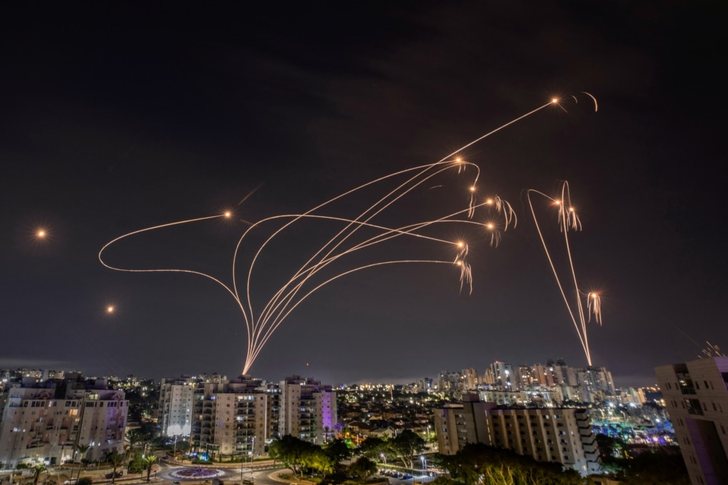
Since the start of the war with Hamas a year ago, Israel c...
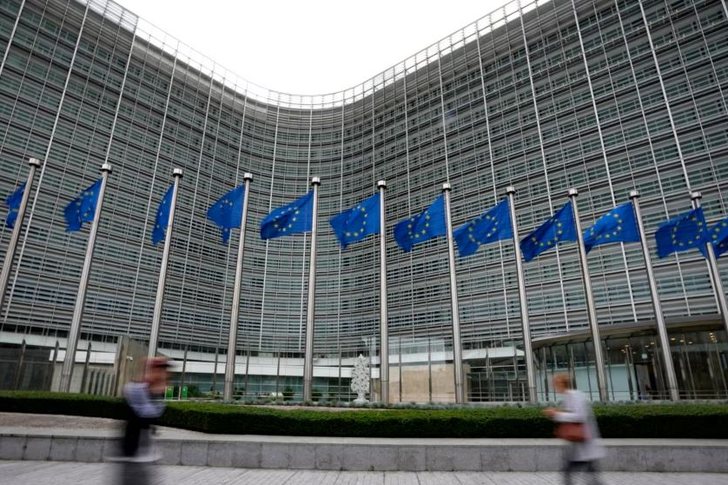
The European Union imposed sanctions on Iran's deputy defe...
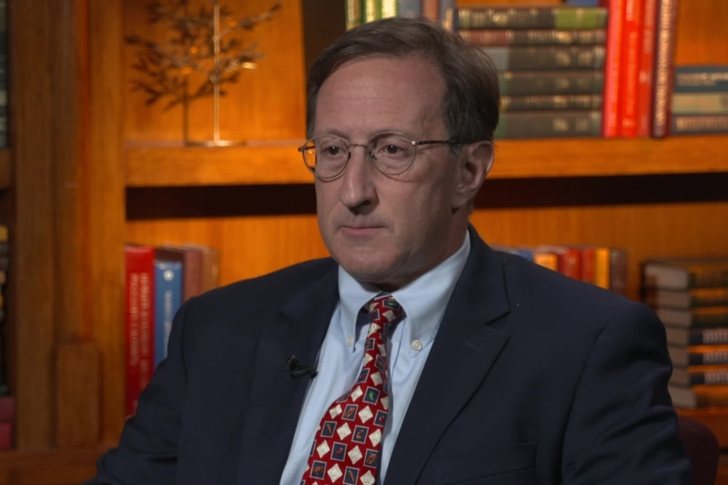
The Group for International Public Policy and Law in W...

The Nobel Prize in Economics has been awarded to three...
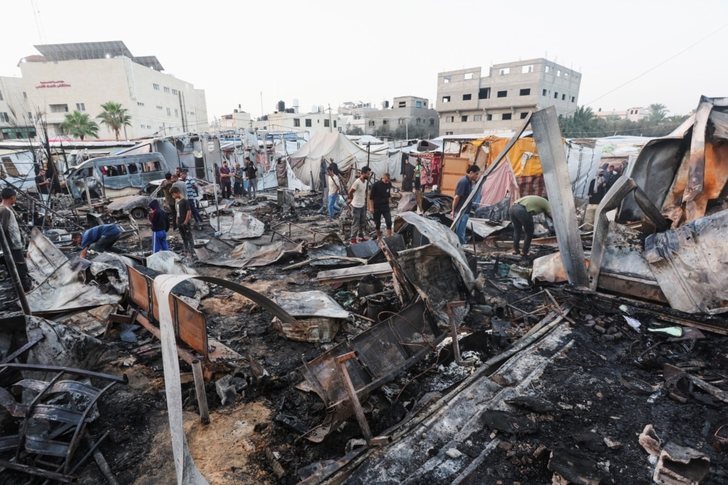
At least 10 people were killed and 40 wounded in northern ...
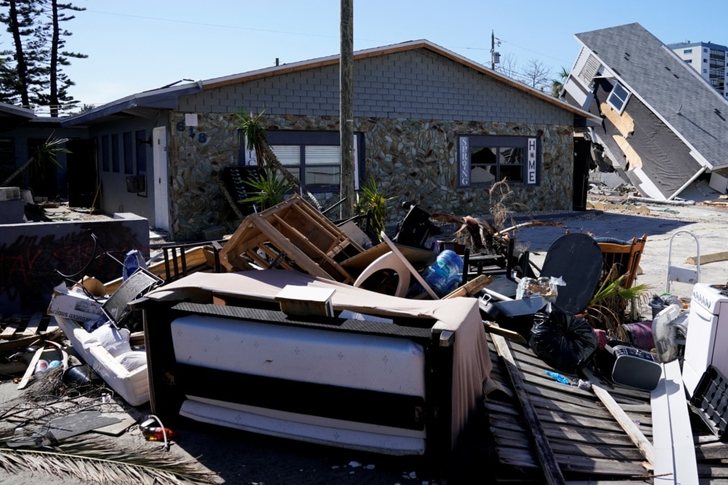
Over the weekend, President Joe Biden visited areas affect...
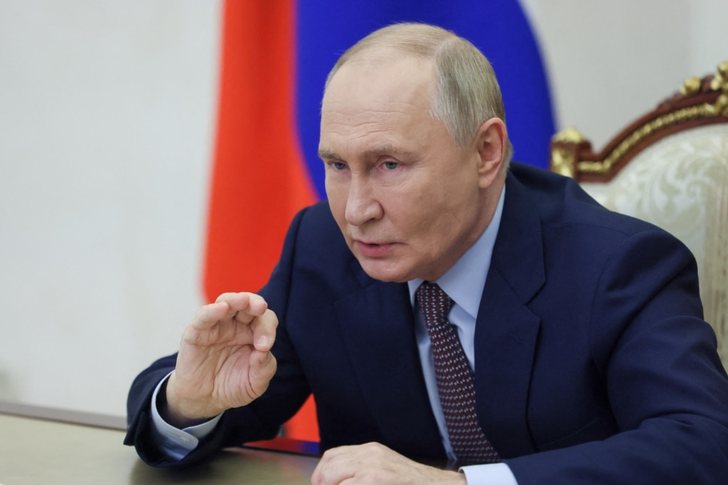
Ukraine's chief prosecutor said Monday that he has inf...
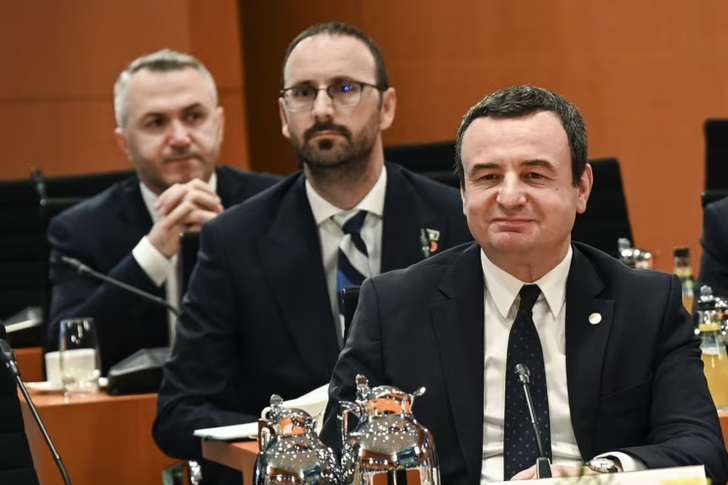
The Prime Minister of Kosovo, Albin Kurti, said that, star...
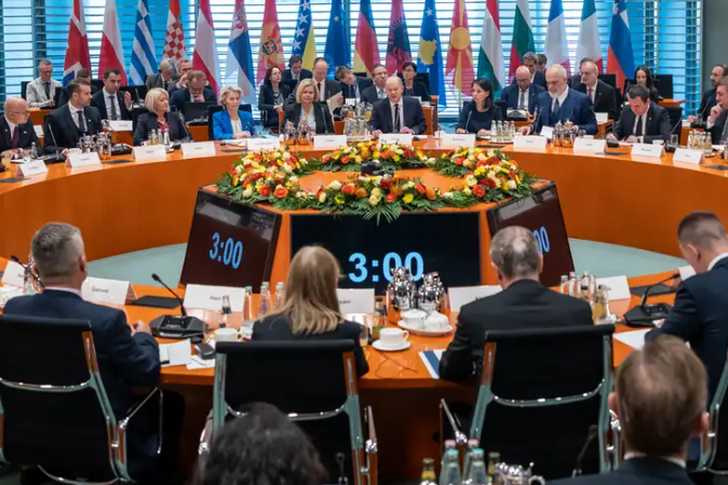
At the Berlin Process Summit, Chancellor Olaf Scholz congr...
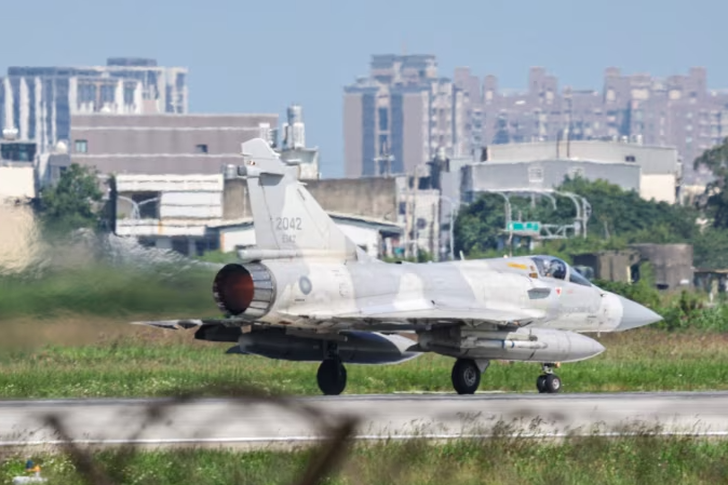
China has deployed warplanes and warships to surround Taiw...
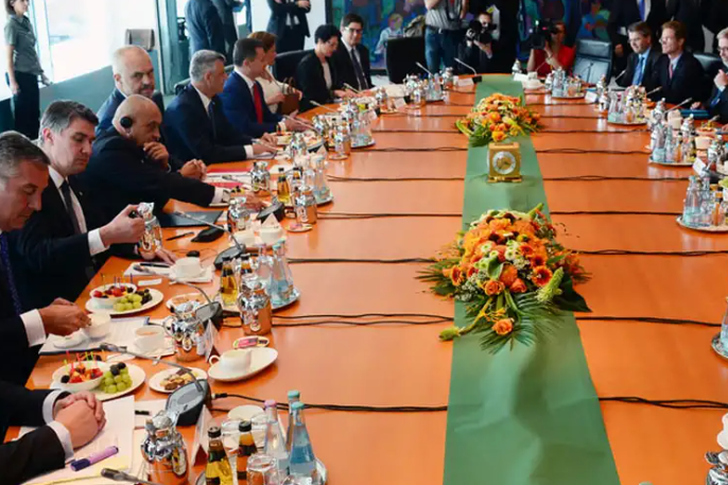
The Berlin process was created to accompany the journey of...
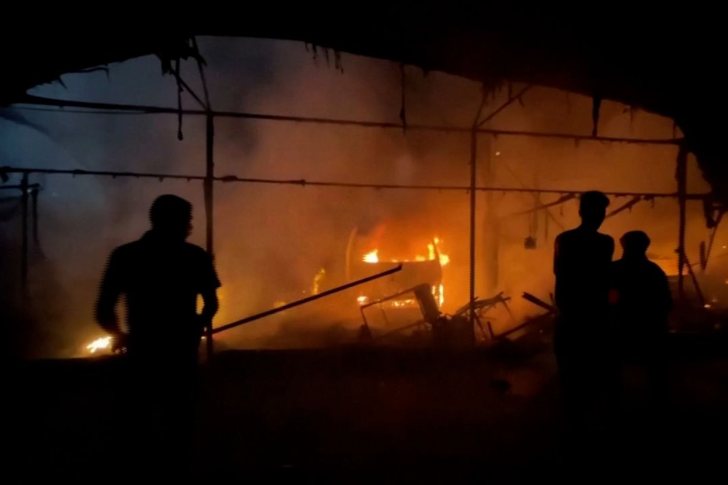
Israel's military actions in Lebanon have harmed the Unite...

A man has been arrested after being caught with a shotgun ...
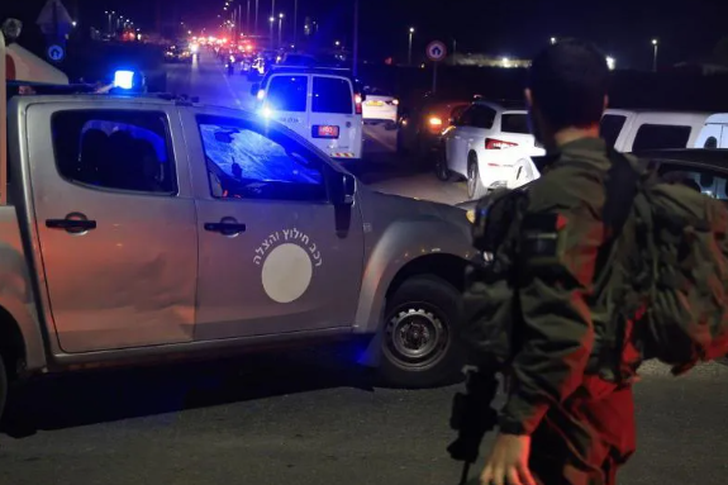
Four soldiers have been killed and more than 60 others inj...
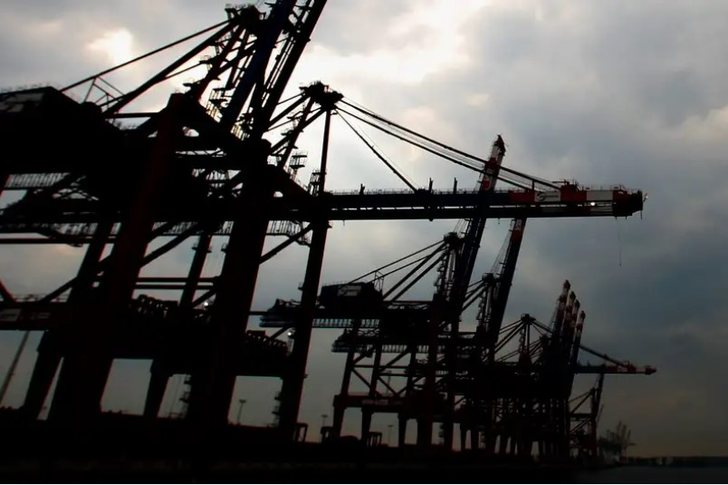
The situation of the German economy is not good at all at ...
Removal of social benefits for certain groups of refugees ...
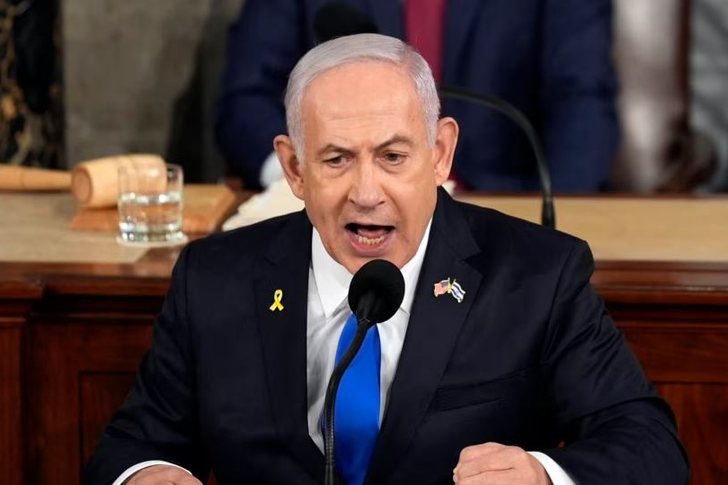
Israeli Prime Minister Benjamin Netanyahu has called o...

CNA has launched another investigation that could lead to ...

Irfan Hysenbelliu is a businessman that we call "Irfan the...

In March 2026, CNA launched another investigation centered...
The arrested mayor of Tirana, Erion Veliaj, with 13 charge...

The Special Board of Appeal (KPA) decided this Monday ...

The KPA vetting decided this Thursday to dismiss the p...

Suela Salavaçi, a prosecutor in the Prosecutor's Offic...

The Special Board of Appeal reinstated the prosecutor ...

A road accident occurred this evening on Nikolla Zoraqi St...
Three people were shot and wounded in Elbasan last night b...

A serious incident occurred this Tuesday in the Yrshek are...

An accident occurred this Tuesday on "Dituria" street in K...

All of Southern Europe will face changing weather conditio...

Albania was hit by temperatures significantly higher than ...

For the first time, Pogradec welcomed the Inter-Lake Chess...

Albania has achieved a record for the employment of foreig...

US Secretary of State Marco Rubio arrived in Manila on Jul...
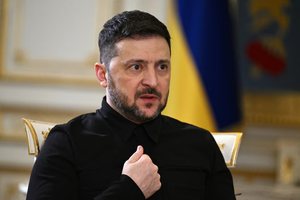
In the space of a few days, Ukrainian President Volodymyr ...
The spokesman for the Iranian Foreign Ministry warned Bulg...

Autoritetet italiane sekuestruan pako me afër 800 kilogram...

At a time when industrial products are increasingly taking...

Trust among people is not just a three-syllable word. It c...

Master of humor Todi Llupi has passed away at the age of 7...

The ninth edition of "MIK Festival" kicked off with one of...

Construction company licenses will have a validity period ...

The Centralized Purchasing Operator recently opened a tend...

The new draft law "On the Bank of Albania" provides that t...

This Tuesday, one US dollar is bought for 81.2 lek and sol...