


Tafili-Gjuzi clash/ AMP seizes officer's weapon
The Police Supervision Agency has seized the service weapo...

The Police Supervision Agency has seized the service weapo...

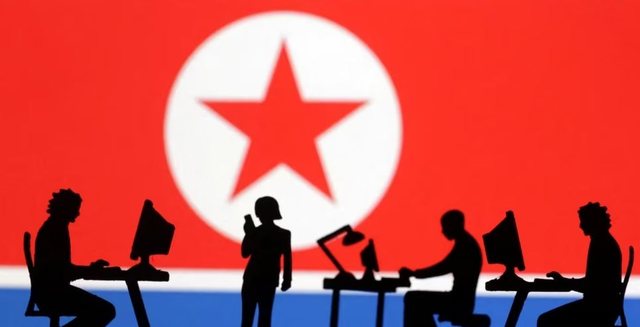
Using fake names, fake LinkedIn profiles, falsified employment documents and fake interview scripts, North Korean IT workers are seeking employment at Western companies through sophisticated fraud.
To get a job outside North Korea, to make a living in the isolated state, means concentrating on various strategies to convince Western managers to hire, according to several documents reviewed by Reuters, an interview with a North Korean, former worker in the information technology sector.
North Korea has asked thousands of workers in this sector to work overseas in an ongoing effort - especially in the last four years - to raise millions of euros to finance Pyongyang's missile program, according to the United States, South Korea and United Nations.
"People are free to express ideas and opinions," said one interview script used by software developers to describe "a good work culture" when asked to answer the interview.
In North Korea, free expression is punishable by imprisonment.
The scripts, totaling 30 pages, have been shared by researchers at the Palo Alto Networks, an American cyber security company, which has uncovered several internal documents that expose the North Korean workers' system.
The documents contain fraudulent presentations, online profiles, impromptu interviews, and false identities of North Korean workers who applied for jobs in the software development sector.
Reuters has found data from several websites that reveal some of the techniques used by North Korean workers to persuade employers to work remotely for companies in Chile, New Zealand, the United States, Uzbekistan and the United Arab Emirates.
The documents and other data point to increased efforts undertaken by North Korean authorities to ensure the success of a scheme that has become key to the circulation of the economy in the cash-strapped regime.
The North Korean mission of the United Nations did not respond to requests for comment.
North Korean IT workers who work remotely can earn ten times more than a worker in the construction sector or other North Korean sectors, the US Department of Justice said in 2022.
As teams, remote workers for foreign countries can raise up to $3 million.
Reuters has not been able to verify how much money this scheme has generated over the years.
Disa prej skripteve, të dizajnuara për t’i përgatitur punëtorët për pyetjet e intervistave, përmbajnë edhe kërkim falje pse duhet të angazhohen nga distanca.
“Richard” zhvillues i lartë softueri, ka thënë se “kam udhëtuar në Singapor disa javë më parë. Prindërit e mi janë infektuar me koronavirus dhe kam vendosur të jetoj me familjen për një periudhë. Tani planifikoj të shkoj prapë në Llos Angjelles për tre muaj. Po mendoj nëse mund të filloj punë nga distanca, e më pas do të mund të shpërngulem”.
Një punëtor verikorean i sektorit të teknologjisë informative, i ka analizuar dokumentet dhe e ka konfirmuar vërtetësinë e tyre për Reutersin.
“Ne krijonim 20 deri në 50 profile të rreme derisa të punësoheshim”, ka thënë punëtori.
Ai i ka analizuar skriptet, të dhënat dhe dokumentet, dhe ka thënë se e ka bërë të njëjtën gjë, sepse i di taktikat dhe teknikat e përdorura.
“Kur punësohesha, krijoja një tjetër profil të rremë për një punë të dytë”, ka thënë punëtori, i cili ka folur në kushte anonime, duke i përmendur shqetësimet për sigurinë.
Në tetor, Departamenti amerikan i Drejtësisë dhe Byroja Federale e Hetimeve (FBI) i kanë konfiskuar 17 domene uebsajtesh, të cilat ka thënë se janë përdorur prej punëtorëve verikoreanë për t’i mashtruar bizneset dhe për t’i fituar 1.5 milion dollarë.
Verikoreanët që zhvillojnë softuerë për kompanitë amerikane, janë fshehur mbrapa emaileve me pseudonime dhe llogari të rreme në rrjete sociale, si dhe kanë gjeneruar miliona dollarë në vit, kanë thënë autoritetet amerikane.
“Ekziston rrezik për Qeverinë e Koresë së Veriut, pasi këta punëtorë të privilegjuar janë të ekspozuar ndaj realiteteve të rrezikshme për botën dhe prapambetjeve që ekzistojnë në vendin e tyre”, ka thënë Sokeel Park of Liberty në Korenë e Veriut, organizatë që punon me punëtorët që ikin prej vendit.
Nevoja për para të gatshme
Vitin e kaluar, Qeveria amerikane ka thënë se punëtorët verikoreanë të sektorit të teknologjisë informative, jetojnë kryesisht në Kinë dhe Rusi, por ka edhe në Afrikë dhe Azinë Juglindore.
Fitimet, sipas tyre, shkojnë në 300.000 dollarë amerikanë në vit.
Sipas përvojës së tij, ish-punëtori i këtij sektori ka thënë se të gjithë presin që të fitojnë të paktën 100.000 dollarë, dhe 30-40 për qind e shumës shkon për Phenianin, 30-60 për qind ndahet për shpenzime të përgjithshme dhe 10-30 për qind mbetet për xhepin e punëtorit.
Ai vlerëson se janë rreth 3.000 punëtorë të tillë jashtë Koresë së Veriut dhe rreth 1.000 të tjerë janë në territorin verikorean.
“Kam punuar për të fituar në valutë të huaj”, ka thënë ai për Reutersin.
“Varet prej njerëzve, por, në parim, sapo të fitoni një punë nga distanca, mund ta mbani atë për gjashtë muaj, deri në 3-4 vjet”.
“Kur nuk mund të gjeni punë me orar të plotë, angazhoheni në diçka vetë”.
Hulumtuesit, pjesë e njësitit të Palo Altos, e kanë bërë këtë zbulim, kur e kanë analizuar një fushatë të hakerëve verikoreanë, që ka shënjestruar zhvillues të avancuar të softuerit.
One of the hackers left exposed documents on the server, Alto's team said, hinting at links between North Korean hackers and IT workers, although a whistleblower said the spying campaigns were carried out by fewer people.
"Hackers undergo special training. They don't hire people like us for those missions", he said.
However, the road brings them together somewhere.
The US Department of Justice and the FBI have warned that North Korean operatives could use the approach to hack their workers, and some of the leaked resumes show they had experience at cryptocurrency companies, an industry that has been targeted for long time by North Korean hackers.
Fake identities
Data from identity verification company Constella Intelligence found that one of the workers had accounts at almost 20 employment agencies in the United States, Britain, Japan, Uzbekistan, Spain, Australia and New Zealand.
The worker did not respond to requests for comment.
The data, collected from leaks from suspicious sites, has shown that there are accounts or sites that sell digital instructions to create fake identification documents, including US driver's licenses, visas and passports.
In the documents identified by Alto's team, 14 identities were verified, a US residence permit document, and data that some workers bought access from legitimate profiles in order to present themselves as real.
"Richard" in Singapore, who intended to work remotely for an IT company, referred to his identity as "Richard Lee", the same name he has on an American residence permit.
Reuters found his LinkedIn account under that name, and the social network said he had experience at a digital identity verification company, Jumio.
"We have no information that Richard Lee was or is an employee of Jumio," said a spokesperson for this company.
"Jumio has no records to suggest that the company has ever had any North Koreans among its workforce."
Reuters has sought comment from LinkedIn on the account, but has not received a response.
Later, this platform removed the account from its list.
"Our team provides information from multiple sources to identify and remove fake accounts, as we did in this case," a LinkedIn spokesperson later said./ REL


The Federal Association of Primary Schools in Germany warn...
An explosion was reported in the north of Mitrovica du...

The death toll from floods following heavy rains in Somali...

A fuel tanker owned by an Israeli billionaire was attacked...

Derek Chauvin, a former police officer serving time in a f...
The US Secretary of State, Antony Blinken, will attend...
Reuters has dedicated an article to British troops pat...
Will the employees' salaries and pensions be paid now?...
Ndërsa hyri në fuqi armëpushimi mes Izraelit dhe Hamas...

Twenty-four hostages have been released by Hamas and h...

The Israeli military said that "we have reached" the heart o...
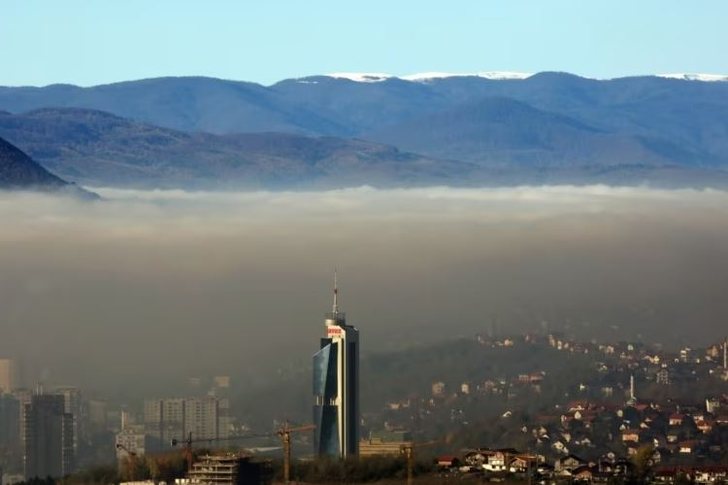
Fine air pollution caused the death of more than 250,0...
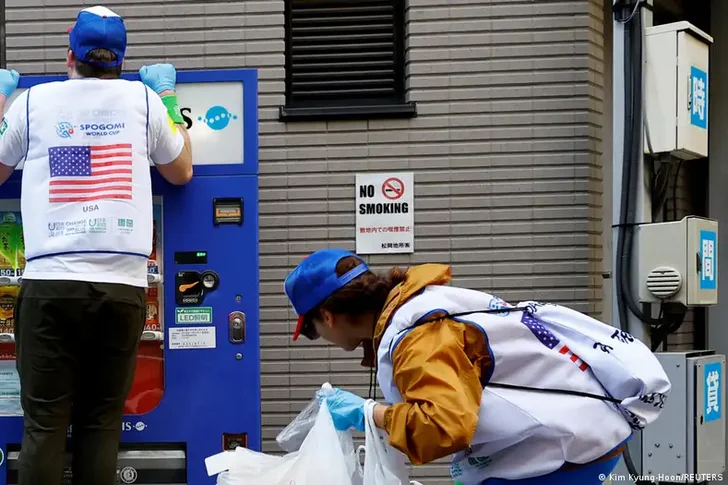
The first Spogomi World Championship took place this w...
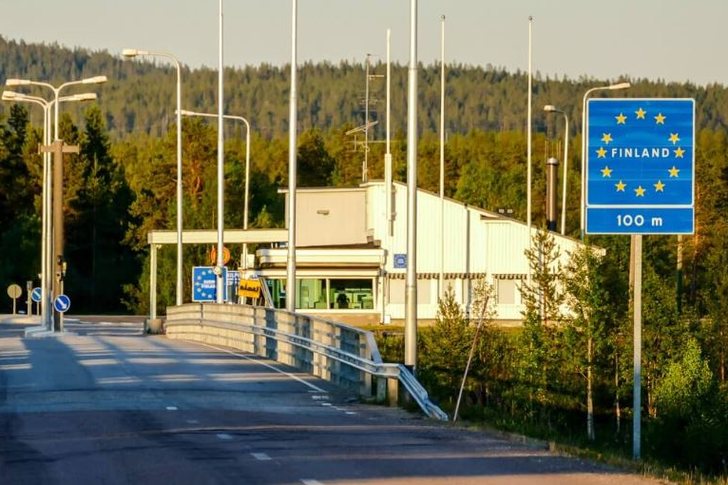
In an effort to address growing concerns about nationa...
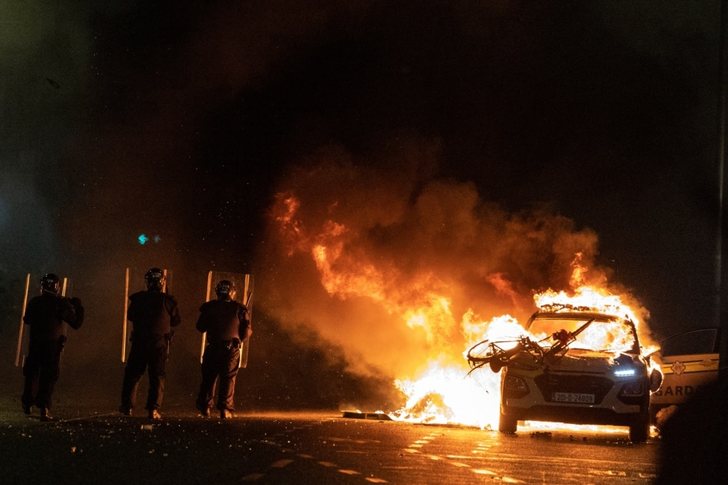
Protesters clashed with police, burned cars and looted sho...
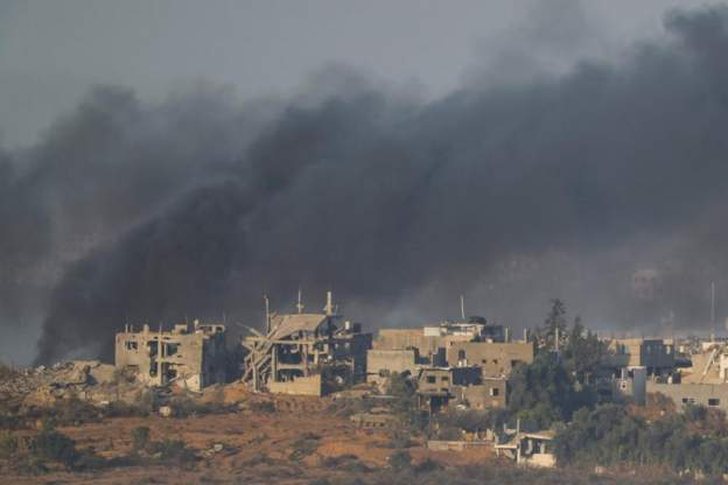
On October 7 of this year, Hamas launched several attacks ...
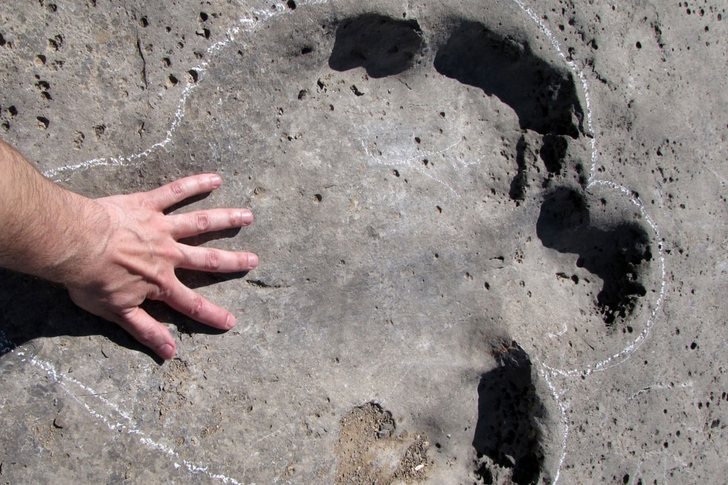
The Geological Survey in Brazil said on November 23 that i...
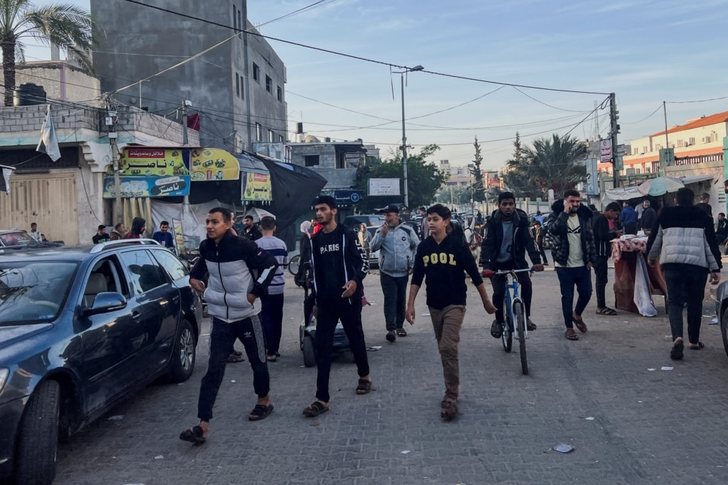
A temporary ceasefire in the war between Israel and Hamas ...

Dutch Muslims expressed shock on Thursday at the elect...

Former European Union envoy for Kosovo and Austrian diplom...
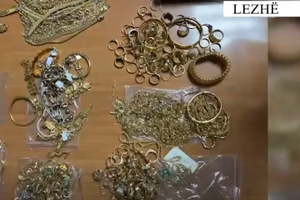
A 39-year-old citizen has been arrested in Lezha, after se...

CNA has launched another investigation that could lead to ...

Irfan Hysenbelliu is a businessman that we call "Irfan the...

In March 2026, CNA launched another investigation centered...

The Special Board of Appeal (KPA) decided this Monday ...

The KPA vetting decided this Thursday to dismiss the p...

Suela Salavaçi, a prosecutor in the Prosecutor's Offic...

The Special Board of Appeal reinstated the prosecutor ...
The Police Supervision Agency has seized the service weapo...
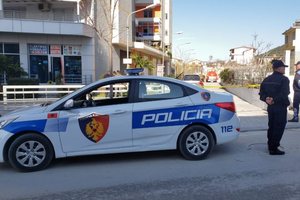
A serious incident occurred in Lushnje, where citizen IY, ...

As a result of the investigative and procedural actions ca...
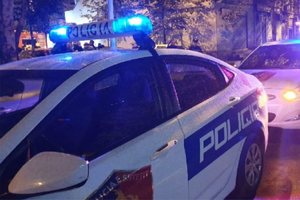
A conflict for weak motives was recorded today in the vill...

Today, our country will be under the influence of stable a...

By noon, cloudiness is expected to prevail in almost all o...

Children without parental care, for whom alternative famil...
On Thursday, our country will be under the influence of st...

Marine Le Pen is entering the decisive phase of the presid...
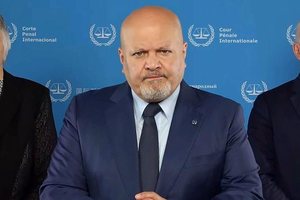
Member states of the International Criminal Court voted to...

From the declining role of exports to new public investmen...
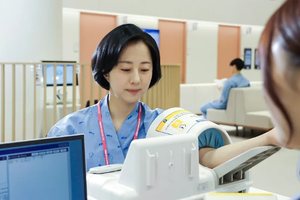
South Korea is becoming one of the most sought-after desti...
Two windows, a century of history and the metaphysics of p...
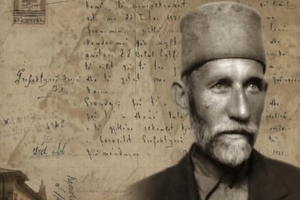
In my research at the Central State Archives, specifically...

At a time when industrial products are increasingly taking...

Trust among people is not just a three-syllable word. It c...

This Saturday, one US dollar is bought for 81.7 lek and so...

War, weather and supply disruptions could send gas prices ...
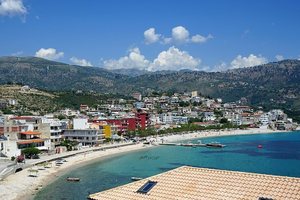
The number of active enterprises in Albania continued to g...
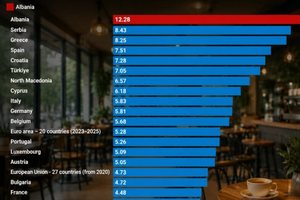
In Albania, the bar-cafe has long become an almost unique ...