


Murder of the officer/ Enea Mekolli's uncle raises accusations: They were without any kind of protection
The uncle of the murdered officer, Enea Mekolli, Hazbi Mek...

The uncle of the murdered officer, Enea Mekolli, Hazbi Mek...


The year 2025 was the third warmest year ever recorded globally, according to data published by the European Centre for Medium-Range Weather Forecasts (ECMWF), which operates the Copernicus Climate Change Service (C3S) and the Copernicus Atmosphere Monitoring Service (CAMS).
Global temperatures were 1.47 °C (2.65 °F) above pre-industrial levels (1850–1900), slightly cooler than 2023 by 0.01 °C and 0.13 °C lower than 2024, the warmest year on record.
The average temperature from 2023 to 2025 exceeded 1.5 °C above pre-industrial levels, marking the first three-year period to exceed the long-term warming limit of the Paris Agreement.
Based on the current rate of warming, the agreement's 1.5°C threshold could be reached by the end of the decade, more than a decade earlier than projected when the agreement was signed.
Air temperatures over land were the second warmest ever recorded, with Antarctica recording its highest annual temperature and the Arctic its second highest. Sea surface temperatures were also among the highest on record.
"The report confirms that Europe and the world are in the warmest decade on record. Preparation and prevention remain possible, but only when action is guided by strong scientific evidence ," said ECMWF Director General Florian Pappenberger.
The extreme heat in 2025 was largely driven by the accumulation of greenhouse gases, continued emissions, and reduced carbon uptake from natural reservoirs. High sea surface temperatures, influenced by El Nino and other ocean variability, also contributed. While tropical temperatures were slightly cooler than in 2023-2024, the polar regions experienced record warmth.
Europe saw its third warmest year on record, with an average temperature of 10.41 °C, 1.17 °C above the 1991-2020 average. In February, combined polar sea ice cover fell to its lowest extent since satellite records began in the late 1970s.
"Human activity remains the dominant driver of the extraordinary temperatures we are observing. Atmospheric greenhouse gases have been increasing steadily over the past 10 years. The atmosphere is sending us a message and we need to listen ," said Laurence Rouil, director of CAMS.
Half of the global land surface experienced more than average hot days, contributing to extreme wildfires in Europe, North America and other regions. The resulting emissions degraded air quality and posed risks to human health. / CNA


President Donald Trump has said the US will take "very str...

A tragic incident has occurred in Thailand, where at least...

Prosecutors have demanded that former South Korean Preside...
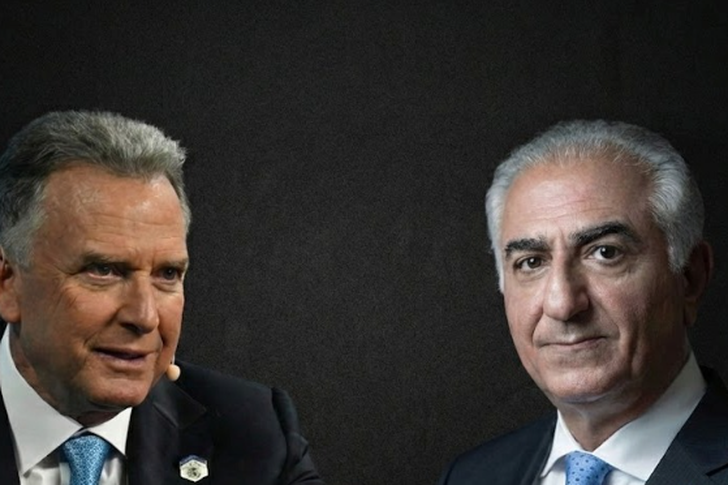
White House envoy Steve Witkoff held a secret meeting with...

The Central Election Commission (CEC) has decided to recou...
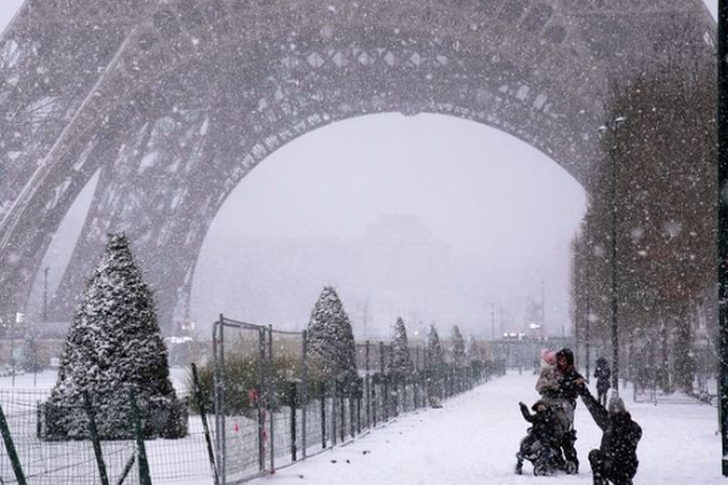
Strong winds, snow and freezing temperatures have battered...

US President Donald Trump has said that countries that do ...

A wild elephant has caused terror in the Indian state of J...

The United States Embassy in Pristina announced that it is...

United States President Donald Trump announced today that ...

The year 2025 was the deadliest for civilians in Ukraine s...
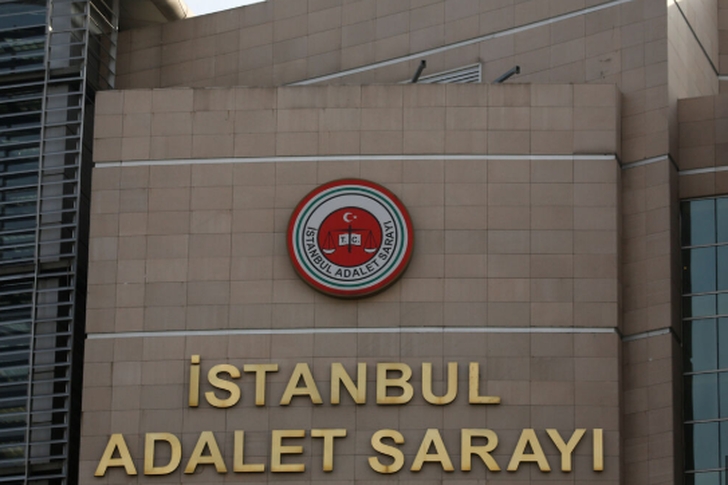
A judge was shot inside an Istanbul courthouse by a public...
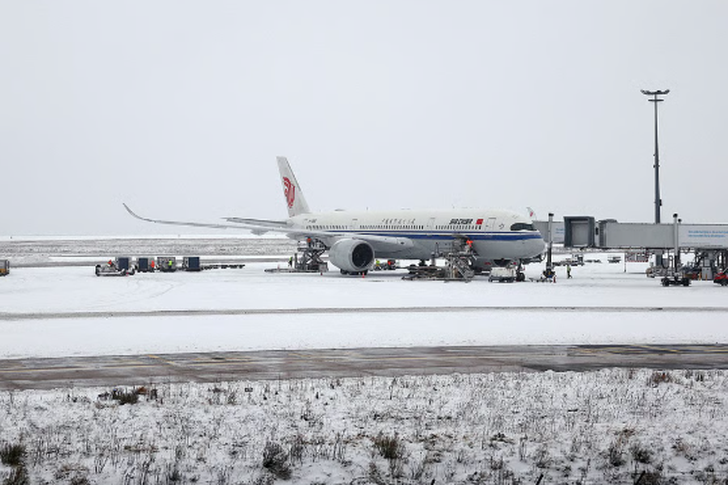
Icy weather conditions in Europe have forced the closure o...
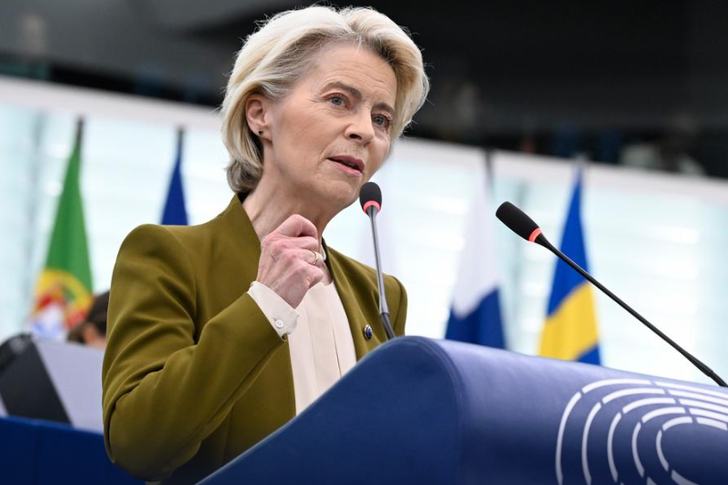
European Commission President Ursula von der Leyen said on...
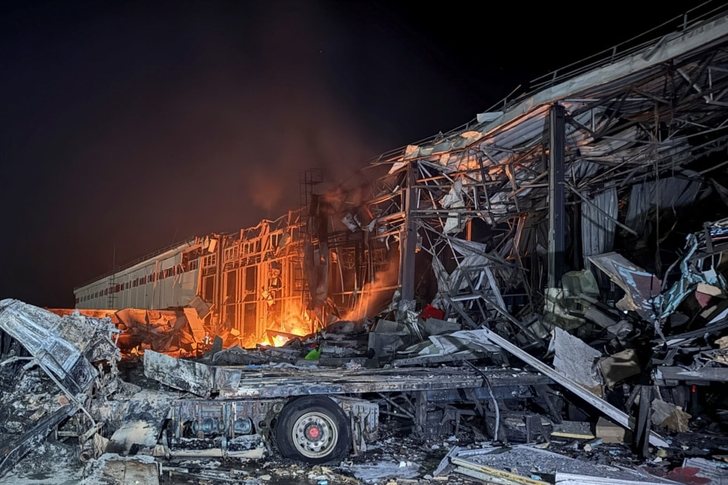
Russia has carried out a major overnight attack against Uk...

Hungary has announced that parliamentary elections will be...
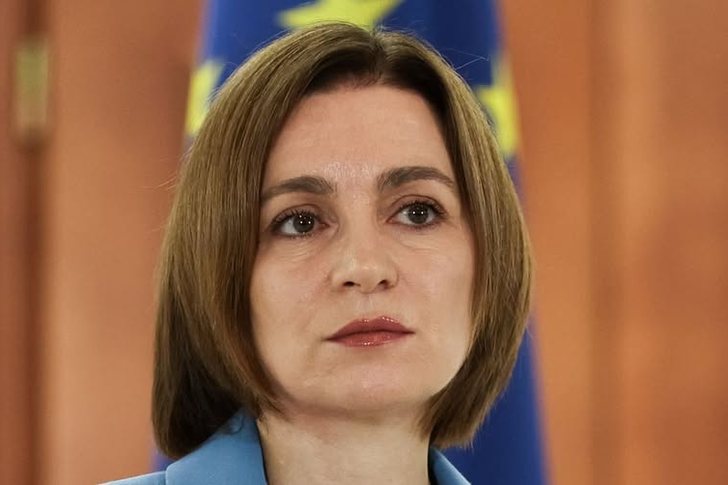
Moldovan President Maia Sandu has said she would vote in f...
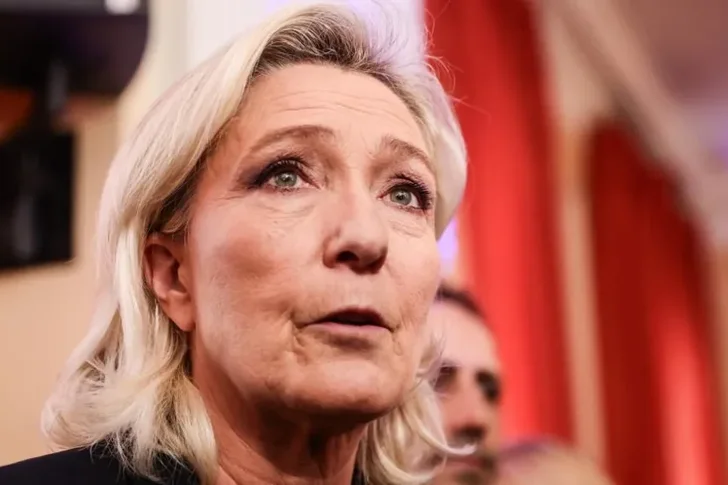
An appeal hearing by French far-right politician Marine Le...

The initial hearing on the state reserves case is being he...
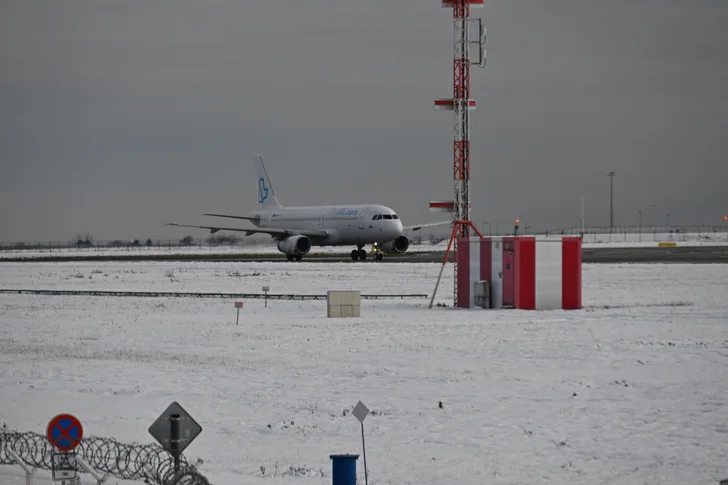
Bad weather conditions and low temperatures have led to th...

The murder of officer Enea Mekolli in the line of duty has...

The next case broadcast on the show "Stop", this Thursday,...

The case published this Thursday, June 4, on the show "Sto...

The protests of recent days related to the situation in Zv...

The Special Board of Appeal (KPA) decided this Monday ...

The KPA vetting decided this Thursday to dismiss the p...

Suela Salavaçi, a prosecutor in the Prosecutor's Offic...

The Special Board of Appeal reinstated the prosecutor ...

A money changer in Durrës lost 60 thousand euros after bei...
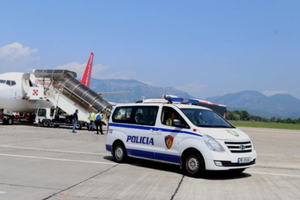
The 6 citizens captured in Dubai, members of criminal grou...
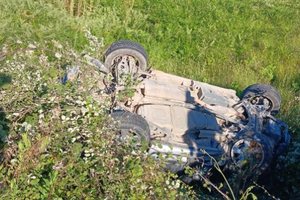
A serious accident occurred on the Kardhiq-Delvinë axis, i...

Authorities have conducted a large-scale anti-drug operati...
Today our country will be affected by stable weather condi...

For many children and teenagers, the long summer holidays ...
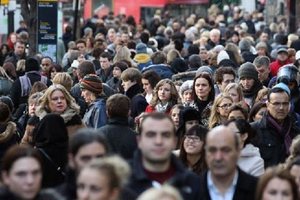
Albania is facing an unprecedented demographic transition,...

On Thursday, our country will be affected by unstable weat...

Russian President Vladimir Putin said the war in Ukraine c...
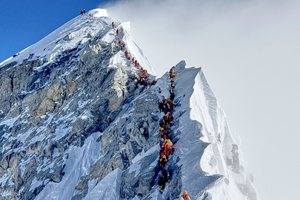
An extraordinary story of survival has been recorded in Ne...

The Peace Implementation Council in Bosnia and Herzegovina...

John Bolton, the former national security adviser to US Pr...

Korça is ready to open the summer season with one of the c...

Two years after his passing, the renowned Korçë poet Skënd...

The Ethnographic Museum of Berat has opened its doors to v...
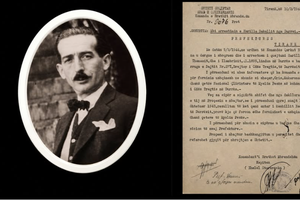
The story of Harilla Bakalli is one of the most chilling t...

Despite years of efforts at regional cooperation and free ...

Albania is the country with the highest level of severe ma...

This Friday, one US dollar is bought for 81.3 lek and sold...

The government aims to transform the country's industrial ...