


Murder of the officer/ Enea Mekolli's uncle raises accusations: They were without any kind of protection
The uncle of the murdered officer, Enea Mekolli, Hazbi Mek...

The uncle of the murdered officer, Enea Mekolli, Hazbi Mek...

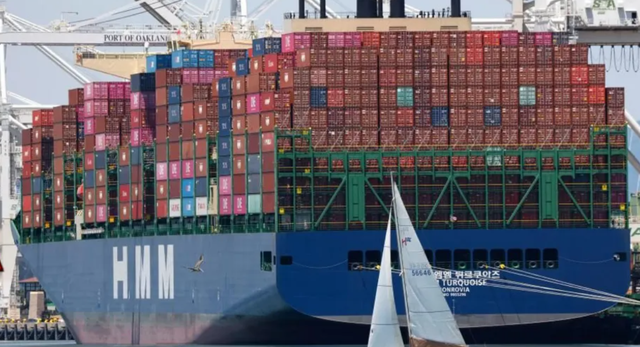
US President Donald Trump has said that countries that do business with Iran will face a 25% tariff on trade they do with America.
This comes as Iran suppresses anti-government protests, with thousands of people suspected to have died.
Trump has used the threat of tariffs before to pressure countries.
What do we know about the fee?
Not a huge amount. On Monday, Trump posted on Truth Social: "Effective immediately, any country doing business with the Islamic Republic of Iran will pay a 25% tariff on any business done with the United States of America."
"This order is final and conclusive. Thank you for your attention to this matter!"
Which countries trade with Iran?
Of the over 100 countries that trade with Iran, China is its largest export partner.
In the year to October 2025, it bought more than $14 billion (£10.4 billion) worth of products from Iran, according to figures from Trade Data Monitor, which are based on statistics from the Customs Administration of the Islamic Republic of Iran.
China is followed by Iraq, which received $10.5 billion worth of goods from its neighbor. Iran also counts the United Arab Emirates and Turkey among its biggest customers.
In fact, exports from Iran to Turkey increased significantly from $4.7 billion in 2024 to $7.3 billion last year.
Almost all of Iran's top 10 exports are fuel-related - it is one of the world's largest oil producers.
It also ships food to other countries, including pistachios and tomatoes. But, by far, it is a much larger buyer of basic products from its trading partners.
Food accounts for about a third of Iran's imports, particularly corn, rice, sunflower seeds and oils, and soybeans.
But Iran's biggest import is gold.
In the 12 months to October, it imported gold worth $6.7 billion, compared with $4.8 billion a year earlier.
How can the fee be applied?
Trump's tweet says the 25% tariff takes effect immediately and the order is "final and conclusive."
However, so far there have been no details from the White House on how it will work in practice, or to which countries specifically it will apply.
We don't know if it would cover all countries dealing with Iran or just its largest trading partners.
It is also unclear whether the 25% tax will come in addition to existing tariffs that the Trump administration has already imposed.
The US also has not specified under which law the new tariff will be introduced. The sweeping tariffs announced last April were imposed under the International Emergency Economic Powers Act.
But it is currently the subject of legal challenge - with the US Supreme Court expected to rule as early as Wednesday. On Monday, Trump said the US would be "destroyed" if the tariffs were not upheld.
Implementing the proposed tariff could be difficult. Iran is estimated to have earned billions from oil exports in 2024 by using a fleet of shadowy ships that are difficult to track and by selling its oil in Chinese yuan instead of the more traditional US dollar.
How could this affect US-China relations?
At first glance, Trump's announcement risks reigniting the trade conflict between the US and China.
If the president really meant what he wrote, it would mean that Chinese goods shipped to the US should immediately be subject to the new 25% tariff.
However, these are already subject to an average tariff rate of 30.8%, according to Bloomberg Economics.
So, will the new fee be imposed in addition to the current tax? Or will concessions be made?
China has previously shown a willingness to respond to what it perceives as disproportionate action by the US.
It has done this partly by introducing its own tariffs, but more importantly by announcing restrictions on exports of rare metals, which the US urgently needs for its high-tech industries.
China currently dominates global supply, giving it significant influence, which helped Beijing reach a temporary trade truce with the US in November that eased tensions.
So, introducing a new 25% tariff on China now would be very provocative, and Beijing has already warned that it will "take all necessary measures to protect its legitimate rights and interests."
Analysts question whether this will actually happen, given the real-world impact of Trump's previous announcements that have not always matched the initial headline.
What is happening to Iran's economy?
Iran's vast oil reserves make it one of the world's top 10 oil producers and should be a source of great wealth.
However, its economy has been crippled by years of mismanagement of public finances, a decline in oil sales and harsh international sanctions.
Many of the country's 92 million residents are struggling to afford basic needs like food and utilities, and the cost of living is at the heart of the protests of recent weeks.
Household spending has fallen since its peak in 2008, according to BBC analysis, and government restrictions on women's ability to work have reduced the employment rate from 42.4% two decades ago to around 37%.
At the same time, things have become more expensive due to high inflation, which reached 48.4% in October, due to changes in government policies that have led to the decline in the value of the rial against the US dollar./ CNA


A wild elephant has caused terror in the Indian state of J...

The United States Embassy in Pristina announced that it is...
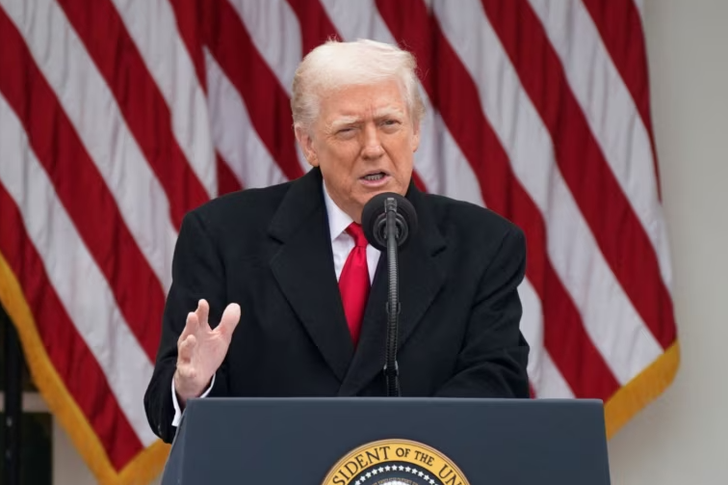
United States President Donald Trump announced today that ...

The year 2025 was the deadliest for civilians in Ukraine s...
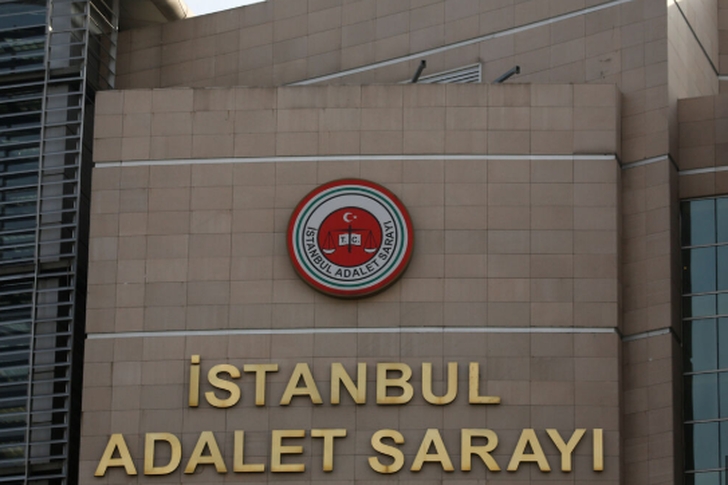
A judge was shot inside an Istanbul courthouse by a public...
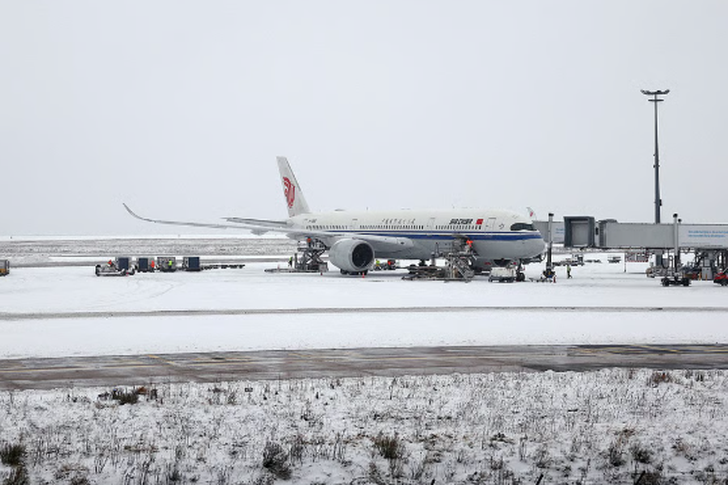
Icy weather conditions in Europe have forced the closure o...
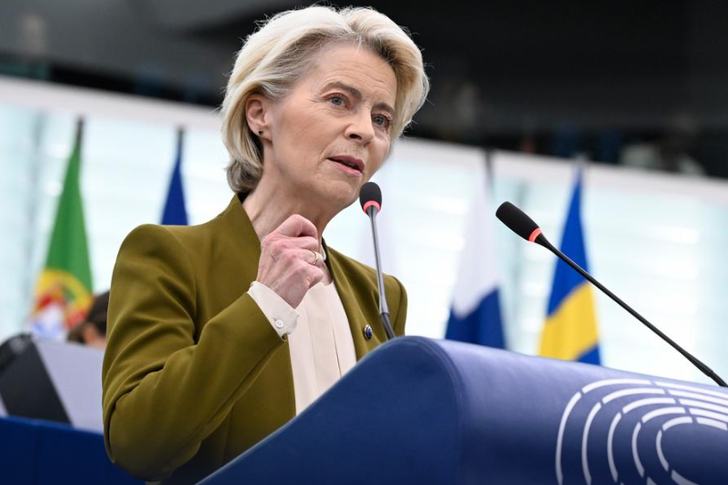
European Commission President Ursula von der Leyen said on...
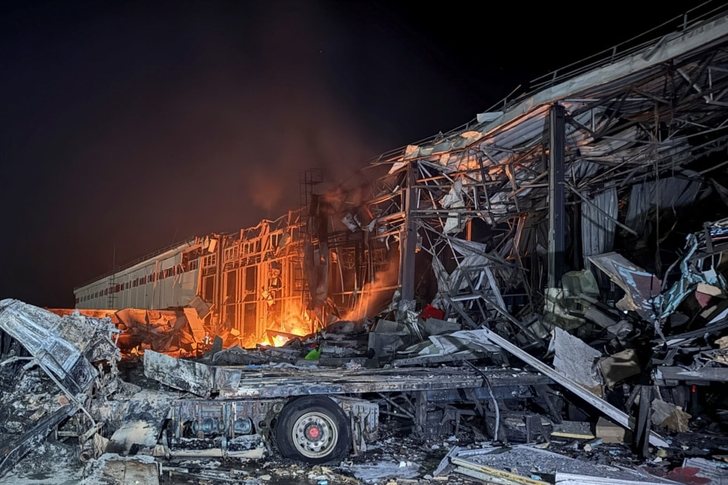
Russia has carried out a major overnight attack against Uk...
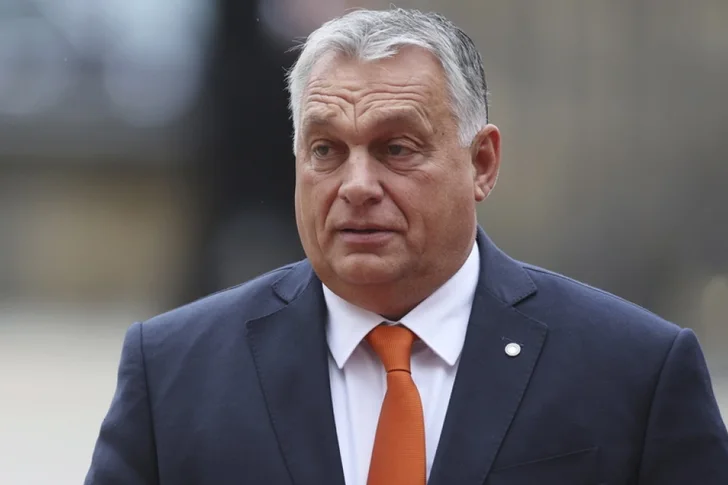
Hungary has announced that parliamentary elections will be...
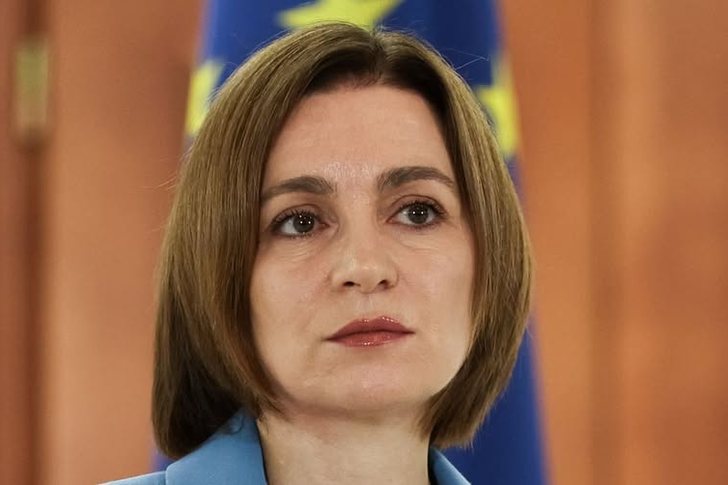
Moldovan President Maia Sandu has said she would vote in f...
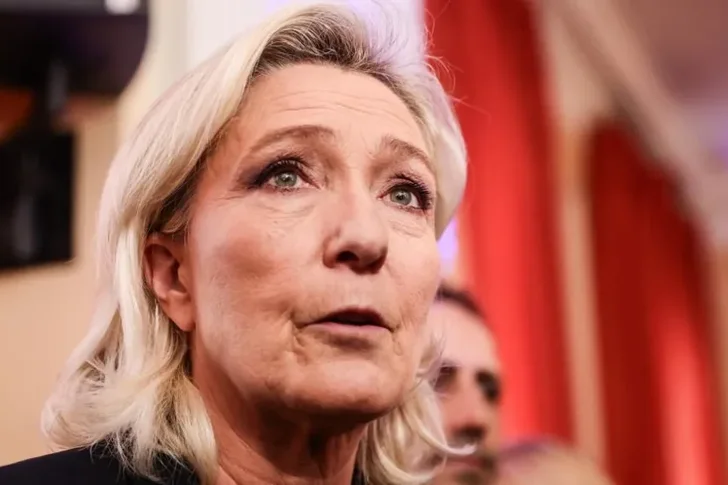
An appeal hearing by French far-right politician Marine Le...
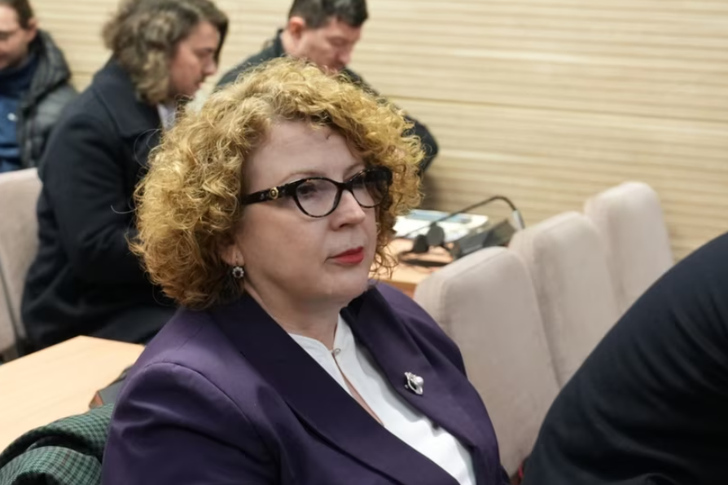
The initial hearing on the state reserves case is being he...
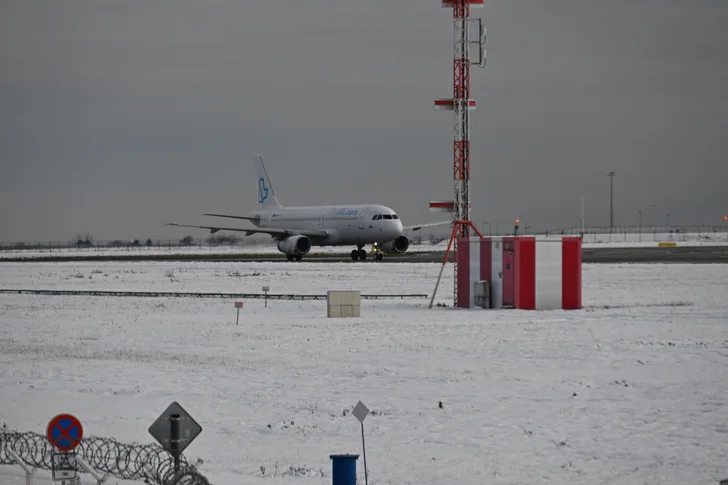
Bad weather conditions and low temperatures have led to th...
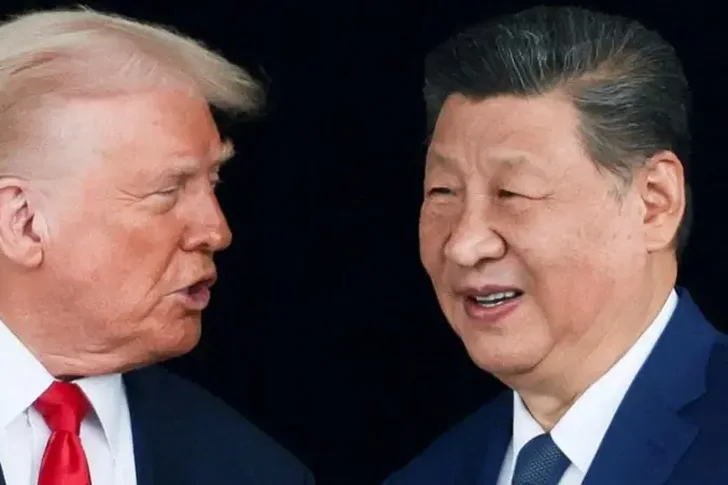
China says it will take all necessary measures to protect ...
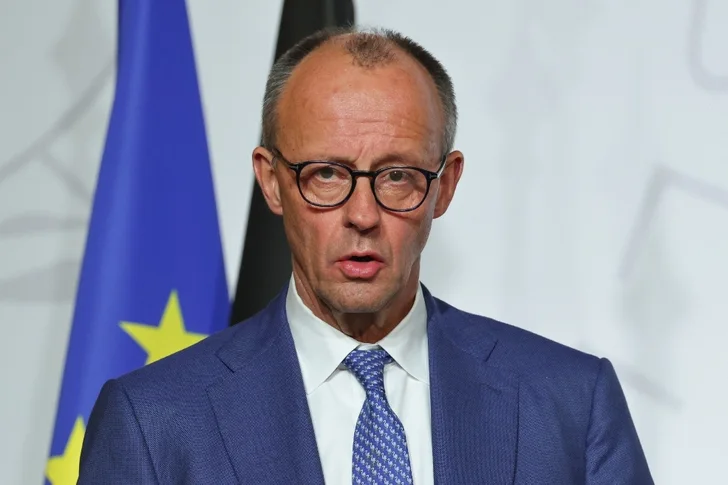
German Chancellor Friedrich Merz predicted that the regime...
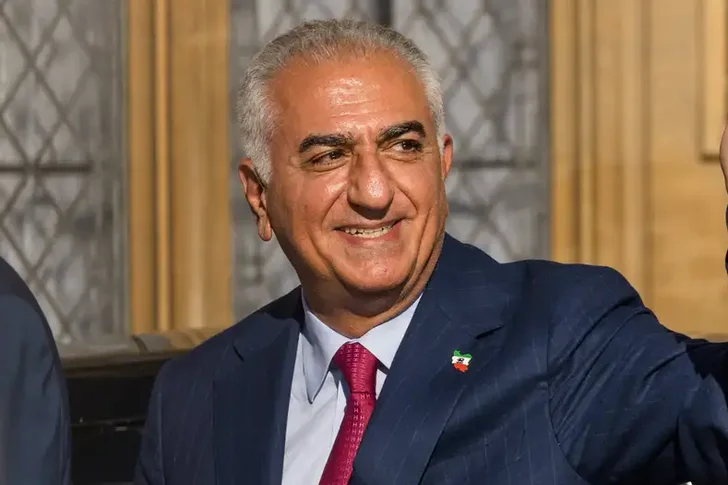
After 47 years in exile, the son of the deposed Shah is be...
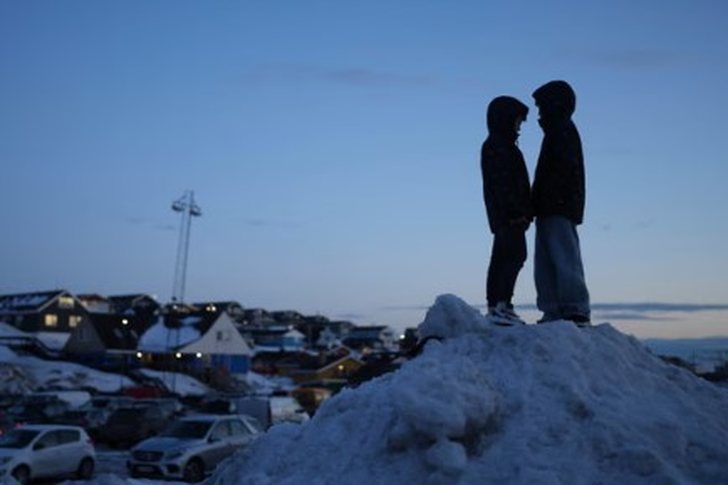
The Greenlandic government has said it "cannot accept unde...
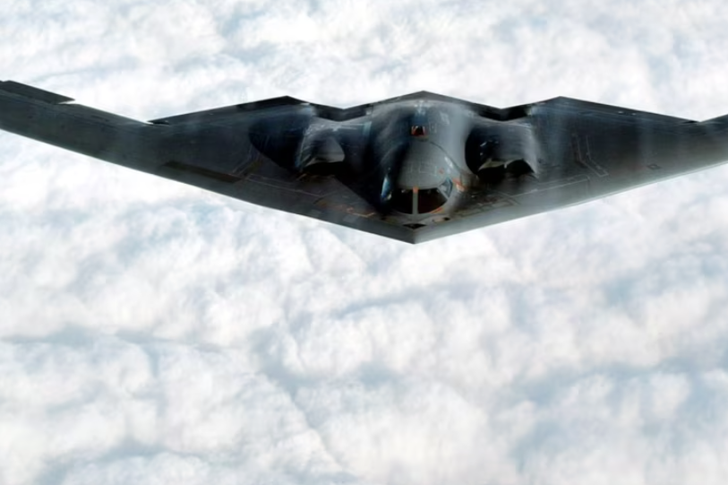
Washington appears to have put military action against Ira...
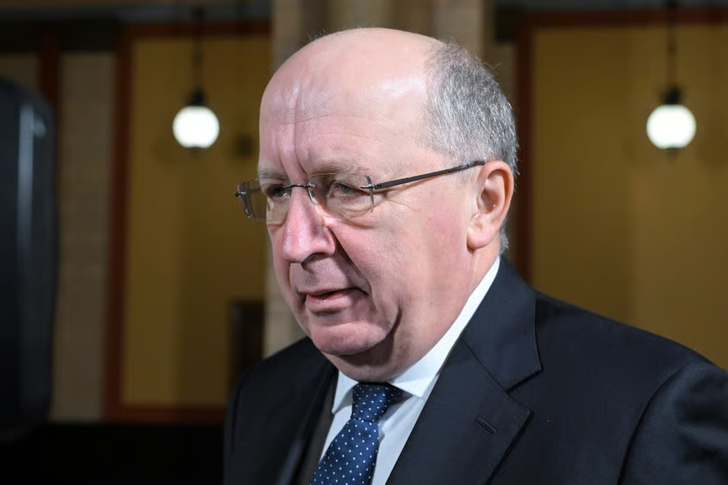
A US military invasion of Greenland would mean the end of ...
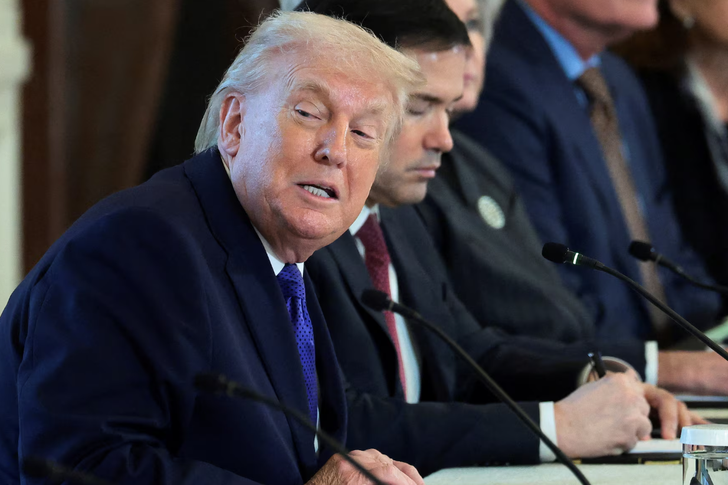
President Donald Trump threatened on Monday to impose a 25...

The murder of officer Enea Mekolli in the line of duty has...

The next case broadcast on the show "Stop", this Thursday,...

The case published this Thursday, June 4, on the show "Sto...

The protests of recent days related to the situation in Zv...

The Special Board of Appeal (KPA) decided this Monday ...

The KPA vetting decided this Thursday to dismiss the p...

Suela Salavaçi, a prosecutor in the Prosecutor's Offic...

The Special Board of Appeal reinstated the prosecutor ...

A money changer in Durrës lost 60 thousand euros after bei...
The 6 citizens captured in Dubai, members of criminal grou...
A serious accident occurred on the Kardhiq-Delvinë axis, i...

Authorities have conducted a large-scale anti-drug operati...

Today our country will be affected by stable weather condi...

For many children and teenagers, the long summer holidays ...
Albania is facing an unprecedented demographic transition,...

On Thursday, our country will be affected by unstable weat...
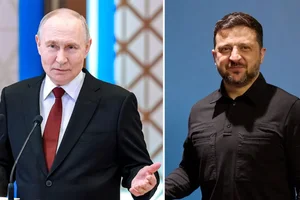
Russian President Vladimir Putin said the war in Ukraine c...
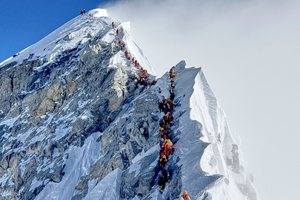
An extraordinary story of survival has been recorded in Ne...
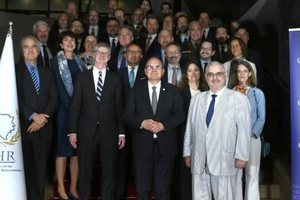
The Peace Implementation Council in Bosnia and Herzegovina...
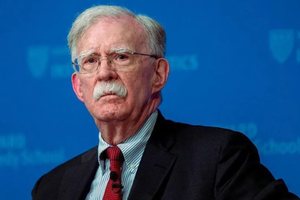
John Bolton, the former national security adviser to US Pr...

Korça is ready to open the summer season with one of the c...

Two years after his passing, the renowned Korçë poet Skënd...

The Ethnographic Museum of Berat has opened its doors to v...
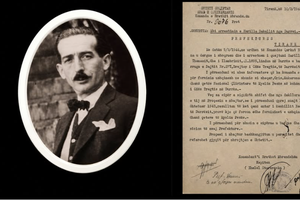
The story of Harilla Bakalli is one of the most chilling t...

Despite years of efforts at regional cooperation and free ...

Albania is the country with the highest level of severe ma...

This Friday, one US dollar is bought for 81.3 lek and sold...
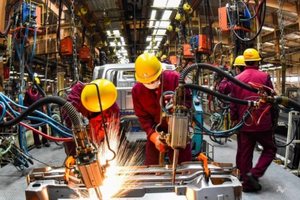
The government aims to transform the country's industrial ...