

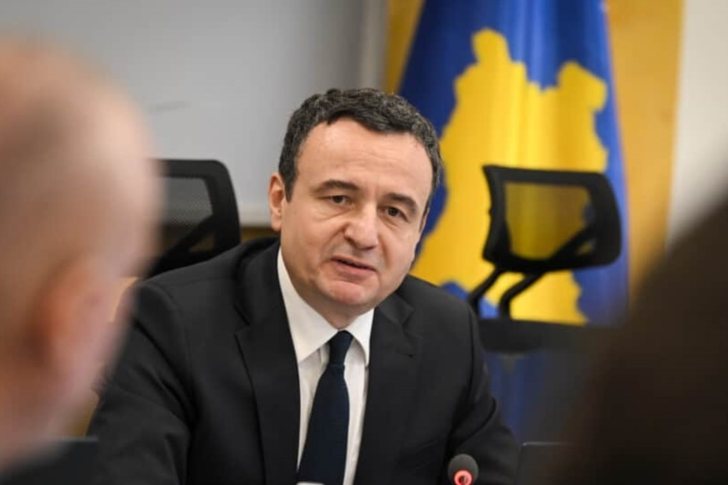
Kurti: Those accused of the Ibër-Lepenc explosion were linked to the state of Serbia
Kosovo's acting Prime Minister, Albin Kurti, said on Wedne...


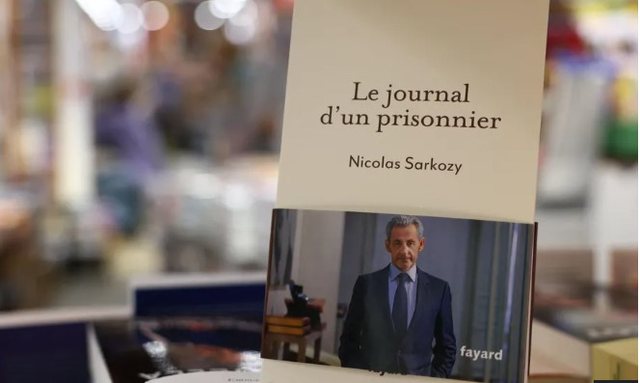
Hastily published in less than three weeks, Nicolas Sarkozy's new book, "Diary of a Prisoner," contains plenty of color about what it's like for a former president to find himself in the solitary confinement wing of a French prison.
We learn that prisoner number 320535 had a 12 square meter cell, equipped with a bed, desk, refrigerator, shower, and television. There was a window, but the view was blocked by a massive plastic panel placed outside.
"It was clean and well-lit," Sarkozy writes. "One might have thought one was in a low-class hotel - were it not for the reinforced door with a peephole through which the prison guards could look in."
Sarkozy, 70, was released from La Santé prison in Paris last month after serving 20 days of a five-year sentence for taking part in a campaign finance conspiracy. This is his 216-page memoir.
Told that he would have to spend 23 hours out of 24 in his cell and that contact with anyone other than a prison employee was prohibited, the former president chose not to take the option of a daily walk in the yard, "more like a cage than a promenade."
Instead, he did his daily exercises on a treadmill in the small sports room, which "became a real oasis in my situation."
How he was "touched by the kindness, delicacy, and respect of the prison staff... each of whom addressed me with the title of President."
And how he managed to cover the walls of his cell with postcards from all the people who wrote to him to express their support.
"Touching and sincere, it demonstrated a deep personal connection even though I had left office long ago," he writes.
The details are fascinating. Perhaps most important are the thoughts on fate, justice, and politics.
Sarkozy was sent to prison after a court found him guilty of criminal complicity after allowing his subordinates to try to raise funds for elections 20 years ago from Libya's Colonel Gaddafi.
At the end of the trial in October, the judge - who could have allowed Sarkozy to remain free pending his appeal - decided instead that he should go to prison. Three weeks into his imprisonment, he was allowed to be released after a plea by his lawyers.
The former president strongly denies the allegations against him and claims he is the victim of a politically motivated cabal within the French justice system.
All of this is repeated again and again in the book. In fact, at one point, Sarkozy compares himself to France's most famous victim of justice, Alfred Dreyfus - the Jewish officer who was sent to Devil's Island on a trumped-up charge of espionage./ CNA, translated by BBC

Kosovo's acting Prime Minister, Albin Kurti, said on Wedne...
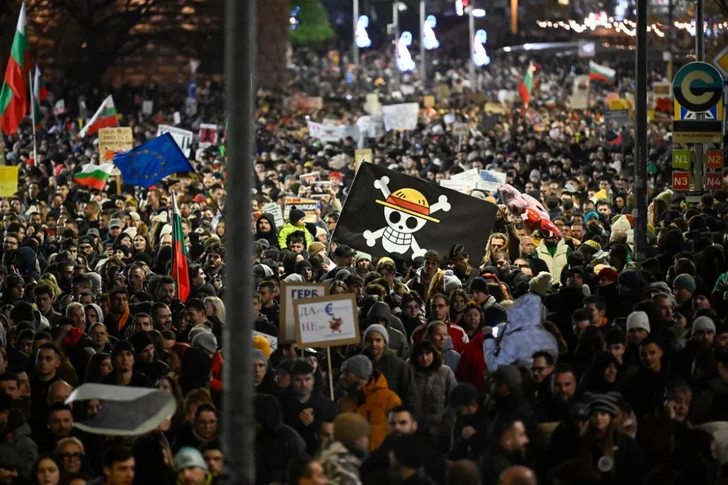
Tens of thousands of people protested in Sofia and other ...
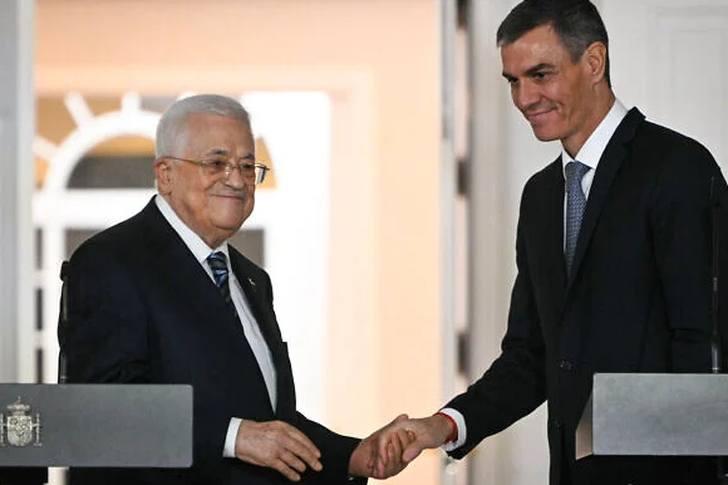
Spanish Prime Minister Pedro Sanchez met with Palestinian ...
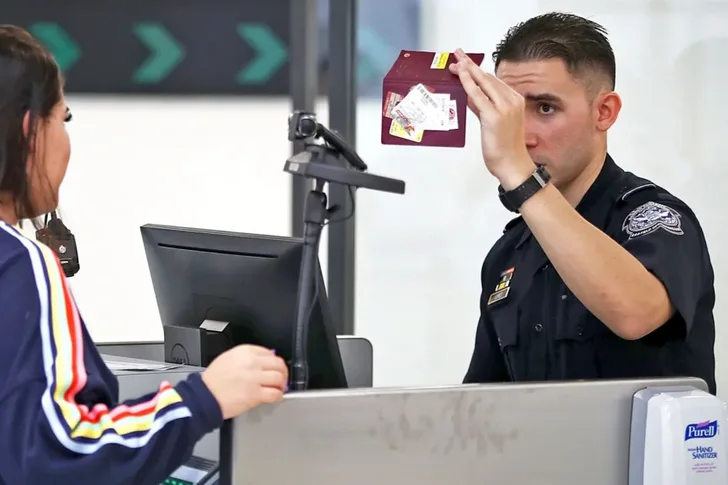
Tourists from dozens of countries could be required to sho...

Israeli Prime Minister Benjamin Netanyahu will depart Isra...

Iceland has joined Spain, Ireland, Slovenia and the Nether...
The European Union has granted temporary protection status...
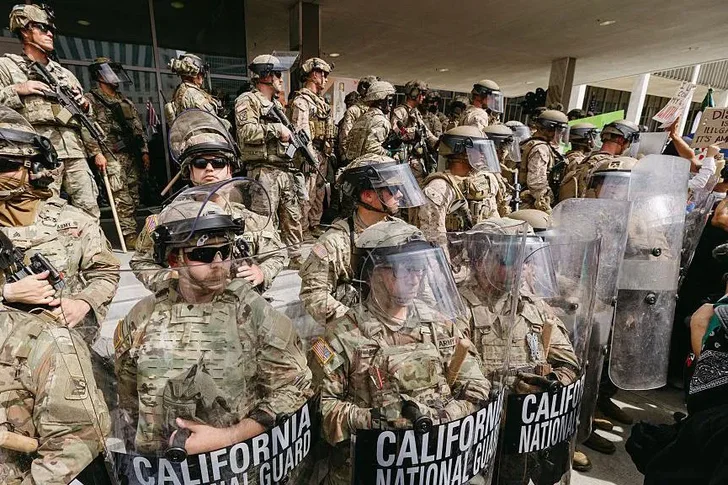
A federal judge today blocked President Donald Trump's dec...
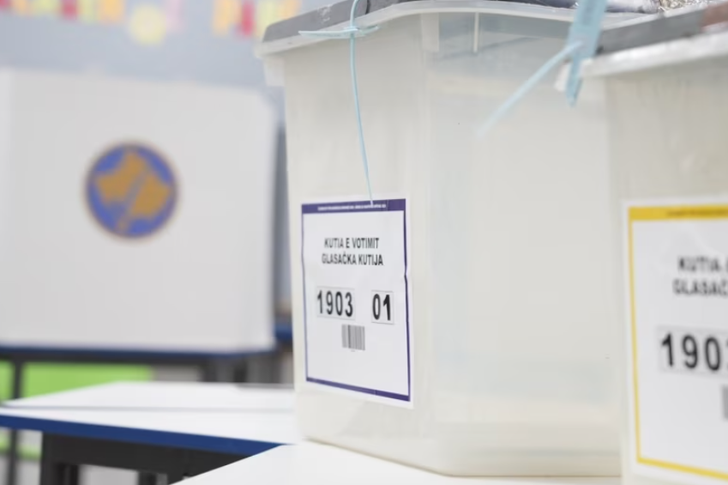
The Kosovo Central Election Commission (CEC) did not certi...
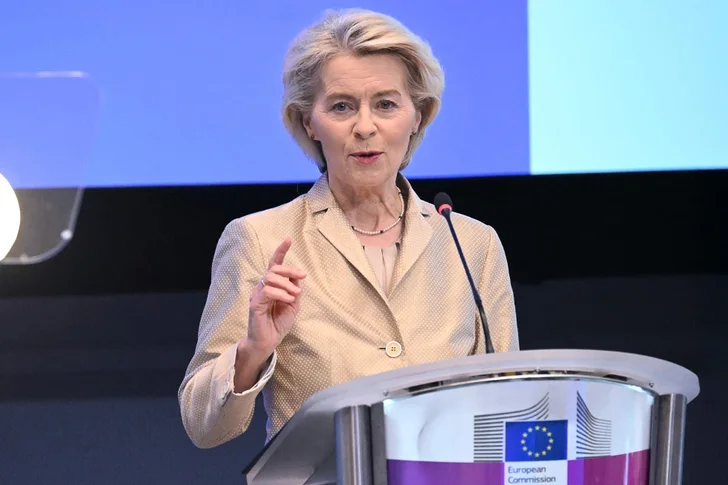
European Commission President Ursula von der Leyen has del...
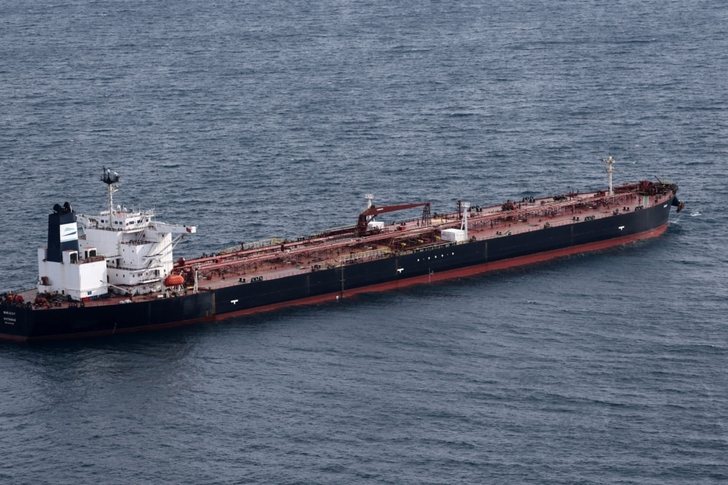
European Union ambassadors decided on Wednesday to impose ...
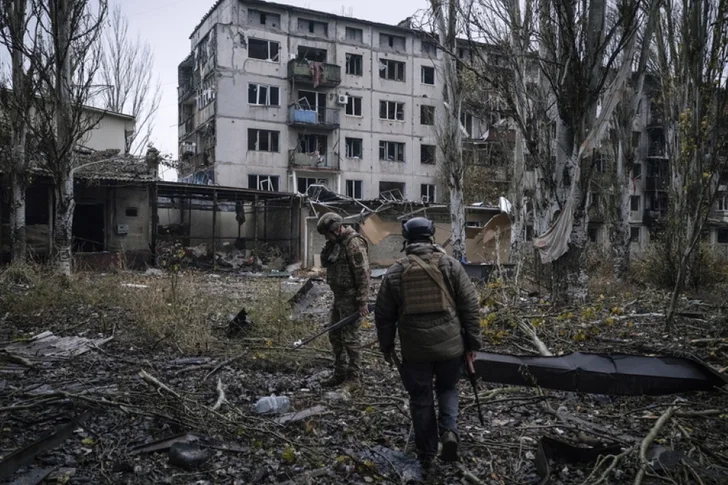
A hospital in the Russian-occupied Kherson region has been...
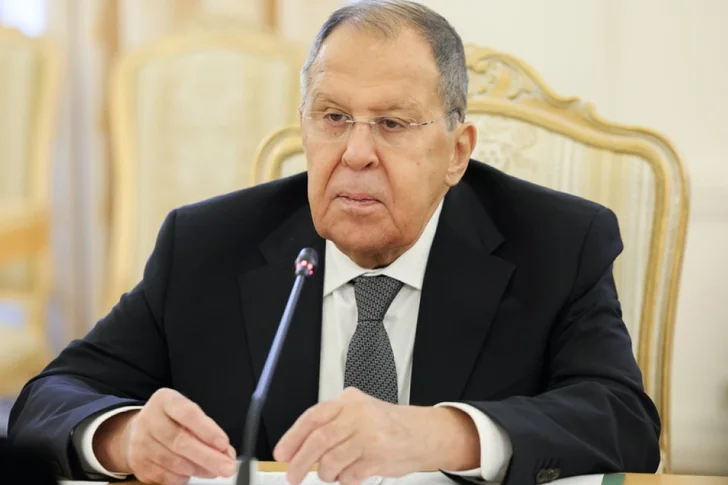
Russian Foreign Minister Sergei Lavrov has spoken out abou...
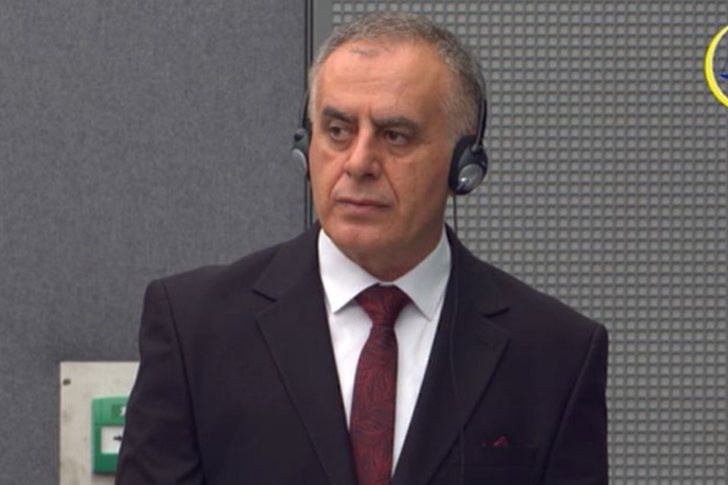
Former mayor of Malisheva, Isni Kilaj, has been released b...
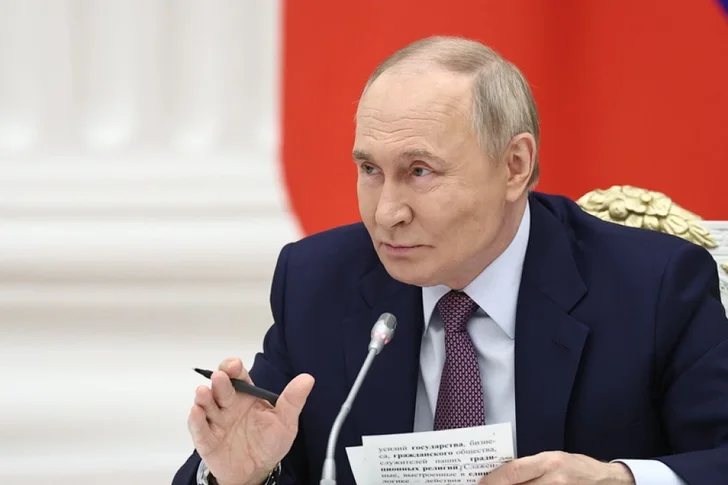
The New York Post has published the hidden sons of Russian...
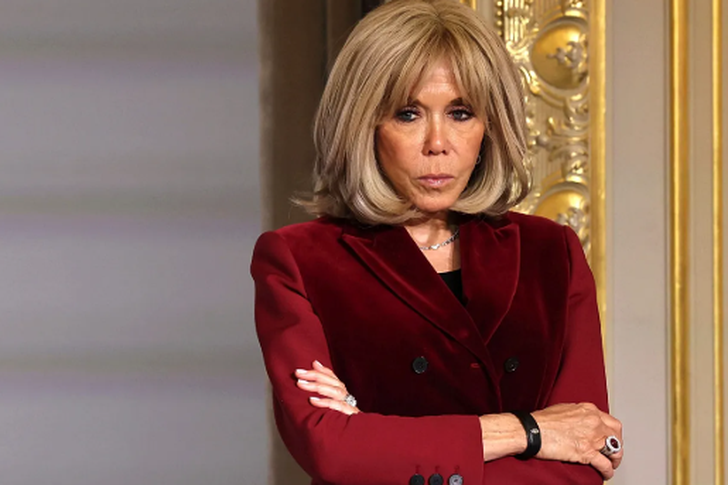
Brigitte Macron, the wife of French President Emmanuel Mac...
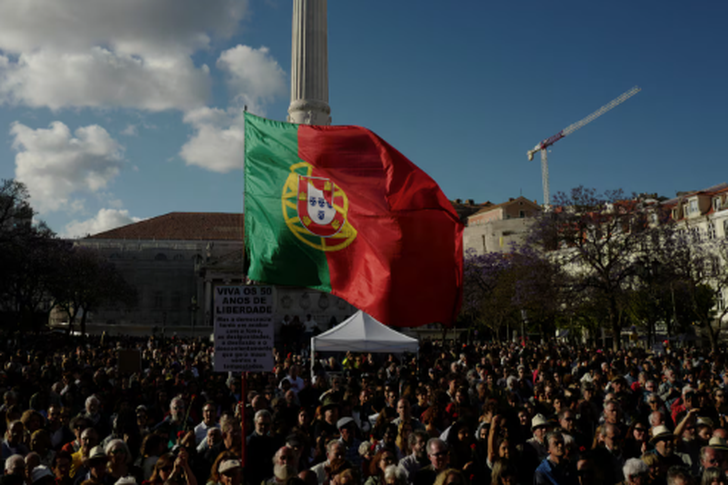
Portugal is preparing for its first general strike in 12 y...
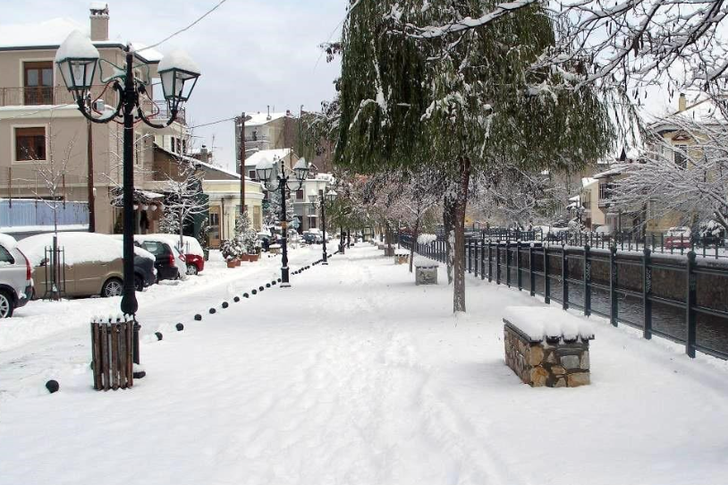
It is called the "Siberia of Greece" as it is famous for i...

Ukrainian President Volodymyr Zelensky declared that he is...
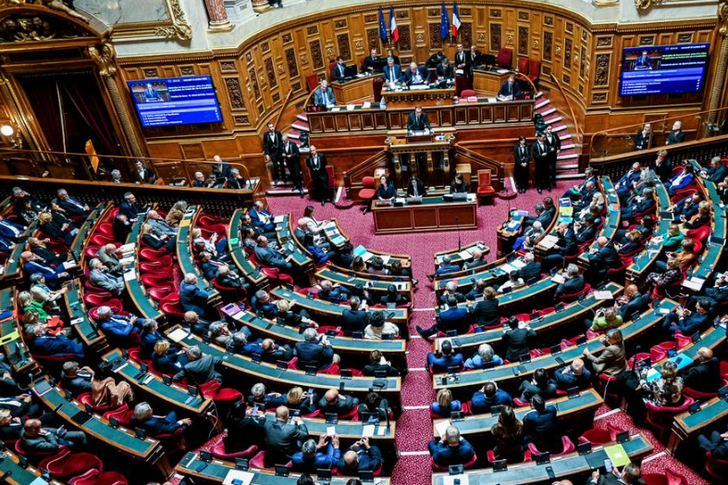
French Prime Minister Le Corneille can breathe a sigh of r...

CNA has launched another investigation that could lead to ...

Irfan Hysenbelliu is a businessman that we call "Irfan the...

In March 2026, CNA launched another investigation centered...
The arrested mayor of Tirana, Erion Veliaj, with 13 charge...

The Special Board of Appeal (KPA) decided this Monday ...

The KPA vetting decided this Thursday to dismiss the p...

Suela Salavaçi, a prosecutor in the Prosecutor's Offic...

The Special Board of Appeal reinstated the prosecutor ...
A road accident occurred this evening on Nikolla Zoraqi St...
Three people were shot and wounded in Elbasan last night b...
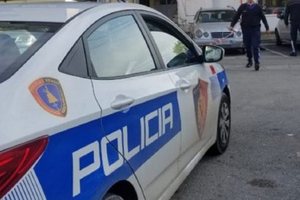
A serious incident occurred this Tuesday in the Yrshek are...

An accident occurred this Tuesday on "Dituria" street in K...
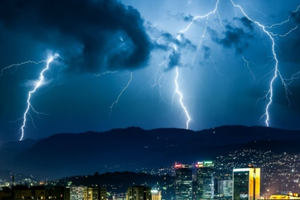
All of Southern Europe will face changing weather conditio...
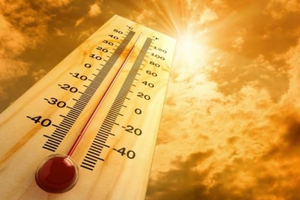
Albania was hit by temperatures significantly higher than ...
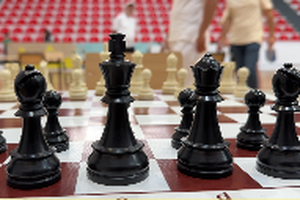
For the first time, Pogradec welcomed the Inter-Lake Chess...

Albania has achieved a record for the employment of foreig...

US Secretary of State Marco Rubio arrived in Manila on Jul...
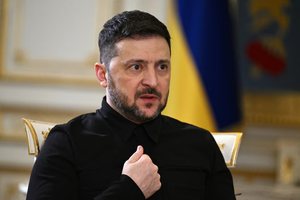
In the space of a few days, Ukrainian President Volodymyr ...

The spokesman for the Iranian Foreign Ministry warned Bulg...
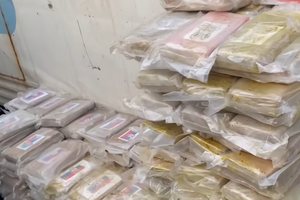
Autoritetet italiane sekuestruan pako me afër 800 kilogram...

At a time when industrial products are increasingly taking...

Trust among people is not just a three-syllable word. It c...

Master of humor Todi Llupi has passed away at the age of 7...

The ninth edition of "MIK Festival" kicked off with one of...

Construction company licenses will have a validity period ...
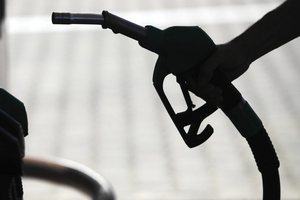
The Centralized Purchasing Operator recently opened a tend...
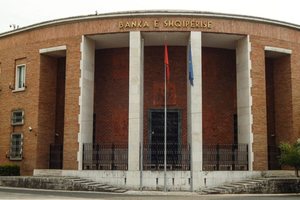
The new draft law "On the Bank of Albania" provides that t...
This Tuesday, one US dollar is bought for 81.2 lek and sol...