


Serious incident in Kukës/ Officer commits suicide with gun in village cemetery
A serious incident has occurred in Morina, Kukes. Citizen...

A serious incident has occurred in Morina, Kukes. Citizen...

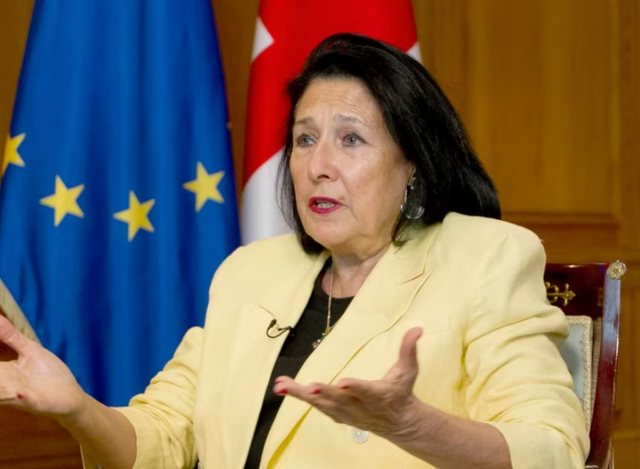
Georgian President Salome Zourabichvili on Saturday vetoed the so-called "Russian law" that targets the media and has sparked mass protests for weeks.
If it goes into effect, media and NGOs that receive more than 20% of their funding from abroad would be required to register as foreign agents "serving the interests of a foreign power."
Critics of the bill, approved by parliament on Tuesday, say it bears too many similarities to laws used by the Kremlin to silence opponents and will hinder Georgia's European aspirations.
Georgia's president, Salome Zourabichvili, said on Saturday that the law contradicted the constitution and "all European standards" and added that it "must be repealed", highlighting her differences with the ruling party.
The ruling party, Georgian Dream, has enough of a majority to override President Zourabichvili's veto and is widely expected to make the move in the coming days.
The Georgian government insists the law is in support of transparency and aims to curb what it calls foreign and harmful influence in the country of 3.7 million people.
Many Georgian journalists and activists vehemently dispute this characterization, saying they are currently subject to demands for control and monitoring.
They argue that the real purpose of the law is to stigmatize them and limit debate ahead of parliamentary elections scheduled to be held in October.
Last December, the European Union offered Georgia candidate country status, while making it clear that Tbilisi must implement the bloc's recommendations in order to make progress in this direction.
The recommendations include the development of free and fair elections, fighting disinformation "against the EU and its values". The bloc has asked Georgia to maintain the independence of public institutions such as the Central Bank as well as anti-corruption bodies.
The opposition "United National Movement" and many protesters accuse the ruling party "Georgian Dream" of trying to hinder the process of the country's integration into the EU and that, on the other hand, it is pushing Georgia towards the sphere of Russian influence, statements that have been made down from the government.
The Georgian Dream party was founded by Bidzina Ivanishvili, former prime minister and billionaire who made his fortune in Russia. The law is almost identical to a bill the ruling party was forced to withdraw last year after protests.
Demonstrations have gripped Georgia for weeks, as protesters have clashed with police who have used tear gas and water cannons to disperse them.
Earlier this month, an opposition lawmaker who spoke in Parliament had his head bandaged, with visible bruises and cuts. His allies said he had been attacked by police during the protests.
EU officials and Western leaders have repeatedly expressed their concerns about the bill, as well as police violence against protesters.
On August 8, 2008, Russia attacked Georgia, in what is known as the five-day war, in support of the separatist territories of South Ossetia and Abkhazia, which Moscow recognized as independent states.
Relations between Russia and Georgia have been tense since the dissolution of the Soviet Union in 1991 and Georgia's declaration of independence./ VOA

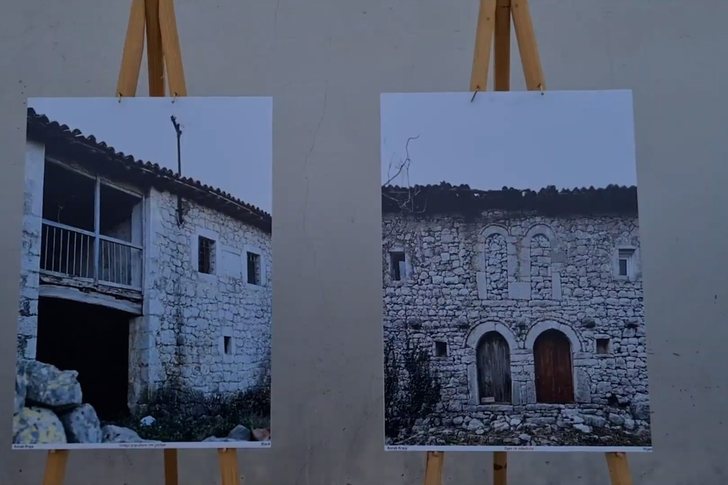
A photo exhibition by the architect Korab Kraja, titled "M...
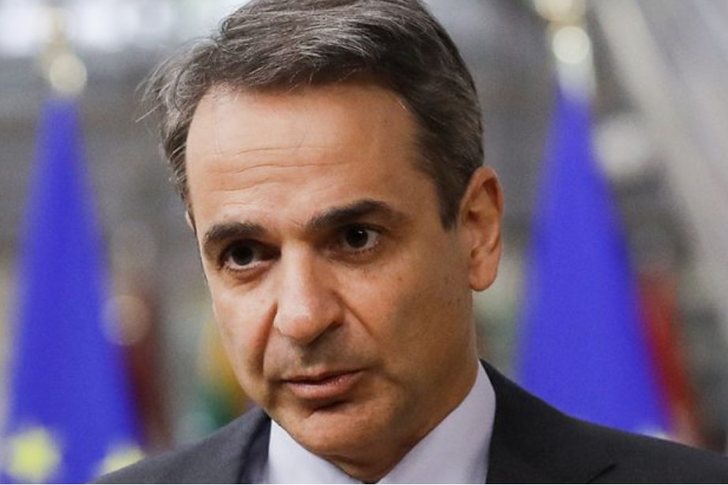
The Prime Minister of Greece, Kyriakos Mitsotakis, thr...
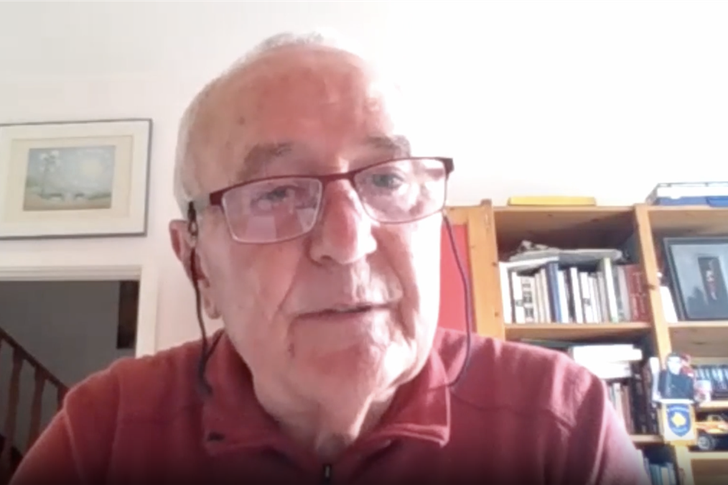
The former Director for the Western Balkans at the Europea...
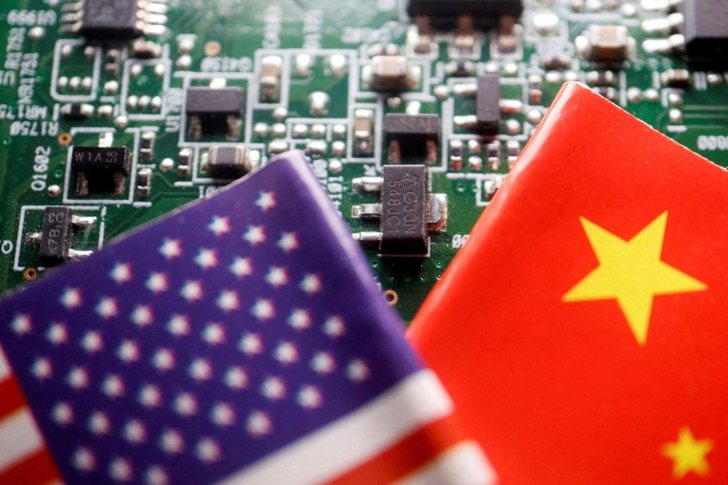
This week, President Joe Biden drastically increased tarif...
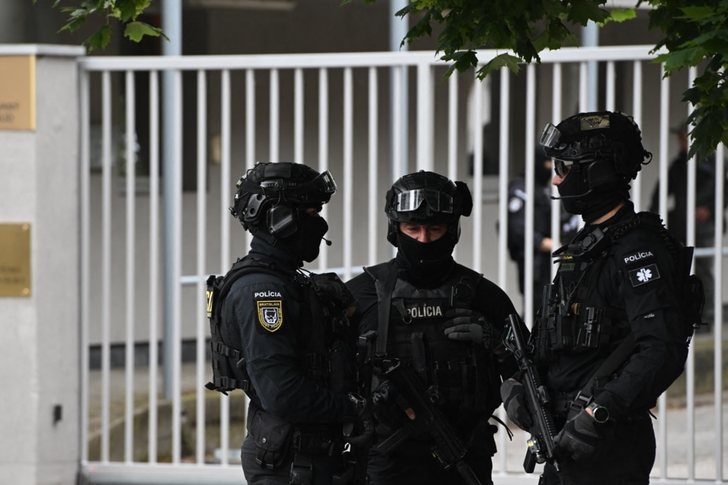
Slovak Prime Minister Robert Fico remains in serious condi...
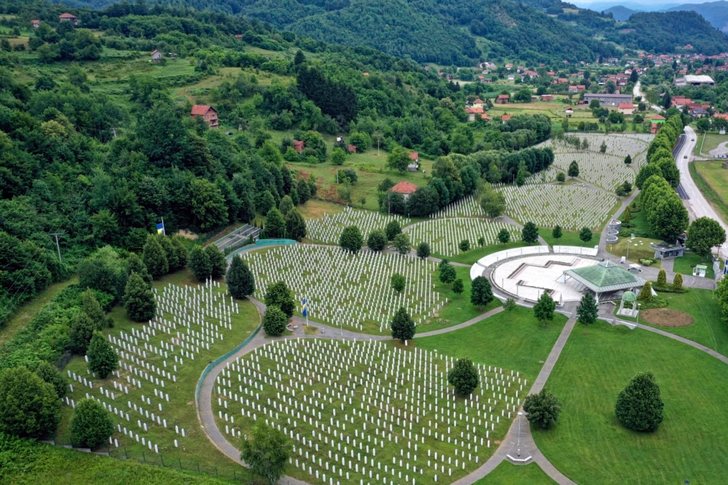
A resolution commemorating the 1995 genocide in Bosnia's S...
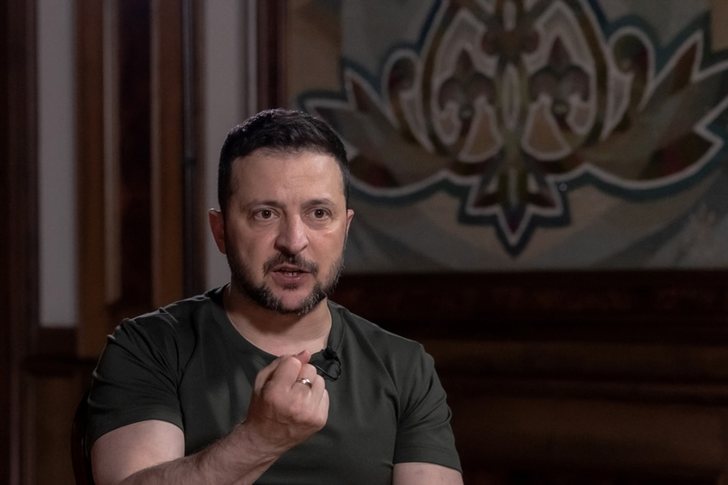
Ukrainian President Volodymyr Zelenskyy warned that Russia...
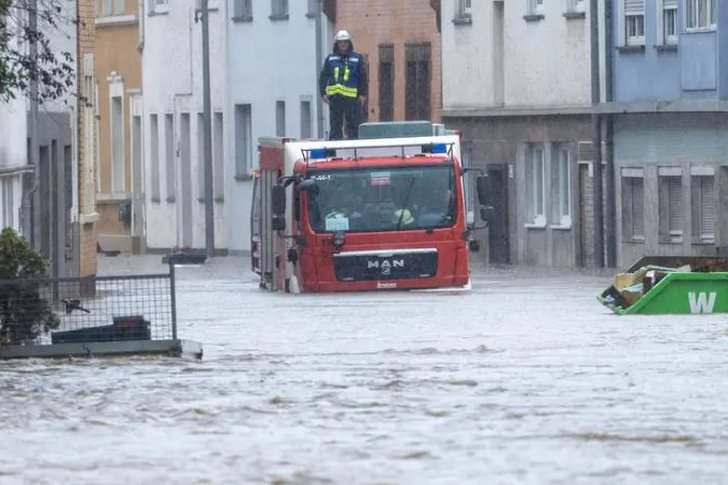
According to data from the Center for Measuring Water ...
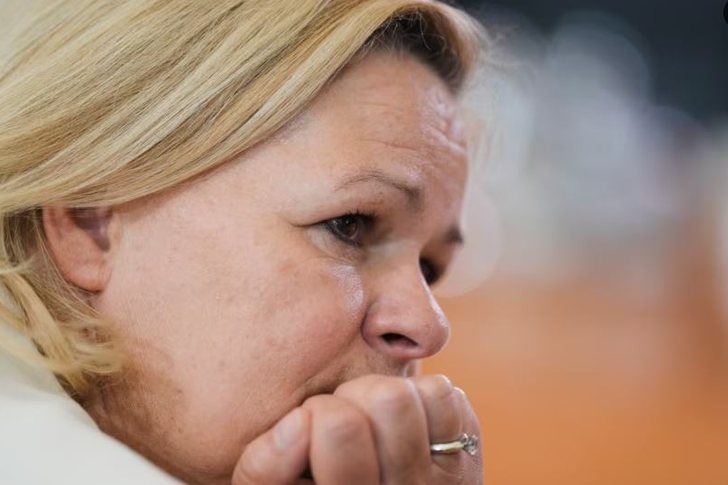
Germany is facing a dangerous escalation of political ...
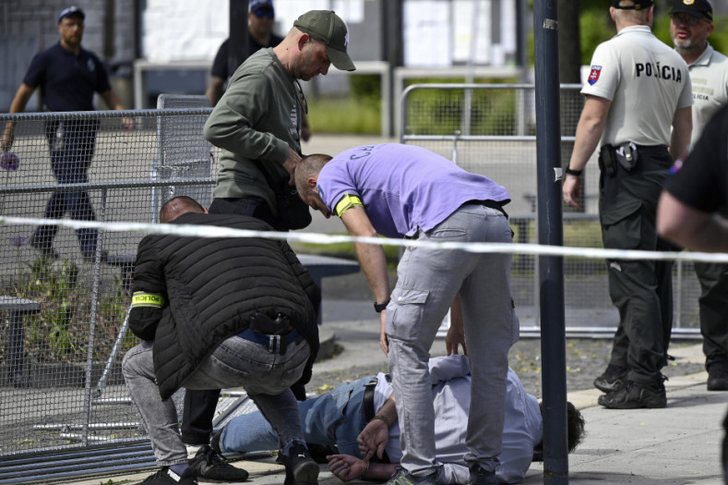
Juraj Cintula, the suspect in the attack on Slovak Pri...
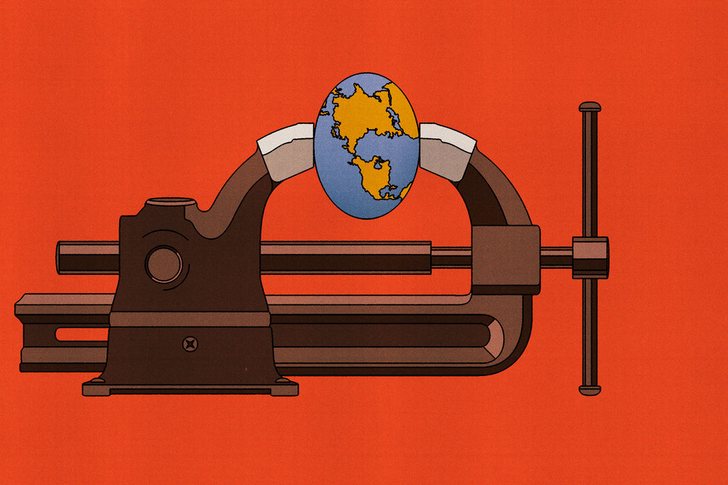
Can the IMF solve the debt crisis of poor countries? T...
On the map of the Spanish meteorological service Aeme,...
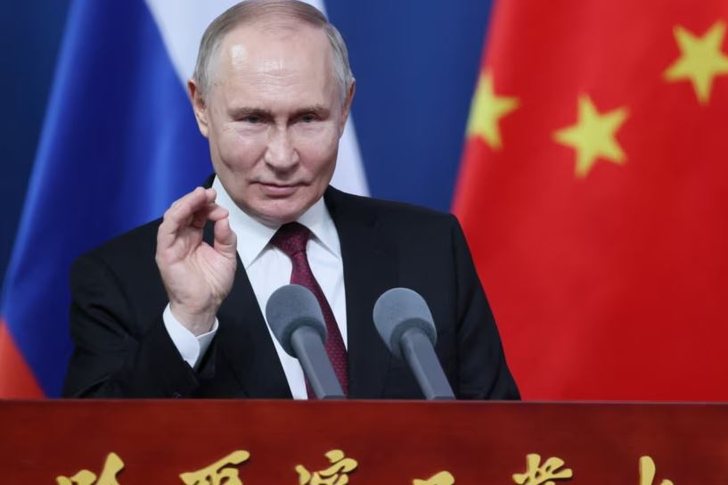
Russian President Vladimir Putin wrapped up a two-day ...
The EURES 2023 report on labor shortages and surpluses...
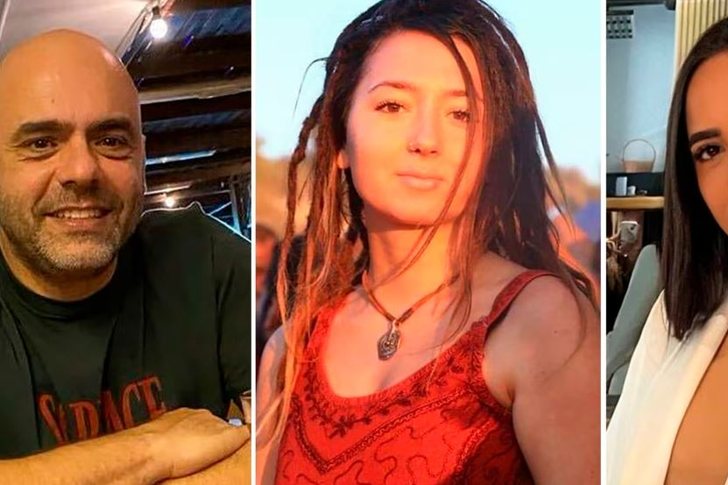
The Israeli military said on Friday it had found the bodie...
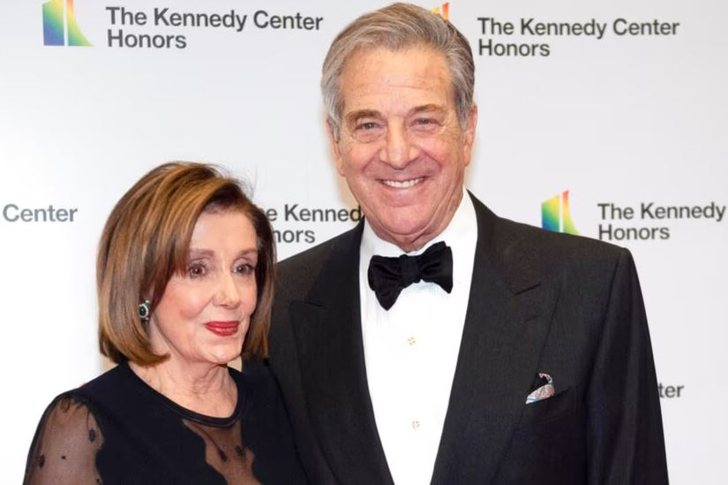
The man who broke into the home of former US House Speaker...
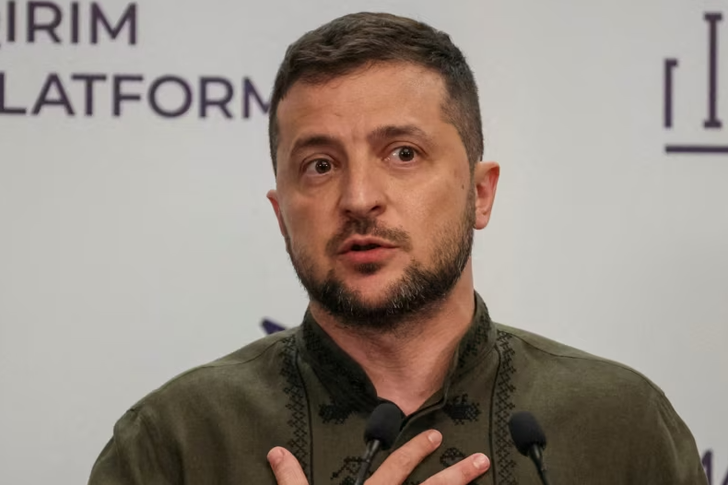
The President of Ukraine, Volodymyr Zelensky, has signed a...
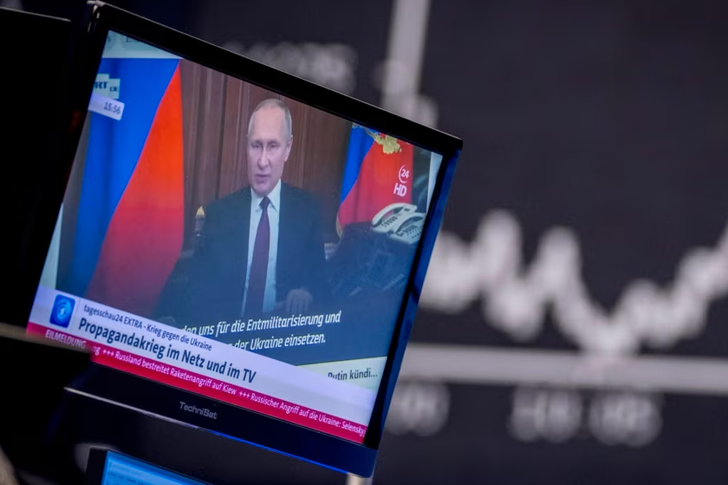
The European Union said on Friday it suspended the right t...
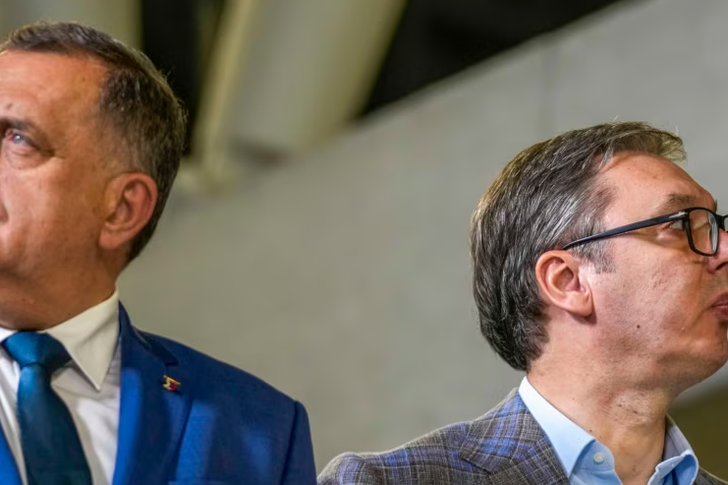
Serbian President Aleksandar Vucic met on Friday in Belgra...
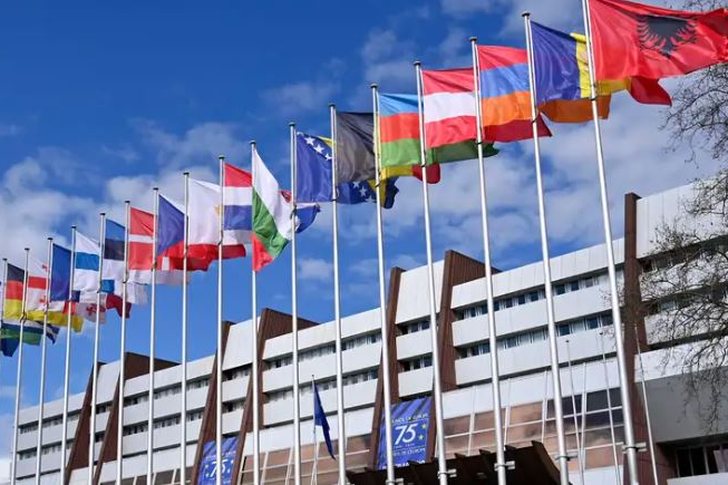
The Foreign Ministers of the 46 member countries of th...

CNA has launched another investigation that could lead to ...

Irfan Hysenbelliu is a businessman that we call "Irfan the...

In March 2026, CNA launched another investigation centered...
The arrested mayor of Tirana, Erion Veliaj, with 13 charge...

The Special Board of Appeal (KPA) decided this Monday ...

The KPA vetting decided this Thursday to dismiss the p...

Suela Salavaçi, a prosecutor in the Prosecutor's Offic...

The Special Board of Appeal reinstated the prosecutor ...
A serious incident has occurred in Morina, Kukes. Citizen...
The bad weather that swept the country on Tuesday evening ...
A road accident occurred this evening on Nikolla Zoraqi St...
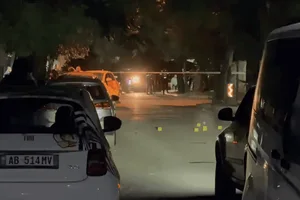
Three people were shot and wounded in Elbasan last night b...
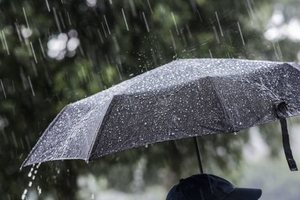
This Wednesday, our country will be under the influence of...
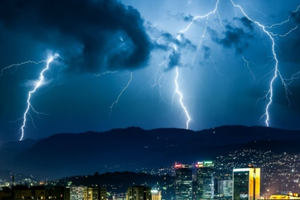
All of Southern Europe will face changing weather conditio...
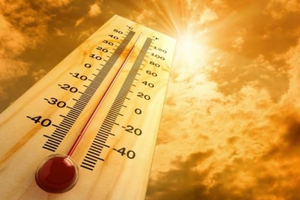
Albania was hit by temperatures significantly higher than ...
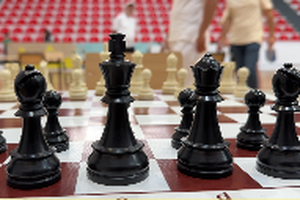
For the first time, Pogradec welcomed the Inter-Lake Chess...
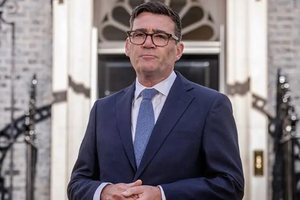
Prime Minister Andy Burnham has announced that most bus fa...
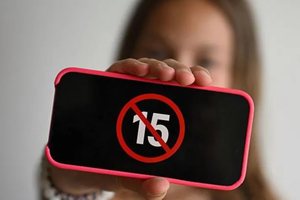
France's parliament has passed a law to ban social media f...
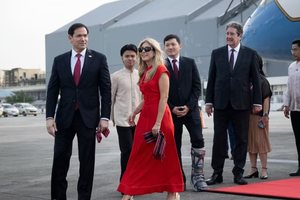
US Secretary of State Marco Rubio arrived in Manila on Jul...
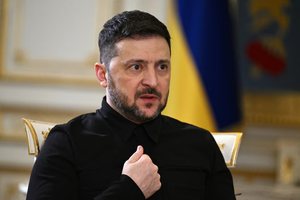
In the space of a few days, Ukrainian President Volodymyr ...

At a time when industrial products are increasingly taking...

Trust among people is not just a three-syllable word. It c...

Master of humor Todi Llupi has passed away at the age of 7...

The ninth edition of "MIK Festival" kicked off with one of...

Businesses will no longer be required to simply register t...

Despite economic growth and income in recent years, Albani...
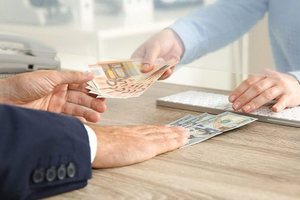
This Wednesday, one US dollar is bought for 81.4 lek and s...

Construction company licenses will have a validity period ...