


Serious incident in Kukës/ Officer commits suicide with gun in village cemetery
A serious incident has occurred in Morina, Kukes. Citizen...

A serious incident has occurred in Morina, Kukes. Citizen...

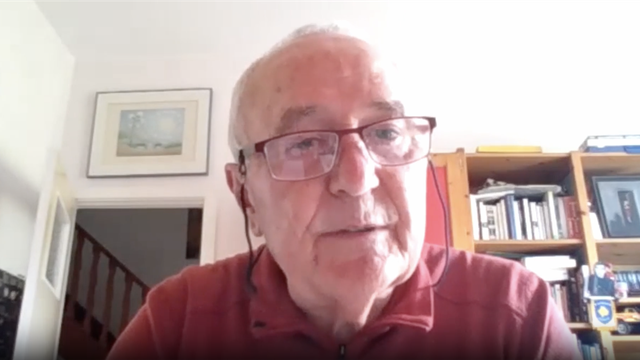
The former Director for the Western Balkans at the European Commission, Pierre Mirel, in an interview with the Voice of America, said that Kosovo's lack of readiness to take steps towards the establishment of the Association of Serb-majority municipalities calls into question its credibility with international partners.
The failure to take steps to establish the Association left Kosovo off the agenda at the meeting of Foreign Ministers of the Council of Europe on Friday, although the approach to this organization was seen as an important step for Kosovo, which is the last in the region in the integration processes.
"I think it was not a wise move, it is not a positive development. This may give some member countries the feeling that after the request expressed for years and years to join the Council of Europe, suddenly Kosovo is not able to submit a project, that is, not the final text, but a project to the Constitutional Court. So some partners may wonder if they can trust anymore. Therefore, I think that this is not positive", he said.
In April, Kosovo received the green light from the Parliamentary Assembly of the Council of Europe to join this mechanism, but some of the member countries reiterated that a condition for Kosovo's progress is taking steps for the Association.
"There were some member countries that had other views and thought that 'OK, the Association can be established after membership, but at least show us your good will by sending the proposal to the Constitutional Court.' This is a sign of good will because for the Council of Europe a very important issue is the treatment of minorities in every country", says Mr. Mirel.
The Government of Kosovo sent a letter to the Council of Europe on Wednesday with the commitment to draw up a draft charter of the Association of Municipalities with a Serbian majority and to send it for interpretation to the Constitutional Court by the end of May, although before that the main European leaders they had made it clear that such an option is "neither suitable nor feasible".
Mr. Mirel says that the draft European proposal that was submitted to Kosovo and Serbia in the fall of last year has been sitting on the table for several months now, stressing that there were many opportunities to discuss it in case there was any part of the content that was not satisfactory.
"But this did not happen, while all of a sudden the draft proposal is not sent to the court and a letter is sent, this is actually confusing", he says.
The professor of peace and conflict studies at the University of Dublin in Ireland, Gëzim Visoka, told the Voice of America that new conditions were expected and burden the international position of Kosovo.
"To ensure recognition and membership in international mechanisms, the friends of Kosovo have conditioned the government of Kosovo to make internal compromises. So, in order to strengthen external sovereignty, Kosovo has been asked to weaken or weaken internal sovereignty", he says.
But Mr. Mirel estimates that Kosovo had to make concessions to international pressure for a greater interest of its own, such as European integration.
"An important thing is that when a country is looking for, let's say, full sovereignty, because five countries still do not recognize Kosovo, that country must make sure that every possible element that helps is used," he says.
Although he assesses that recent developments risk reducing the pace of Kosovo's European integration, Mr. Visoka is against what he calls the culture of conditionality in diplomacy.
"I do not think that lasting peace will be achieved through this culture of conditionalities and unilateral pressure. This will only encourage populism, nationalism and will aggravate the relations between the parties and mediators", he says.
Mr. Mirel says that the recently increased interest of the European Union in the integration of the Western Balkans should be used by the states of the region. He expresses concern that the lack of faster progress in this process risks being a source of instability in the region, which can then be exploited by malicious foreign forces./ VOA

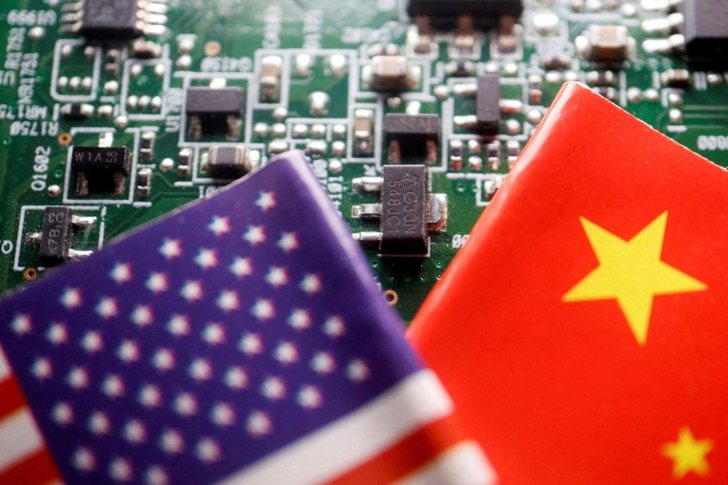
This week, President Joe Biden drastically increased tarif...
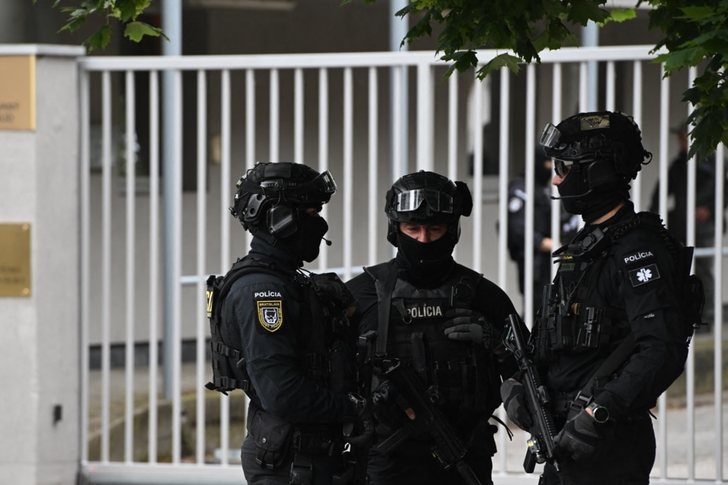
Slovak Prime Minister Robert Fico remains in serious condi...
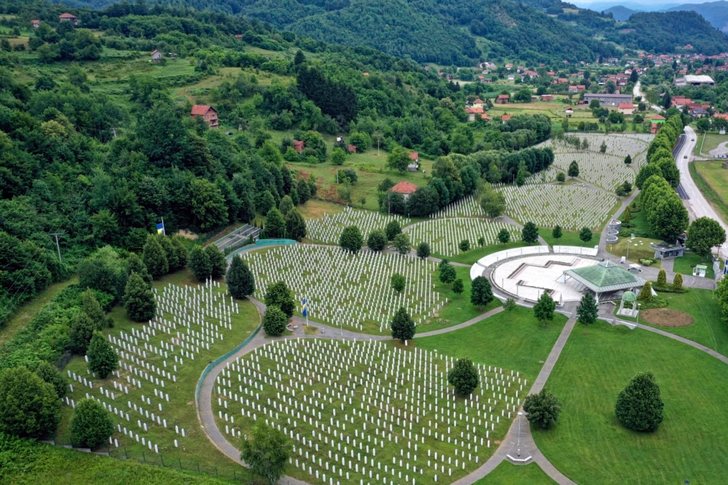
A resolution commemorating the 1995 genocide in Bosnia's S...
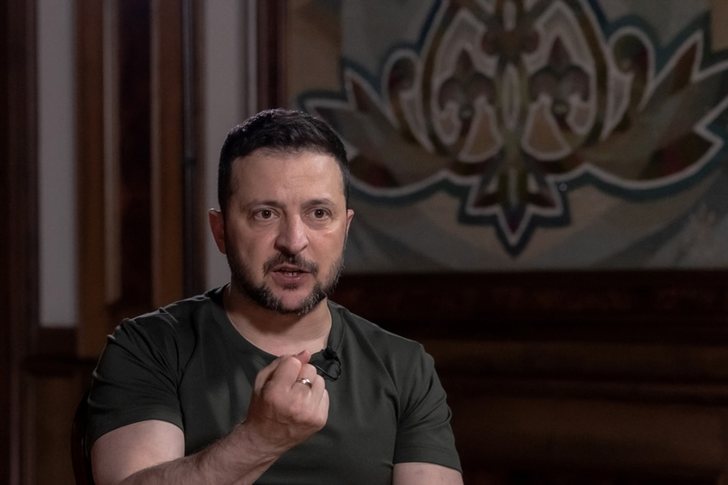
Ukrainian President Volodymyr Zelenskyy warned that Russia...
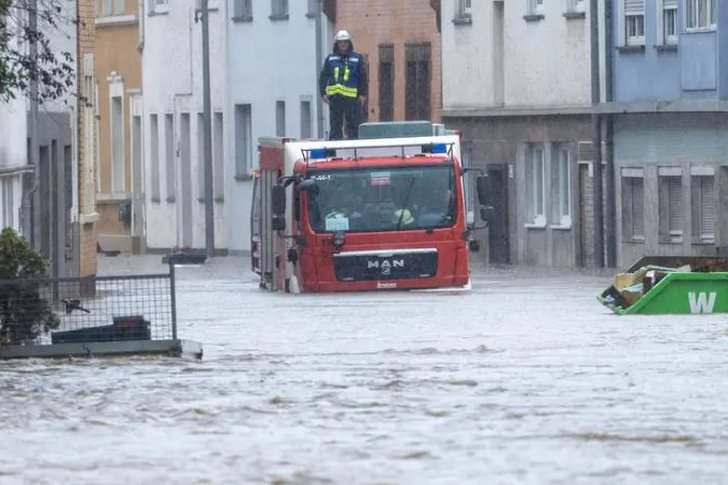
According to data from the Center for Measuring Water ...
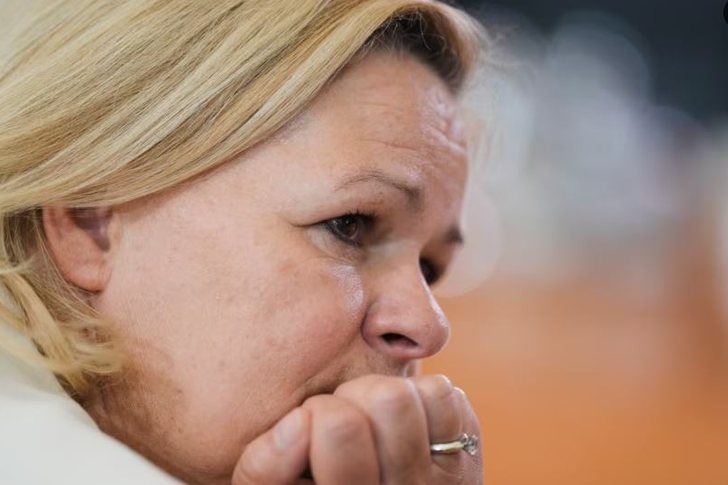
Germany is facing a dangerous escalation of political ...
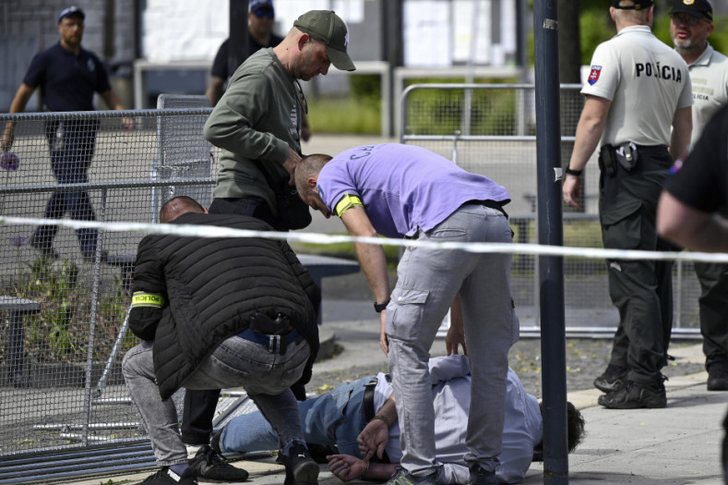
Juraj Cintula, the suspect in the attack on Slovak Pri...
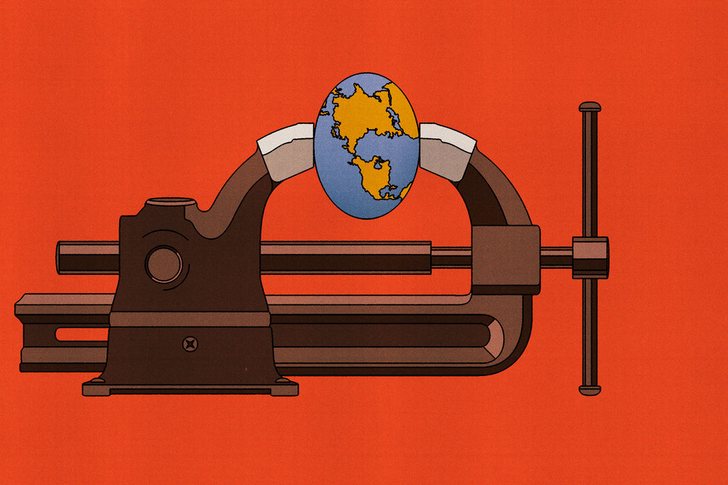
Can the IMF solve the debt crisis of poor countries? T...

On the map of the Spanish meteorological service Aeme,...
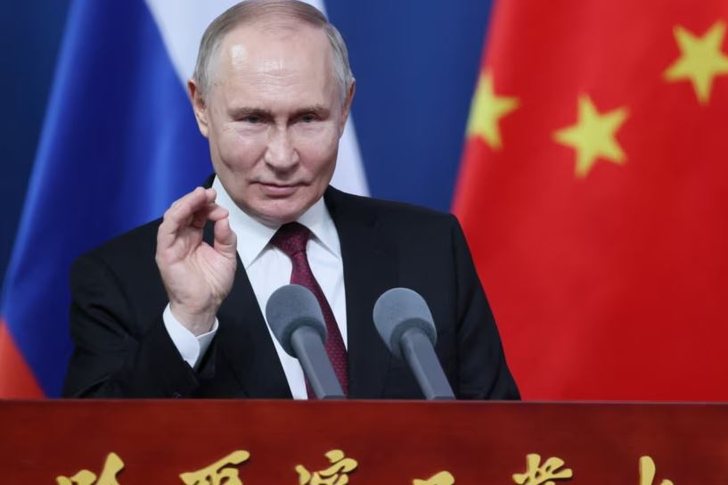
Russian President Vladimir Putin wrapped up a two-day ...
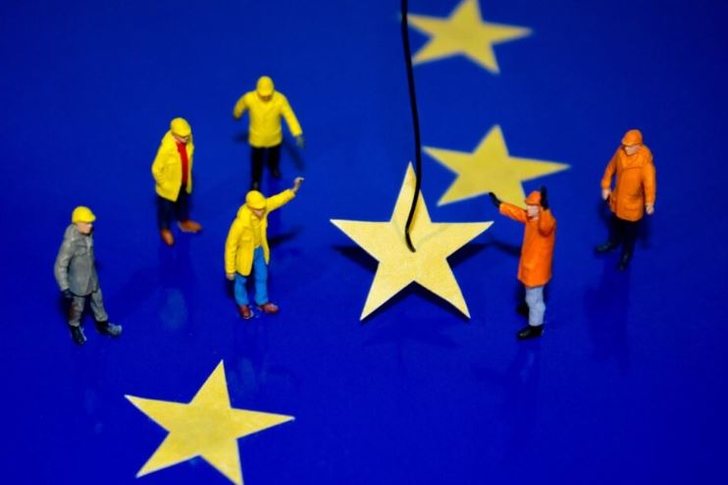
The EURES 2023 report on labor shortages and surpluses...
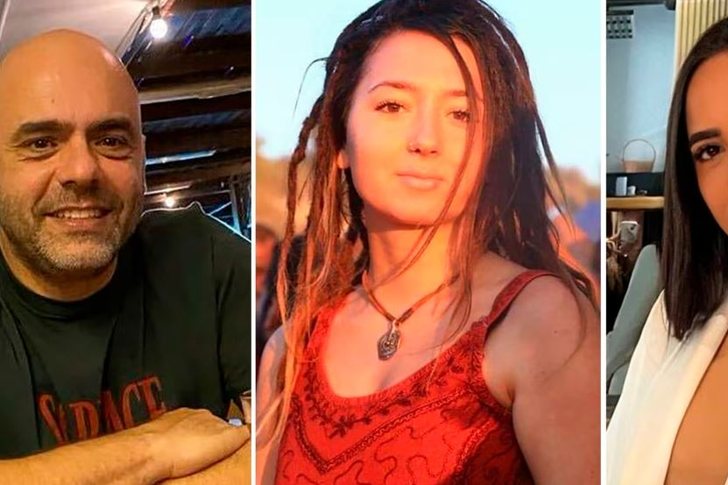
The Israeli military said on Friday it had found the bodie...

The man who broke into the home of former US House Speaker...
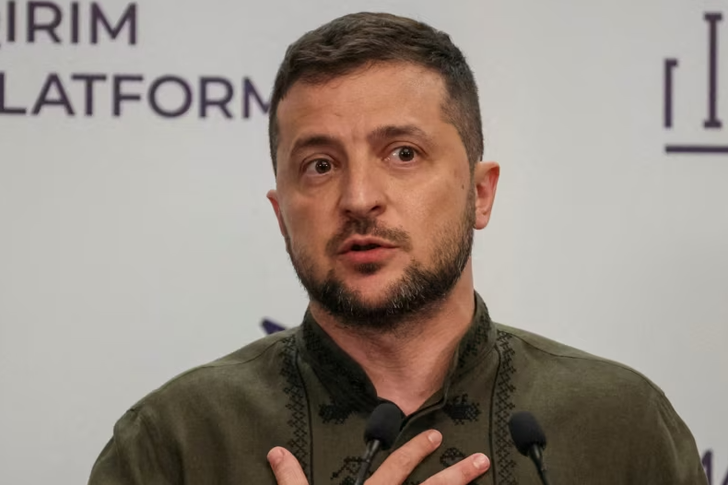
The President of Ukraine, Volodymyr Zelensky, has signed a...
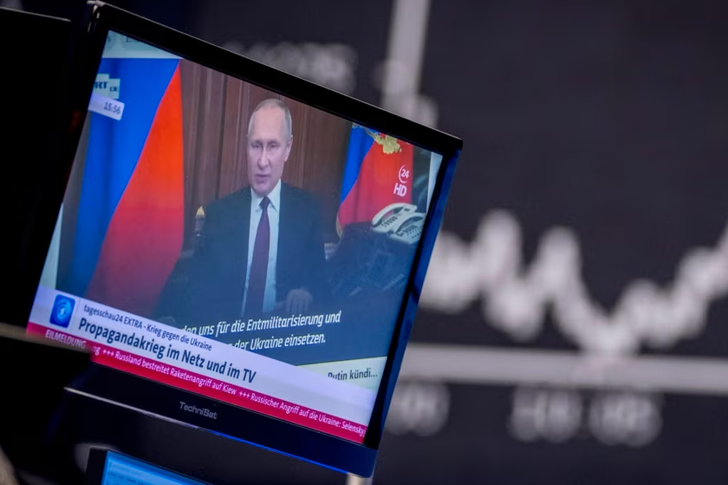
The European Union said on Friday it suspended the right t...
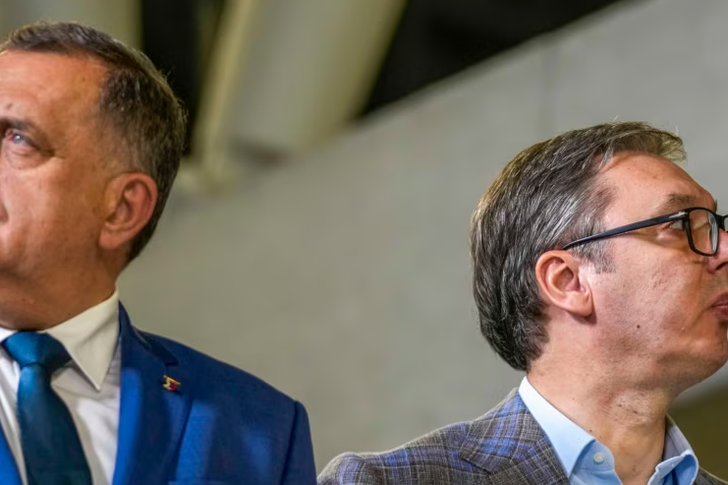
Serbian President Aleksandar Vucic met on Friday in Belgra...
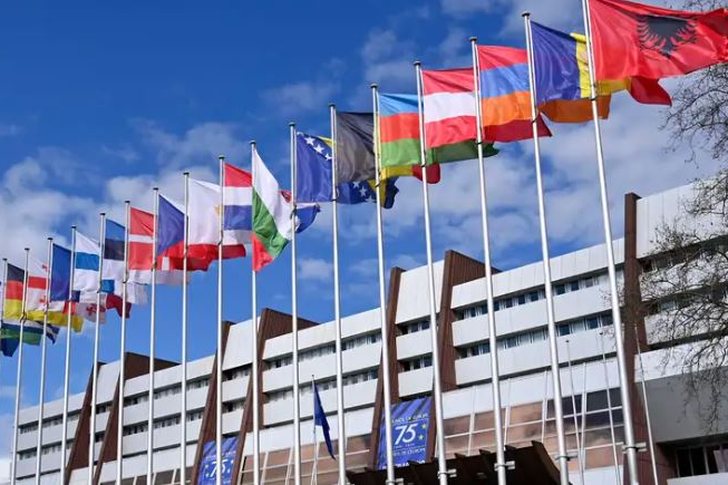
The Foreign Ministers of the 46 member countries of th...
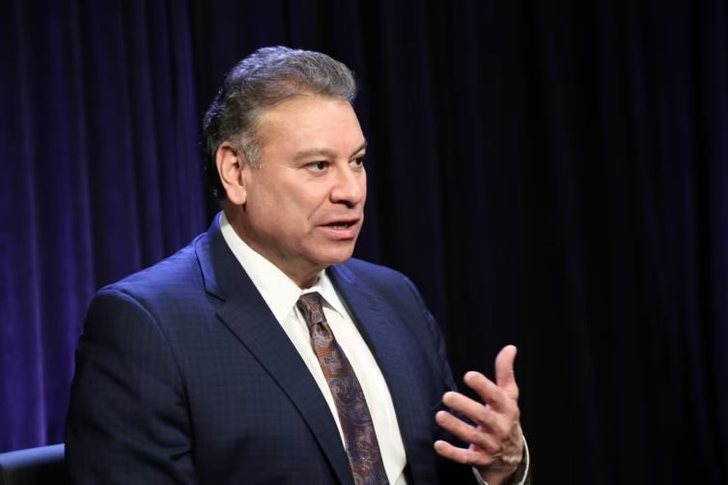
Washington's special envoy for the Western Balkans, Ga...
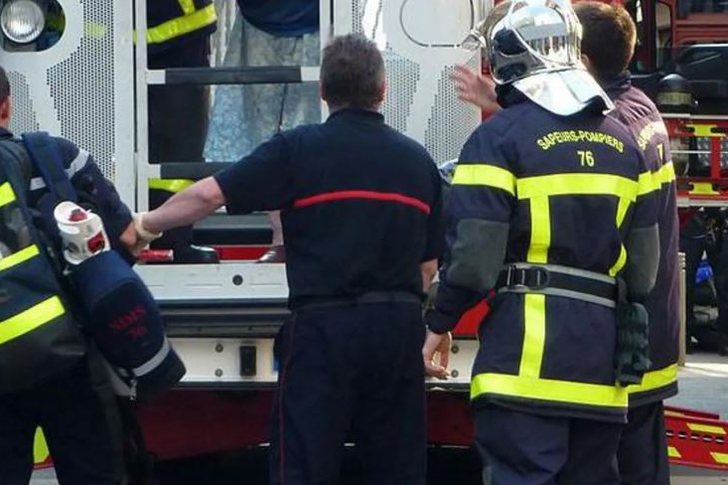
French police have killed a gunman who wanted to set f...

A look at the figures of the organization of industrialize...

CNA has launched another investigation that could lead to ...

Irfan Hysenbelliu is a businessman that we call "Irfan the...

In March 2026, CNA launched another investigation centered...
The arrested mayor of Tirana, Erion Veliaj, with 13 charge...

The Special Board of Appeal (KPA) decided this Monday ...

The KPA vetting decided this Thursday to dismiss the p...

Suela Salavaçi, a prosecutor in the Prosecutor's Offic...

The Special Board of Appeal reinstated the prosecutor ...
A serious incident has occurred in Morina, Kukes. Citizen...
The bad weather that swept the country on Tuesday evening ...
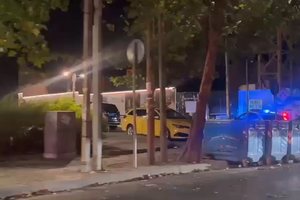
A road accident occurred this evening on Nikolla Zoraqi St...
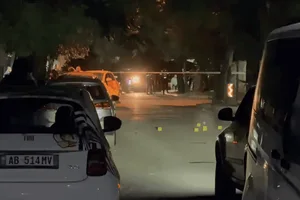
Three people were shot and wounded in Elbasan last night b...
This Wednesday, our country will be under the influence of...
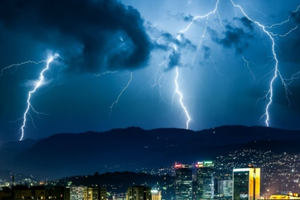
All of Southern Europe will face changing weather conditio...
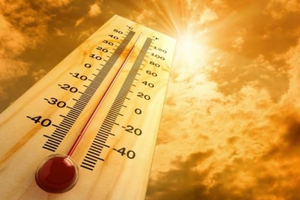
Albania was hit by temperatures significantly higher than ...

For the first time, Pogradec welcomed the Inter-Lake Chess...
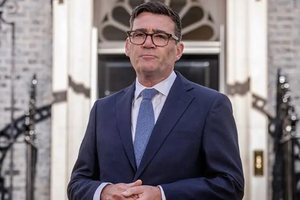
Prime Minister Andy Burnham has announced that most bus fa...

France's parliament has passed a law to ban social media f...

US Secretary of State Marco Rubio arrived in Manila on Jul...
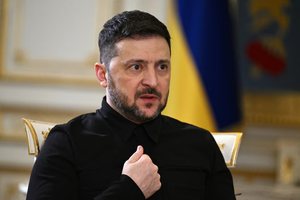
In the space of a few days, Ukrainian President Volodymyr ...

At a time when industrial products are increasingly taking...

Trust among people is not just a three-syllable word. It c...
Master of humor Todi Llupi has passed away at the age of 7...
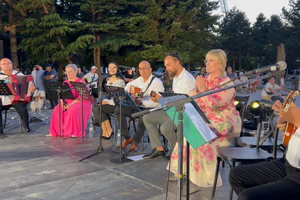
The ninth edition of "MIK Festival" kicked off with one of...

Businesses will no longer be required to simply register t...

Despite economic growth and income in recent years, Albani...

This Wednesday, one US dollar is bought for 81.4 lek and s...

Construction company licenses will have a validity period ...