


Kurti appoints Kreshnik Haxhiu deputy director of the Agency for the Protection of Classified Information
The Prime Minister of the Republic of Kosovo, Albin Kurti,...


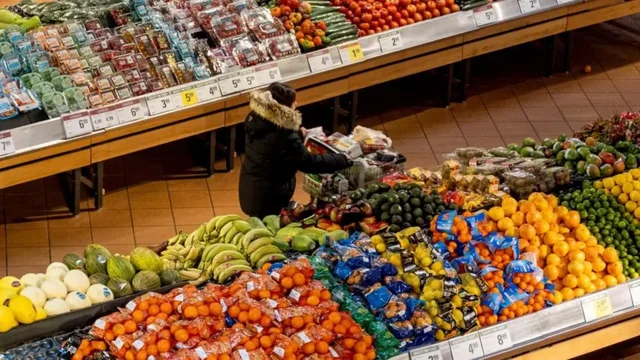
The trade war between the US and Canada has escalated significantly with President Donald Trump raising the tariff rate on Canadian imports from 25% to 35%.
Most goods will avoid the rising costs entering the U.S. market because they are currently exempt under an existing North American trade treaty. But some key products are being hit hard.
Earlier this year, Canada responded with its own counter-tariffs on tens of billions of dollars worth of American products, ranging from tomato ketchup to washing machines.
Although it's too early to determine the full impact, experts say the prices of everyday items for Canadians are already slowly rising and will continue to rise.
Here is a detailed description of the products that have become more expensive.
Refrigerators and washing machines
Canada has imposed counter-tariffs on washing machines, dryers, refrigerators and HVAC units made in the US.
That, coupled with rising U.S. steel prices due to Trump's 50% tariffs on imported metals, means the displayed price for these items has increased, said Andreas Schotter, a professor of international business at Western University in Ontario.
For Canadians, this has resulted in the average cost of refrigerators and freezers increasing by 2%. Dishwashers and clothes washers increased by 4.5% in June compared to the same time last year, according to Statistics Canada.
Andrew Barclay, an analyst at the statistics agency, said the percentages are offset by the fact that not all devices sold in Canada originate in the US.
This means that consumers can do different searches to avoid paying the higher price.
Prof. Schotter said some retailers have been advertising "pre-tariff" sales on dishwashers and heat pumps - "an old allusion that regular prices will rise".
New and used cars
The automotive sector has been hit particularly hard by US tariffs, due to the interconnectedness of car manufacturing supply chains between the two countries.
A vehicle can cross the US-Canada-Mexico border up to eight times before it is fully assembled.
The Trump administration has imposed a 25% tariff on all cars and trucks not made in the U.S. Canada has retaliated with similar reciprocal tariffs, though it has made exceptions for automakers that are compliant with an existing North American Free Trade Agreement and those that continue to manufacture domestically.
Car manufacturers have also been hit by US metal tariffs.
Kjo ka rezultuar në çmime më të larta për automjetet e reja. Kostoja u rrit me më shumë se 5% në qershor krahasuar me vitin e kaluar, tha zoti Barclay.
"Gjithashtu kemi parë përshpejtim të çmimeve të makinave të përdorura, gjë që na sugjeron se njerëzit ndoshta po humbasin çmimin për të blerë makina të reja", i tha ai BBC-së.
Prof. Schotter tha se njerëzit po zgjedhin t’i mbajnë makinat e tyre më gjatë për të shmangur blerjen e makinave të reja, duke shtuar se kjo është “gjëja e kujdesshme për t’u bërë”.
Gjalpë kikiriku, supë e konservuar dhe ushqime të tjera
Kundër-tarifat e Kanadasë synojnë një sërë ushqimesh të prodhuara ose të përpunuara në SHBA.
Disa nga këto artikuj që atëherë i janë nënshtruar një përjashtimi të përkohshëm gjashtëmujor duke filluar nga prilli për të ofruar "lehtësim të menjëhershëm" për bizneset kanadeze që mbështeten në produktet amerikane.
Megjithatë, raftet e dyqaneve ushqimore po shohin një ndikim. Dyqani më i madh ushqimor i Kanadasë, Loblaw, madje ka filluar të etiketojë artikujt me shkronjën "T", çmimi i të cilëve është rritur për shkak të tarifave.
Shitësi i ushqimeve ia ka shtuar etiketën gati 7,500 artikujve.
Ato përfshijnë keçapin e domates dhe salca të tjera domatesh të importuara nga SHBA-ja, si dhe produkte bazë në dollap si gjalpi i kikirikut dhe reçeli.
Gjeldeti, makaronat dhe portokallet, të cilat të gjitha janë tarifa kundër-tarifë, janë rritur në kosto.
Michael von Massow, profesor i bujqësisë në Universitetin Guelph, tha se çmimet e lëngjeve të frutave janë rritur me 7.5% nga viti i kaluar për shkak të kundërmasave ndaj agrumeve amerikane.
Supat e konservuara panë një rritje prej 8% në të njëjtën periudhë për shkak të taksave të çelikut dhe aluminit, tha Prof von Massow. Kanadaja merr pjesën më të madhe të paketimit të ushqimit - si kanaçet e supave - nga SHBA-ja.
Drejtori ekzekutiv i Loblaw ka thënë se artikujt e etiketuar me shkronjën "T" kanë parë një rënie prej 20% në shitje mesatarisht.
Veshje dhe këpucë
Qershori pati një rritje të pazakontë të çmimeve të veshjeve, tha z. Barclay i Statistikave të Kanadasë.
Ndërsa Kanadaja ka vendosur kundër-tarifa për importet e veshjeve nga SHBA-ja, ai beson se çmimet më të larta nuk lidhen drejtpërdrejt me këto taksa, por janë përkundrazi një simptomë e luftës më të gjerë tregtare globale që po vazhdon.
Qendrat kryesore të prodhimit si Kina dhe Vietnami kanë qenë subjekt i tarifave të larta amerikane, të cilat kanë nxitur pasiguri për këta sektorë.
Rezultati është një rritje prej 2% e çmimit të veshjeve dhe këpucëve nga viti i kaluar, tha zoti Barclay. Është një rritje modeste, vuri në dukje ai, por e pazakontë sepse çmimet kanë qenë në rënie të përgjithshme gjatë 20 viteve të fundit.
"Shumë nga kjo ka të bëjë me shfaqjen e qendrave të veshjeve në Azinë Juglindore dhe Azi, të cilat kanë ushtruar presion mbi çmimet," tha ai.
Housing and remodeling costs
The homebuilding sector in Canada is concerned that the price of the materials it relies on will increase.
Cheryl Shindruk, an executive at a housing development company in southern Ontario, recently told the Canadian Press that it is difficult so far to determine exactly how much costs could increase.
But uncertainty has already delayed project deadlines, while her company is focusing on sourcing materials locally or elsewhere.
She said some materials, like laminated glass windows, cannot be replicated in Canadian or non-U.S. markets, giving her and others no choice but to pay higher prices.
Canada has also targeted carpets, flooring and tiles with countermeasures. Mr Barclay told the BBC that there had been a slight increase in the cost of maintenance and repairs for homeowners as a result.
Prices for plumbing, utilities and steel framing have all increased, according to Statistics Canada data.
The Canadian Mortgage Housing Corporation (CMHC) had predicted earlier this year that an ongoing U.S.-Canada trade war would slow the economy and limit housing activity, including buying, selling and construction.
Provinces that have been hit hardest by the tariffs, such as Ontario - partly because of its important auto manufacturing sector - are already seeing a slowdown in housing starts of eight to 26%, according to CMHC data./ CNA, translated by BBC

The Prime Minister of the Republic of Kosovo, Albin Kurti,...

US special envoy Steve Witkoff has inspected aid distribut...

This progress between the United States and Pakistan comes...

The Kosovo Special Prosecution Office has submitted an ind...

Kosovo's acting Prime Minister, Albin Kurti, announced on ...

The Kosovo Police and the Basic Prosecution Office in Mitr...

The US says it will impose sanctions on the Palestinian Au...
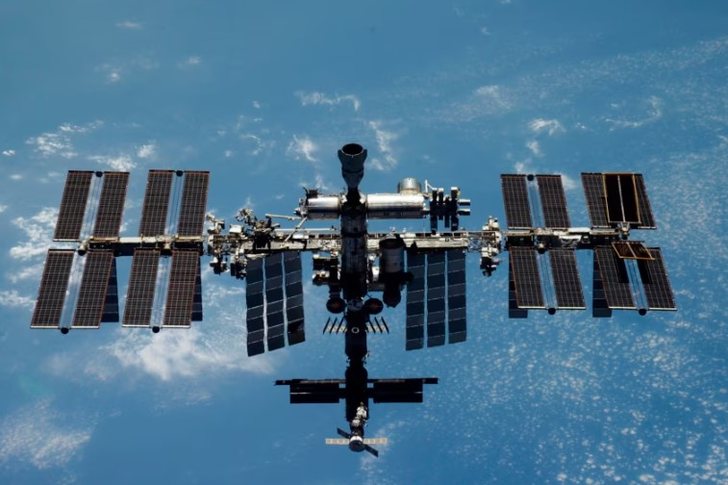
The head of the Russian space agency, Roscosmos, said he h...
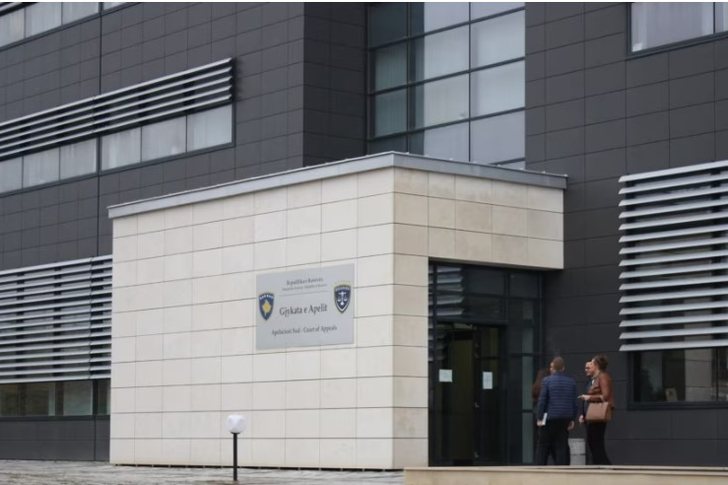
The Court of Appeal has terminated the detention of five p...

President Trump has announced on his platform, Truth Socia...

The Court of Appeals has rejected the appeal of Igor Popov...

Israel could threaten to annex parts of Gaza to increase p...

Australia is banning YouTube for children under 16, expand...
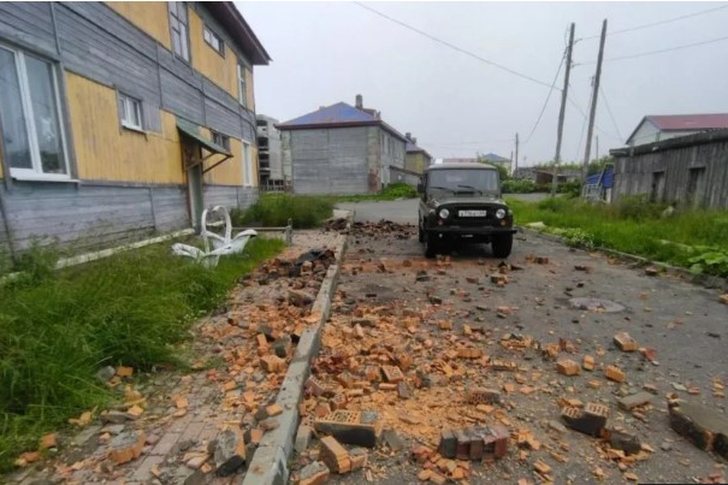
It has been one of the strongest earthquakes ever recorded...
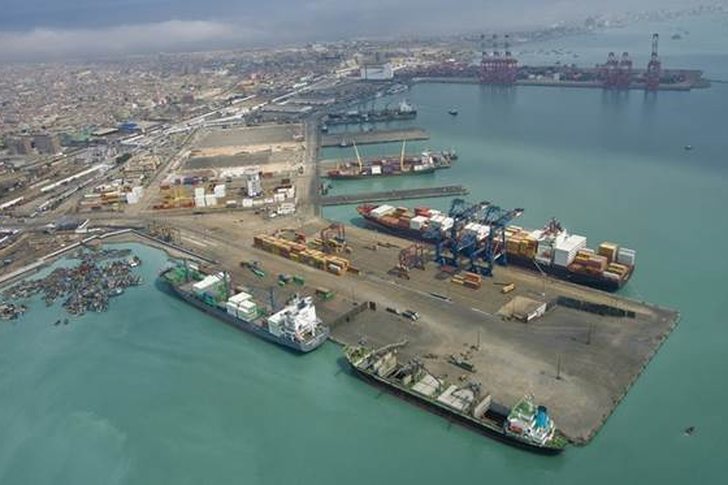
Peru has closed 65 of its 125 Pacific ports due to a tsuna...

United States President Donald Trump announced on July 30 ...
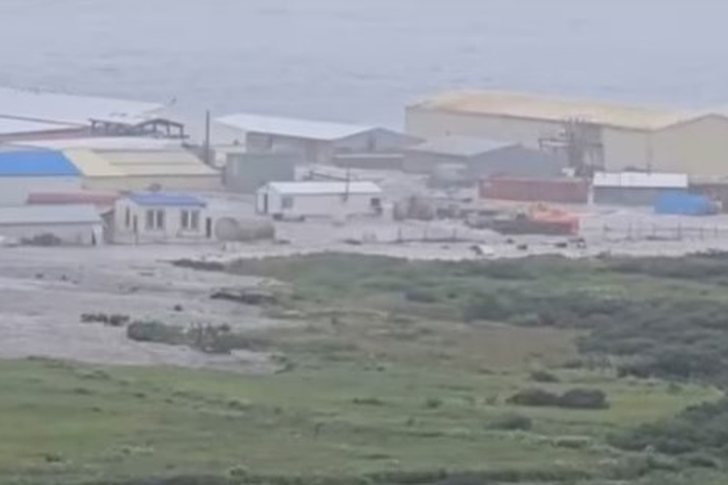
Russia and other regions have lifted tsunami warnings afte...
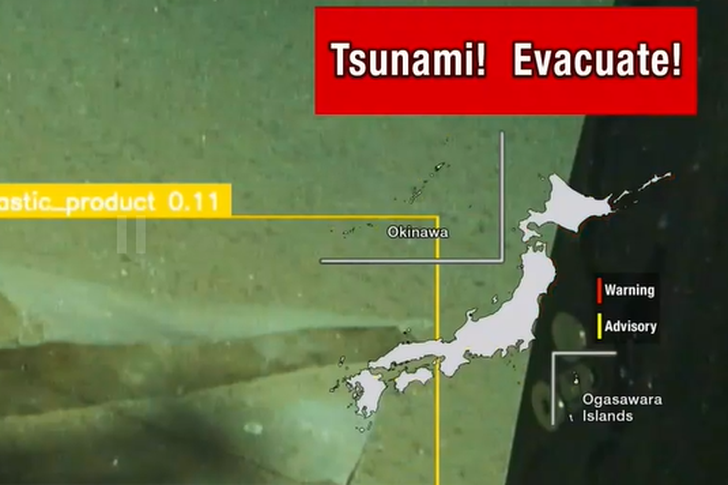
The Albanian Embassy in Japan, following tsunami warnings,...
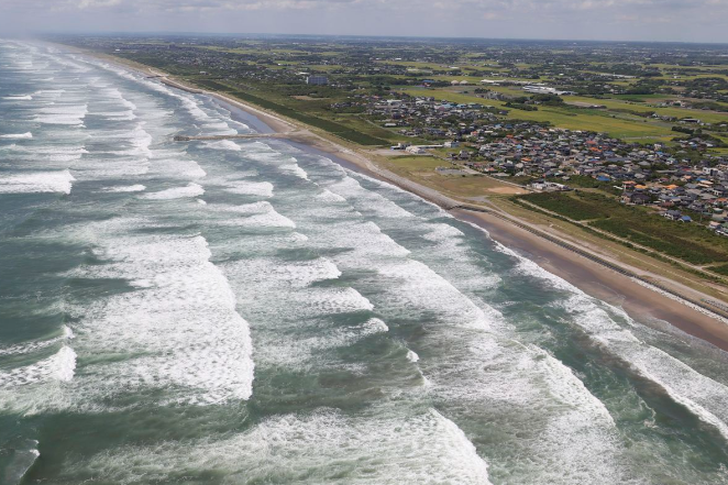
Waves are beginning to hit US shores, including Hawaii and...

The first waves caused by a massive 8.8-magnitude earthqua...

CNA has launched another investigation that could lead to ...

Irfan Hysenbelliu is a businessman that we call "Irfan the...

In March 2026, CNA launched another investigation centered...
The arrested mayor of Tirana, Erion Veliaj, with 13 charge...

The Special Board of Appeal (KPA) decided this Monday ...

The KPA vetting decided this Thursday to dismiss the p...

Suela Salavaçi, a prosecutor in the Prosecutor's Offic...

The Special Board of Appeal reinstated the prosecutor ...

Footage emerges from the serious accident that occurred th...

A Shkodra traffic police officer was hit with hard objects...

This Wednesday, around 4:00 PM, a serious accident occurre...

Tirana Police have shared details regarding the accident t...

A serious accident that occurred this Wednesday with the c...

The Institute of Geosciences has shared a forecast for wea...
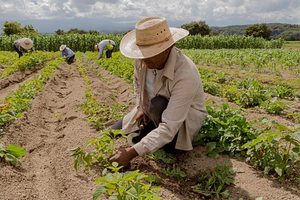
Rising energy and fertilizer prices are expected to contin...
Over 18,000 foreign citizens from 140 countries have appli...

The trial of ousted Venezuelan President Nicolas Maduro on...
US President Donald Trump has issued another warning to Ir...

Prime Minister Andy Burnham has announced that most bus fa...

France's parliament has passed a law to ban social media f...

At a time when industrial products are increasingly taking...

Trust among people is not just a three-syllable word. It c...

Master of humor Todi Llupi has passed away at the age of 7...

The ninth edition of "MIK Festival" kicked off with one of...
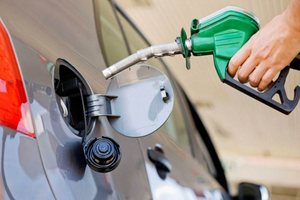
The price of diesel reached 206 lek per liter from 198 lek...

Businesses will no longer be required to simply register t...

Despite economic growth and income in recent years, Albani...

This Wednesday, one US dollar is bought for 81.4 lek and s...