


Second victim of bad weather/ Fisherman drowns in Ksamil
Citizen MH, 61, a fisherman, was found dead near the islan...

Citizen MH, 61, a fisherman, was found dead near the islan...


Germany's economy will slowly emerge from a multi-year recession, the Bundesbank has warned in a forecast that dashes hopes for a rapid recovery fueled by Berlin's wave of debt-financed spending.
The central bank lowered its growth forecast for 2026 by 0.1 percentage point to 0.6%. While it raised its forecast for 2027 by the same amount, to 1.3%, it warned that the risks to the updated GDP forecast “are tilted more to the downside.”
The new outlook suggests that Germany's GDP will only return to pre-recession levels by the end of 2026.
Private-sector economists, investors and the German government had hoped that 1 trillion euros in additional investment and defense spending would revive Europe's largest economy, which has stagnated since the start of Russia's invasion of Ukraine.
The Bundesbank's forecast excludes the positive effects of a higher number of working days next year, which is expected to boost reported GDP by another 0.3 percentage points to 0.9%. This is lower than the government's forecast of 1.3%, which includes the effects of the additional working days.
The government deficit is expected to almost double from 2.5% this year to 4.8% in 2028, while Germany's debt burden is expected to rise from 62% to 68%. The annual deficit in 2028 would be the highest level since German reunification in the 1990s, surpassing both the global financial crisis and the Covid-19 pandemic.
Non-wage labor costs will rise by almost a tenth over the next three years, reaching a historic record 44.5% of the wage bill, driven by rising health and social welfare costs, which risk further damaging the competitiveness of German manufacturers.
While the Bundesbank acknowledged that there are “initial signs of an increase in government orders,” it stressed that indicators do not yet signal an “early and significant boost to economic activity from increased public spending.”
At the same time, inflation will fall more slowly than previously forecast. At 2.3% this year and 2.2% in 2026, it is expected to remain above the ECB's 2% medium-term target for the eurozone, mainly due to wage pressures.
Germany has been "clearly in recession since the end of 2022" and even returned to contraction during the second and third quarters of this year, the central bank said.
She warned that Chancellor Friedrich Merz's wave of borrowing will only boost Germany's growth potential by 0.35 to 0.5 percentage points, as around 250 billion euros of the new debt is expected to be used to finance the social welfare budget, tax cuts and other everyday spending, rather than infrastructure investment.
"The long-term growth effects, the effects on the productive potential of the German economy, are therefore very limited until 2028 and remain limited beyond this period," the Bundesbank said.

Recent moves from Washington and Brussels show that diplom...

The European Union will give Ukraine an interest-free loan...
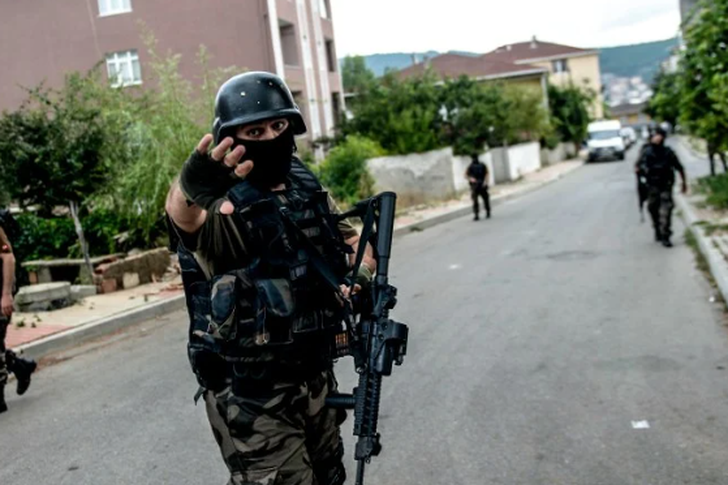
Turkish authorities arrested actress Ezgi Eyupoglu and sev...

A man armed with a knife and a smoke grenade attacked crow...

Fermerët europianë kanë demonstruar me traktorë që kundërs...

Kosovo has been officially recognized today by another cou...

Rainfall on Hormuz Island transformed its Red Beach, as ir...
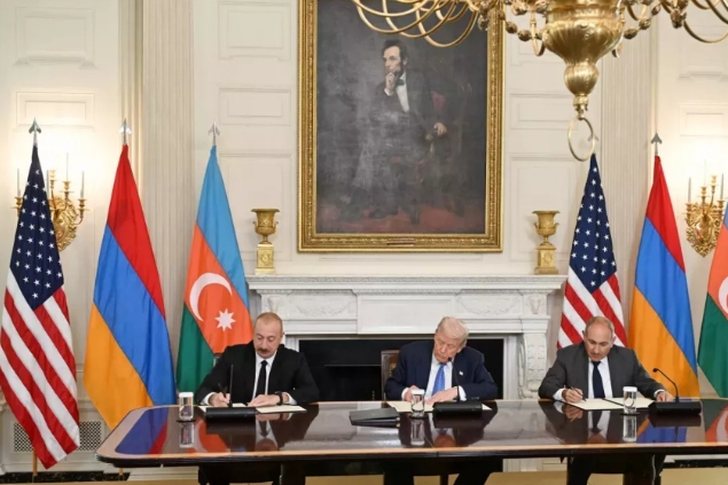
On December 18, Azerbaijani oil products began to be expor...

President Donald Trump has suspended the US lottery scheme...

Chinese company ByteDance, the owner of TikTok, has signed...

The Australian government has announced a new national fir...

Bashkimi Evropian do t’i japë Ukrainës një kredi pa intere...

US President Donald Trump today signed an executive order ...

The head of the UN refugee agency in Lebanon said on Thurs...
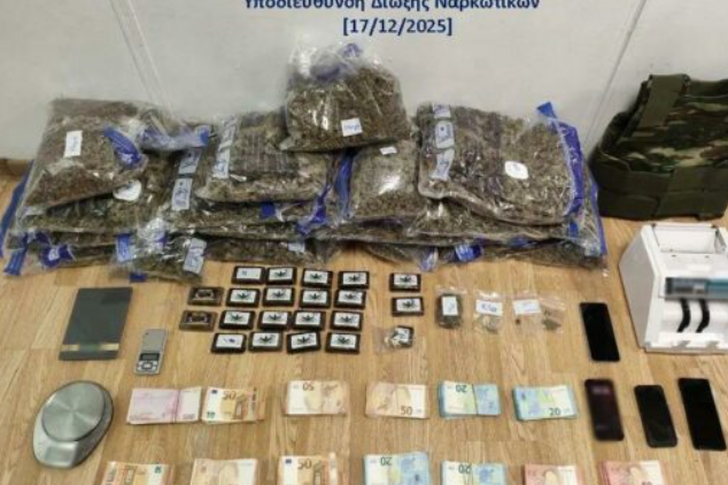
Greek police have dismantled a criminal organization that ...

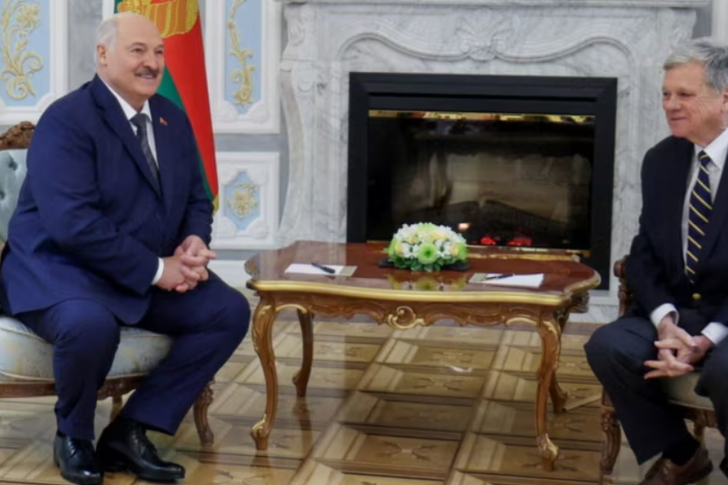
Belarusian leader Alexander Lukashenko announced that a ne...

This Thursday, mortal remains were found in the municipali...

At the last European Union-Western Balkans summit, the res...
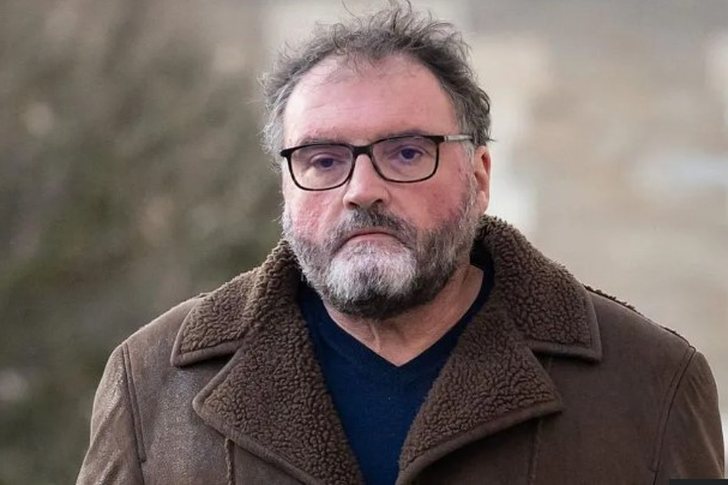
A former anaesthetist has been sentenced to life in prison...
Estonia has reported that three Russian border guards ente...

CNA has launched another investigation that could lead to ...

Irfan Hysenbelliu is a businessman that we call "Irfan the...

In March 2026, CNA launched another investigation centered...
The arrested mayor of Tirana, Erion Veliaj, with 13 charge...

The Special Board of Appeal (KPA) decided this Monday ...

The KPA vetting decided this Thursday to dismiss the p...

Suela Salavaçi, a prosecutor in the Prosecutor's Offic...

The Special Board of Appeal reinstated the prosecutor ...

Citizen MH, 61, a fisherman, was found dead near the islan...

Another phase of the international operation, codenamed "T...

Police have arrested a 34-year-old woman at Rinas Airport ...

A serious accident has occurred on the Lezhë-Shëngjin axis...

This Wednesday, our country will be under the influence of...

All of Southern Europe will face changing weather conditio...

Albania was hit by temperatures significantly higher than ...

For the first time, Pogradec welcomed the Inter-Lake Chess...

Prime Minister Andy Burnham has announced that most bus fa...

France's parliament has passed a law to ban social media f...

US Secretary of State Marco Rubio arrived in Manila on Jul...

In the space of a few days, Ukrainian President Volodymyr ...

At a time when industrial products are increasingly taking...

Trust among people is not just a three-syllable word. It c...

Master of humor Todi Llupi has passed away at the age of 7...

The ninth edition of "MIK Festival" kicked off with one of...

Businesses will no longer be required to simply register t...

Despite economic growth and income in recent years, Albani...

This Wednesday, one US dollar is bought for 81.4 lek and s...

Construction company licenses will have a validity period ...