

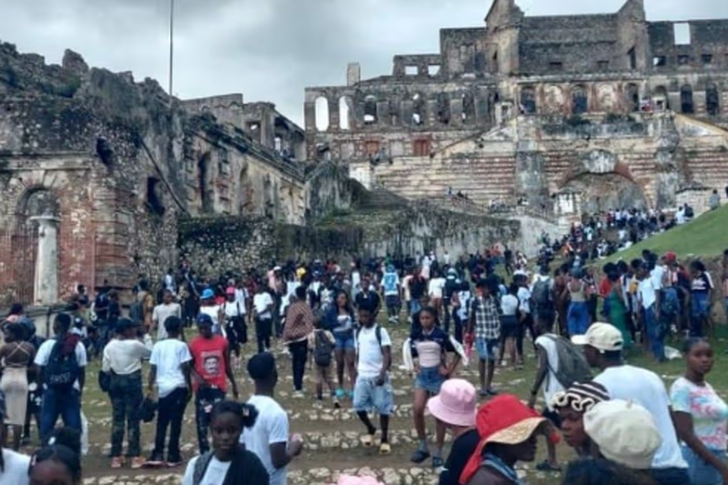
Tragedy in a tourist area/ At least 30 killed in northern Haiti
At least 30 people were killed in a stampede at a popular ...


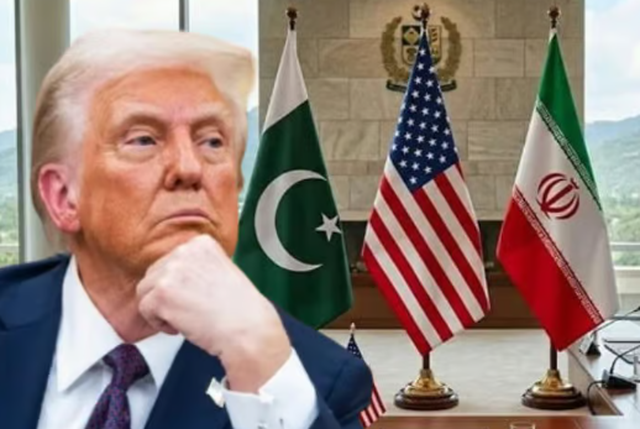
Negotiations between the US and Iran over Tehran's nuclear program have reached a stalemate, and it is not surprising that US Vice President JD Vance could not immediately secure the concessions Washington sought after a marathon round of talks.
This development leaves the US administration with difficult choices: either a long and complicated negotiation with Tehran or the resumption of a conflict that has already caused serious turmoil in the global energy market, with particular tension over control of the Strait of Hormuz.
US officials said the final decision would be made by the president himself, with any possible option coming with significant political and strategic costs. Vance declined to provide details about the talks, which lasted more than 21 hours, suggesting he presented Iran with a "take it or leave it" proposal for permanent abandonment of its nuclear program, which the Iranian side rejected.
The standoff is reminiscent of the failed Geneva talks in February, which prompted Trump to order a 38-day military campaign targeting Iranian military bases and industrial infrastructure. Despite the intensity of the attacks, Tehran has remained steadfast, saying it will not back down under pressure.
For its part, Iranian diplomacy has stressed that the losses the country has suffered have strengthened its resolve to defend its national interests. At the same time, Washington appears wary of a protracted negotiation, with Trump believing he has already won and essentially demanding Iran's complete withdrawal.
However, history shows that such agreements take time and compromise. The Obama-era agreement took two years of negotiations and included significant concessions from both sides.
Meanwhile, the fragile ceasefire expires on April 21, with Trump holding up the threat of resuming military operations as a key negotiating lever. However, such a move carries serious risks, as the previous conflict caused major market turmoil, rising energy prices and rising inflation.
The reopening of the Strait of Hormuz remains a central issue, which Iran uses as a key lever of pressure, linking it to demands such as payment of compensation and lifting of sanctions. The United States refuses to pay compensation and appears willing to consider lifting sanctions only gradually.
However, the latest meeting showed that both sides believe they have emerged victorious from the first phase of the conflict—the United States because of the military power it demonstrated and Iran because it resisted the attacks. However, neither side seems willing to make any significant compromises at this time./New York Times

At least 30 people were killed in a stampede at a popular ...

Russian President Vladimir Putin told his Iranian counterp...
The war with Iran has cost Israel about $11.5 billion in b...
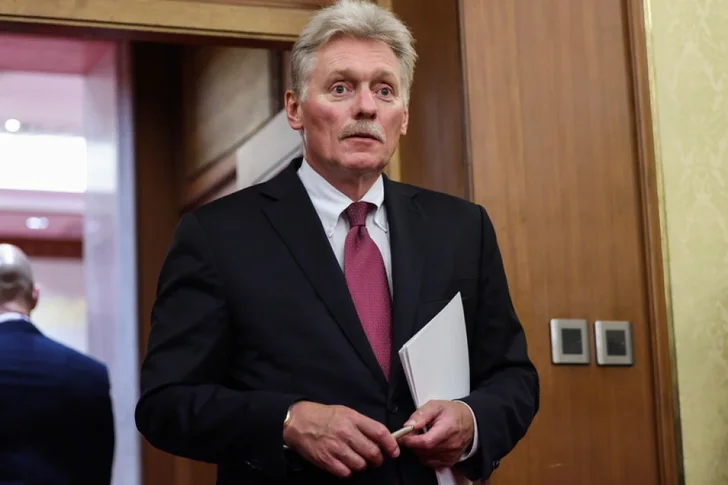
Kremlin spokesman Dmitry Peskov said on Sunday that Russia...
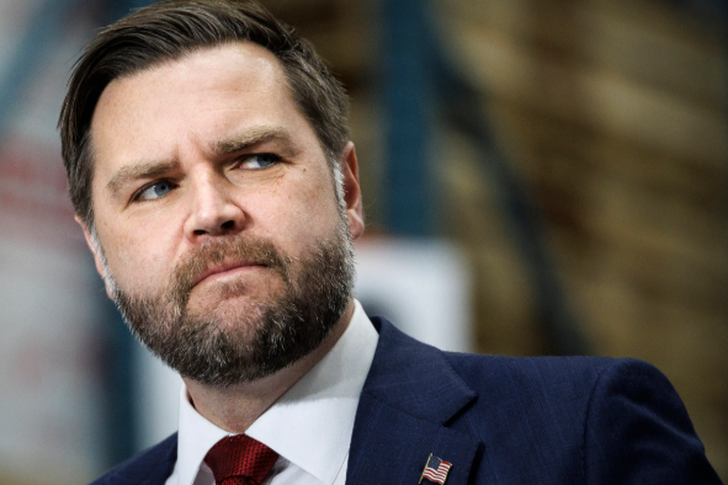
After talks that lasted from early afternoon until the ear...
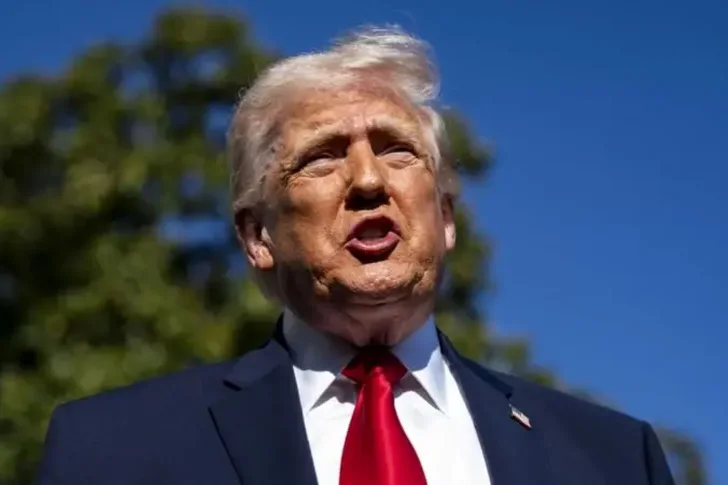
US President Donald Trump has reacted through a post on Tr...
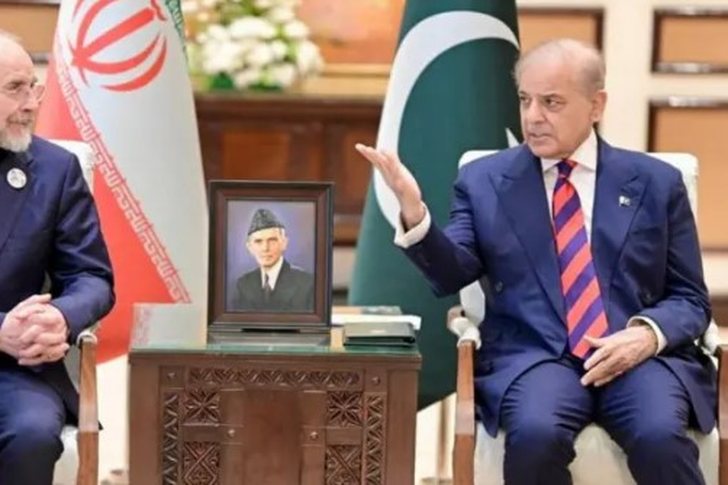
The Speaker of the Iranian Parliament, Mohammad Bagher Gha...
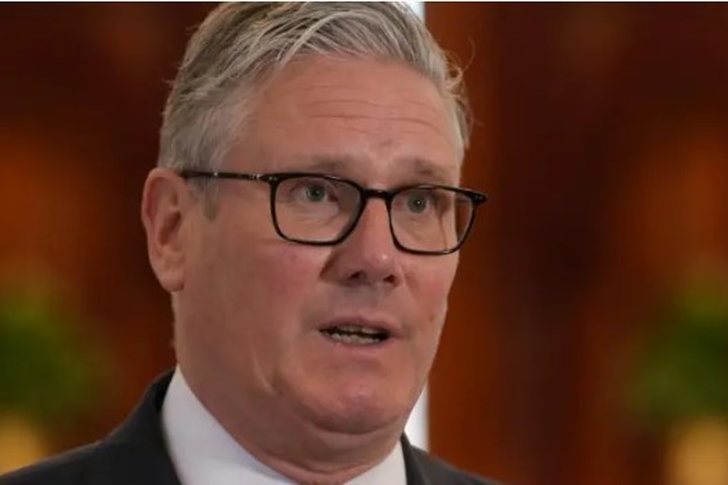
UK Prime Minister Keir Starmer called on both Iran and the...
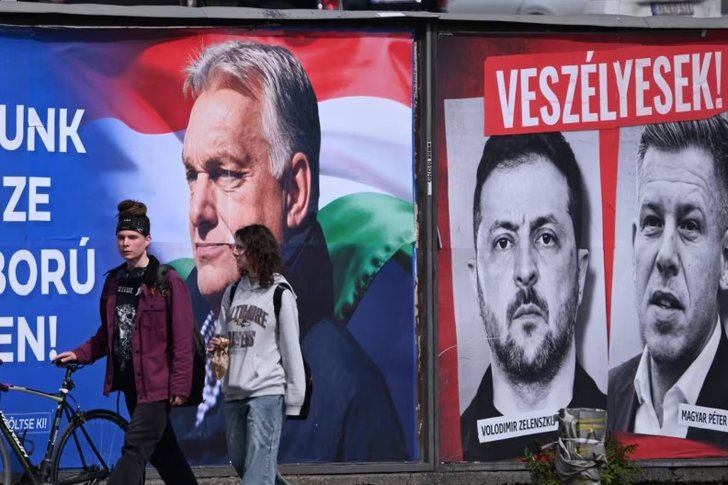
Hungarians are voting today in parliamentary elections, in...
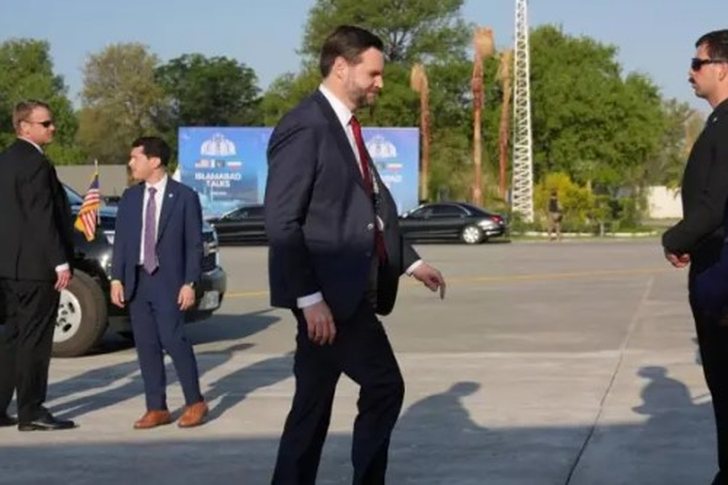
Talks between the United States and Iran have ended withou...
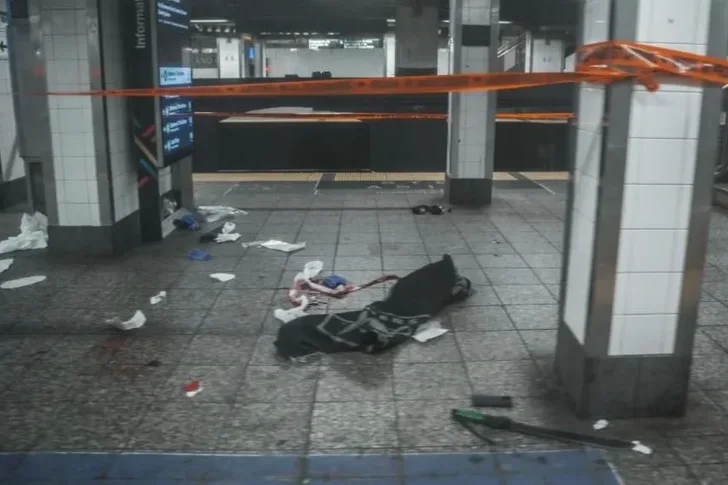
A machete-wielding suspect randomly attacked three people ...
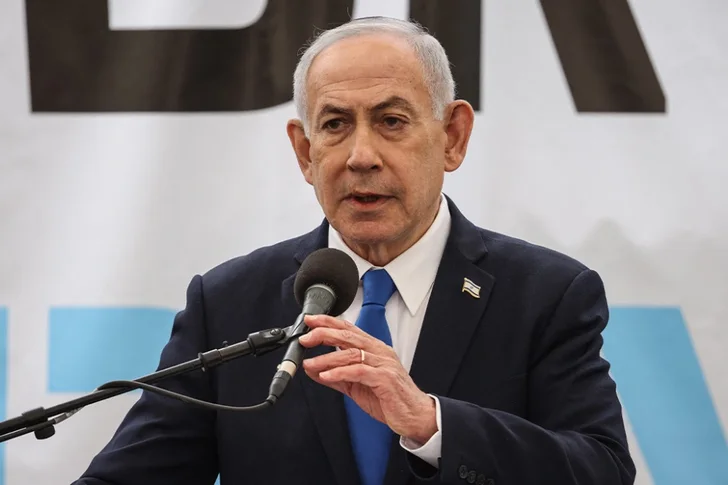
Israeli Prime Minister Benjamin Netanyahu has made a post ...
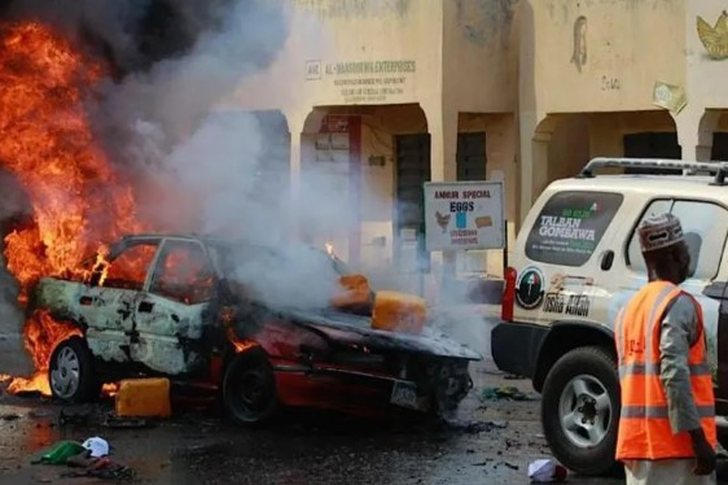
Nearly 400 people have been convicted in Nigeria for links...
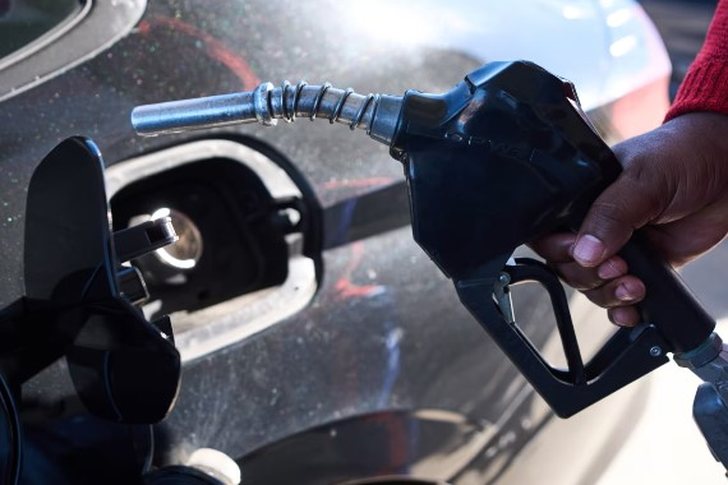
The average cost of a gallon of regular gasoline in the Un...
US Central Command said on Saturday that two Navy guided-m...
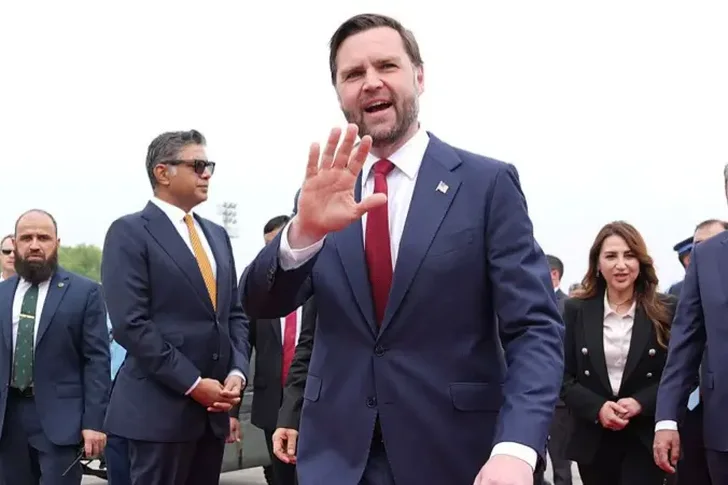
The US and Iranian delegations exchanged written texts outli...
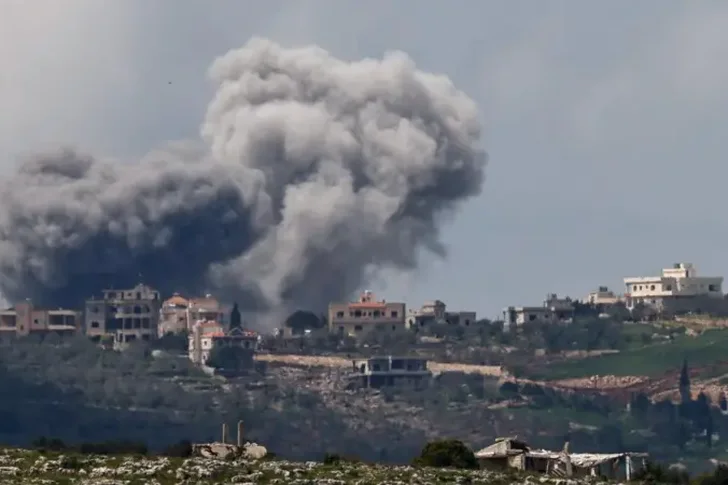
As direct talks between the US and Iran take place in Isla...
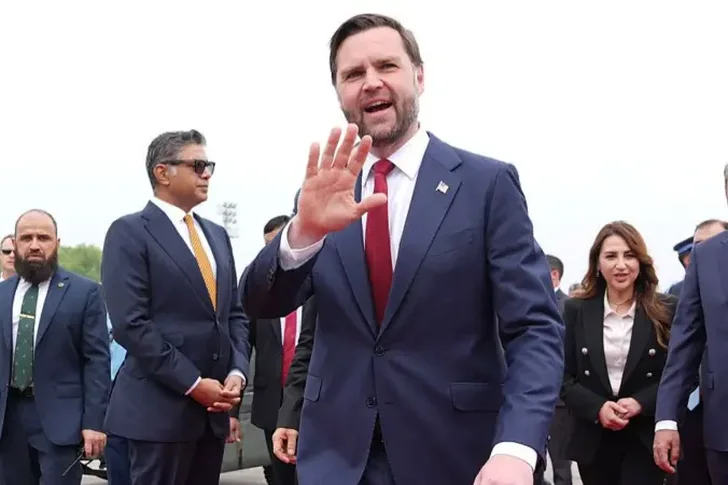
A senior White House official confirms that face-to-face t...
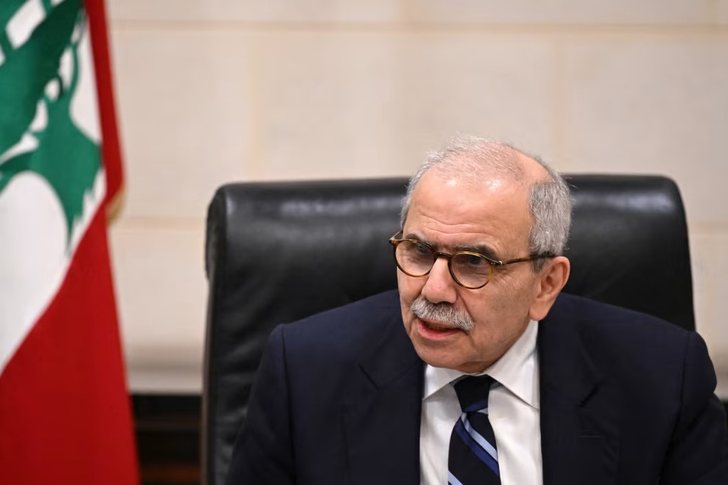
Lebanese Prime Minister Nawaf Salam has announced that he ...
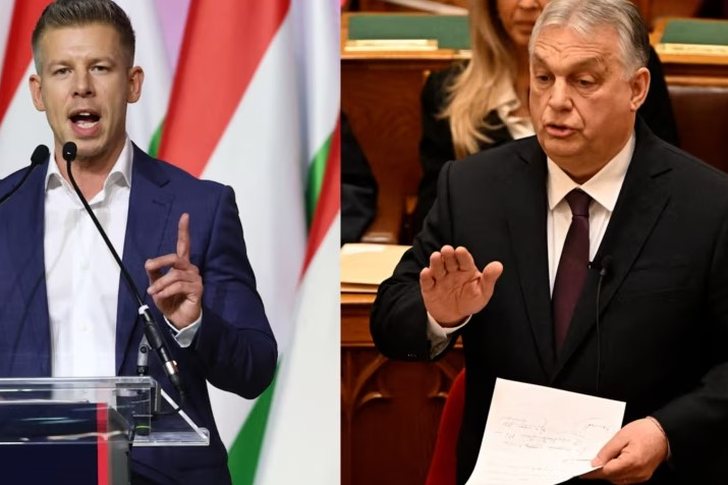
Hungarians vote in parliamentary elections on April 12, as...
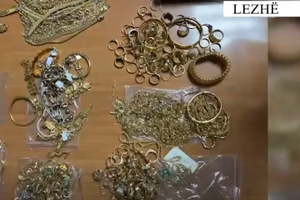
A 39-year-old citizen has been arrested in Lezha, after se...

CNA has launched another investigation that could lead to ...

Irfan Hysenbelliu is a businessman that we call "Irfan the...

In March 2026, CNA launched another investigation centered...

The Special Board of Appeal (KPA) decided this Monday ...

The KPA vetting decided this Thursday to dismiss the p...

Suela Salavaçi, a prosecutor in the Prosecutor's Offic...

The Special Board of Appeal reinstated the prosecutor ...

Following the successive operations carried out by the ope...

The Police Supervision Agency has seized the service weapo...

A serious incident occurred in Lushnje, where citizen IY, ...

As a result of the investigative and procedural actions ca...

As the year 2026 is in its second half, the world is exper...

Today, our country will be under the influence of stable a...

By noon, cloudiness is expected to prevail in almost all o...

Children without parental care, for whom alternative famil...
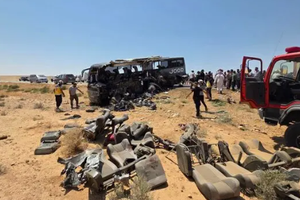
Thirty-five people were killed and 30 others were injured ...
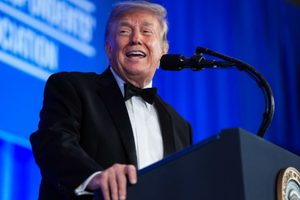
US President Donald Trump has announced that he will seek ...

Almost half of people living in France, Germany, Italy and...
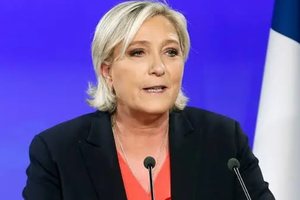
Marine Le Pen is entering the decisive phase of the presid...
Two windows, a century of history and the metaphysics of p...

In my research at the Central State Archives, specifically...

At a time when industrial products are increasingly taking...

Trust among people is not just a three-syllable word. It c...
This Saturday, one US dollar is bought for 81.7 lek and so...
War, weather and supply disruptions could send gas prices ...
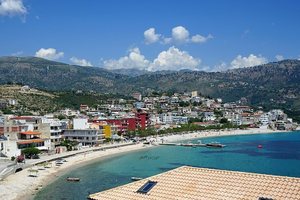
The number of active enterprises in Albania continued to g...
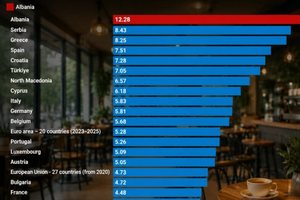
In Albania, the bar-cafe has long become an almost unique ...