


Spain to ban sale of energy drinks to children under 16
The Spanish government is moving forward with the approval...


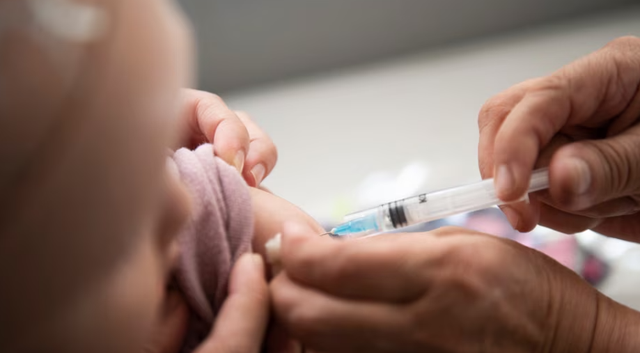
Have you vaccinated your children? Why, or why not? This question, posed by Radio Free Europe in a Facebook group for mothers, prompted 23 responses and several retorts.
With doubts about the composition of vaccines and their effect, some mothers indicated that they have not sent their children to receive the vaccines.
The Law on the Prevention and Control of Communicable Diseases in Kosovo requires that every child enrolled in kindergarten or school be provided with proof of vaccination. However, comments from some mothers suggest that this criterion is not being fully respected.
"The child does not attend school, he is still in kindergarten. The other, older child, who is now finishing school, was not asked for proof of vaccinations. On the contrary, when he was supposed to be taken to school, I did not send him that day," commented a mother, who said that her children have not received any vaccinations.
REL raised this question prompted by a European Commission report that highlighted the spread of conspiracy beliefs in Kosovo, including the belief that the cure for cancer is being kept secret for financial gain and that viruses are being deliberately produced for social control.
Over 60 percent of Kosovo residents agree with these two beliefs, according to a report published in February last year by the European Commission.
That report, based on face-to-face interviews with respondents from European countries, shows that the high level of skepticism remains similar in almost all Western Balkan countries.
The report also revealed declining confidence in Kosovo about the effectiveness of vaccines. In Kosovo, the first COVID-19 vaccine - which according to the World Health Organization has saved over 1.4 million lives in Europe - was administered on March 29, 2021. Since then, over 1.8 million doses have been administered.
But it is precisely the COVID-19 disease, caused by a coronavirus, that has led to growing doubts about the effect of vaccines, the National Institute of Public Health of Kosovo (IKSHPK) told Radio Free Europe.
"The COVID-19 pandemic reinforced this skepticism, especially due to the speed of vaccine development and the great public debate about restrictive measures," say the NIPHK.
Paul Offit, a pediatrician and vaccine expert, tells REL that when epidemics break out, mandatory vaccination is the most effective way to curb them. But many people, he adds, perceive this as an overreach of authority on the part of the government.
“I know that in the United States, people who come from Eastern Europe, where societies have perhaps been more oppressed, are quicker to reject anything the government tells them to do,” says Offit, co-developer of the rotavirus vaccine and director of the Center for Vaccine Education at the Children’s Hospital of Philadelphia.
He adds that the debate often clashes between the idea of ??"medical freedom", where the individual decides only for himself, and public health, which requires responsibility towards others.
According to the NIPHK, these debates have led to what the WHO calls an infodemic, due to the spread of incorrect information from "unprofessional sources that have created an incorrect narrative."
Finally, a Kosovar with around 150,000 followers on Facebook posted that all those who have not been vaccinated for COVID-19 should be proud of themselves for resisting "hundreds of millions of dollars of propaganda."
About a month ago, Kosovo Police arrested Arianit Sllamniku, a figure who had also created a following on his Facebook account, on suspicion of illegally practicing medical activities and experimenting with drugs.
Sllamnik, without medical expertise, is reported to have demanded thousands of euros from parents over the claim that he cures autism in children.
Autism is a neurodevelopmental disorder that affects communication, social interaction, and behavior, usually manifesting in early childhood. There is no cure for it, but there are supports and therapeutic interventions that can help develop skills.
Fear of autism was also mentioned by mothers who commented on REL's Facebook post as a reason why they do not vaccinate their children.
The vaccine that is most distrusted is the one given to children when they turn 1, known as MMR. This is a combination vaccine that protects against three infectious diseases: measles, mumps, and rubella.
This remains the only vaccine for which coverage has declined in Kosovo. From 89 percent in 2024, the percentage of vaccinated children dropped to 82 percent in 2025.
Only four out of a total of 20 doses in the childhood vaccination schedule in Kosovo have reached at least the 95 percent coverage level, which the WHO describes as the level needed to prevent epidemic outbreaks.
The decline in measles vaccination has been accompanied by an increase in the number of cases identified with this disease.
The NIPHK report for 2025 states that the country is in "an epidemiological situation similar to that of the region, which has faced epidemic outbreaks."
In January alone, the NIPHK reported two cases of measles, in Prizren and Vushtrri, and one case of rubella in Prishtina. All of the infected children were unvaccinated.
So, what's happening in the region? North Macedonia
In North Macedonia, where the European Commission says conspiracy beliefs are the most widespread in the region, none of the vaccines in the immunization schedule reach the recommended coverage level of 95 percent of the population.
In the population of about 1.8 million inhabitants, only a little over 876 thousand people have been provided with at least one dose of the COVID-19 vaccine.
The Director of the Institute of Public Health in North Macedonia (IJZ), Marija Andonovska, tells REL that, similarly to Kosovo, the spread of misinformation during the COVID-19 pandemic has had an impact there.
She says health staff in North Macedonia are now going door-to-door to residents in communities with lower coverage, to talk to parents and make up for missed vaccine doses.
"We will continue our commitment, with greater focus on the fight against misinformation, strengthening local activities, and coordinated communication between institutions responsible for vaccination," Andonovska adds.
Serbia
In Serbia, the Western Balkan country that ranks best in terms of conspiracy beliefs according to the European Commission, MMR vaccine coverage is 84.3 percent - slightly higher than in Kosovo and North Macedonia.
However, according to the latest report by the "Milan Jovanovi? Batut" Institute of Public Health, by 2023, only one out of 25 doses in the childhood immunization program has reached the desired coverage level of 95 percent.
The report by the "Milan Jovanovi? Batut" Institute states that this vaccination level has been partially influenced by the "anti-vaccination lobby", the refusal and postponement of vaccination, as well as some inconsistencies in legal acts.
In 2018, pediatrician Tomislav Stevanovi? from Zrenjanin - a city in northern Serbia - and several doctors and parents filed criminal charges against 43 public figures for public statements against the MMR vaccine and spreading panic.
He believes parents are not so much afraid of the MMR vaccine, which has been the subject of conspiracy theories for decades, as of the unknown.
"Distrust of the MMR vaccine has been spread by certain professors, doctors and politicians in Serbia, and penalties for not vaccinating children are not enforced," Stevanovic tells Radio Free Europe.
He adds that opponents of vaccination also exist in the justice system - which further undermines confidence in vaccination.
According to him, the Prosecutor's Office in Serbia did not react to reports that he and other doctors filed in 2018 against public figures for spreading panic and conspiracy theories regarding vaccination.
Earlier, Radio Free Europe also did not receive a response from the High Public Prosecutor's Office in Belgrade regarding the aforementioned procedures, which took place in 2018.
At the end of 2017 and in 2018, the first cases of deaths caused by measles in Serbia in 20 years were recorded.
Stevanovic says that the influence of doctors who are opponents of vaccination is much greater than that of social media.
"Those groups on social media have kind of gone silent, but the problem lies with some pediatric professors," he says.
He states that in Serbia there is also the problem of the inconsistency of the legal framework, which is used by opponents of vaccination.
"On the one hand, the law states that vaccination is mandatory, but on the other hand, it states that no intervention can be performed without the patient's consent. This is something that opponents of vaccination use and spread fear," Stevanovi? concludes.
Offit says the same problem has been identified in the U.S. Last year, the U.S. recorded its first reported measles deaths since 2015, and the number of cases continues to rise at record rates, CNN reports.
"People are driven more by fear than reason. And maybe that's what it will take: more children suffering, hospitalized, and dying, before we see people accepting vaccines again," says Offit.
According to him, since vaccines have been successful and have made diseases rare, the combination of lack of fear and easy access to misinformation has made people less inclined to get vaccinated.
The claim that the MMR vaccine causes autism stems from a 1998 study in the medical journal, The Lancet, led by Andrew Wakefield, which was later retracted, due to data manipulation, ethical violations and conflicts of interest.
Since then, large international studies involving millions of people and systematic analyses have undermined claims that there is a link between the MMR vaccine and autism.
But, despite the consensus of major world health organizations that the vaccine is safe and does not cause autism, doubts among many people persist.
"It just doesn't go away, because I think it's very difficult to 'undo' an alarm once it's been given. Once you've scared someone, it's hard to take the fear away," says Offit.
He adds that the lack of a clear cause or cure for some disorders leaves room for fear and uncertainty, thus creating more fertile territory for the spread of anti-vaccine claims.
In its response to the REL, the NIPHK says that it is addressing vaccination hesitancy by disseminating scientific information and working closely with doctors and health professionals, especially in areas where hesitancy remains higher than the national average.
According to the Vaccination Action Plan, vaccination rates among the Roma, Ashkali and Egyptian communities remain lower, “due to various health, educational, environmental and social factors.”
For Offit, the solution is simple: to hold conversations between health experts and skeptics and make it clear that the choice not to get the vaccine is not a risk-free choice, but a choice for another and more serious risk.
"They smelled smoke and just want to know if there's a fire," Offit concludes./ Rel

The Spanish government is moving forward with the approval...
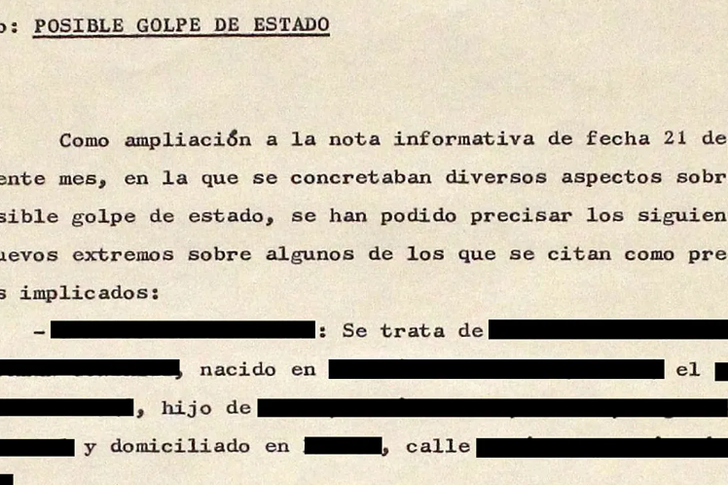
Spain on Wednesday released 153 classified documents relat...
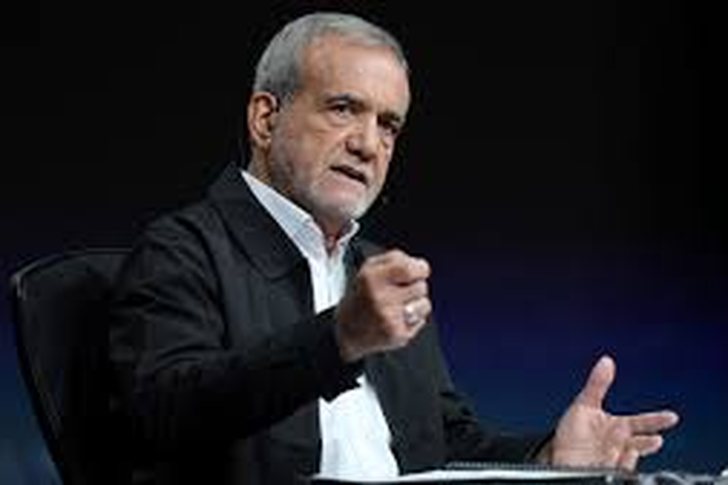
Iranian President Masoud Pezeshkian has stated that there ...

German Chancellor Friedrich Merz said China will buy up to...
Të paktën 60 persona janë vrarë nga dhuna që ka shpërt...

The Duke and Duchess of Sussex met children at a refugee c...
Serbian President Aleksandar Vučić announced that he met i...
Indian Prime Minister Narendra Modi is visiting Israel for...
Kosovo's Minister of Foreign Affairs and Diaspora, Glauk K...
Turkey is considering all possible measures in the event o...
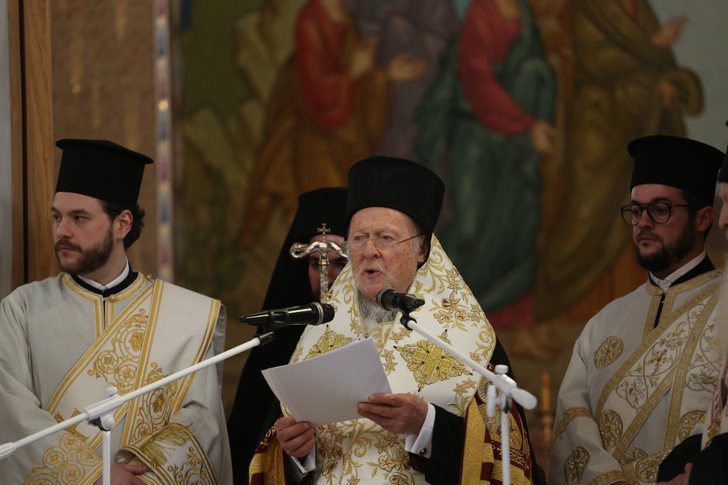
Ecumenical Patriarch Bartholomew stated during a divine li...
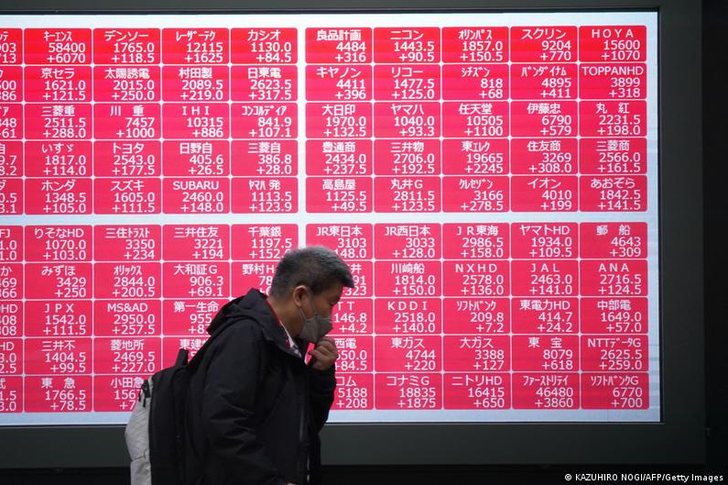
China took action against 40 Japanese companies and entiti...
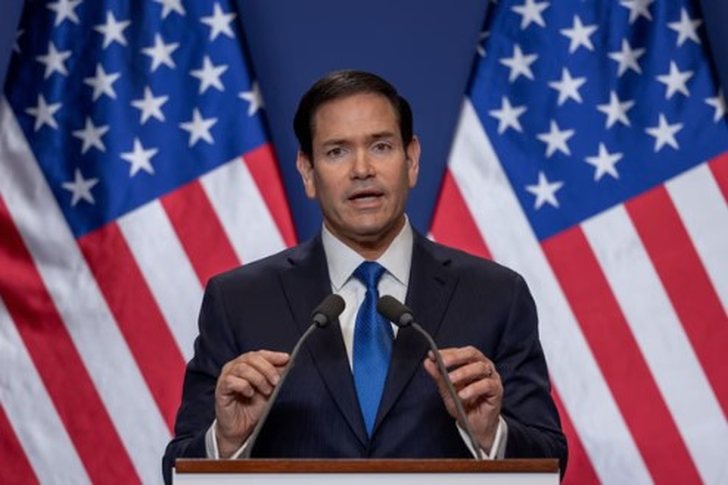
Marco Rubio held a rare briefing to top US lawmakers on Ir...
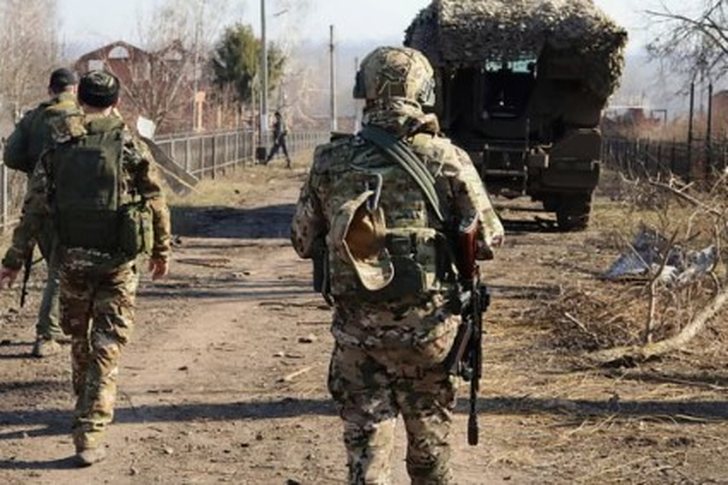
Russia will be able to withstand an invasion of Ukraine th...
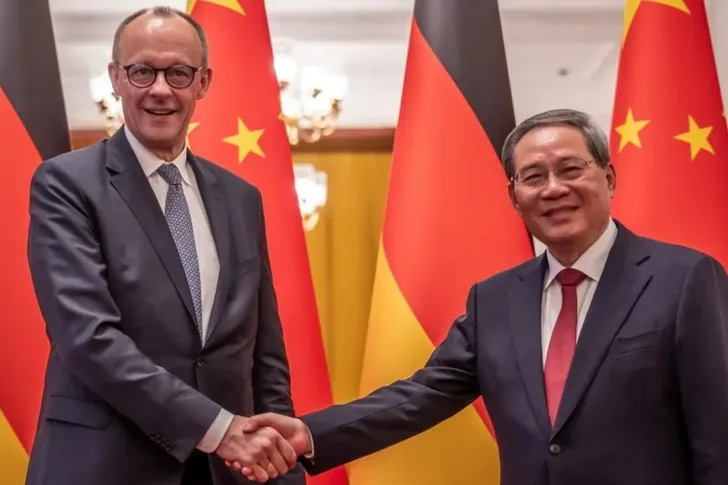
The German Chancellor has arrived in China as German busin...
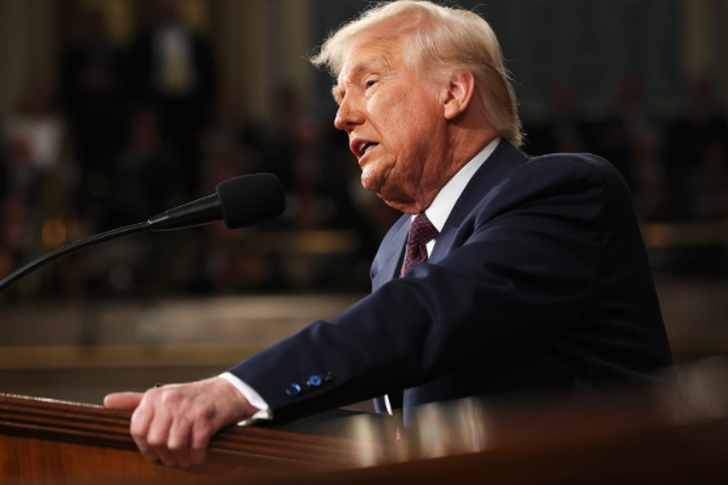
US President Donald Trump spoke for about 1 hour and 40 mi...
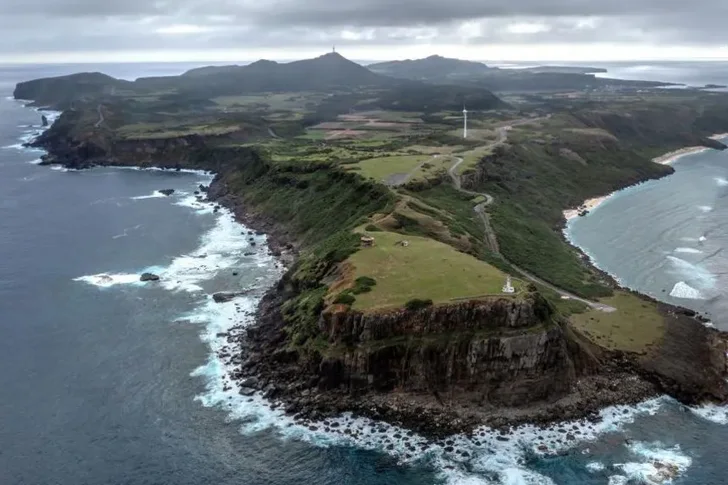
Japan plans to deploy surface-to-air missiles on its remot...
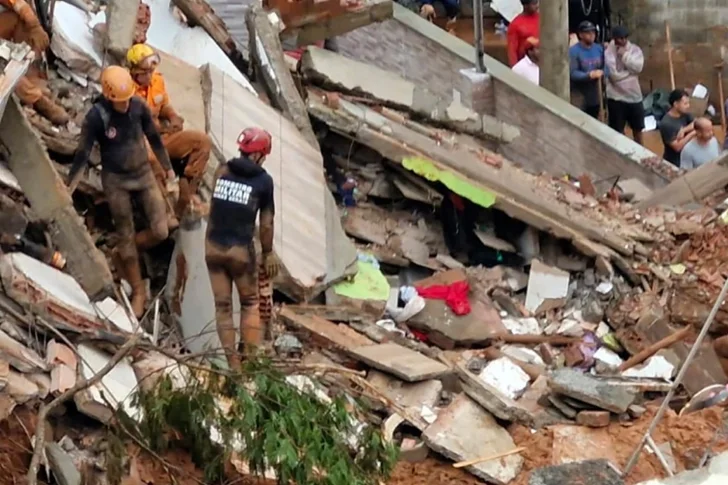
At least 22 people have died in torrential rains that hit ...
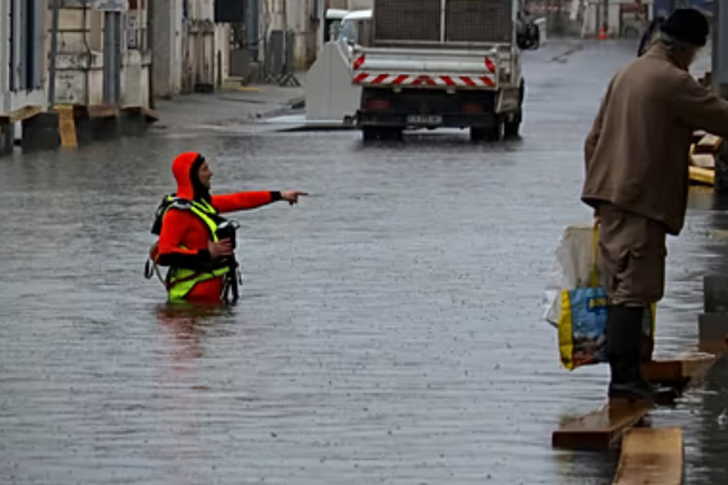
Météo-France has announced that a record 40-day streak of ...
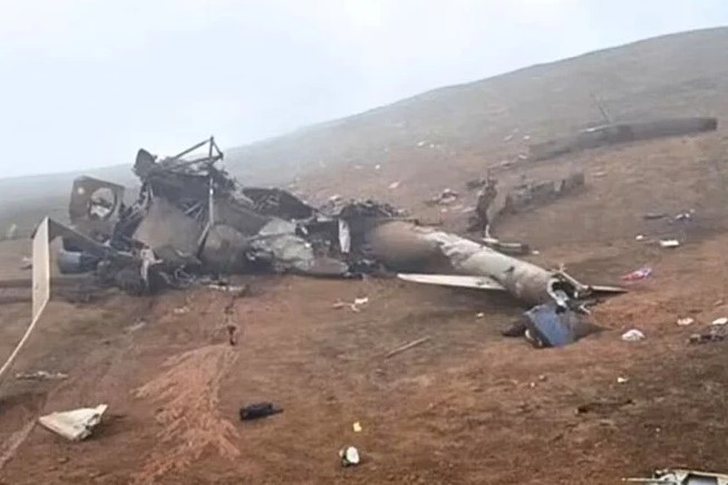
A plane crash has been recorded in Peru, where 15 people h...

CNA has launched another investigation that could lead to ...

Irfan Hysenbelliu is a businessman that we call "Irfan the...

In March 2026, CNA launched another investigation centered...
The arrested mayor of Tirana, Erion Veliaj, with 13 charge...

The Special Board of Appeal (KPA) decided this Monday ...

The KPA vetting decided this Thursday to dismiss the p...

Suela Salavaçi, a prosecutor in the Prosecutor's Offic...

The Special Board of Appeal reinstated the prosecutor ...
A conflict occurred this Thursday evening in the toy area ...
A person has died today on Orikum beach. According to repo...

Footage emerges from the serious accident that occurred th...
A Shkodra traffic police officer was hit with hard objects...

Children without parental care, for whom alternative famil...
On Thursday, our country will be under the influence of st...
A serious accident that occurred this Wednesday with the c...

The Institute of Geosciences has shared a forecast for wea...
The European Union Office in Kosovo has called on all poli...
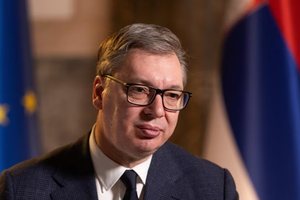
Serbian President Aleksandar Vučić, at a press conference ...
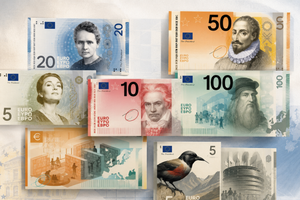
For the first time since the launch of the euro, European ...

Artificial intelligence (AI) models from the American comp...

At a time when industrial products are increasingly taking...

Trust among people is not just a three-syllable word. It c...

Master of humor Todi Llupi has passed away at the age of 7...

The ninth edition of "MIK Festival" kicked off with one of...
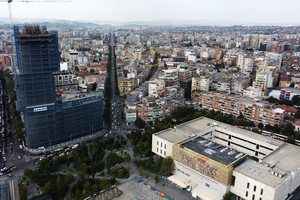
The average sale price of apartments in Tirana reaches rec...

This Thursday, one US dollar is bought for 81.5 lek and so...

The price of diesel reached 206 lek per liter from 198 lek...

Businesses will no longer be required to simply register t...