

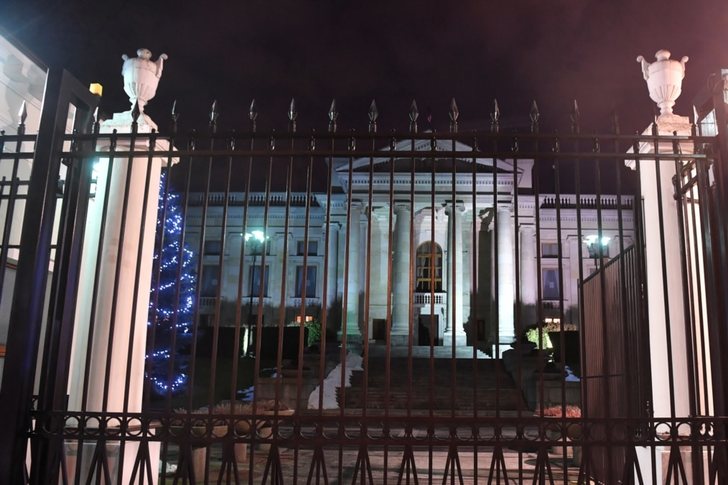
Poland will close the Russian consulate in Poznan
Poland will close the Russian consulate in its western cit...


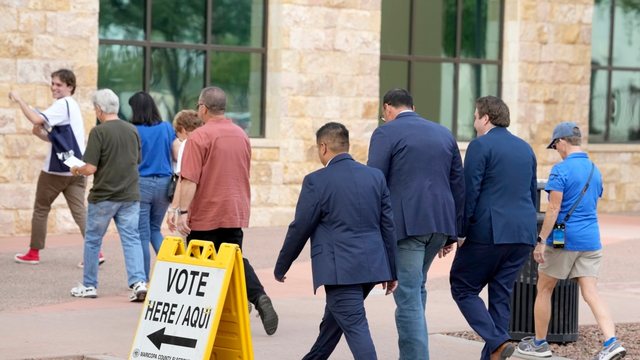
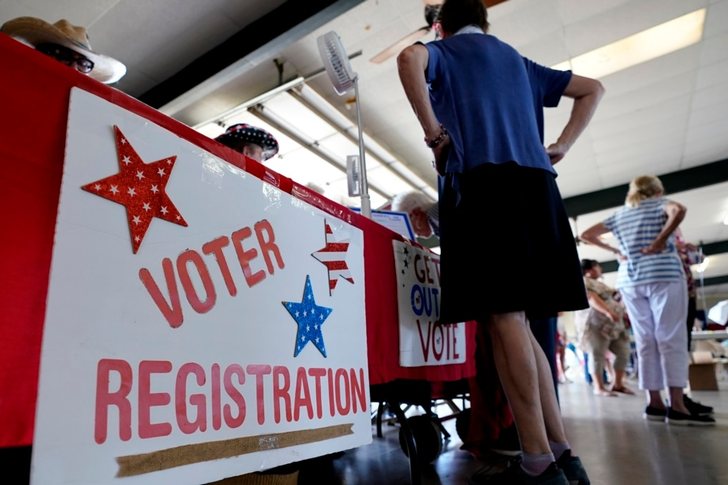
Eligible residents of all 50 states will vote in this year's United States presidential election. But the results in seven undecided states are likely to determine the winner of the election.
The southwestern state of Arizona has traditionally favored Republican candidates, but Democrat Joe Biden won this state in 2020. As Voice of America correspondent Dora McCouar reports, there is an intense campaign for the electoral votes of this state this year as well.
Arizona, a state of over 7 million people, has historically leaned Republican. Over the past 76 years, only three Democratic presidential candidates have won in this southwestern state. Joe Biden narrowly won in 2020 and this election year, the race is close again.
“I think that kind of underlines the independent nature of Arizona. We don't identify with a party, but we also have some support for libertarians," says Thom Reilly of Arizona State University.
Libertarians believe that liberty is the most important political value and that it can be achieved by limiting the power of government.
"Predicting their vote is very challenging because the way they vote in one election is not necessarily a clear indicator of how they will vote in the next election. They are known for splitting their vote. So they vote differently," says expert Reilly.
Arizona's electorate is changing, including a growing Hispanic population that is joining the pool of eligible voters.
"In this election, voters under the age of 30 are now reflecting the population of Arizona at large, and that's the first time it's happened. There is definitely a trend among older Latino voters, perhaps, not to be predominantly Democratic. Younger voters tend to be Democrats," says Thom Reilly of Arizona State University.
The other big change in voting patterns is the large number of people, especially from California, who are moving to Arizona.
"They tend to be more Democratic or more liberal, and that has seeped into some of our larger metropolitan areas," says expert Thom Reilly.
More than half of Arizona's population lives in Maricopa County, which also includes the state capital, Phoenix. Whoever wins in Maricopa usually wins the state.
"Now we have a process of dominance of big cities in state-level politics," says Ken Miller of the University of Las Vegas.
Expert Thom Reilly says the top priority issues for Arizonans are the economy, reproductive rights and immigration. Two of those issues will be on the ballot in the November election, including Initiative 139, which would enshrine the right to abortion in the state constitution and could increase voter turnout.
"That could have a pretty significant impact. In states where abortion rights have been voted on, there has been an increase in voter turnout , " says Jennifer Piatt from Arizona State University.
Initiative 314 would make illegal crossing of the border between Arizona and Mexico a state crime, something that is already a federal crime. One issue may increase turnout among more liberal voters, while the other may increase enthusiasm among more conservative voters.
"We may have cases where voters are going to vote on the abortion initiative, but they may not be happy with how the immigration and border issues have been handled and they may vote for a different candidate on those issues. It could also happen conversely, we may have cases where a voter supports the immigration initiative, but votes for a candidate who supports abortion. So the vote of such a voter is called split," says Thom Reilly of Arizona State University.
This means that some Arizonans may vote to protect abortion rights, then split on voting for former President Donald Trump or Vice President Kamala Harris./ VOA

Poland will close the Russian consulate in its western cit...

Hezbollah has claimed responsibility for a drone strike la...

The German government hopes to create the framework fo...
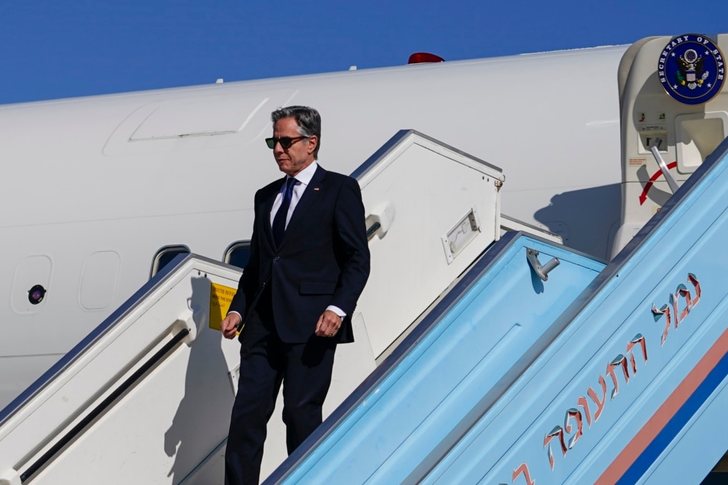
Secretary of State Antony Blinken met in Israel with Prime...
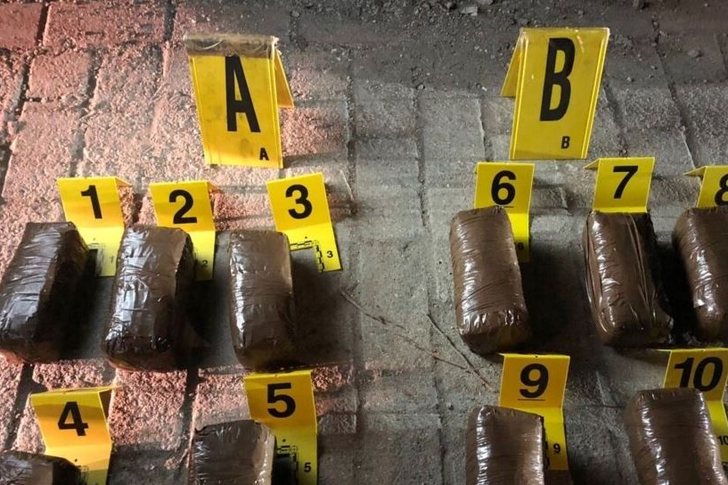
The Kosovo police said that during an operation they stopp...
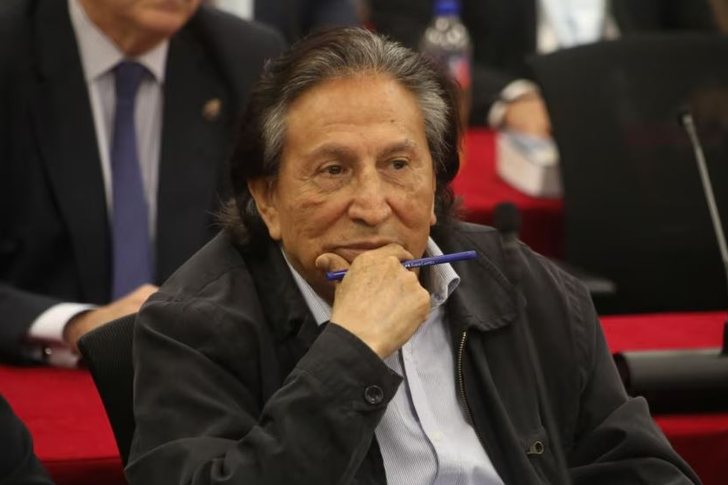
Former Peruvian President Alejandro Toledo was found g...
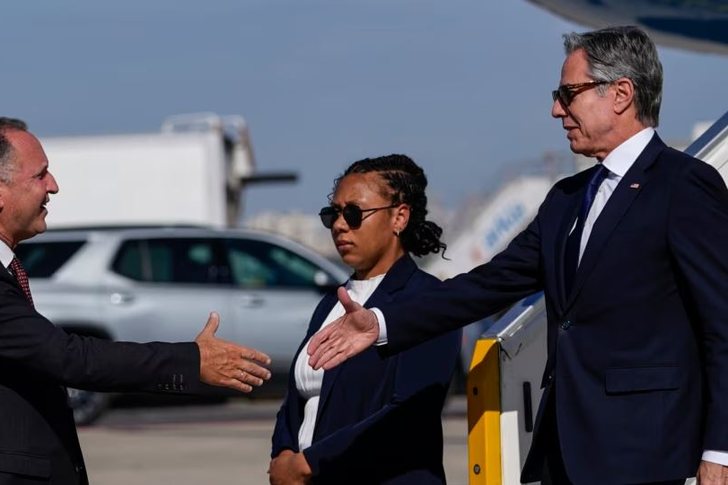
The American Secretary of State, Antony Blinken, on Octobe...
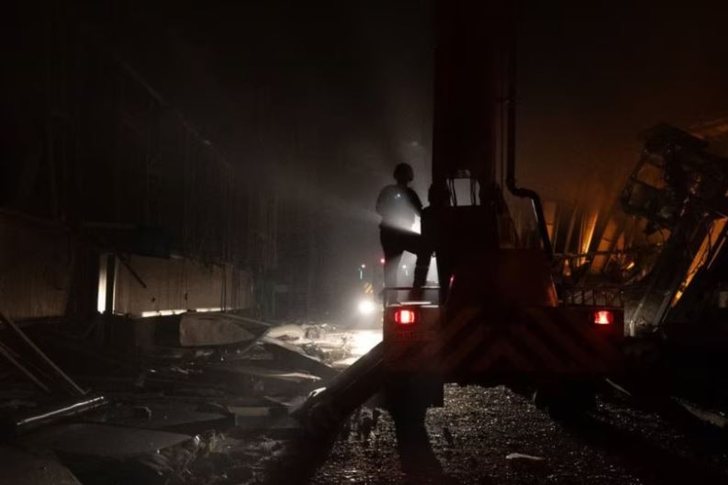
Three civilians were killed in the early hours of October ...
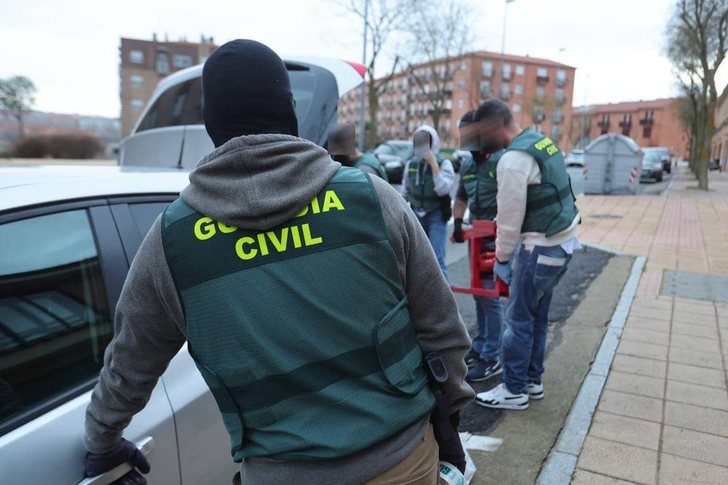
The Civil Guard of Salamanca in Spain, as part of the "Kub...

Hezbollah fired a barrage of rockets into central Israel o...
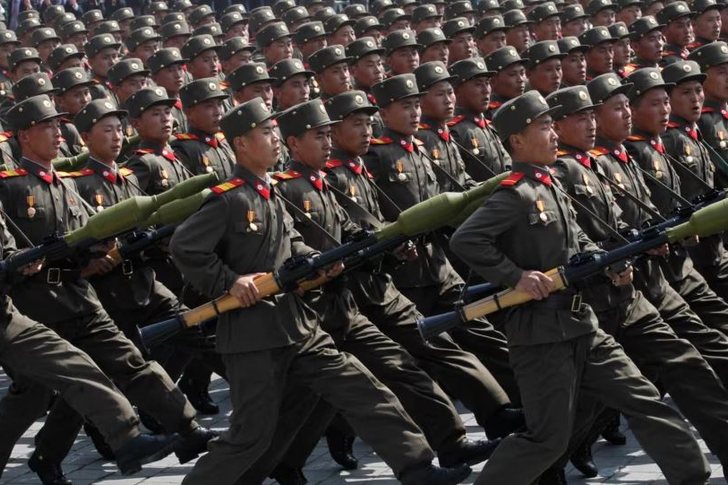
Koreja e Veriut nuk ka dërguar ushtarë në Rusi për të ndih...
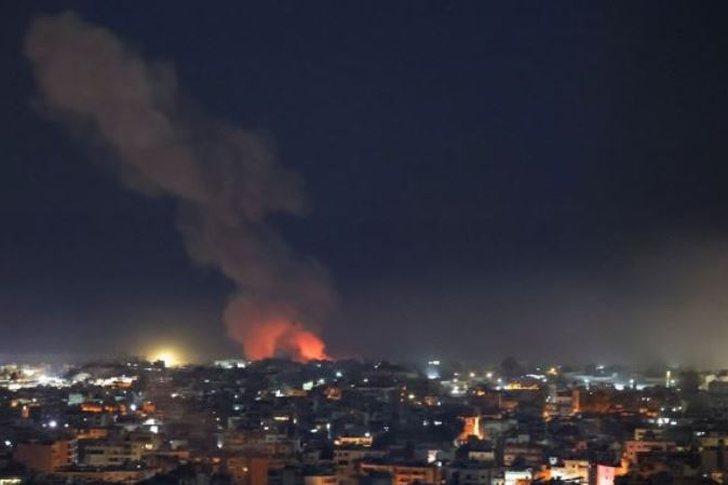
The Ministry of Health in Lebanon has announced that 4 peo...
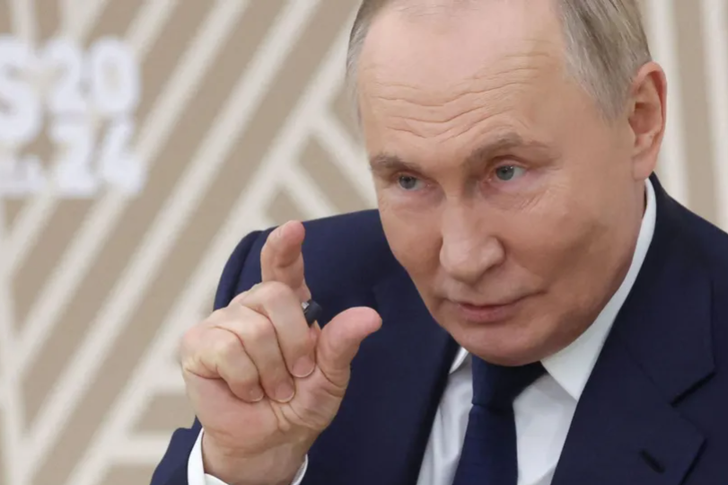
This week in the city of Kazan, President Putin will w...
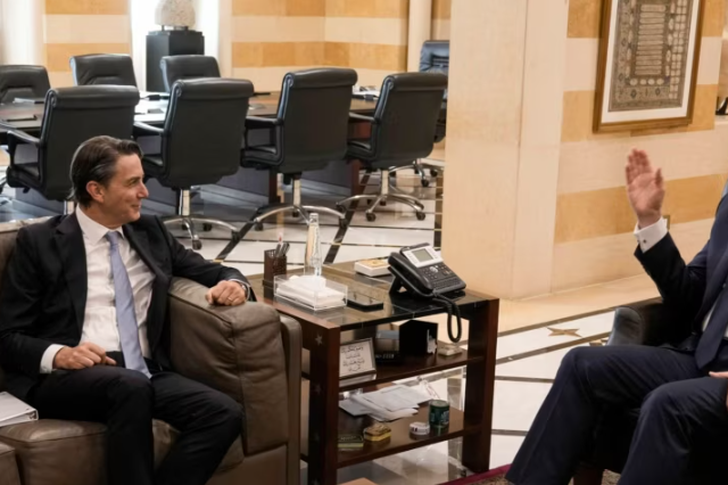
US envoy Amos Hochstein was in Beirut on Monday for talks ...

The US Assistant Secretary of State for Europe and Eurasia...
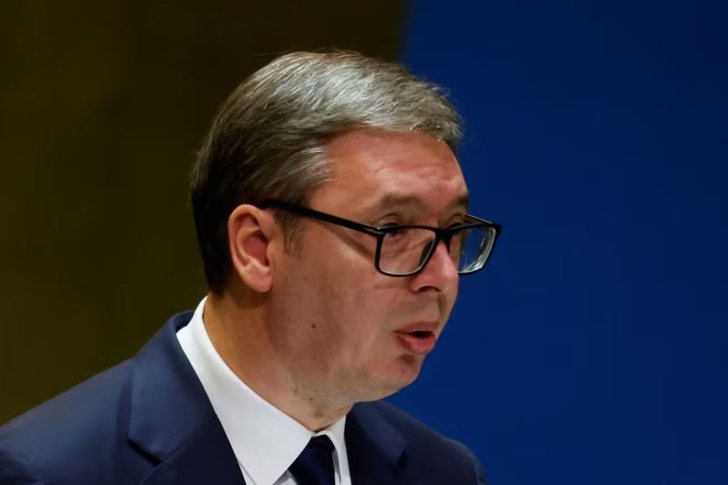
The Serbian President, Aleksandar Vucic, said on Monda...
In this final month of the US presidential campaign, Donal...
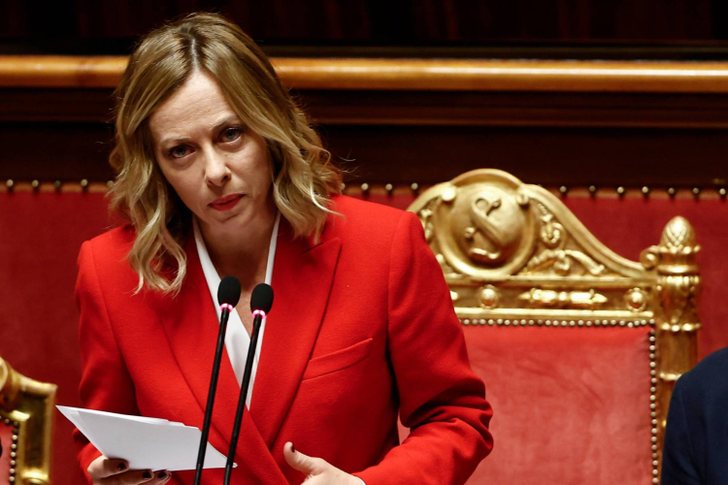
The Italian government approved the decree for immigra...
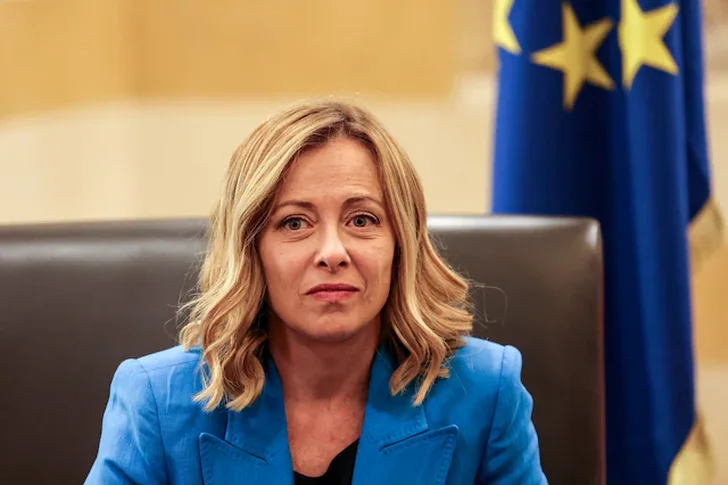
The Council of Ministers in Italy has approved a legal...
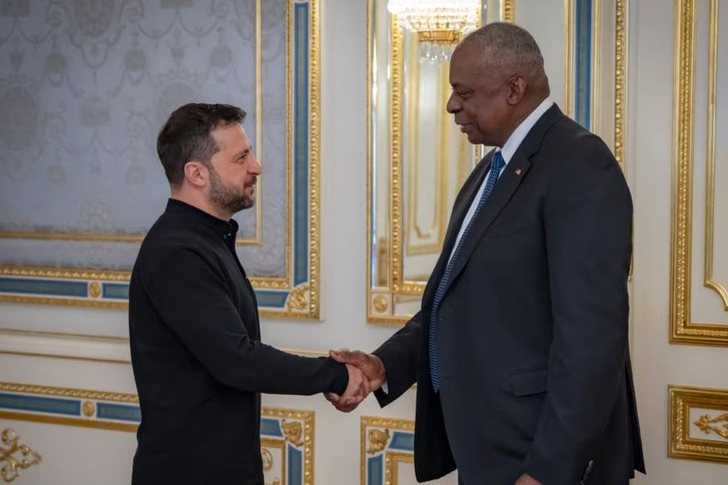
US Defense Secretary Lloyd Austin announced a new $400 mil...

CNA has launched another investigation that could lead to ...

Irfan Hysenbelliu is a businessman that we call "Irfan the...

In March 2026, CNA launched another investigation centered...
The arrested mayor of Tirana, Erion Veliaj, with 13 charge...

The Special Board of Appeal (KPA) decided this Monday ...

The KPA vetting decided this Thursday to dismiss the p...

Suela Salavaçi, a prosecutor in the Prosecutor's Offic...

The Special Board of Appeal reinstated the prosecutor ...
A road accident occurred this evening on Nikolla Zoraqi St...

Three people were shot and wounded in Elbasan last night b...

A serious incident occurred this Tuesday in the Yrshek are...

An accident occurred this Tuesday on "Dituria" street in K...
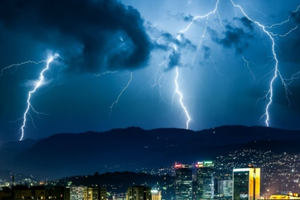
All of Southern Europe will face changing weather conditio...
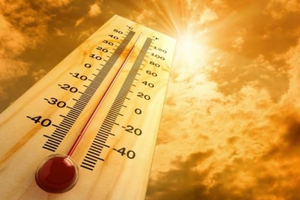
Albania was hit by temperatures significantly higher than ...

For the first time, Pogradec welcomed the Inter-Lake Chess...

Albania has achieved a record for the employment of foreig...

US Secretary of State Marco Rubio arrived in Manila on Jul...

In the space of a few days, Ukrainian President Volodymyr ...

The spokesman for the Iranian Foreign Ministry warned Bulg...

Autoritetet italiane sekuestruan pako me afër 800 kilogram...

At a time when industrial products are increasingly taking...

Trust among people is not just a three-syllable word. It c...

Master of humor Todi Llupi has passed away at the age of 7...

The ninth edition of "MIK Festival" kicked off with one of...

Construction company licenses will have a validity period ...
The Centralized Purchasing Operator recently opened a tend...
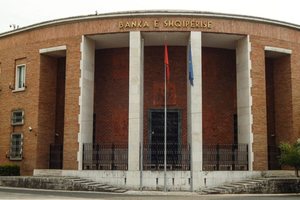
The new draft law "On the Bank of Albania" provides that t...

This Tuesday, one US dollar is bought for 81.2 lek and sol...