

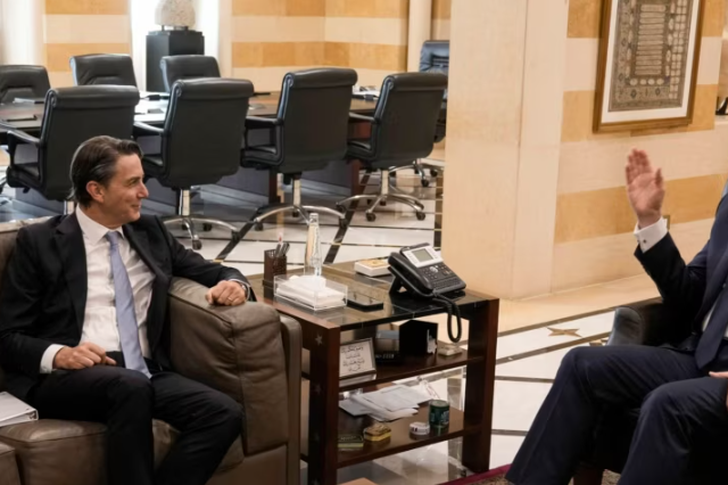
American envoy to Beirut for talks with Lebanese officials
US envoy Amos Hochstein was in Beirut on Monday for talks ...


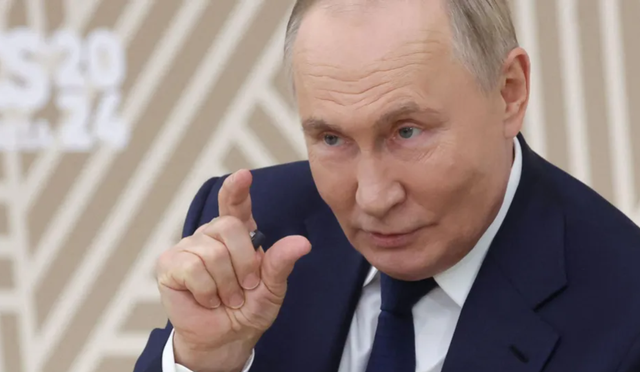
This week in the city of Kazan, President Putin will welcome more than 20 heads of state to the Brics summit of emerging economies. Among the leaders invited are China's Xi Jinping, Indian Prime Minister Narendra Modi and Iranian President Masoud Pezeshkian.
The Kremlin has called it one of the "biggest foreign policy events ever" in Russia.
"The clear message is that efforts to isolate Russia have failed," says Chris Weafer, founding partner of consulting firm Macro-Advisory.
"It's a big part of the messaging from the Kremlin that Russia is coping with the sanctions. We know there are serious cracks under the surface. But on a geopolitical level Russia has all these friends and they will all be Russia's partners ."
So who are Russia's friends?
Brics stands for Brazil, Russia, India, China and South Africa. The grouping, often referred to as a counterweight to the Western-led world, has expanded to include Egypt, Ethiopia, Iran and the United Arab Emirates.
Saudi Arabia has also been invited to join.
Brics nations make up 45% of the global population. Added together, members' economies are worth more than $28.5 trillion (£22 trillion). This is about 28% of the global economy.
Russian officials have indicated that 30 other countries want to join BRICS or seek closer ties with the club. Some of these countries will participate in the summit. In Kazan this week, a lot of talk is expected about Brics representing the "global majority".
But apart from giving Vladimir Putin his moment on the geopolitical stage, what is the event likely to achieve?
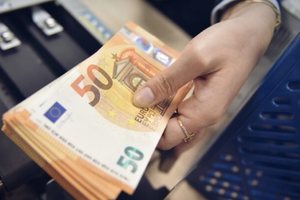
Keen to ease pressure from Western sanctions, the Kremlin leader will hope to persuade Brics members to adopt an alternative to the dollar for global payments.
"Many of the problems facing Russia's economy are related to cross-border trade and payments. And many of them are related to the US dollar," Mr. Weafer says.
"The US Treasury has great power and influence over global trade simply because the US dollar is the main currency to settle it. Russia's main interest is to break the dominance of the US dollar. It wants the BRICS countries to create an alternative trading mechanism and to cross - The border settlement system that does not involve the dollar, the euro or any of the G7 currencies, so that sanctions do not matter as much."
But critics point to differences within Brics. "Like-minded" is not a word you would use to describe the current membership.
"In a way it's a good thing for the West that China and India can never agree on anything. Because if they were both really serious, Brics would have a lot of influence," notes Jim O'Neill , former Chief Economist of Goldman Sachs.
"China and India are doing their best to avoid wanting to attack each other too many times. Trying to get them to really cooperate on economic matters is a never-ending challenge."
It was Mr. It was O'Neill who, at the turn of the century, dreamed up the acronym "Bric" for four emerging economies that he believed should be "brought to the center of global policymaking."
But the four letters would take on a life of their own, as the respective nations formed their own Bric group – later Brics, when South Africa joined. They would try to challenge the dominance of the G7: the world's seven largest "advanced" economies (Canada, France, Germany, Italy, Japan, the UK and the US).
It is not just India and China that have their differences. There is tension between two of the newest BRICS members, Egypt and Ethiopia. And despite talk of détente, Iran and Saudi Arabia have long been regional rivals.
"The idea that they're all going to basically agree on something fundamental is really misleading," believes Mr O'Neill.
And while Russia, fueled by anti-Western sentiment, talks about creating a "new world order", other Brics members, such as India, are keen to maintain good political and economic relations with the West.
In Kazan, Vladimir Putin's task will be to transcend differences and paint a picture of unity while showing the Russian public and the international community that his country is far from isolated./ CNA

US envoy Amos Hochstein was in Beirut on Monday for talks ...
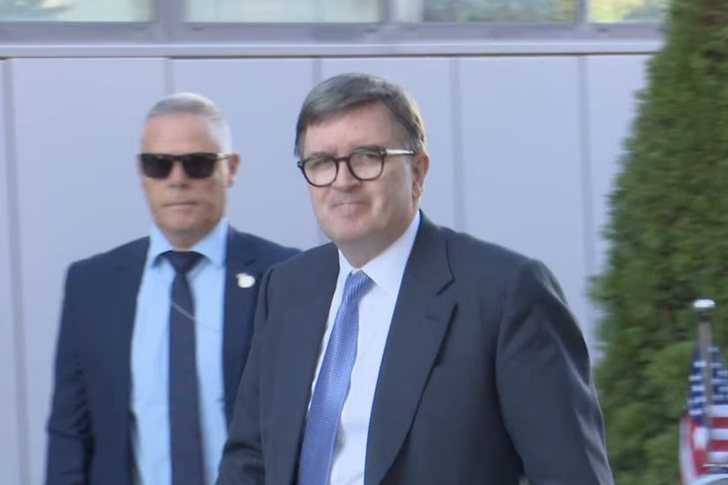
The US Assistant Secretary of State for Europe and Eurasia...
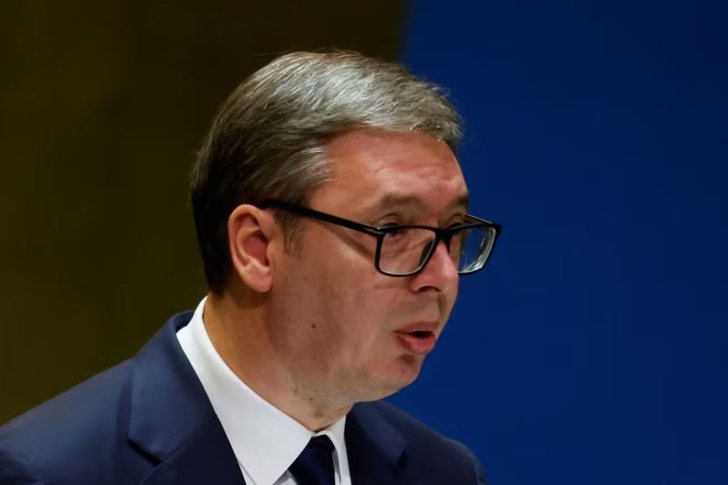
The Serbian President, Aleksandar Vucic, said on Monda...
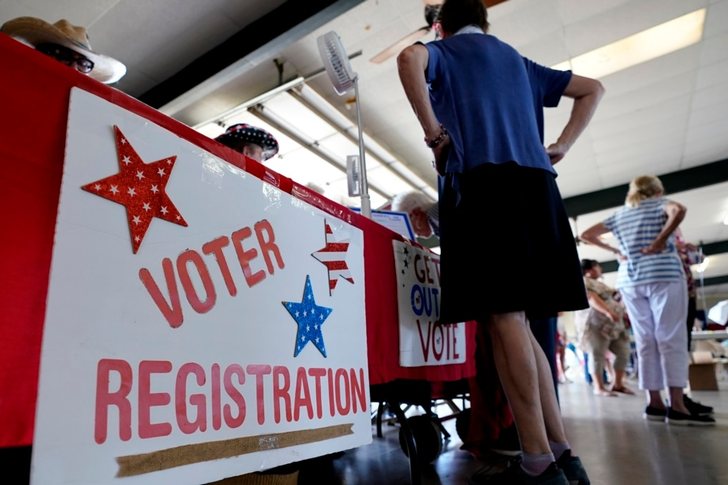
In this final month of the US presidential campaign, Donal...
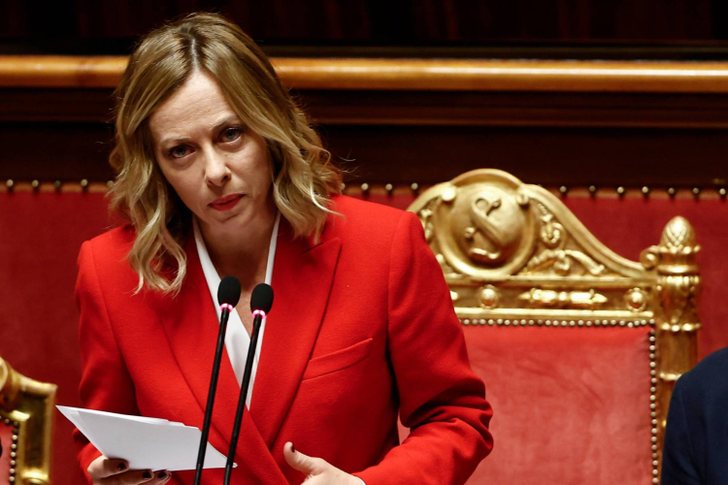
The Italian government approved the decree for immigra...
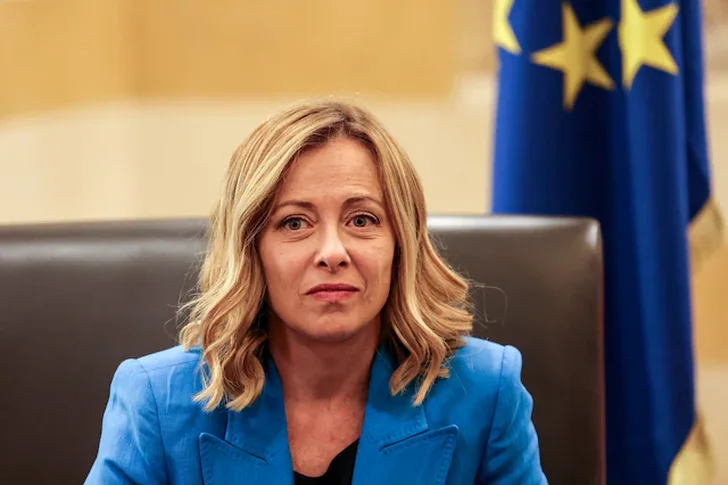
The Council of Ministers in Italy has approved a legal...
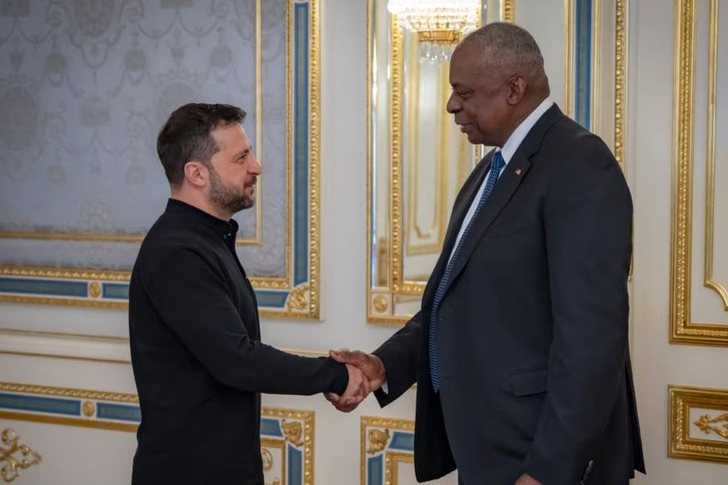
US Defense Secretary Lloyd Austin announced a new $400 mil...
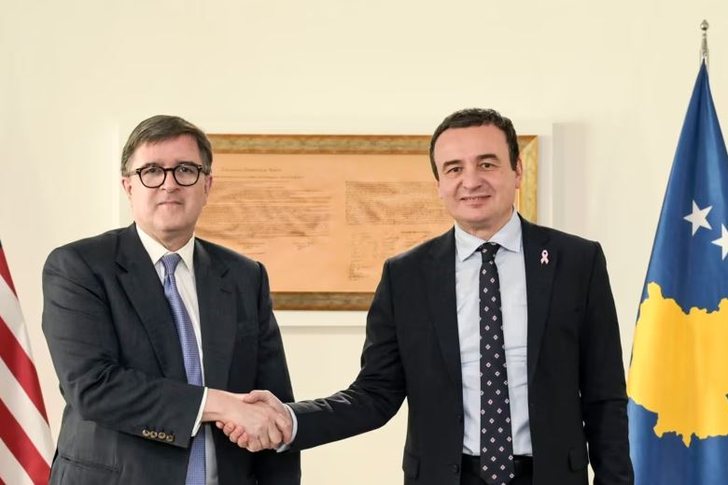
The US Assistant Secretary of State for Europe and Eurasia...
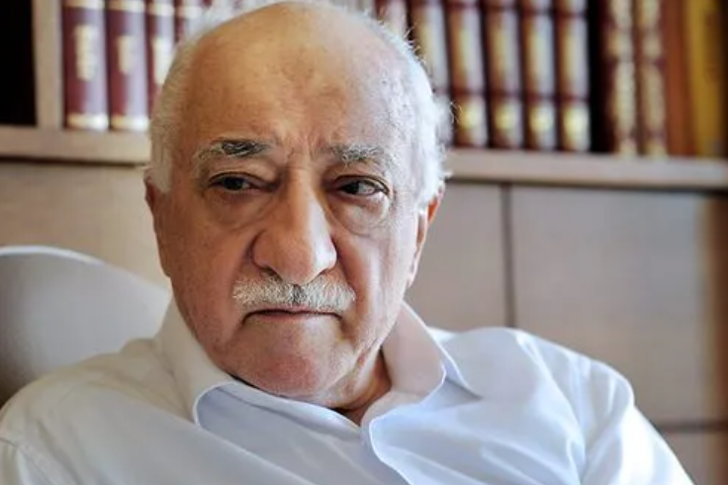
The leader of FETO, Fethullah Gulen, died in the hospital....
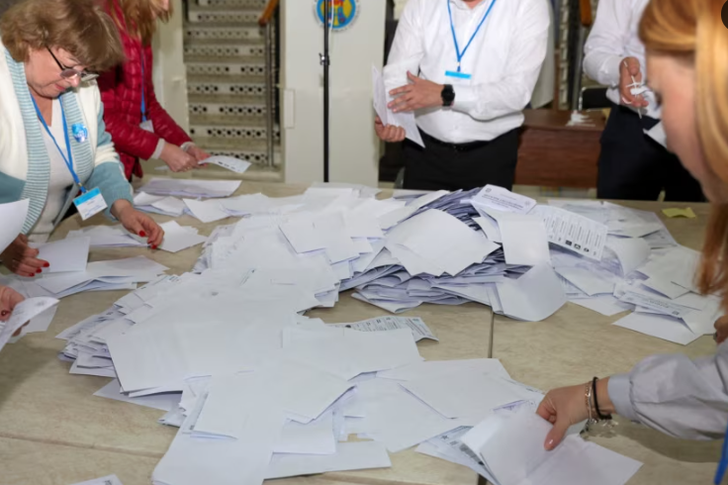
According to preliminary voting results in Moldova, more t...
Is the lithium mining agreement with Serbia more good news...
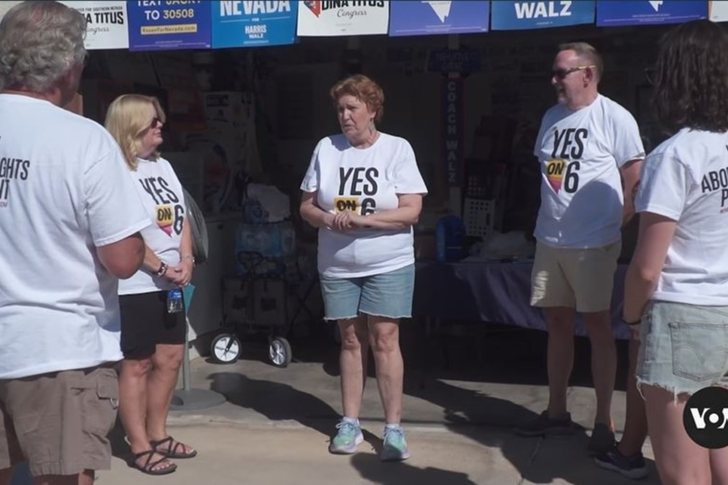
Since the United States Supreme Court returned the issue o...
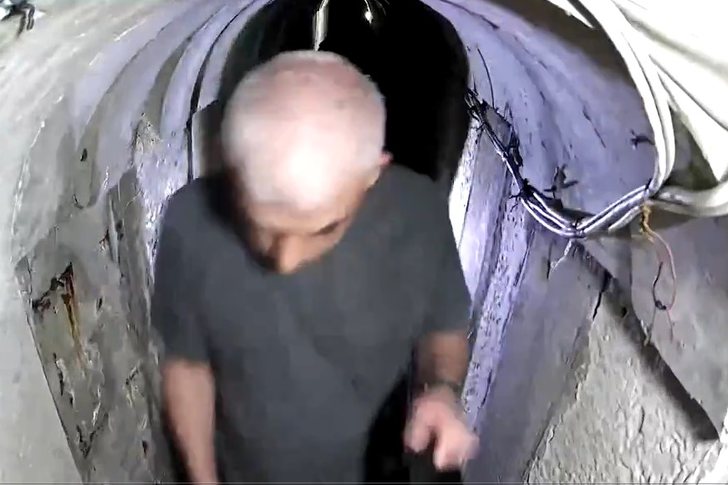
The Israel Defense Forces (IDF) has released footage it cl...

A serious accident happened yesterday evening in Rozhaje, ...
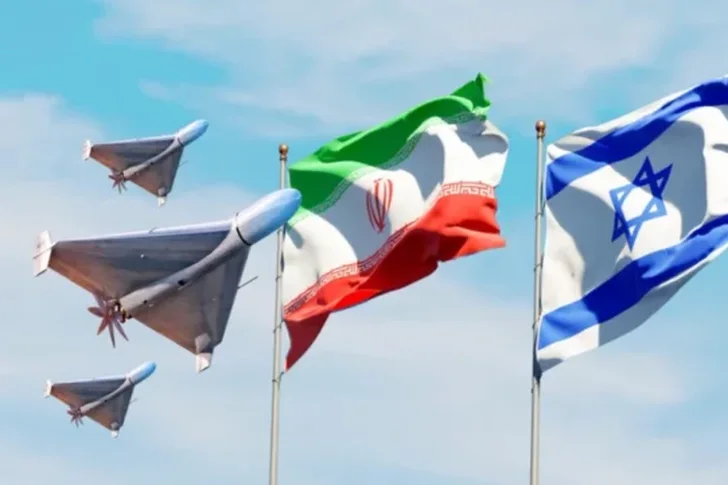
Two US intelligence documents reveal that Israel is pr...
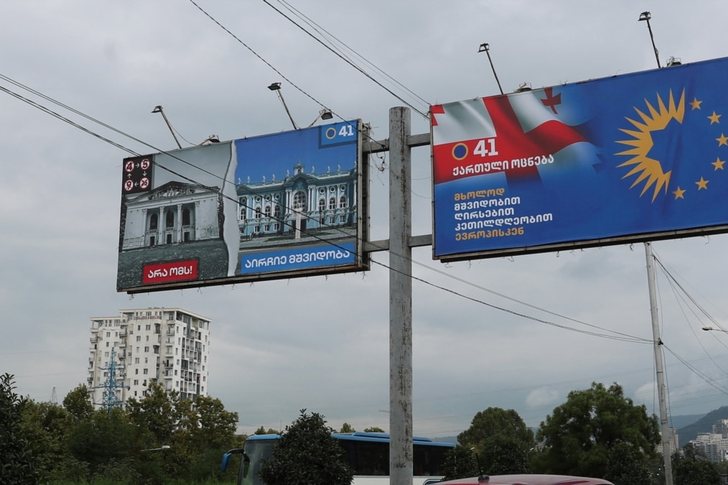
As the Republic of Georgia prepares to hold elections on O...
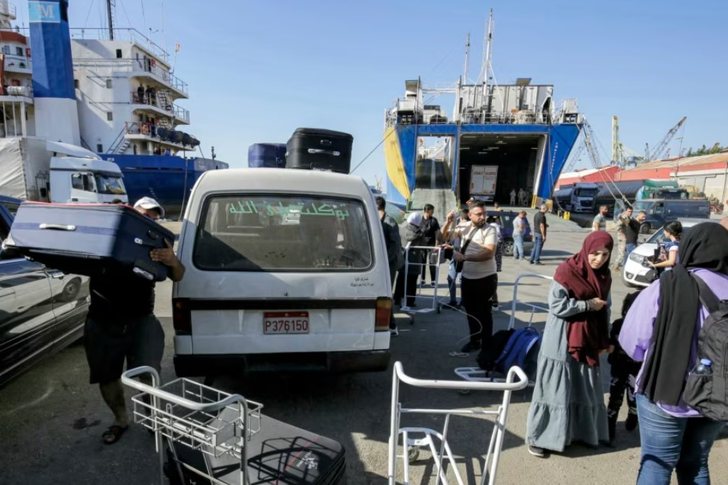
As Israel continues its offensive in Lebanon, the United N...
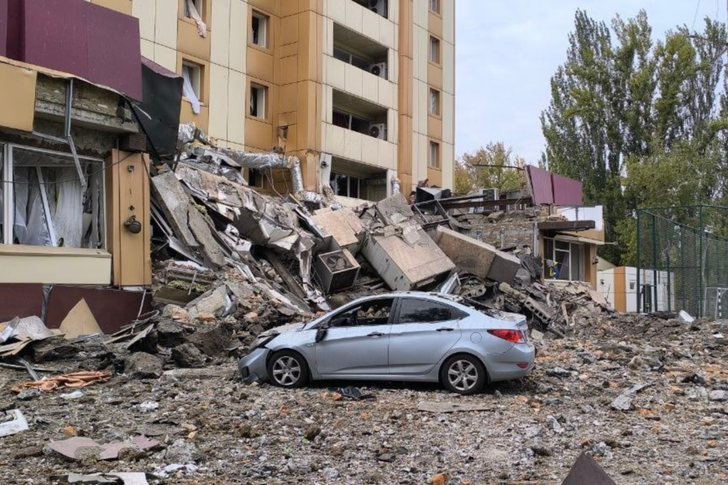
Ushtria e Rusisë e kreu edhe një valë sulmesh raketore dhe...
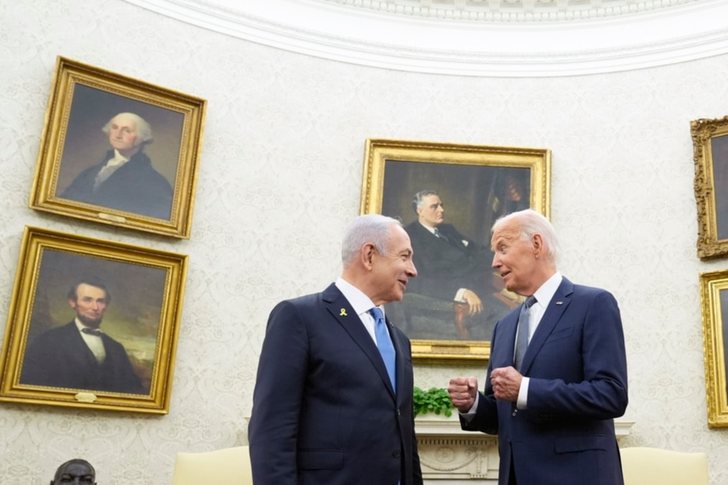
The United States is investigating how two top-secret docu...
Boris Rugge, Assistant Secretary General of NATO, has said...

CNA has launched another investigation that could lead to ...

Irfan Hysenbelliu is a businessman that we call "Irfan the...

In March 2026, CNA launched another investigation centered...
The arrested mayor of Tirana, Erion Veliaj, with 13 charge...

The Special Board of Appeal (KPA) decided this Monday ...

The KPA vetting decided this Thursday to dismiss the p...

Suela Salavaçi, a prosecutor in the Prosecutor's Offic...

The Special Board of Appeal reinstated the prosecutor ...

A road accident occurred this evening on Nikolla Zoraqi St...
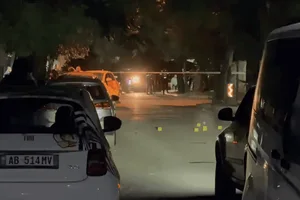
Three people were shot and wounded in Elbasan last night b...

A serious incident occurred this Tuesday in the Yrshek are...

An accident occurred this Tuesday on "Dituria" street in K...
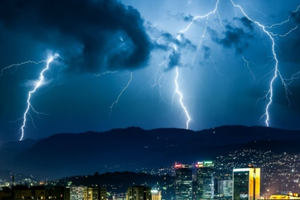
All of Southern Europe will face changing weather conditio...
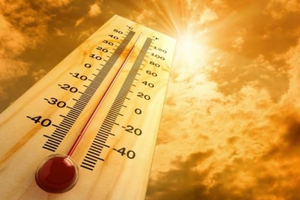
Albania was hit by temperatures significantly higher than ...
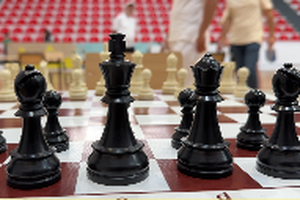
For the first time, Pogradec welcomed the Inter-Lake Chess...
Albania has achieved a record for the employment of foreig...
US Secretary of State Marco Rubio arrived in Manila on Jul...
In the space of a few days, Ukrainian President Volodymyr ...
The spokesman for the Iranian Foreign Ministry warned Bulg...
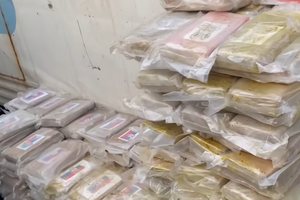
Autoritetet italiane sekuestruan pako me afër 800 kilogram...

At a time when industrial products are increasingly taking...

Trust among people is not just a three-syllable word. It c...

Master of humor Todi Llupi has passed away at the age of 7...

The ninth edition of "MIK Festival" kicked off with one of...
Construction company licenses will have a validity period ...
The Centralized Purchasing Operator recently opened a tend...
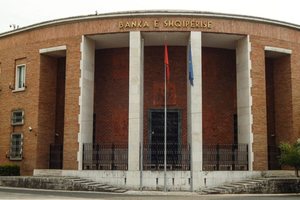
The new draft law "On the Bank of Albania" provides that t...
This Tuesday, one US dollar is bought for 81.2 lek and sol...