


Presidency of Kosovo: Derek Chollet's visit to the Balkans is postponed
The senior adviser of the American State Department, D...



Writer Martin Walser died on July 28 at the age of 96 in Ibrelingen, where he spent his entire life. Walser left behind an extensive but also controversial body of work. Until old age, he wrote and published novels, stories and collections of stories, plays, radio dramas and translations, as well as essays and lectures.
At the age of 95, he published "Traumbuch" (Book of Dreams), and a year ago also the collection of poems "Sprachlaub".
He was often called "the author of the century" and an unflinching analyst of West German society. Like no other contemporary German writer, Walser thematized the everyday life of the middle class.
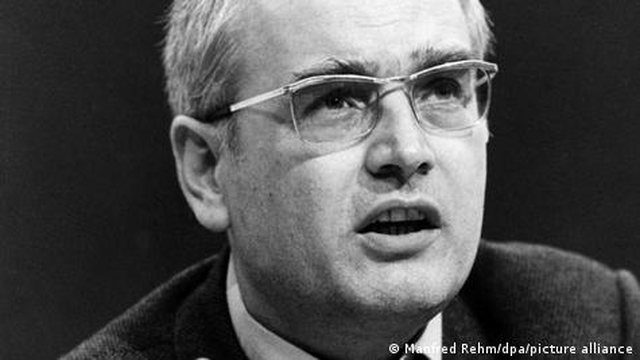
His heroes are officials, teachers, ordinary people, conflicts between spouses, bosses, friends or lovers with their aspirations, often making these characters also tragic of their time. With irony and sympathy, Walser portrayed his heroes who live with a sense of inferiority and see themselves as losers. In all his works he relies on his own experiences. Novels without biographical parts are not novels, but sociological works, he once declared.
Most of his twenty or so novels are bestsellers, most notably the 1978 novel Ein fliehendes Pferd (The Running Horse).
Born in Wasserburg near Lake Constance on March 24, 1927, the son of an innkeeper and a coal merchant. He lost his father at a young age, while his older brother was killed in World War II. He himself was a Wehrmacht soldier for a short time.
Walser began writing poetry at the age of twelve. After studying literature and philosophy in Regensburg and Tübingen, he worked for several years as a reporter, editor and author of radio dramas at Süddeutsche Rundfunk. In 1950, he married Katarina Neuner-Jele. From this marriage, they have daughters Franceska, Johana, Alisa and Teresia - all of them are involved in literature or acting. He had a son, Jakob Augstein, journalist and publisher, with Maria Karlsson, then partner and later wife of Spiegel founder Rudolf Augstein, about whom the public learned in 2009.
Walser quickly became one of the most important and controversial writers in post-war German literature. For the story "Templones Ende" (Templone's End) published in the 1955 story collection "Ein Flugzeug über dem Haus" (Plane Over the House), he received the legendary Group 47 award.
Two years later, he published his first novel Ehen in Philipsburg (Marriages in Philipsburg) in 1957, for which he received the Herman Hesse Prize. In 1981, Walser received the "Georg Büchner" literary prize.
His book "Ein liebender Mann" (A man in love) has also been translated into Albanian.
Like many of his colleagues, Walser was politically active in the 1960s, opposing the war in Vietnam and favoring the Social Democrat Willy Brandt as chancellor.
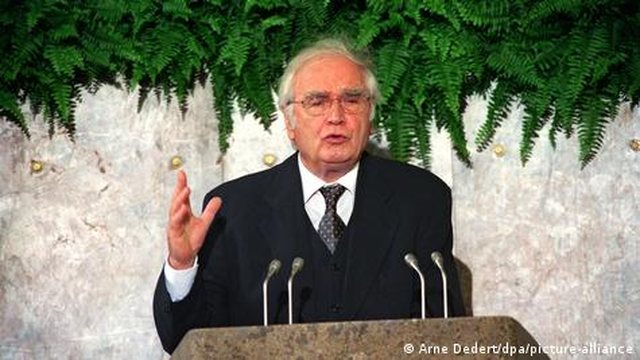
Walser was considered a leftist. And that is why he caused great outrage on October 11, 1998, when in his speech after the presentation of the prestigious Booksellers' Peace Prize, he declared against the "instrumentalization of the Holocaust." "Auschwitz does not lend itself to becoming a routine threat that can be used at any time as a tool of intimidation or a moral compass," Walser said at the time.
The then-president of the Council of German Jews, Ignatz Bubis, was present and later harshly criticized Walser. Several years of public discussion followed. Walser said he regretted that his speech had offended Bubis and explained in a 2015 interview with Spiegel that he was not referring to the instrumentalization of Auschwitz in German-Jewish relations, but to that in everyday German politics, as practiced for example by Günter Gras, in his rejection of the reunification of Germany or Joshka Fischer in supporting Germany's participation in the bombing of Yugoslavia./ DW

The senior adviser of the American State Department, D...
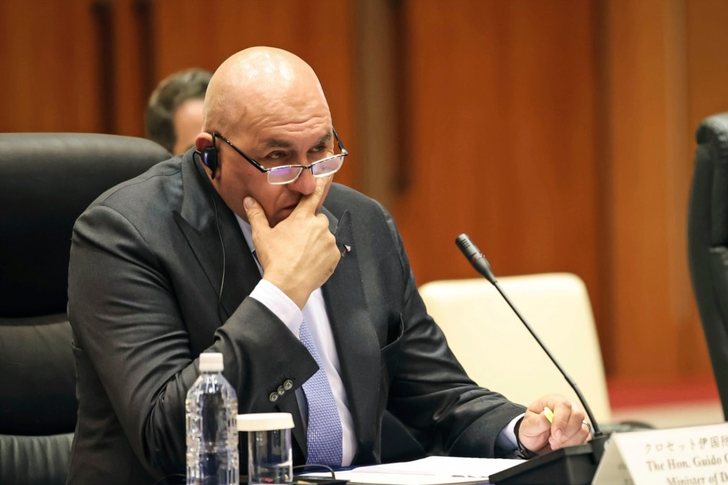
Italy made an "improvised and cruel" decision when it join...

A number of musical instruments were burned on Sunday in t...
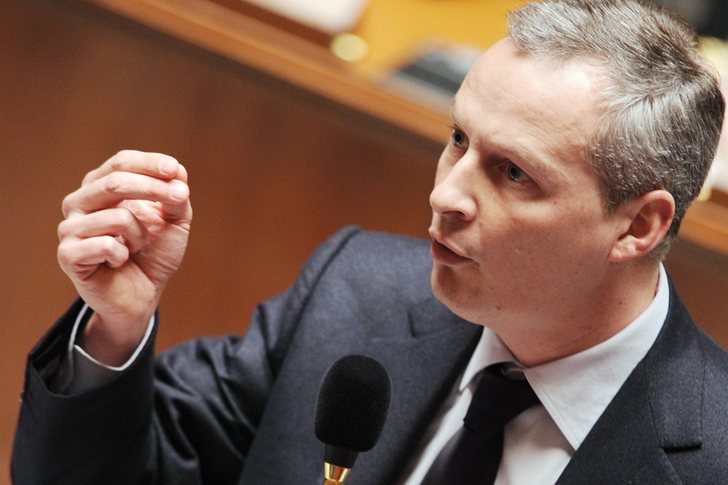
The Minister of Finance in France, Bruno Le Maire, sai...

Russia has accused Ukraine of a drone attack in Moscow, as...
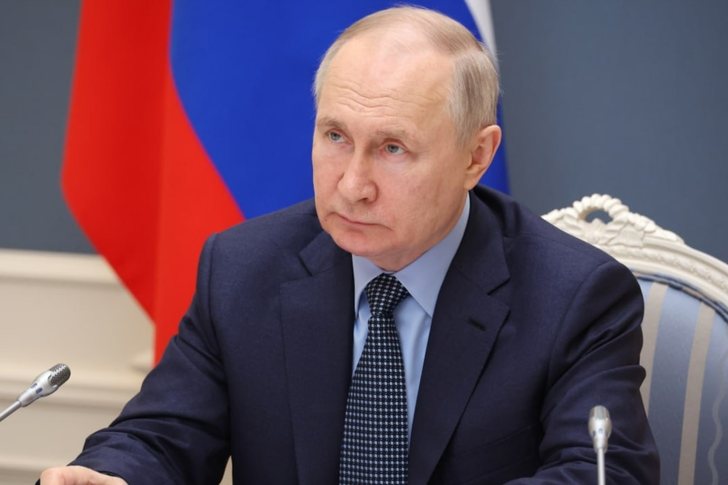
Russian President Vladimir Putin has said that he does...

Nicolas Petro, the son of Colombian President Gustavo Petr...

At least nine people were killed and more than 115 injured...
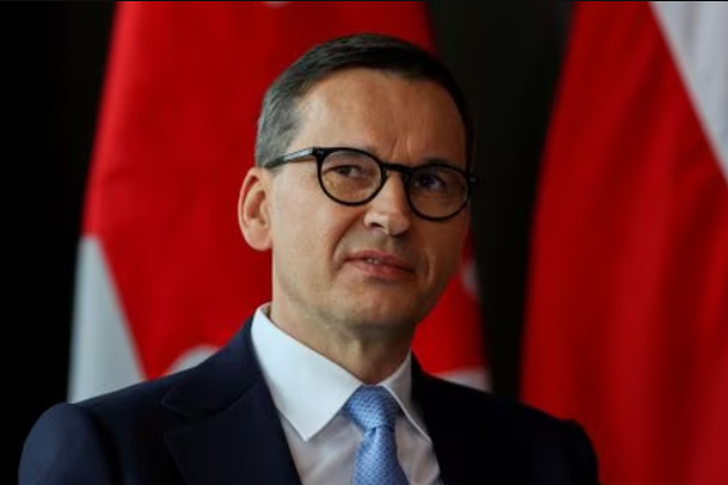
A group of more than a hundred soldiers from Russia's Wagn...

The EU has suspended all security cooperation with Niger a...

China is stealing artificial intelligence technology devel...

Russian missiles hit an apartment block and a Ukrainian se...

The chemical group BASF announced for the second quarter a...
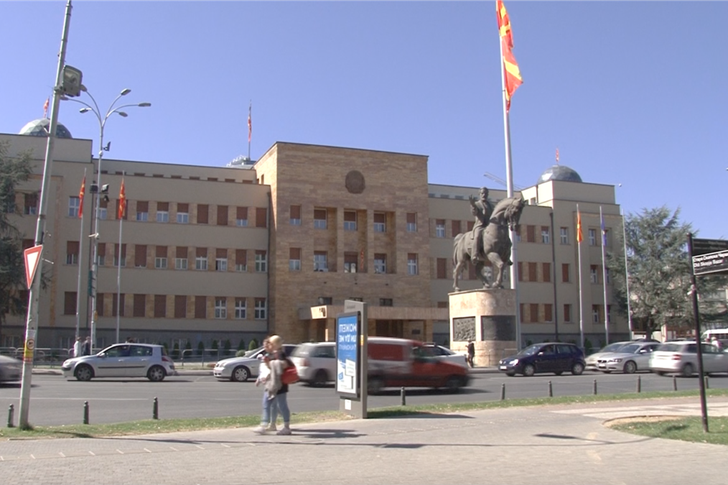
A study on propaganda and fake news from Russia in North M...

The embassies of France, Germany, Italy, Great Britain, th...

The U.S. Department of Energy announced Friday that it wil...

Moscow is vowing to take tough measures in response to a r...

Most of the 667 fires that have broken out across Greece i...

In a recent study by the Nuremberg-based Institute for Lab...

The Russian cities of Taganrog and Samara faced explosions...

CNA has launched another investigation that could lead to ...

Irfan Hysenbelliu is a businessman that we call "Irfan the...

In March 2026, CNA launched another investigation centered...
The arrested mayor of Tirana, Erion Veliaj, with 13 charge...

The Special Board of Appeal (KPA) decided this Monday ...

The KPA vetting decided this Thursday to dismiss the p...

Suela Salavaçi, a prosecutor in the Prosecutor's Offic...

The Special Board of Appeal reinstated the prosecutor ...

Footage emerges from the serious accident that occurred th...

A Shkodra traffic police officer was hit with hard objects...

This Wednesday, around 4:00 PM, a serious accident occurre...

Tirana Police have shared details regarding the accident t...

A serious accident that occurred this Wednesday with the c...

The Institute of Geosciences has shared a forecast for wea...

Rising energy and fertilizer prices are expected to contin...

Over 18,000 foreign citizens from 140 countries have appli...

The trial of ousted Venezuelan President Nicolas Maduro on...

US President Donald Trump has issued another warning to Ir...

Prime Minister Andy Burnham has announced that most bus fa...

France's parliament has passed a law to ban social media f...

At a time when industrial products are increasingly taking...

Trust among people is not just a three-syllable word. It c...

Master of humor Todi Llupi has passed away at the age of 7...

The ninth edition of "MIK Festival" kicked off with one of...

The price of diesel reached 206 lek per liter from 198 lek...

Businesses will no longer be required to simply register t...

Despite economic growth and income in recent years, Albani...

This Wednesday, one US dollar is bought for 81.4 lek and s...