


Ceasefire between Israel and Hamas / First three hostages released after 471 days
A ceasefire between Israel and Hamas came into effect on S...


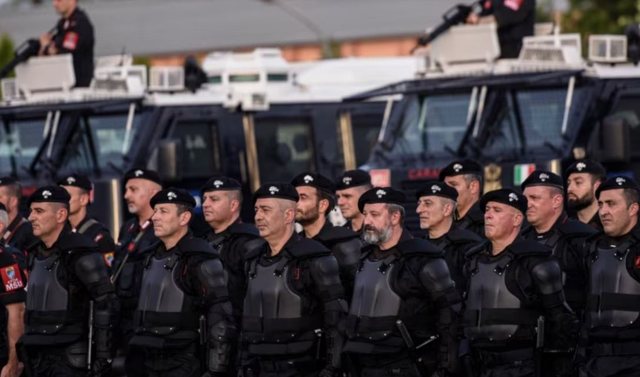
NATO and the European Union are sending resources to Kosovo for the regular parliamentary elections on February 9. The western military alliance NATO said it has sent 200 additional Italian soldiers to Kosovo to strengthen its peacekeeping mission in Kosovo, KFOR, which now has nearly 4,000 troops from 50,000 in 1999, when the mission's soldiers were deployed to the country.
KFOR said it is reinforcing its presence in Kosovo and the Italian infantry brigade “Sassari” will carry out “a series of activities, together with KFOR troops.” This force “will be deployed in response to any significant development of the security situation, including during the election period,” KFOR said.
Days ago, NATO chief Mark Rutte also expressed concerns about the election period in Kosovo. He stated that he is in contact with Kosovo and Serbia to ensure that there is no destabilization during the parliamentary elections on February 9.
The parliamentary elections in Kosovo will also be monitored by the European Union, which has announced a mission of 100 observers.
Nathalie Loiseau, a French member of the European Parliament, will lead the bloc's election observation mission. She said the mission highlights "the EU's continued support for Kosovo to further strengthen its democratic governance."
She said the February 9 vote will demonstrate “the plurality of Kosovo’s political landscape.” This will be the seventh EU election observation mission in Kosovo. The election campaign, which began on January 11, has been characterized by politically motivated incitement and hate speech, according to non-governmental organizations in Kosovo monitoring the process.
Twenty-eight political entities and one independent candidate are running in the February 9 parliamentary elections. The four candidates for prime minister – Albin Kurti of the Vetëvendosje Movement, Bedri Hamza of the Democratic Party of Kosovo, Lumir Abdixhiku of the Democratic League of Kosovo and Ramush Haradinaj of the Alliance for the Future of Kosovo – have focused their energies on domestic politics and accusations against each other in the early days of the campaign.
These elections are seen by many as a test of the strength of Prime Minister Albin Kurti and his party, as tensions run high with the Serb minority and neighboring Serbia. Neither has mentioned normalizing relations with Serbia as a key commitment.
Tensions have recently increased due to several actions taken by Kosovo authorities in municipalities where Serbs live. On January 15, Serbian institutions were closed in ten Kosovo municipalities after authorities in Pristina said they were illegal institutions.
However, the closure of several parallel municipalities of Serbia, as well as post and tax offices in ten municipalities south of the Ibar, was described with contradictions. This is because the Basic Prosecution Office in Pristina declared on January 15 that it had not authorized the Kosovo Police to carry out this operation, as there was no official request. The closure of such institutions by the Kosovo authorities has been going on since early 2024.
In addition to the temporary municipal bodies and their public enterprises, the Post of Serbia in the north, the Postal Savings Bank, the Treasury of the National Bank, the Directorate of the Pension and Disability Insurance Fund, the Administrative District of Mitrovica in Kosovo and others have also been closed. Mostly only educational and health institutions have continued to function, which in Serbian areas also operate under the Serbian system. /REL

A ceasefire between Israel and Hamas came into effect on S...
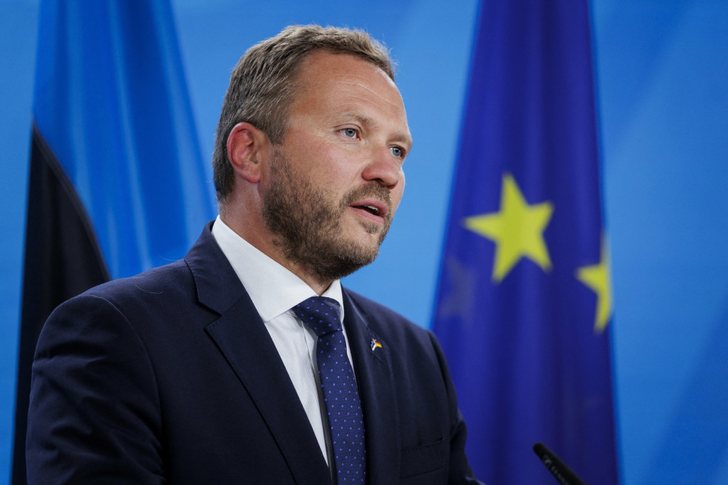
After TikTok was banned in the US, Estonian Foreign Mi...
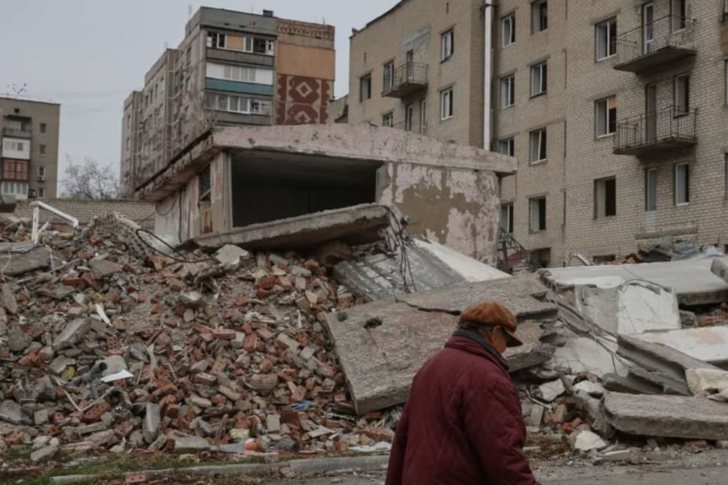
A Ukrainian military spokesman claimed that the situation ...

Israeli National Security Minister Itamar Ben-Gvir has...
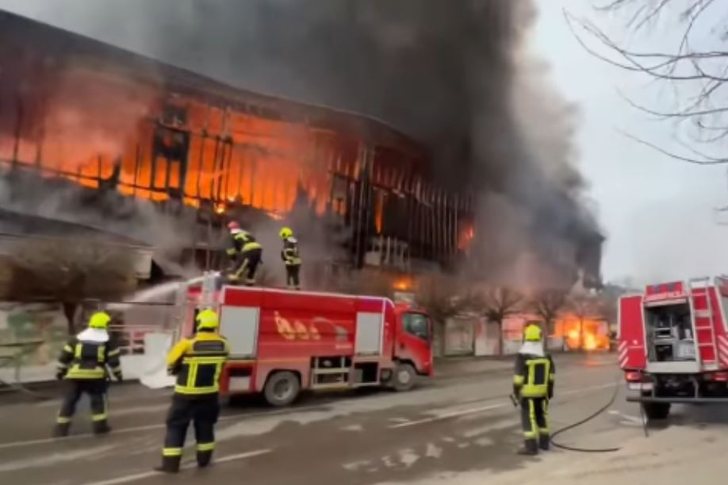
A shopping center in Suhareka, Kosovo, is engulfed in flam...

The ceasefire in Gaza between Israel and Hamas – the Pales...

Israel shares list of 33 hostages to be released by Hamas ...
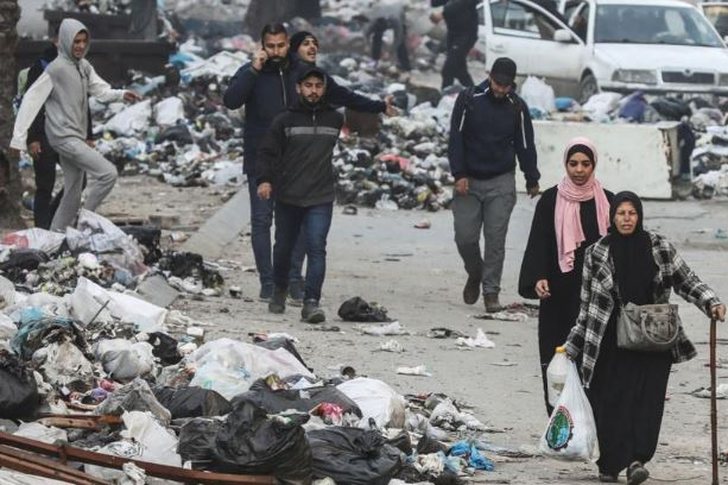
Hamas has submitted a list of the names of three women who...

Thousands of people gathered in Washington to protest ...

TikTok, owned by Chinese company ByteDance, is facing ...

TikTok stops working for the United States and becomes...

The ceasefire between Israel and Hamas that is set to take...
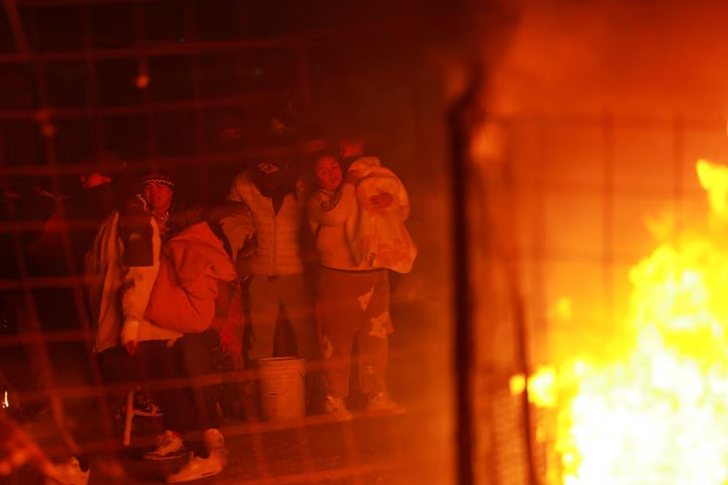
Migrants trying to avoid arrest set fire to blankets and m...

The President of Kosovo, Vjosa Osmani, received an invitat...

Croatia's Deputy Prime Minister and Minister of Agricultur...

Billionaire Bill Gates shared some very interesting news f...

Hungarian Prime Minister Victor Orban said in a radio inte...
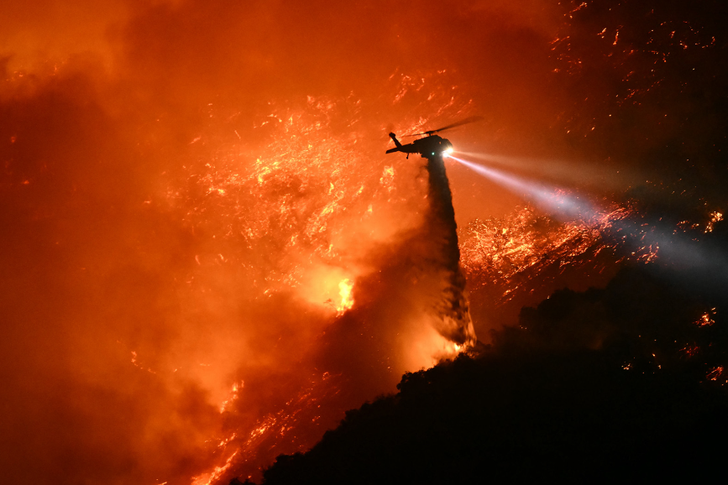
For more than a week, the skies above Los Angeles have bee...
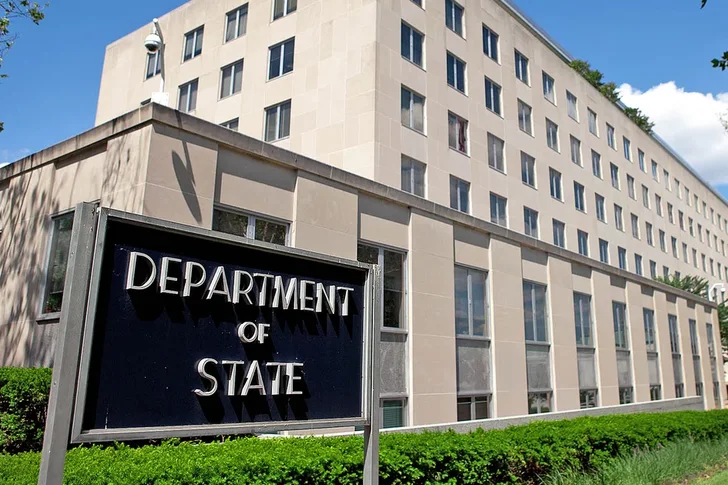
The United States on Friday declared eight individuals per...
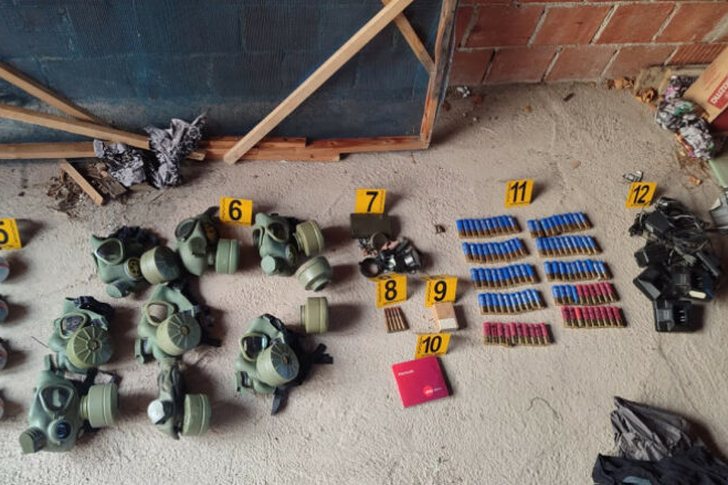
Kosovo Police, in cooperation with Customs, undertook an a...

CNA has launched another investigation that could lead to ...

Irfan Hysenbelliu is a businessman that we call "Irfan the...

In March 2026, CNA launched another investigation centered...
The arrested mayor of Tirana, Erion Veliaj, with 13 charge...

The Special Board of Appeal (KPA) decided this Monday ...

The KPA vetting decided this Thursday to dismiss the p...

Suela Salavaçi, a prosecutor in the Prosecutor's Offic...

The Special Board of Appeal reinstated the prosecutor ...

A road accident occurred this evening on Nikolla Zoraqi St...

Three people were shot and wounded in Elbasan last night b...

A serious incident occurred this Tuesday in the Yrshek are...

An accident occurred this Tuesday on "Dituria" street in K...

All of Southern Europe will face changing weather conditio...

Albania was hit by temperatures significantly higher than ...

For the first time, Pogradec welcomed the Inter-Lake Chess...

Albania has achieved a record for the employment of foreig...

US Secretary of State Marco Rubio arrived in Manila on Jul...

In the space of a few days, Ukrainian President Volodymyr ...

The spokesman for the Iranian Foreign Ministry warned Bulg...

Autoritetet italiane sekuestruan pako me afër 800 kilogram...

At a time when industrial products are increasingly taking...

Trust among people is not just a three-syllable word. It c...

Master of humor Todi Llupi has passed away at the age of 7...

The ninth edition of "MIK Festival" kicked off with one of...

Construction company licenses will have a validity period ...

The Centralized Purchasing Operator recently opened a tend...
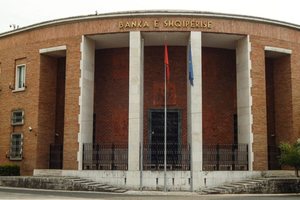
The new draft law "On the Bank of Albania" provides that t...

This Tuesday, one US dollar is bought for 81.2 lek and sol...