

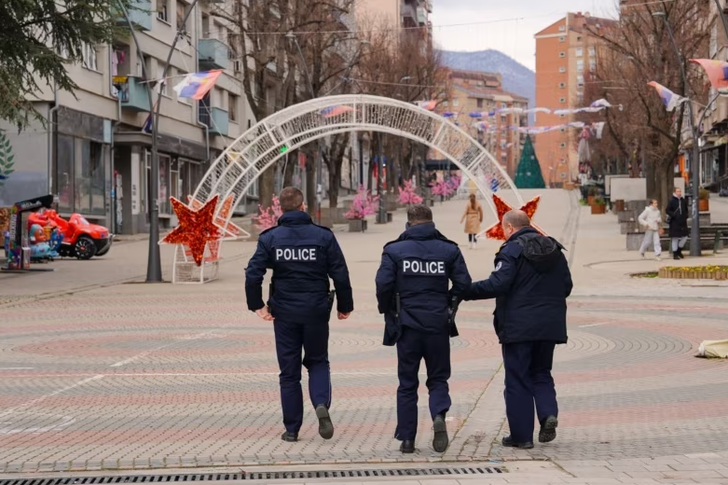
Two injured from the explosion of a hand grenade in the north
Two people were injured by the explosion of a hand gre...


As Germany should become more attractive for skilled worker immigration, it will become more difficult to grant asylum. What rules are expected?
More skilled workers
Since October 18, a law has come into force in Germany that facilitates immigration for foreign workers. The most important element of the new law will be the Opportunity Card (Chancenkarte), which is based on a point-based system of entry into Germany. This part of the law comes into force in June, and provides for a one-year residence permit with the possibility of extension. During this time, cardholders can look for a job. The conditions for obtaining it are: academic level, diplomas, knowledge of the German or English language, work experience and personal connection to Germany.
From October, the part of the Blue Card law came into force, according to which qualified foreign workers will have to have a minimum gross salary of around 43,800 euros per year (so far 58,400 euros) to receive it.
Asylum seekers who entered the country before 29 March 2023 and have qualifications and a job offer - will be able to apply for a residence permit as a skilled worker if they withdraw their asylum claim. Until now they had to first leave the country and then apply for a work visa from abroad.
Anyone coming to Germany as a qualified professional from a country outside the EU can bring their spouse, children and parents. However, the prerequisite is to ensure the existence of the family. Parents cannot apply for social assistance.
Blue Card and Regulation for the Western Balkans
The existing regulation for skilled workers with higher education, such as the EU Blue Card, has been made easier to obtain. The list according to which the Blue Card can be obtained has been expanded. While before this list was more or less only professions from mathematics, computer science, engineering professions and medicine, now it also applies to pharmacists, educators, caregivers and many other professions.
If employers in Germany and candidates from countries outside the EU enter into a so-called contract for the recognition of qualifications, foreign workers will be able to come and work in Germany from March 2024, while the process of recognition of qualifications continues . So they can come without the recognition of diplomas, while they have to do this after their arrival.
If they want to bring spouses or minor children, skilled workers must prove that they can support them on their own, but no longer have to prove that they have a designated accommodation space.
While the Regulation for workers from the Western Balkans, for the employment of workers from Albania, Bosnia and Herzegovina, Kosovo, Montenegro, North Macedonia and Serbia will change in June. It will no longer have a fixed validity period. From June 2024, the annual quota will double to 50,000 workers.
More deportations
In future, evictions will no longer be notified in advance and the maximum length of detention for people being deported will be extended from ten to 28 days. The police will be given wider powers when searching the homes of refugees.
It provides for tougher penalties for smugglers, the possibility of checking the asylum seeker's phone and the possibility of deporting those suspected of membership in a criminal organization even if they have not committed any crime. The law on these rules is expected to be voted on in January and could enter into force at the end of April 2024.
Deporting migrants
Georgia, Moldova, Kenya, Colombia, Uzbekistan and Kyrgyzstan - these are the six countries with which the agreement on the return of migrants is being negotiated. . The first contract with Georgia was signed in mid-December. In addition, more countries should be classified as safe countries of origin, as was done with Georgia and Moldova in November. It is then easier to return people whose asylum application has been rejected. The government also wants to reactivate the EU-Turkey agreement on the readmission of refugees. Most of the refugees coming to Germany are from Syria, Afghanistan and Turkey.
Faster asylum decisions
Asylum application procedures in administrative courts in Germany take an average of 26.6 months. In the future, this should be accelerated significantly. Procedures for nationals of countries with a recognition rate of less than five percent must be completed within three months. In all other cases - the maximum should be six months.
Fewer social benefits
Until now, asylum seekers were entitled to a special refugee allowance, and after 18 months the right to social assistance, which is a higher amount. In the future, these rules will also change and the deadlines will be shortened. In addition, instead of the previous payment of compensation in cash, the so-called "Socialcard" will be introduced - a payment card with which asylum seekers can only buy food and other daily necessities. The purpose of this measure is to limit the possibility of sending money to relatives in the homeland./ DW

Two people were injured by the explosion of a hand gre...

A US-owned ship was hit by a missile fired by Yemen's Hout...
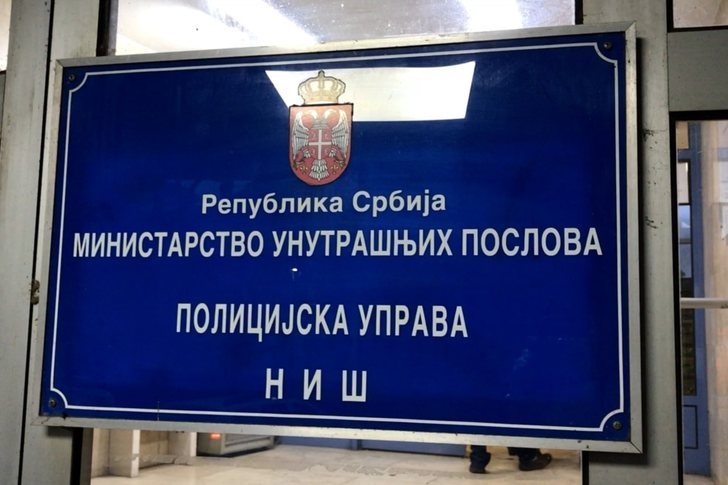
Serbian opposition politician Nikola Sandullovic was relea...
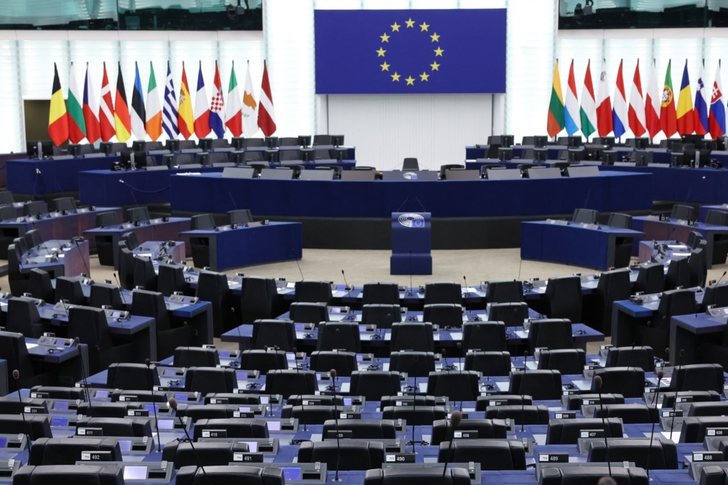
The European Parliament (EP) will debate the reported irre...

Republican voters in the state of Iowa gather this evening...
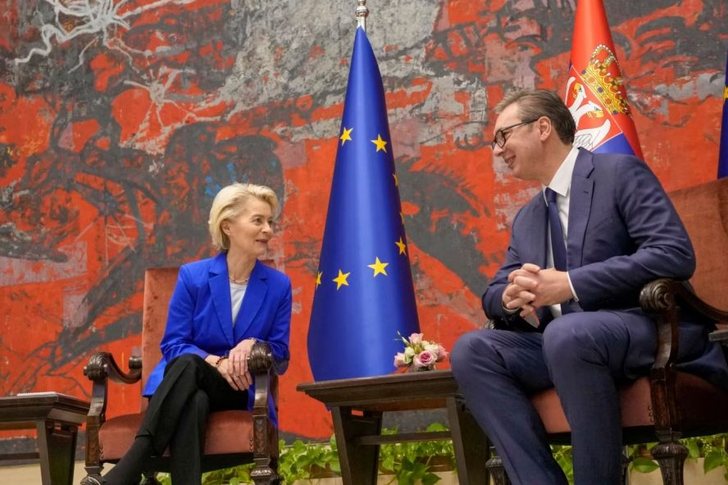
From today until January 19, the World Economic Forum ...

Voters in Taiwan elected their new president over the week...
Almost 40% of jobs worldwide could be affected by the ...
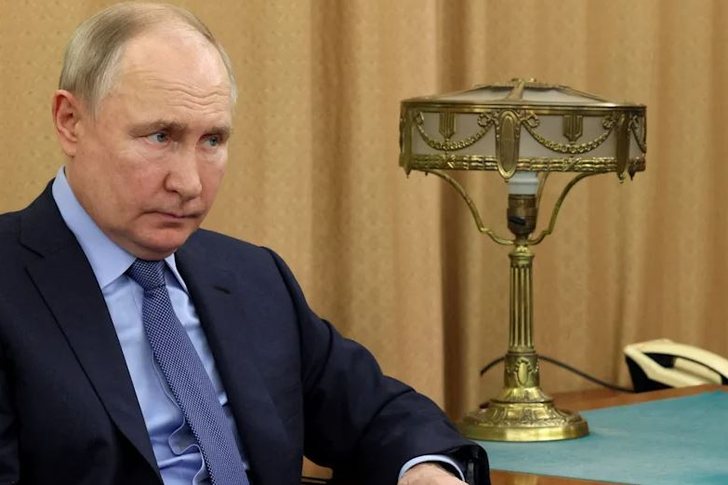
Në një dokument sekret të Forcave të Armatosura Gjerma...
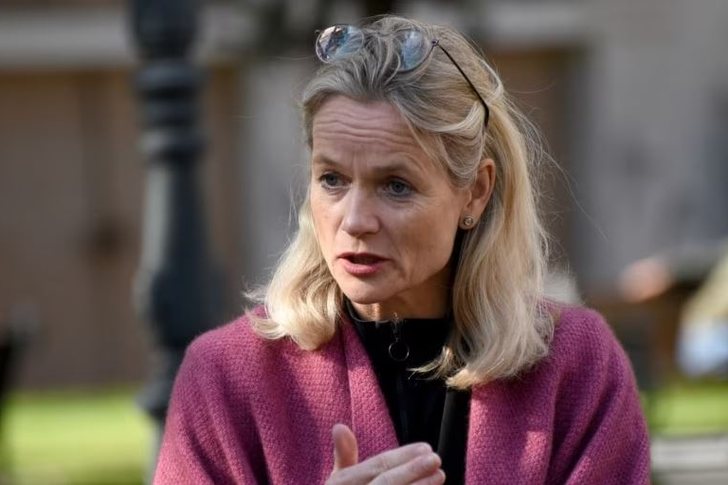
The rapporteur for Kosovo in the European Parliament, ...

Ukraine's military says it has shot down a Russian mil...

Despite having a job vacancy rate of 2.4 percent in 20...

Pasuria e përbashkët e pesë personave më të pasur në botë ...
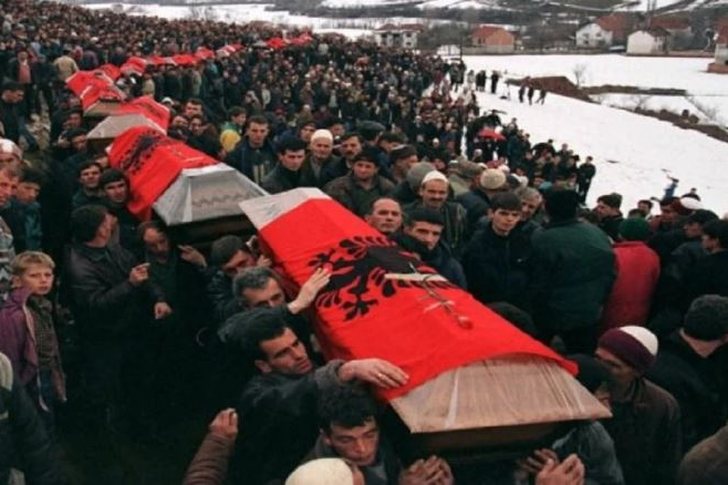
Sot shënohen 25 vjet që kur ndodhi Masakra e Reçakut. ...

The US military has announced that it shot down a miss...
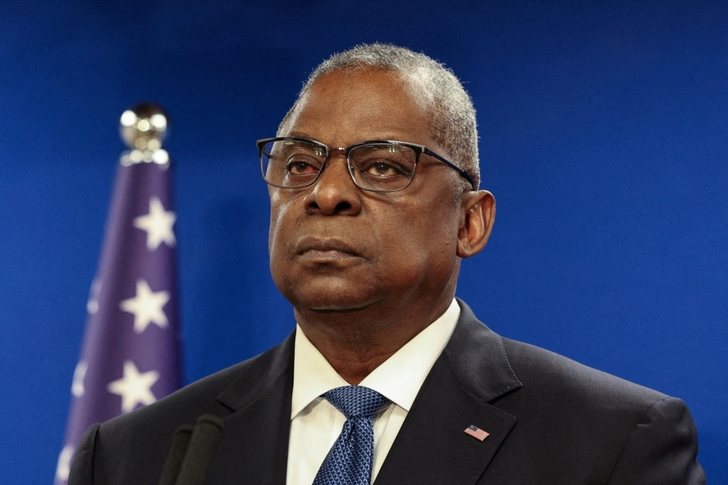
White House Homeland Security spokesman John Kirby said Su...
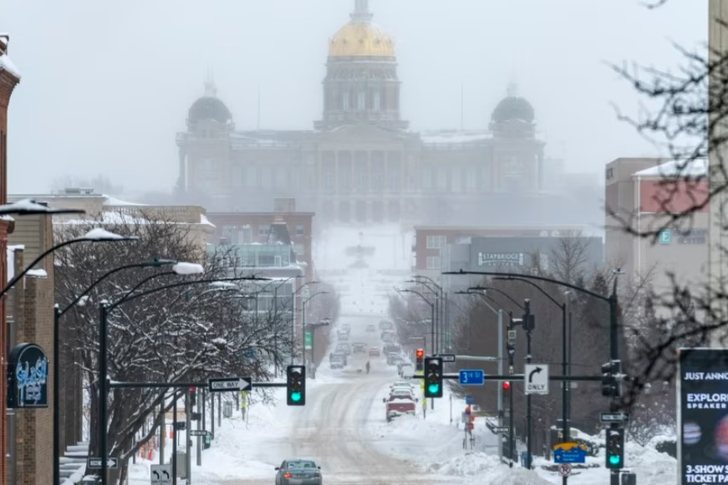
Iowa Democrats will vote by mail to choose their preferred...
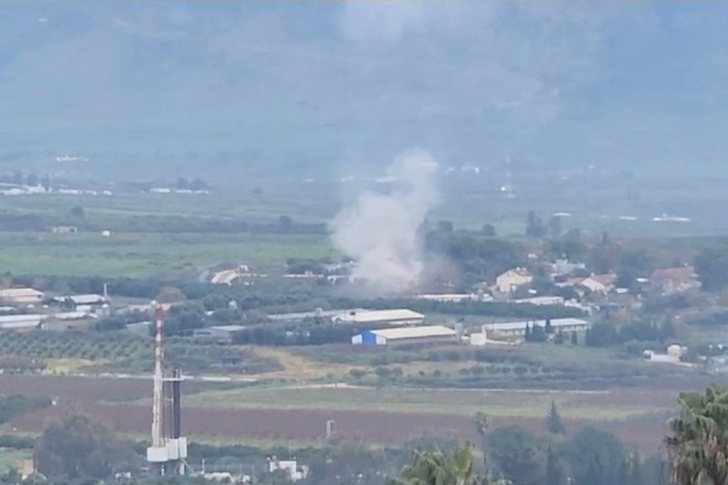
A 76-year-old woman and her son were killed in a village i...
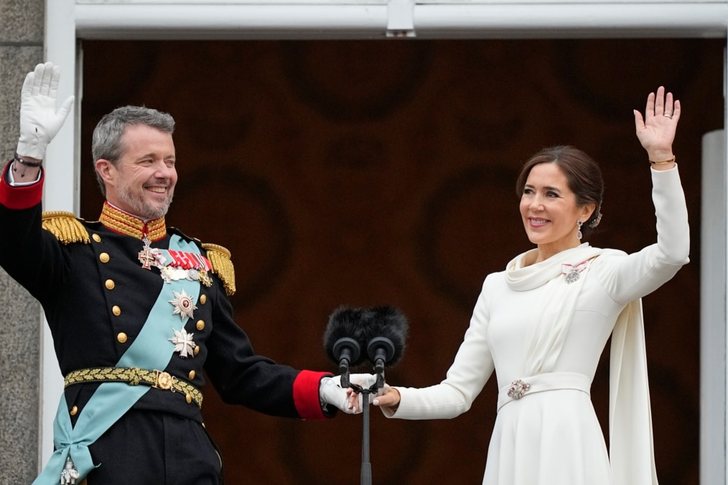
Frederik X became the new king of Denmark on Sunday after ...
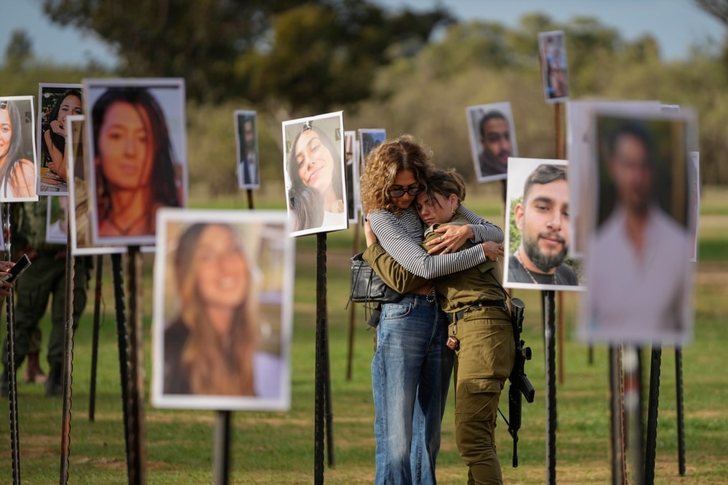
100 days since the start of the Israel-Hamas war, there ar...

CNA has launched another investigation that could lead to ...

Irfan Hysenbelliu is a businessman that we call "Irfan the...

In March 2026, CNA launched another investigation centered...
The arrested mayor of Tirana, Erion Veliaj, with 13 charge...

The Special Board of Appeal (KPA) decided this Monday ...

The KPA vetting decided this Thursday to dismiss the p...

Suela Salavaçi, a prosecutor in the Prosecutor's Offic...

The Special Board of Appeal reinstated the prosecutor ...

New details from the operation being carried out in Fier t...
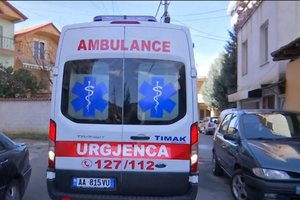
The 17-year-old, who was seriously injured yesterday after...

RENEA is headed towards Roskovec after the murder that occ...
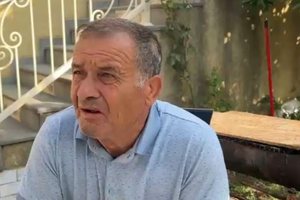
A serious incident occurred in Fier where citizen RB, 35 y...

By noon, cloudiness is expected to prevail in almost all o...

Children without parental care, for whom alternative famil...

On Thursday, our country will be under the influence of st...
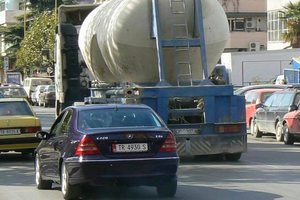
A serious accident that occurred this Wednesday with the c...

The European Union Office in Kosovo has called on all poli...

Serbian President Aleksandar Vučić, at a press conference ...

For the first time since the launch of the euro, European ...

Artificial intelligence (AI) models from the American comp...

At a time when industrial products are increasingly taking...

Trust among people is not just a three-syllable word. It c...

Master of humor Todi Llupi has passed away at the age of 7...

The ninth edition of "MIK Festival" kicked off with one of...
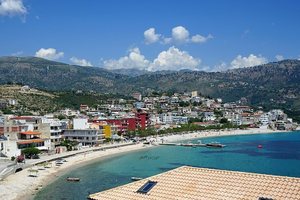
The number of active enterprises in Albania continued to g...
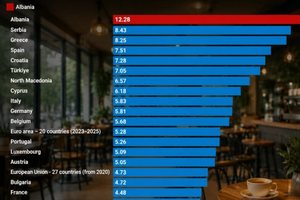
In Albania, the bar-cafe has long become an almost unique ...

This Friday, one US dollar is bought for 81.7 lek and sold...

The average sale price of apartments in Tirana reaches rec...