


Protests in front of the Parliament/ Rama: The black feathers have remained, the heart has migrated with the flamingos
Prime Minister Edi Rama has spoken about the protests in f...

Prime Minister Edi Rama has spoken about the protests in f...

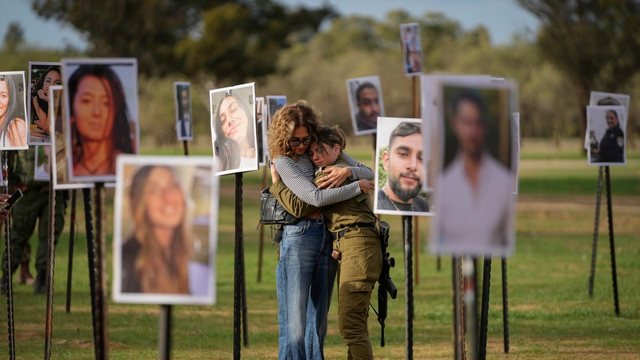
100 days since the start of the Israel-Hamas war, there are no signs that the conflict is coming to an end, and there are even concerns that it could spread even further into the Middle East. The war began after gunmen from the militant group Hamas entered Israel and carried out the deadliest attack in the country's history. Tel Aviv then retaliated by bombing and launching a ground attack on Gaza.
It all started after gunmen from the militant group entered Israel and carried out the deadliest attack in the country's history. The attack caught Israel's military and security services completely off guard, raising fears of insecurity in the country as details of the massacre by Hamas militants emerged.
The attack killed more than 1,200 people, the largest single-day loss of life since the founding of the state of Israel in 1948.
The Israeli response was immediate, beginning with systematic aerial bombardments and followed by a ground intervention that together have devastated Gaza and forced almost 2 million people from their homes.
Almost 24,000 Palestinians have been killed and 60,000 wounded, according to Gaza health authorities.
Three months later, Israeli troops are still battling Hamas militants in the rubble of Gaza and are searching for the architects of the October attack, such as Jahya Sinwar, the leader of Hamas in Gaza, and Mohammed Deif, the movement's military leader.
Most of Gaza's hospitals have been destroyed, starvation is a growing threat, and a dire humanitarian crisis threatens to end up killing even more residents than the Israeli army.
Families of hostages still being held in the Gaza Strip began a 24-hour rally in Tel Aviv on Saturday night, calling on the government to do more to bring their loved ones home.
Thousands of people poured into Tel Aviv's "Hostage Square," a square in front of Israel's Defense Ministry that has served as a rallying point for activists.
More than 100 hostages were released during a temporary ceasefire in November, but 132 are still in Gaza.
"There are still hostages in Gaza. We are waiting for everyone, every minute, every second. They were kidnapped because the state failed, because we failed, and now the state must do everything, everything, to free them," says Eyal Waldman, the father of Danielle, a girl who was killed at a music festival in Israel during the Hamas attack .
Other protesters called for new elections in Israel and blocked a major Tel Aviv highway, clashing with police who arrested and tried to disperse the crowd. Other protesters gathered near Prime Minister Benjamin Netanyahu's private residence demanding his removal from office.
One hundred days after Hamas attacked Israel, Gaza is now a shambles. Drone footage shot over the past few days shows the extent of the destruction in this territory.
For 64-year-old Shahinaz Bakr and her family, home these days is a makeshift tented camp in Rafah. For some 2.3 million people in Gaza, life has turned into a nightmare.
"We have moved from one place to another. I don't know where my sons, my brothers, or my family are. I can't communicate with anyone. I don't know anything about anyone, but we are here, looking for something to eat and drink," says Bakr in her tent, which she shares with her daughter Heba, 32, and four grandchildren.
Heba is six months pregnant and she is terrified for the future of her unborn child.
"I don't know how my baby is doing, I don't know anything. I don't know where I will be born, how I will be treated when I am born," she says.
Efforts to agree a ceasefire have so far failed and no one knows the end of this conflict. Across the Arab world, there has been outrage over the killings and destruction of Gaza. Even Washington, Israel's closest ally, has called for restraint.
Meanwhile, South Africa has filed a case at the International Court of Justice, accusing Israel of genocide, a charge that Tel Aviv dismisses as unfounded.
The United States and other powers have called for a revival of a process to create an independent Palestinian state after the war, but the right-wing government of Prime Minister Benjamin Netanyahu has so far not responded.
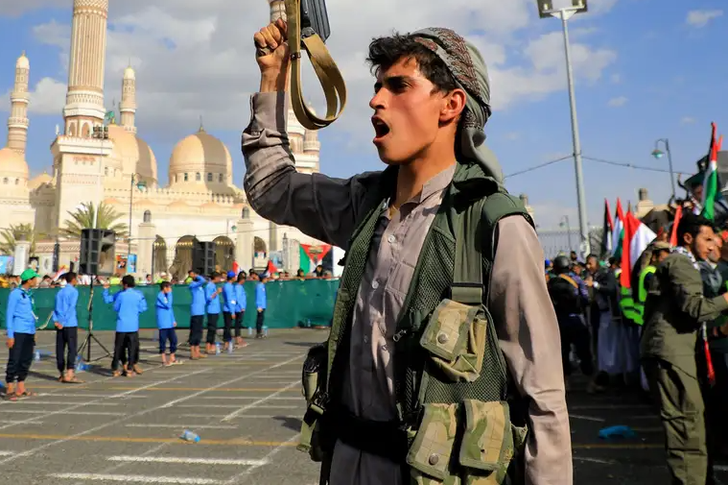
The other two militant groups, Hezbollah in Lebanon and Houthi in Yemen, have also entered the game. Both of these groups have the support of Iran, a sworn enemy of Israel. Also at stake is the political future of the Prime Minister of Israel, Benjamin Netanyahu, which depends on the outcome of the war./ VOA


National security advisers from around the world gathe...
New details are coming to light about the murder that happ...
An international coalition led by the US retaliated after ...
US climate envoy John Kerry is planning to retire from...
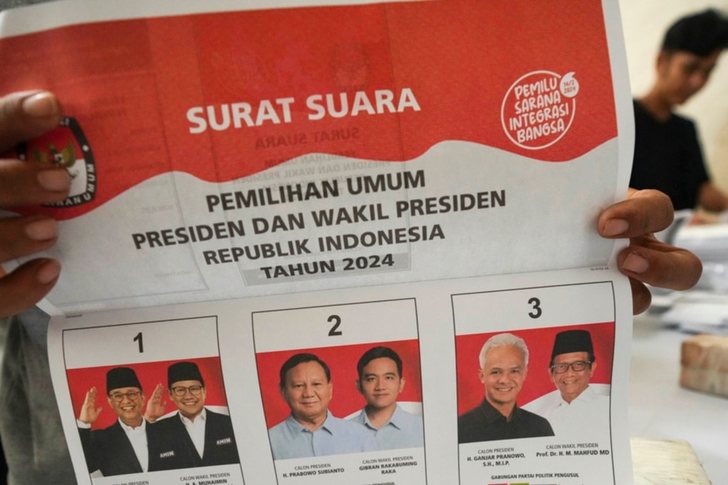
This year will be a major test for democracy, as elections...
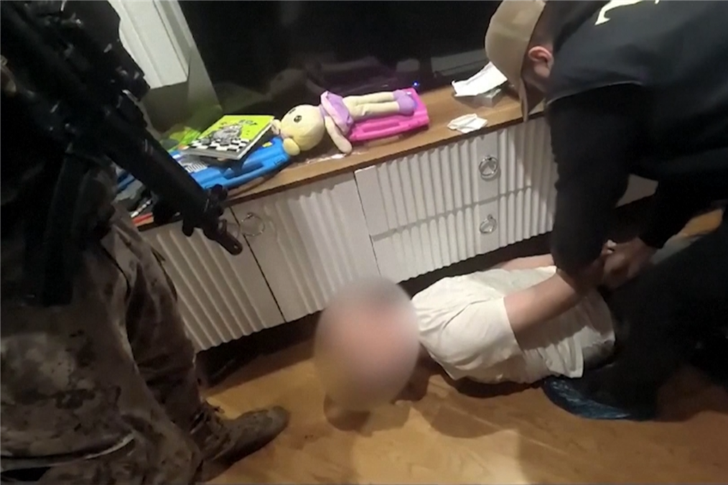
Turkey arrested dozens of people this month on charges of ...
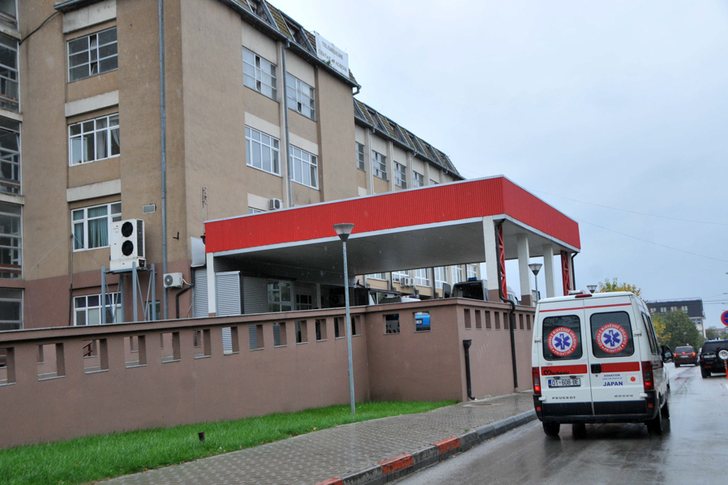
The Clinical and University Hospital Service of Kosovo has...
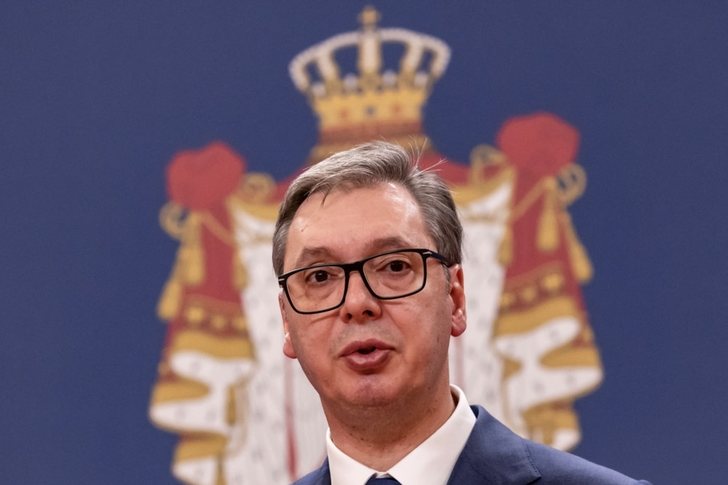
Serbian President Aleksandar Vucic said on Saturday th...
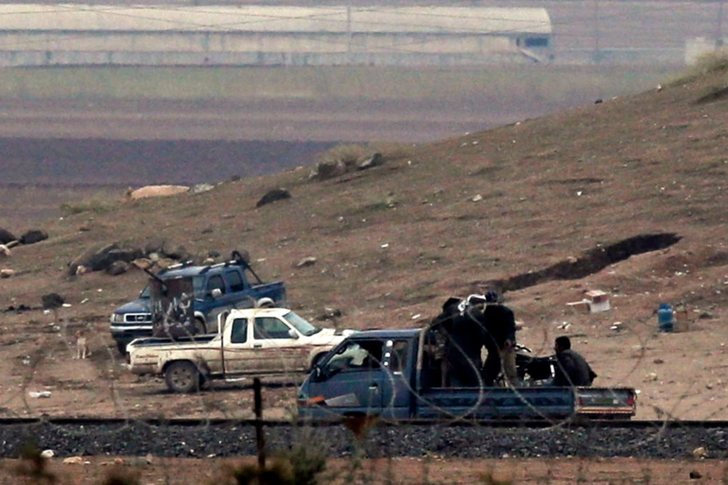
Turkey said on Saturday that its forces had "neutralized" ...

Analysts estimate that the media in Montenegro are loaded ...
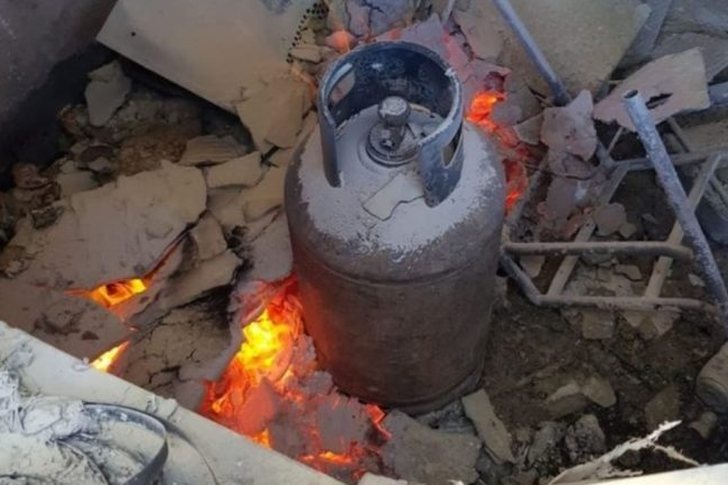
A gas canister exploded this Saturday in the village o...
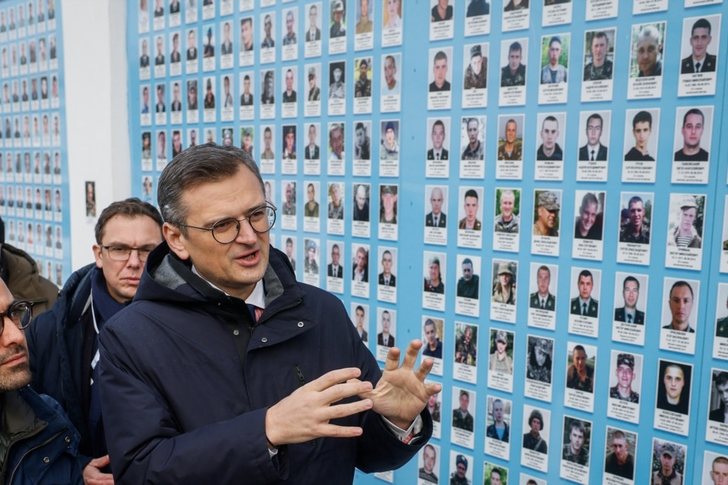
France's new foreign minister, Stephane Sejourne, assured ...

Taiwanese voters elected Democratic Progressive Party cand...
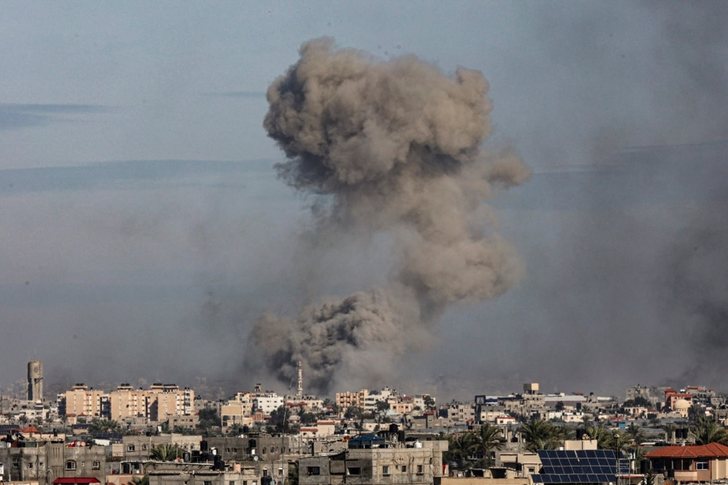
Israel continued its bombardment of the Gaza Strip on Satu...

Video published by the BBC shows the moment tourists w...
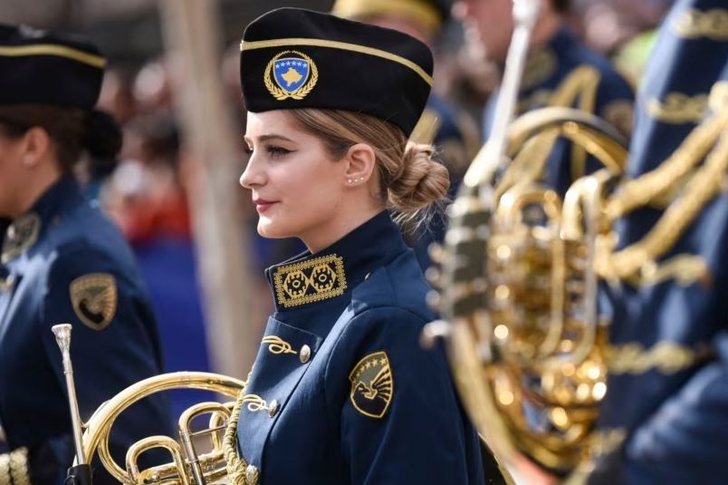
The process of transforming the Kosovo Security Force (KSF...
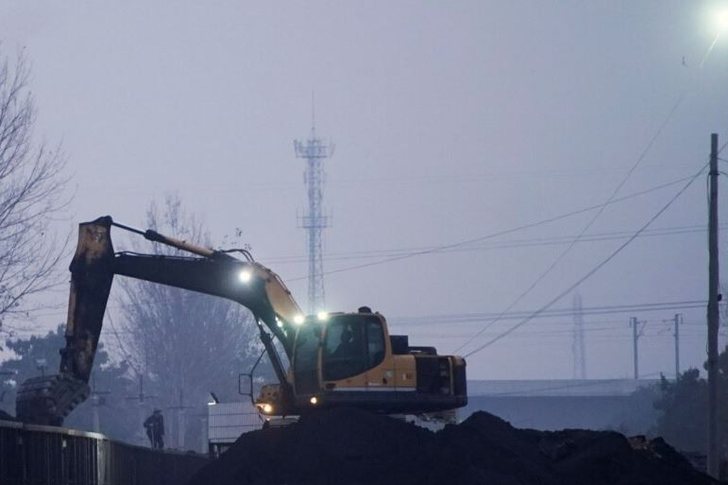
At least 10 people have died and six others are missing fo...
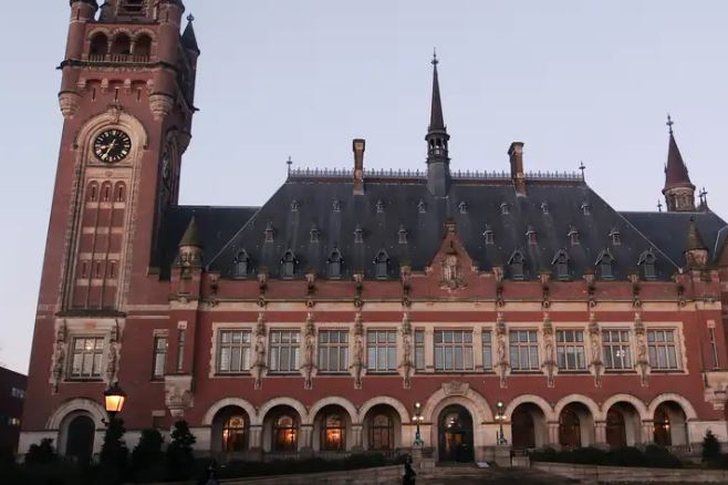
It is not often that a legal proceeding of the Interna...
President Joe Biden has again proposed the name of David K...
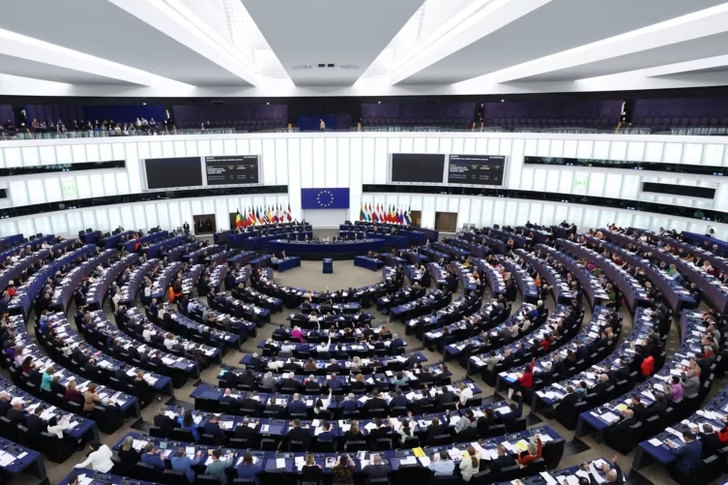
The European People's Party (EPP) has opposed the dema...

CNA has launched another investigation that could lead to ...

Irfan Hysenbelliu is a businessman that we call "Irfan the...

In March 2026, CNA launched another investigation centered...
The arrested mayor of Tirana, Erion Veliaj, with 13 charge...

The Special Board of Appeal (KPA) decided this Monday ...

The KPA vetting decided this Thursday to dismiss the p...

Suela Salavaçi, a prosecutor in the Prosecutor's Offic...

The Special Board of Appeal reinstated the prosecutor ...
New details from the operation being carried out in Fier t...

The 17-year-old, who was seriously injured yesterday after...
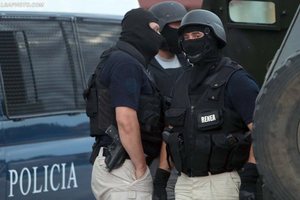
RENEA is headed towards Roskovec after the murder that occ...
A serious incident occurred in Fier where citizen RB, 35 y...

By noon, cloudiness is expected to prevail in almost all o...

Children without parental care, for whom alternative famil...

On Thursday, our country will be under the influence of st...

A serious accident that occurred this Wednesday with the c...

The European Union Office in Kosovo has called on all poli...

Serbian President Aleksandar Vučić, at a press conference ...

For the first time since the launch of the euro, European ...

Artificial intelligence (AI) models from the American comp...

At a time when industrial products are increasingly taking...

Trust among people is not just a three-syllable word. It c...

Master of humor Todi Llupi has passed away at the age of 7...

The ninth edition of "MIK Festival" kicked off with one of...
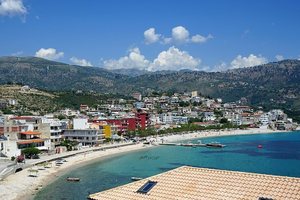
The number of active enterprises in Albania continued to g...
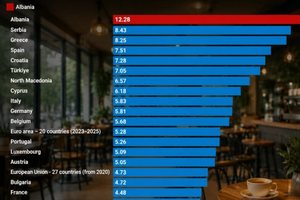
In Albania, the bar-cafe has long become an almost unique ...

This Friday, one US dollar is bought for 81.7 lek and sold...
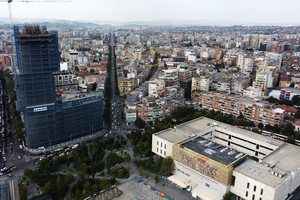
The average sale price of apartments in Tirana reaches rec...