


Protests in front of the Parliament/ Rama: The black feathers have remained, the heart has migrated with the flamingos
Prime Minister Edi Rama has spoken about the protests in f...

Prime Minister Edi Rama has spoken about the protests in f...

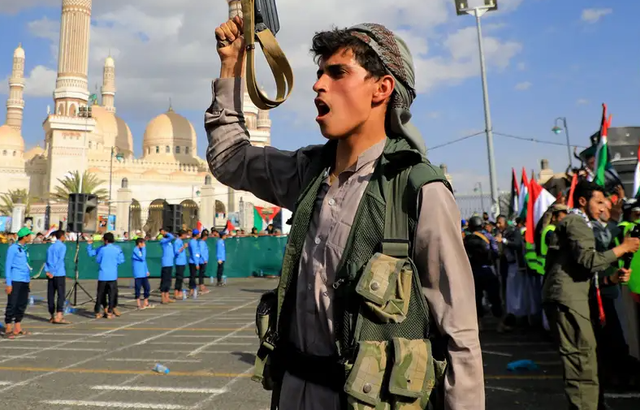
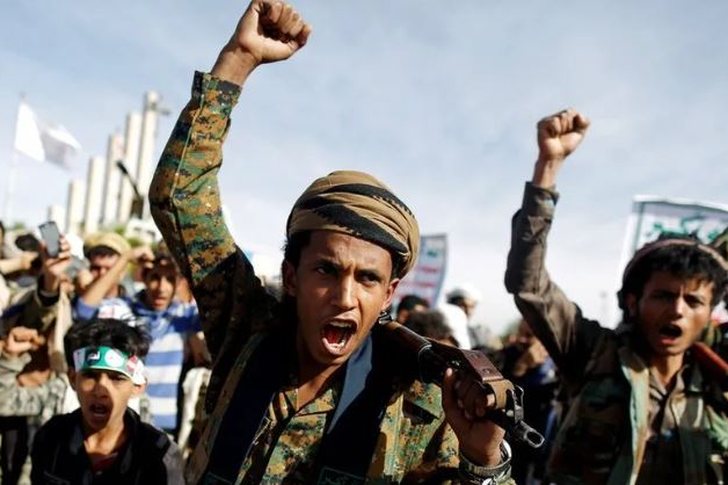
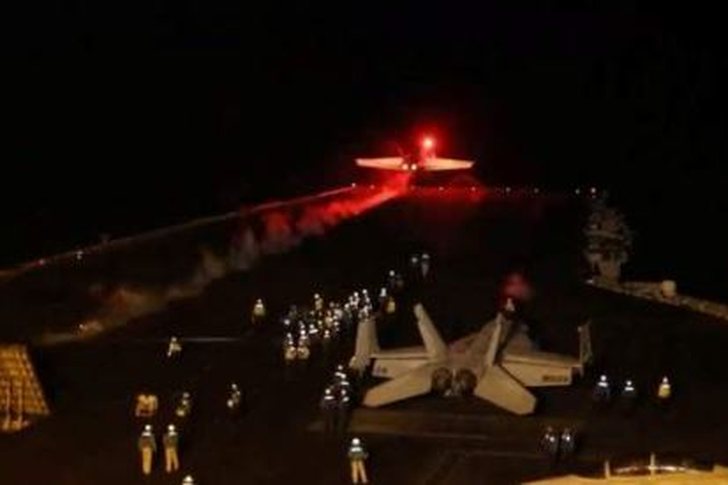
An international coalition led by the US retaliated after weeks of attacks by Yemeni rebels on ships in the Red Sea. What do the Houthi rebels represent and what do they want to achieve?
After the "Prosperity Guardian" operation against the Houthi rebels, the situation is escalating significantly. With their attacks on ships, the rebels have been demonstrating for weeks their support for the Palestinian cause and the Islamic radicals Hamas in the Gaza Strip. They declared that they will continue to attack any ship that goes to Israel, until the Israeli army lifts the blockade of the Gaza Strip and allows the delivery of food and other necessities of life.
In the immediate aftermath of the US- and Britain-led attacks, Houthi rebels vowed revenge. "The battle will expand far beyond the imagination and expectations of the Americans and the British," the AP news agency quoted Ali al-Kahumin, a senior Houthi official, as saying.
Origin and identity
The Houthis belong to a tribal group from a mountainous area in northern Yemen that borders Saudi Arabia. Religiously they belong to the Zaydis, a sect within the group of Shia Muslims. Unlike many other Shiites, the Zaydis do not believe in the return of a hidden imam, the so-called Mahdi. However, the Houthis' affiliation with Shia Islam is an important basis for their good relations with Iran, which sees itself as the supremacy and representative of Shia interests in the region. In Yemen, the Zaydis make up a third of the population.
The Houthis and the civil war
Since the so-called Arab Spring of 2011, the Houthis have increasingly accused Yemen's central government in Sana'a of marginalizing Zaydis and suppressing their rights. They also accused the Yemeni government of being extremely close to Israel and the US. On the basis of these accusations, the Houthis were raised in 2014 against the government of the then president Abed Rabo Mansur Hadi. He was able to stay in office only thanks to an international military alliance led by Saudi Arabia. The alliance has been fighting Houthi rebels since 2015 - but without success.
The Saudi-backed government controls the south of the country, while the Houthis control the north. They are supported by Iran. This is why the civil war in Yemen is also considered a proxy war between Saudi Arabia and Iran. The Houthis have tanks, vehicles and missiles of various types, which they say they have mostly looted from the regular Yemeni army.
Radical anti-Israel ideology
The ideological course of the Houthi rebels can be understood from their motto: "Allah is the greatest, death to America, death to Israel, curse to the Jews, victory for the Islamic religion." In their territory in northern Yemen they have established a strict Islamic order. They combine religious militancy with a strict anti-Western and anti-Israel course. The name the Houthis use for themselves - "Ansar Allah" (helper of Allah, supporter of Allah) - also reflects this spirit.
Close relations with Iran
The Houthis are considered close allies of the Iranian government. They see themselves as part of the so-called "axis of resistance" against Israel and the US, which also includes the Lebanese Hezbollah, various Iraqi militias and the Syrian regime, political scientist Hamidreza Azizi from the Science and Politics Foundation explains in a conversation with DW. SWP) in Berlin. However, the Houthis differ from Iran's other partners. On the one hand, they are less dependent on Tehran than, for example, the Lebanese Hezbollah, and on the other hand, they are not directly dependent on the Iranian command and control system, says Azizi./ DW

US climate envoy John Kerry is planning to retire from...
This year will be a major test for democracy, as elections...
Turkey arrested dozens of people this month on charges of ...
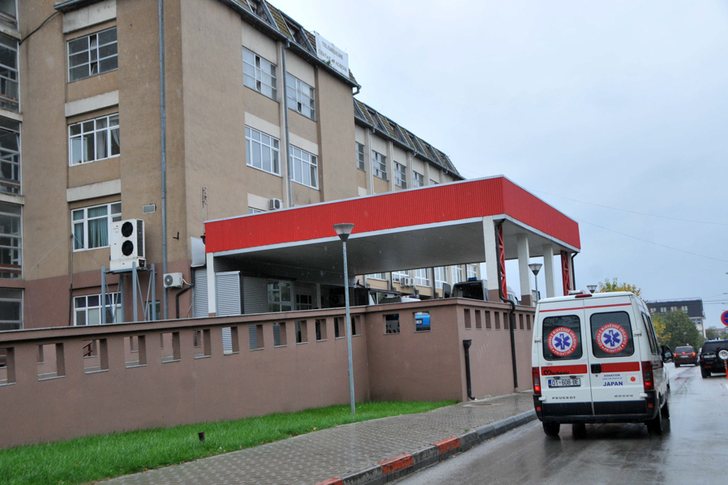
The Clinical and University Hospital Service of Kosovo has...
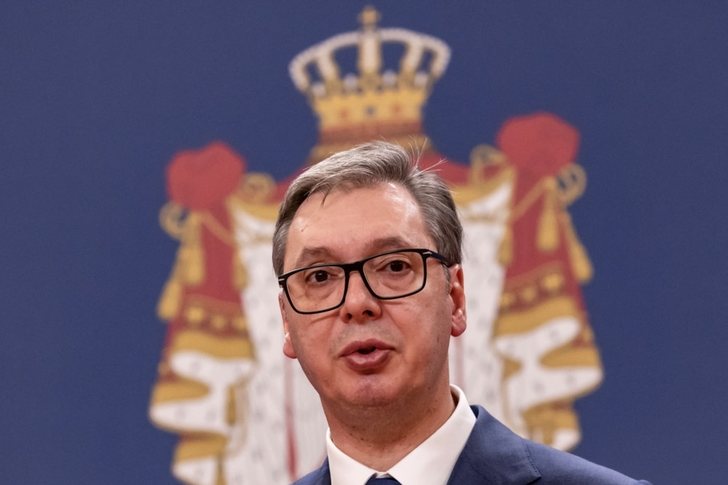
Serbian President Aleksandar Vucic said on Saturday th...
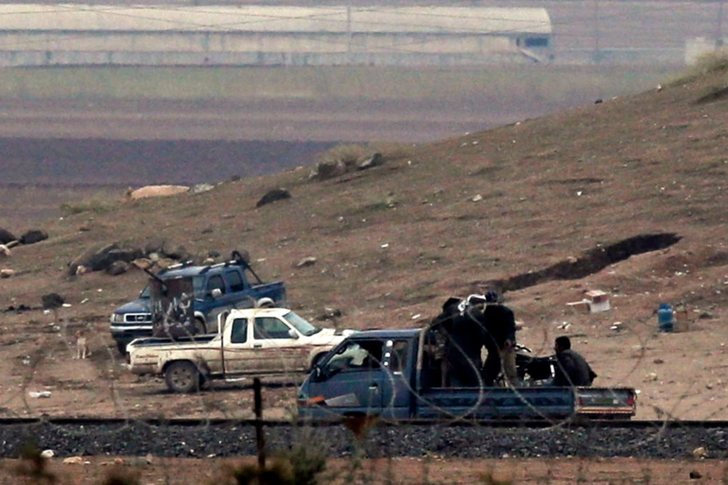
Turkey said on Saturday that its forces had "neutralized" ...

Analysts estimate that the media in Montenegro are loaded ...
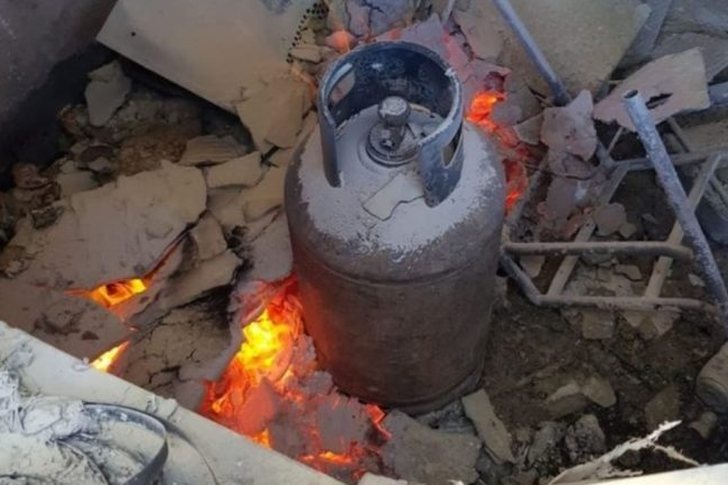
A gas canister exploded this Saturday in the village o...
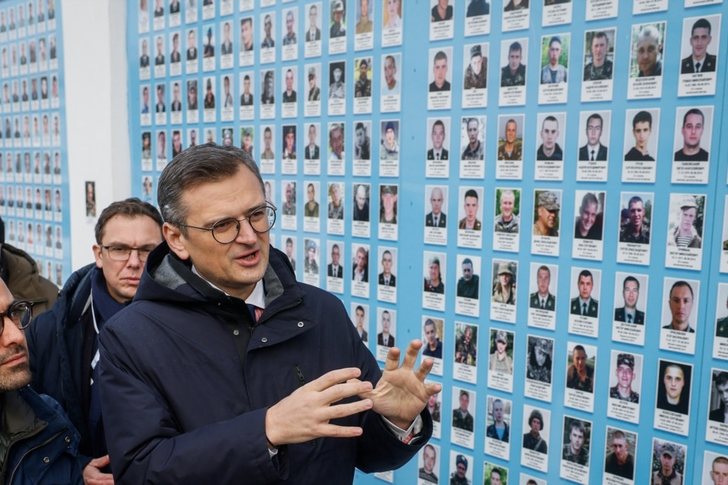
France's new foreign minister, Stephane Sejourne, assured ...
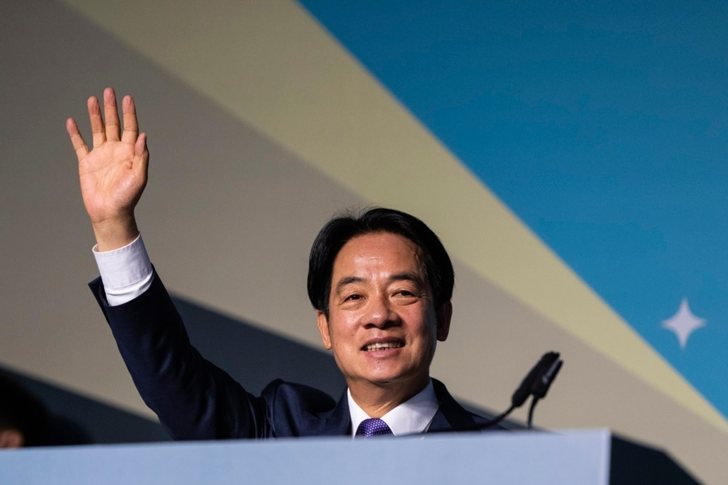
Taiwanese voters elected Democratic Progressive Party cand...
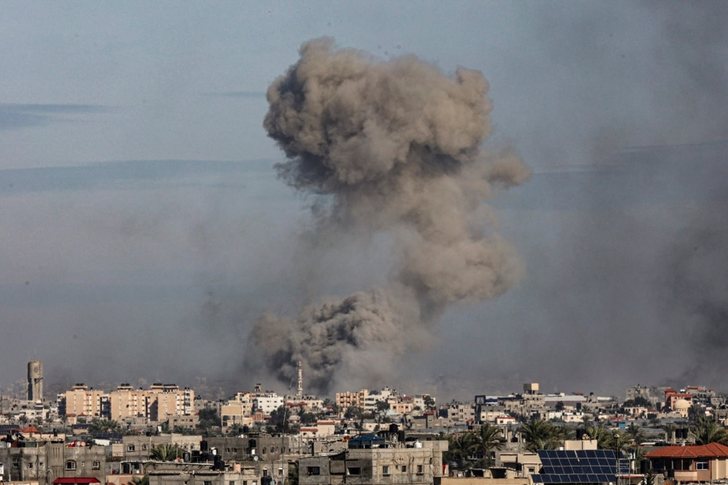
Israel continued its bombardment of the Gaza Strip on Satu...
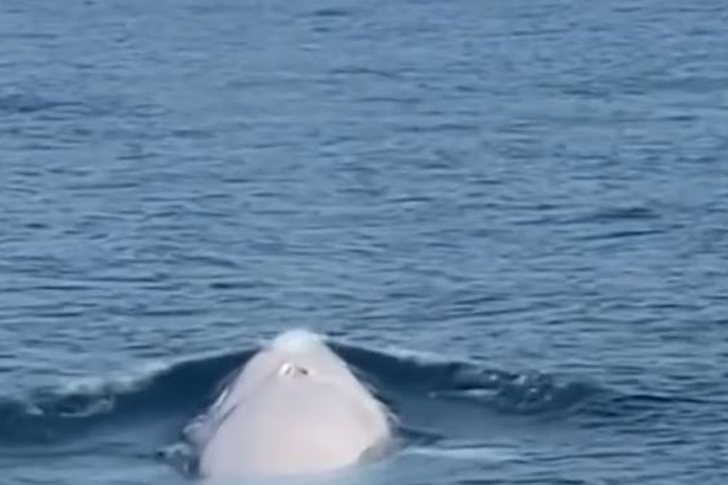
Video published by the BBC shows the moment tourists w...
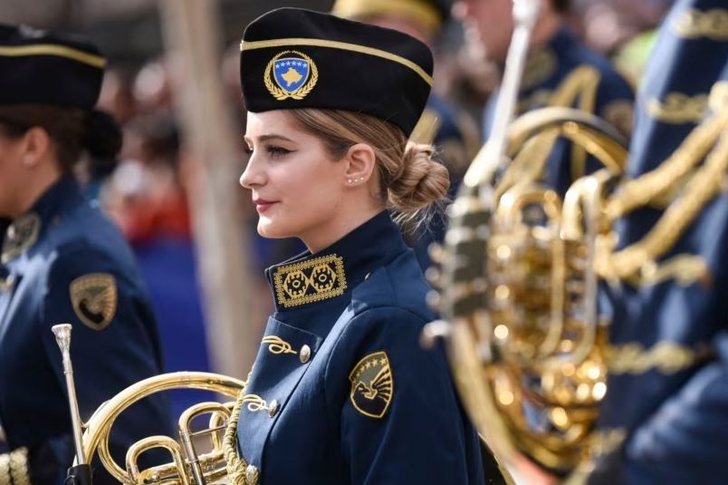
The process of transforming the Kosovo Security Force (KSF...

At least 10 people have died and six others are missing fo...
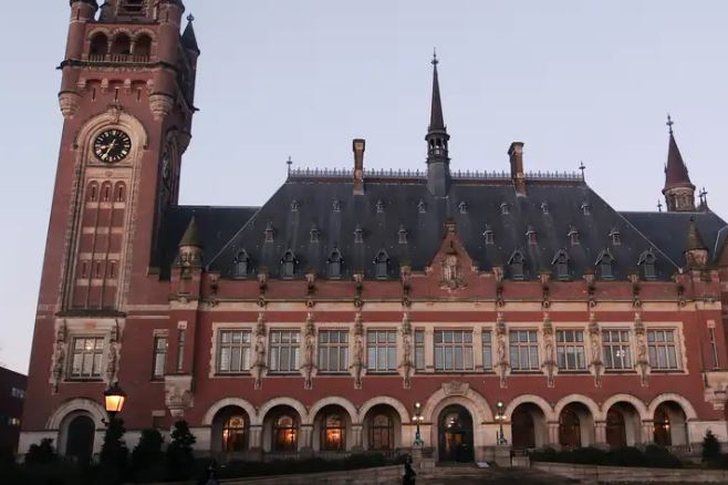
It is not often that a legal proceeding of the Interna...
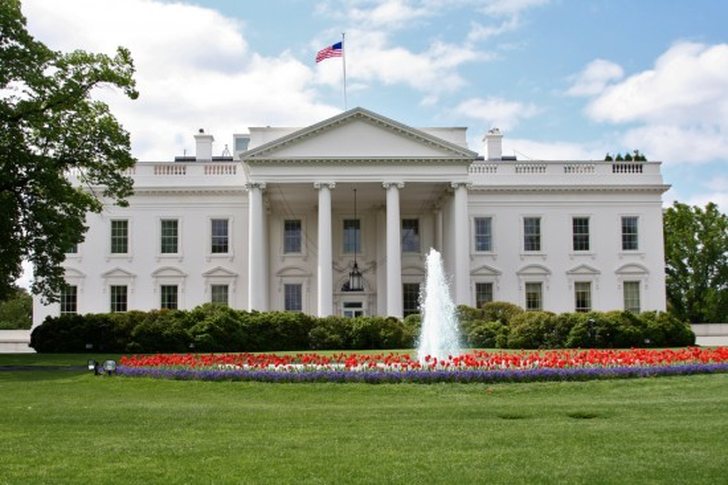
President Joe Biden has again proposed the name of David K...
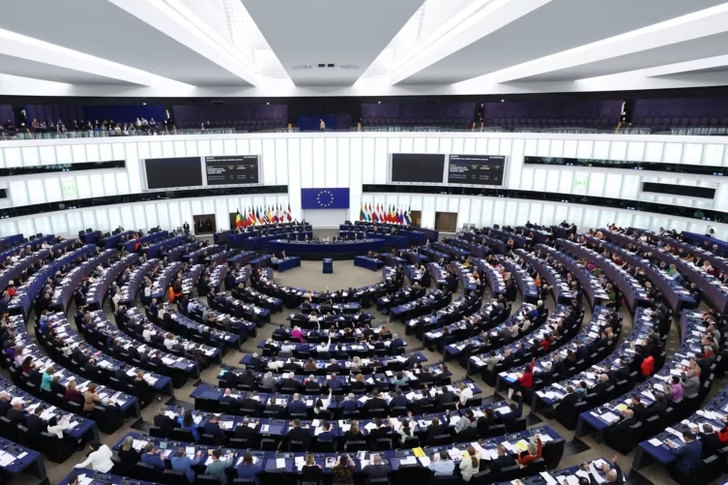
The European People's Party (EPP) has opposed the dema...
Sulmet me dronë dhe raketa mbi anijet e ngarkesave në Deti...
Forcat e SHBA-së dhe Britanisë së Madhe kanë kryer sul...

A 26-year-old British woman died after plastic surgery in ...

CNA has launched another investigation that could lead to ...

Irfan Hysenbelliu is a businessman that we call "Irfan the...

In March 2026, CNA launched another investigation centered...
The arrested mayor of Tirana, Erion Veliaj, with 13 charge...

The Special Board of Appeal (KPA) decided this Monday ...

The KPA vetting decided this Thursday to dismiss the p...

Suela Salavaçi, a prosecutor in the Prosecutor's Offic...

The Special Board of Appeal reinstated the prosecutor ...

New details from the operation being carried out in Fier t...

The 17-year-old, who was seriously injured yesterday after...

RENEA is headed towards Roskovec after the murder that occ...

A serious incident occurred in Fier where citizen RB, 35 y...

By noon, cloudiness is expected to prevail in almost all o...

Children without parental care, for whom alternative famil...

On Thursday, our country will be under the influence of st...

A serious accident that occurred this Wednesday with the c...

The European Union Office in Kosovo has called on all poli...
Serbian President Aleksandar Vučić, at a press conference ...
For the first time since the launch of the euro, European ...

Artificial intelligence (AI) models from the American comp...

At a time when industrial products are increasingly taking...

Trust among people is not just a three-syllable word. It c...

Master of humor Todi Llupi has passed away at the age of 7...

The ninth edition of "MIK Festival" kicked off with one of...
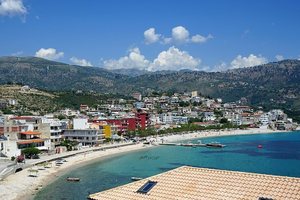
The number of active enterprises in Albania continued to g...
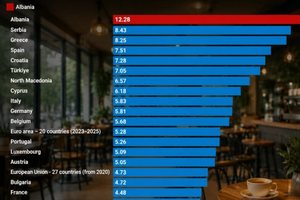
In Albania, the bar-cafe has long become an almost unique ...

This Friday, one US dollar is bought for 81.7 lek and sold...
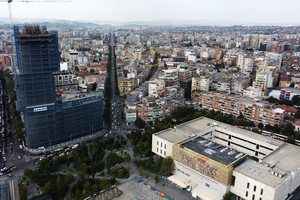
The average sale price of apartments in Tirana reaches rec...