


Apartments, service units and luxury vehicles/ 1.8 million euros of assets confiscated
At the request of the Fier Prosecutor's Office, 1.8 millio...

At the request of the Fier Prosecutor's Office, 1.8 millio...

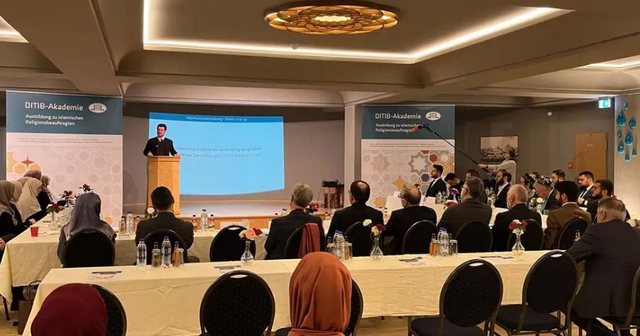
Osman Soyer has already made it official. "I am a religious representative", he tells DW. He is in the basement of the Sehitlik Mosque in Berlin-Neukölln. A few minutes ago he officially appeared on stage, where he put on a white kaftan, a white cap.
Various tasks
The 32-year-old Soyer is one of 28 young men and women who the country's largest Islamic organization, DITIB, has trained as "religious representatives" and will officially enter professional life in Berlin. Religious representatives should be involved in various areas of pastoral care. The position of imam can also be included here, but the term is broader.
Soyer has been working as an Islamic religious representative in Alfter near Bon for several months. Community work, he says, comes first. This is a very large range of activities: "I teach students, I am a prayer leader, a preacher, a pastor. We also go to weddings, I do funerals." And then he explains that he doesn't come from Boni or Alfteri. "I'm a boy from Mainz," he emphasizes, and you can hear the dialect of the capital of the Rhineland-Palatinate state. His parents came to Germany from Turkey in 1972; his father worked at the large Opel factory in Rüsselsheim. A life typical of many post-migrant lives in Germany.
In Germany, there are about 900 mosque communities of the "Turkish-Islamic Union of the Institute for Religion" (DITIB). According to estimates, there are more than 3,000 Muslim mosques and prayer houses in Germany throughout the country. For a long time, they were paid exclusively by the state and the powerful religious authority Diyanet from Turkey, which sent imams from Turkey to preach in Turkish and provide pastoral care. Very few of them spoke German – this was also confirmed by DITIB. Statements from the Diyanet leadership and also from the communities of DITIB in recent months show how sensitive this is.At times they look like outposts of Erdogan's dreams of a new Ottoman Empire.
cohabitation
Eyüp Kalyon, Secretary General of DITIB, is now creating new perspectives. His association's training program, an "important service", is based on the needs of Muslims in Germany and, as a religious community, is committed to this in terms of personnel and finances. The training shows that his association stands for "social cohesion".
In the future, the German language "will come even more to the fore," he tells DW, "and will be the language that connects us all, especially the Muslim community." "That's why our language of training is German", he underlines. As for the older members of the community, the Turkish language also remains important.
The requirement that Muslim clerics be trained in German has existed for many years in Germany. It is always part of debates about integration and religious policies. And in all phases of the German Islamic Conference (DIK), which first started in 2006, the focus was always on the (lack of) language skills of imams. Politicians complained about it and Muslim associations pushed it to other issues.
For a long time, the Ahmadiyya community offered the only imam training in Germany. It is a group that emerged in the late 19th century in what is now Pakistan and sees itself, strictly religiously, as a reform movement. Since 2008, she has been training German-speaking imams on a seven-year course who work in Ahmadiyya communities across the country.
Just four years ago, two very different forces made further efforts. It was DITIB, which turned a former youth hostel into a training center in Dahlem in the Eifel and started in 2020. A year later, Islamic scholars from the University of Osnabrück and German Muslims of Bosnian origin presented the "Islamkolleg Deutschland" (ICD). Earlier, during an appearance before an IKD plenum, the then Minister of the Interior, Horst Seehofer, praised the IKD and spoke of a good one.
Ministry of Interior and support
DITIB in Dahlem, Islamkolleg in Osnabrück... Both have already said goodbye to several dozen graduates. The first imams in the service come from both institutions, who lead the prayers and lead the Friday prayer. And yet, in mid-December, a press release from the Ministry of the Interior came as a surprise.
Interior Minister Nansy Faeser announced that, after lengthy negotiations with Diyanet and DITIB, the ministry had agreed to gradually end the deployment of religious representatives employed by Turkey. "This is an important historical moment for the integration and participation of Muslim communities in Germany," she said. In the future, 100 imams, who also know the German language, should be trained in Germany every year.
Various factors reportedly contributed to this fundamental reorganization, which received little attention in the German media. In addition to the talks by the Ministry of the Interior, the Ministry of Foreign Affairs has also intensified the pressure on Ankara on this issue. And in general, the general shift to the right in Europe and thinking about cultural integration and identity plays a role.
The most obvious example, but not the only one: From the beginning of 2024, France no longer allows imams sent from abroad to the country. They must be trained in French universities. A change that President Emmanuel Macron initiated at the beginning of 2020 and has now come into force. Until now, French imams have mainly come from Morocco, Tunisia and Algeria. Anyone from these countries who is already an imam in France can change their status until the end of March.
It may be fitting that DITIB Secretary General Eyüp Kalyon mentioned Dahlem and the French city of Strasbourg in his speech and live chat. Young religious representatives also completed part of their training there.
Movement in the association
Eyüp Kalyon (36), as well as Osman Soyer (32), clearly represent a new generation. Kalyon was born in Wuppertal and has a German passport and high school diploma. His grandparents came from Turkey. And they - like many of the current 28 graduates - are fluent in at least two languages: German and Turkish. Observers are looking with excitement at DITIB, which as an association is no longer monolithic, in which some very trained people have risen and which is gradually breaking away from the Diyanet. But since October 7, there were also reports and statements that sounded in opposite tones: harsh criticism of Israel, also anti-Semitism, understanding for Erdogan... In his speech, Kalyon was expressly critical of Hamas and the "attack" on Israel.
A representative of the Ministry of the Interior spoke as an official guest of honor at the DITIB ceremony in Berlin. Jörn Thießen is head of Department H (Homeland, Cohesion and Democracy). "We intend to train imams and religious officials in the year 100 and then see that we end the deployments from Turkey to this extent," he explains in an interview with DW. This means that Ankara's formal influence will be completed in just under ten years.
Thießen sees DITIB's engagement as the Islamkolleg in Osnabrück. "This is exactly the right step: people who are here, who live here, who speak our language, who know the culture and who build bridges in society can do exactly what we want." Guests from other associations were also welcomed to the party in Berlin. No one from the Islamkolleg in Osnabrück was there. Kalyon emphasized that the cooperation with the IKD is "currently" being examined "in close cooperation with the federal Ministry of the Interior". "We focus on needs, we all have responsibilities."
His boss, DITIB chairman Muharrem Kuzey, emphasized in his speech that the association was developed from a "guest worker organization in the largest Islamic religious community in Germany." This provides "a religious home not only for Muslims of Turkish origin, but also for Muslims from all countries of the Muslim world".
In Osnabrück, Samy Charchira, chairman of the Islamkolleg, spoke to DW by phone about "good news" in view of the increased training of Muslim religious workers in Germany. "We have created structures and trained the first people," he says. We want German-trained imams who are close to the people in Germany." For him, the instructions from the federal Ministry of the Interior are "correct and important." He hopes for further discussions with the ministry and DITIB.
Something is happening in the training of Muslim religious officials in Germany - after years of pushing and waiting. But many questions - especially the financing of DITIB imams without the Turkish side - are still open. A debate about possible new forms is starting only gradually./ DW

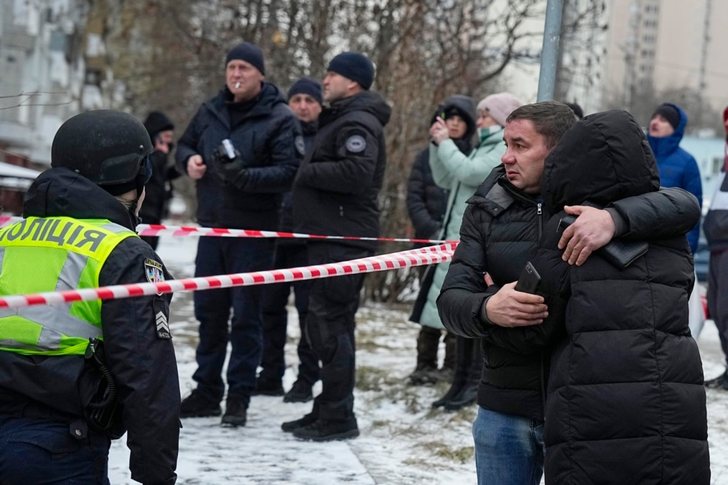
Several people were killed and injured on January 23, as a...
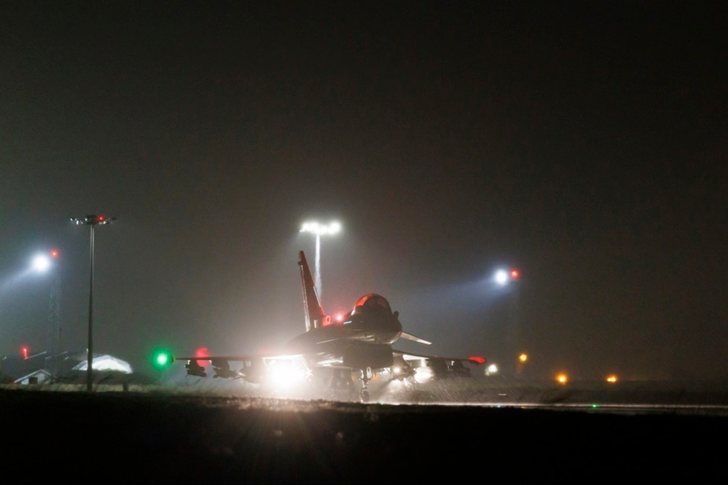
The United States and the United Kingdom have launched new...
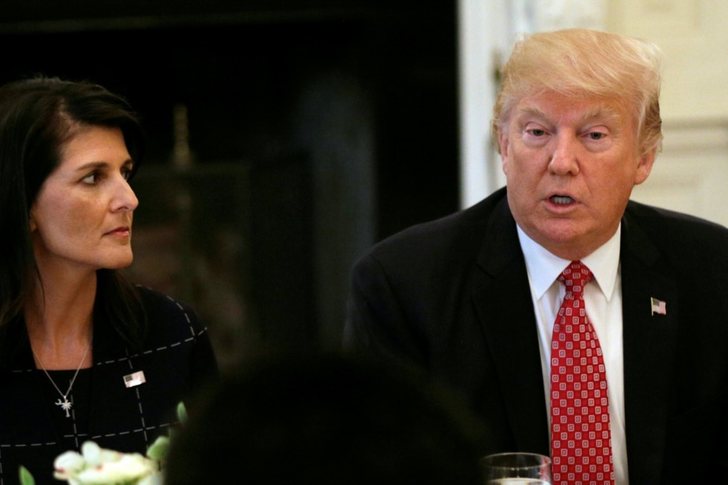
Voters in New Hampshire will vote Tuesday in the first rou...
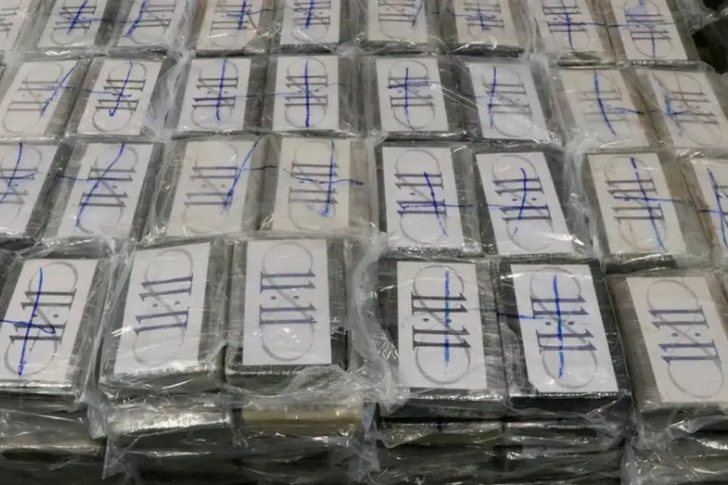
Global cooperation must be strengthened to fight drug ...
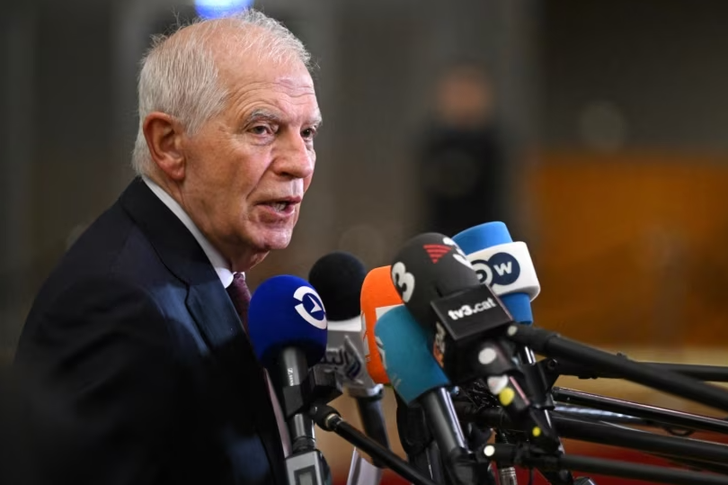
The head of foreign policy, Josep Borrell, said that the f...
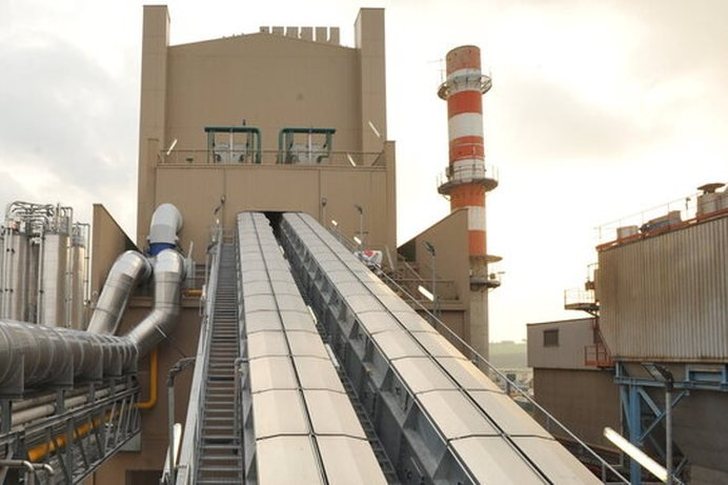
Several loud explosions were heard around 16:30 at the Rai...
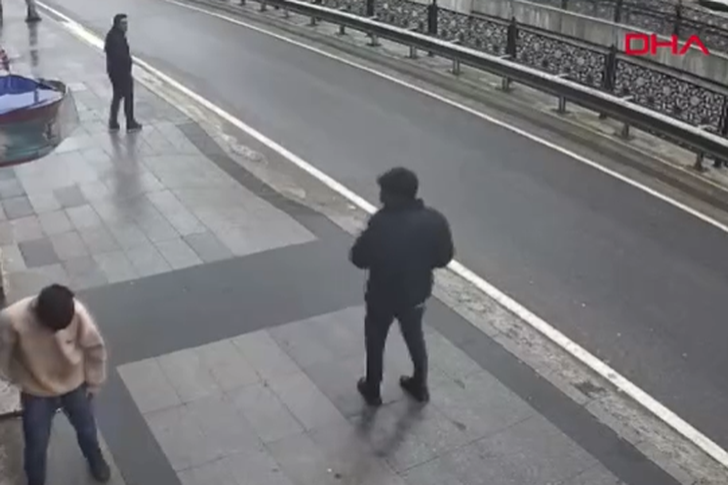
A person wandering the streets of Istanbul has injured...
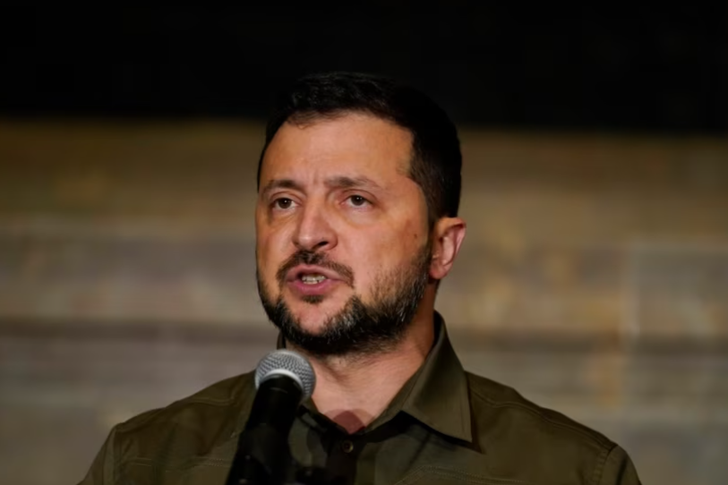
Ukrainian President Volodymyr Zelensky marked Ukraine'...
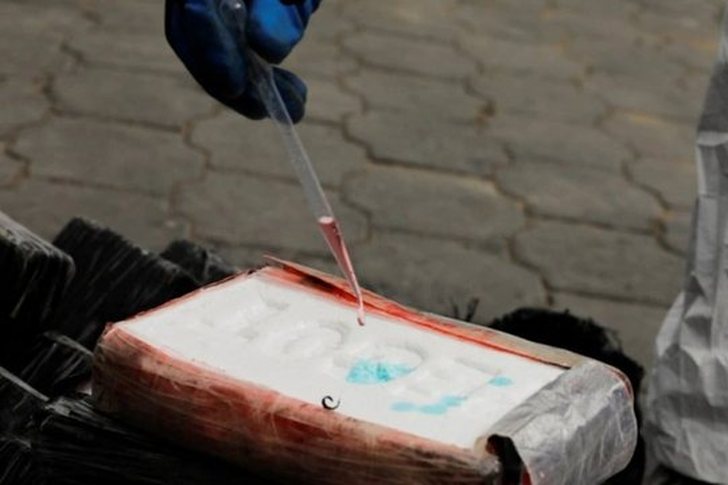
A record 22 tons of cocaine was seized during an operation...
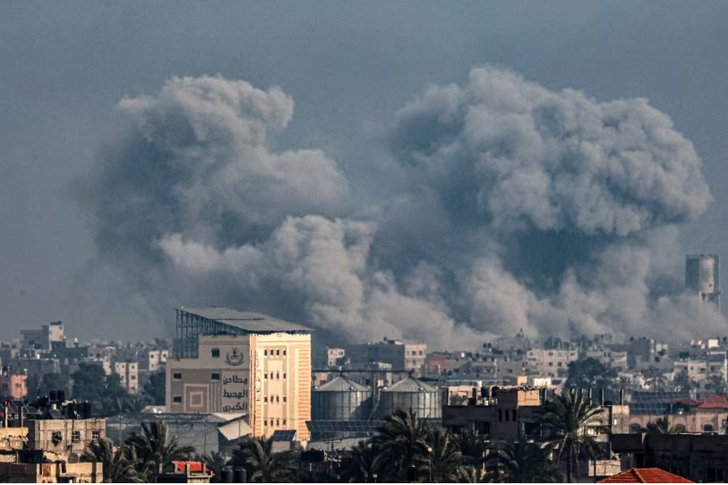
The United States and Britain have announced new sanctions...
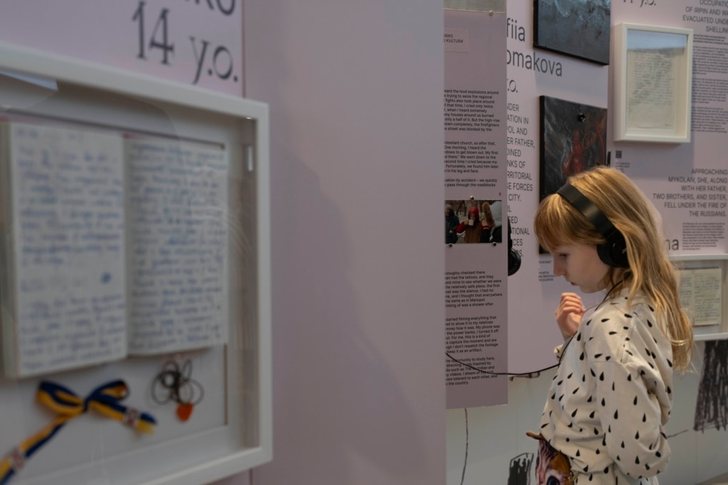
The United Nations will demand Monday from Moscow to clari...
Australia has abolished the scheme of so-called "golden vi...
Polish President Andrzej Duda has criticized the European ...
Republican presidential candidate Ron DeSantis, once seen ...
Authorities in Zambia say trade between their country and ...
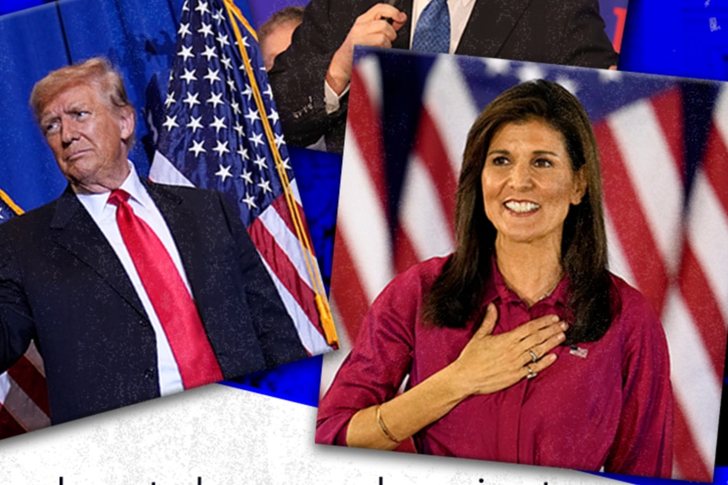
Former South Carolina Gov. Nikki Haley and former Presiden...
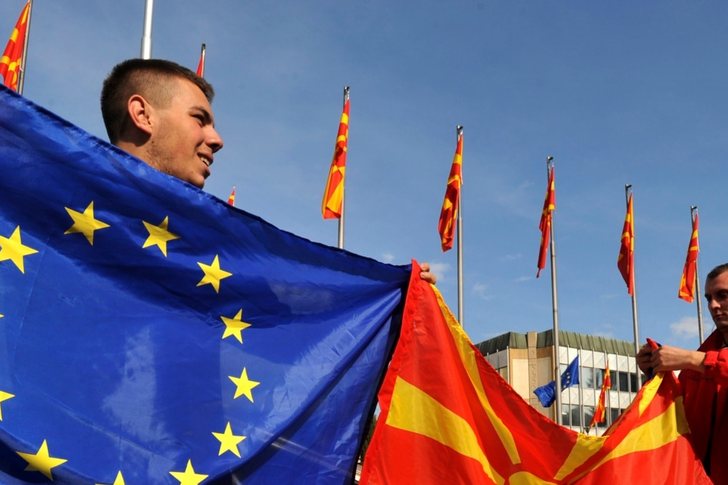
Regional leaders of the Western Balkans and other senior o...
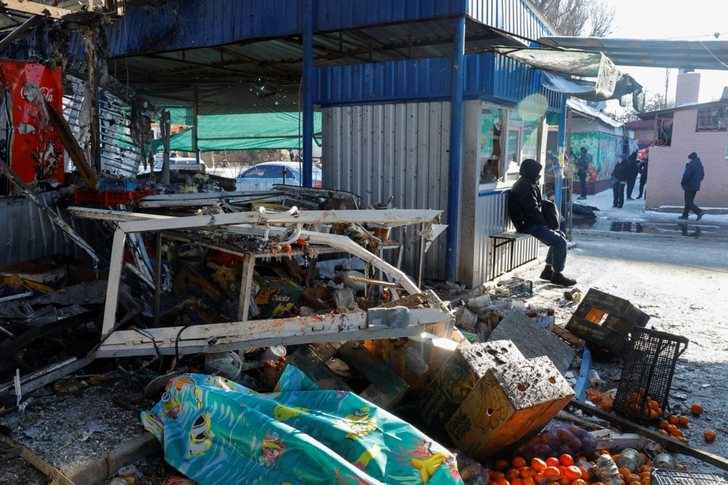
25 people were killed and 20 wounded after Ukrainian force...
Gaza's Health Ministry announced that the number of Pa...
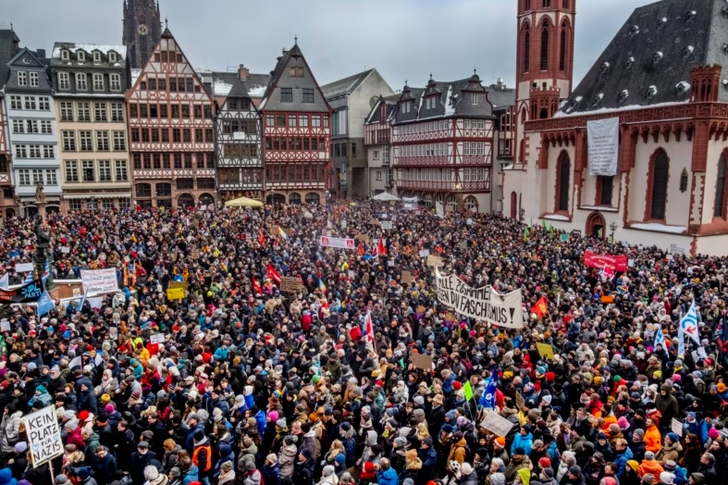
Tens of thousands of people took to the streets of Fra...

CNA has launched another investigation that could lead to ...

Irfan Hysenbelliu is a businessman that we call "Irfan the...

In March 2026, CNA launched another investigation centered...
The arrested mayor of Tirana, Erion Veliaj, with 13 charge...

The Special Board of Appeal (KPA) decided this Monday ...

The KPA vetting decided this Thursday to dismiss the p...

Suela Salavaçi, a prosecutor in the Prosecutor's Offic...

The Special Board of Appeal reinstated the prosecutor ...
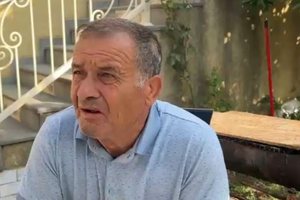
A serious incident occurred in Fier where citizen RB, 35 y...
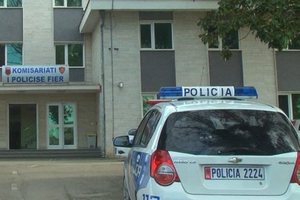
Roskovec/Preliminary information At around 06:00, in the ...
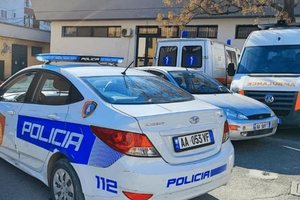
A serious incident occurred in Fier in the village of Vidh...
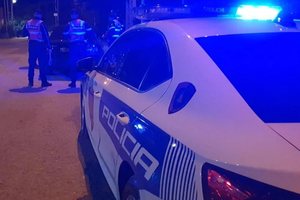
A conflict occurred this Thursday evening in the toy area ...

By noon, cloudiness is expected to prevail in almost all o...

Children without parental care, for whom alternative famil...

On Thursday, our country will be under the influence of st...
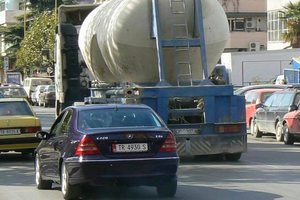
A serious accident that occurred this Wednesday with the c...

The European Union Office in Kosovo has called on all poli...
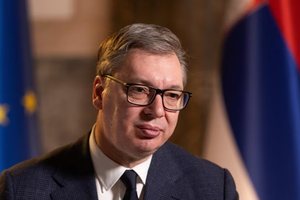
Serbian President Aleksandar Vučić, at a press conference ...
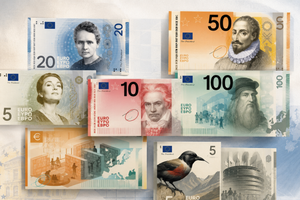
For the first time since the launch of the euro, European ...

Artificial intelligence (AI) models from the American comp...

At a time when industrial products are increasingly taking...

Trust among people is not just a three-syllable word. It c...

Master of humor Todi Llupi has passed away at the age of 7...

The ninth edition of "MIK Festival" kicked off with one of...
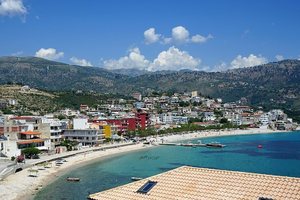
The number of active enterprises in Albania continued to g...
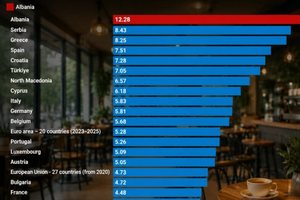
In Albania, the bar-cafe has long become an almost unique ...

This Friday, one US dollar is bought for 81.7 lek and sold...
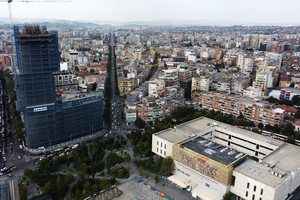
The average sale price of apartments in Tirana reaches rec...