

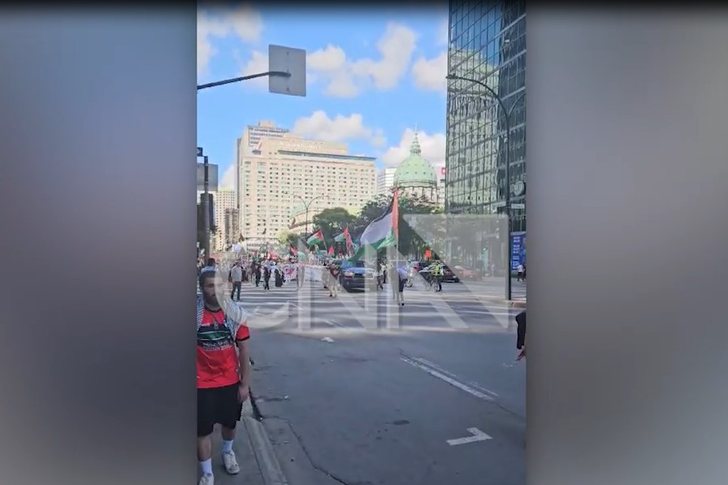
Another protest in Canada, in support of Palestine
Another protest was registered this Monday in Montreal...


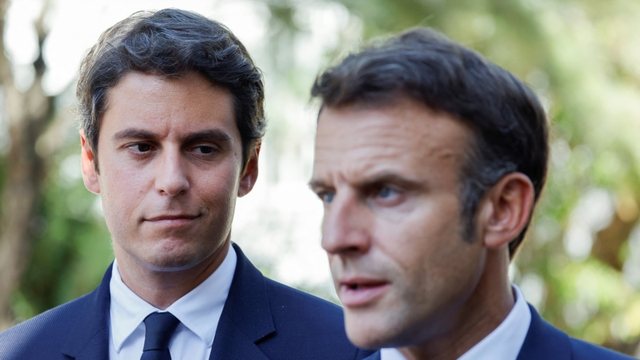
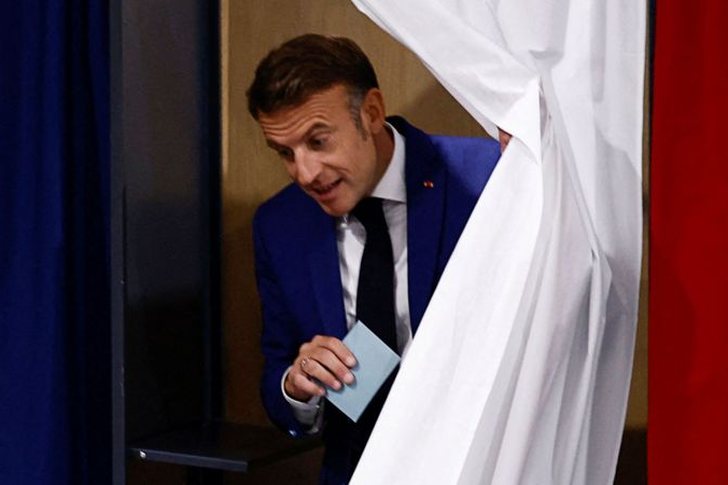
French President Emmanuel Macron rejected the prime minister's resignation, asking him to stay on as head of government on an interim basis following election results that risk plunging the country into a political crisis. French voters split the legislature into three political groups, giving none the majority needed to form a new government. Analysts, however, agree that the biggest loser of these elections is President Emmanuel Macron, whose party lost about 100 seats in the National Assembly.
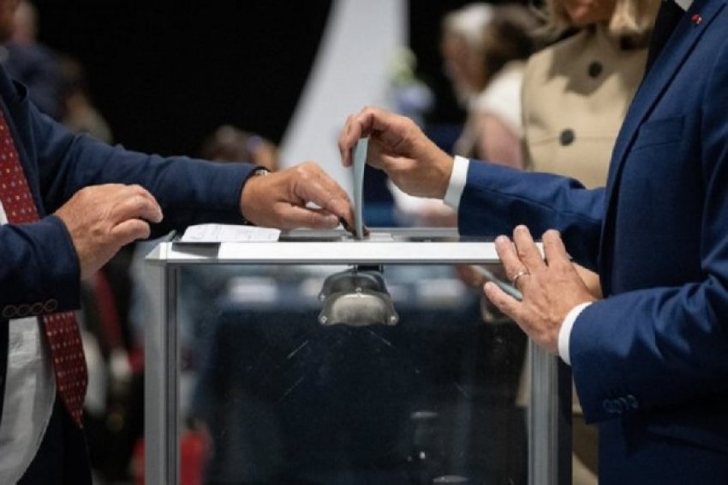
President Emmanuel Macron called the election as a counter-reaction to the far-right's landslide victory in the European Parliament elections. The results of the parliamentary elections, however, created political uncertainty for France. The parliament is now divided into three groups, the left that came first, the center group of President Macron and the extreme right.
According to official results published on Monday morning, none of the three main blocs managed to secure the necessary majority of 289 seats in the 577-member National Assembly.
"Staying loyal to the republican tradition, I will submit my resignation to the President of the Republic", Prime Minister Attal said on Sunday.
After the meeting that lasted about an hour and a half at the Presidential Palace, President Macron rejected the resignation of the Prime Minister "to ensure the stability of the country".
This prompted the reaction of the leftist group New People's Front composed of communists, Greens and socialists, which secured the largest number of votes. While they gathered on Monday at the party headquarters, they say that the proposal of the name of the new Prime Minister belongs to them.
"In a democratic framework, when a political bloc presides in the elections, President Emmanuel Macron must reform the government. The prime minister must be from the ranks of the New Popular Front. Give us some time to propose a name. This is a necessity, as we see an anti-democratic effort coming from the president", said the lawmaker of the New Popular Front in the European Parliament, Manon Aubry.
Leaders across Europe reacted with relief, but also with concern that an unstable coalition could pose challenges to European politics.
The government in Germany, which along with France has long been seen as the engine of European integration, expressed relief that the far right did not win.
However, the French president has been weakened by Sunday's vote and this will have consequences for Germany and all of Europe, says Ronja Kempin, an analyst of Franco-German relations at the German Institute for International and Security Affairs.
"For German-French relations, the result of last night's elections is first of all very good news. The right-wing National Union party failed to win a majority in France/ I think Germany will have to adapt to the new power in France though. We have a weakened president who can no longer act as freely as he has for the past seven years," says Ms Kempin.
French political analyst and deputy executive director at the 'Ipsos' organization Brice Teinturier also agrees with this position.
"The big loser is Emmanuel Macron. In this election, we have to compare things not in relation to the polls, but to the 2022 elections. At that time, the President had a relative majority. Today, the President has 94 deputies less. So, the decline is colossal," says Mr. Teinturier.
Analysts in France are concerned that the plans of the left, which came out on top in this election, could dilute President Emmanuel Macron's pro-market reforms.
"The New People's Front Alliance has come up with an economic program that will cost around 150 billion euros. This plan has been offered to a country that actually has to make budget cuts and this represents a risk for the European Union, because France is very economically large enough to slide into a debt crisis," says German analyst Ronja Kempin.
President Macron has three years left in his presidential term.
The political deadlock could have far-reaching implications for the war in Ukraine, global diplomacy and Europe's economic stability.
Unlike other countries in Europe that are more accustomed to coalition governments, France does not have a tradition of lawmakers from rival political camps coming together to form a majority. France is also more centralized than many other European countries, with many more decisions made in Paris./ VOA

Another protest was registered this Monday in Montreal...
This is expected to be an important week for President...
In his 1949 speech during the signing of the North Atl...
A coalition of the French left that suddenly came toge...
An earthquake with a magnitude of 3.1 was registered on Su...
French President Emmanuel Macron has promised that the...
By Ali Salaj VOA Analysts estimate that the current gover...
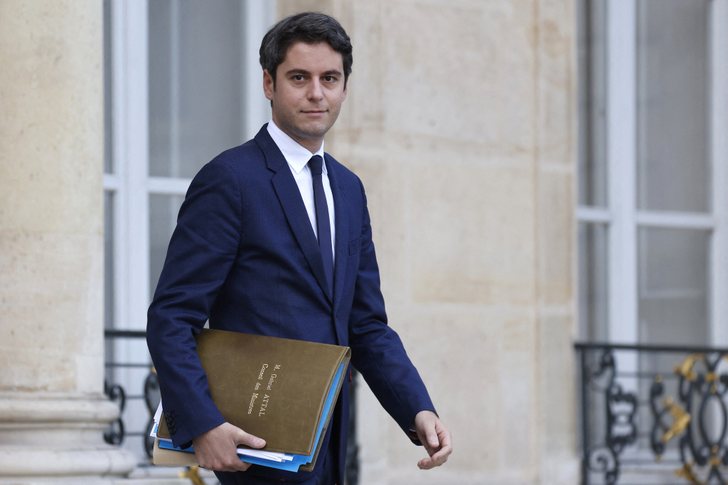
Following the preliminary results, French Prime Minist...
NATO allies gather in Washington for a high-level meet...
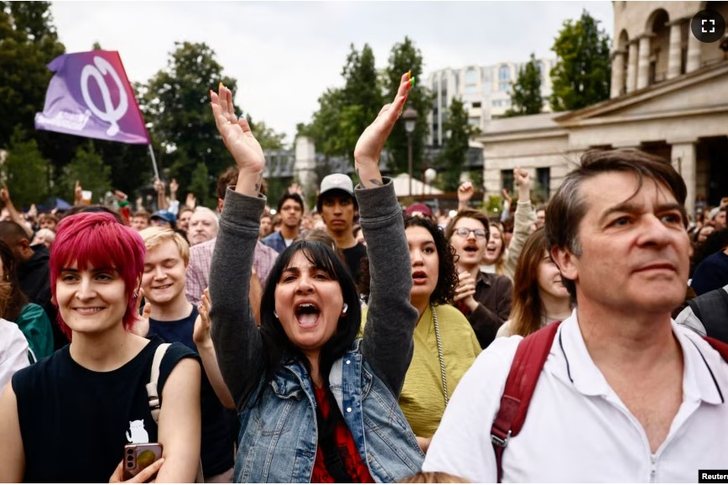
A broad leftist coalition is heading into a tight race...
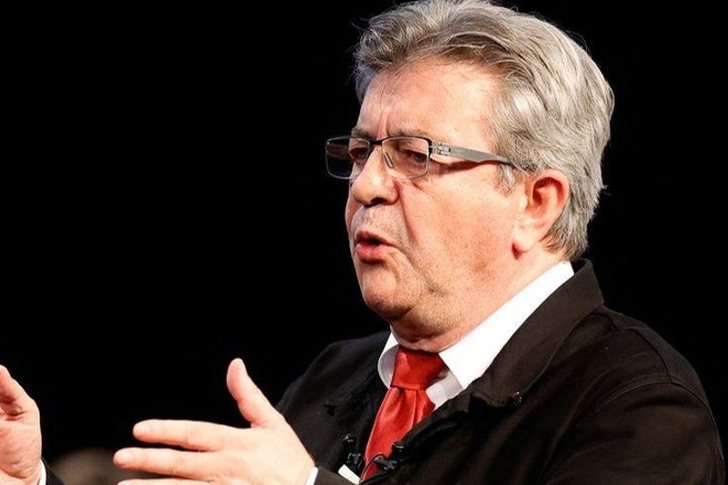
'The New Poullor Front is ready to govern'. We have ac...
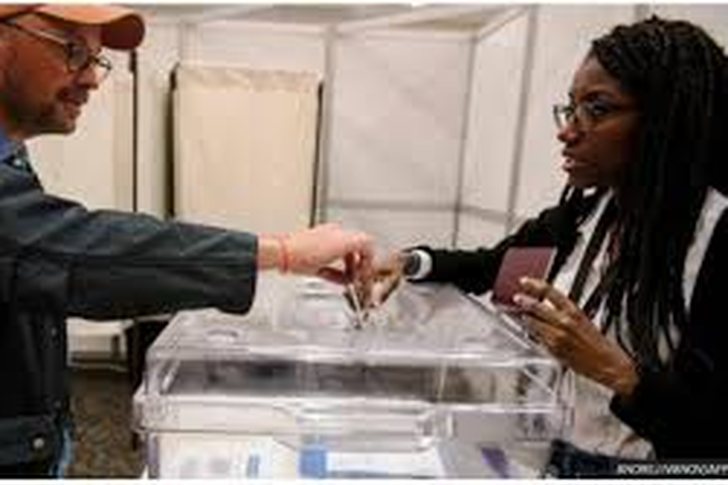
The publication of the first results from foreign medi...
It is learned that in the afternoon, Greece was hit by...
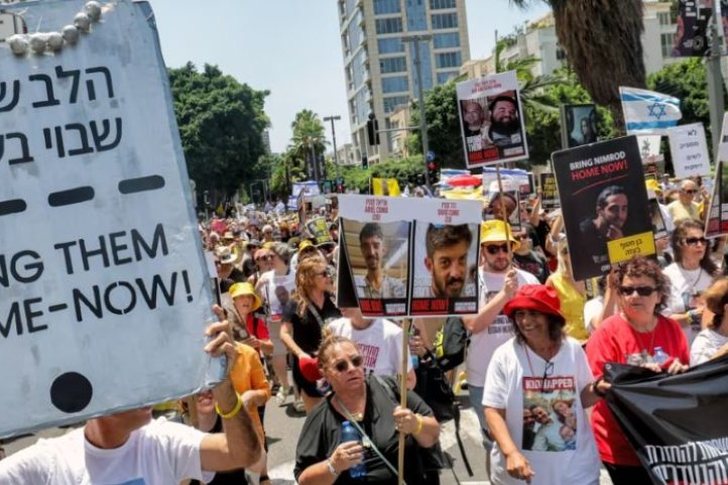
Five days after accepting a key part of the US plan to...
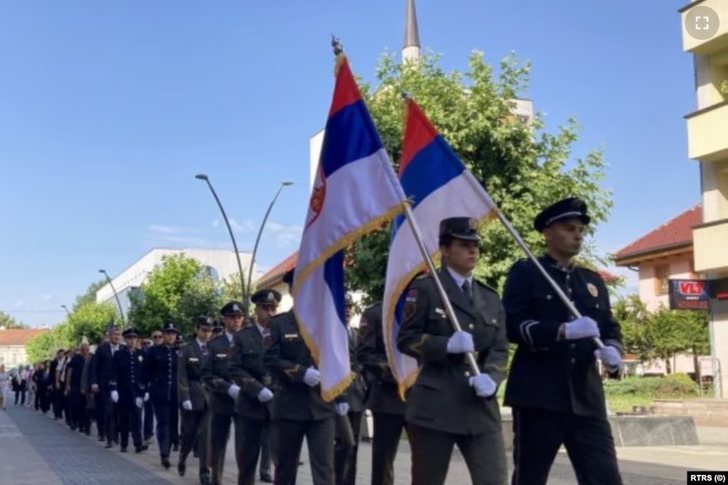
Members of the Serbian Armed Forces marched in a cerem...
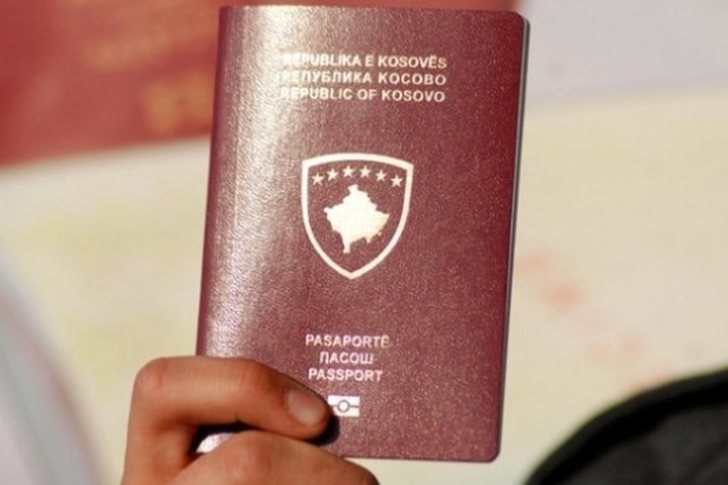
Over 7,000 Serbian citizens from the four northern mun...
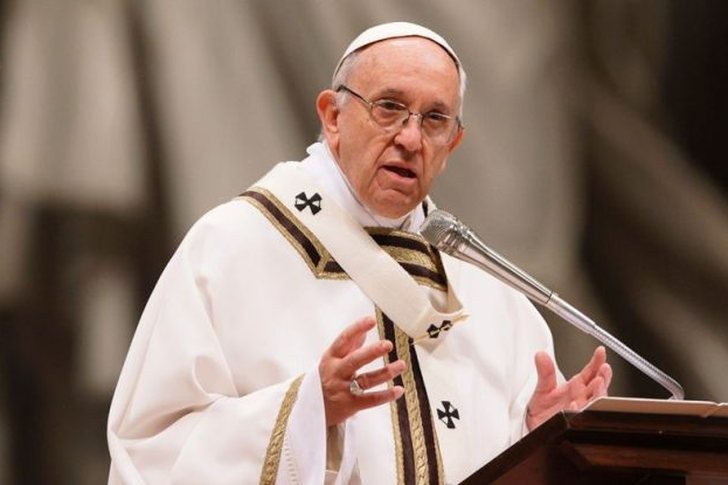
Democracy is not in good shape, Pope Francis said Sund...
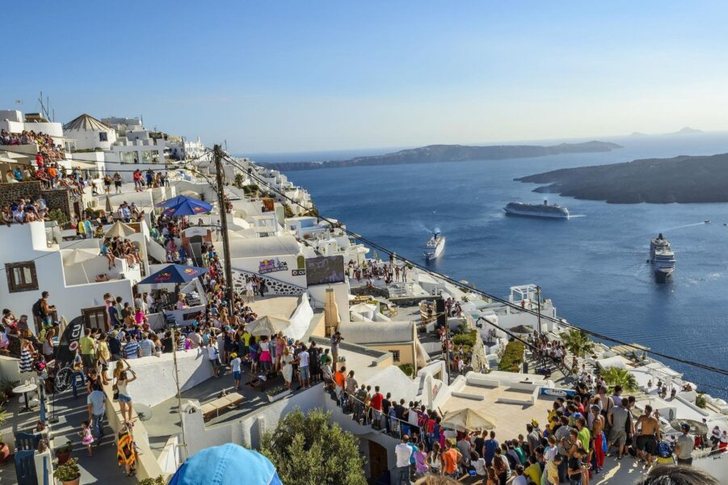
Drought has hit some of Greece's most popular destinat...
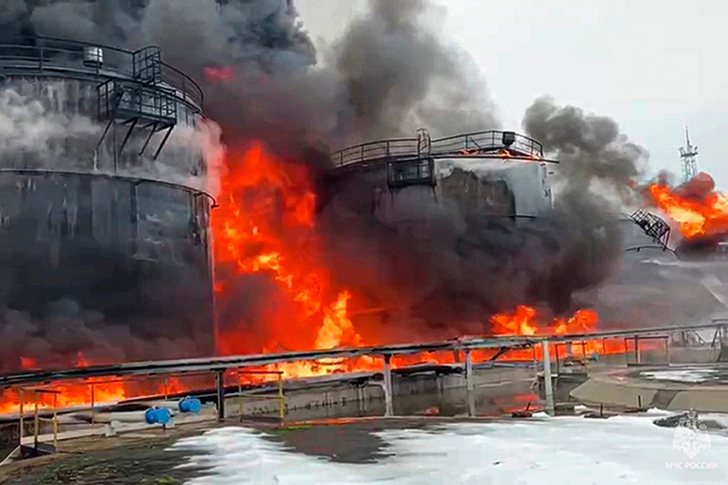
A state of emergency has been declared in parts of Rus...
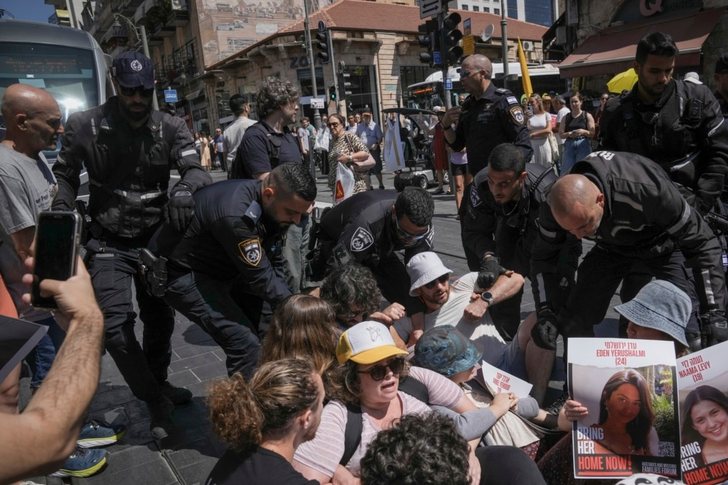
Israeli protesters blocked highways across the country on ...
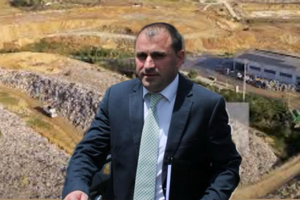
SPAK's standards, the way it investigates, how it secures ...
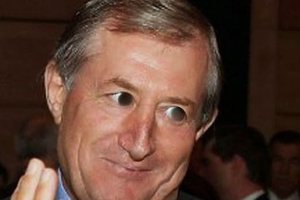
Irfan Hysenbelliu claims to be a big businessman, an hones...

The murder of officer Enea Mekolli in the line of duty has...
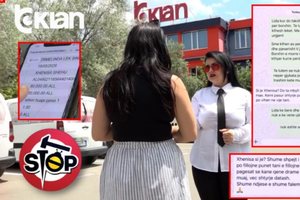
The next case broadcast on the show "Stop", this Thursday,...

The Special Board of Appeal (KPA) decided this Monday ...

The KPA vetting decided this Thursday to dismiss the p...

Suela Salavaçi, a prosecutor in the Prosecutor's Offic...

The Special Board of Appeal reinstated the prosecutor ...

Another gunshot wound occurred at the scene. According to...

A gunshot wound occurred this afternoon in Shijak. Accordi...
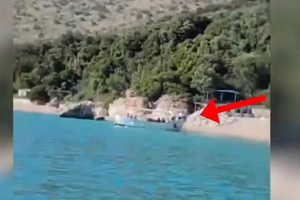
The Border Police blocked the vessel and fined the driver ...
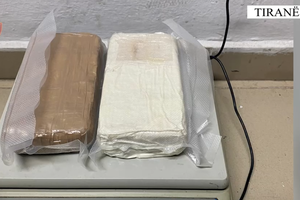
A police operation codenamed "Zonet" has ended with the se...

More than 860 million people fall ill and 1.5 million die ...
The mother of Violand Braçellari, the perpetrator of the s...
The modern European traveler seeks a meaningful connection...

This Sunday, weather conditions are forecast to be clear a...
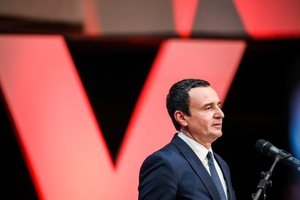
The Vetëvendosje movement has declared victory in the snap...
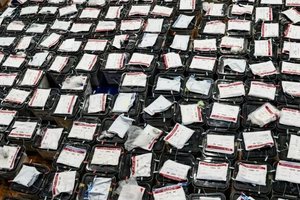
The counting of votes for political entities in Kosovo is ...
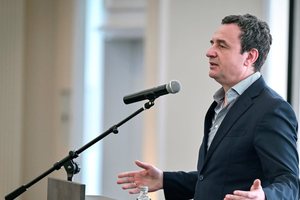
Kosovo's acting Prime Minister, Albin Kurti, has reacted a...
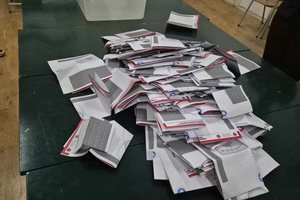
The counting of votes for political entities in Kosovo has...
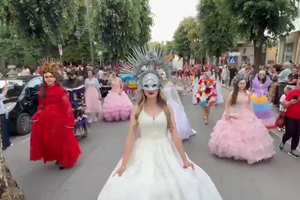
Korça has transformed this weekend into the capital of cel...
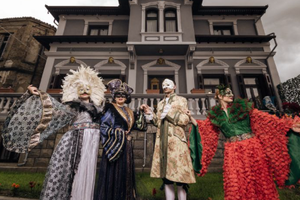
Korça is ready to open the summer season with one of the c...
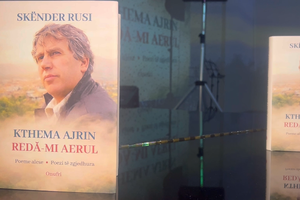
Two years after his passing, the renowned Korçë poet Skënd...

The Ethnographic Museum of Berat has opened its doors to v...
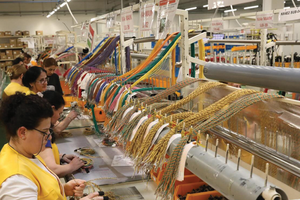
The automotive industry in Albania is currently at a turni...
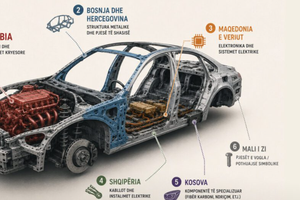
If you were to follow the industrial map of the Western Ba...
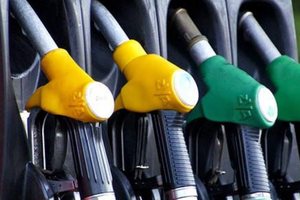
The Transparency Board, in today's meeting, decided to red...

This Saturday, one US dollar is bought for 81.4 lek and so...