

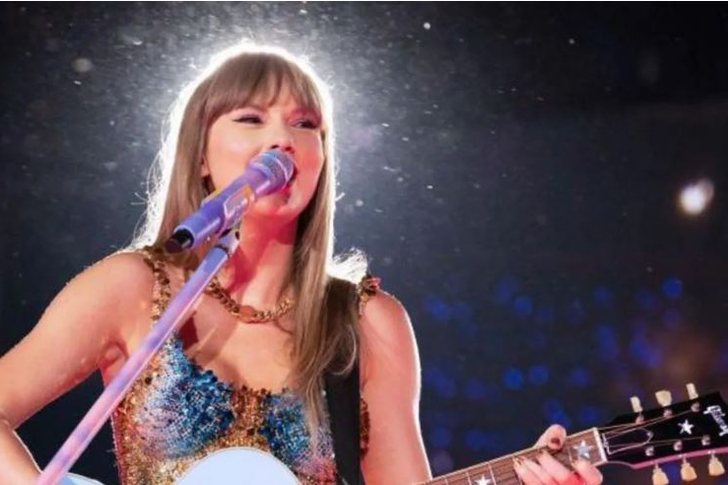
Planning for a terrorist attack/ Taylor Swift's concerts in Vienna are cancelled
Taylor Swift's three upcoming concerts in Vienna have ...


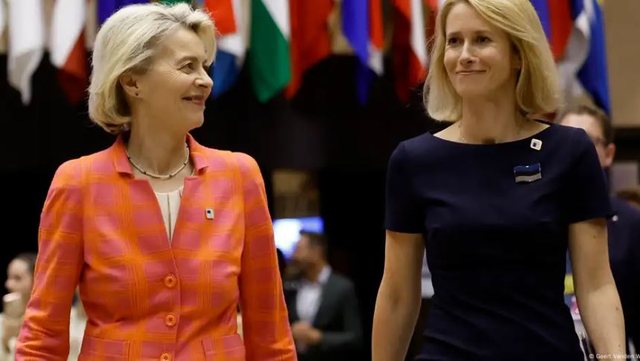
In the coming weeks, Ursula von der Leyen has to decide a difficult task: which team she will work with in her second term at the head of the European Commission. The specific task is: division of tasks so that each EU member state is at least somewhat satisfied. Not all departments in the European Commission have the same influence and the same reputation. In the end, there will be both disappointments and consolation prizes.
But there is an additional difficult task. Ursula von der Leyen wants to repeat what she achieved in her first term as president of the European Union Commission. When she meets with trustees once a week, she wants to have an equal number of women and men around the big table. Until now, the ratio was 14 men to 13 women.
EU members decide together
But not everything is in the hands of Ursula von der Leyen when she wants to achieve equality between women and men. It is true that she has the final say in personnel decisions, but proposals for potential commissioners come from the governments of EU member states. Each country is entitled to one seat on the Commission. Germany and Estonia are already represented: President von der Leyen is from Germany and Commissioner for Foreign Policy Kaja Kallas is from Estonia.
What about the others? Last week, von der Leyen sent letters to the presidents of states and governments and asked them to send their names, one man and one woman each. Exceptions are those commissioners who remain in their current position. Slovakia once again chose Marosh Shevcovic, France decided on Thierry Breton and Croatia Dubravka Shuican.
With the current supply of names it is difficult to achieve the goal
It is possible that von der Leyen has already given some suggestions to the presidents of states and governments: it is worth proposing a woman and a man when handing out portfolios with different appeals. But it is already clear that many governments do not adhere to the wishes of the President of the Commission. Ireland appointed Michael McGrath, who has since resigned as finance minister.
Prime Minister Harris says that in the circumstances it would not be fair to send another name to Brussels. Slovenia and the Czech Republic chose one man each. Sweden and Spain compete with only one woman each. According to the current situation, it seems that an equal distribution between men and women will not be possible.
Complicated procedure
Ursula von der Leyen asked heads of state and government to respond by August 30. The commission did not want to say how many responses it has received so far, according to an investigation by German television ARD. But even after the expiration of that period, it will not be clear what the ratio of men and women is in the commission. Only those who pass the several-hour hearing in the European Parliament enter the Commission.
There are definitely too many women in leadership positions in the European Union so far. Ursula von der Leyen retains the post of Commission President, perhaps the most influential post in Brussels. The gender equality strategy has its origins in her first mandate.
Several points have already been reached, such as a package of protective measures against violence or a law that guarantees balance on the supervisory boards of large companies. The head of the European Central Bank (ECB) is Christine Lagarde, the head of the European Investment Bank is the Spanish Nadja Calvinho. The first European Chief Prosecutor is Laura Kövesi.
The expert committees are mainly composed of men
It is different in the European Parliament. For the presidency, the work regulations provide for a balanced relationship between the sexes. The EP has 14 vice-presidents. President Roberta Metsola remains in charge.
But in expert committees and subcommittees, where a chairman and four deputies are elected, the situation is different. So far, 114 out of 120 officials have been elected. The percentage of women is 43.9 percent. If we look at presidential positions, the percentage of women is even lower: 37.5 percent.
The fight against the right is more important than gender equality
Sometimes the goal of gender equality is deliberately violated - for political reasons. Parties that define themselves as the political center aim to prevent far-right parties from gaining any leadership positions.
A concrete example: in the Committee for Foreign Policy, the position of the fourth deputy had to go to a woman. The Patriots for Europe group has nominated Kinga Gal from the Hungarian Fidesz and there were no counter-candidates from the center parties, in the end a Christian Democrat from Romania was elected. In that case, the bulwark against the radical right was more important than gender equality. /DW

Taylor Swift's three upcoming concerts in Vienna have ...
The United States said that with continued uncoordinat...
Russian President Vladimir Putin on Wednesday describe...
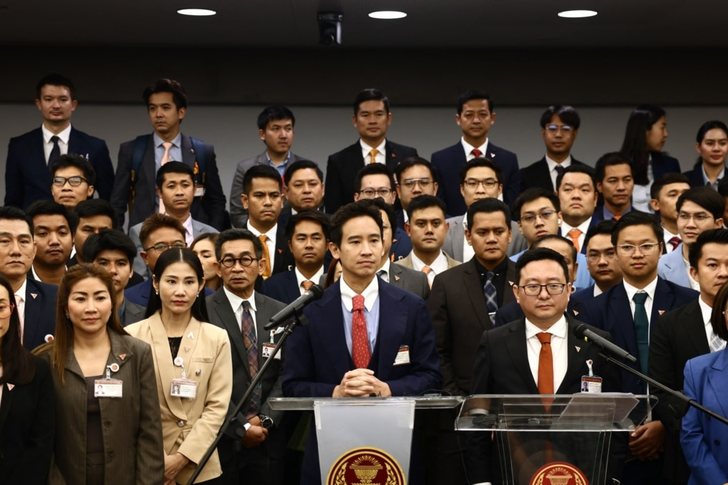
The Constitutional Court in Thailand has ordered the disso...
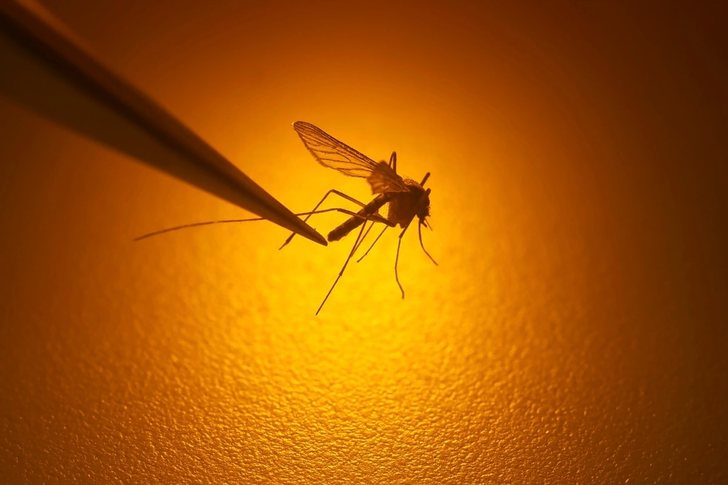
A positive case of West Nile virus was recorded in Kosovo ...
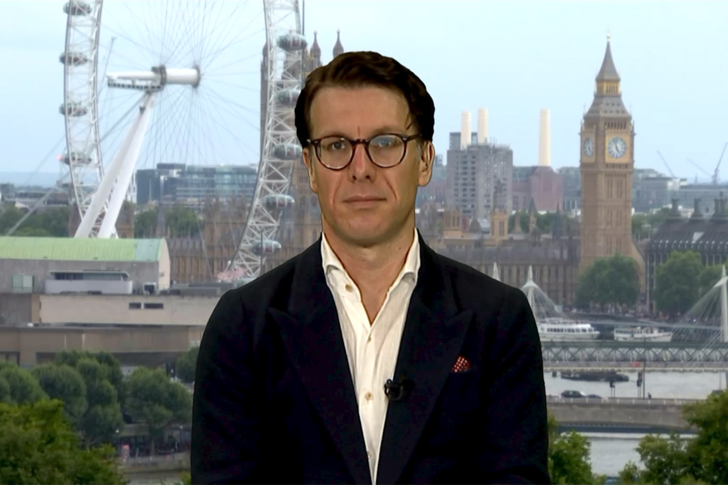
Over the past few days, Britain has been engulfed in unres...
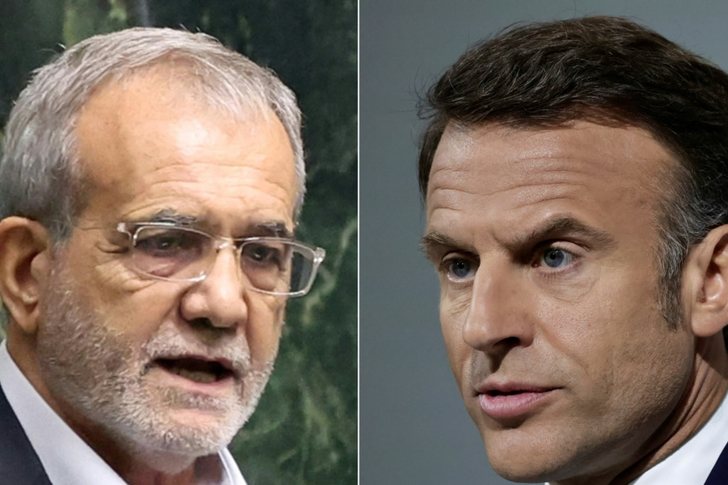
The President of France, Emmanuel Macron, on Wednesday cal...
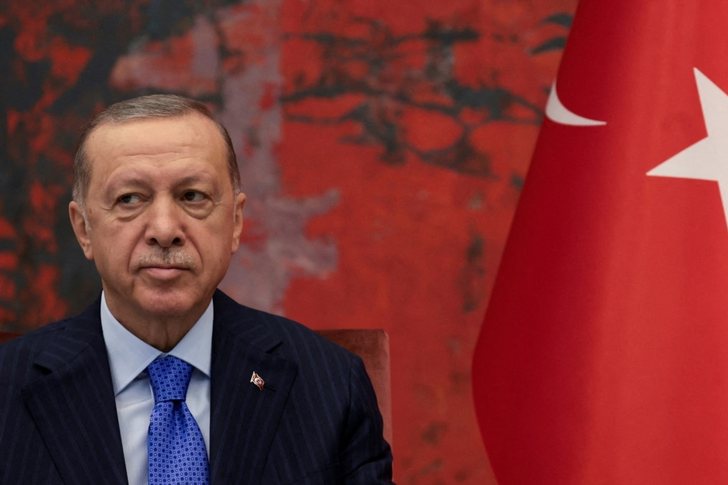
Turkey on Wednesday submitted a request to the Internation...
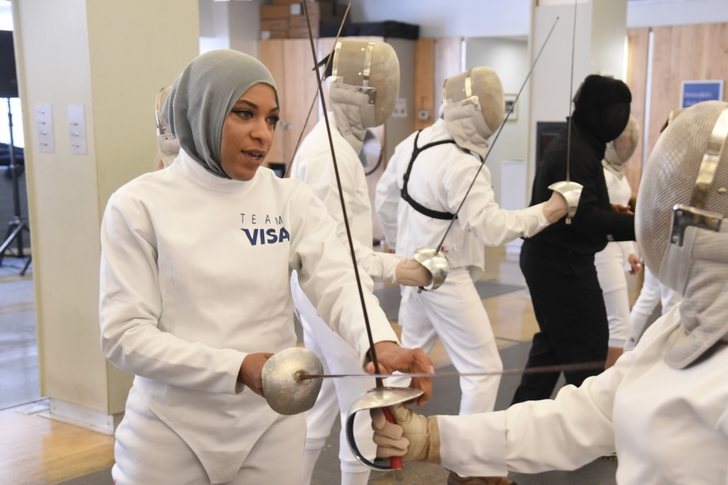
The hijab ban on French female athletes at the Paris Olymp...
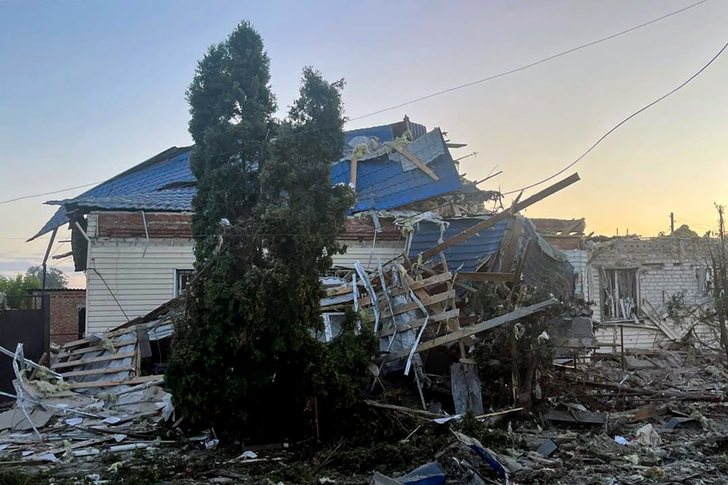
Russian President Vladimir Putin accused Kiev on Wednesday...
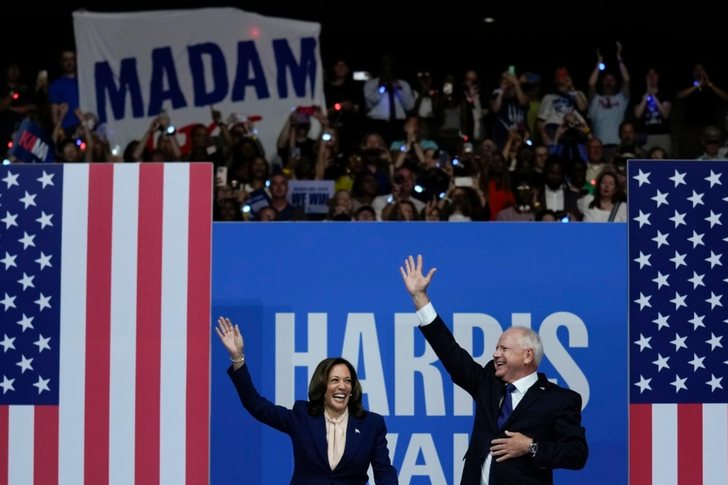
The selection of Minnesota Gov. Tim Walz as the vice-presi...
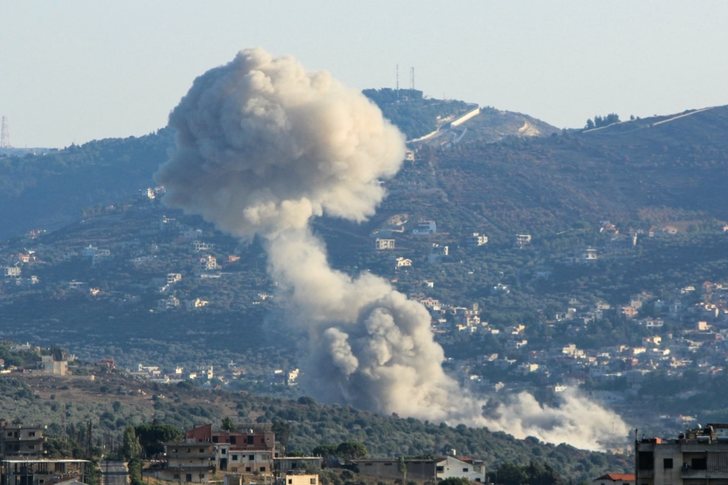
Israel issued an evacuation plan for Palestinians in a...
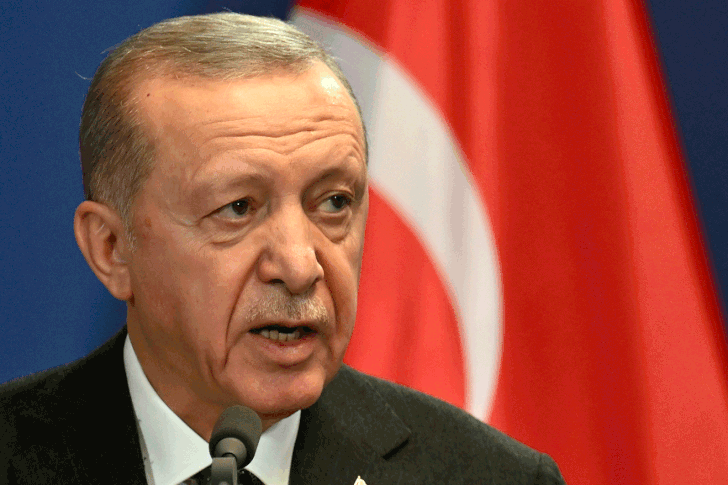
Turkey will submit a request on August 7 to formally join ...
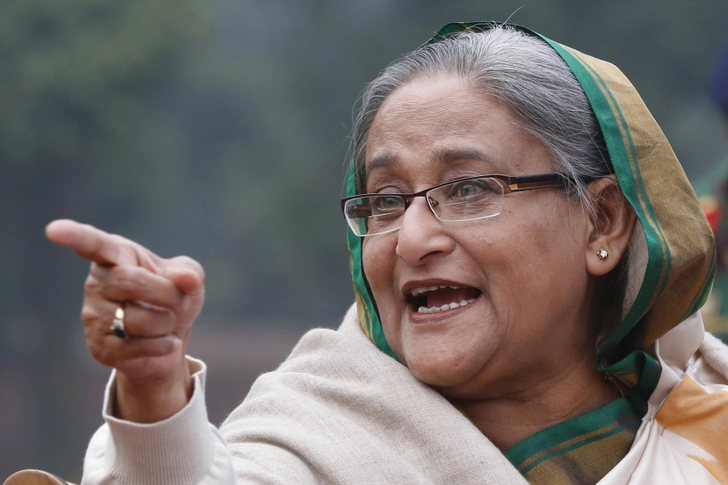
Protests in Bangadesh have forced Prime Minister Sheik...

Hamas appointed the militant group's leader for Gaza, Yahya ...
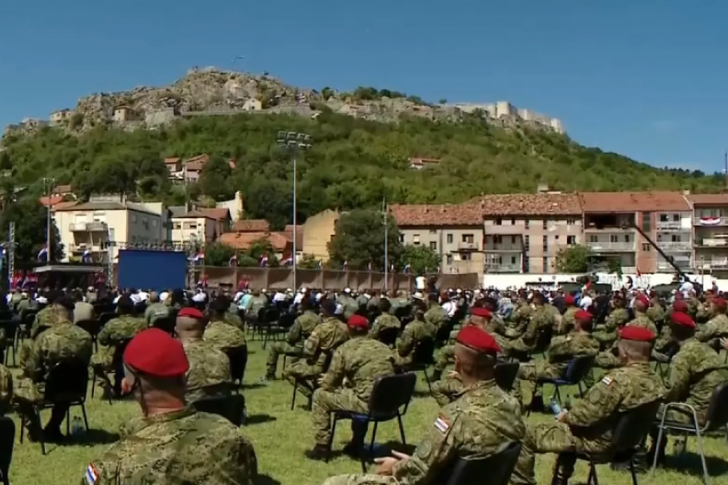
Military parades have been held in Croatia to mark the 29t...
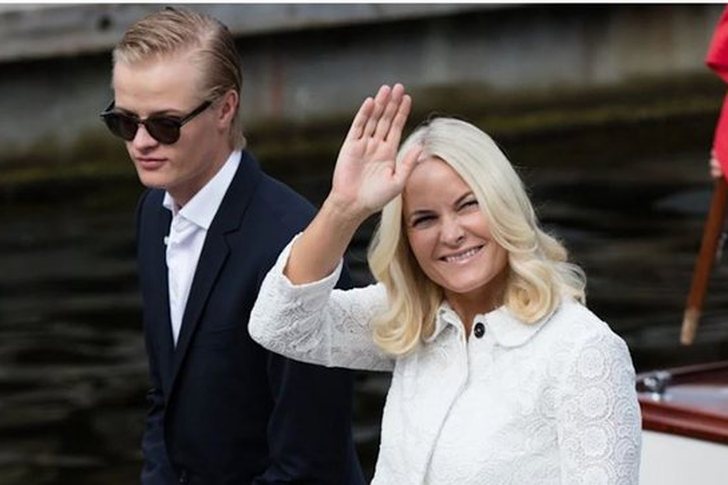
Mette-Marit's son Marius Borg Høiby is said to have be...
The World Health Organization (WHO) has increased calls fo...
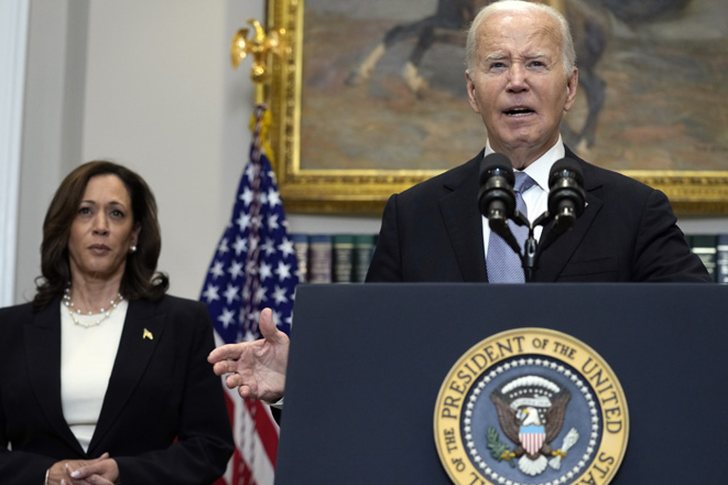
The American president, Joe Biden, has reacted regardi...

The President of Serbia, Aleksandar Vucic, reacted aft...
CNA has launched another investigation that could lead to ...

Irfan Hysenbelliu is a businessman that we call "Irfan the...
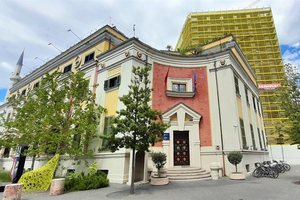
In March 2026, CNA launched another investigation centered...
The arrested mayor of Tirana, Erion Veliaj, with 13 charge...

The Special Board of Appeal (KPA) decided this Monday ...

The KPA vetting decided this Thursday to dismiss the p...

Suela Salavaçi, a prosecutor in the Prosecutor's Offic...

The Special Board of Appeal reinstated the prosecutor ...
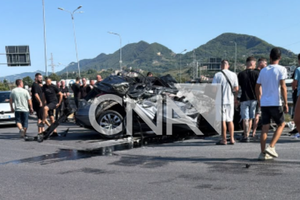
New details have emerged from the serious accident that oc...
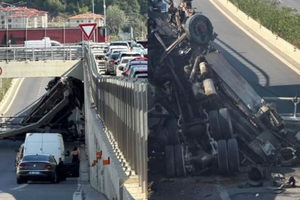
A serious accident occurred this Wednesday on the Elbasan-...
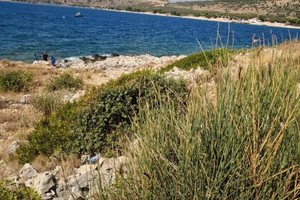
Citizen MH, 61, a fisherman, was found dead near the islan...
Another phase of the international operation, codenamed "T...

The Institute of Geosciences has shared a forecast for wea...
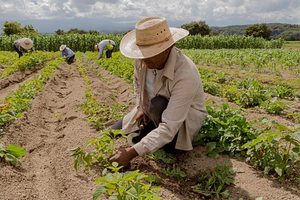
Rising energy and fertilizer prices are expected to contin...
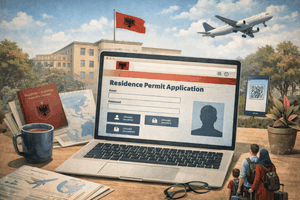
Over 18,000 foreign citizens from 140 countries have appli...
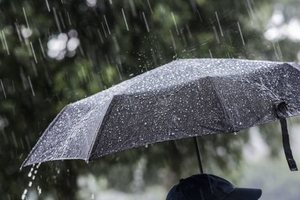
This Wednesday, our country will be under the influence of...
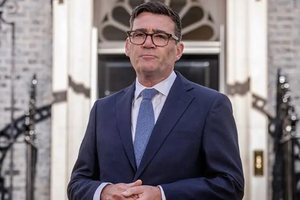
Prime Minister Andy Burnham has announced that most bus fa...
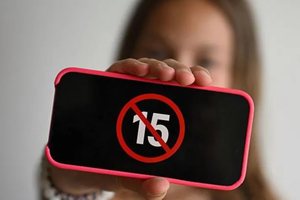
France's parliament has passed a law to ban social media f...
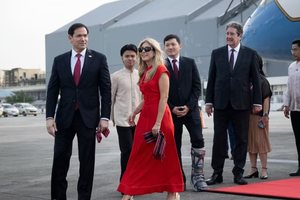
US Secretary of State Marco Rubio arrived in Manila on Jul...
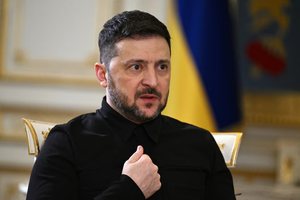
In the space of a few days, Ukrainian President Volodymyr ...
At a time when industrial products are increasingly taking...

Trust among people is not just a three-syllable word. It c...

Master of humor Todi Llupi has passed away at the age of 7...

The ninth edition of "MIK Festival" kicked off with one of...

Businesses will no longer be required to simply register t...

Despite economic growth and income in recent years, Albani...
This Wednesday, one US dollar is bought for 81.4 lek and s...
Construction company licenses will have a validity period ...