


Hamas appoints the architect of the October 7 attack, Yahya Sinwar, as political chief
Hamas appointed the militant group's leader for Gaza, Yahya ...


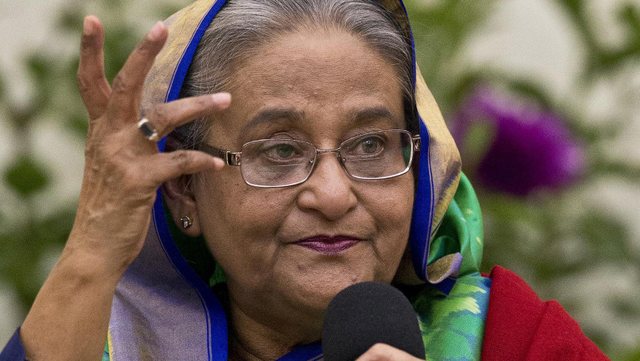
Protests in Bangadesh have forced Prime Minister Sheikh Hasina Wazed to resign two days ago.
As world media reports, she left the country in a military helicopter and fled to India. According to the latest information, during the protests that started on July 19, 300 people have been killed so far.
The protests in Bangladesh began after student groups demanded the removal of the quota system for government jobs, and the protests turned into anti-government protests.
Sheikh Hasina Wazed, 76, is the country's longest-serving prime minister, having been in power since 2009. As the BBC writes, she is responsible for overseeing the South Asian country's economic progress.
However, in recent years she has been accused of turning the country into an autocracy and suppressing all opposition. Politically motivated arrests, kidnappings, politically motivated killings and other abuses have increased under her rule, writes the BBC.
In January, she won a fourth term as prime minister in elections that critics characterized as fraudulent and that the main opposition boycotted.
How did Hasina Wazed come to power?
She was born into a Muslim family in East Bengal in 1947. Her father was the nationalist leader Sheikh Mujibur Rahman, the Bangladeshi "father of the nation", who led the country's independence from Pakistan in 1971 and became its first president.
By this time, Hasina had already established a reputation as a student leader at Dhaka University.
Her father was killed with most of his family in a military coup in 1975. Only Hasina and her younger sister survived, as they were traveling abroad at the time.
After living in exile in India, Hasina returned to Bangladesh in 1981 and became the leader of her father's political party, the Awami League. It joined other political parties in holding pro-democracy street protests during the military rule of General Hussain Muhammad Ershad. Fueled by a popular uprising, Hasina quickly became a national icon.
She first came to power in 1996. She is responsible for signing a water-sharing agreement with India and a peace deal with tribal rebels in the country's southeast. But at the same time, her government has been criticized for a series of alleged corrupt deals and for being too beholden to India.
She later lost to her former ally, Khaled Zia of the Bangladesh Nationalist Party (BNP), in 2001. As heirs to political dynasties, both women have dominated Bangladeshi politics for more than three decades and were once known as " Begums of Battle". Begum refers to a high-ranking Muslim woman.
Hasina managed to return to power again in 2009.
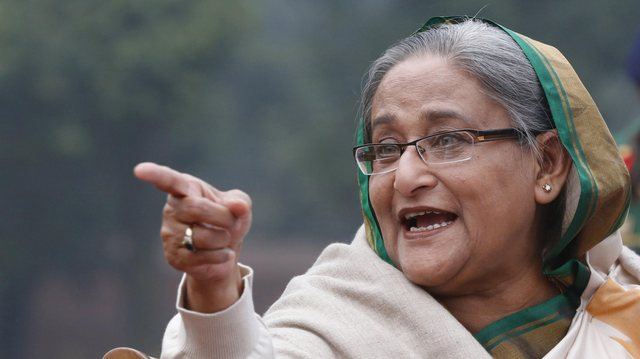
What did she achieve?
A Muslim-majority nation, once one of the poorest in the world, Bangladesh has achieved credible economic success under Hasinin's leadership.
Bangladesh is now one of the fastest growing economies in the region, even surpassing its giant neighbor India. Its per capita income has tripled in the past decade, and the World Bank estimates that more than 25 million people have been lifted out of poverty in the past 20 years.
Much of this growth has been driven by the garment industry, which accounts for the vast majority of Bangladesh's total exports and has expanded rapidly in recent decades, supplying markets in Europe, North America and Asia. Using the country's own resources, loans and development aid, the Hasine-led government has also undertaken massive infrastructure projects, including the major $2.9 billion Padma Bridge over the Ganges. /CNA

Hamas appointed the militant group's leader for Gaza, Yahya ...
Military parades have been held in Croatia to mark the 29t...

Mette-Marit's son Marius Borg Høiby is said to have be...

The World Health Organization (WHO) has increased calls fo...
The American president, Joe Biden, has reacted regardi...

The President of Serbia, Aleksandar Vucic, reacted aft...

Russian President Vladimir Putin has asked Iran's Supr...

American KFOR vehicles were seen on Tuesday at the main br...

The Republican candidate for president of the USA, Don...
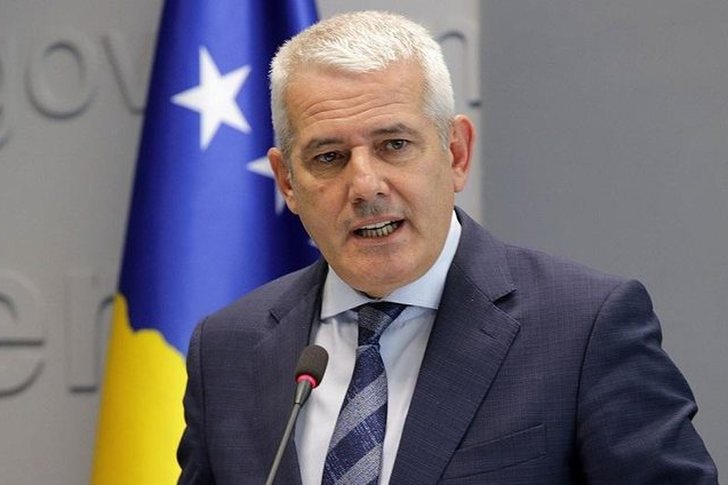
The Minister of Internal Affairs of Kosovo, Xhelal Sve...
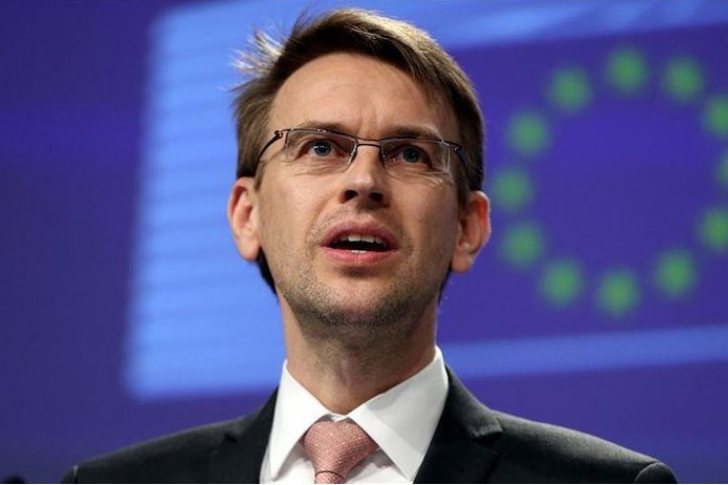
The spokesperson of the European Commission, Peter Sta...
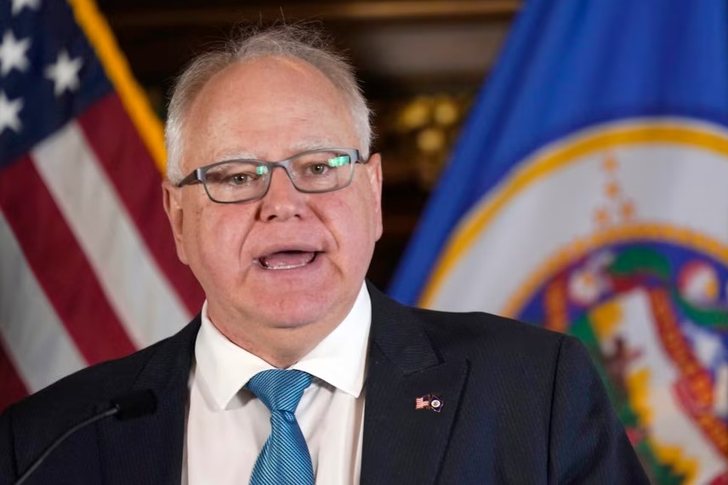
The Democratic candidate in the race for president of ...

A 34-year-old man from North Macedonia, who allegedly ...
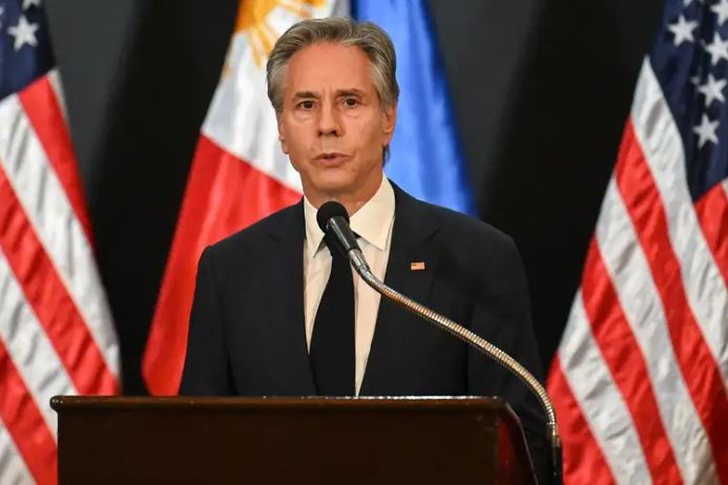
Faced with the threat of retaliatory attacks by Iran a...

The Presidency of Kosovo said that it is "regrettable"...
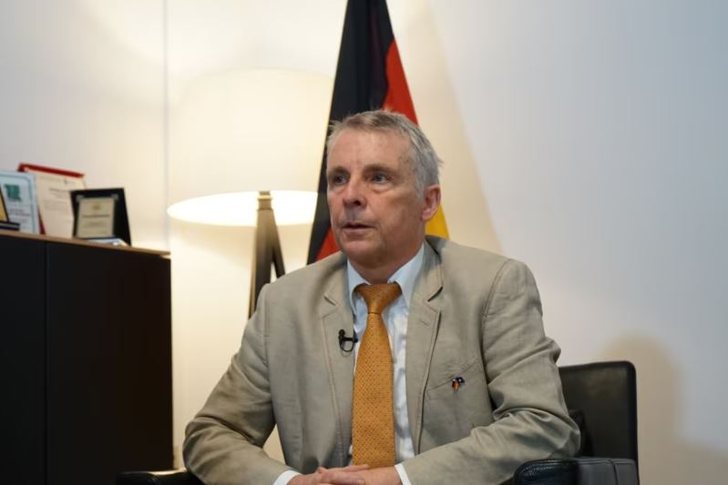
The German ambassador in Pristina, Jorn Rohde, said that t...
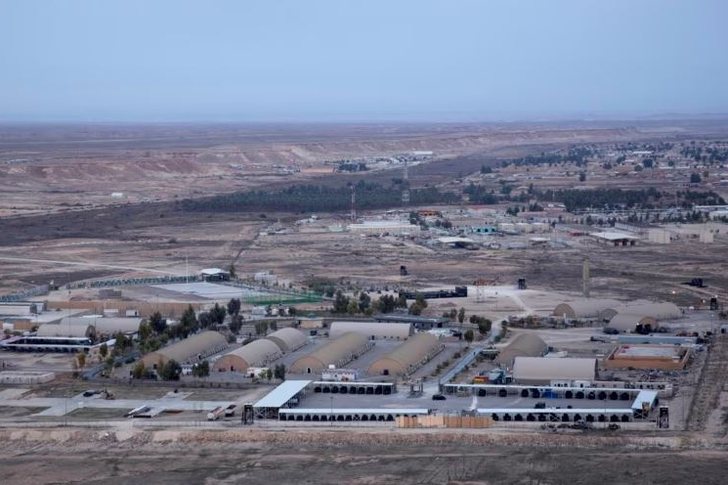
At least five US military personnel were wounded in an...

The US court has ruled that Google acted illegally to ...
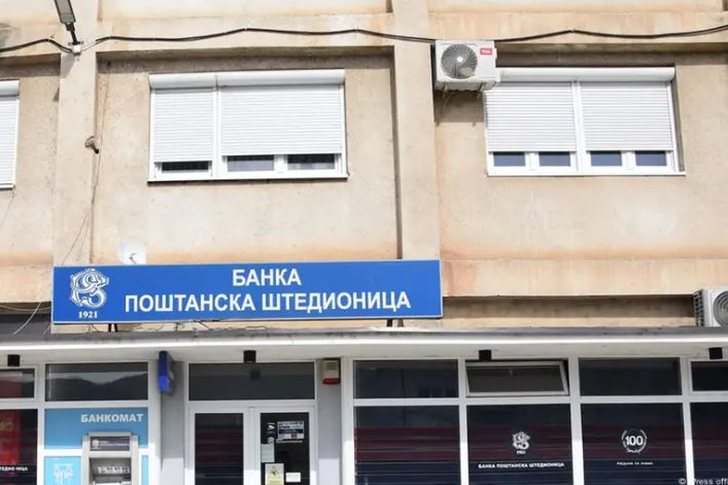
The closure of post offices in the north of Kosovo for lac...
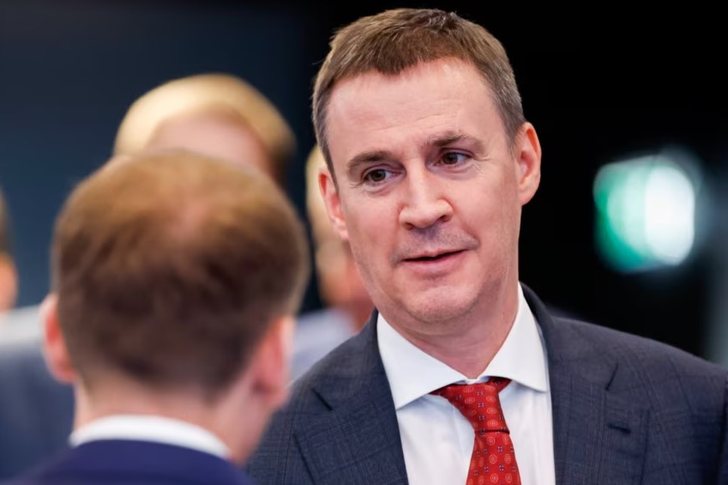
In 2017, an offshore company based in Cyprus called Pi...

CNA has launched another investigation that could lead to ...

Irfan Hysenbelliu is a businessman that we call "Irfan the...

In March 2026, CNA launched another investigation centered...
The arrested mayor of Tirana, Erion Veliaj, with 13 charge...

The Special Board of Appeal (KPA) decided this Monday ...

The KPA vetting decided this Thursday to dismiss the p...

Suela Salavaçi, a prosecutor in the Prosecutor's Offic...

The Special Board of Appeal reinstated the prosecutor ...

New details have emerged regarding the accident that occur...

New details have emerged from the serious accident that oc...
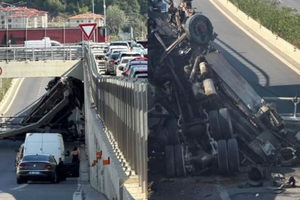
A serious accident occurred this Wednesday on the Elbasan-...
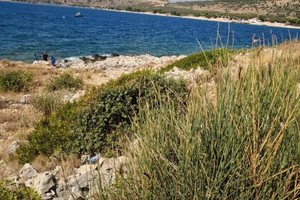
Citizen MH, 61, a fisherman, was found dead near the islan...

The Institute of Geosciences has shared a forecast for wea...

Rising energy and fertilizer prices are expected to contin...

Over 18,000 foreign citizens from 140 countries have appli...

This Wednesday, our country will be under the influence of...
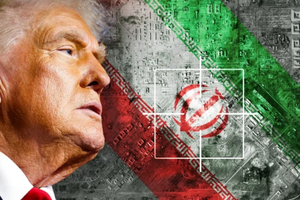
US President Donald Trump has issued another warning to Ir...

Prime Minister Andy Burnham has announced that most bus fa...

France's parliament has passed a law to ban social media f...

US Secretary of State Marco Rubio arrived in Manila on Jul...

At a time when industrial products are increasingly taking...

Trust among people is not just a three-syllable word. It c...

Master of humor Todi Llupi has passed away at the age of 7...

The ninth edition of "MIK Festival" kicked off with one of...

Businesses will no longer be required to simply register t...

Despite economic growth and income in recent years, Albani...

This Wednesday, one US dollar is bought for 81.4 lek and s...

Construction company licenses will have a validity period ...