


Tensions outside the Parliament/ Police begin escorts
The police have begun the first escorts of protesters who ...

The police have begun the first escorts of protesters who ...

This is an intersection in the center of Berlin. When the traffic light turns green, the waiting cars step on the gas, speed up, wheels spin on the asphalt. Almost unnoticed on the road and in the air remains a mixture of plastic particles, additives and asphalt, which are created by the friction of car tires with the road. 110 thousand such tons are produced every year in Germany. When the first rain falls, the dust that has not been picked up by the wind will end up in the nearest stream of water. From there, the plastic particles end up in rivers, soil and seawater.
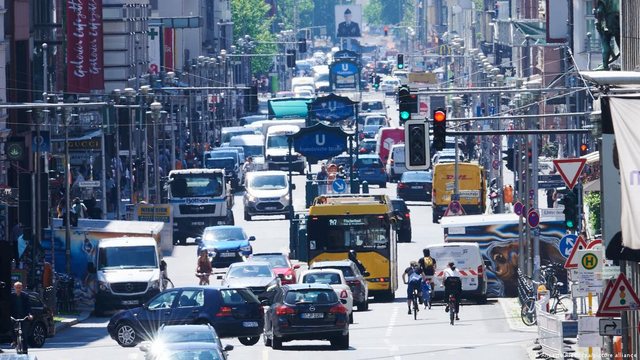
Berlin has issued traffic permits for 1.24 million small vehicles, their number has been constantly increasing in recent years. Although the number of electric vehicles has increased, reaching 24,000 in Berlin, the problem of car wheel friction has not become smaller. Since electric vehicles are heavier in weight, they produce even more plastic dust from the friction of the wheels.
The company Emission Analytics says that there is no talk of harmful substances. "Every year the amount of harmful substances coming out of the car's exhaust is decreasing, and the amount of harmful substances coming out of the tires is increasing, because cars are getting heavier and heavier," explains Nick Molden, founder of Emission Analytics in an interview with Deutsche Wellen.
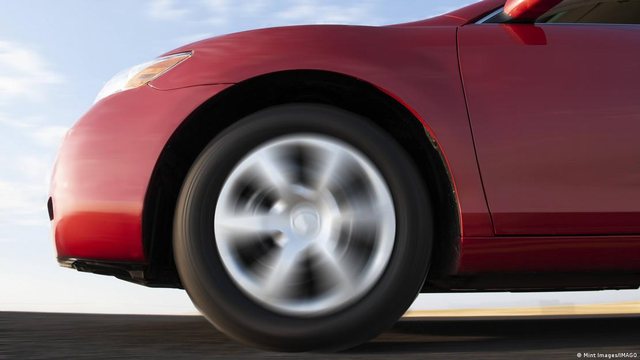
500,000 tons of microplastics that are created by eating tires every year end up in the environment, worldwide this figure is 6.1 million tons. With every braking, acceleration and walking the wheels lose substance, and at the end of "life" they end up with four kilograms less than at the beginning of life. What should be done to combat this?
"It's not that we try to ignore the problem, or consider it unimportant. This topic exists and it's clear that rubbing the tires is inevitable. Meanwhile, everyone is clear that this problem cannot be solved alone," says Daniel Wenghaus. He is a scientist at the Technical University of Berlin (TU) and works on the Urbanfilter project, one of many projects that seeks to reduce tire friction. This problem can only be overcome by cooperating with others, explains Venghaus, alongside science and research to reduce wheel friction, the industry must also be held accountable.
An important role in addition, he adds, is played by state water companies, city management as well as urban planners of roads and transport, and finally even car drivers can do something by giving cars in a non-aggressive way, or by not using cars at all, but using buses and trams.
Car tire manufacturer Michelin combats this problem by producing long-lasting tires. Tire consumption has thus been reduced by five percent, explains Cyrille Roget in an interview with Deutsche Wellen. Roget is scientific director and communications director at Michelin. "But we still don't know how we can make a wheel that is safe, roadworthy and at the same time produces no plastic emissions." Work is currently underway to find recycled or substitute materials for the chemical compounds used in tires.
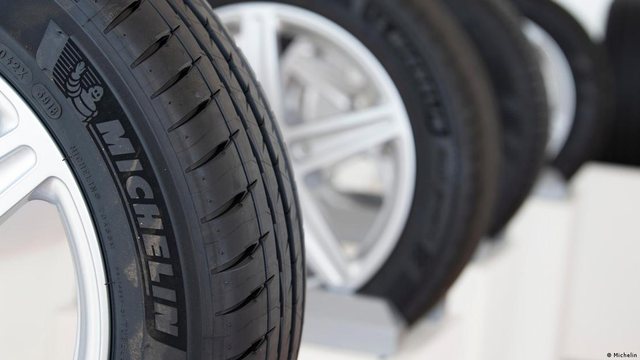
A car tire consists of synthetic rubber, fillers and chemical additives. The chemical additive named 6PPD takes care of increasing safety. When the plastic particles produced by tire friction end up in rivers, the additive 6PPD oxidizes and turns into a solid toxic to silver salmon. 6PPD also ends up in lettuce leaves. Scientists at the University of Vienna were able to prove this during a laboratory analysis, the results of which were published this year in the scientific journal, Environmental Science & Technology. The analyzes of the Swiss consumer magazine, K-Tipp, have shown that the salad receives poisonous substances even when grown in the open field. Lettuce and fish are two examples of how plastic particles produced by tire friction can end up directly in our food chain.
Cyrielle Roget does not think that another substance will soon be found to replace 6PPD. "Research costs a lot of money, because before a material can be replaced, we have to be sure that the new material is not toxic to other species of animals, or that the safety of the tires has not decreased," says Roget.
Until the day comes when inedible tires are produced, other solutions must be found to mitigate this problem as much as possible. In science and research, these solutions range from the simple and practical to the unworkable. Thus, for example, the Zero Emission Drive Unit Generation 1 prototype, with closed tire boxes, created by the German Aviation and Space Flight Center, will be built only in a few years, although it enables movement without producing any harmful substances. This is not to do with a lack of interest, says project leader Franz Philipps, but to do with the lack of figures on tire friction limit values ??in the EU.
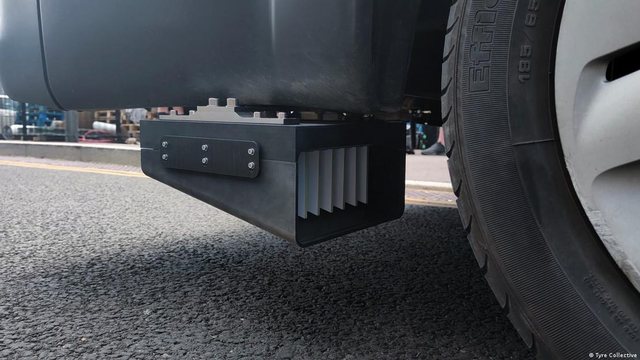
London-based start-up Tire Collectives has set itself the task of capturing the plastic particles produced by tire friction at the source. A special device is thus placed directly on the edge of the tires. On the website Tire Collective informs that the model has been tested for the first time in a pilot phase in 2021. How realistic their use will be by everyone remains to be seen.
Daniel Venghaus is trying to combat this problem with a joint project with the Audi Environmental Foundation, working with sewage, or rather with road drains. For this, various filtering variants have been tested and developed. They are placed in channels that are located in hot spots where a lot of plastic particles are produced by the friction of the wheels, for example at intersections in the city and on curves. This is how it was possible to filter 66 percent of plastic particles, the model tests that were done have shown. In tests that have been done in the fields, the filters placed in the road channels have retained three times more sludge, so that it does not end up in rivers and on the ground. This project ends in July 2024. But Venghaus will continue to keep the water clean, so plans are to create a non-profit company for the filtration systems.
"Filter systems," says Thilo Hofmann from the University of Vienna, "are the easiest solution for industry, because ultimately the municipalities and taxpayers pay. What we urgently need are ecological solutions to plastic additives that are non-toxic." Hofmann leads research in Vienna to study the effects of tire friction on lettuce.
The toxic effect of tire friction is currently being discussed a lot in Brussels. The European Union requires that, with the European norm 7, it sets fixed maximum values ??for tire friction. Discussions are still underway as to what these rates will be. In addition, a standardized process is needed to measure tire friction. Tire manufacturers have developed an international method for this.
And there is also the most politically inconvenient way to reduce tire friction, says Thilo Hofmann at the end of the conversation. This solution will be used in individual transport. In fact this should be greatly reduced. The simple logic is: a tire that does not rotate, does not rub against the road and does not produce plastic particles./ DW

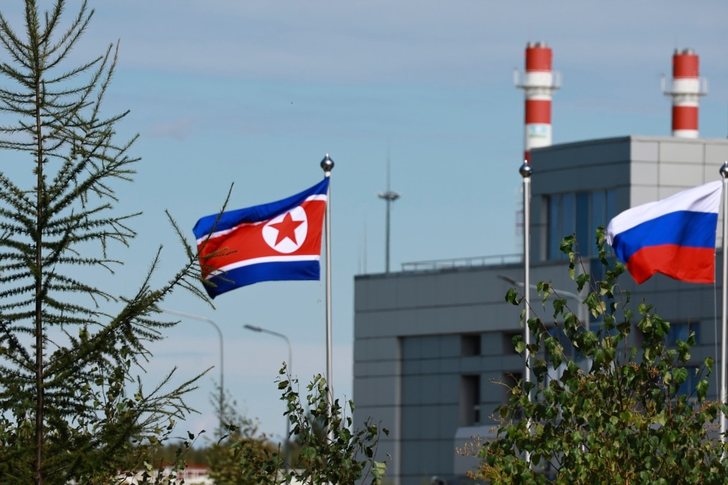
The United States, Japan and South Korea on Thursday conde...
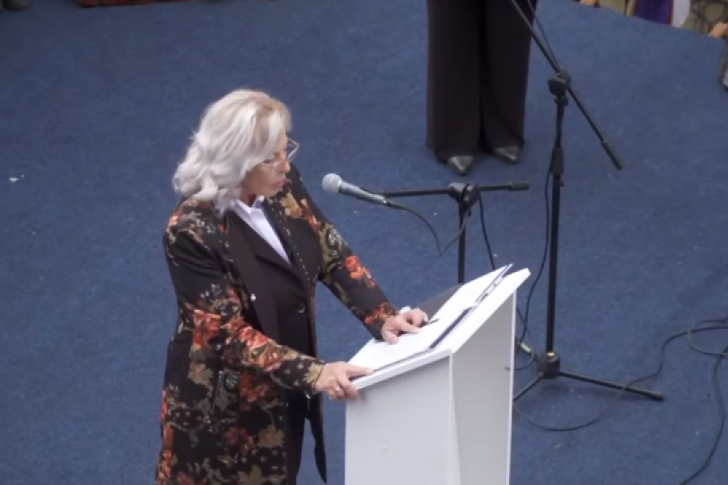
The Judicial Council of Kosovo has recently published the ...
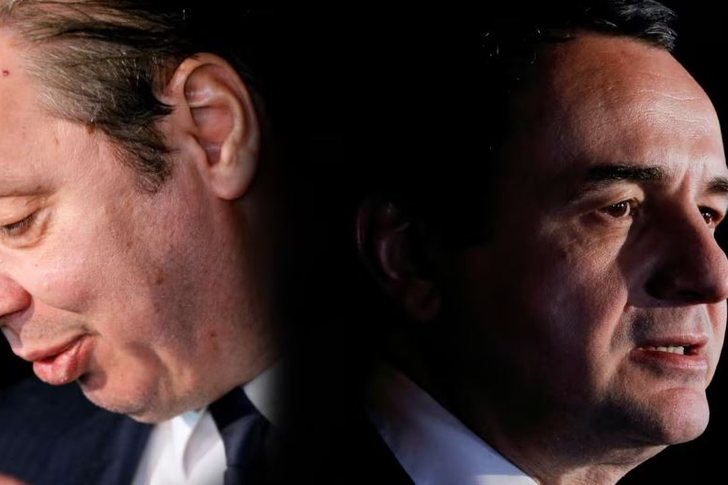
Sot do të zhvillohet në Bruksel samiti i liderëve të s...
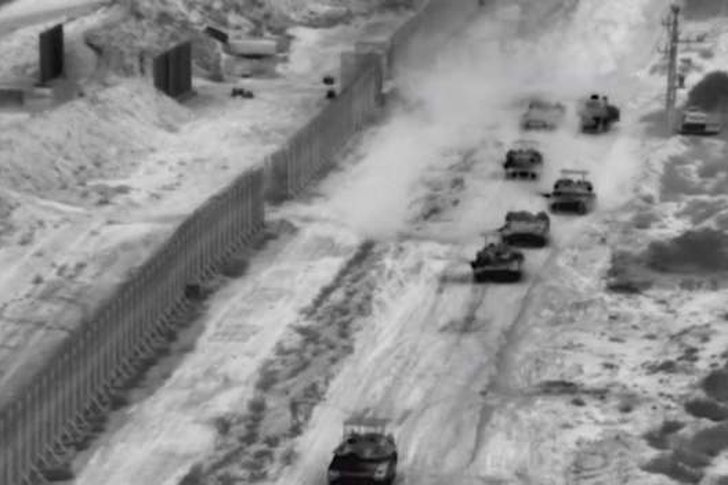
The Israel Defense Forces (IDF), which have so far carried...
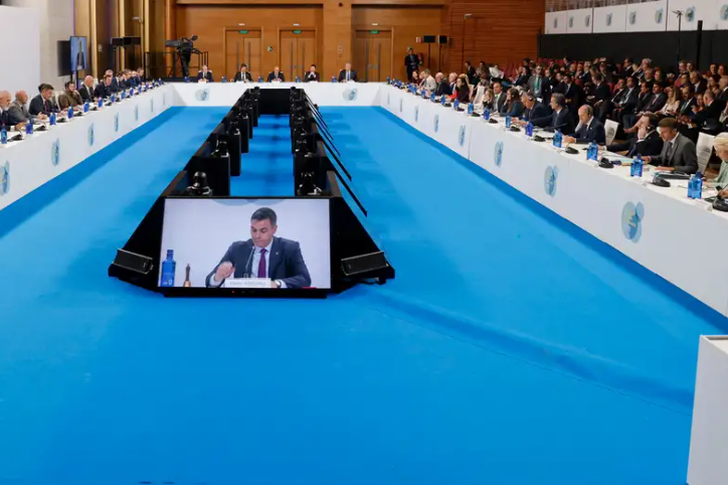
"Our meeting takes place at a time of great global ins...
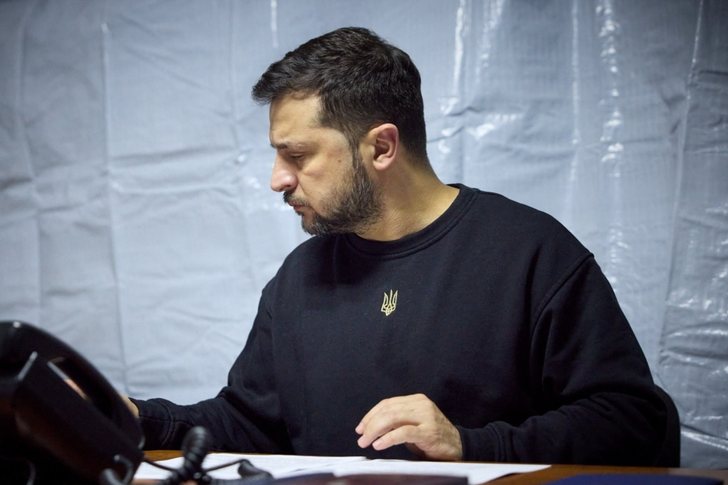
Ukrainian President Volodymyr Zelensky said a Russian ...

Israel is continuing its bombing of the Gaza Strip as it p...
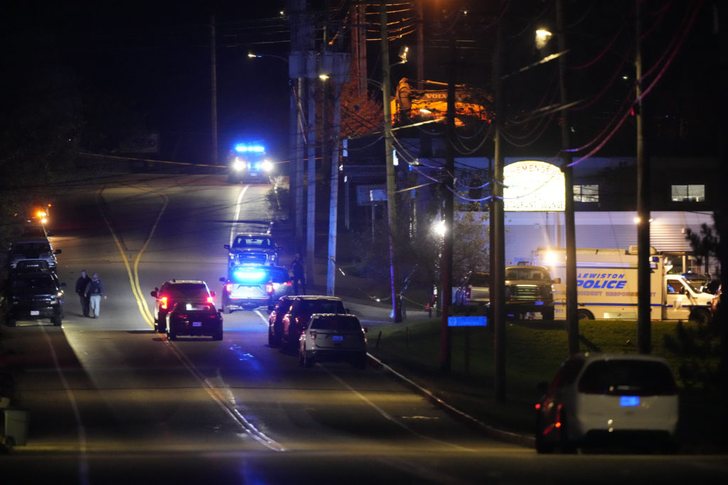
At least 22 people were killed and several dozen others we...
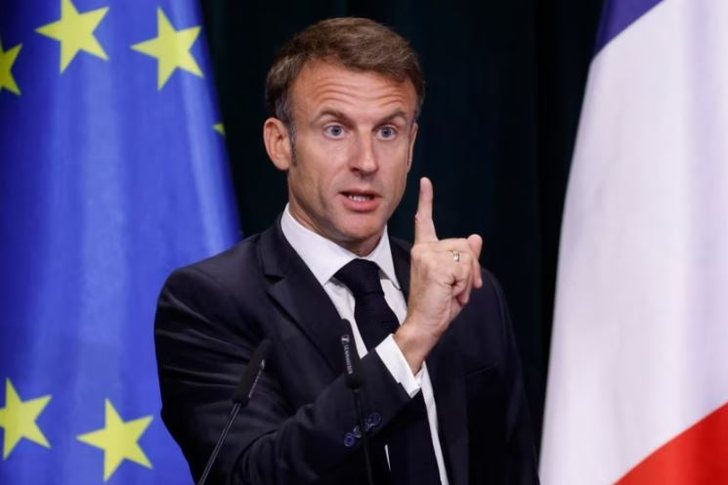
French President Emmanuel Macron said his country would...
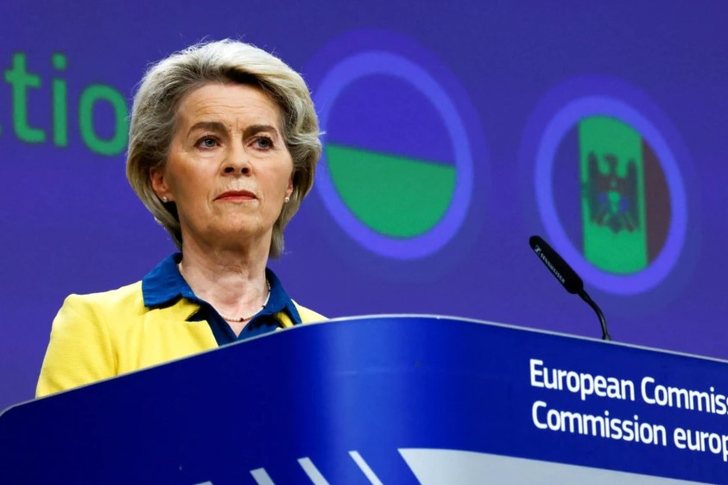
Presidentja e Komisionit Europian Ursula Von Der Leyen...
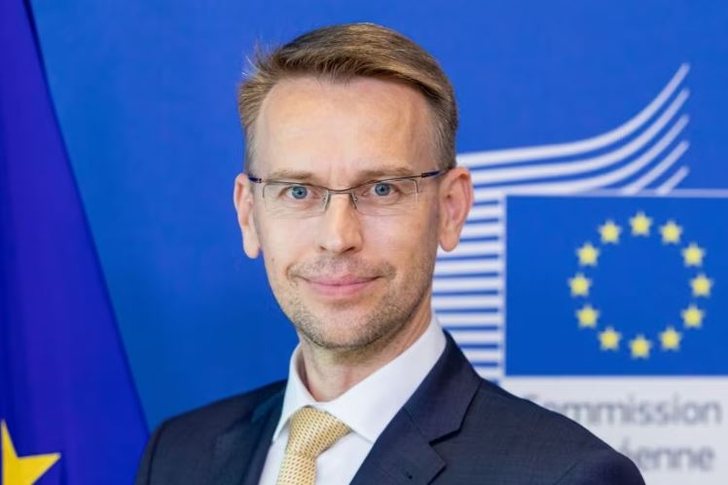
On Thursday, the Prime Minister of Kosovo, Albin Kurti...
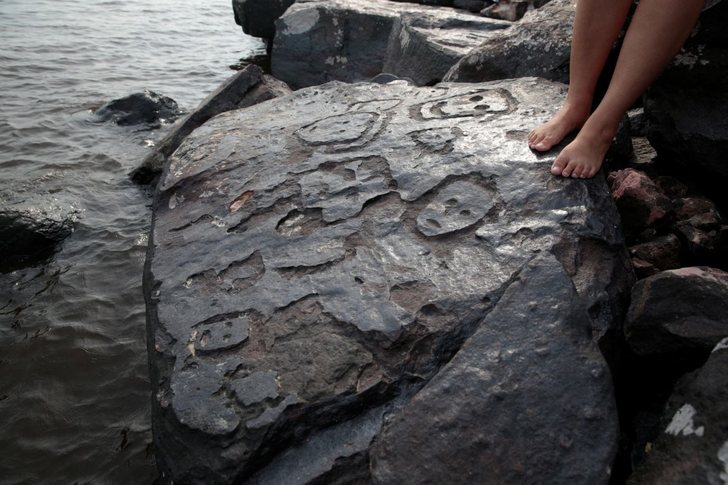
Fytyrat njerëzore të skalitura në gur deri 2000 vjet më pa...
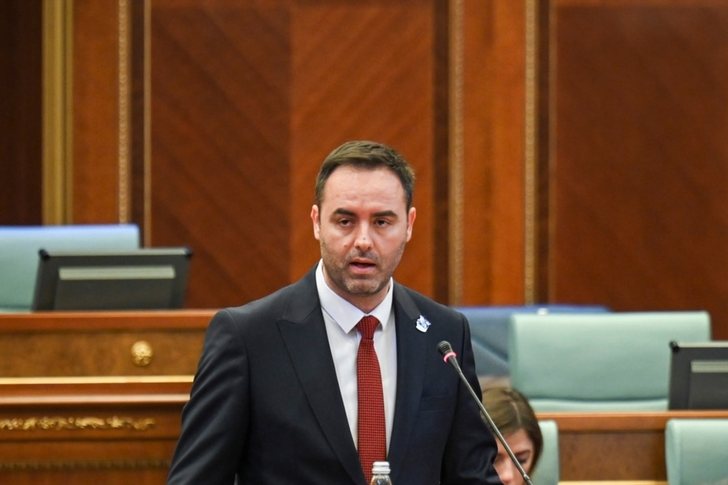
The Speaker of the Assembly of Kosovo, Glauk Konjufca, sai...

An Israeli self-defense team made up of 13 girls eliminate...
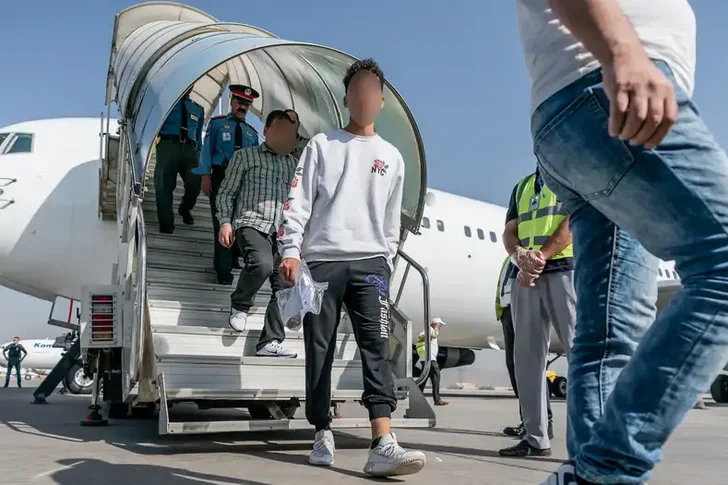
Despite criticism from the ranks of the Green party, a...

Residents of Mexico's once-glamorous port, Acapulco, and s...

Kryeministri Kosovës, Albin Kurti është shprehur për "Fina...
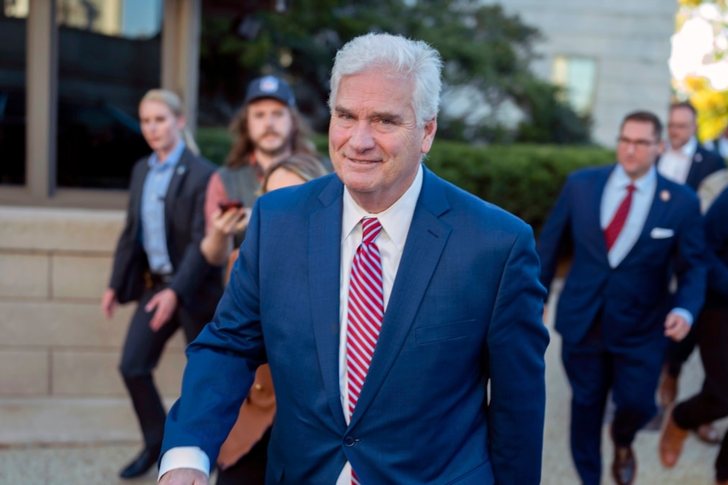
Lawmaker Tom Emmer dropped out of his bid for House sp...
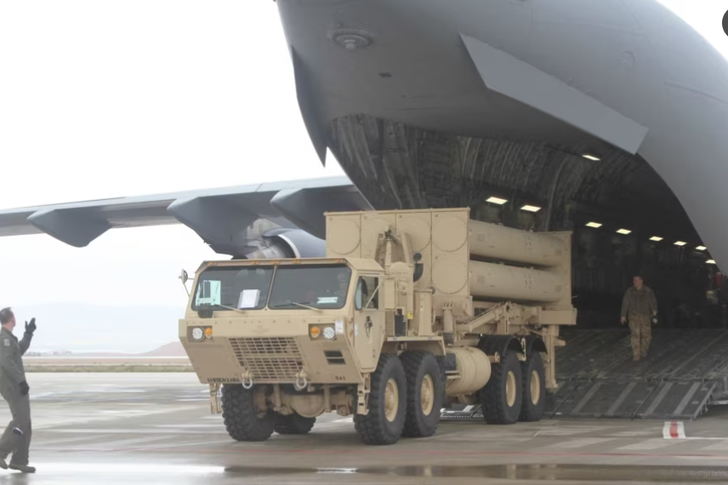
The White House said Tuesday it was drawing up a cautious ...

China sacked its defense minister on Tuesday, the second t...
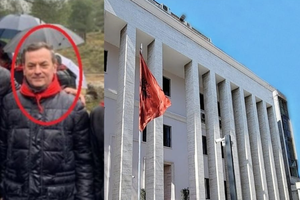
CNA has put under scanner the assets of Sokol Sadushi, the...
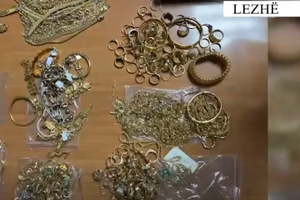
A 39-year-old citizen has been arrested in Lezha, after se...

CNA has launched another investigation that could lead to ...

Irfan Hysenbelliu is a businessman that we call "Irfan the...

The Special Board of Appeal (KPA) decided this Monday ...

The KPA vetting decided this Thursday to dismiss the p...

Suela Salavaçi, a prosecutor in the Prosecutor's Offic...

The Special Board of Appeal reinstated the prosecutor ...
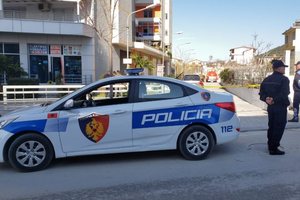
Police have revealed details of the incident that occurred...
According to preliminary information, a person in his 60s ...
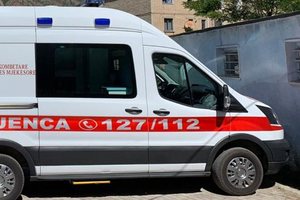
A triple accident occurred on the Peqin-Elbasan axis n...
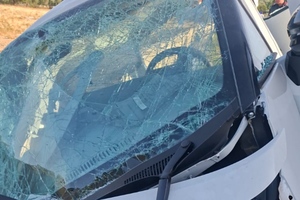
The police have provided details regarding the accident th...
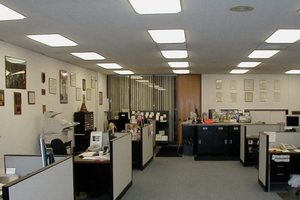
The public sector took the lead in absorbing the workforce...

Today, our country will be under the influence of unstable...
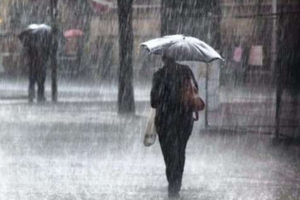
The Institute of Geosciences has today shared a forecast r...
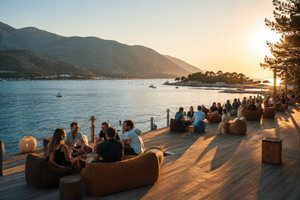
Company leaders can improve productivity by investing in a...
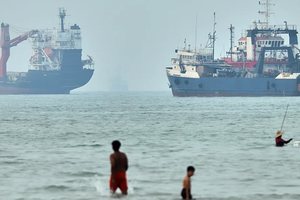
Oil prices fell in early trading on Monday, falling furthe...
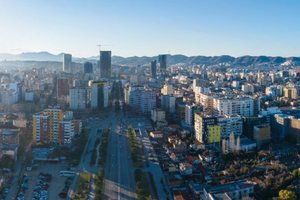
Although Albania does not have a developed industry on the...

North Korea is said to have achieved some impressive resul...

US Ambassador to the United Nations, Mike Waltz, said toda...
Two windows, a century of history and the metaphysics of p...

In my research at the Central State Archives, specifically...

At a time when industrial products are increasingly taking...

Trust among people is not just a three-syllable word. It c...
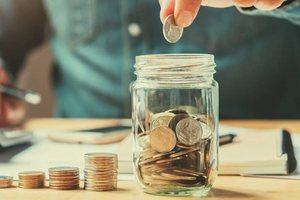
After strong savings growth in the years following the pan...

This Monday, one US dollar is bought for 81.5 lek and sold...
This Sunday, one US dollar is bought for 81.5 lek and sold...
This Saturday, one US dollar is bought for 81.7 lek and so...