

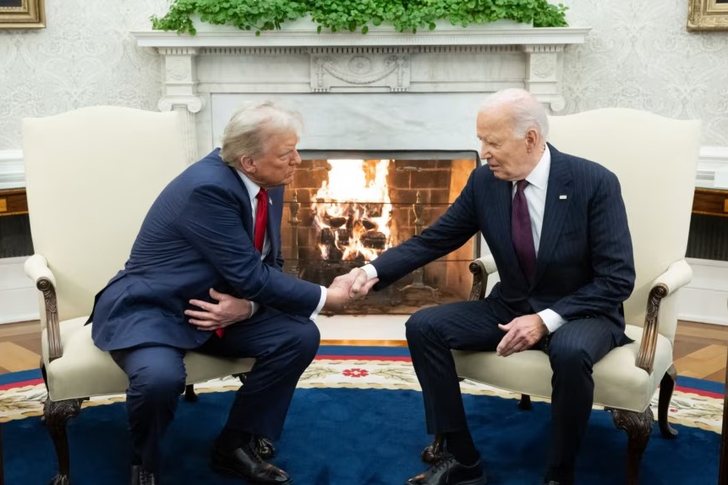
Donald Trump goes to the White House/Shakes hands with Joe Biden
President Joe Biden hosted President-elect Donald Trum...


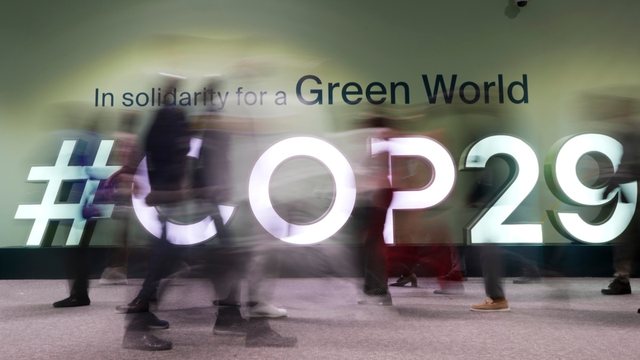
Dozens of world leaders attending the annual United Nations climate conference in Azerbaijan are expressing concern about the consequences of climate change. Beyond the speeches on extreme weather, the participants have managed to secure the commitment of major banks to give more loans to developing countries to face the consequences of global warming.
Leaders of small island countries have complained that they are facing the biggest consequences of climate change. They complain that even the aid from developed countries, which are the main causes of climate change, is too small and delayed. Grenada's Prime Minister Dickon Mitchell spoke in detail about a months-long drought earlier in the year as his country now faces a Category 5 hurricane. The Prime Minister of the island of Niue, on the other side of the globe, next to Fiji and New Zealand , said climate change is the biggest threat facing his country.
"We are failing to achieve the goal of not allowing temperatures to rise above 1.5 degrees Celsius. For my country and the Pacific region, climate change is the biggest threat we are facing", said Mr. Tagelagi.
Climate change has caused Earth to be over 1.5 degrees Celsius warmer this year than the pre-industrial average. The limit of 1.5 degrees Celsius was set in 2015 during the Paris conference. One of the main commitments to keep temperatures from rising above 1.5 degrees Celsius is to reduce emissions from fossil fuels to zero by 2050. Scientists attending the conference in Baku say this is not happening.
"Emissions from fossil fuels have increased again in 2024 and we are not doing enough globally to reduce them," says Mike O'Sullivan, a scientist at the University of Exeter.
"If we take today's emission levels, a permanent increase in temperature beyond 1.5 degrees Celsius will occur within six years. So there must be a massive reduction in emissions," says Stephen Sitch, an environmental scientist.
The scientists acknowledged that the United States and Europe have reduced emissions by investing more in renewable energy.
Speaking on behalf of the United States, climate envoy John Podesta said the consequences of inaction are already clear, recalling the aftermath of deadly hurricanes Helene and Milton in the United States and extreme weather in other parts of the world.
"We have a clear choice between a safer, cleaner future and a dirtier, more dangerous and more expensive future. We know what we have to do. Let's get to work and finish it," Mr. Podesta said.
Participants in this meeting are seeking to reach an agreement on funds that developed countries should share with developing countries to help them increase clean energy production. An initial version of this agreement was released on Wednesday, but it has not yet been finalized.
A group of lenders, including the World Bank, announced on Tuesday that they will increase the funds that poor countries can borrow to $120 billion by 2030. This represents a roughly 60% increase from the amount set a year ago. first./ VOA

President Joe Biden hosted President-elect Donald Trum...

The coordinator of the Democratic Party for Tirana, Kl...
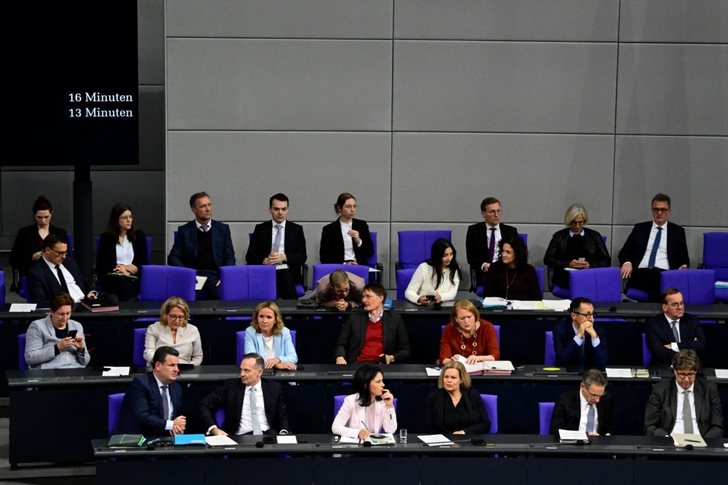
The main political parties in Germany have agreed to hold ...
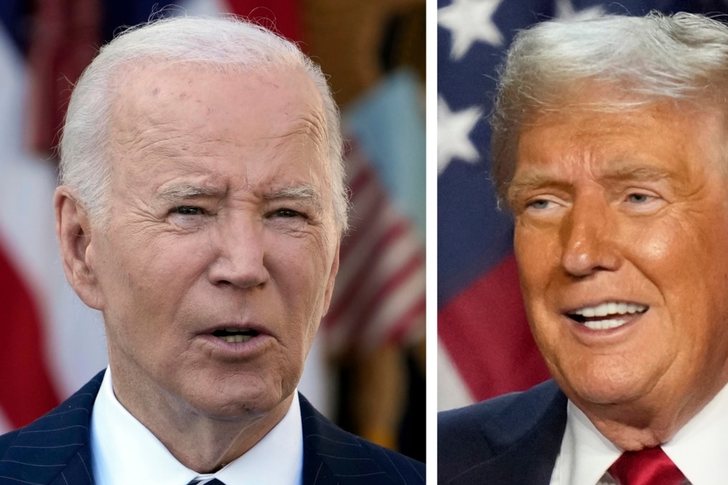
President Joe Biden will meet today at the White House wit...
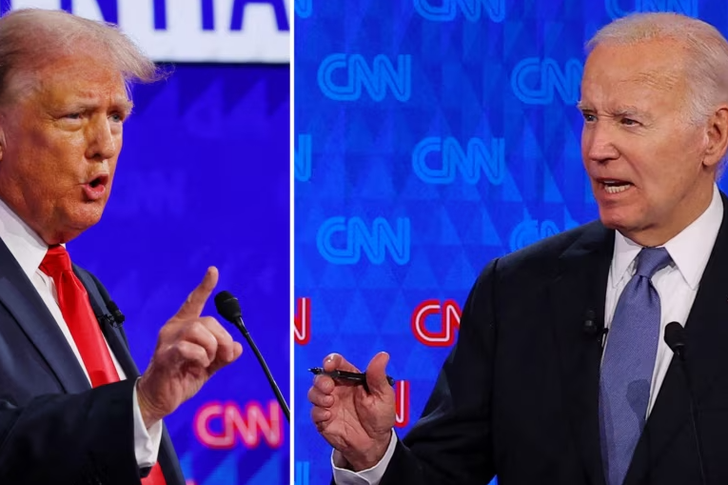
The American President, Joe Biden, will welcome the Republ...
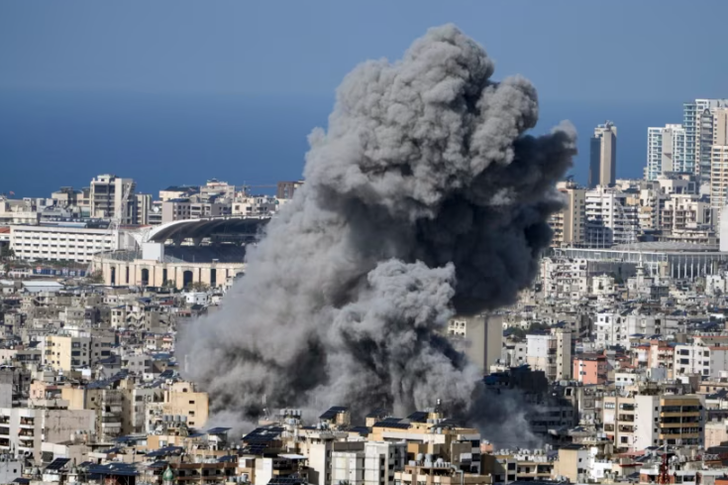
Israeli airstrikes killed at least 46 people in the Gaza S...
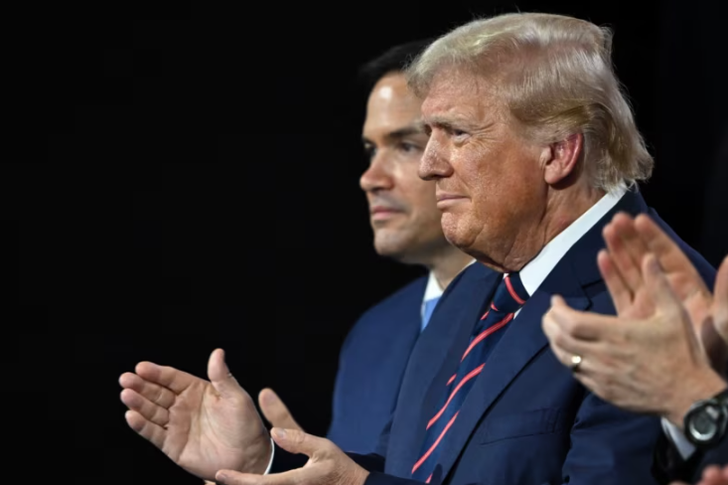
United States President-elect Donald Trump is moving q...
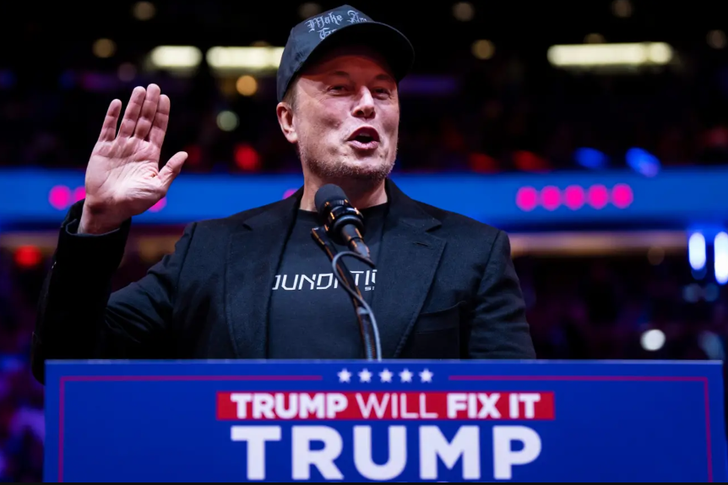
US President-elect Donald Trump has appointed Elon Musk to...
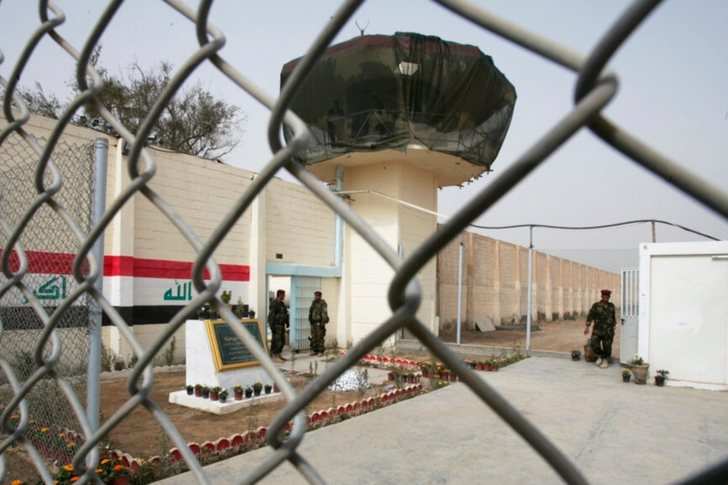
A jury in a federal court concluded that the firm CACI Int...
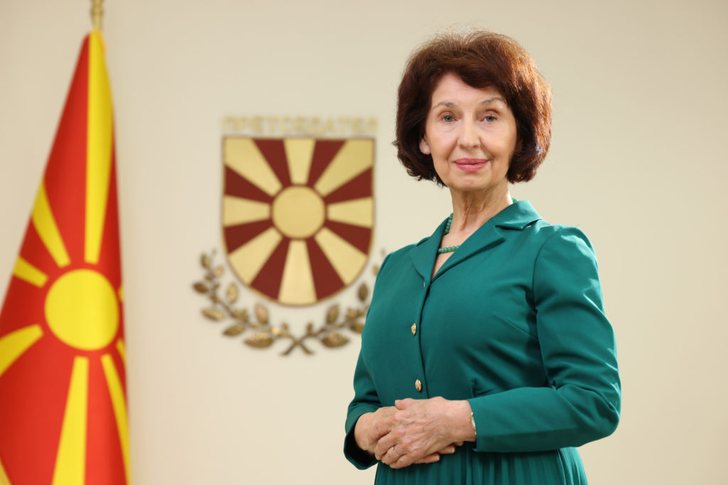
The President of North Macedonia, Gordana Siljanovska ...
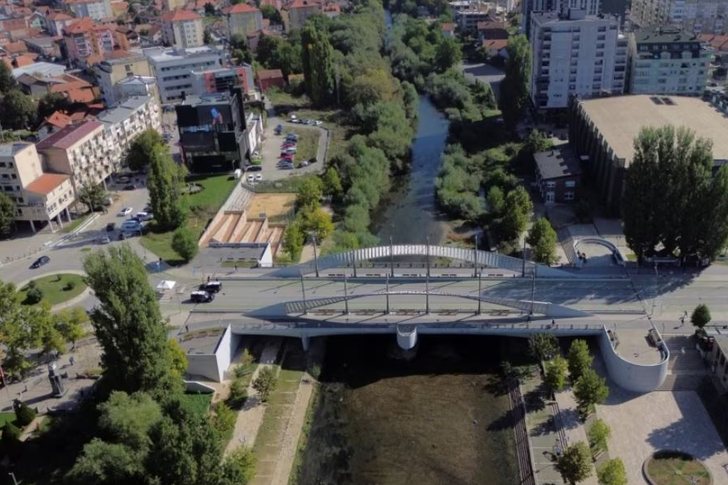
For the Government of Kosovo, the exchange of territories ...

Billionaire Elon Musk on Tuesday became part of the he...
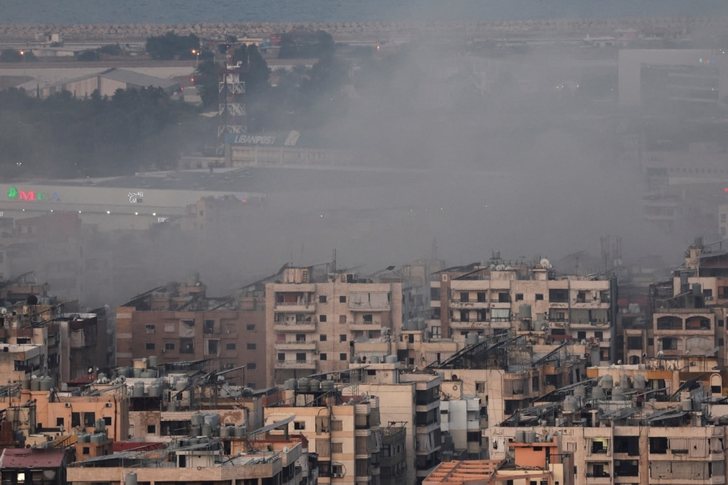
Lebanon said Israeli airstrikes killed 29 people across th...

The US President-elect, Donald Trump, will nominate the fo...
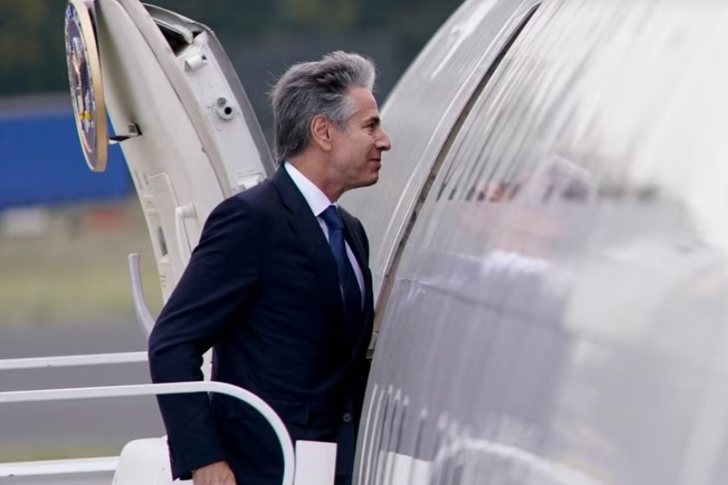
US Secretary of State Antony Blinken told a senior Isr...
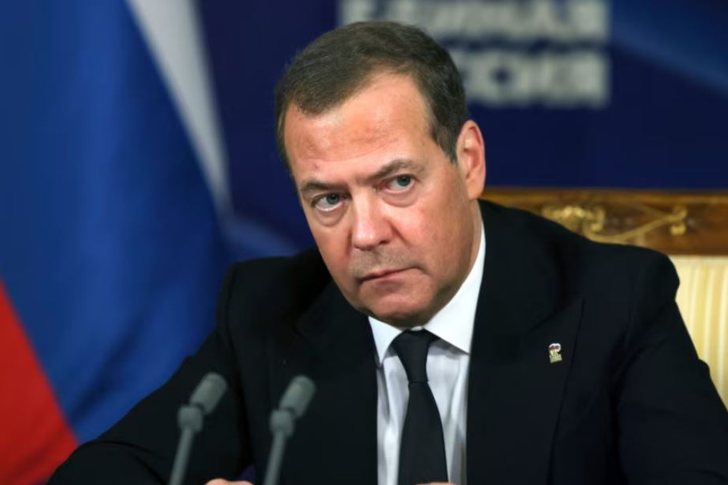
Dmitry Medvedev, the former Russian president, currently t...
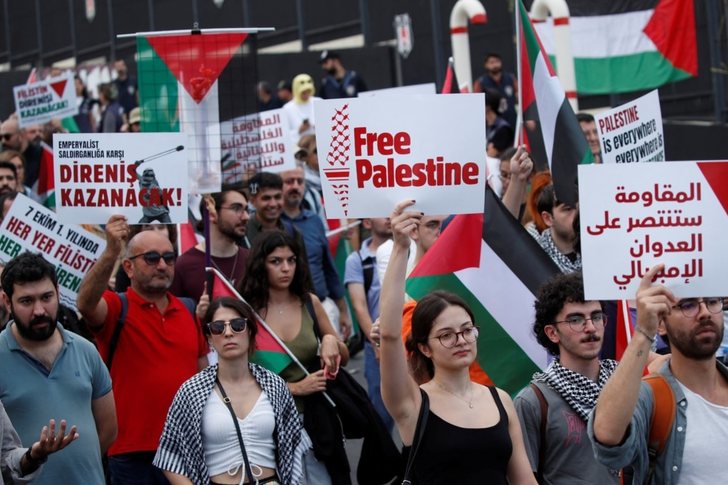
A group of young activists in Turkey, known as '1000 Youth...
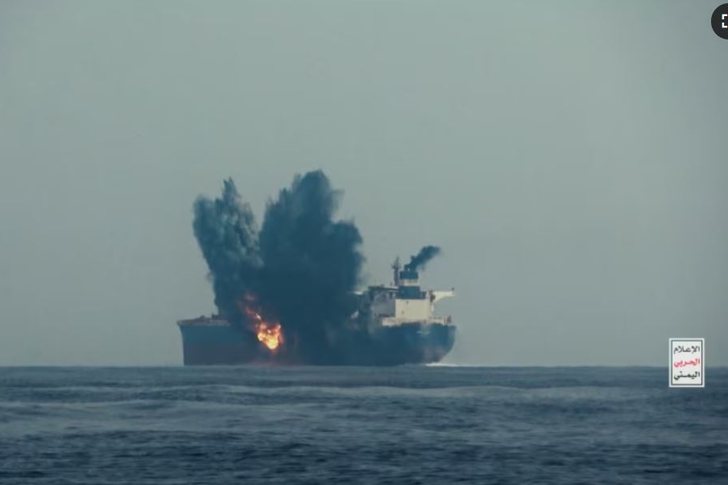
An attack by Houthi rebels caused several explosions near ...
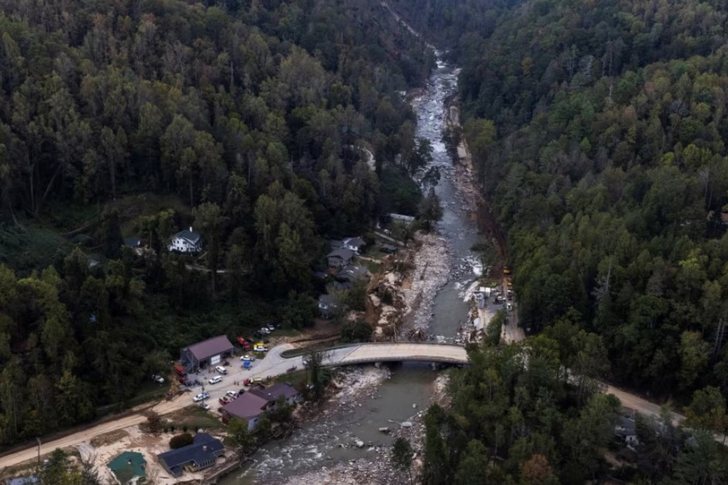
Anna Wiebe moved to the United States from Ukraine 25 year...

Beyond promising to pursue an America-first policy, Presid...

CNA has launched another investigation that could lead to ...

Irfan Hysenbelliu is a businessman that we call "Irfan the...

In March 2026, CNA launched another investigation centered...
The arrested mayor of Tirana, Erion Veliaj, with 13 charge...

The Special Board of Appeal (KPA) decided this Monday ...

The KPA vetting decided this Thursday to dismiss the p...

Suela Salavaçi, a prosecutor in the Prosecutor's Offic...

The Special Board of Appeal reinstated the prosecutor ...
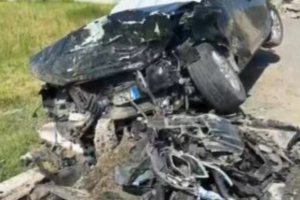
A serious accident has occurred on the Lezhë-Shëngjin axis...

A serious incident has occurred in Morina, Kukes. Citizen...
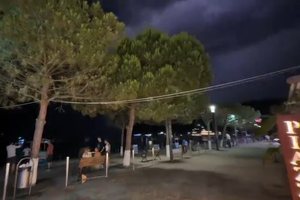
The bad weather that swept the country on Tuesday evening ...

A road accident occurred this evening on Nikolla Zoraqi St...
This Wednesday, our country will be under the influence of...
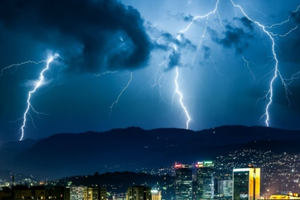
All of Southern Europe will face changing weather conditio...
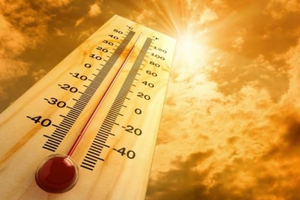
Albania was hit by temperatures significantly higher than ...

For the first time, Pogradec welcomed the Inter-Lake Chess...
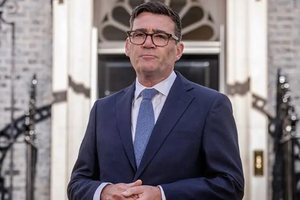
Prime Minister Andy Burnham has announced that most bus fa...

France's parliament has passed a law to ban social media f...

US Secretary of State Marco Rubio arrived in Manila on Jul...
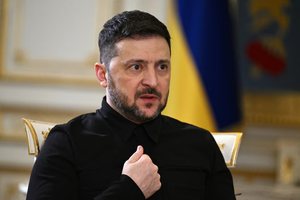
In the space of a few days, Ukrainian President Volodymyr ...

At a time when industrial products are increasingly taking...

Trust among people is not just a three-syllable word. It c...

Master of humor Todi Llupi has passed away at the age of 7...

The ninth edition of "MIK Festival" kicked off with one of...

Businesses will no longer be required to simply register t...

Despite economic growth and income in recent years, Albani...

This Wednesday, one US dollar is bought for 81.4 lek and s...

Construction company licenses will have a validity period ...