



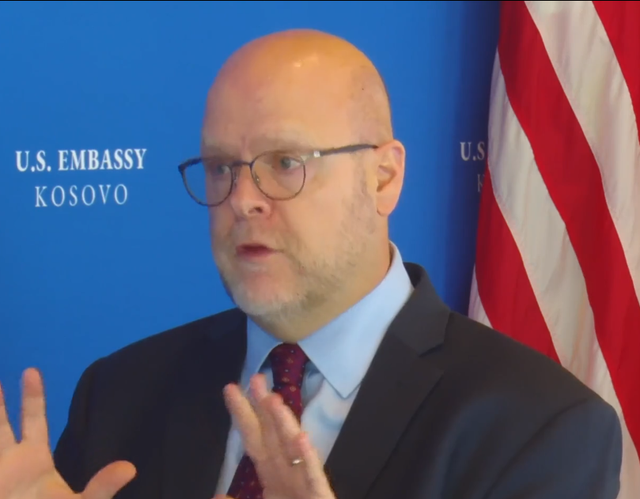
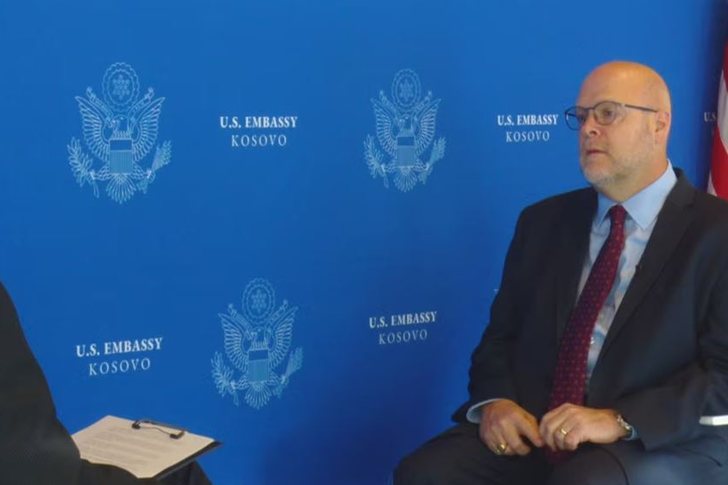
The American ambassador in Pristina, Jeff Hovenier, said in an interview with "Voice of America" ??that the implementation of the agreement on the normalization of relations with Serbia is one of the ways to increase the security of Kosovo, which he described as fragile after the events of September 24 . Ambassador Hovenier said that the United States will take action once it is proven who is behind that attack which was carried out by individuals who had weapons that cannot be bought on the local market but need some form of state structure to provide them. Ambassador Hovenier reiterated the request that Serbia cooperate for the full illumination of the events and bringing the perpetrators to justice.
"Voice of America": Ambassador, more than two weeks after the attack in the village of Banjské in the north of Kosovo, how do you assess the security situation in this country?
Jeff Hovenier: The security situation remains something we are very concerned about, and the United States and our partners have taken steps because we were deeply concerned about what happened in Banjska and more broadly about the security situation in the north. As you may have heard yesterday during the change of command of KFOR, Admiral Munch, the commander of the NATO Joint Forces based in Naples, announced that since September 24, NATO has tripled the number of patrols. The North Atlantic Council decided to significantly increase the number of KFOR forces. We take this seriously. I would characterize the current situation as fragile, but calm or calmer. But you know, there is a fragility and we are very focused on helping manage the situation and try to avoid further incidents that could lead to violence that would affect, threaten the civilian population there, but also the forces of security forces there, the Kosovo police and of course the international presence.
"Voice of America": Ambassador, from the beginning you said that the attack did not involve any spontaneous group of citizens who are not satisfied with something, but it was a trained and organized group. What do you think? Who was the organizer and coach of that group?
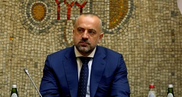
Jeff Hovenier: First I think it's important to talk about what we know and what we're still trying to understand. And there are some things we do know. As you quoted me before, we know that this group of individuals was not spontaneous. These individuals, all ethnic Serbs as far as we know, had access to and possessed sophisticated weapons that you cannot buy on the local market. You need some kind of structure, usually a state structure that provides them. We know that most of the material they left behind was of Serbian origin. We know that an individual, Mr. Milan Radoicic, who was vice president of the Lista Serbe party, made a public statement through his lawyer claiming responsibility, saying he had organized the attack and participated in it. These are the things we know now and are trying to understand more. We know that this could not just happen spontaneously. So, as I have said before, there were structures or organizations behind this. What we're still trying to figure out is exactly how it worked.
"Voice of America": Allow me, ambassador, if the weapons originate from Serbia and we have a public figure who took responsibility, i.e. Milan Radoicic. Isn't this an argument that Serbia is behind the attack?
Jeff Hovenier: There are a lot of people who say that. I have heard many officials in the Kosovo government say this in particular. We want to be very careful before we make the final determinations of what we call attribution, to make sure we get it right. But, as I said, we are taking this very seriously and we are working with our friends in the Kosovo government and elsewhere to better understand this.
"Voice of America": Kosovo leaders say that this was an attack of aggression by Serbia against Kosovo and demand punitive measures against Serbia. Could there be such measures from the United States?
Jeff Hovenier: One of the things I've said, one of the things Secretary Antony Blinken and others have said, is that those responsible for this criminal attack, those responsible for executing it, those responsible for planning him, those responsible for providing support for him must be held accountable. And while we understand who is responsible, we believe they should be held accountable. We have called on the government of Serbia to participate fully in this investigation and hold the people there accountable. Of course, we support the efforts of the Kosovo authorities here in their judicial system to hold people accountable. So I don't rule out future actions. We are still looking to understand what happened, but we will make decisions about what steps to take as we reach our final determinations of liability. But let there be no doubt, those responsible for this horrific crime and the killing of a police officer must and will be held accountable.
"Voice of America": But we have Mr. Radoicic came forward and said that he is responsible for this attack, but he was released very quickly by the Serbian authorities. Judging by this, how can you count on Serbia to cooperate in clarifying the event and bringing the perpetrators to justice?
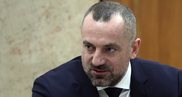
Jeff Hovenier: I can only speak for the view and position of the United States government, which we have expressed publicly to the government of Serbia. So this was a crime, it was a threat to the sovereignty and stability of the region, it threatened the citizens of Kosovo, it also threatened the international peacekeepers in the region. And we believe that those criminals involved in this should be held accountable. And we have called on the government of Serbia to play a role in making sure that happens. I cannot speak about the specifics of a court decision regarding house arrest. As far as I understand, Mr. Radoicic has been arrested and charged with several very serious crimes. My government's expectation is that he will be held accountable for those crimes.
"Voice of America": But he's free...?
Jeff Hovenier: As far as I understand he is under house arrest, subject to criminal proceedings.
"Voice of America": Are you ready to take measures against Serbia if it does not cooperate with justice?
Jeff Hovenier: This is not a decision I will make as the United States ambassador to Kosovo. This is a decision that my government will take. But let me say again, we believe that those responsible for this crime must and will be held accountable.
"Voice of America": Ambassador, many in Kosovo express concern that without measures against Serbia, similar actions like the one on September 24 may be repeated. Are you worried about this possibility?
Jeff Hovenier: We are concerned about any action that would destabilize the situation in the north. We are concerned about any action that results in armed and trained individuals acting in a manner that is contrary to law and order. We believe that this is the sovereign territory of Kosovo. We believe that the Kosovo authorities have the responsibility to implement the law. So we take it very seriously.
"Voice of America": Mr. Ambassador, international observers, especially some American analysts, say that Washington and of course Brussels were very tough in their attitude towards Kosovo, but not tough enough towards Serbia. It only took a few hours to put some sanctions against Kosovo because of the tensions in the north, but we have no measures against Serbia now, after September 24?
Jeff Hovenier: What I can say is first of all, I wouldn't equate these two circumstances. Second, I would say that the United States government decided to take some action after the (Kosovo) prime minister, against our advice, took actions that used, from our perspective, unnecessary force to secure access to municipal buildings, contributing in a destabilization in the north. We were clear that this was a problem. We did not take the measures that the European Union took, but the United States government did some things, making it clear that we expect the Kosovo government to work with us to strengthen stability and security in the north. We have similar expectations for Serbia. And I will say again that as we come to our conclusions, as to ultimate responsibility or what we call attribution for these acts, we will hold those responsible accountable. But in the meantime, we expect the Republic of Kosovo and the government of Kosovo to work with us to create conditions for greater stability and reduction of tensions in the north. This is still a very important part of our work here. So that is why I have made a number of statements, as have other US officials, about the need to move forward with dialogue facilitated by the European Union. If nothing else, the events of September 24 show that there is an urgent need to achieve a repositioning of relations between Kosovo and Serbia, one in which there is mutual respect, one in which disputes are resolved by peaceful means, one in which the Serbian ethnic community in Kosovo feels that it is respected and can enjoy some rights to protect its members. All this is part of the dialogue facilitated by the EU. It is very essential to move towards this, to return to the process of achieving full implementation by both parties of the agreements reached, the Basic Agreement and its implementation annex.
"Voice of America": But Mr. Ambassador, in light of these recent events, can the dialogue facilitated by the European Union still be considered "business as usual"? You are a diplomat and you would not use the expression "dead dialogue", but some in Kosovo have called it so.
Jeff Hovenier: Well, I would challenge the claim that it's dead and also ask the question, what do people mean by "ordinary work"? If "business as usual" means that the European Union and the United States will do their utmost to promote an agreement that benefits both countries, then yes, we will continue to do so. Right now, I think we have a problem. The problem is less a question of an agreement that is actually good enough for both countries and more a question of the political will on both sides to actually implement the obligations they have freely assumed. They should do that. And we will continue with the work of implementing a good agreement that changes relations and creates conditions of greater stability and security for the people of Kosovo and for the people of Serbia. And I don't think we're going to apologize that that will continue to be our approach. However, we will certainly be clear about the fact that we need to see greater political will on both sides to fully implement those obligations.
"Voice of America": ...Although Kosovo's leaders are now saying that dialogue is not a priority, but Kosovo's security is a priority?
Jeff Hovenier: I agree that the security of Kosovo is a very high priority. I believe, my government believes, that one of the ways to urgently increase the security of Kosovo is through the implementation of the Basic Agreement and the Implementation Annex. This will greatly increase the security of Kosovo. Therefore, we think it is so urgent to move forward in dialogue to achieve this.
"Voice of America": Ambassador, when we talk about the agreements, the Association of Municipalities with a Serbian majority has long been, since the first day, considered the "Achilles' heel" in the negotiation process, raising the concern that it could affect the functionality of Kosovo. How can this agreement be implemented while simultaneously addressing Pristina's concerns about its influence?
Jeff Hovenier: I'm glad you asked this question because it's something we talk about a lot, both publicly and with the government of Kosovo. The United States has actually been quite clear about this. We believe that Kosovo has a permanent obligation since 2013 to advance the establishment of the Association of municipalities with a Serbian majority. But we have also done everything possible to acknowledge this concern. And we do not rule out the concern that if done in the wrong way, it could actually harm the good functioning of the state of Kosovo, something that none of us want to see. But that is why my government has been so clear about what I call the handrails or restrictions on how it should be established. And let me repeat them. The United States believes that no matter what association is established, it must be in accordance with the current Constitution of Kosovo, that is, without constitutional changes. It must be in line with the decision of the Constitutional Court of 2016. It must be in line with the commitment of the European Union that it has no executive powers. It must be consistent with a carefully crafted public document by State Department Counsel Derek Chollet and our special envoy for the Balkans, Gabriel Escobar, that laid all this out.
What we see is the coordination between the municipalities with a Serbian majority and how they exercise the functions they already have according to the Constitution of Kosovo based on the Ahtisaari plan and the areas where they have these responsibilities such as education, health care, land use, such things. We also believe it should ensure transparency. According to Ahtisaari's plan, the government of Serbia has the right, if it wants to exercise it, to offer support to the ethnic Serb community in Kosovo. But this must be done in a way that is in line with the legal structure of Kosovo and that respects the sovereignty of Kosovo. So, the whole issue of health care or the education system must be transparent and in accordance with the laws of Kosovo. This would be a marked improvement on the current situation. It would address the concerns of the ethnic Serb community and, we believe, help stability. So, we challenge those who say that by its nature, the association of Serb-majority municipalities is harmful to the good functioning of the state of Kosovo. We strongly believe that there are ways to do this that actually improve the functioning of the Kosovo state while also fulfilling the critical role of addressing the real concerns of the ethnic Serb community in Kosovo.
"Voice of America": When you explain this to the leaders of Kosovo, how do they react?
Jeff Hovenier: I will let the leaders of Kosovo speak for themselves. All I can say is that I think we have a compelling argument.
"Voice of America": Ambassador, but when you talk to people in Kosovo, sometimes they say that, you know, even with those guarantees, people like Milan Radoicic can lead that association of municipalities. How can we be comfortable with people like him?
Jeff Hovenier: That seems hypothetical. And ultimately, we believe that there must be some confidence in the international community and in ourselves to be able to implement this in a way that is in the best interest of the people of Kosovo, including the ethnic Serb community in Kosovo, respecting and accepted the current legal framework.
"Voice of America": Ambassador, the Kosovo authorities expressed dissatisfaction with the EU mediator, Miloslav Lajcak, perceiving his approach as, as they said, very unbalanced. At the same time, there are growing calls for more direct US involvement. What are the chances of more US in this process?
Jeff Hovenier: I'm not sure how much more the United States can get involved in this process. This is rightly a dialogue facilitated by the European Union. This is appropriate, because ultimately the incentives to do the hard things belong to the European Union. Ultimately, as High Representative Josep Borrell stated in Ohrid, these commitments that have been made must become part of the membership processes for both countries. And since it is a European process with European obligations and European commitments, it is appropriate for the European Union to take the lead and facilitate what is ultimately not a dialogue with Europe, but between Kosovo and Serbia. I think the United States has shown time and time again how seriously we take this, how committed we are to seeing this issue resolved successfully. Miroslav Lajçak enjoys our full support. This dialogue enjoys our support. I spend more time on these issues than on anything else I do as the US ambassador to Kosovo. My colleague in Belgrade is very involved. Our special envoy is very, very involved. So sometimes I'm embarrassed when people ask how much more involved we can be when I think about how involved we already are. Ultimately we want to see success for Kosovo. We want to see success for Serbia as well. And we want to see success for the European Union to see these countries fully on the path to integration into the bloc, which would increase stability, increase progress and help realize this vision that we all share for a whole Europe, free and at peace. This is the ultimate goal.
"Voice of America": Can we expect any movement in the coming days to advance this dialogue process? Is there a plan?
Jeff Hovenier: We are very committed to seeing progress in dialogue. I can't speak for specifics, but I expect new efforts because it is urgent. As I said before, September 24 showed that we have no time to waste. We must move forward as a matter of urgency in reaching a common understanding on how to fully, effectively implement the obligations undertaken by both countries under the basic agreement and its implementing annex.
"Voice of America": I'm going back to September 24th again. Do you see any signs of Russian meddling in what happened in the north, given that some would argue that this would serve the Kremlin's purpose of diverting attention from Ukraine?
Jeff Hovenier: I think we should all be concerned about anything that would distract from the critical issues in Ukraine and from (Vladimir) Putin's kind of brutal warfare and this principle that Putin believes he's going to set for the future of a neighboring country and not the citizens of that country. We cannot accept this. And, of course, he benefits when there is instability elsewhere in the region. I am sure he is pleased when there is instability and conflict. On the other hand, right now I can't say that we have any information that would directly suggest that Putin or the Kremlin is behind some of the instability that we have seen between Kosovo and Serbia. But what we want to do is avoid conflict by moving forward to achieve full implementation of the Framework Agreement and the implementing annex, which would remove this source of potential instability. From our point of view, this is urgent./ VOA


Ministri i Jashtëm i Italisë, Antonio Tajani, e ka kra...

Ndërsa OKB-ja i bën thirrje Izraelit të zbatojë urdhër...
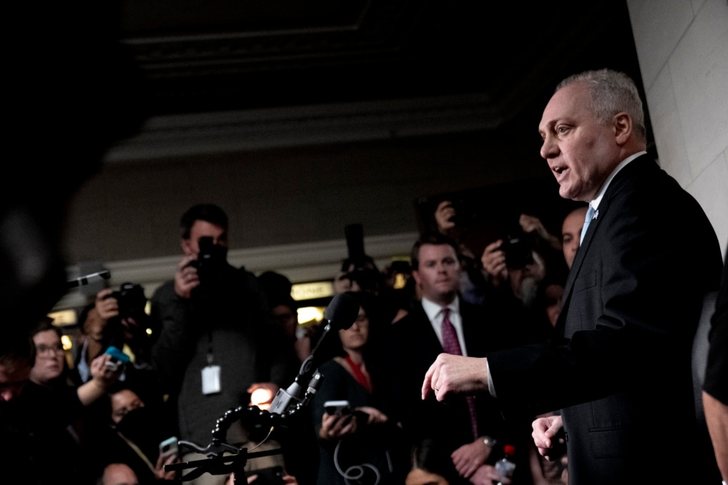
Republican Steve Scalise ended his bid to become speaker o...
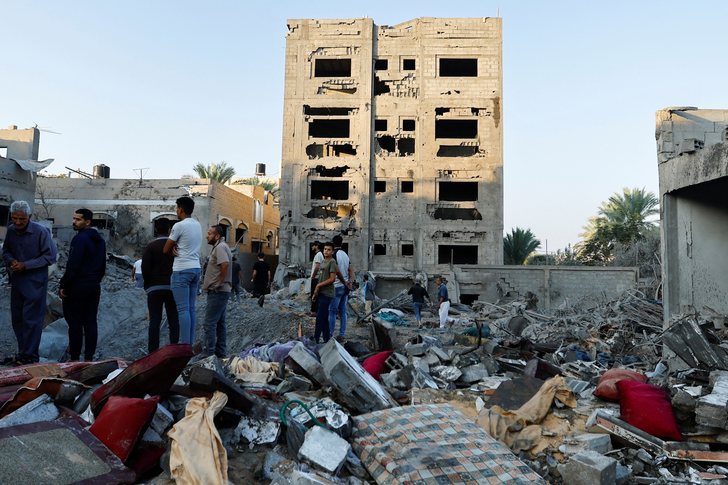
The Israeli army on Friday called on all civilians in Gaza...
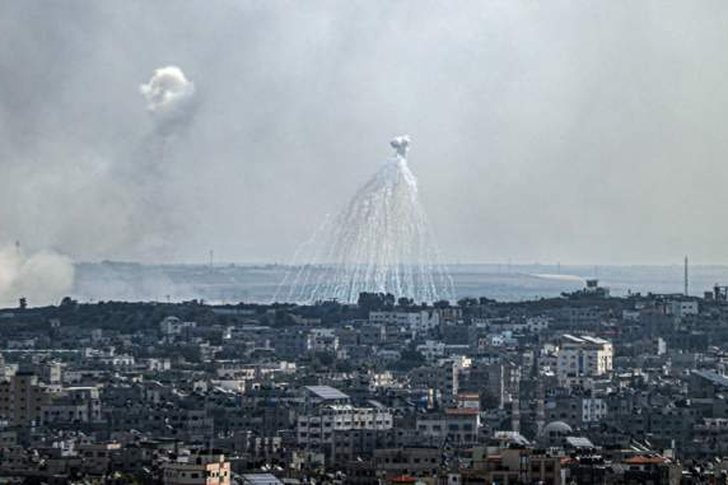
The fighting between Israel and Hamas continues to be fier...
The White House echoed calls for humanitarian aid and a co...

A woman spent more than £4,000 and married herself in a ce...
The American ambassador in Pristina, Jeff Hovenier, sa...

Britain is to send surveillance planes and two Royal N...

Scientists are testing an innovative vaccine for cat a...
The US Department of the Treasury has imposed sanctions on...
While the fighting in Israel and Gaza has overshadowed NAT...
The Ministers of Defense of the NATO member coun...
The deputy of the Socialist Party, Pandeli Majko, says...
Një rrëfim i trishtë vjen nga një baba në Izrael, i ci...

For those looking for an unforgettable Halloween exper...
Autoritetet siriane kanë njoftuar se forcat izraelite kanë...
According to diplomats in Brussels, the purpose of the...
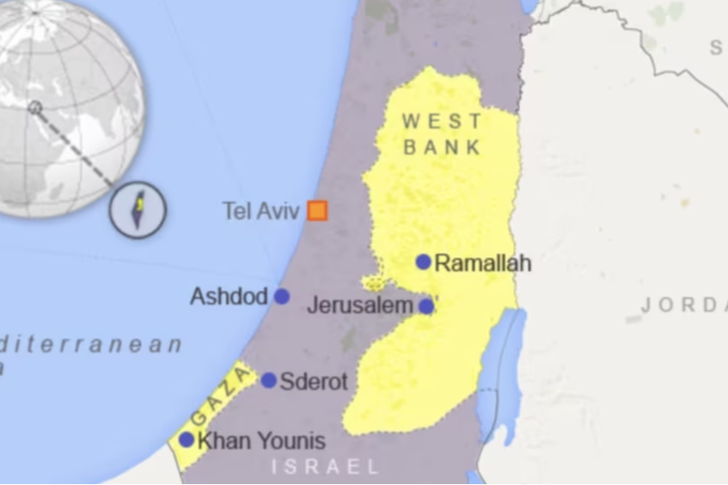
About 1,200 Israeli civilians, including women and childre...
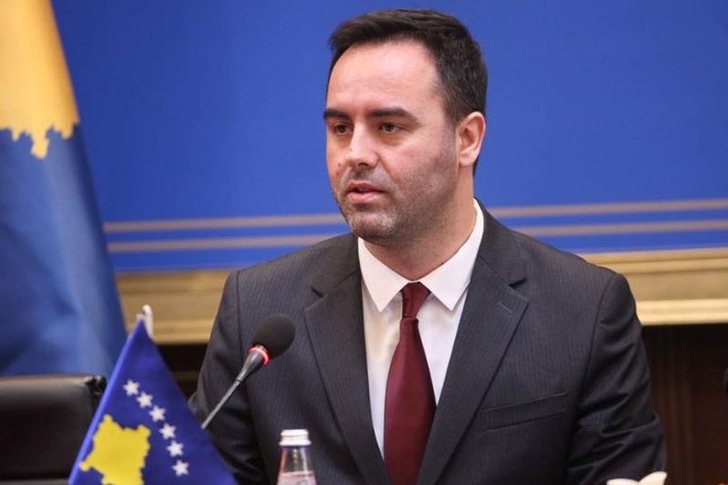
In an exclusive interview with DW Albanian, the Speake...
The 50 million euro tender for the maintenance of national...
Today we will bring another article that breaks down the w...
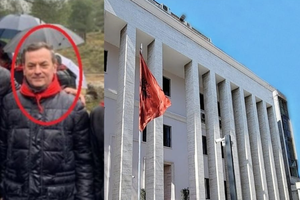
CNA has put under scanner the assets of Sokol Sadushi, the...
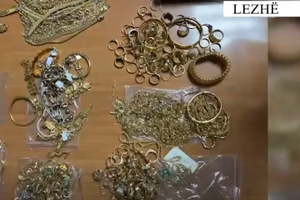
A 39-year-old citizen has been arrested in Lezha, after se...

The Special Board of Appeal (KPA) decided this Monday ...

The KPA vetting decided this Thursday to dismiss the p...

Suela Salavaçi, a prosecutor in the Prosecutor's Offic...

The Special Board of Appeal reinstated the prosecutor ...

A serious road accident occurred tonight on "Vllazërimi" s...

During the checks carried out by the State Police for envi...
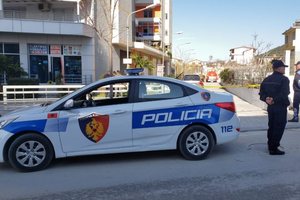
Police have revealed details of the incident that occurred...
According to preliminary information, a person in his 60s ...

The public sector took the lead in absorbing the workforce...

Today, our country will be under the influence of unstable...
The Institute of Geosciences has today shared a forecast r...

Company leaders can improve productivity by investing in a...
The Austrian government announced on Monday that it plans ...

Shots were fired outside the US consulate in Toronto today...
US President Donald Trump said today that he could order n...
The Pentagon revised its official casualty count from the ...
Two windows, a century of history and the metaphysics of p...
In my research at the Central State Archives, specifically...

At a time when industrial products are increasingly taking...

Trust among people is not just a three-syllable word. It c...

The Ministry of Finance will hold the reopening of the 15-...

After strong savings growth in the years following the pan...

This Monday, one US dollar is bought for 81.5 lek and sold...

This Sunday, one US dollar is bought for 81.5 lek and sold...