

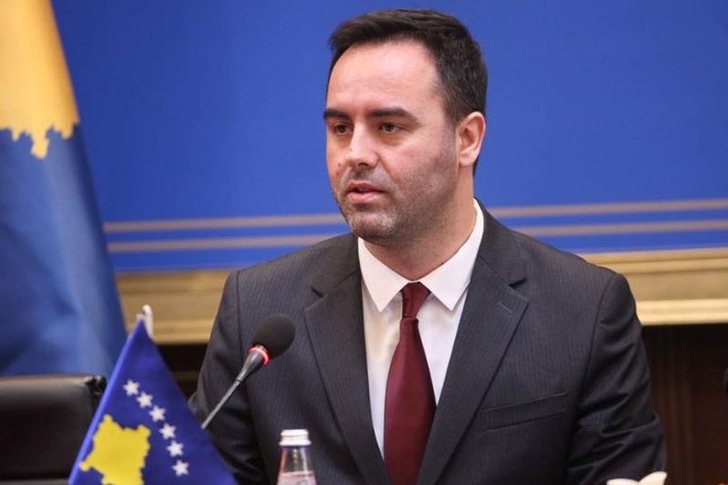
Speaker of the Assembly of Kosovo: Serbia should be sanctioned
In an exclusive interview with DW Albanian, the Speake...


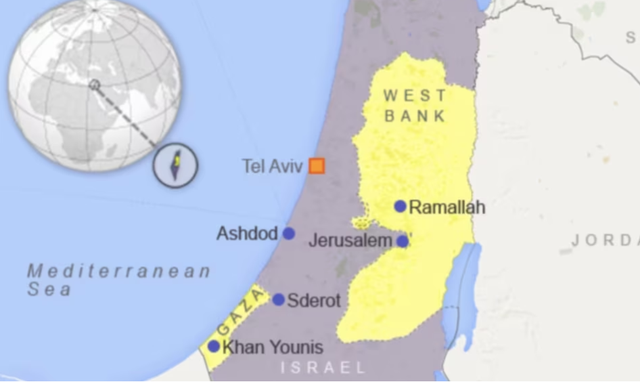
About 1,200 Israeli civilians, including women and children and babies, were killed in a Hamas attack in southern Israel this weekend. Many Israelis have not yet been found.
In response, Israel's defense minister, Yoav Gallant, ordered a "complete encirclement" of the Gaza Strip. No "electricity, food, water, fuel" will be allowed to the more than 2 million Palestinians living there under the Hamas regime, he said.
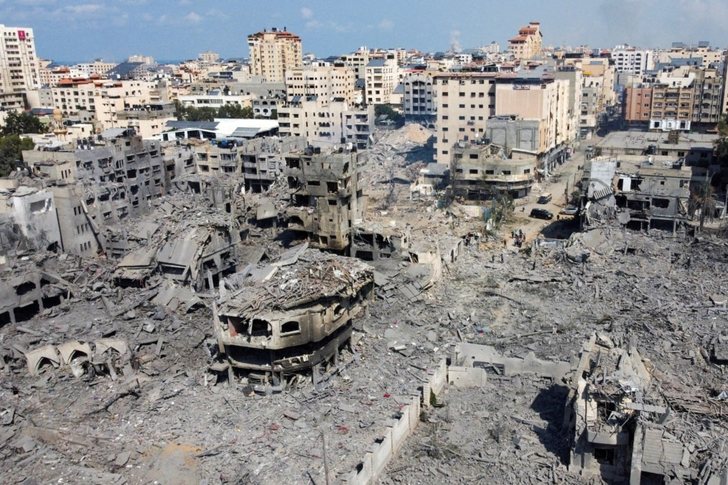
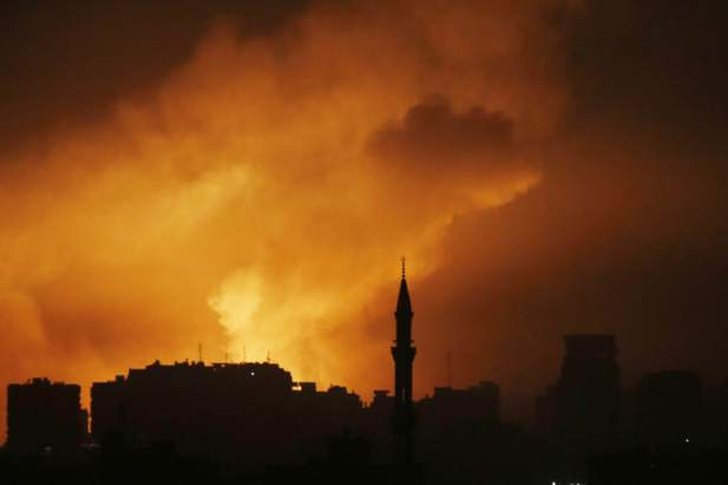
Footage from Gaza dominates social media: harrowing footage of Palestinians moving through the rubble after Israeli airstrikes.
Palestinian authorities have reported that 900 people have been killed in Gaza since Saturday, including 500 women and children, and that the number continues to rise.
To understand today's chaos in Gaza, knowledge of its history is needed.
Gaza was under the control of the Ottoman Empire until 1917. In 1922, Palestine was under British colonial rule for nearly three decades. During those years, Jews fleeing religious persecution immigrated en masse to Palestine, most from Eastern Europe where Nazism was gaining ground.
Supporters of Zionism sought to establish a homeland for Jews in Palestine, citing a historical connection to the biblical Land of Israel. The British government recognized Zionism and committed to the establishment of a Jewish state in Palestine. In 1948, the United Nations adopted a two-state plan that was roundly rejected by Arab leaders. However, Israel announced its founding.
During World War II, the Allied Powers guaranteed Arab leaders independence from colonial rule in exchange for support during the war. Many Arab Palestinians saw the creation of Israel as a violation of that promise.
In May 1948, a war broke out between Israel and five neighboring Arab countries. Israel gained and greatly expanded its territory, including Jerusalem – a holy city for Muslims and Jews.
Tens of thousands of Palestinians, many driven from their villages, fled to Gaza, a narrow 25-mile coastal strip that had just been taken over by the Egyptian military. Gaza's population tripled, to about 200,000, as refugees continued to arrive.
Egypt ruled the Gaza Strip for two decades under the command of a military governor. During that period, Palestinians were free to live and be educated in Egypt.
For years, the Fedayeen, a group of Palestinian fighters, have launched military attacks on Israel and retaliated with costly counterattacks.
Israel took the Gaza Strip during the 1967 Middle East War and removed the Egyptian governor. The Israeli army supervised this territory, while many Gazans began to find work in the settlements that the Israelis had set up near Gaza.
Watching the Israelis take over the land that once belonged to them was painful for many Palestinians – and to this day the "occupation", as many human rights activists call it, is a source of bitter indignation.
Civil unrest erupted in 1987 after an Israel Defense Forces (IDF) truck rammed into a civilian car, killing four Palestinian workers. Gazans considered the deaths a premeditated attack, a claim that has been denied by the Israeli government. Strikes and demonstrations followed, during which he was stoned.
Taking advantage of the unrest, the Muslim Brotherhood, a Sunni Islamist organization based in Egypt, created a militant group in Gaza called Hamas. In no time, Hamas became a strong challenger to Yasser Arafat, the leader of the Palestine Liberation Organization (PLO).
Hamas' stated mission is the destruction of Israel and the establishment of an Islamic government. The language of his founding charter, which calls for violence against Jews everywhere, has been widely denounced.
In 1993, Israel and the PLO agreed to the Oslo Accords, an unprecedented peace agreement that created the Palestinian Authority and gave it limited power over Gaza and Jericho, a city in the West Bank. Mr. Arafat was even allowed to return to Gaza after decades in exile.
The Oslo Accords promised statehood, but in the following years, the plan failed as the Palestinians allegedly failed to meet various conditions. As Israel continued to build settlements, Hamas gained more influence among disaffected Gazans.
At the turn of the century, divisions between Israel and the Palestinians widened after suicide bombings and shootings by Hamas in 2000 prompted curfews and checkpoints across Gaza.
Overnight, Israel virtually shut down Gaza's fishing industry, a hallmark of the local economy. Israel's reasoning was that Hamas smuggled weapons used in terrorist attacks on fishing boats.
By August 2005, the Israeli army had completely abandoned Gaza, having evacuated several settlements in the territory under what became known as a land-for-peace deal. In the Gaza Strip surrounded by barbed wire fences, black market trade was stimulated. In the absence of jobs that Israel brought to Gaza, smugglers moved goods in and out of the area through underground tunnels to Egypt.
In a major coup, Hamas won parliamentary elections in Gaza in 2006 and wrested control of the enclave from Arafat's supporters.
Hamas has not held elections since then, and Israel has maintained a blockade on Gaza for over 15 years. The United Nations in 2009 criticized the long restrictions as "causing devastation". But Israel has argued that without strict control of what goes in and out of Gaza, Hamas could be strengthened by acquiring more lethal weapons.
Egypt has also imposed tight restrictions on its border with Gaza and destroyed tunnels due to national security concerns.
In 2014, Hamas hit Israeli cities with rockets. Israel destroyed entire neighborhoods in Gaza with airstrikes in retaliation. Over 2,100 Palestinians died, most of them civilians. Hamas is often based in urban centers and has used residents as human shields in conflicts since 2007, according to NATO's Center for Strategic Communications.
The carnage that Hamas inflicted on Israeli civilians on October 7, the day of the Jewish holiday Shemini Atzeret, has attracted the attention of the whole world.
After entering Israeli cities, Hamas opened fire on a music festival and took dozens of civilians hostage. Israel hit Gaza with airstrikes, destroying entire neighborhoods.
Iran is believed to be supporting Hamas with tactical training, instructions on how to assemble rockets with advanced guidance systems, and funding of nearly $100 million a year — all of which contributed to the scale of the attack, officials said. Americans.
Analysts say Israel is preparing a frontal military attack on Gaza. A spokesman for the Israeli IDF, Jonathan Conricus, said that October 7 is absolutely "the worst day in Israeli history... a 9/11 and a Pearl Harbor combined."

In an exclusive interview with DW Albanian, the Speake...
Israel's Energy Minister Israel Katz said Thursday that th...

In some supermarkets, even packages of cheese and steaks a...
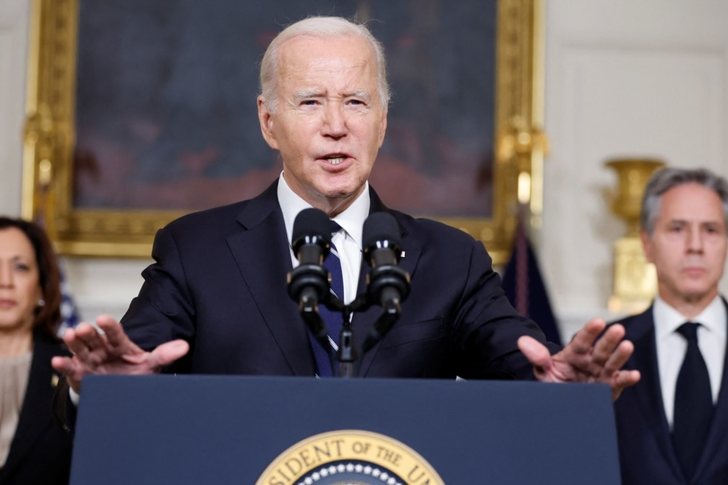
Presidenti i Shteteve të Bashkuara, Joe Biden, i bëri ...
The number of casualties from the Israel-Hamas war has dee...
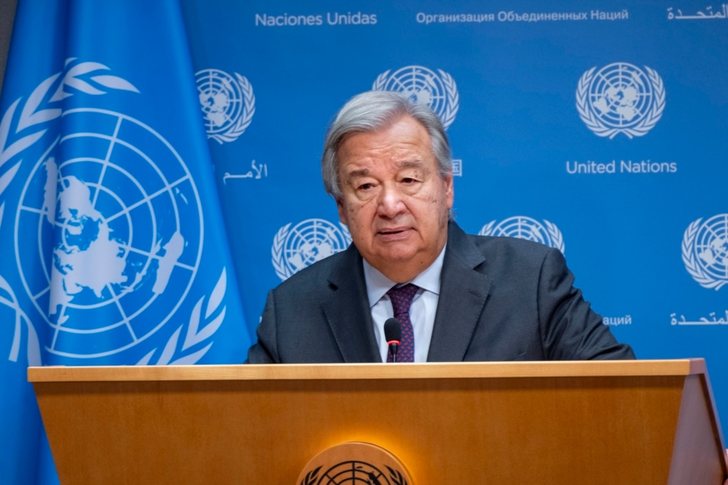
UN Secretary-General Antonio Guterres on Wednesday cal...
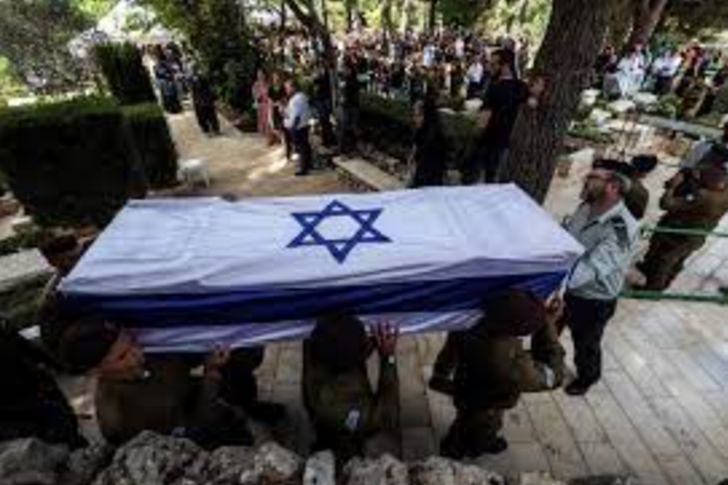
Israel formed an emergency unity government on Wednesday a...
Numri i qytetarëve amerikanë të konfirmuar se janë vra...
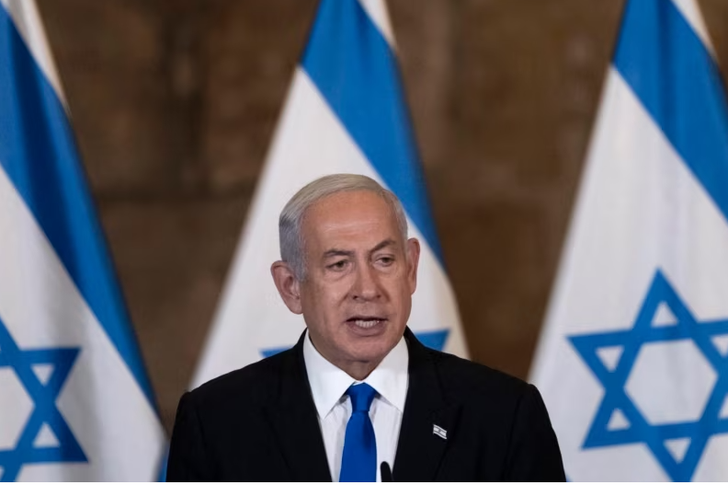
Benny Gantz an Israeli opposition politician announced...

The opposition parties in Serbia have sent a letter to...

The President of Serbia, Aleksandar Vucic, said that the S...

The President of Ukraine, Volodymyr Zelenskiy, has mad...
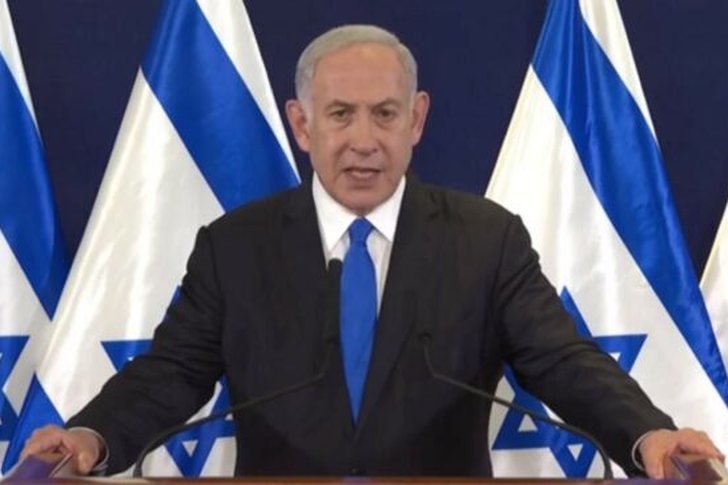
Turkish Deputy Education Minister Nazif Yilmaz has issued ...

Të mërkurën, Policia e Kosovës është duke kryer kontro...
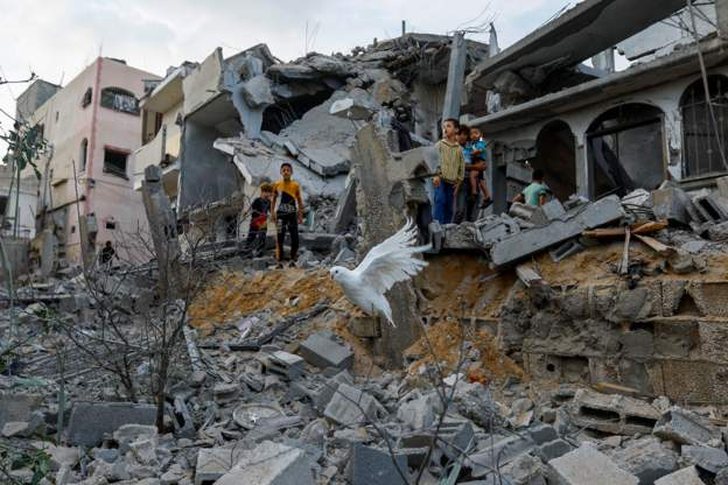
Që prej mëngjesit të së mërkurës, ushtria izraelite nuk po...
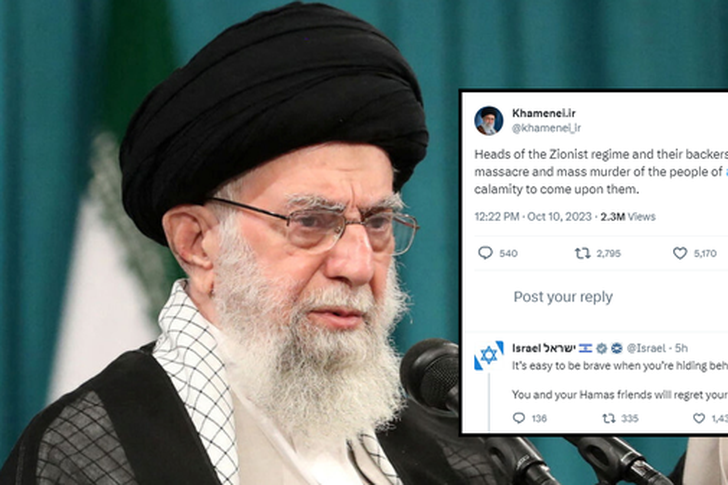
The fighting between Israel and Palestine continues to be ...
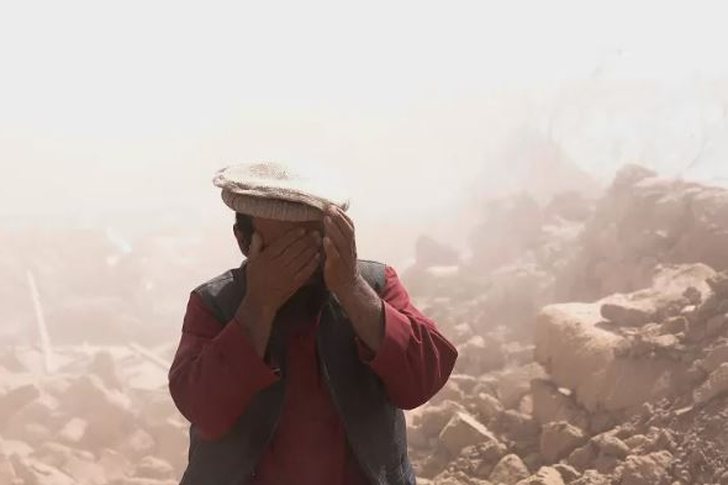
Gjatë orëve të fundit, një tjetër tërmet ka goditur Afgani...

The government coalition consisting of three parties a...

Një vajzë izraelite është cilësuar si heroinë pasi shpëtoi...
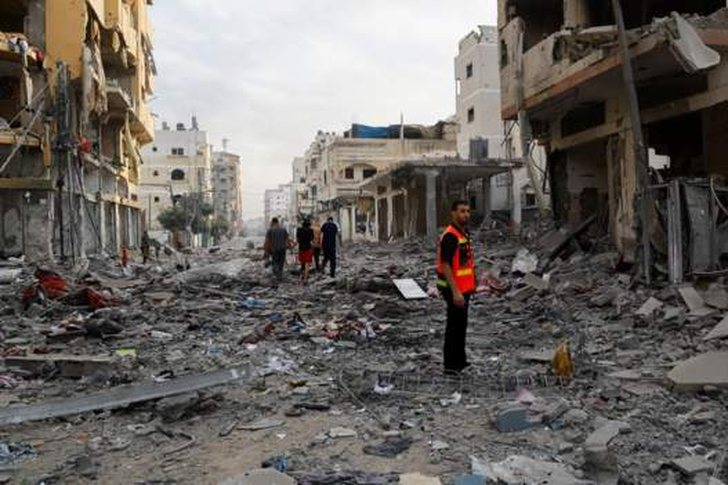
After the launch of the rocket from Lebanon towards Is...

The 50 million euro tender for the maintenance of national...

Today we will bring another article that breaks down the w...
CNA has put under scanner the assets of Sokol Sadushi, the...

A 39-year-old citizen has been arrested in Lezha, after se...

The Special Board of Appeal (KPA) decided this Monday ...

The KPA vetting decided this Thursday to dismiss the p...

Suela Salavaçi, a prosecutor in the Prosecutor's Offic...

The Special Board of Appeal reinstated the prosecutor ...

A serious road accident occurred tonight on "Vllazërimi" s...

During the checks carried out by the State Police for envi...

Police have revealed details of the incident that occurred...

According to preliminary information, a person in his 60s ...

The public sector took the lead in absorbing the workforce...

Today, our country will be under the influence of unstable...

The Institute of Geosciences has today shared a forecast r...

Company leaders can improve productivity by investing in a...

The Austrian government announced on Monday that it plans ...

Shots were fired outside the US consulate in Toronto today...

US President Donald Trump said today that he could order n...

The Pentagon revised its official casualty count from the ...

Two windows, a century of history and the metaphysics of p...

In my research at the Central State Archives, specifically...

At a time when industrial products are increasingly taking...

Trust among people is not just a three-syllable word. It c...

The Ministry of Finance will hold the reopening of the 15-...

After strong savings growth in the years following the pan...

This Monday, one US dollar is bought for 81.5 lek and sold...

This Sunday, one US dollar is bought for 81.5 lek and sold...