


‘Heroina e Izraelit’/ Njihuni me 25-vjeçaren që i bëri ballë forcave të Hamasit, shpëtoi kumunitetin e saj
Një vajzë izraelite është cilësuar si heroinë pasi shpëtoi...


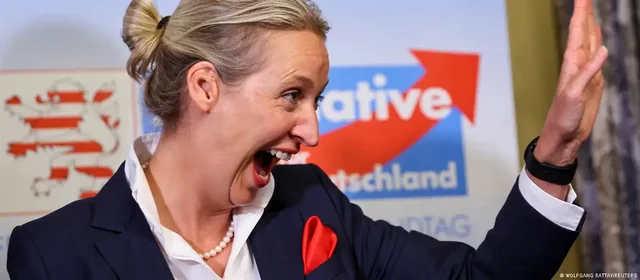
The government coalition consisting of three parties and led by Chancellor Olaf Scholz, lost in the elections held in the states of Bavaria and Hesse. Difficult for Scholz and his social democrats was the fact that the result obtained in both federal states was the worst result ever achieved in state elections in the entire history of the Federal Republic. Meanwhile, the liberal-democratic partner in the government, the FDP party, in Bavaria did not even manage to enter the state parliament.
Meanwhile, the partly extreme right-wing party, Alternative for Germany (AfD), has won. This party, described by the country's information service as suspected of being unconstitutional, received record results in the elections in both countries. In Bavaria, the AfD received 14.6 percent of the vote, becoming the third largest political force in the state, in Hesse it received 18.4 percent, becoming the second largest political force in the state.

In general, these elections do not have a direct impact on the relations of political forces in Germany, because the government alliance can continue to govern both in Bavaria and in Hesse, being led by conservatives. "In Germany, the political forces of the center continue to dominate," says the political science researcher, Karl-Rudolf Korte, when analyzing the election results for the second German television station, (ZDF). "But after that we see that the slide to the right has not happened only in the public discussion, but it is also happening in the elections," says Korte.
AfD fought in the election campaign mainly on the topic of asylum and migration. This party demands the deportation of millions of asylum seekers from Germany and Europe. And it has been fueling fear of Muslims and immigrants for years, especially those coming from Africa, Afghanistan and the Middle East.
The AfD wants to greatly limit the arrival of migrants in Germany. It seems that this is well received by many voters: according to the current figures of the Infratest dimap Institute, which deals with opinion research, the AfD can get the support of voters coming from all political camps. It has become the second largest political force among young people. Infratest dimap analyzes that the AfD is being elected more and more because of convictions, and not as a protest against the established parties until today.
At an AfD press conference held to comment on the election result, party co-chair Alice Weidel criticized Germany for allowing people from Iraq, Syria and other countries to enter the country "without restraint". Weidel demanded that: "We must to immediately stop the arrival of other people from these countries." But she doesn't talk about the fact that the majority of asylum seekers come from countries like Syria, who have the right to seek asylum, and thus their stay in Germany is legal.
The topic of asylum has dominated the political debate in Germany for months. Demands for increasing the number of deportations of asylum seekers who have been denied the right to asylum have become more vocal. The numbers of asylum seekers have increased again. In 2023, including September, 250,000 asylum requests were made in Germany, a number that is greater than the total number of the entire previous year. Most of the asylum seekers, according to the data of the authorities, have the right to seek protection, that is, they have the right to stay. In the debate about asylum, there have been voices calling for limiting the numbers, without saying how this can be done.
Especially the conservative Christian Democrats and Social Democrats have taken up the topic of asylum and migration. A day after the elections in Bavaria and Hesse, Chancellor Scholz called for action on migration policy. "We see that the atmosphere is changing in Germany," Christian Democrat general secretary Carsten Linnemann said on ARD television's morning news program, given the high numbers of refugees.
Schools and kindergartens do not have enough personnel to take care of children, the social burden is also seen in the health system. This is further aggravated by the refugees. According to the estimates of the Federal Association of Social Security Physicians, this claim is not true. "The reason has nothing to do with the rejected asylum seekers, but with the bad financing of the health system, on an ongoing basis," said the chairman of the presidency, Andreas Gassen, in an interview with ZDF.
The debate on asylum and migration will quickly prompt the government to act. The leader of the ruling Social Democratic party, Saskia Esken, promised to make decisions quickly on the subject of migration: "Chancellor Olaf Scholz has asked the states, municipalities and the Christian Democratic Union to cooperate in this area," Esken said after the meeting of party leaders.
Meanwhile, many associations and organizations warn about the dangers of reducing asylum rights in Germany. A group of 270 scientists have demanded that Germany bear historical responsibility. A statement said: "In World War II, National Socialist violence caused the persecution, deportation, and killing of millions of people. Efforts to rally the international community to accept Jewish and other refugees failed. Although at risk of death, many people they found themselves in front of closed doors."
Instead of fueling fear of migrants and refugees, politics should develop a debate "oriented by facts, empirical data and a constructive debate"./ DW

Një vajzë izraelite është cilësuar si heroinë pasi shpëtoi...
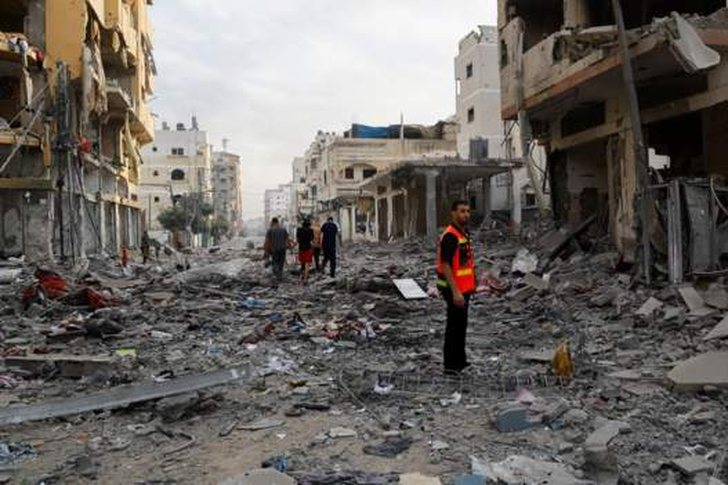
After the launch of the rocket from Lebanon towards Is...
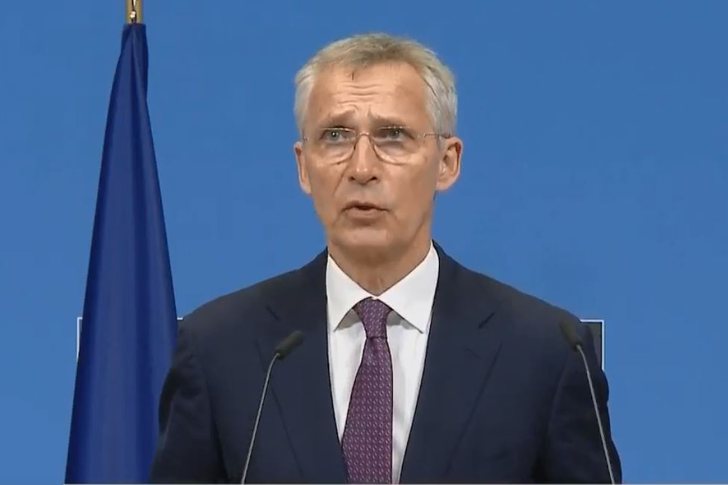
The Secretary General of NATO, Jens Stoltenberg, has s...

Miliarderi amerikan Elon Musk i është përgjigjur letrë...
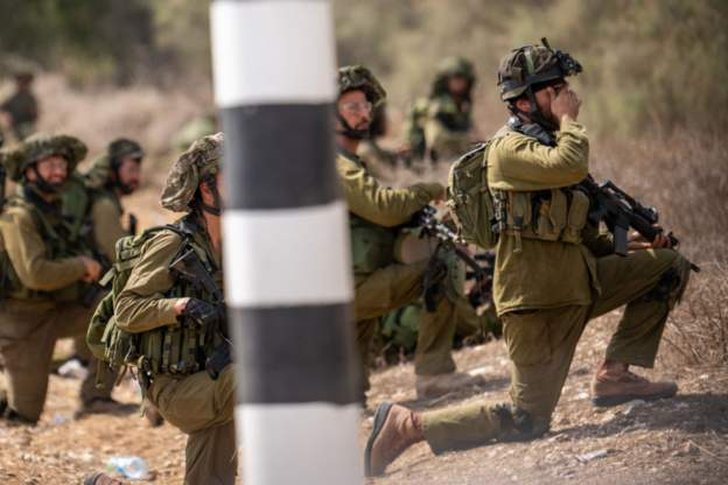
Termocentrali i Gazës është aktualisht burimi i vetëm ...
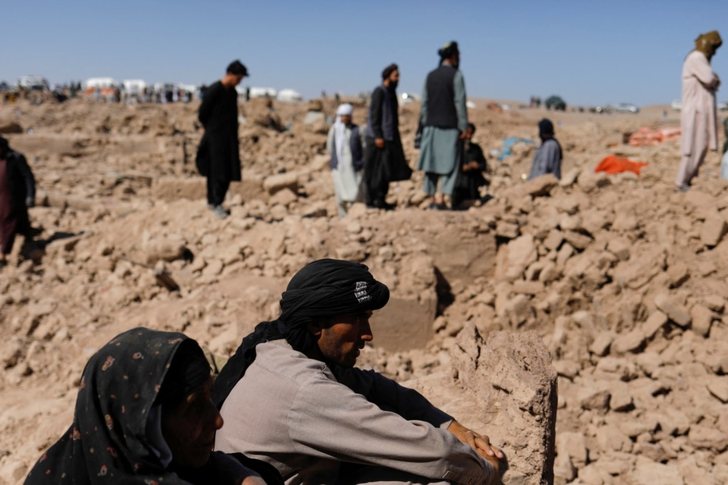
Another powerful earthquake shook parts of western Afghani...

Israeli retaliatory attacks on Palestinians have continued...
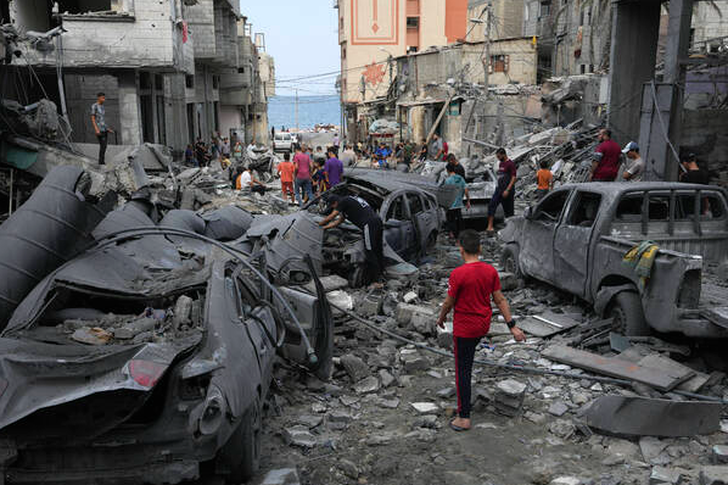
The war in Israel is taking lives. Airstrikes have not...
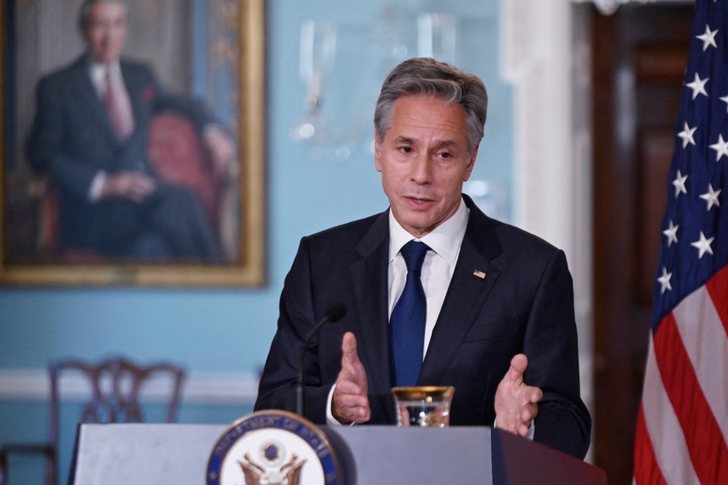
US Secretary of State Antony Blinken will visit Israel...
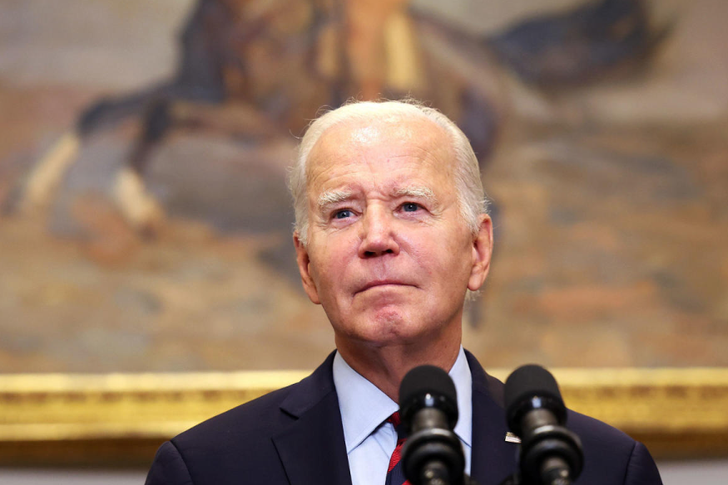
President Joe Biden strongly condemned Hamas terror at...
Germany has announced a new aid package worth about 1 ...
Israel's military forces have revealed details of the ...
After the recent explosions and attacks, the death tol...
The former vice-president of the Serbian List, M...
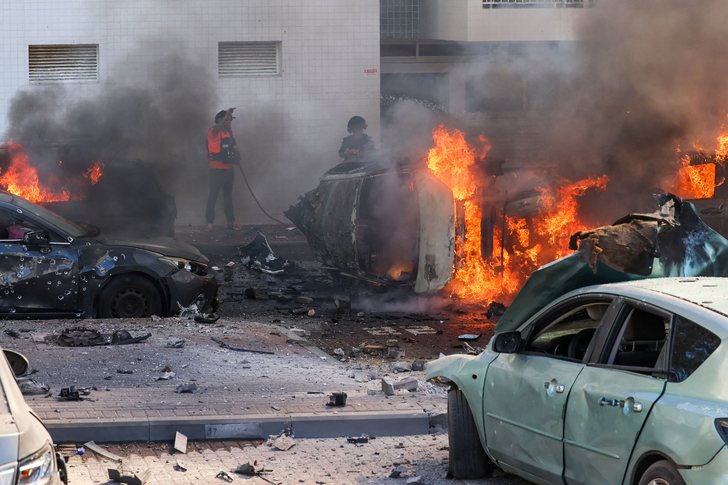
Hamas militants have carried out massacres in Kfar Aza in ...

An 89-year-old woman was brutally beaten and raped by ...

After the warning to evacuate the residents of the city of...

A woman who claims to have the world's biggest lips is...

Germany's public prosecutor's office is investigating ...
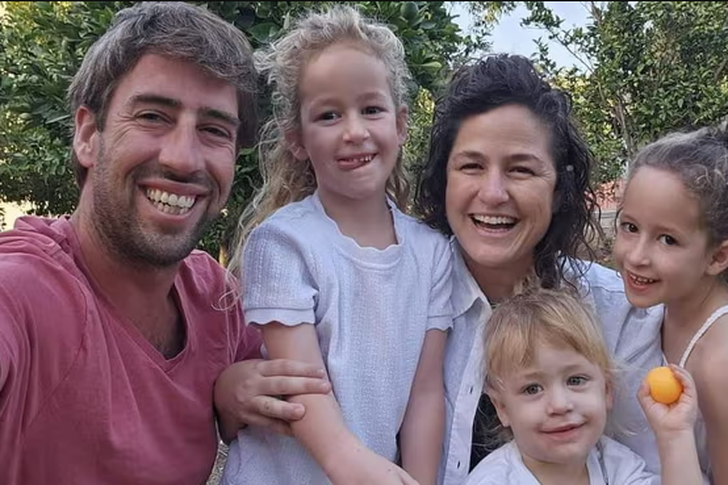
Sad stories have come out of the fighting in Israel. O...

The 50 million euro tender for the maintenance of national...
Today we will bring another article that breaks down the w...
CNA has put under scanner the assets of Sokol Sadushi, the...

A 39-year-old citizen has been arrested in Lezha, after se...

The Special Board of Appeal (KPA) decided this Monday ...

The KPA vetting decided this Thursday to dismiss the p...

Suela Salavaçi, a prosecutor in the Prosecutor's Offic...

The Special Board of Appeal reinstated the prosecutor ...

A serious road accident occurred tonight on "Vllazërimi" s...

During the checks carried out by the State Police for envi...

Police have revealed details of the incident that occurred...
According to preliminary information, a person in his 60s ...

The public sector took the lead in absorbing the workforce...

Today, our country will be under the influence of unstable...

The Institute of Geosciences has today shared a forecast r...

Company leaders can improve productivity by investing in a...

The Austrian government announced on Monday that it plans ...

Shots were fired outside the US consulate in Toronto today...

US President Donald Trump said today that he could order n...

The Pentagon revised its official casualty count from the ...
Two windows, a century of history and the metaphysics of p...

In my research at the Central State Archives, specifically...

At a time when industrial products are increasingly taking...

Trust among people is not just a three-syllable word. It c...

The Ministry of Finance will hold the reopening of the 15-...

After strong savings growth in the years following the pan...

This Monday, one US dollar is bought for 81.5 lek and sold...

This Sunday, one US dollar is bought for 81.5 lek and sold...