

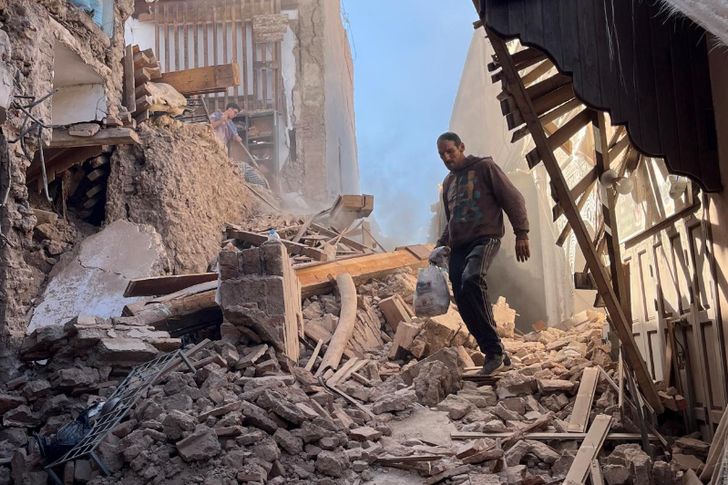
Tragic balance/ The number of victims from the catastrophic earthquake in Morocco reaches 1037
The death toll from the Morocco earthquake has risen to 1,...


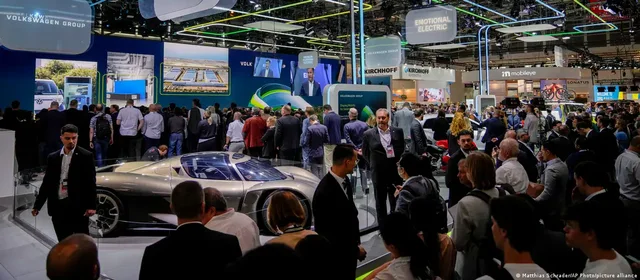
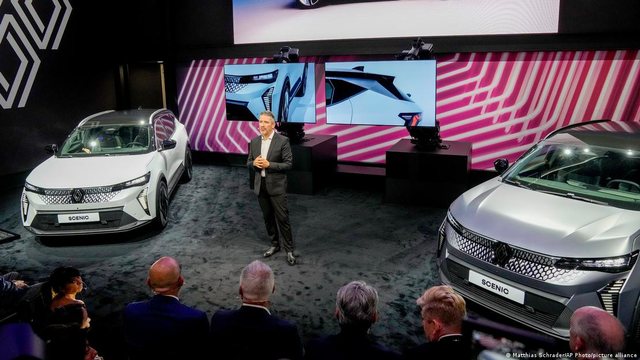
With decisive statements, Germany's political leaders are trying to keep on track a discussion that has started in Germany about the future of the German automobile industry.
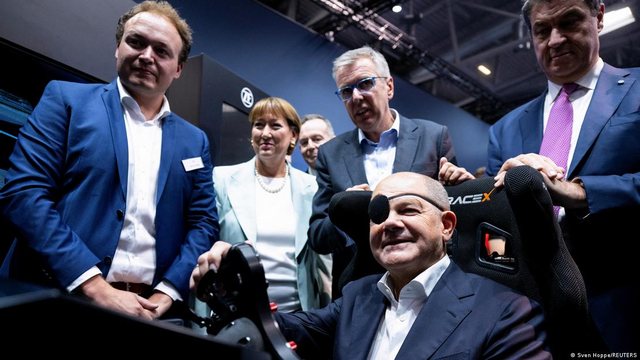
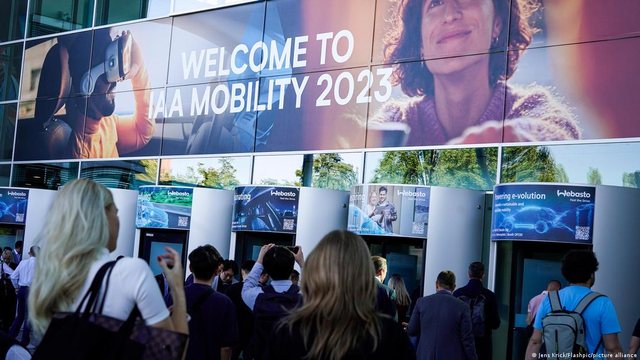
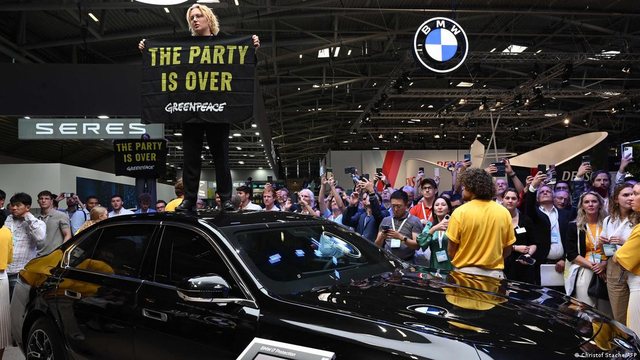
German Chancellor Olaf Scholz defended the competitiveness of German automobiles at the IAA 2023 motor show, which is being held in Munich. "The international competitiveness of the German automotive industry is not even discussed," said Scholz. It is no coincidence, he said, that the pioneer of electric cars, Tesla, built his factory in Brandenburg. While Bavarian Prime Minister Markus Söder said that his federal state feels committed to automobiles. "Bavaria is a land of automobiles," the automobile is "part of our Bavarian DNA," he said.
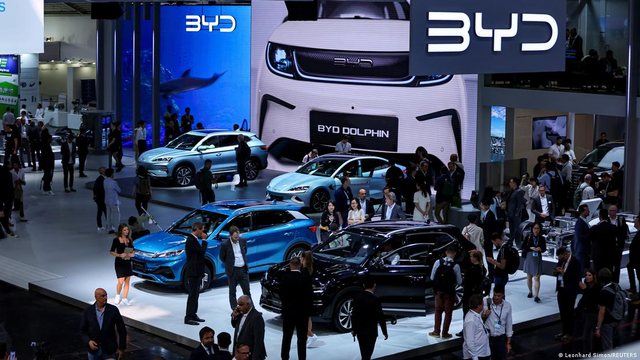
The statements are made in the background of discussions taking place these days in public, with which the collapse of the German automobile industry is predicted. According to some critics, it is irreparably behind electric cars. The confident showing, for the first time en masse, at the Munich Motor Show of Chinese electric car manufacturers (with 70 firms) has stirred critics. German motorists' associations demand affordable energy prices, less tax and red tape, to make the work worthwhile.
The discussion is understandable, since Europe and in this context Germany are facing a more aggressive competition than expected from the Chinese automobile industry. For Germany, the future of one of the country's key industries is at stake: almost 1 million jobs in Germany today depend directly on the automotive industry. Over 3 million cars (3,096,165) were produced in Germany, according to the latest available data (2021) (for comparison France (918,000), Great Britain (859,575) produced at the same time less than one million cars each ). This figure for Germany is still far from the record figure of 2016, when almost 6 million cars (5,746,808) were produced.
Production is owned by the Volkswagen Group - the world's largest automotive concern - Daimler and BMW, as well as the American and French subsidiaries Ford and Opel.
Germans and other Europeans also find themselves under pressure because they have put an expiration date on the internal combustion engine. New vehicles, purely with a combustion engine, can only be sold in the EU until 2035, i.e. another 12 years. (At the insistence of Germany and Italy, the EC is expected to extend this deadline for vehicles running on fuels produced with carbon captured from the atmosphere and hydrogen captured from renewable electricity).
The automotive industry in Germany faces three challenges: climate change, which brought about the decision for electric vehicles; technological change and increased global competition.
It is a fact that Germany, the inventor of the automobile, realized the advantages of electric vehicles late. The tremendous success in selling vehicles with internal combustion engines probably lulled German automakers into a false sense of security. American Tesla boldly broke new ground with its electric vehicles. Chinese automakers also took advantage of the opportunity afforded by technological change.
In combustion engine vehicles, for which German engineers are famous, the Chinese never became serious competitors. Electric vehicles on the other hand are technically simpler. With heavy government sponsorship, Chinese automakers invested early in electric vehicle technology and networking. In April of this year, at the Shanghai Auto Show, Germans saw with admiration how much China had progressed in the three years since the pandemic ended.
Despite the pressure from the competition, the race for the German automobile industry is not lost. And this for many reasons.
The German automobile industry has already overcome several crises in the last 100 years. In the 1970s and 1980s, it responded to the oil crisis by building more fuel-efficient vehicles; the economic crisis at the beginning of the 90s, German concerns like VW coped with a new working time model (four-day week); the financial crisis of 2008, the automotive concerns coped with help from the state: compensation for working with reduced hours, compensation for the purchase of a new vehicle and for sending old vehicles to scrap.
The current challenges are considered by some to be existential. The skills of German engineers have traditionally been particularly outstanding in the construction of combustion engines, bodywork, vehicle mechanics and the ease of use of automobiles.
The heart of the vehicle today, however, is the computer program that drives the vehicle, the software. Today's electric vehicles are "data platforms on wheels." The main parts of an electric vehicle today are the battery, the electric motor, the vehicle's power electronics, the electric vehicle charger.
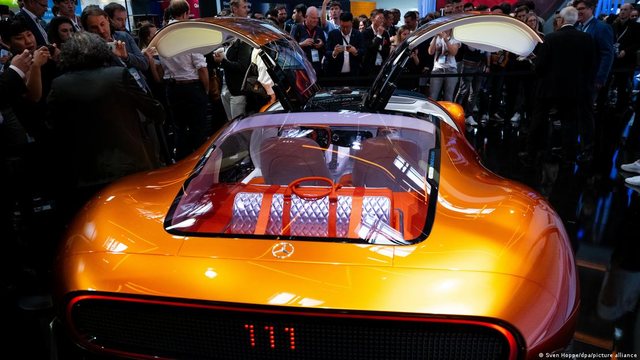
German car manufacturers, despite the delay, have been on the course for years to catch up with the world leaders, Tesla and others: Volkswagen and Audi, Daimler and BMW have invested billions of euros for the transition to electromobility for years.
Germany is supported in the transition by factors such as a long tradition of vehicle construction, a network of competent suppliers and, above all, excellent professional training of employees. Since the end of the 19th century, Germany has also been a world leader in the production and export of electrical and electronic equipment.
Germany is still a great automobile country, to express it in the words of a Chinese representative at the Munich fair. At least 64% of the vehicles produced in Germany are exported.
The figures for the production of electric cars are also significant: half of the electric vehicles sold in Europe today are produced in Germany (including Tesla's production). In terms of electric vehicles registered in Germany, Volkswagen surpassed Tesla in August (over 41,000 vehicles versus 38,000 vehicles).
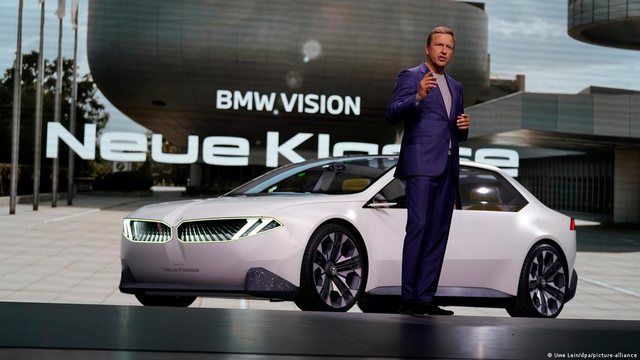
Various studies have found that until a few years ago (2017) German car manufacturers owned 20% of the market for the sale of electric vehicles, just like with conventional vehicles. As for hybrid vehicles, i.e. electric vehicles with both batteries and combustion engines, the Germans have owned 40% of the market.
In patents for batteries for electric vehicles, Germany is one of the main global players, 10-15% of patents for these batteries are held by Germans. Weaknesses exist in the production of battery cells, due to raw materials. For this, the Germans have started cooperation with the Americans.
The Germans also hold many patents for vehicle power electronics and electric vehicle chargers. Even in terms of the production and export of electric motors, the Germans have a good position.
Several German electric vehicle models are already competing successfully on the world market. Audi e-Tron, Mercedes EQS, Porsche Taycan, Volkswagen with Skoda's Enyaq, are the most successful models. In numbers: in 2023, 20% of the vehicles that Germany exports are electric vehicles.
In terms of vehicle software, BMW has built its own BMW OS7 software, Daimler UK. OS and VW system VW.OS. It is expected to see how quickly the German systems will cope with the competition of TESLA, but also of the Chinese systems.
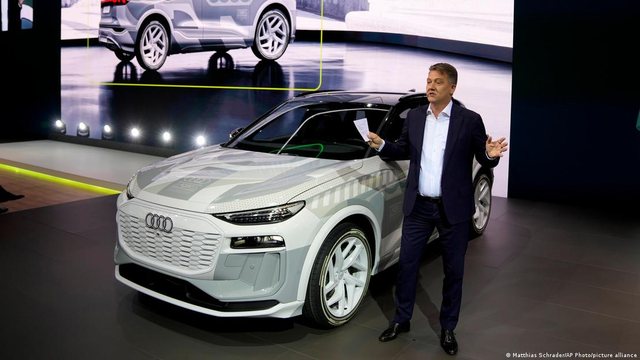
German engineers are known for their creativity. In a quantitative and qualitative assessment of 29 global automotive concerns and 90 brands, which was made this year by the Center of Automotive Management (CAM), as a concern, the Germans lead for innovations, followed by the Chinese. It is about technical innovations in the vehicle that significantly improve the benefit of the customer compared to the past, innovations in electric motors, in autonomous travel, in connectivity.
Volkswagen Group and Daimler occupy the first and second place, with 160 and 145 technical innovations, respectively. They are followed by two Chinese concerns. BMW comes in 7th place with 90 innovations.
In addition to the skills they possess, in order to compete in this field, the German engineers of the concerns are building joint production platforms with the Americans and the Chinese.
To produce vehicle batteries, BMW plans to set up a factory in Germany with American battery developer Solid Power. Volkswagen is the main sponsor of Silicon Valley startup QuantumScape, which is building prototypes of state-of-the-art batteries for the German concern.
The Volkswagen concern will use the vehicle platforms of the Chinese car manufacturer Xpeng for its products. BMW is developing with the Chinese concern Great Wall the platform for the smallest Mini Cooper S electric vehicles. Daimler has left the production of the smallest SMART vehicle to the Chinese concern Geely.
Electric vehicle charging infrastructure is crucial for electric vehicles to spread more quickly in Germany and Europe. The second element is the charging speed of the electric vehicle. The German government has decided to avoid both of these problems.
In the coming weeks, Germany will pass a law forcing gas station owners to install fast chargers for electric vehicles with at least 150 kilowatts. 1 million charging points will be set up by 2030. There are currently over 90,000 public and 700,000 private charging points in Germany. The German Development Bank will subsidize private charging points with loans in combination with solar panels and energy storage.
Even the automotive concerns themselves, VW, Mercedes-Benz, BMW, Ford and Hyundai with a special operator (Ionity) will build fast charging points for electric vehicles.
The Germans are also showing interest in the use of hydrogen in the automotive industry. They have joined other Europeans and the first experiments are promising.
In the world, German cars are highly valued for their power, speed and durability. The epithet "flying dragon" has regularly accompanied these works of art by German engineers.
Whereas in Germany, for the locals, the car is a myth, it is a symbol of freedom and independence. The Germans associate these definitions with conventional cars and not with electric ones.
The automobile is for the Germans further a precious object of value, not just an object of use, as it is seen e.g. from the French neighbors. Many Germans also associate social status with the brand and class of the car.
Although this tradition is somewhat wavering in the younger generation, which prefers more environment-friendly means of mobility, such as (electric) bicycles, electric scooters, Germans are far from abandoning the automobile.
The race today is for the price of electric vehicles. The advantage of Chinese vehicles is their low price (also thanks to the sponsorship of production by the Chinese government): they cost on average about 40% less than German vehicles. This is also related to the fact that the Chinese offer a lot of small and medium vehicles. German electric vehicles are mainly luxury, although the portfolio of German manufacturers is expanding with new models.
The German automotive industry has achieved remarkable things in the last 100 years. There is a basis for the Germans to continue this technological success story in this field as well. In the age of individualists, in the segment of luxury electric vehicles, the Germans have a strong position, in front of the "uniform dough" of all others./ DW

The death toll from the Morocco earthquake has risen to 1,...
The International Atomic Energy Agency warned of a possibl...
A study from the University of Nebraska has revealed a dis...

An unusual event happened on the 50th birthday of the Belg...

A rather touching photo posted on Facebook by the Kapsioti...
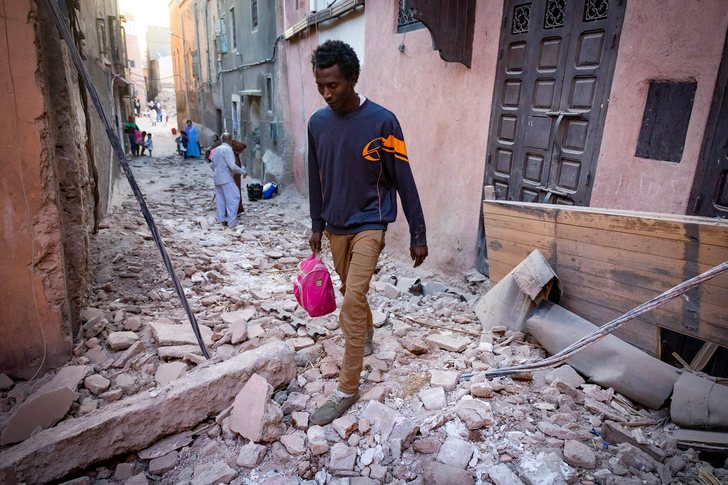
More than 800 people have been killed after a powerful 6.8...

Pope Francis is apparently a big fan of Sylvester Stallone...
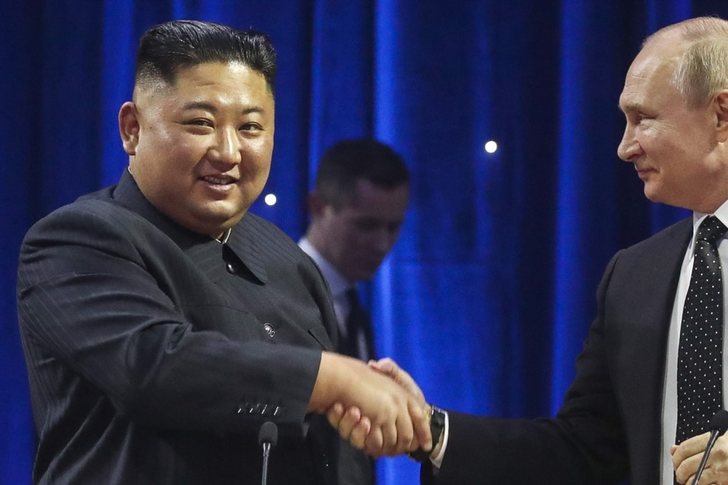
The President of Russia, Vladimir Putin, has asked the lea...
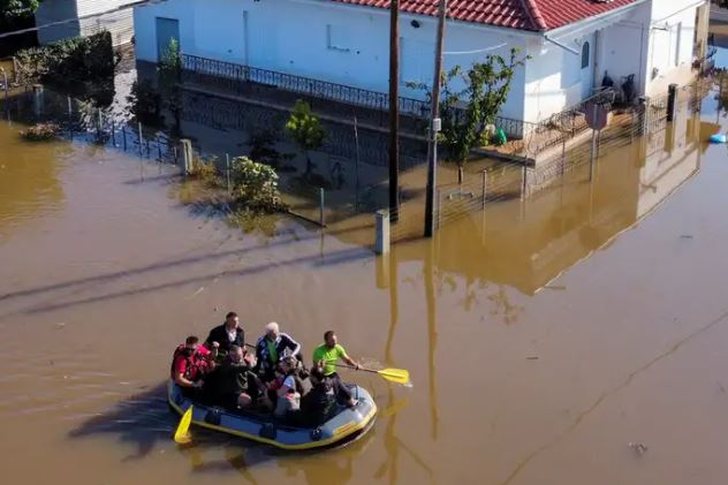
Storm "Daniel" has destroyed entire territories. In some a...

Tërmetet ndodhin në çdo kontinent të botës, nga majat më t...
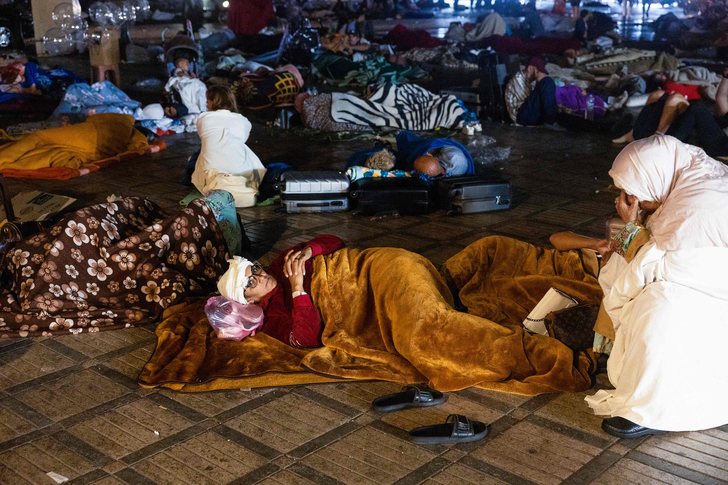
The number of victims and injured is increasing after the ...

Një tërmet i fuqishëm, 6.8 ballë ka goditur Marokun , duke...
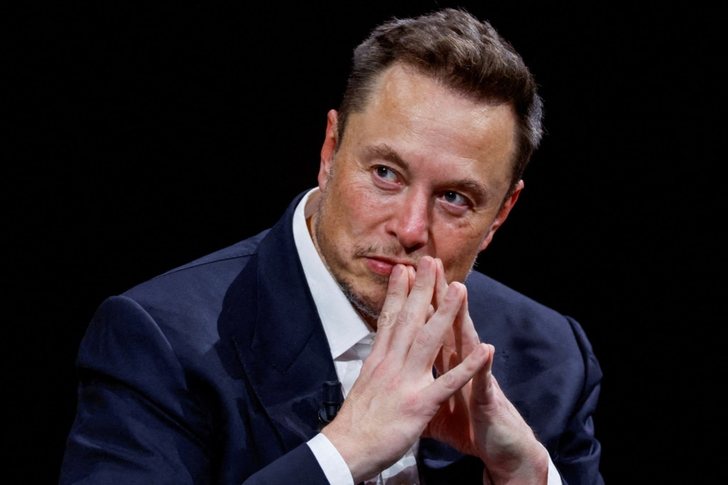
Billionaire Elon Musk has said he has refused to give Kiev...
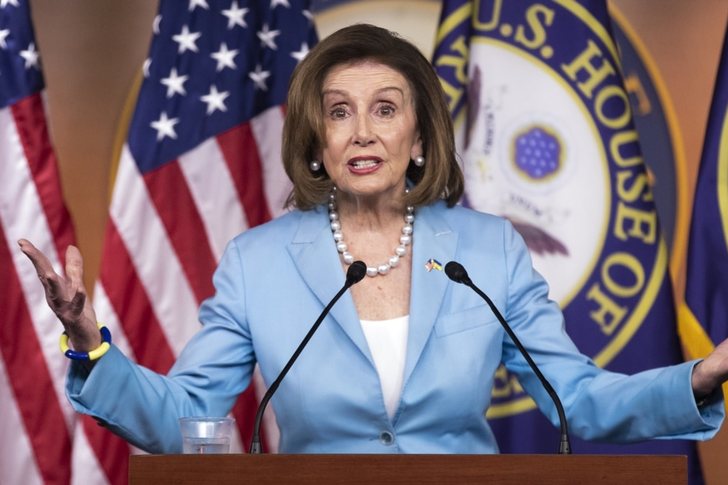
Nancy Pelosi, the former leader of the House of Repres...

Rainstorm Daniel in central Greece has caused 10 victims a...
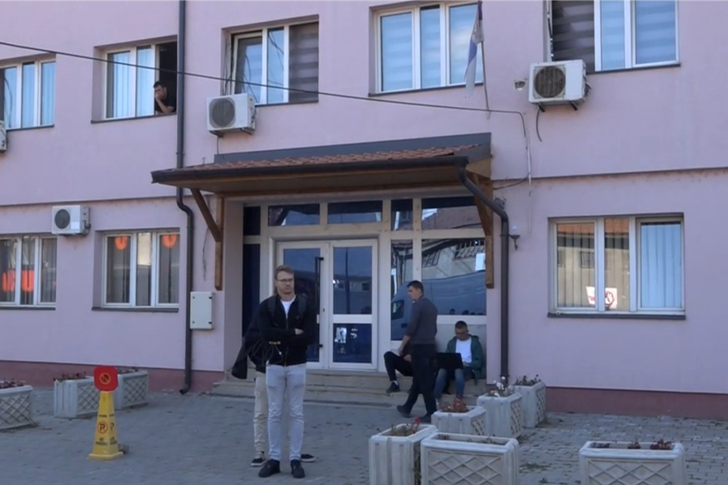
The mayor of the municipality of North Mitrovica, Erden At...
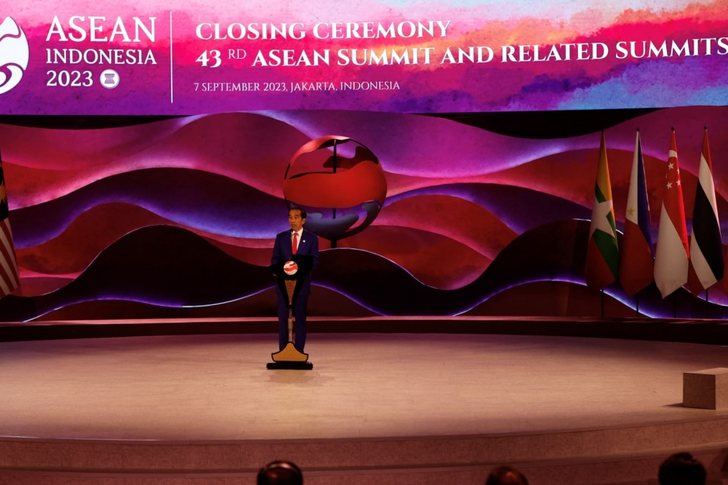
At a time of heightened geopolitical rivalry between the U...
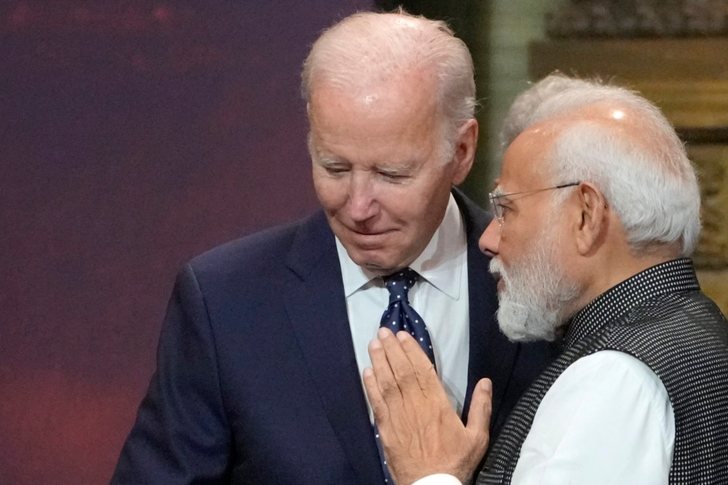
President Joe Biden held closed-door discussions with Indi...
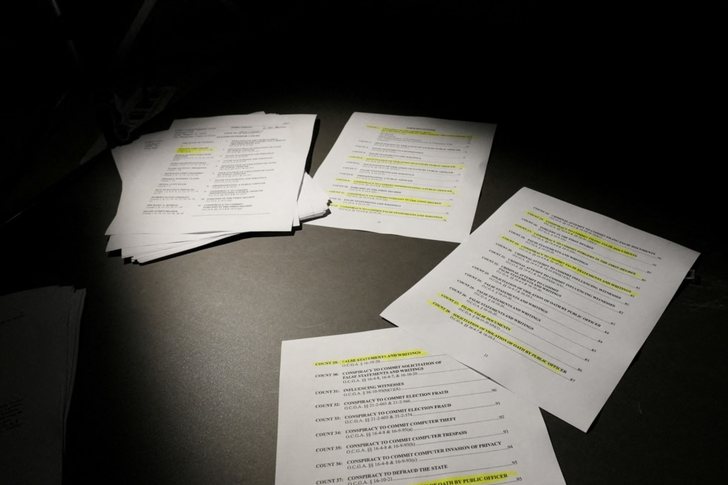
A Georgia grand jury had recommended criminal charges agai...
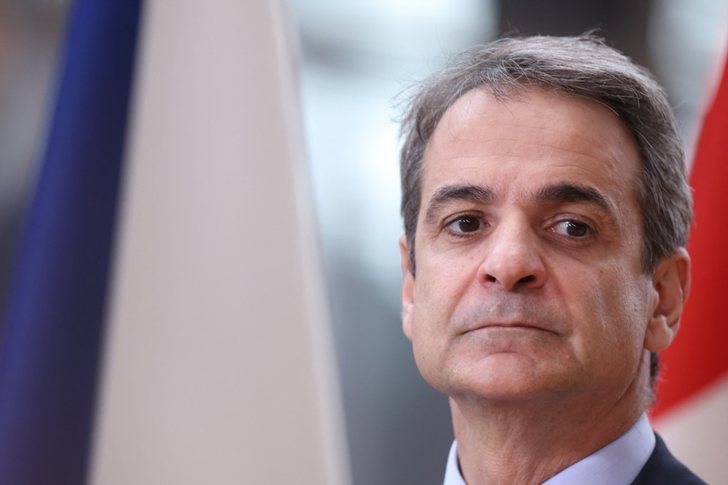
Greek Prime Minister Kyriakos Mitsotakis vowed on Frid...

A 39-year-old citizen has been arrested in Lezha, after se...

CNA has launched another investigation that could lead to ...

Irfan Hysenbelliu is a businessman that we call "Irfan the...

In March 2026, CNA launched another investigation centered...

The Special Board of Appeal (KPA) decided this Monday ...

The KPA vetting decided this Thursday to dismiss the p...

Suela Salavaçi, a prosecutor in the Prosecutor's Offic...

The Special Board of Appeal reinstated the prosecutor ...

Following the successive operations carried out by the ope...
The Police Supervision Agency has seized the service weapo...

A serious incident occurred in Lushnje, where citizen IY, ...
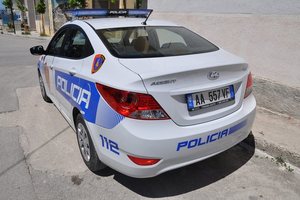
As a result of the investigative and procedural actions ca...

As the year 2026 is in its second half, the world is exper...

Today, our country will be under the influence of stable a...

By noon, cloudiness is expected to prevail in almost all o...

Children without parental care, for whom alternative famil...

Serbia's Minister of State Administration and Local Self-G...
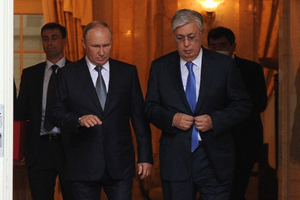
Kazakh President Kassym-Jomart Tokayev shared some critici...
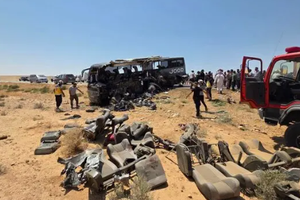
Thirty-five people were killed and 30 others were injured ...
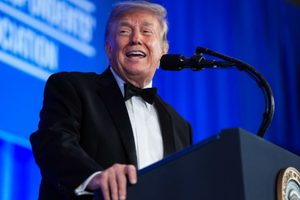
US President Donald Trump has announced that he will seek ...
Two windows, a century of history and the metaphysics of p...

In my research at the Central State Archives, specifically...

At a time when industrial products are increasingly taking...

Trust among people is not just a three-syllable word. It c...
This Saturday, one US dollar is bought for 81.7 lek and so...
War, weather and supply disruptions could send gas prices ...

The number of active enterprises in Albania continued to g...
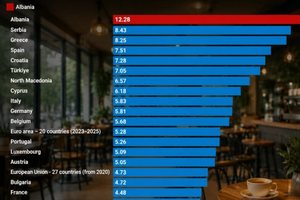
In Albania, the bar-cafe has long become an almost unique ...