


"With fake but original FB"/ Rama stings Qori, Lapaj and Shehaj
Prime Minister Edi Rama has ironically mocked the infiltra...

Prime Minister Edi Rama has ironically mocked the infiltra...

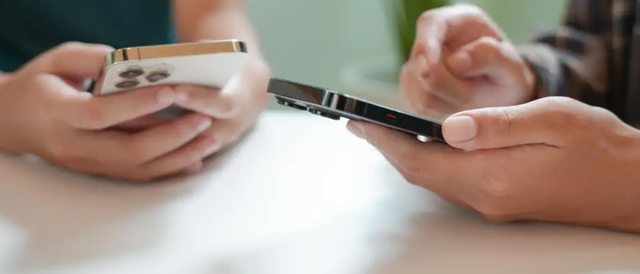
Nearly half of young people would rather live in a world without the internet, according to a British survey. This unusual statement is partly reflected in new trends.
The so-called "The Offline Club" has almost 530,000 followers on "Instagram". This sounds almost ironic, because in "Offline Club" the goal is actually to consciously disconnect from social networks - and therefore away from "Instagram". Running this account gives you an "unusual" feeling, say the three founders Jordy, Ilya and Valentijn in their self-introduction. The three young people from the Netherlands want to "restore humanity to today's isolated and screen-obsessed society" with "Offline Club" - as they describe it in English.
For about a year now, they have been organizing meetings with many others who think the same way: There are no smartphones or laptops at these meetings. "Are you ready to ditch your phone?", says a posted "reel". And it seems that more and more people are willing to turn off their mobile phones sometimes - at least during the meeting at "Offline Clubs". They mostly turn off their mobile phones for a few hours, but sometimes for several days in a row. Instead of constantly staring at their smartphones, during the meetings they read, play, do manual work or relax. Just like in the old days, when there were no smartphones, "Offline Club" advertises.
This concept from the Netherlands has spread throughout the world within a year. Amsterdam was among the first places. But London, Paris, Milan and Copenhagen followed. The first meetings of this kind have also been held in Germany. More and more restaurants or clubs are also being added, where customers are asked to leave their mobile phones at home.
Constantly online – willingly or unwillingly
With "Offline Clubs" it seems that the founders have touched a nerve of the times. Because first of all, young people often find it difficult to disconnect from their mobile phones - despite the possibility of configuring the mobile phone, which can limit the time of use. Although welcomed on social networks, the return to foldable phones without apps, in German slang called "boring phones", has not been able to displace smartphones.
According to data from German technology firm bitkom, by the end of 2024, 16- to 29-year-olds will spend more than three hours a day on their smartphones. This makes them the most likely to spend more time on their smartphones than any other age group. But the actual amount of time spent on smartphones may be even higher than is currently known.
Study: Nearly half want a world without the internet
Many young people actually want to spend as little time on their smartphones as possible. According to a new survey by the British public services organization, the British Standards Institution (BSI), almost 70 percent of 16 to 21-year-olds feel worse when they spend most of their time on social media. For this reason, half would prefer a "digital lock" that would limit access to various apps and websites after 10 p.m. 46 percent even say that they would prefer to be young in a world without the internet.
The study surveyed 1,293 young people. The results are consistent with other surveys, such as a survey conducted at the end of 2024 by the American polling institute Harris Polls. In this survey, many young people expressed the wish that "TikTok", "Instagram" or "X" had never been invented.
How is politics protected?
This could be grist for the mill of some politicians – although the efforts against the backdrop of strong demands from young people seem to be lame. British Technology Minister Peter Kyle, according to the Guardian newspaper, hinted (20.05.2025), that he will consider the possibility of mandatory bans on these systems at certain times. Norway will raise the age of permission to use social networks from 13 to 15.
Australia leads the world in this, raising the age of consent to use social media to 16 by the end of 2024. Other countries, such as Denmark, have changed their education policy by almost completely banning tablets and smartphones in schools.
Depressed by your cell phone?
Excessive smartphone use, meanwhile, is linked to various psychological problems such as depression, feelings of fear, stress, sleep disorders and addiction. In a study published earlier this year in the scientific journal "BMC Medicine", symptoms were reduced by 27 percent after reducing the time spent using smartphones. According to the OECD, the mental health of young people has deteriorated dramatically in the last 15 years. A trend that has been reinforced by the pandemic. During this period, there has also been an extraordinary increase in media use. "However, the study has not yet been able to prove a clear causality between these developments," the OECD says./ DW

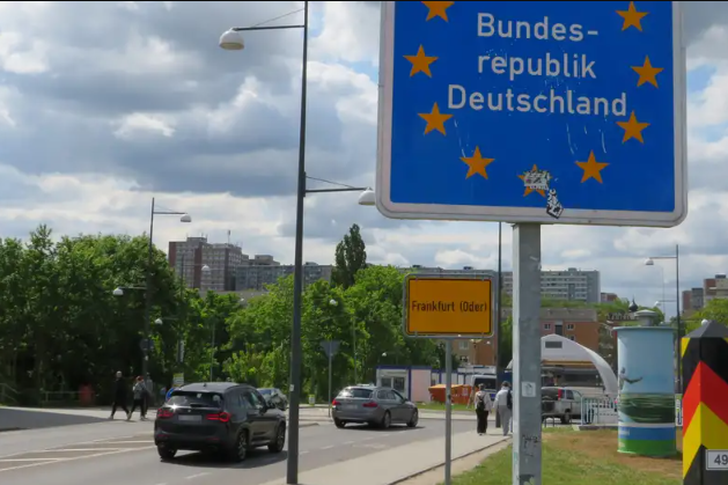
The Global Refugee Report is a call for the new German gov...
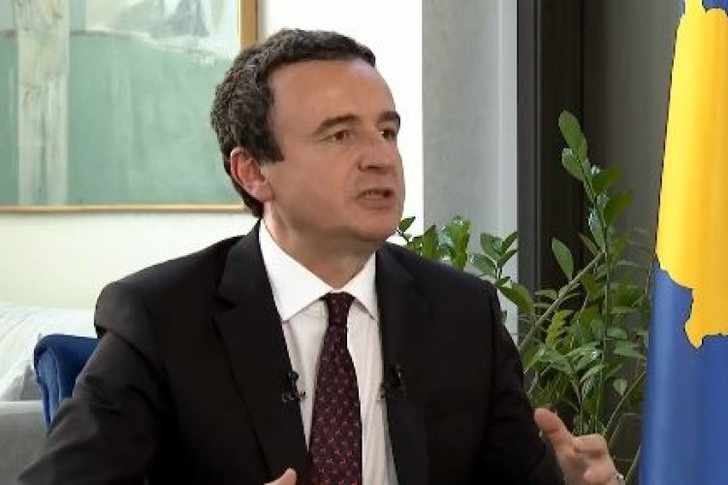
Kosovo Prime Minister Albin Kurti, in an interview with RT...
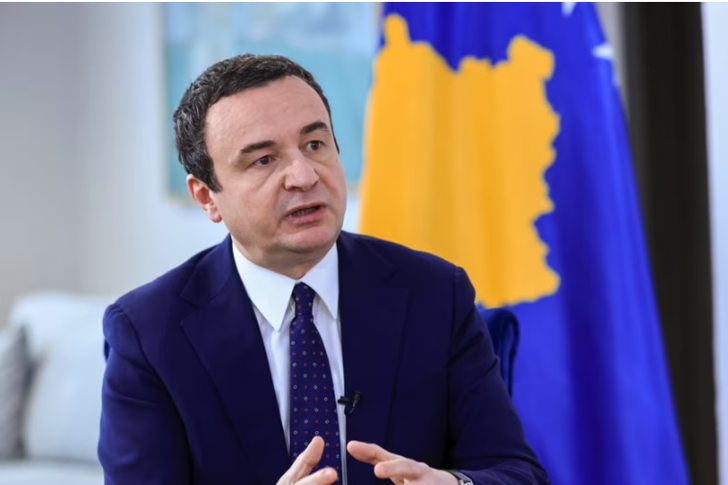
The acting Prime Minister of Kosovo, and also the leader o...
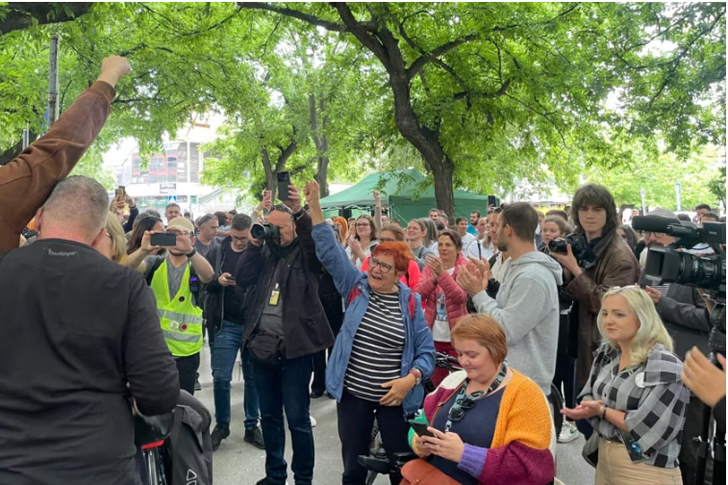
The Court of Appeals in Novi Sad on Tuesday ordered the re...

Russia is trying to buy time to continue the war in Ukrai...

Prisoners in Corfu prison organized a protest this Tuesday...

The European Council today adopted the 17th package of eco...
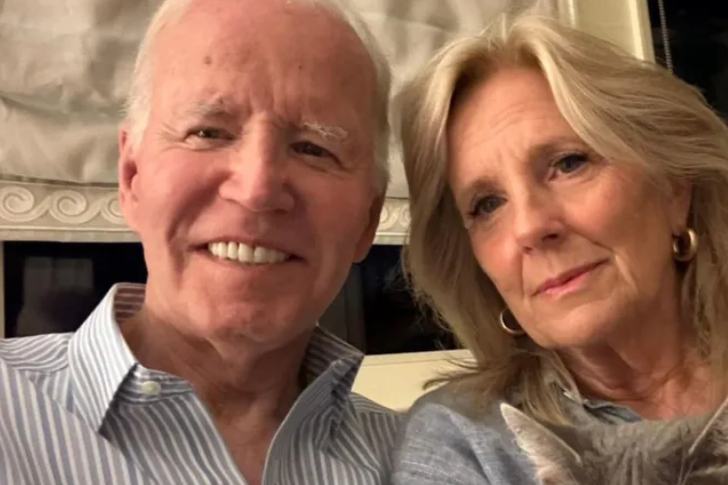
Former President Joe Biden has expressed his gratitude for...

Britain, France and Canada have warned Israel that they wi...
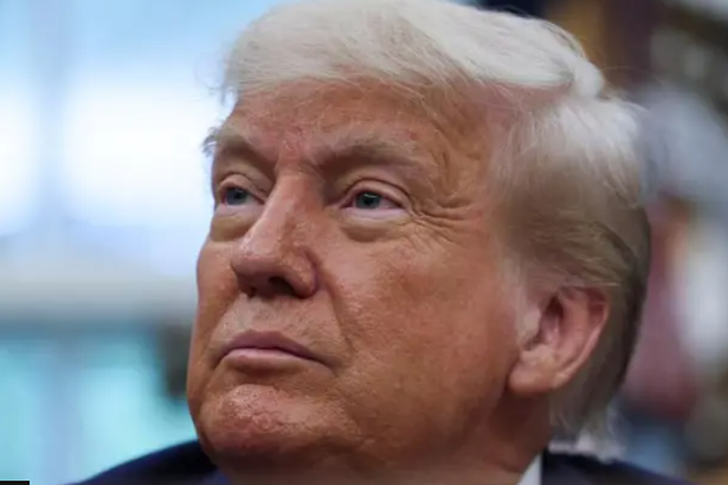
President Donald Trump has reacted through a post on the s...
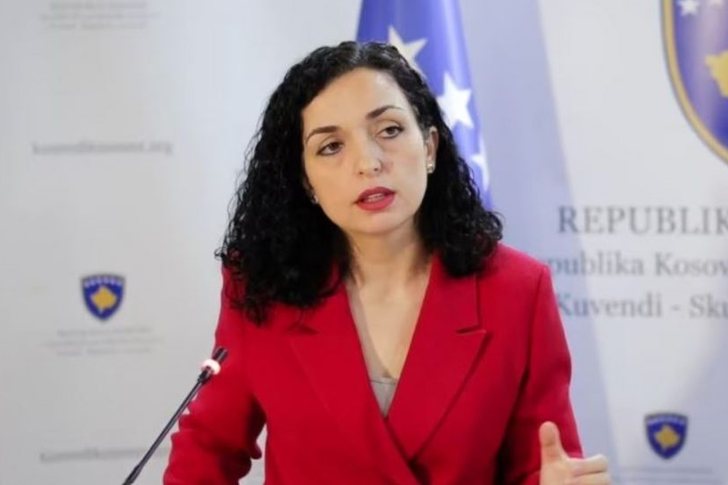
In the official email of the Presidency of Kosovo, an acco...
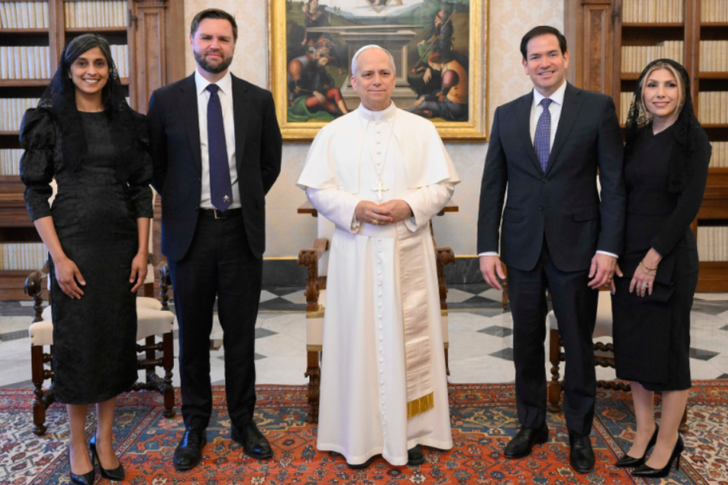
U.S. Vice President JD Vance and U.S. Secretary of State M...

After about two hours, the phone conversation between Trum...

Brazil, one of the world's largest poultry producers and e...

Kosovo President Vjosa Osmani met on Monday with the leade...
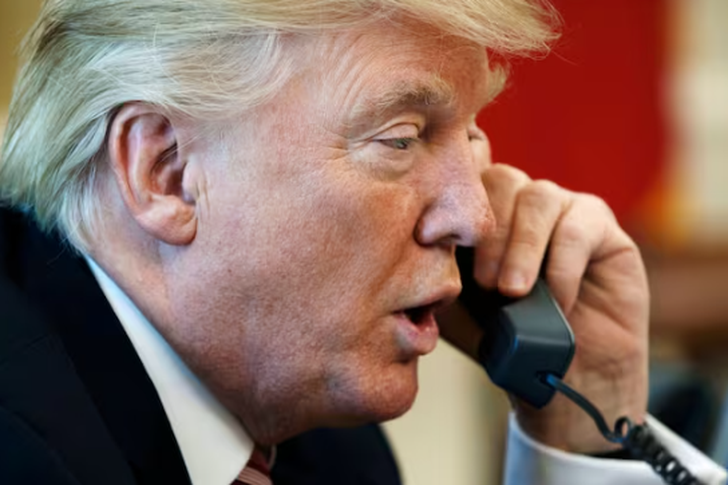
US President Donald Trump and Russian President Vladimir P...
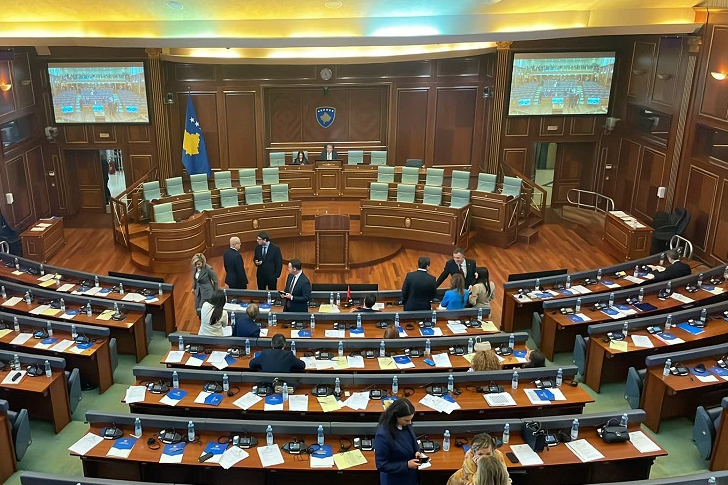
The Kosovo Assembly has failed to be constituted for the 1...

This Monday morning, the Holy Father Pope Leo XIV received...

US President Donald Trump has shared a message of support ...
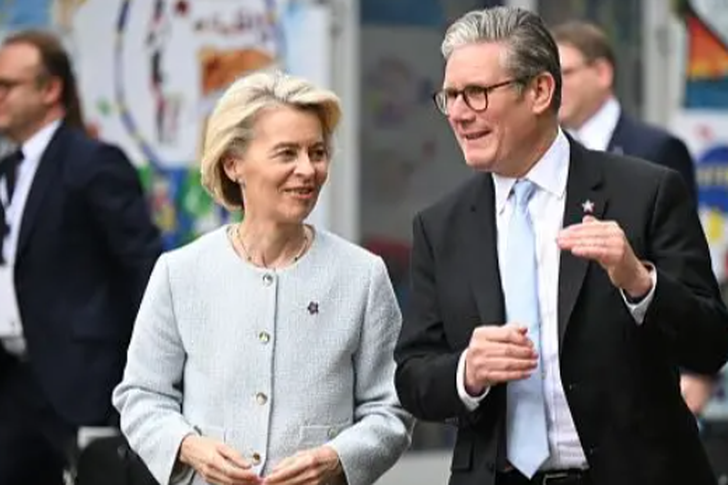
There was "progress" in talks between the UK and the EU la...

CNA has launched another investigation that could lead to ...

Irfan Hysenbelliu is a businessman that we call "Irfan the...

In March 2026, CNA launched another investigation centered...
The arrested mayor of Tirana, Erion Veliaj, with 13 charge...

The Special Board of Appeal (KPA) decided this Monday ...

The KPA vetting decided this Thursday to dismiss the p...

Suela Salavaçi, a prosecutor in the Prosecutor's Offic...

The Special Board of Appeal reinstated the prosecutor ...

The bad weather that swept the country on Tuesday evening ...

A road accident occurred this evening on Nikolla Zoraqi St...

Three people were shot and wounded in Elbasan last night b...

A serious incident occurred this Tuesday in the Yrshek are...

This Wednesday, our country will be under the influence of...

All of Southern Europe will face changing weather conditio...

Albania was hit by temperatures significantly higher than ...

For the first time, Pogradec welcomed the Inter-Lake Chess...

Prime Minister Andy Burnham has announced that most bus fa...
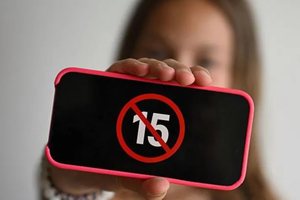
France's parliament has passed a law to ban social media f...

US Secretary of State Marco Rubio arrived in Manila on Jul...

In the space of a few days, Ukrainian President Volodymyr ...

At a time when industrial products are increasingly taking...

Trust among people is not just a three-syllable word. It c...

Master of humor Todi Llupi has passed away at the age of 7...

The ninth edition of "MIK Festival" kicked off with one of...

Businesses will no longer be required to simply register t...

Despite economic growth and income in recent years, Albani...

This Wednesday, one US dollar is bought for 81.4 lek and s...

Construction company licenses will have a validity period ...