


Serious accident on the Tirana-Elbasan axis/ Concrete mixer falls from a height, suspected victims
A serious accident occurred this Wednesday on the Elbasan-...

A serious accident occurred this Wednesday on the Elbasan-...

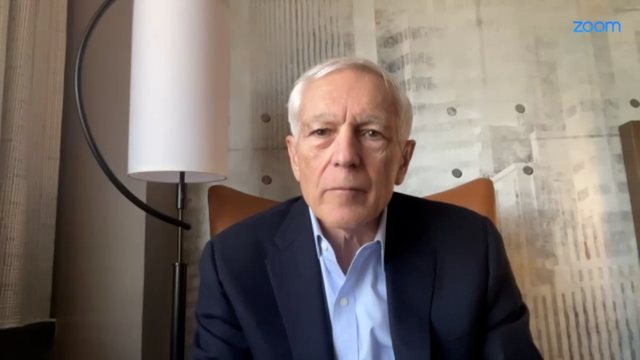
25 years after NATO intervened to stop ethnic cleansing in Kosovo, General Wesley Clark says he is proud of the operation he led and that the course of events that culminated in Kosovo's independence was dictated by the brutality of Serbian forces. General Clark says in an interview for the Voice of America on the occasion of this anniversary, that today it is unfair that there is more pressure on Kosovo than on Serbia, but he emphasizes that the two countries must find a way to coexist. In the interview with colleague Keida Kostreci, he says that many of the attitudes of the West are determined by what is happening thousands of kilometers away, in the war between Russia and Ukraine.
Voice of America: General Clark, a quarter of a century has passed since NATO intervened in Kosovo to stop ethnic cleansing. You were the top NATO commander at the time, (directed the NATO bombing campaign against Serbian forces in 1999), what are your reflections now, 25 years later?
General Wesley Clark: I am proud of the actions that NATO took at that time to end the campaign of ethnic cleansing against Kosovo Albanians. NATO acted using the minimum of force, taking every precaution to avoid harming innocent civilians, and still accomplished the goal of ending ethnic cleansing.
VOA: General Clark, at that time there was a lot of debate internationally, as humanitarian interventions were not something that happened often. In retrospect, how do you see today this type of intervention in general, as a matter of international relations?
General Wesley Clark: I would say it was a necessary intervention that was carried out strictly (specifically) for humanitarian purposes and it accomplished its mission.
Voice of America: When you see Kosovo today, is it the way you imagined it would be 25 years ago?
General Wesley Clark: What we knew at the beginning of the campaign was that we were going to engage NATO forces. At that time we did not know that the Serbs would leave completely. It was never our intention to divide Kosovo in any way, or to influence it to become independent.
But the actions of the Serbian army and police during the campaign, the merciless killing of civilians, the attempts to destroy the properties of the Kosovo Albanians, the brutal behavior of neighbor against neighbor in this campaign, made it really impossible for the Serbs to stay.
That is why NATO made it one of its objectives that the Serbian forces should leave. Then Kosovo was supervised by internationals, under the guidance of the UN, and then decided that it should be independent.
But to tell the truth, the situation in the region continues to be unacceptable, because Serbia continues not to recognize Kosovo's independence, continues to interfere within it, and the political pressure on Kosovo, as a smaller country, is very heavy and difficult.
VOA: General Clark, let's talk about the current situation that you referred to and especially the relationship between the United States and Kosovo. Kosovo has been one of the most pro-American countries and this is largely thanks to the intervention that you led then. But now, relations between the United States and Kosovo, or at least between the two governments, are at their lowest point. What is your opinion about this? Why have they reached this point and what can be done to overcome this situation?
General Wesley Clark: I see things from the outside, I'm not on the inside, so it's a little difficult to comment on that. But it is important to understand that two states that are side by side, Kosovo and Serbia, cannot advance relations if they continue to be involved in conflict between them. Serbia has extended its long arms inside Kosovo for a long time, north of the Iber River. Even when I was a NATO commander, there was a campaign of ethnic cleansing by the Serbs against the Albanians north of the Iber River. It was wrong. But it continued. It seems clear that the Serbian intervention still continues.
But when the United States asks the parties to cooperate, I think they should exert the highest pressure on Mr. Vu?i? in Serbia. The reason for this is that Serbia is the largest, most powerful country and has the greatest possibility for flexibility in this case, the greatest possibilities for compromise. It seems clear that Serbia has not yet accepted that Kosovo is independent today. And one must make peace with this idea. It is a historical consequence of all the tensions and a long enmity.
I will never forget when I was with President Milosevic in November 1998 and we were signing the final agreement of November '98 which provided for the withdrawal of the excessive Serbian forces from Kosovo, which the UN Security Council Resolution required to leave Kosovo.
President Milosevic said unequivocally: "I know how to deal with these Albanians." We have done it before," he said. I asked him, how did you act? He told me "we kill them all".
In this sense, the only result for these deep-rooted historical tensions was the separation into two states. And now, the two states must find a way to coexist, to progress, to cooperate in order to improve the economic condition of their citizens. This is a challenge, it is a very difficult challenge that must be overcome. The memories are still fresh for both parties and I think this is something that cannot be forced, it should come naturally.
The problem is that Russia's actions towards Ukraine have made the situation even more difficult, because everyone understands that Serbia has a historical connection with Russia, and Russia is using Serbia to prepare the ground so that if it succeeds in Ukraine, it will cause more chaos. large again in the Western Balkans. This is known.
Mr. Vu?i? seems torn between two alternatives: To line up with the West or to maintain the historic fraternal relationship with Russia. Apparently he is trying to have both. At least that's how it looks from the outside. But looking from the outside, it seems that the people of Kosovo, a smaller country, depends on foreign support, from the United States and elsewhere, to survive and improve their economic situation. Somehow we have to be patient. We must continue efforts on this situation. We must understand that the resolution of the border issue between Kosovo and Serbia is not independent of the outcome of the war between Ukraine and Russia.
VOA: General Clark, you mentioned the new geopolitical context after the Russian aggression against Ukraine. Taking into account that there are critics who say that this is exactly the reason why more pressure is being put on Kosovo, in order not to increase the challenges, what is your opinion. Do you agree with these positions?
General Wesley Clark: I think the pressure on Kosovo started during the administration of President Trump, where the envoys of the United States in the Balkans wanted to mark a diplomatic success. And that's where the pressure started. Now, with the war (in Ukraine), of course it is normal and natural that the West wants to see this issue resolved, to see Serbia fully in the camp of the West and associated with the European Union in the most positive way possible. But precisely because of the tensions between Russia and Ukraine, this is unlikely to happen. The problems between Kosovo and Serbia are related to what happens between Russia and Ukraine. And these problems reflect the larger geopolitical tensions in the region.
VOA: General Clark, you have known the American ambassador to Serbia, Chris Hill, for a long time, since the time of the (NATO) intervention. Two days ago he said that now "Serbia is closer to NATO than Kosovo. We had joint exercises and many things with the Serbian army. Now we work much more together (with Serbia) than with the KLA or whatever came out of it". What is your opinion on this statement?
General Wesley Clark: I think Ambassador Hill is an excellent diplomat. I take what he says as he says it.
VOA: Can you be more specific?
General Wesley Clark: I think what he says is absolutely true.
Voice of America: That the United States has better relations with the Serbian army than with Kosovo?
General Wesley Clark: I can't talk in detail because I'm not part of that relationship. I see things from the outside. But Ambassador Hill seems to have done a good job of strengthening this relationship and advancing relations between the United States and Serbia. And this is his duty as an ambassador. If this is (a relationship) stronger or weaker than Kosovo's relationship with the United States and NATO, I cannot say that, because I see things from the outside.
Voice of America: But this actually contradicts the position of Belgrade itself, which has not expressed readiness to be a member of NATO or to be closer to the alliance, right?
General Wesley Clark: I think this is an effort to move Belgrade in the right direction. I hope the ambassador succeeds in what he is doing, because it is very important, it would be a remarkable achievement.
Voice of America: Let's go back a bit to the position of the government of Kosovo. You said that more pressure is being exerted on Kosovo, but could Kosovo and especially its leaders be more constructive in terms of efforts to cooperate towards the normalization of relations between the two countries?
General Wesley Clark: As someone who sees these matters from the outside, I cannot give a detailed opinion. I appreciate it and it's an honor that you're asking me for a comment on this, but I can't. I cannot give any useful comment on this because I am not inside these discussions and it would be wrong for me to venture an opinion.
Voice of America: In the latest report of the American intelligence community on global risks, for the Balkans, the situation between Kosovo and Serbia, as well as Bosnia-Herzegovina, is mentioned as points where conflicts can erupt. This is among the tensions that flared up last year, after the attack in the north of Kosovo. How do you see these concerns about the security situation, keeping in mind what has happened in recent months?
General Wesley Clark: I think it's a situation that needs to be watched carefully. I'm sure Ambassador Hill is doing everything he can to see the situation from the American perspective. I hope that NATO is doing everything it can to be ready and take measures to prevent any kind of escalation on the Kosovo side. As I said, these tensions are fueled by Russian efforts. Russia seeks to incite discord and chaos in the region, and all the work we have done in the Balkans will not bear fruit if we do not address the issue between Ukraine and Russia.
Voice of America: Do you think that in this case, it is necessary to have a change of tactics and strategy regarding the way the United States and the West in general approach Kosovo and Serbia?
General Wesley Clark: I don't think I can comment on the current strategy right now. It's not possible because I'm not around enough to give a helpful comment. I think that whatever strategy we implement, it is again hostage to what is happening 1,600 or 1,300 kilometers to the east of Ukraine, in the Donbass region, or in the conflict zone, and what Russia's intentions are. This is what determines the positions of Europe, on the one hand it is pushing Europe to want to solve the crisis between Serbia and Kosovo and on the other hand making it more difficult to achieve such a thing.
VOA: Do you think this is right for the future of the process between the two countries?
General Wesley Clark: I think the process will continue for some time, and I think it's important to keep this process alive and continue the dialogue. If we had a significant breakthrough, that would be great, but I don't foresee it. Therefore, as I said, this is a secondary issue in Europe and in many respects it depends on what will happen between Russia and Ukraine.
VOA: You mentioned history earlier. There is a tendency, usually, among diplomats and politicians to forget history, or to put it behind them, when they want to solve a current issue.
It seems that this is also happening with Kosovo and Serbia and with diplomats who are more involved in trying to solve the issue they have on the table, not forgetting it, but somehow ignoring or neglecting the historical context. Is it possible to have issues resolved without addressing past problems?
General Wesley Clark: I'm sure there are different perspectives on what you're asking. If I were to give a general answer, I would say that specific aspects should be addressed on specific agreements that are on the table. But I certainly don't want to give a general answer to that. History matters. Of course, the sensitivity of the people is also important. The loss of loved ones, the humiliations they have suffered, the fear, everything matters. But it is the duty of the diplomat, as much as possible, to find the common interest and to look towards the future, to push these interests forward. And I'm sure that no one, in the American diplomatic service, can do such a thing better than Ambassador Chris Hill./ VOA

Journalists swam at 10 Brighton beaches around the world o...
The death toll from the attack in Russia has deepened. Th...
The US Congress approved in the early hours of Saturday a ...

An arrested person, who is suspected of carrying out the t...
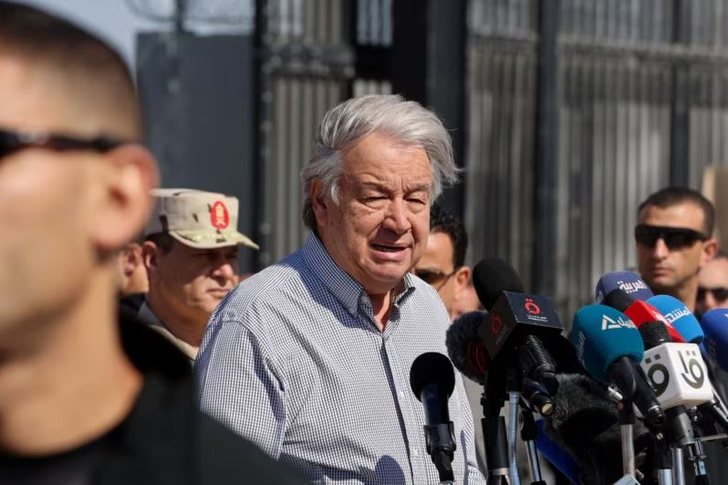
Bllokimi i dhjetëra kamionëve me ndihma në anën egjipt...
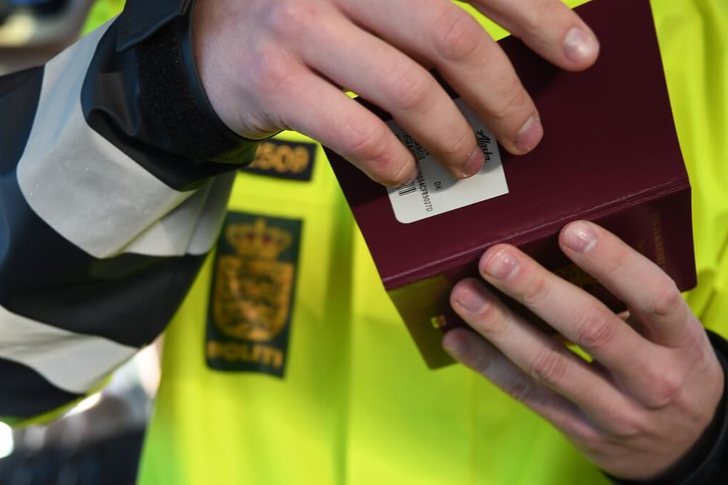
Gjermania po planifikon të vendosë kontrolle të përkoh...

Pas sulmit të mbrëmjes së djeshme, presidenti rus, Vla...
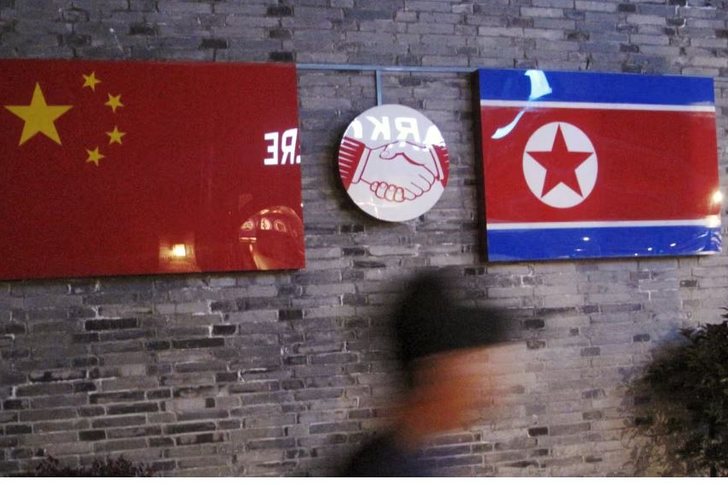
Zyrtarët verikoreanë dhe ata kinezë janë takuar këtë javë ...
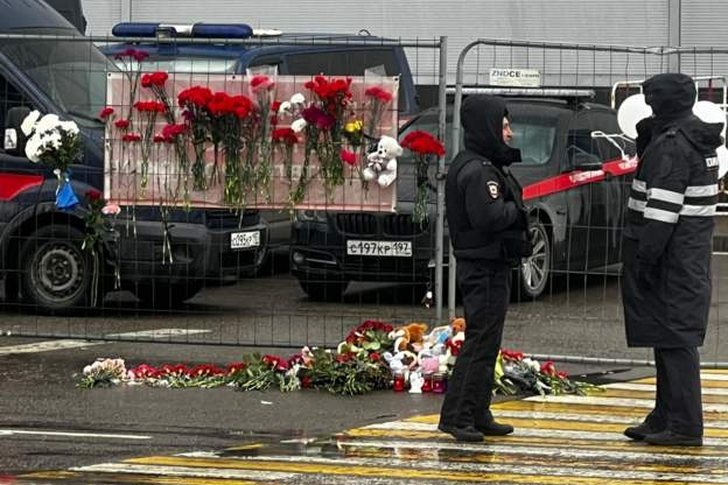
Andrey Vorobyev, the governor of the Moscow region, sa...
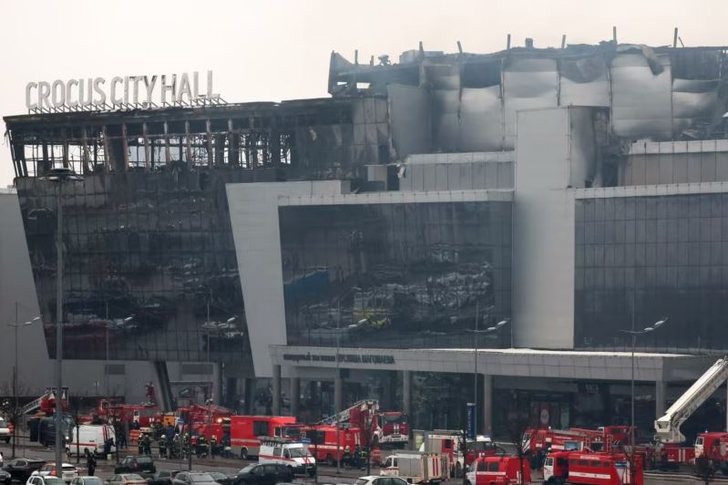
One of the deadliest attacks in the past 25 years in Russi...
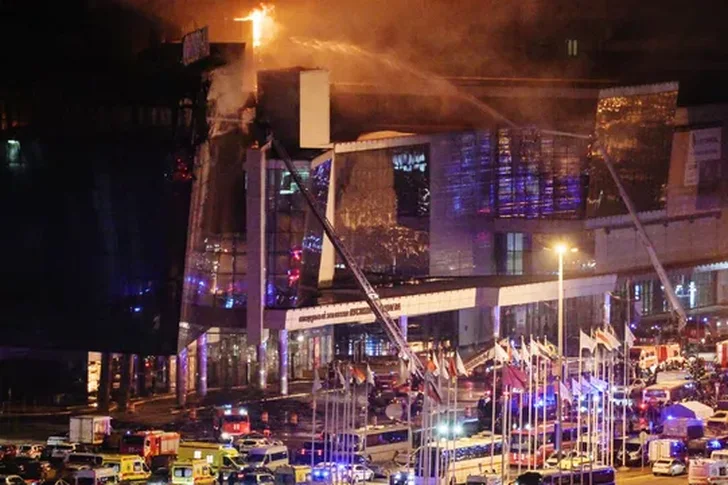
The four attackers, who were arrested in the Bryansk r...
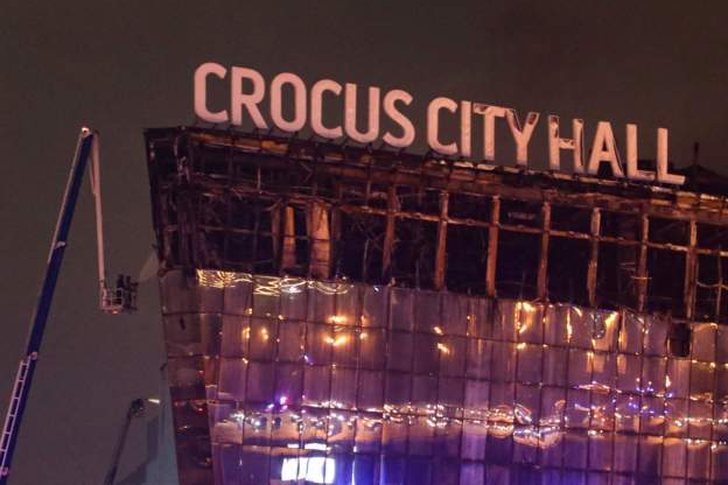
Four people involved in the Moscow concert hall attack are...
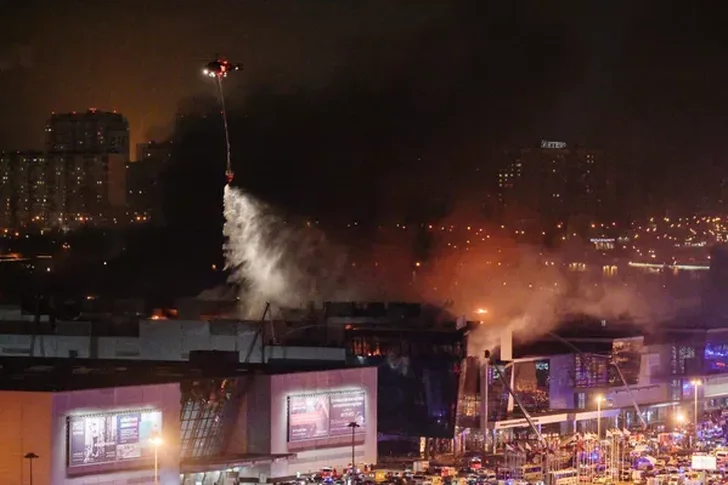
Ka shkuar në mbi 60 numri i viktimave nga sulmi terrorit q...
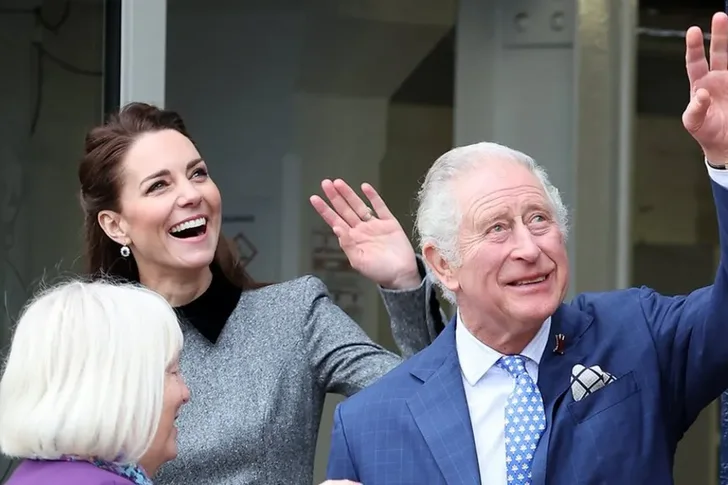
King Charles III is "very proud of Kate Middleton for ...
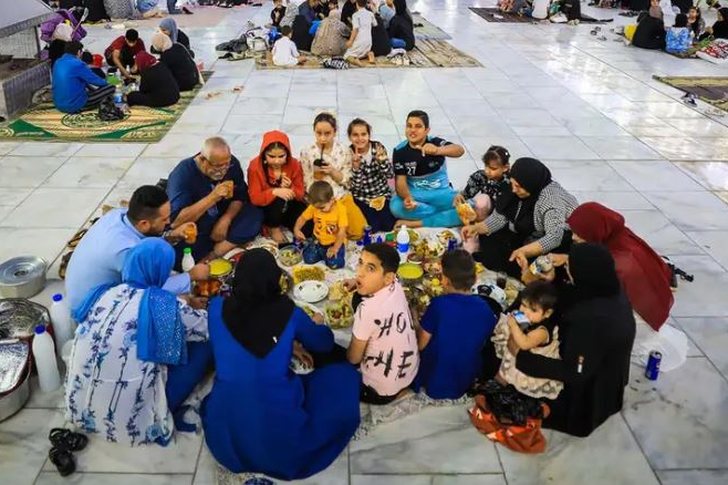
It may seem strange for a Muslim woman to speak like t...
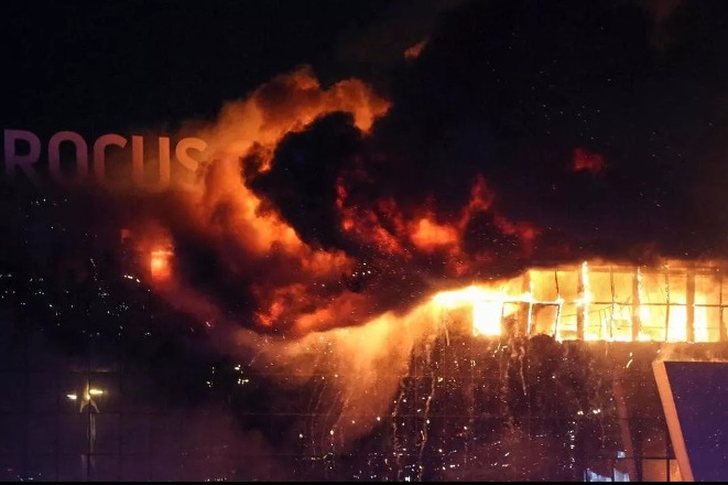
At least 60 people were killed when gunmen stormed a packe...
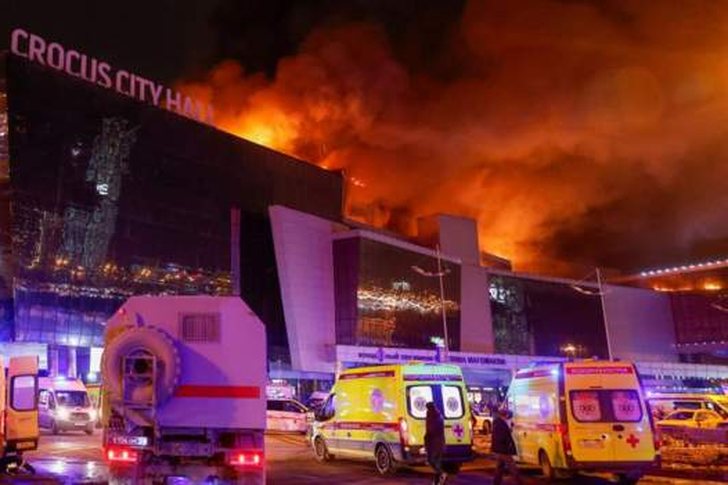
About 40 people have been killed after the attack on t...
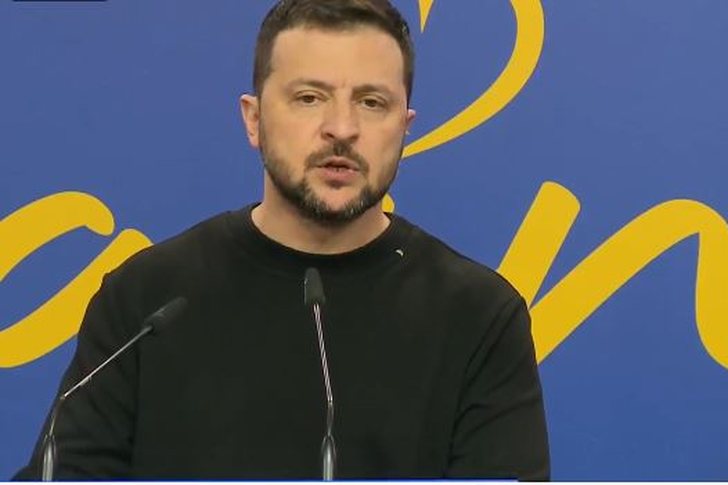
Ndihmësi i presidentit ukrainas Volodymyr Zelensky, ka dis...

Foreign media have published the moment when the gunmen sh...
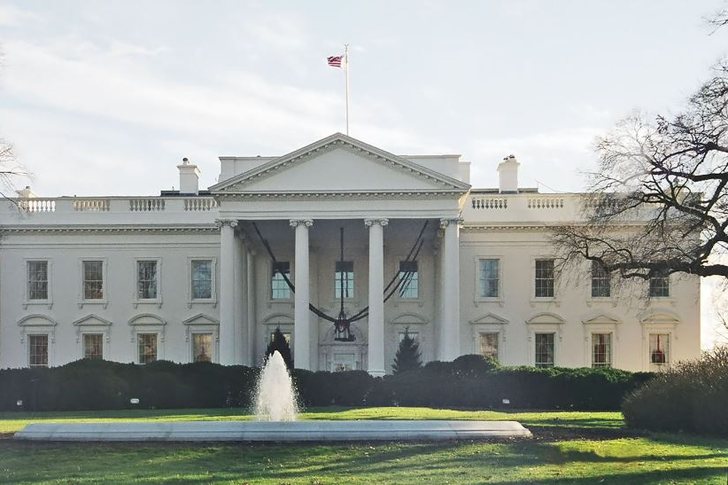
John Kirby, spokesman for the National Security Council, j...

CNA has launched another investigation that could lead to ...

Irfan Hysenbelliu is a businessman that we call "Irfan the...

In March 2026, CNA launched another investigation centered...
The arrested mayor of Tirana, Erion Veliaj, with 13 charge...

The Special Board of Appeal (KPA) decided this Monday ...

The KPA vetting decided this Thursday to dismiss the p...

Suela Salavaçi, a prosecutor in the Prosecutor's Offic...

The Special Board of Appeal reinstated the prosecutor ...
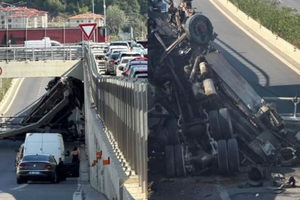
A serious accident occurred this Wednesday on the Elbasan-...
Citizen MH, 61, a fisherman, was found dead near the islan...

Another phase of the international operation, codenamed "T...
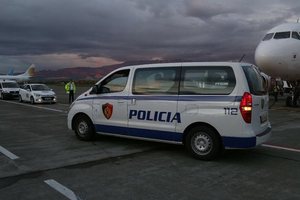
Police have arrested a 34-year-old woman at Rinas Airport ...

The Institute of Geosciences has shared a forecast for wea...
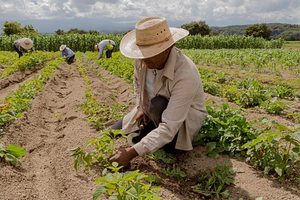
Rising energy and fertilizer prices are expected to contin...

Over 18,000 foreign citizens from 140 countries have appli...

This Wednesday, our country will be under the influence of...
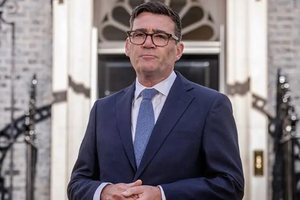
Prime Minister Andy Burnham has announced that most bus fa...

France's parliament has passed a law to ban social media f...
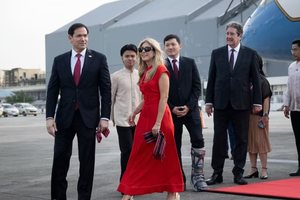
US Secretary of State Marco Rubio arrived in Manila on Jul...
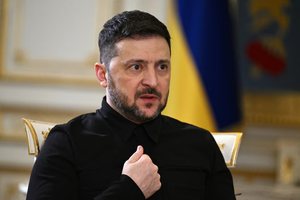
In the space of a few days, Ukrainian President Volodymyr ...

At a time when industrial products are increasingly taking...

Trust among people is not just a three-syllable word. It c...

Master of humor Todi Llupi has passed away at the age of 7...

The ninth edition of "MIK Festival" kicked off with one of...

Businesses will no longer be required to simply register t...

Despite economic growth and income in recent years, Albani...

This Wednesday, one US dollar is bought for 81.4 lek and s...

Construction company licenses will have a validity period ...