

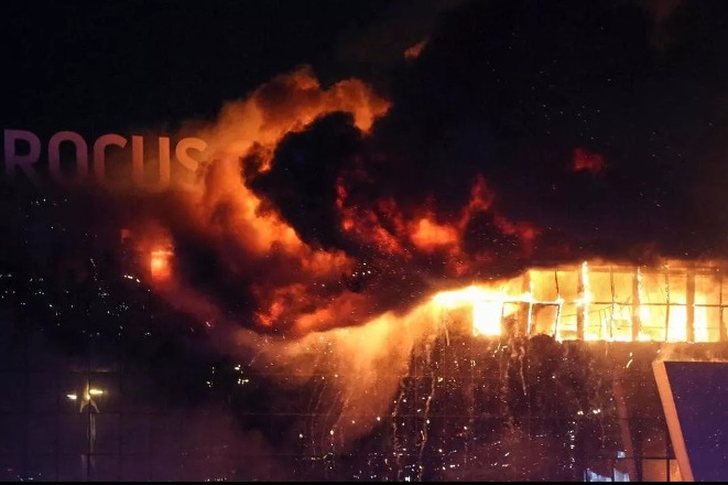
Attack in Moscow/At least 60 victims, ISIS takes over the assassination
At least 60 people were killed when gunmen stormed a packe...


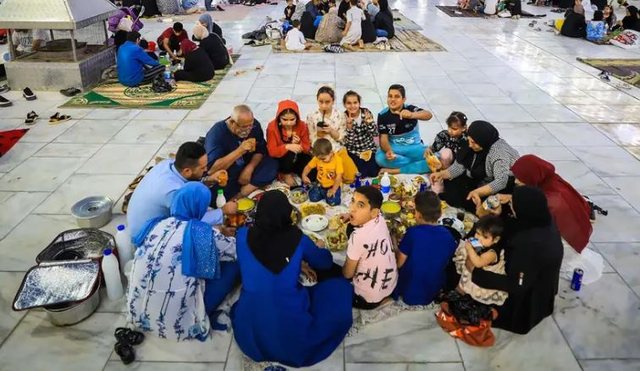
It may seem strange for a Muslim woman to speak like this, but Kholoud Khardoum makes it clear. "Not everything during Ramadan is about religion," says the 53-year-old writer who lives in Baghdad. "It's also about the atmosphere and the tradition of bringing people together."
Iraq is a country with a majority Muslim population, but in areas where communities of different faiths coexist, it is often seen that non-Muslims participate in the celebrations of the Muslim holiday of Ramadan, she told Deutsche Welles.
Especially "iftari", the dinner that is served at sunset where family and friends come together to break the day's fast, turns into an opportunity to gather.
"Sometimes Christians make cakes that they give to Muslim neighbors," says Khardoum. "Sometimes it's Muslims who donate food. Or both. It's really good to share things like that,” she says.
There are similar stories in other countries of the Middle East. "One of my closest and oldest friends is Muslim, so we exchange some of our customs," says Egyptian Um Amir, 50, who lives in Assiut, a city south of Cairo. "For example during During Ramadan, I fast during the day and break my fast by eating with her family."
"I'm a Christian, but since I was young I had a lot of Muslim friends and I didn't pay much attention to different religions," says 34-year-old Lebanese Rita, who is fasting in Beirut.
More Ramadan celebration in the West?
Given that all three of these women live in a country with a majority Muslim population, their experiences do not come as a surprise to the residents who live there. Because it is difficult for a non-Muslim to ignore the Ramadan celebrations, just as it is difficult for Muslims to avoid Christmas when they are in Europe or North America.
However, Ramadan is gradually becoming the most popular holiday in Christian-majority countries.
Last year, London became the first major European city to decorate its streets with Ramadan lights. London's example was followed this year by Frankfurt am Main, which became the first major German city to turn on its Ramadan lights.
In Austria this week, more than 1,000 people came together for a "shared iftar" in the state of Kaernten, where all members of the community were invited to break the Ramadan fast by eating together, even if they were not Muslim and did not fast. . Organizers said the event is attracting more and more people every year. One event participant told the regional newspaper "Kleine Zeitung" that "I didn't expect to see so many non-Muslims there."
"There has certainly been an increase in the number of iftars organized by state institutions, charities and churches that celebrate diversity," confirms Esther-Miriam Wagner, director of the Woolf Institute at the University of Cambridge, which studies relations between Jews, Christians and Muslims.
The rise in popularity of Ramadan "has a lot to do with the greater recognition and increased equality of Muslims in public settings," says Farid Hafez, a research associate at the Bridge Initiative, a project analyzing Islamophones at Georgetown University in Washington. .
As an example, Hafez recalls that in the 1990s, the former US Secretary of State, Madeline Albright, began to hold "iftars" in the diplomatic sector. he. "Then the American embassies brought this experience to European countries. And this led European countries to start organizing similar initiatives. Where all chancellors, prime ministers, ministers of integration were involved."
The economic impact of Ramadan has increased the popularity of the Muslim holy month. Muslims spend a lot during Ramadan, from gifts and clothing to food and even cars. In 2023, over 60 billion dollars (55 billion euros) were spent in the Middle East alone. Advertisements for Ramadan have changed and expanded and are sure to send messages beyond the target community.
Accusations of disrespect for other cultures
Another theory by Woolf Institute director Wagner for the rise in popularity of Ramadan has to do with language and generational change. "Once people start speaking the language without an accent, the change starts and they start to be seen as part of the society they belong to," says Wagner, who specializes in sociolinguistics. "And in the UK we're seeing that the Muslim population that he is a native English speaker, now in his 40s and 50s, occupying positions of leadership and influence."
Similarly in France. Researchers there have noted that the next generation of French Muslims feel they can practice their religion more openly. "Through the most visible (religious) practices, young French individuals enjoy their status as full-fledged members of society," Jamel El Hamri, a researcher at the World Institute for Scientific Research, told Le Mond newspaper last week. Arabs and Muslims in France. "They feel both French and Muslim."
Of course, not everyone is satisfied. Some Muslims are angry at the commercialization of Ramadan. Conservative clerics say that non-Muslims should not participate in Ramadan at all, while far-right Europeans believe that these practices will lead to the destruction of civilization as such. And some social media personalities who have fasted during Ramadan, treating it as a sort of online health competition, have been criticized for being disrespectful to other cultures.
But neither Hafez nor Wagner think that such views diminish the benefits people get from being more comfortable with others' belief systems.
For Muslims who have grown up in a Christian-majority culture, it's a question of being part of society. "The inclusion of festivals in the public space is in some way an acknowledgment that Ramadan is an integral part of society," says Hafez.
And for non-Muslims, it's about celebrating and managing diversity, Wagner adds. "Because when we have a diverse society, we see that diversity actually makes society flourish and liven up more than usual," she concludes./ DW

At least 60 people were killed when gunmen stormed a packe...
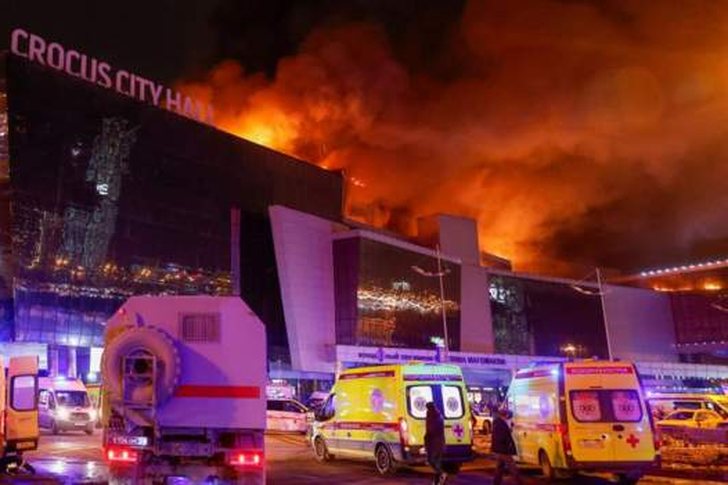
About 40 people have been killed after the attack on t...
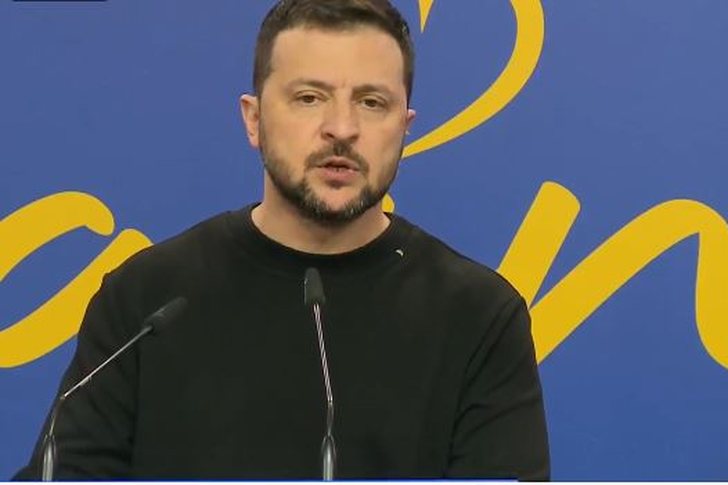
Ndihmësi i presidentit ukrainas Volodymyr Zelensky, ka dis...
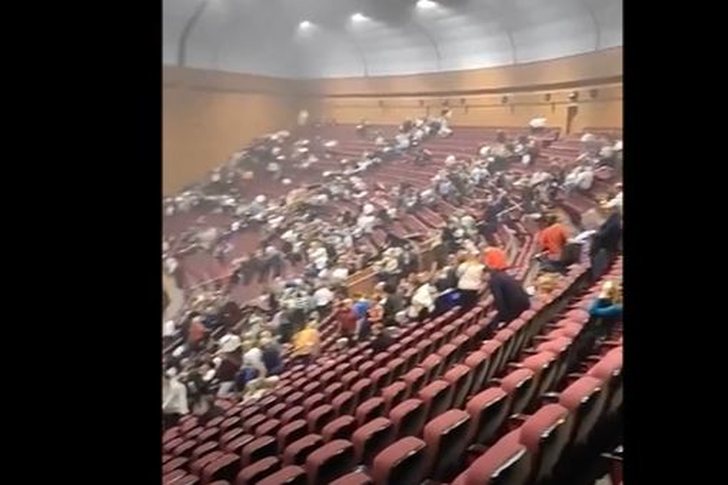
Foreign media have published the moment when the gunmen sh...
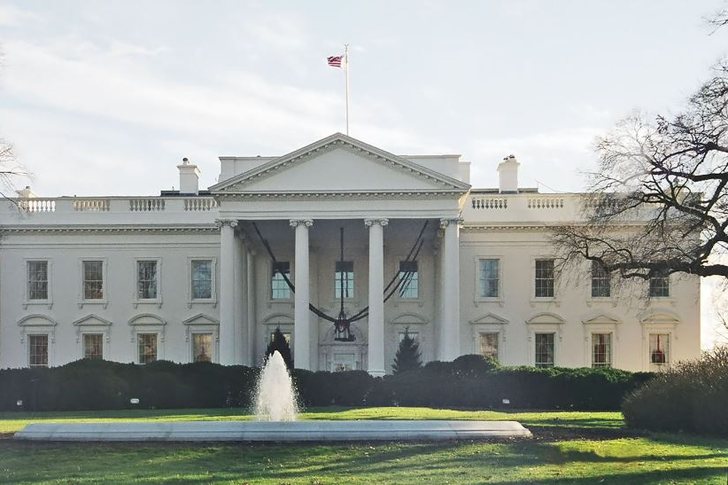
John Kirby, spokesman for the National Security Council, j...
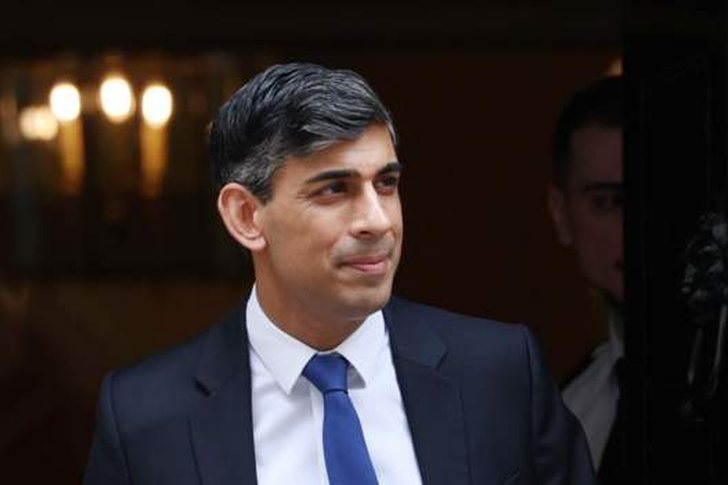
The Prime Minister of Great Britain, Rishi Sunak, has ...

The Princess of Wales, Kate Middleton in a video message a...
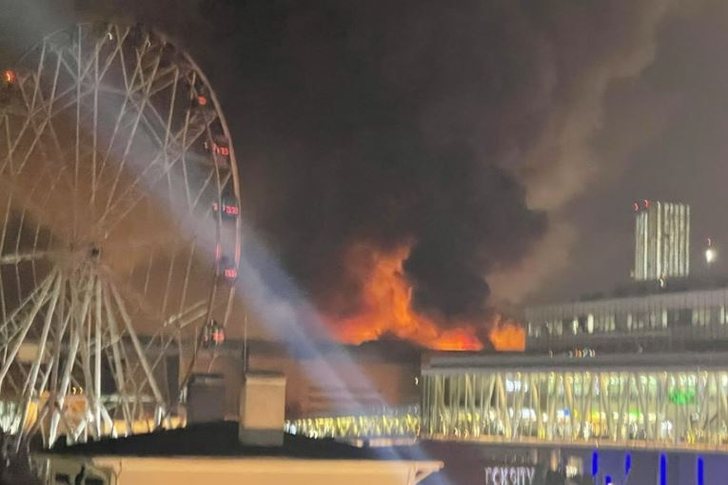
Three people opened fire at Crocus City Hall, a popular co...
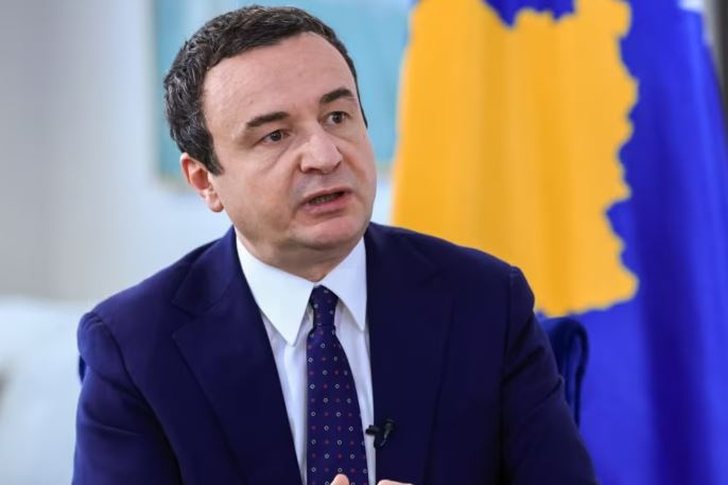
The Prime Minister of Kosovo, Albin Kurti, said on Friday ...
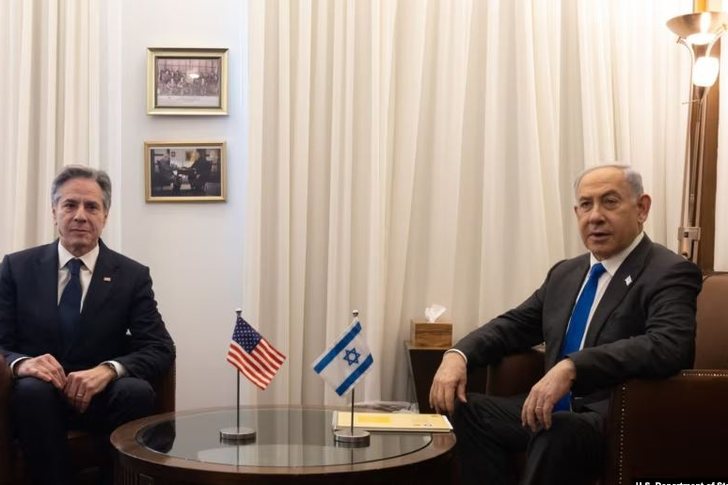
Sekretari amerikan i Shtetit, Antony Blinken tha të premte...
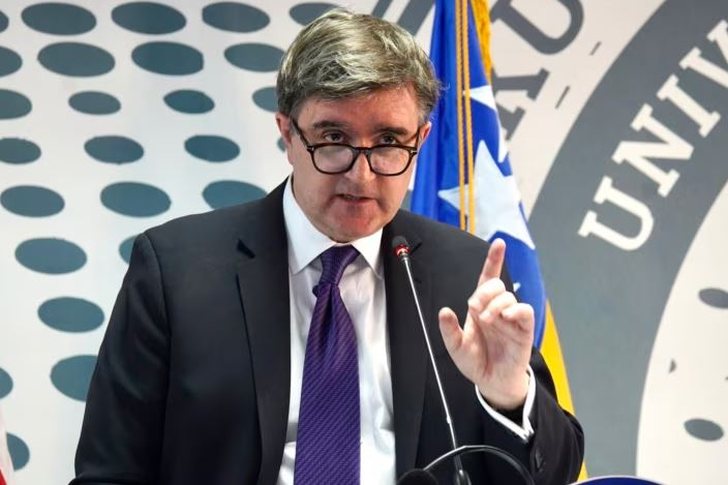
Ndihmëssekretari amerikan i Shtetit për Evropën dhe Euroaz...
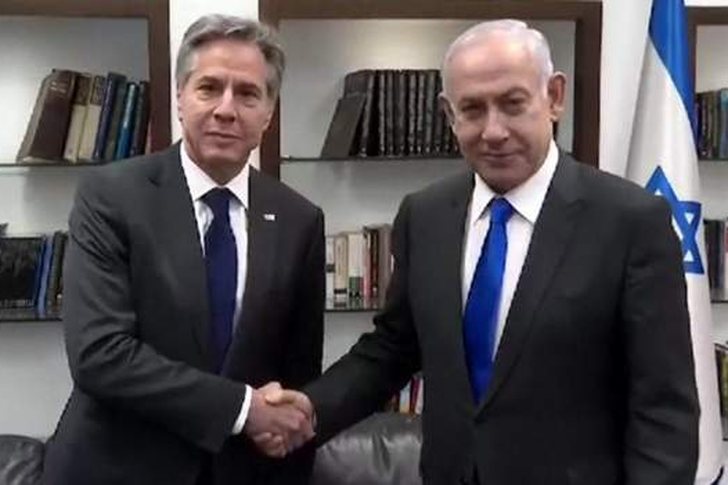
Sekretari amerikan i Shtetit, Antony Blinken ndodhet në Iz...
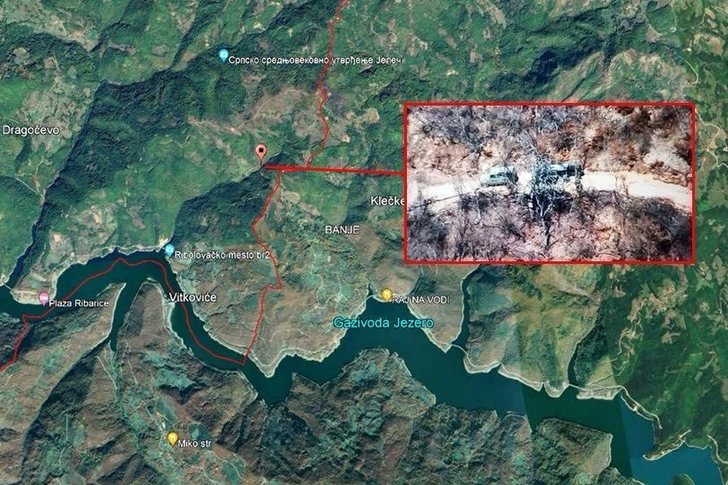
The Prime Minister of Kosovo, Albin Kurti, published a vid...
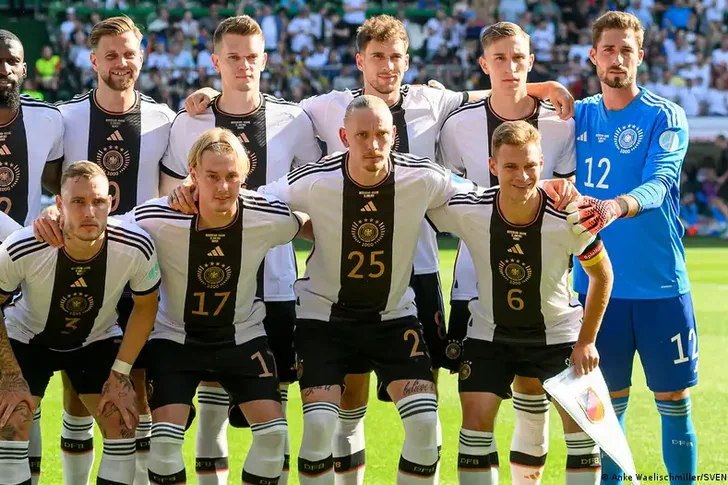
The German national team is ending its long-standing partn...
An earthquake measuring 4.7 on the Richter scale struck th...
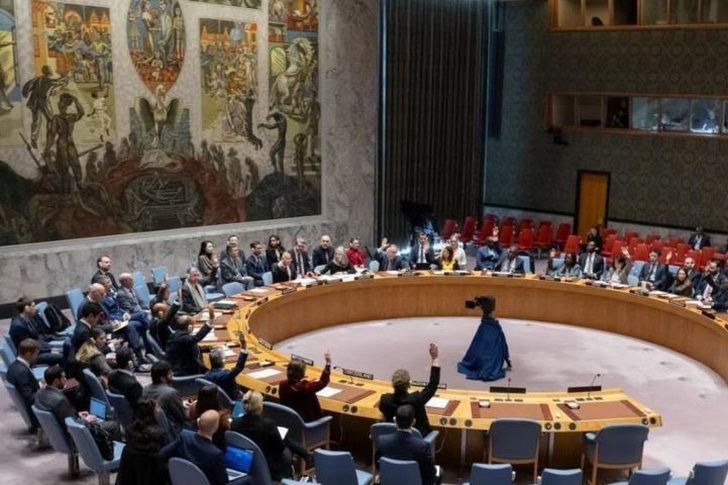
The United States, which has repeatedly blocked calls for ...
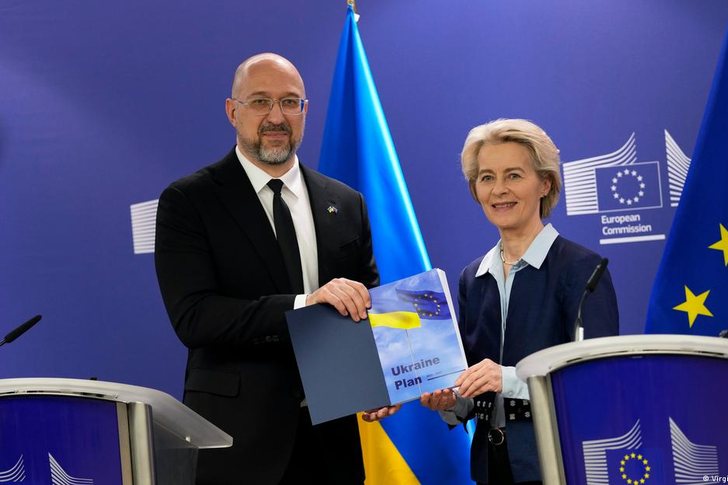
Të premten në samitin e BE në Bruksel qëndron një projekt ...

Kryeministri i Kosovës, Albin Kurti ka publikuar një v...
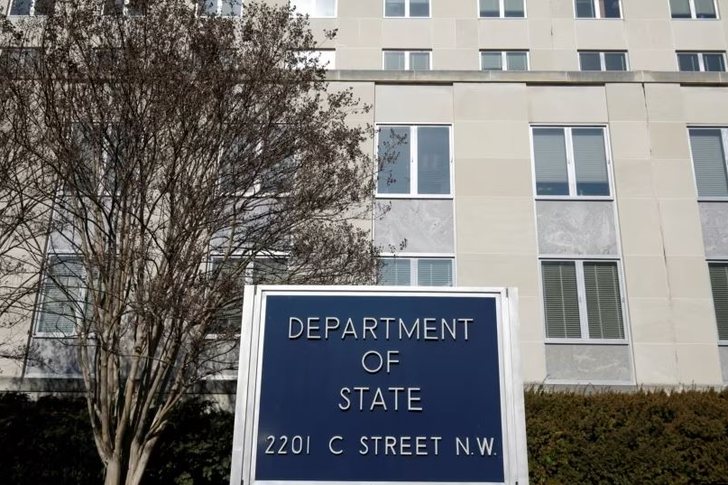
The US Department of State (Dash) has told Radio Free Euro...
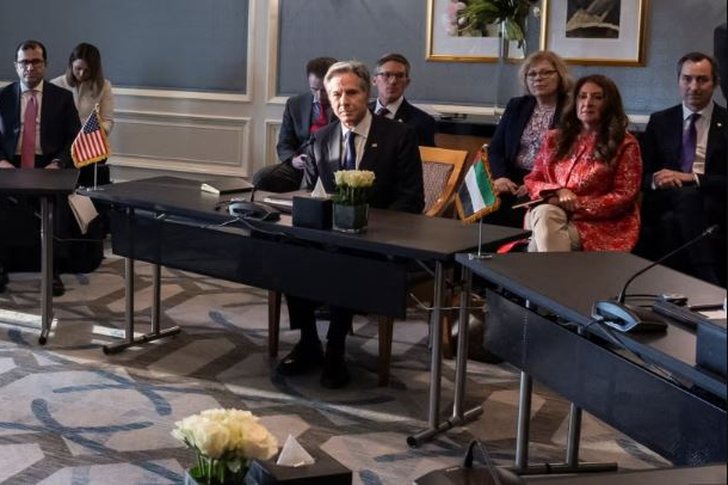
US Secretary of State Antony Blinken met on Thursday with ...

CNA has launched another investigation that could lead to ...

Irfan Hysenbelliu is a businessman that we call "Irfan the...

In March 2026, CNA launched another investigation centered...
The arrested mayor of Tirana, Erion Veliaj, with 13 charge...

The Special Board of Appeal (KPA) decided this Monday ...

The KPA vetting decided this Thursday to dismiss the p...

Suela Salavaçi, a prosecutor in the Prosecutor's Offic...

The Special Board of Appeal reinstated the prosecutor ...

New details have emerged from the serious accident that oc...
A serious accident occurred this Wednesday on the Elbasan-...
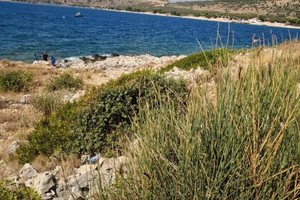
Citizen MH, 61, a fisherman, was found dead near the islan...

Another phase of the international operation, codenamed "T...

The Institute of Geosciences has shared a forecast for wea...
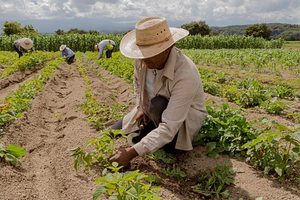
Rising energy and fertilizer prices are expected to contin...

Over 18,000 foreign citizens from 140 countries have appli...

This Wednesday, our country will be under the influence of...

Prime Minister Andy Burnham has announced that most bus fa...

France's parliament has passed a law to ban social media f...

US Secretary of State Marco Rubio arrived in Manila on Jul...
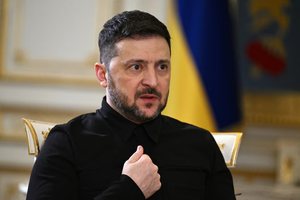
In the space of a few days, Ukrainian President Volodymyr ...

At a time when industrial products are increasingly taking...

Trust among people is not just a three-syllable word. It c...

Master of humor Todi Llupi has passed away at the age of 7...

The ninth edition of "MIK Festival" kicked off with one of...

Businesses will no longer be required to simply register t...

Despite economic growth and income in recent years, Albani...

This Wednesday, one US dollar is bought for 81.4 lek and s...

Construction company licenses will have a validity period ...