


Second victim of bad weather/ Fisherman drowns in Ksamil
Citizen MH, 61, a fisherman, was found dead near the islan...

Citizen MH, 61, a fisherman, was found dead near the islan...

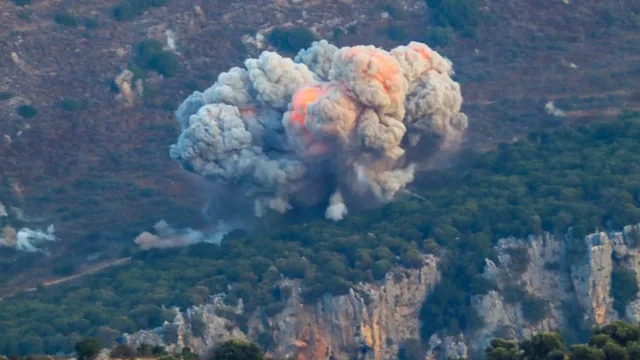
Israeli leaders are upbeat about the progress of the offensive against Hezbollah, which began with the explosion of pagers and weaponized radios and progressed to intense and deadly airstrikes. Defense Minister Yoav Gallant did not hold back his praise after Monday's airstrikes. .
"Today was a masterpiece... This was the worst week Hezbollah has had since its inception and the results speak for themselves."
Gallant said the airstrikes destroyed thousands of rockets that could have killed Israeli citizens. In the process, Lebanon says Israel killed more than 550 of its citizens, including 50 children. That's almost half of Lebanon's deaths in a month of war between Israel and Hezbollah in 2006.
Israel believes a vicious offensive will force Hezbollah to do what it wants, causing so much pain that its leader Hassan Nasrallah and his allies and backers in Iran decide the price of resistance is too high.
Israel's politicians and generals need a victory. After almost a year of war, Gaza has turned into a quagmire. Hamas fighters still emerge from tunnels and rubble to kill and injure Israeli soldiers and continue to hold Israeli hostages.
Hamas caught Israel by surprise last October. Israelis did not see Hamas as a significant threat, with devastating consequences. Lebanon is different. The Israel Defense Forces (IDF) and the Mossad spy agency have been planning the next war against Hezbollah since the last war ended in a stalemate in 2006.
Israel's leader, Prime Minister Benjamin Netanyahu, believes the current offensive is making great progress toward his stated goal of shifting the balance of power away from Hezbollah.
He wants to stop Hezbollah from firing rockets over the border with Israel. At the same time, the Israeli military says the plan is to force Hezbollah back from the border and destroy military facilities that threaten Israel.
The last week in Lebanon echoes the last year of the war in Gaza. Israel issued warnings to civilians, as it did in Gaza, to leave areas to be attacked. She blames Hezbollah, as she blames Hamas, for using civilians as human shields.
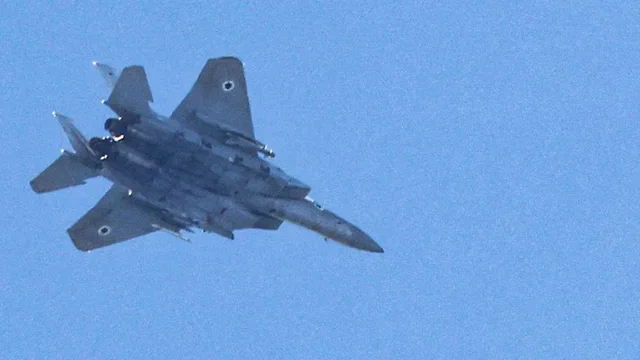
Some critics and enemies of Israel said the warnings were too vague and did not give families enough time to evacuate. The laws of war require that civilians be protected and prohibit the indiscriminate and disproportionate use of force.
Some of Hezbollah's attacks on Israel have hit civilian areas, violating laws designed to protect civilians. They have also targeted the Israeli army. Israel and key Western allies, including the US and Great Britain, classify Hezbollah as a terrorist organization.
Israel insists it has a moral, rule-abiding army. But much of the world has condemned its behavior in Gaza. Sparking a wider border war will deepen the rift at the heart of a highly polarized argument.
Take the pager attack. Israel says it was targeting Hezbollah operatives who were released with the missiles. But Israel could not know where they would be when the bombs inside the pagers went off, which is why civilians and children in homes, shops and other public places were injured and killed. This, some leading lawyers say, proves that Israel was using lethal force without distinguishing between combatants and civilians; violation of the rules of war.
The war between Israel and Hezbollah began in the 1980s. But this border war began the day after Hamas attacked Israel on October 7, when Hassan Nasrallah ordered his men to begin a limited but almost daily barrage over the border to support Hamas. It tied up Israeli troops and forced about 60,000 people in border towns to flee their homes.
Some voices in the Israeli media have compared the impact of the airstrikes on Hezbollah's ability to wage war with Operation Focus, Israel's surprise attack on Egypt in June 1967. It was a famous attack that destroyed the Egyptian air force when its planes were shot down. lined up on the ground. Over the next six days, Israel defeated Egypt, Syria, and Jordan. The victory created the shape of the current conflict as Israel occupied the West Bank, including east Jerusalem, the Gaza Strip and the Golan Heights.
It's not a good comparison. Lebanon and the war with Hezbollah is different. Israel has dealt heavy blows. But so far it has not stopped Hezbollah's capacity or willingness to fire at Israel.
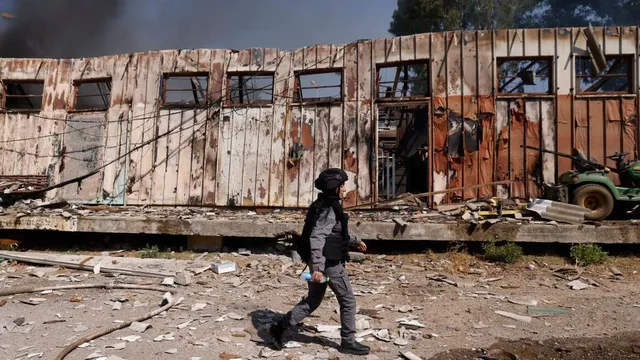
Israel's previous wars with Hezbollah were sharp, sharp and never resulted in a decisive victory for either side. This could go either way, however the last week of offensive action has been satisfying for Israel, its intelligence services and its military.
Israel's offensive is based on an assumption - a gamble - that there will come a time when Hezbollah will crumble, withdraw from the border and stop firing into Israel. Most Hezbollah watchers believe it will not stop. The war against Israel is the main reason why Hezbollah exists.
This means that Israel, as reluctant to admit defeat, will have to escalate the war further. If Hezbollah continues to make northern Israel too dangerous for Israeli civilians to return home to, Israel will have to decide whether to launch a ground offensive, perhaps to seize a strip of land to act as a buffer zone.
Israel has occupied Lebanon before. In 1982 its forces went all the way to Beirut to try to stop Palestinian attacks on Israel. They were forced into an ignominious retreat in the face of fury at home and abroad, as Israeli troops held the perimeter while their Lebanese Christian allies massacred Palestinian civilians in the Sabra and Shatila refugee camps in Beirut.
Until the 1990s, Israel still occupied a wide swath of Lebanese land along the border. Today's Israeli generals were then young officers who fought in endless skirmishes and battles against Hezbollah, which was gaining strength as it fought to oust Israel. Ehud Barak, then Israel's prime minister and former IDF chief of staff, withdrew from the so-called "security zone" in 2000. He decided that it no longer made Israel safer and was costing Israel the lives of many soldiers.
In 2006, an ill-judged attack by Hezbollah across the tense and heavily militarized border killed and captured Israeli soldiers. After the war ended, Hassan Nasrallah said he would not have allowed the raid if he had understood what Israel would do in return. Ehud Olmert, then Prime Minister of Israel, went to war.
At first, Israel hoped that air power would stop rocket attacks on Israel. When it didn't, the ground troops and tanks moved back to the border. The war was a disaster for Lebanese civilians. But on the last day of the war, Hezbollah was still firing rockets into Israel.
Israel's commanders know that going into Lebanon under fire would be a far greater military challenge than fighting Hamas in Gaza. Hezbollah has also been planning since the end of the 2006 war to fight on the ground in southern Lebanon, which has a lot of rugged and hilly terrain that lends itself to guerrilla tactics.
Israel has not been able to destroy all the tunnels that Hamas has dug through the sand in Gaza. In the borderlands of southern Lebanon, Hezbollah has spent the past 18 years preparing tunnels and positions in solid rock. It has a formidable arsenal, supplied by Iran. Unlike Hamas in Gaza, it can be supplied by land through Syria.
Israel may be gambling that Hezbollah won't use it all, fearing that the Israeli air force will do to Lebanon what it did to Gaza, turning entire cities into rubble and killing thousands of civilians. Iran may not want Hezbollah to use weapons it would like to stockpile as insurance against an Israeli attack on Iran's nuclear facilities. This is another gamble. Hezbollah may decide to use more of its arsenal before Israel destroys it.
With the ongoing war in Gaza and rising levels of violence in the occupied West Bank, Israel will also have to consider a third front if it invades Lebanon. Its soldiers are motivated, well-trained and equipped, but reserve units that provide much of Israel's fighting power are already feeling the strain after a year of war.
Israel's allies, led by the United States, did not want Israel to escalate the war with Hezbollah and did not want it to invade Lebanon. They insist that only diplomacy can make the border secure enough for civilians to return to their homes on both sides of it. An American envoy has drafted a deal, based in part on UN Security Resolution 1701 that ended the 2006 war.
But diplomats have their hands tied without a ceasefire in Gaza. Hassan Nasrallah has said that Hezbollah will stop attacking Israel only when the war in Gaza stops. At the moment, neither Hamas nor the Israelis are prepared to make the necessary concessions that would produce a cease-fire agreement in Gaza and an exchange of Israeli hostages for Palestinian prisoners.
As Israeli airstrikes continue to pound Lebanon, civilians already struggling to provide for their families in a devastated economy face excruciating pain and uncertainty. Fear crosses the front lines. The Israelis know that Hezbollah can do them a lot more damage than last year.
Israel believes the time has come to be aggressive and bold, to blast Hezbollah far from its borders. But she faces a shy, well-armed and angry enemy. This is the most dangerous crisis in the year-long war since Hamas attacked Israel, and at the moment nothing is stopping that spiral into something much worse./ Taken from the BBC


US intelligence officials notified former US President...
The United States plans to donate one million doses of mpo...
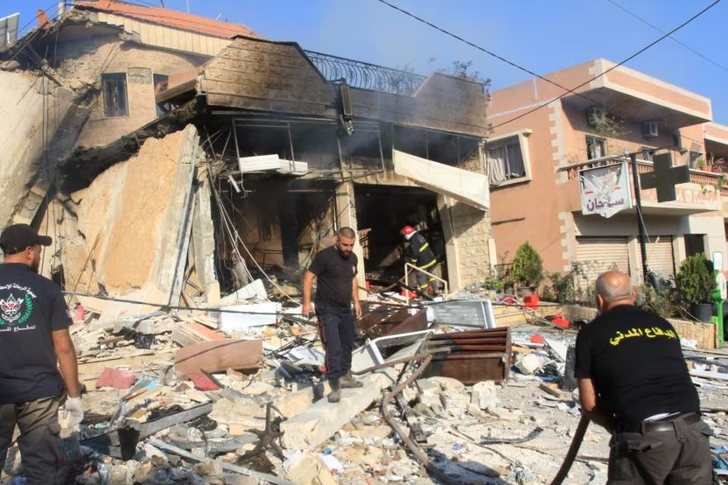
Israel bombed Hezbollah militant targets in Lebanon again ...

Ryan Routh, 58, who authorities say waited 12 hours fo...

Muslims make up less than 2 percent of the population in t...
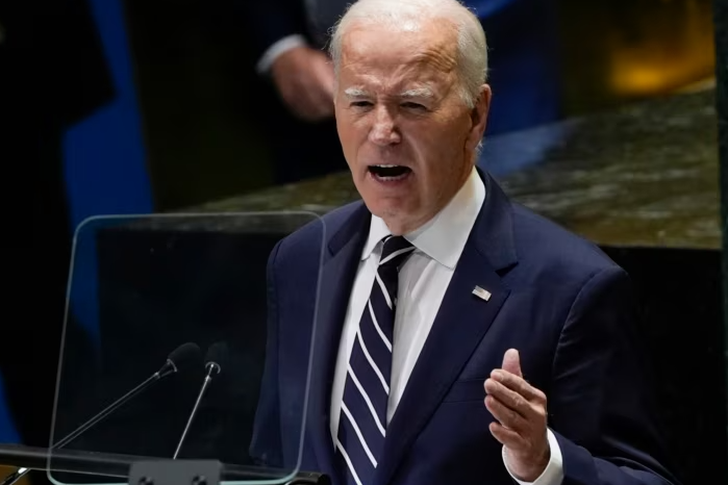
US President Joe Biden said the United States should n...
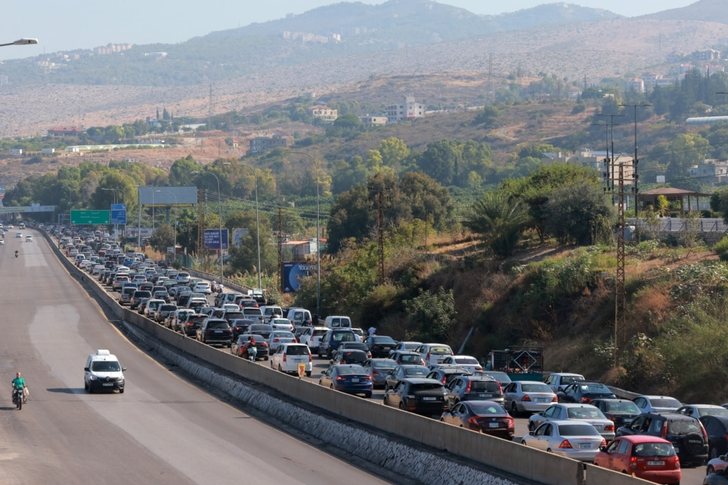
Tens of thousands of people have fled their homes in L...

Sweden says Iran is responsible for thousands of text mess...
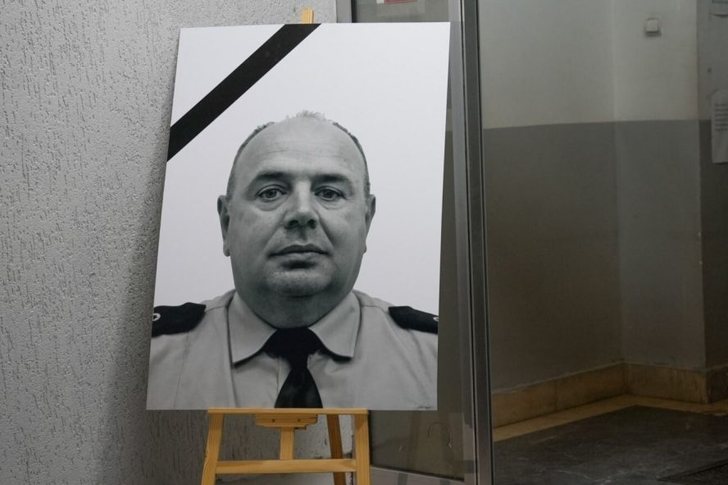
Today marks one year since the Serbian terrorist attack in...

German Chancellor Olaf Scholz refuses to comply with Kiev'...
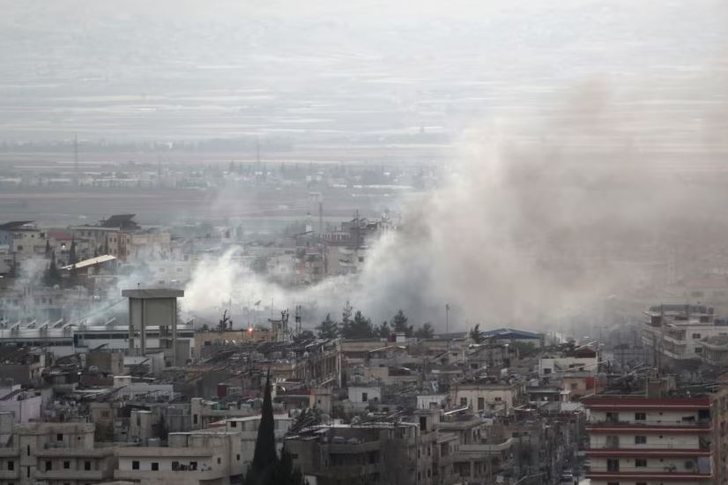
At least 492 people have lost their lives as a result of I...

Russia has created more artificial intelligence-assist...
The European Commission has started complaint procedures a...
The suspect for the assassination of former President Dona...
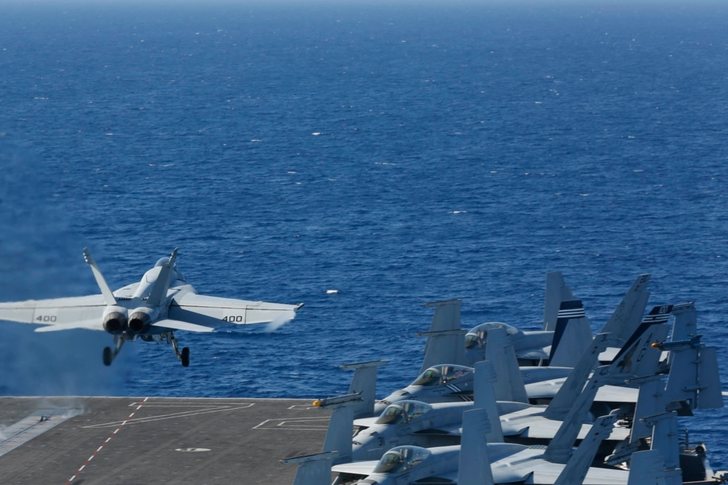
The United States is sending additional troops to the Midd...
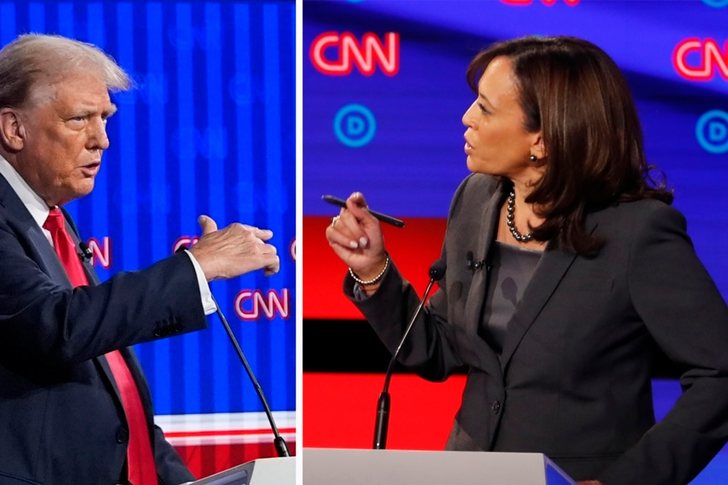
Republican presidential candidate Donald Trump holds his f...

The Kremlin said on Monday it will study what Ukrainian Pr...

Authorities continue to search for the perpetrators who op...
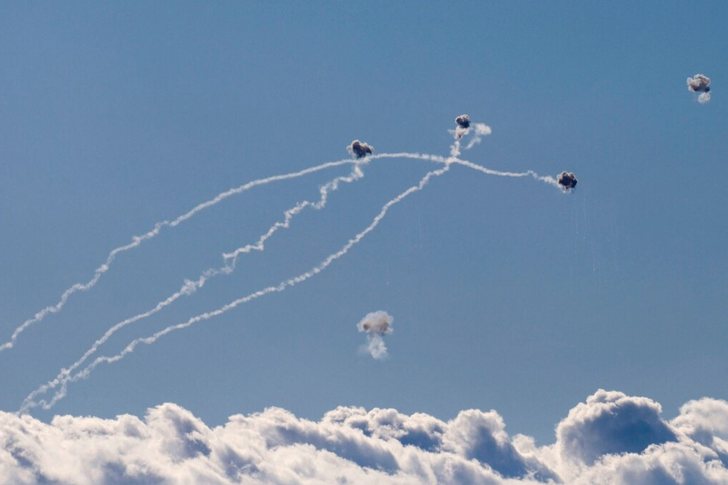
The United Nations has sounded the alarm over escalating v...

Russia will not conduct nuclear tests as long as the U...

CNA has launched another investigation that could lead to ...

Irfan Hysenbelliu is a businessman that we call "Irfan the...

In March 2026, CNA launched another investigation centered...
The arrested mayor of Tirana, Erion Veliaj, with 13 charge...

The Special Board of Appeal (KPA) decided this Monday ...

The KPA vetting decided this Thursday to dismiss the p...

Suela Salavaçi, a prosecutor in the Prosecutor's Offic...

The Special Board of Appeal reinstated the prosecutor ...

Citizen MH, 61, a fisherman, was found dead near the islan...

Another phase of the international operation, codenamed "T...

Police have arrested a 34-year-old woman at Rinas Airport ...

A serious accident has occurred on the Lezhë-Shëngjin axis...

This Wednesday, our country will be under the influence of...

All of Southern Europe will face changing weather conditio...

Albania was hit by temperatures significantly higher than ...

For the first time, Pogradec welcomed the Inter-Lake Chess...

Prime Minister Andy Burnham has announced that most bus fa...

France's parliament has passed a law to ban social media f...

US Secretary of State Marco Rubio arrived in Manila on Jul...

In the space of a few days, Ukrainian President Volodymyr ...

At a time when industrial products are increasingly taking...

Trust among people is not just a three-syllable word. It c...

Master of humor Todi Llupi has passed away at the age of 7...

The ninth edition of "MIK Festival" kicked off with one of...

Businesses will no longer be required to simply register t...

Despite economic growth and income in recent years, Albani...

This Wednesday, one US dollar is bought for 81.4 lek and s...

Construction company licenses will have a validity period ...